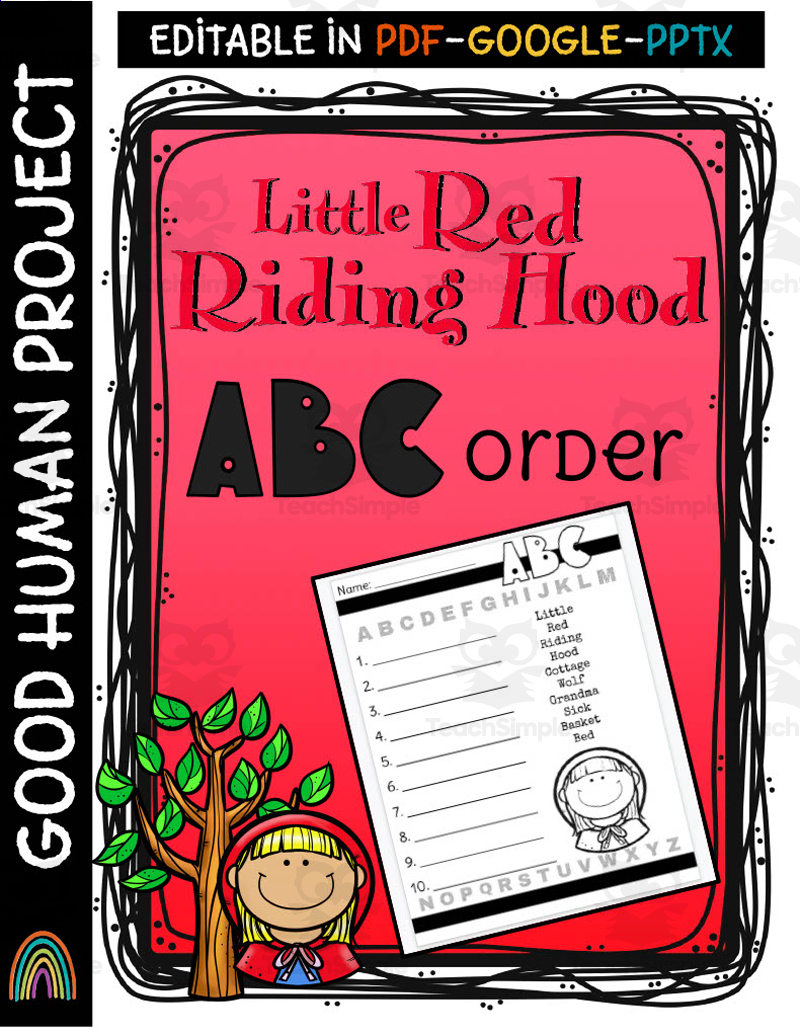
Little Red Riding Hood | ABC Order Activity
Alphabetical-order (ABC order) practice using vocabulary drawn from the Little Red Riding Hood folk tale.
Editable


23,569 resources
Explore sub-categories
4 sub-categories · 23,569 resources
Alphabetical-order (ABC order) practice using vocabulary drawn from the Little Red Riding Hood folk tale.
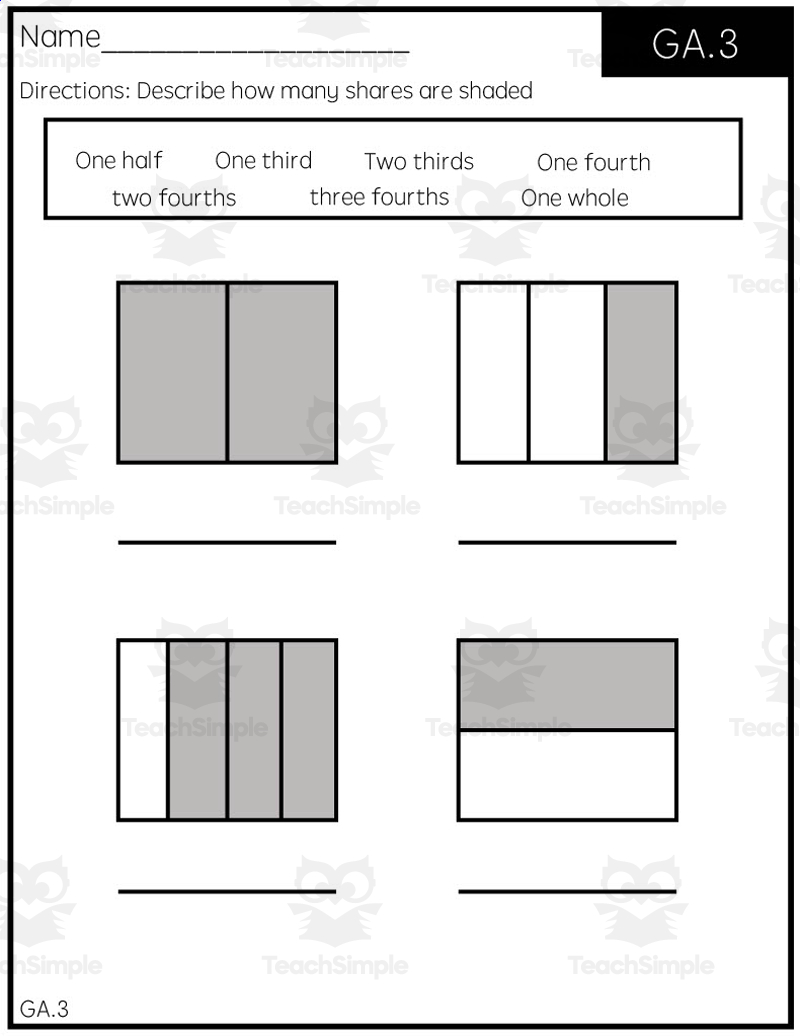
Provides a set of one-page Grade 2 geometry 'quick check' worksheets, grouped by skill code (GA.1, GA.2, GA.3), for checking students' ability to identify shape attributes, partition rectangles, and describe fractional shares of shapes.
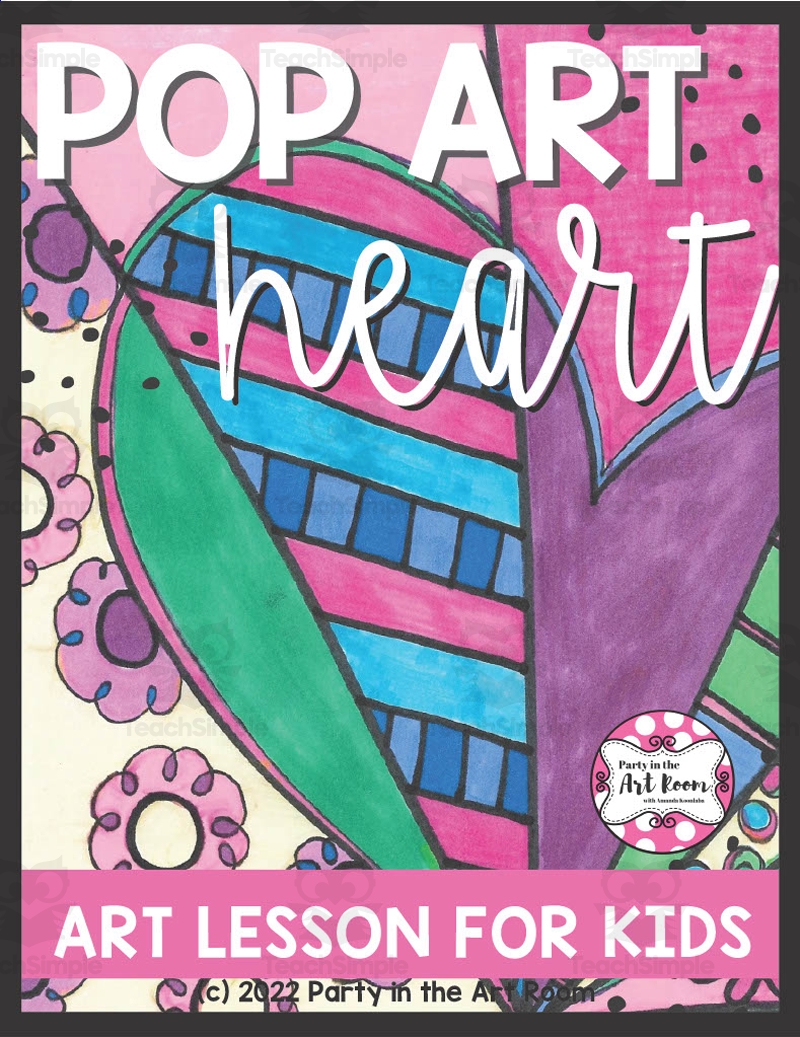
An art lesson teaching pop-art concepts through a dice-game drawing activity centered on a heart shape, in the style of Andy Warhol, plus reflective writing.
Reviewed, evaluated, edited, and creatively written by teaching professionals, this workbook implements current teaching strategies and aligns with grade-level standards. Children will be well-prepared for standardized testing!

A phonics matching worksheet set teaching beginning sounds for preschool/kindergarten learners.

A set of word-family worksheets where students write the CVC (and related rime-family) word for each pictured item, organized by rime ending.
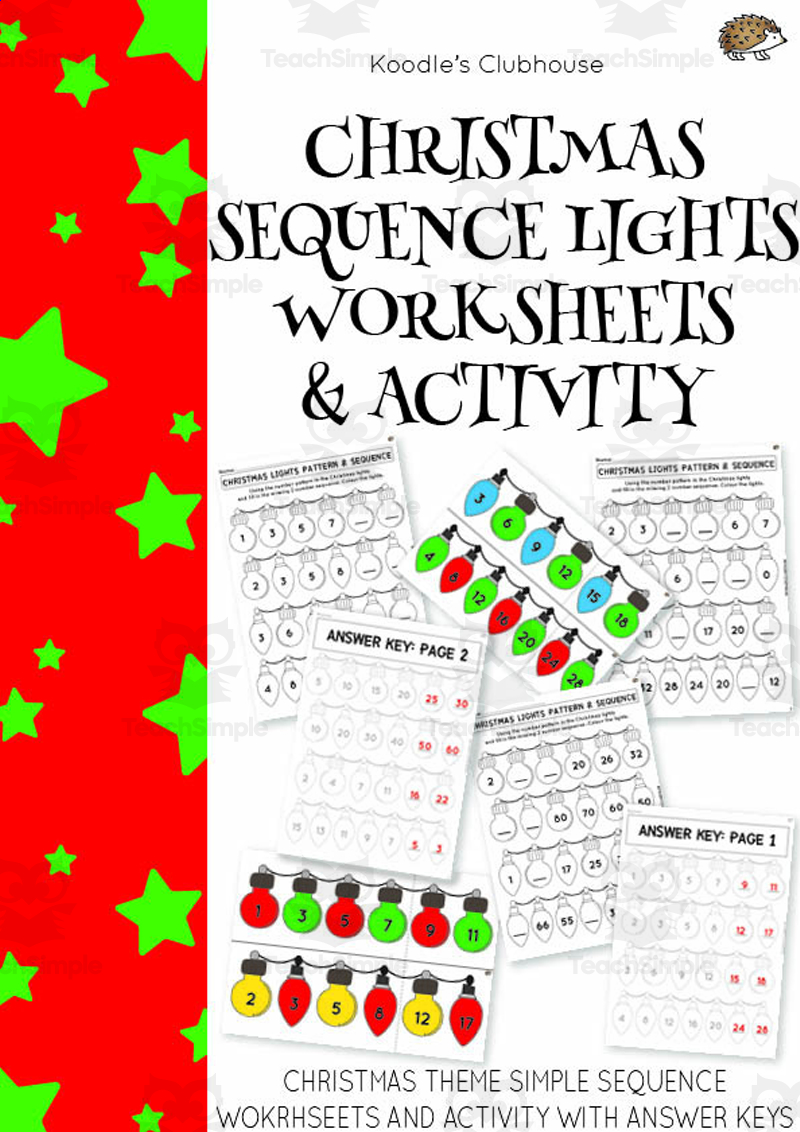
A set of Christmas-lights-themed worksheets teaching number sequencing and patterns.
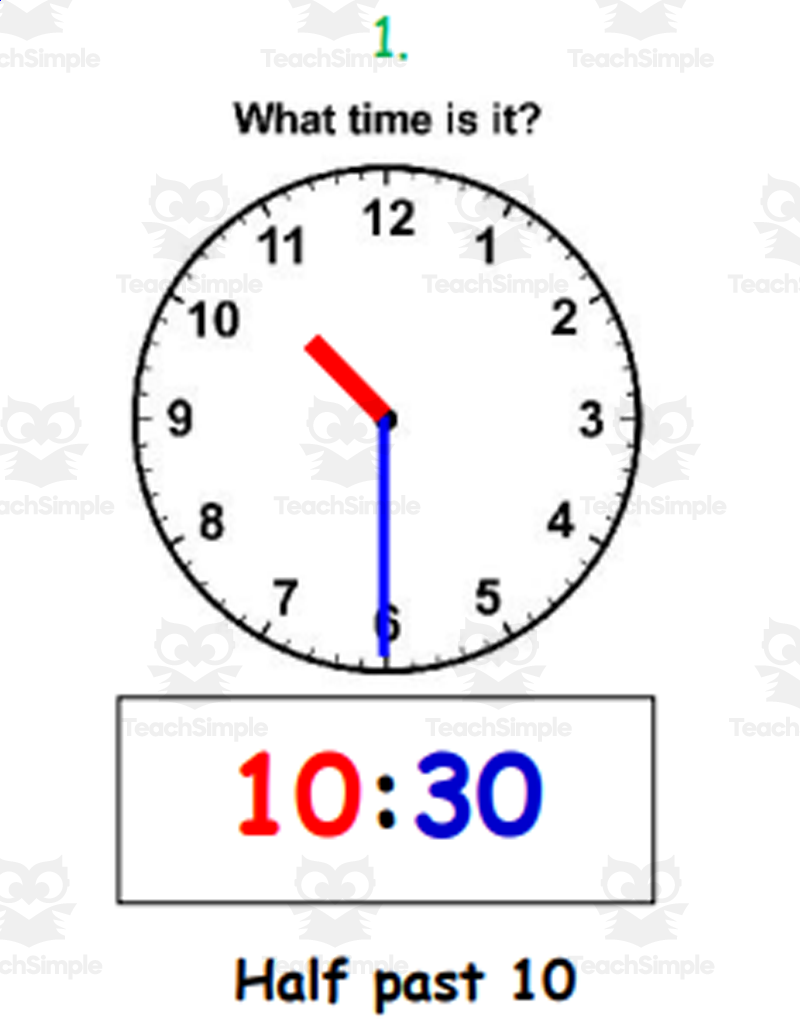
Practice converting between analog clock hands, digital time, and time written in words.
A second-grade-level reading skills workbook covering phonics, word structure, vocabulary, study skills, comprehension, and oral/silent reading, using a controlled vocabulary matched to average second-grade basal readers.

Provides counting and number-matching practice pairing peanut quantities to numerals, elephant themed.
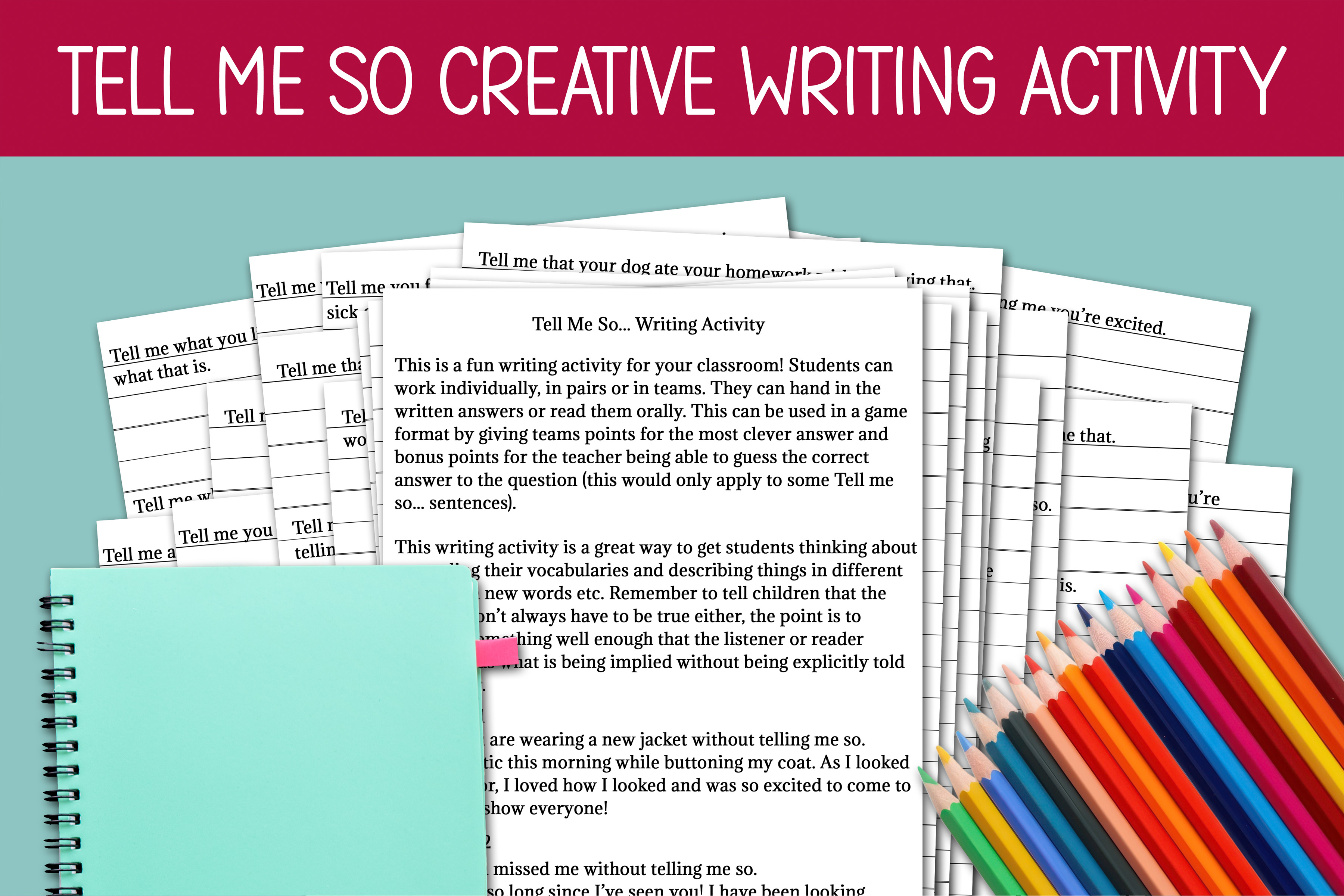
Forever June Digital Design ARE YOU LOOKING FOR FRESH, NEW LANGUAGE ARTS IDEAS FOR YOUR CLASSROOM? If you looking for something unique for your class, you have come to the right place! My Tell Me So...Creative Writing Activity is a fun resource for your teacher toolbox! This Instant Download Listing contains 20 high resolution jpeg…
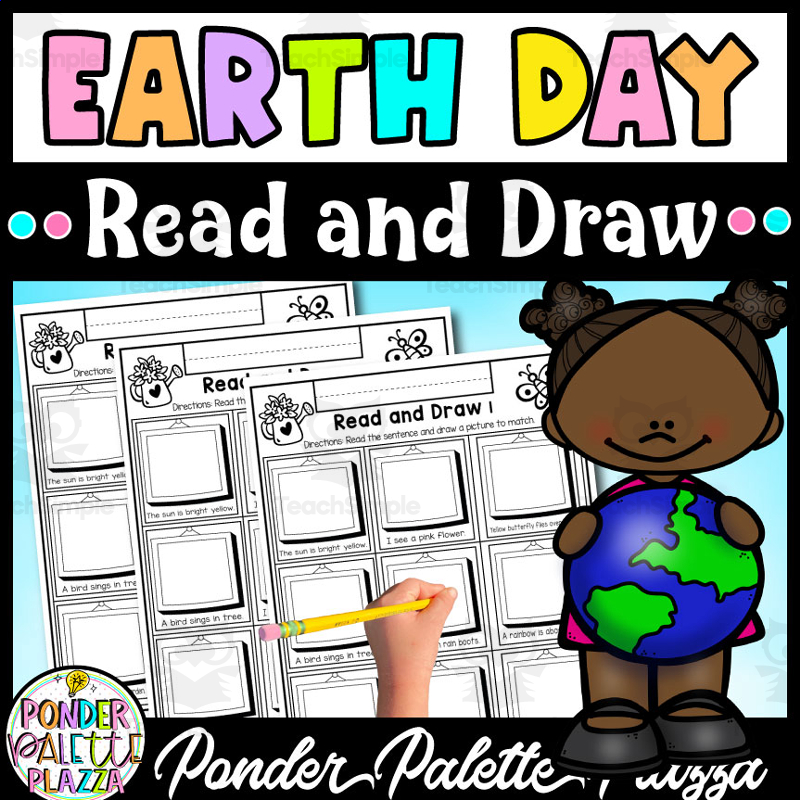
Have students read short Earth Day-themed sentences and draw a picture illustrating each sentence to practice reading comprehension and visualization.
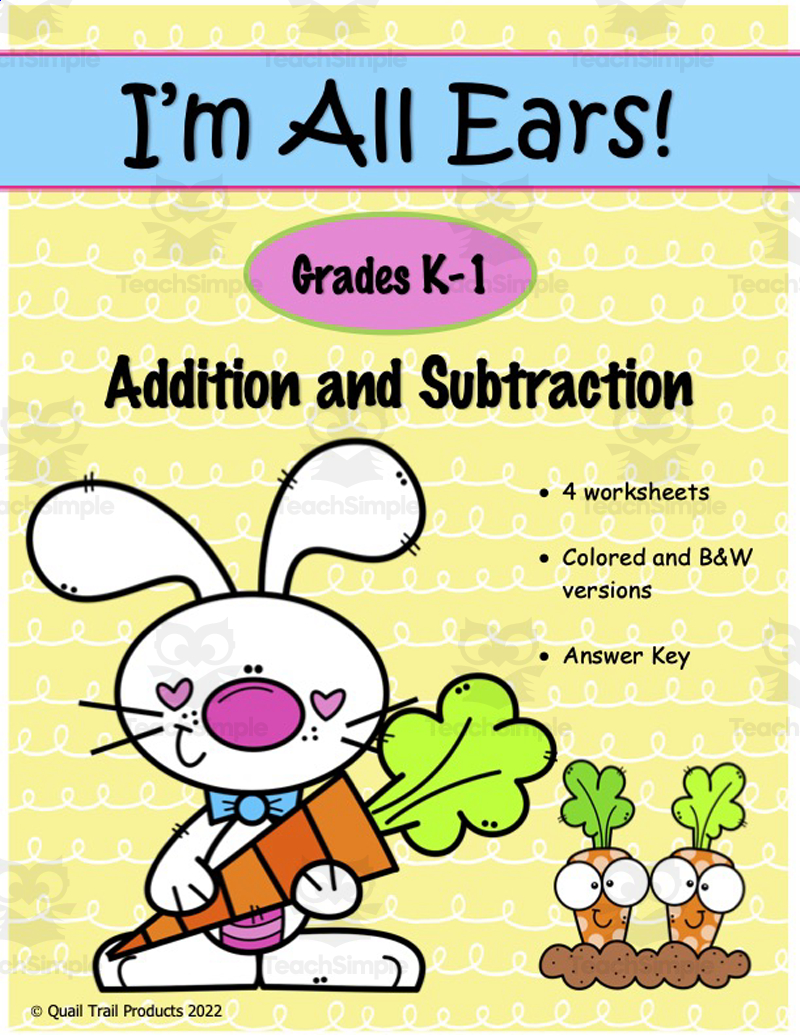
An Easter-adjacent (rabbit-themed) worksheet set for practicing addition and subtraction facts with numbers 0-14.
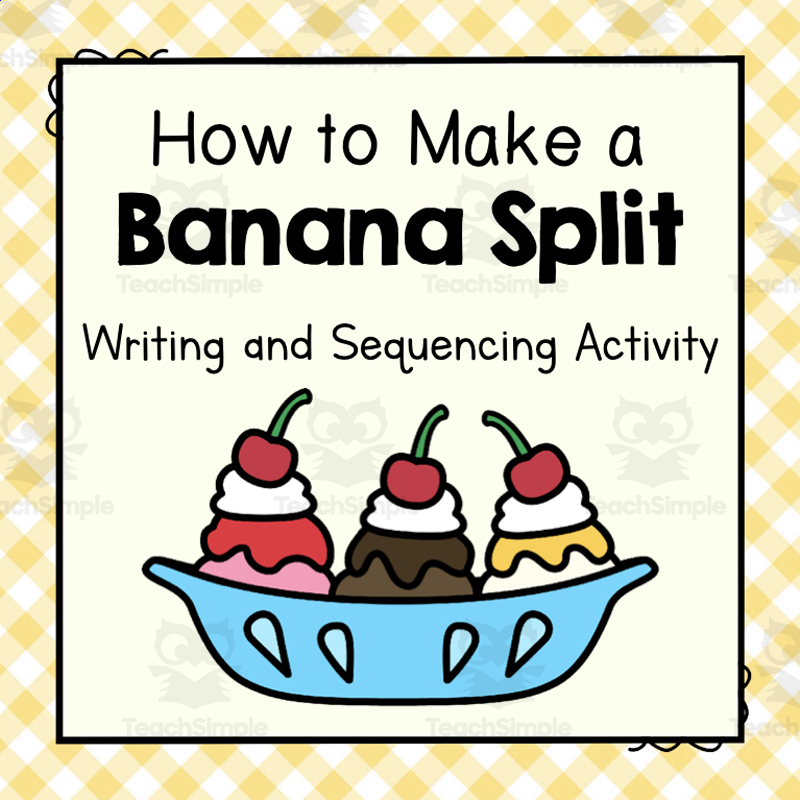
Teaches early writers to produce sequential 'how-to' expository writing about making a banana split, using leveled models, checklists, and picture-sequencing supports.
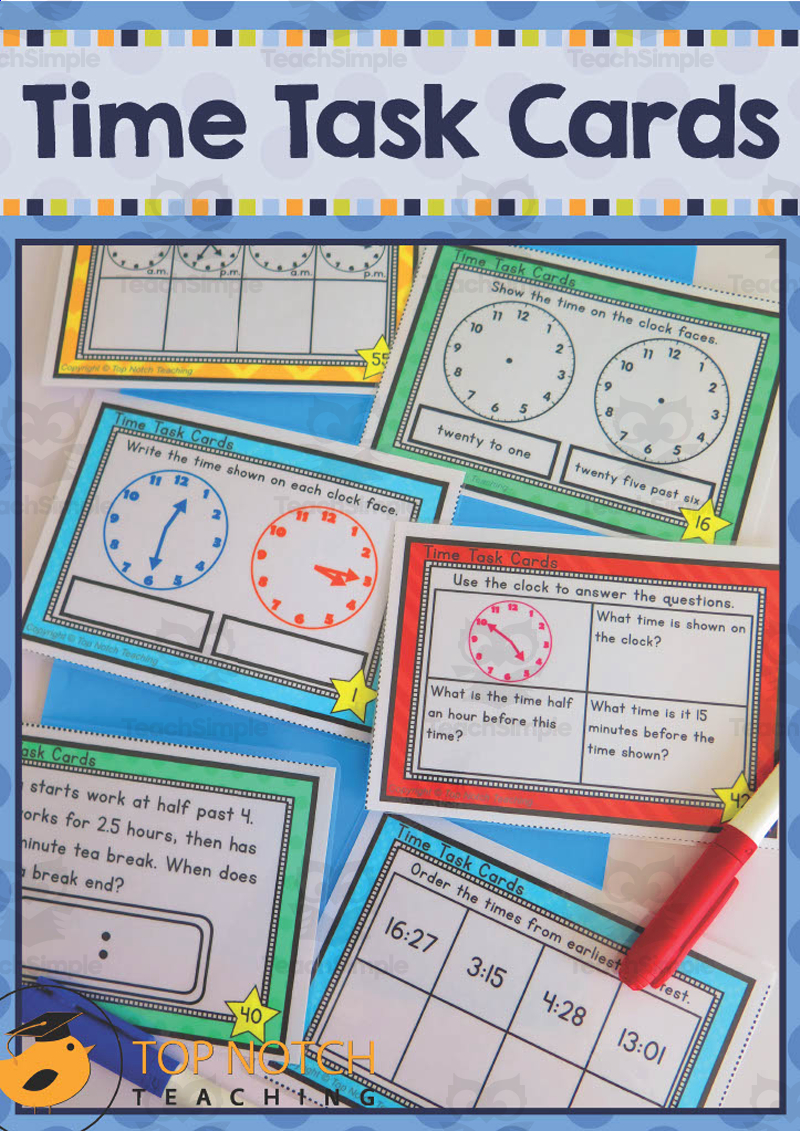
A set of 60 time task cards (plus a companion digital Google Slides version) for reviewing analog, digital, and 24-hour time and elapsed time, intended for math centers and independent practice.
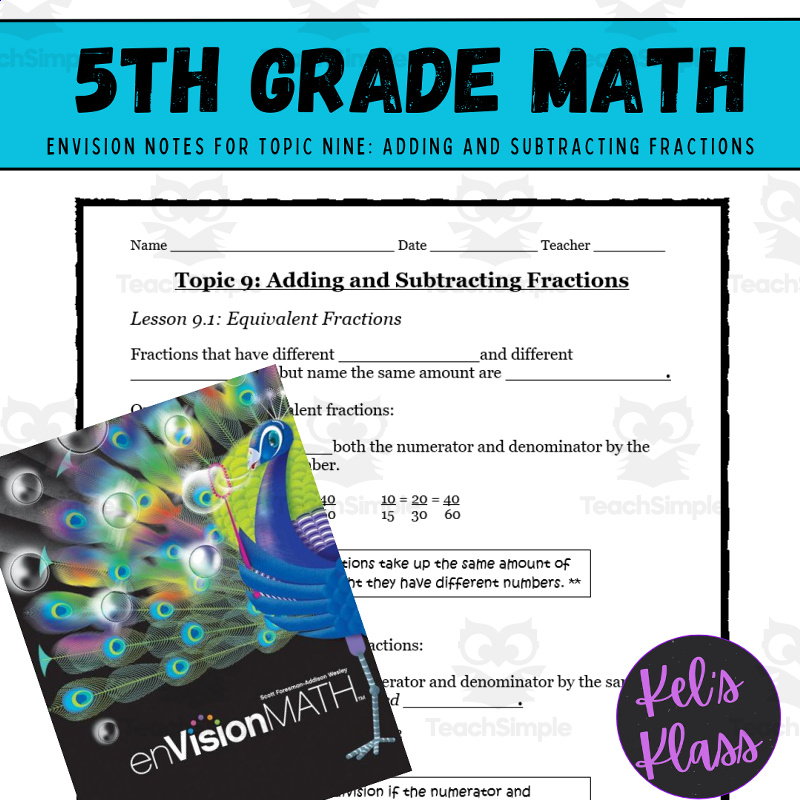
Guided (fill-in-the-blank) student notes for Grade 5 Envision Math Topic 9, teaching equivalent fractions, simplest form, common multiples/LCM, common denominators, and adding/subtracting fractions with unlike denominators.

An ESL/EFL reading comprehension and writing worksheet built around a passage about Nikola Tesla (inventor/scientist biography, incl. AC vs DC rivalry with Edison), used to build reading comprehension, vocabulary and formal/creative writing skills in English.
A set of daily no-prep morning-work worksheets for June, giving 2nd/3rd graders 10-15 minutes of mixed math and language-arts review as they settle into the classroom.

A 3-part worksheet set teaching alliteration by having students build, write, and illustrate alliterative sentences with an autumn theme.
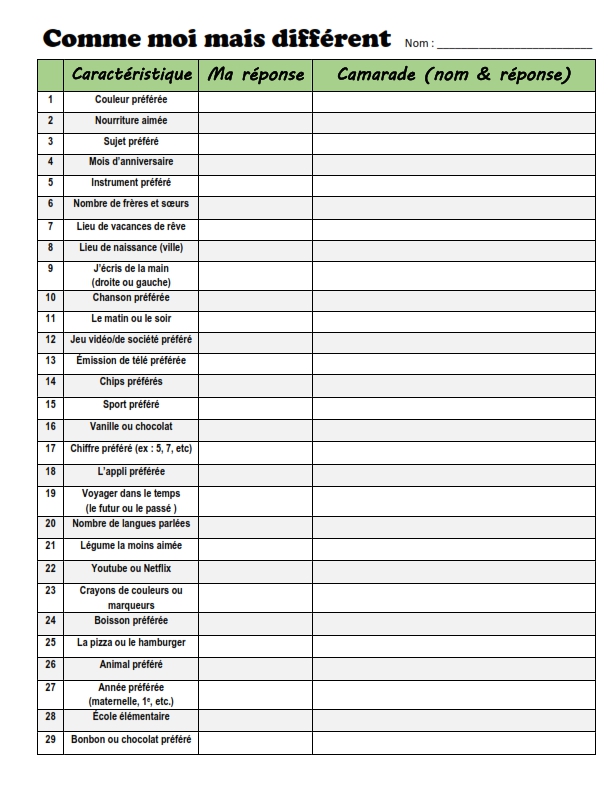
A bilingual icebreaker worksheet where students record their own answers to personal-preference prompts and then mingle to compare with classmates.
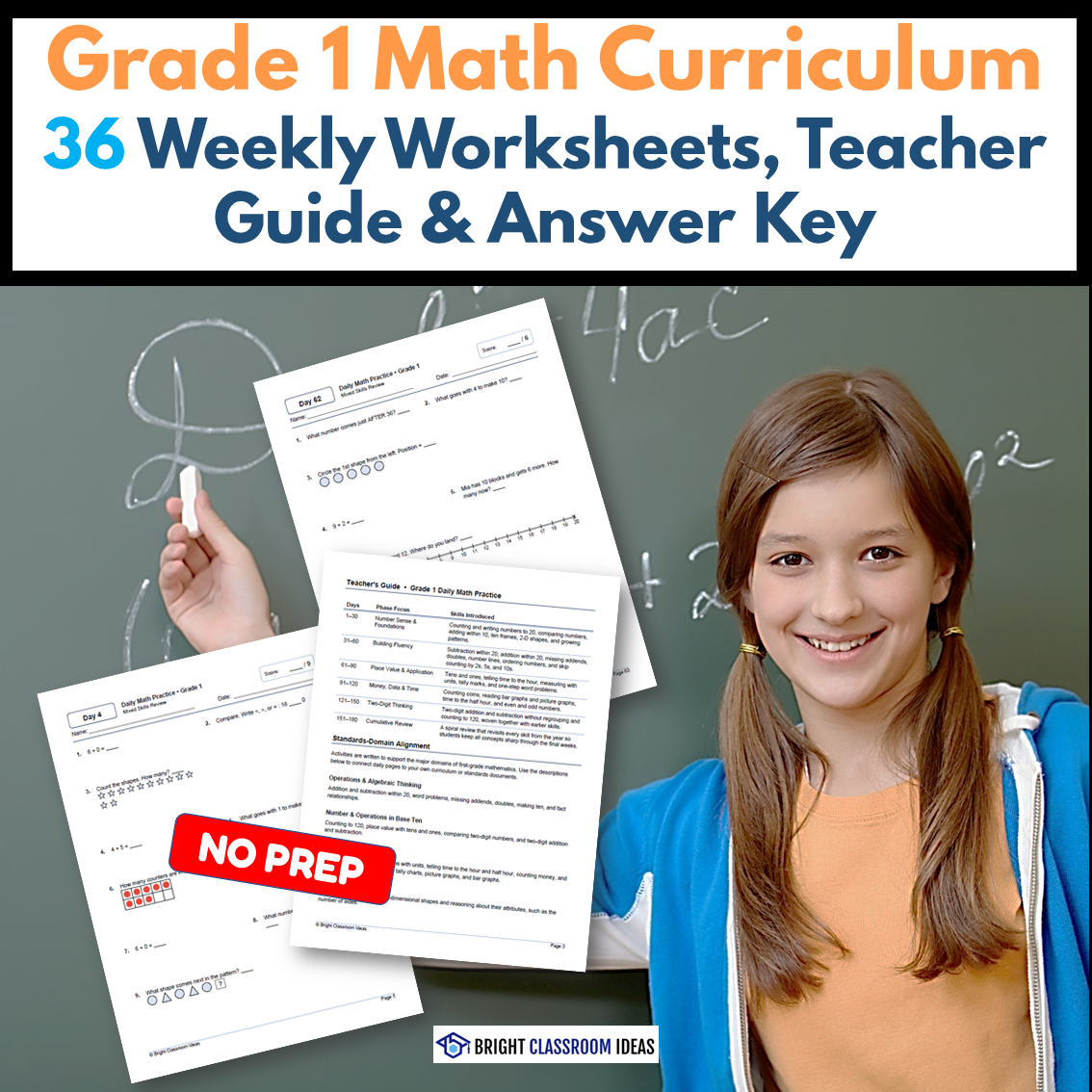
36-week Grade 1 math curriculum with one focused skill per week, covering number sense, addition/subtraction, place value, measurement, time, money, and geometry.

Teach high school students to recognize and work with linear equations/functions, both graphically and symbolically, through guided notes and a matching homework set.

Halloween Counting Worksheet
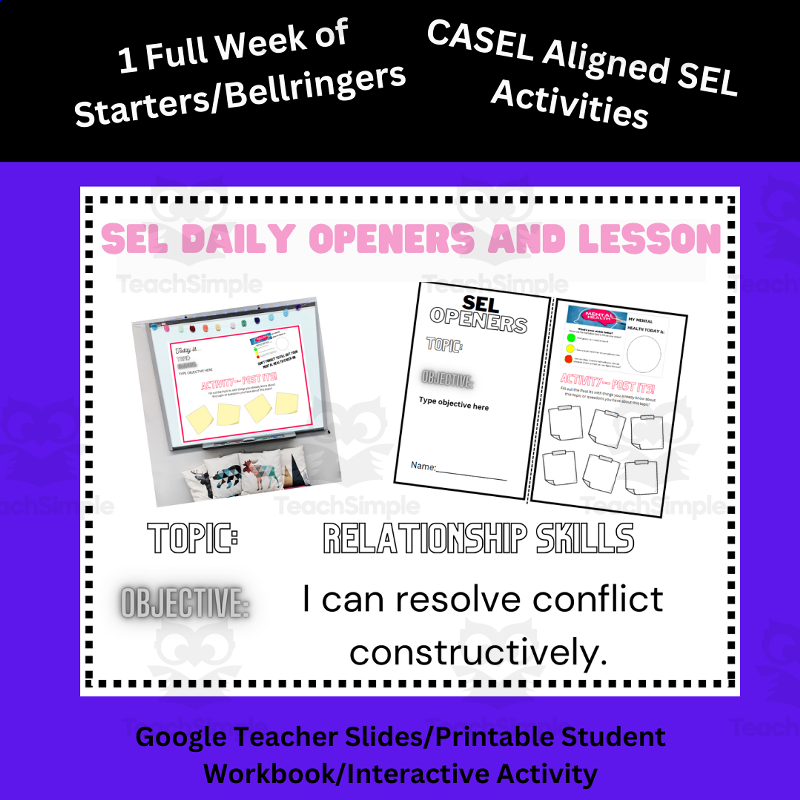
A Social Emotional Learning (SEL) resource focused on the relationship-skills objective 'I can resolve conflict constructively,' providing daily bellringer/opener activities plus a stand-alone mini-lesson distinguishing constructive from deconstructive conflict, aligned to the CASEL framework.