Afternoon on the Amazon (Magic Tree House #6 Lesson Plan, Videos, Activities)
- Grades
- Grades 1–3, Elementary
- File type
- Preparation
- Print ready


- Subject
- ELA, Reading
- Topic
- afternoon on the amazon, magic tree house
- Resource types
- Lesson Plans, Teacher Tools
- Preparation
- Print ready
- Standards
- CCSS.RL.2.2
About this resource
What's inside this resource
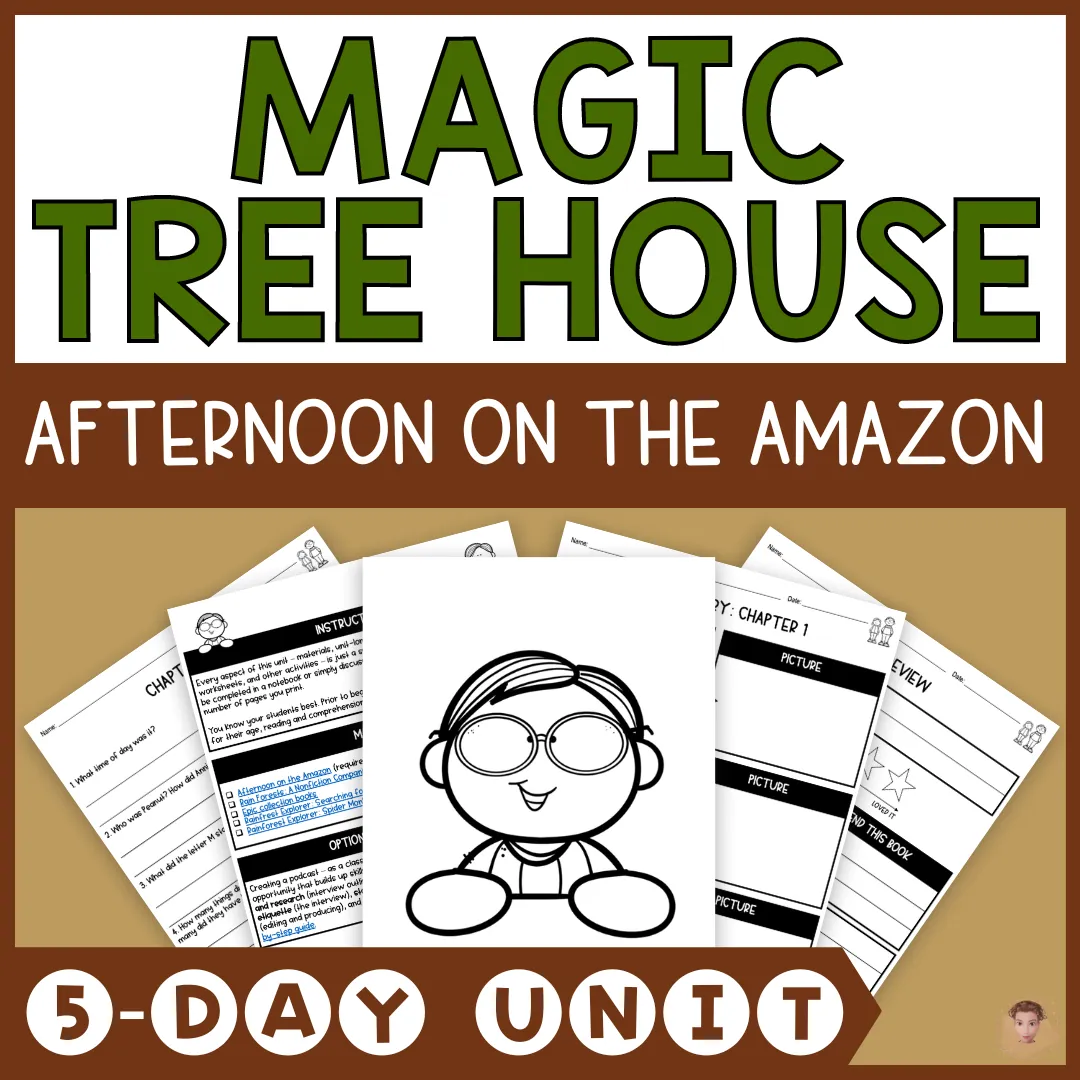
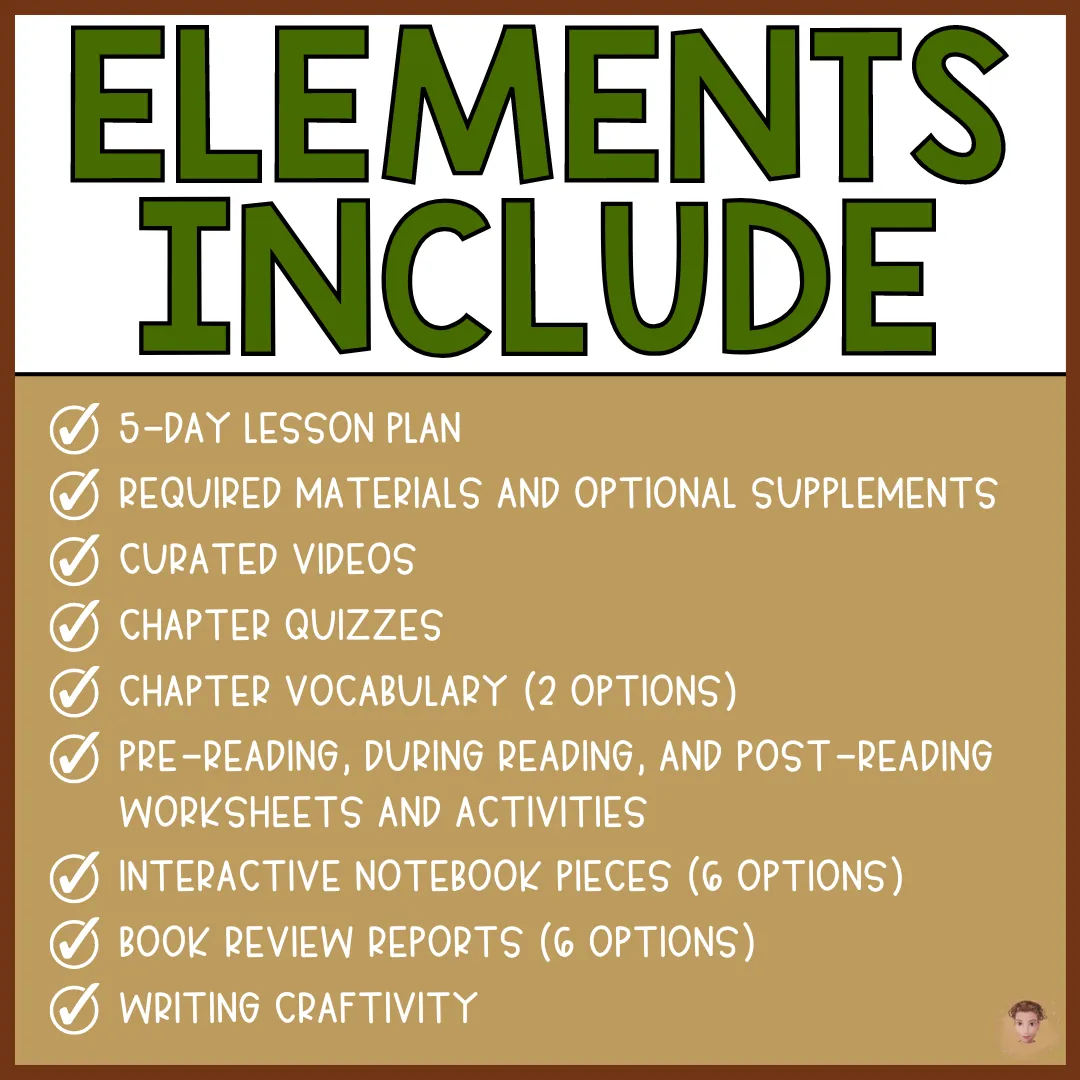
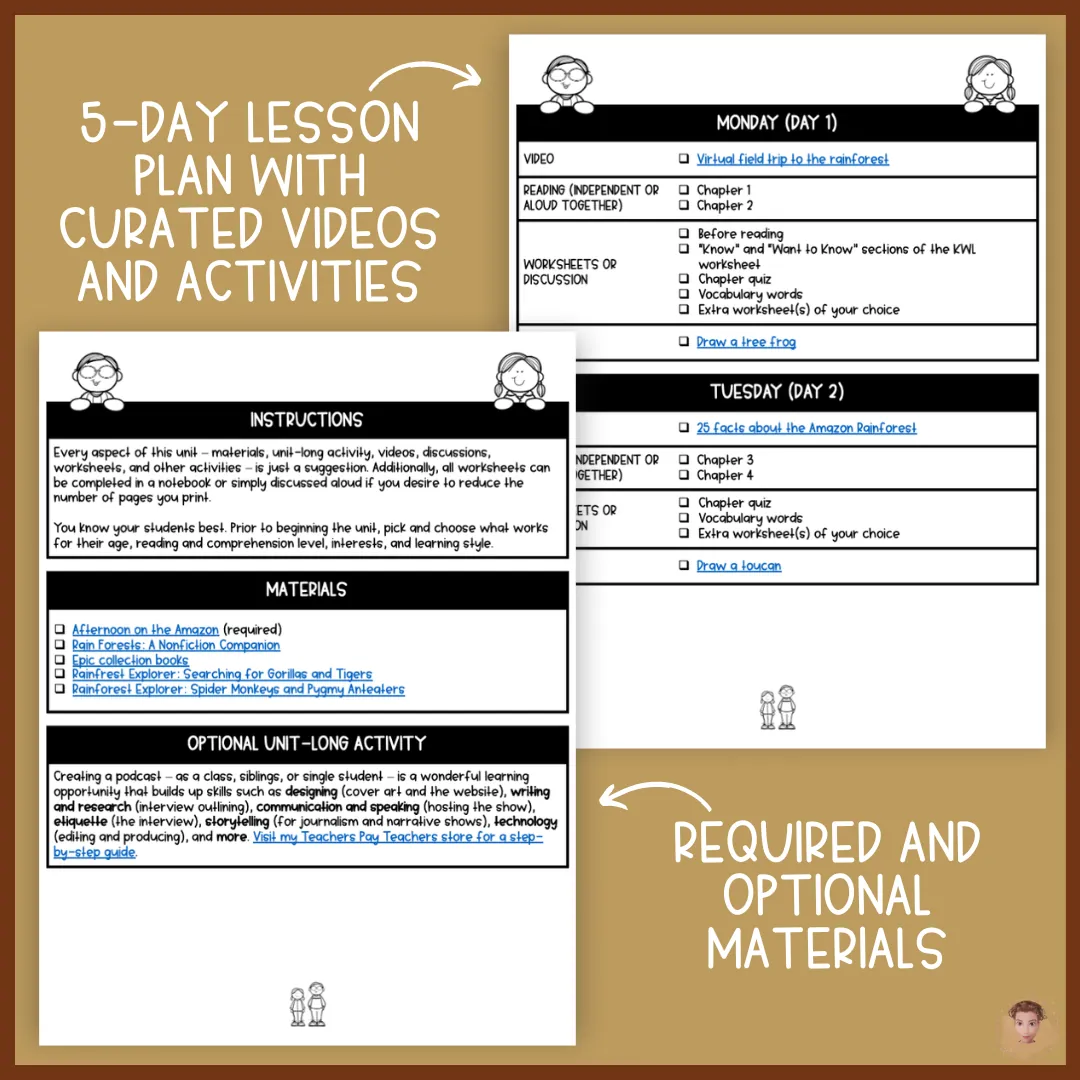
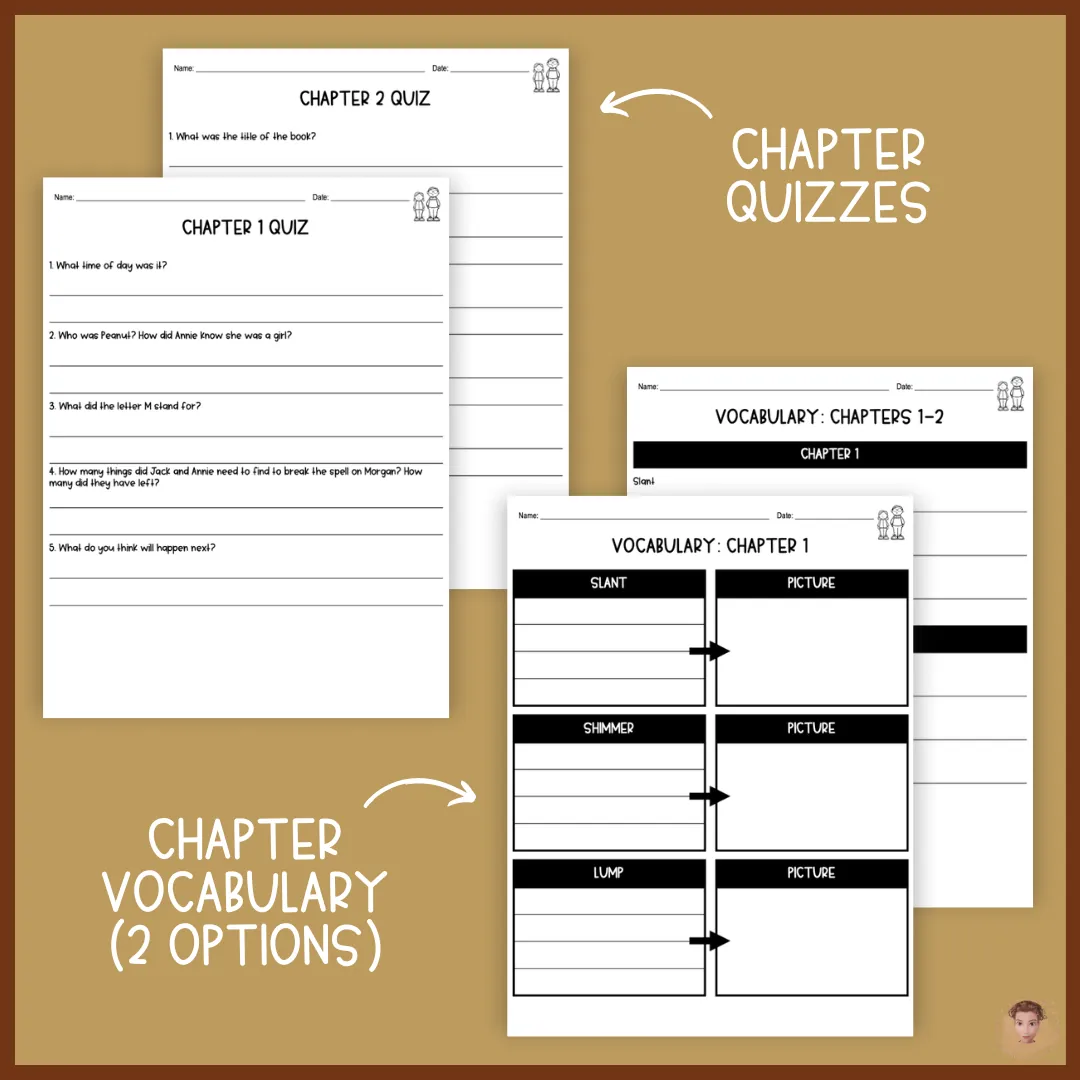
A 5-day NO PREP novel study of Afternoon on the Amazon (Magic Tree House #6). This comprehensive book companion includes a lesson plan, chapter comprehension questions, vocabulary practice, and many other activities. Perfect for first grade, second grade, and third grade classrooms, homeschool families, and cooperatives.
You can easily customize lessons based on student age, reading and comprehension level, interests, and learning style! Additionally, all worksheets can be completed in an interactive notebook or simply discussed aloud if you desire to reduce the number of pages you print.
THIS RESOURCE COVERS:
Art (drawing, coloring, arts & crafts)
Comprehension
English language arts
Geography
Grammar
History
Reading
Research
Social studies
Spelling
Writing
Related resources
More resources teachers may find useful
24 related resources were found using this product's title, contributor, categories and tags.



In the classroom
Teaching tips & learning objectives

Learning objectives
Predict a story's plot from its cover before reading.
Answer literal and inferential comprehension questions about each chapter, such as identifying a character or recalling a specific plot detail.
Define new vocabulary words introduced in each chapter, such as slant, shimmer and lump.

Teaching tips
Follow the 5-day structure as written, since each day is pre-built around a specific video, chapter pair, quiz and drawing activity rather than needing to be assembled from separate pieces.
Let students complete the worksheets in an interactive notebook or discuss them aloud instead of printing every page, since the resource is explicitly designed to reduce printing when desired.
Save the KWL worksheet's 'Learned' section for day 5, since it is specifically tied to that day's discussion after the Amazon rainforest video and final chapters.

Skills covered
Chapter comprehension — students answer questions specific to each chapter's events, such as identifying a character or recalling a plot detail from Chapter 1 (page 12).
Predictive reading — students summarize what they expect will happen using only the book's front and back covers before reading begins (page 9).
Vocabulary in context — students work through words introduced chapter by chapter, such as slant, shimmer and lump from Chapter 1 (page 23).
Good to know
Questions teachers ask about this resource
How does the drawing activity connect to each day's reading?
Each day pairs its chapters with a themed rainforest-animal drawing that appears in that section of the book -- for example a tree frog on day one, a toucan and a monkey on day two, and an iguana on day five -- reinforcing the setting visually alongside the reading.
Is there a writing task besides the chapter quizzes?
Yes. Beyond the daily quizzes, students write an alternate ending to compare against the book's original, complete a book review, and write a postcard home in character describing their rainforest adventure.

No reviews yet
Downloaded this resource? Tell other teachers how it went.
Curriculum
Standards, concepts & topics
Standards
 Standards
- CCSS.RL.2.2 — Recount stories, including fables and folktales from diverse cultures, and determine their central message, lesson, or moral.
Core concepts
 Core concepts
novel study
reading comprehension
vocabulary in context
narrative writing
 Topics
Explore more
Categories this resource belongs to
Explore related searches
More to explore
You may also like