Classic French Taboo Speaking Game - Version 3 - Jeu de Tabou en Français


- Grades
- Grades 6–8, High School
- Pages
- 33
- File type
- Multiple File Types


- Subject
- Foreign Languages, French
- Topic
- French Taboo, Speaking game
- Resource types
- Games
Product description
From the author
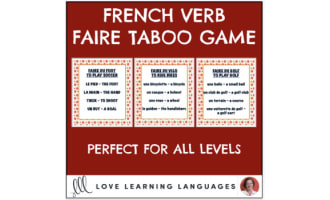
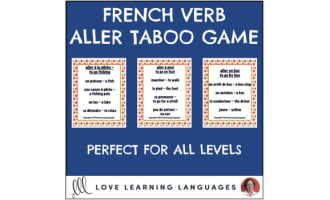
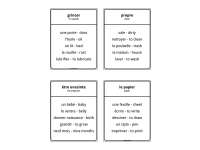
CLASSIC VERSION #3: Playing French TABOO is a fun way to get your students speaking French and learning a lot of new vocabulary. This game is simple to modify and use both with beginners and advanced students. In this classic version of the game there is no particular vocabulary theme. 100 French-English cards are included. There are 2 fun ways to play this fun vocabulary game and both are explained in the instructions (see classic game play in the preview).
Most entries on the cards have French and English text; review the occasional missing or incorrect gloss before play. This is a very useful and empowering feature as many of the words will be new to students.
This French Taboo game includes the following:
☞ How to play classic Taboo (beginner and advanced levels)
☞ 100 Taboo game cards to print, laminate, and cut out
☞ How to play 15 MINUTES MAX - an alternative version of the game
☞ 15 MINUTES MAX game board
☞ Sheet for recording new words in French and English (nouveaux mots)
Related resources
More resources teachers may find useful
24 related resources were found using this product's title, contributor, categories and tags.



In the classroom
Teaching tips & learning objectives

Learning objectives
Describe a French word without using the five most obvious words associated with it
Understand spoken French clues under time pressure and produce the target word
Record and revisit new words using the FRANÇAIS and ANGLAIS columns of the nouveaux mots sheet

Teaching tips
Start with the beginner rules: allowing the five listed words as clues turns each card into a guided vocabulary set rather than a constraint, which is what makes the game workable before students can build sentences at speed
The instruction sheet calls for one complete stack per group of four, so print multiple sets before a whole-class session rather than rotating one deck

Skills covered
French clue giving — describe a target using permissible words; an unlisted synonym can be a valid clue.
Timed speaking — use an optional one-minute round or another agreed time.
Vocabulary recording — note new French and English words on the twenty-row log.
Good to know
Questions teachers ask about this resource
What kind of vocabulary does the deck cover?
General vocabulary rather than a single unit theme. The cards mix everyday objects (une cuillère, une éponge, un bouton), abstractions (sincère, exactement, presque), places (New York, la Sorbonne, Loch Ness), actions (accélérer, s'étirer, renverser) and named people and brands. Select cards to match students’ vocabulary and speaking readiness.
Do students need English to use the cards?
Most targets and clues include English glosses, but some entries lack a separate gloss and proper names may be shared between languages. Review unfamiliar terms before play; learners working entirely in French can cover the English text.

No reviews yet
Downloaded this resource? Tell other teachers how it went.
Resource details
Concepts & topics
Core concepts
 Core concepts
French vocabulary
Speaking practice
Circumlocution
Language game
Listening comprehension
 Topics
Explore more
Categories this resource belongs to
Explore related searches
More to explore
You may also like