Passé Composé of Prendre: J’ai Pris, Appris and Compris
French beginners learn the passé composé of prendre as avoir + pris, then carry the same pattern to apprendre and comprendre, negative sentences and picture prompts.


- Grades
- Grades 10–12, High School
- Pages
- 3
- File type
- Answer key
- Included


- Subject
- Foreign Languages, French
- Topic
- French verbs, French worksheets
- Resource types
- Worksheets & Printables, Worksheets
- Answer key
- Included
About this resource
What's inside this resource
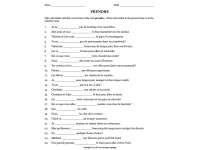
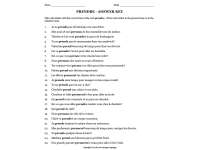
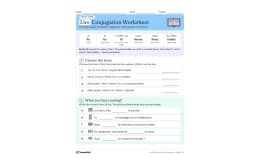
Avoir + pris is the whole formula. Page 1 starts with a passé composé chart for prendre, which students complete from a bank of five avoir forms, with j’ai pris given; they then check whether four sentences are in the present or the passé composé using time clues such as hier and maintenant. Next they rewrite four present-tense sentences, from Je prends le métro to Mes amis prennent des notes, so each one describes something that already happened.
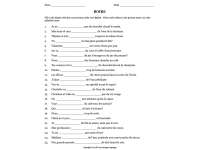
Page 2 shows that one rule covers the whole prendre family. Students write apprendre and comprendre in the passé composé after a worked example (Vous avez compris le film), wrap ne … pas around the avoir form in three negatives, including the elided n’ used ahead of a vowel, and finish with three picture sentences, choosing from four phrases where one is not needed.
Instructions use English while every task is in French. Page 3 gives all 18 answers, a reference table of present and passé composé forms for prendre, apprendre and comprendre, the most common negative mistake and a « Qui a pris le stylo ? » classroom warm-up.
Related resources
More resources teachers may find useful
24 related resources were found using this product's title, contributor, categories and tags.

In the classroom
Teaching tips & learning objectives

Learning objectives
- Form the passé composé of prendre with the correct present-tense form of avoir.
- Tell present and passé composé sentences apart using verb form and time clues.
- Rewrite present-tense sentences in the passé composé, keeping the same subject.

Teaching tips
- In Part B, point out that d’habitude signals a habit in the present, as the answer page explains for item 5.
- Watch for ne placed before pris (J’ai ne pas pris), the error the answer page highlights.
- Remind students that je + ai becomes j’ai before they start Part C.

Skills covered
- Passé composé formation — students pair each subject with its avoir form before pris.
- Tense recognition — students decide present or passé composé from clues such as hier, maintenant and d’habitude.
- Sentence transformation — students rewrite four present-tense prendre sentences as finished actions.
Good to know
Questions teachers ask about this resource
Why do apprendre and comprendre appear on a prendre worksheet?
Both are built on prendre, so they follow the same pattern: avoir + appris and avoir + compris. Part D practices them so students see one rule covering three verbs.
Which time clues help with the present-or-past task?
Part B lists three: avoir + pris, hier (yesterday) and maintenant (now). The answer page adds that d’habitude (usually) describes a habit in the present.
Where do students usually go wrong with the negative?
They put ne … pas around pris instead of around the avoir form. Part E states the rule with a worked example, Nous n’avons pas pris le train, and the answer page flags J’ai ne pas pris as the mistake to watch for.

No reviews yet
Downloaded this resource? Tell other teachers how it went.
Resource details
Concepts & topics
Core concepts
 Core concepts
- Passé composé
- Prendre
- Avoir as auxiliary
- Past participles
- Negation
- Apprendre and comprendre
 Topics
Explore more
Categories this resource belongs to
Explore related searches
More to explore
You may also like