Multiplication Properties Anchor Chart
- Grades
- Grades 3–4
- Pages
- 13
- File type
- Preparation
- Print ready


- Subject
- Math, Multiplication
- Topic
- Multiplication properties, Worked examples
- Resource types
- Posters, Anchor Charts
- Preparation
- Print ready
- Standards
- 3.OA.B.5
Product description
From the author
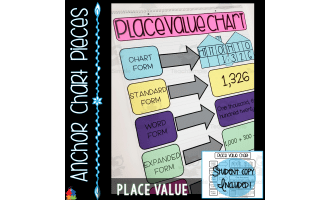
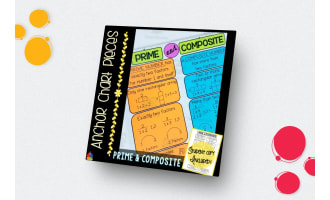
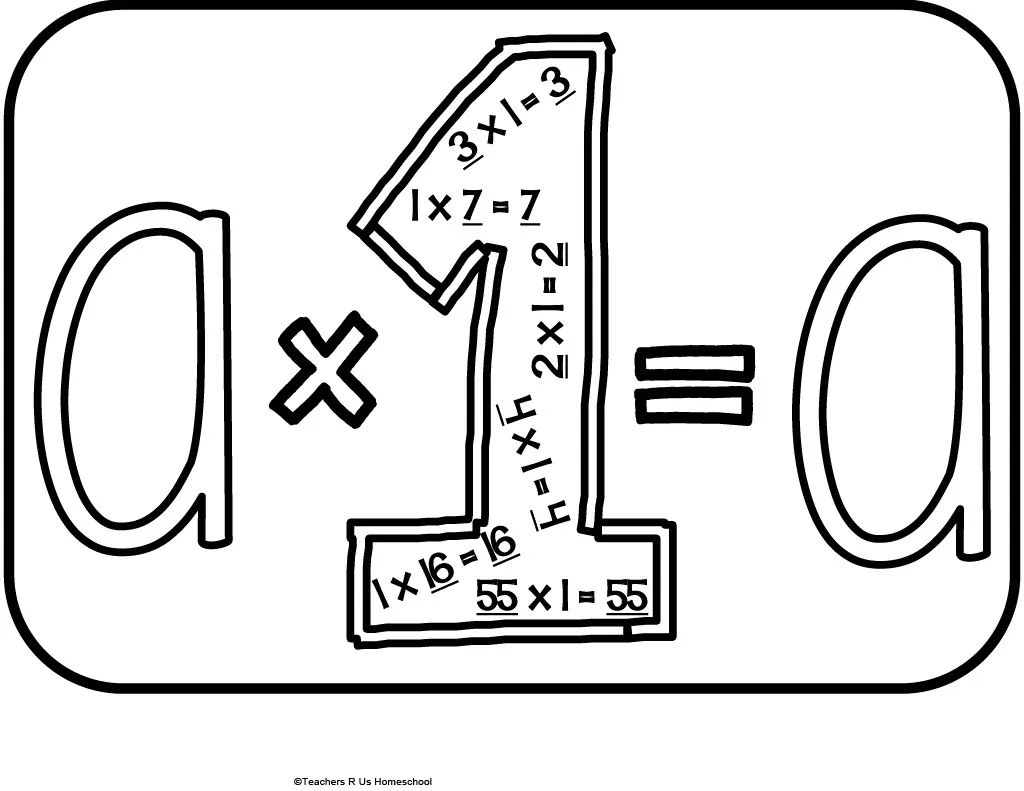
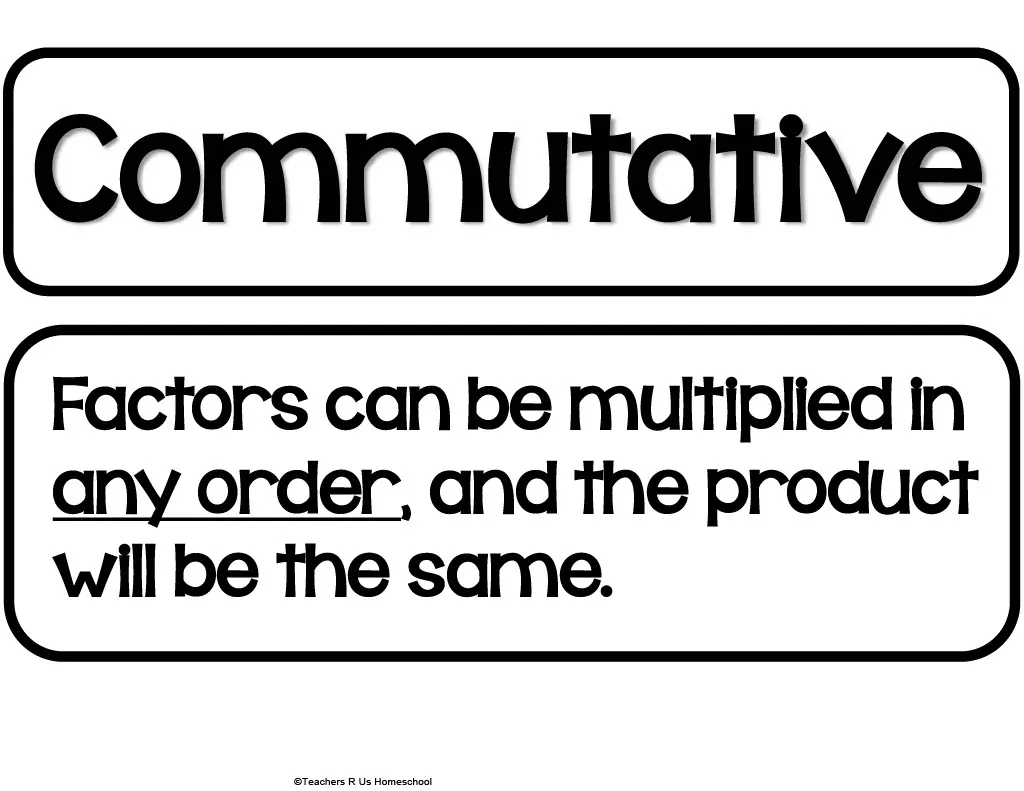
Build a Multiplication Properties Anchor Chart with definitions and examples for zero, identity, distributive, associative and commutative properties.
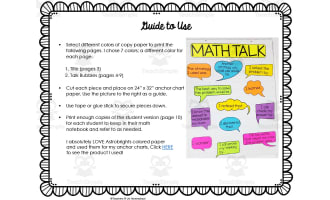
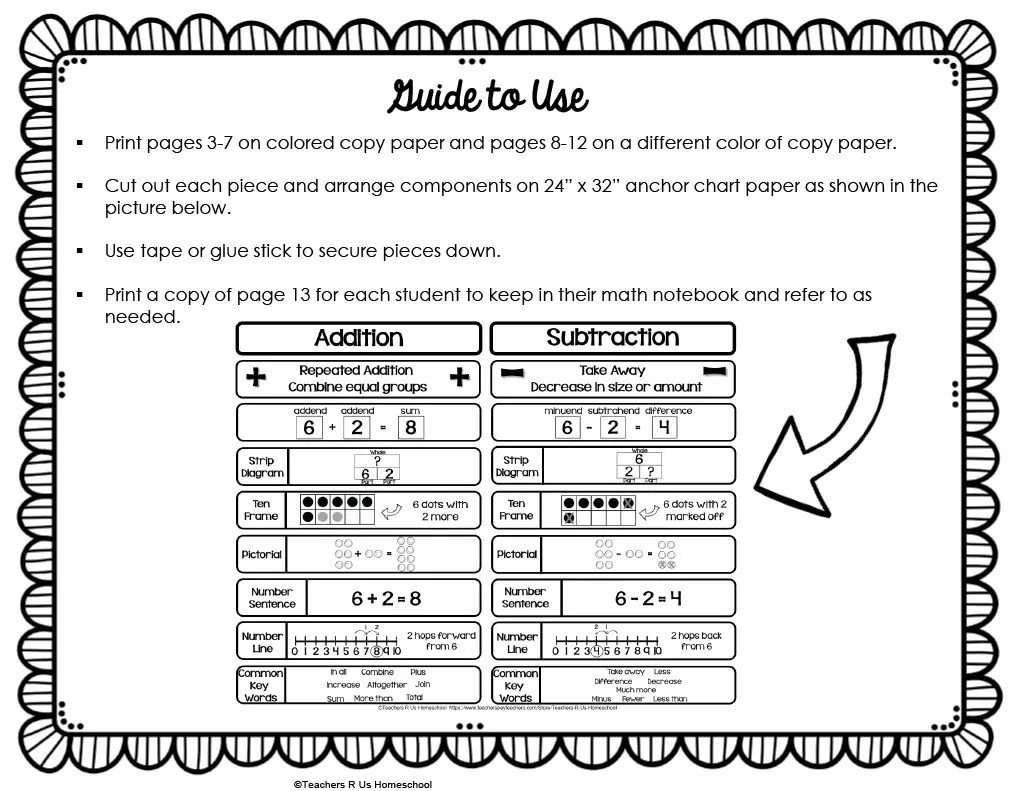
The thirteen-page PDF includes title lettering, ten definition/example pages, assembly guidance and a separate addition/subtraction reference. Supply chart paper, scissors and adhesive. The guide’s sample picture depicts addition and subtraction.
Related resources
More resources teachers may find useful
24 related resources were found using this product's title, contributor, categories and tags.


In the classroom
Teaching tips & learning objectives

Learning objectives
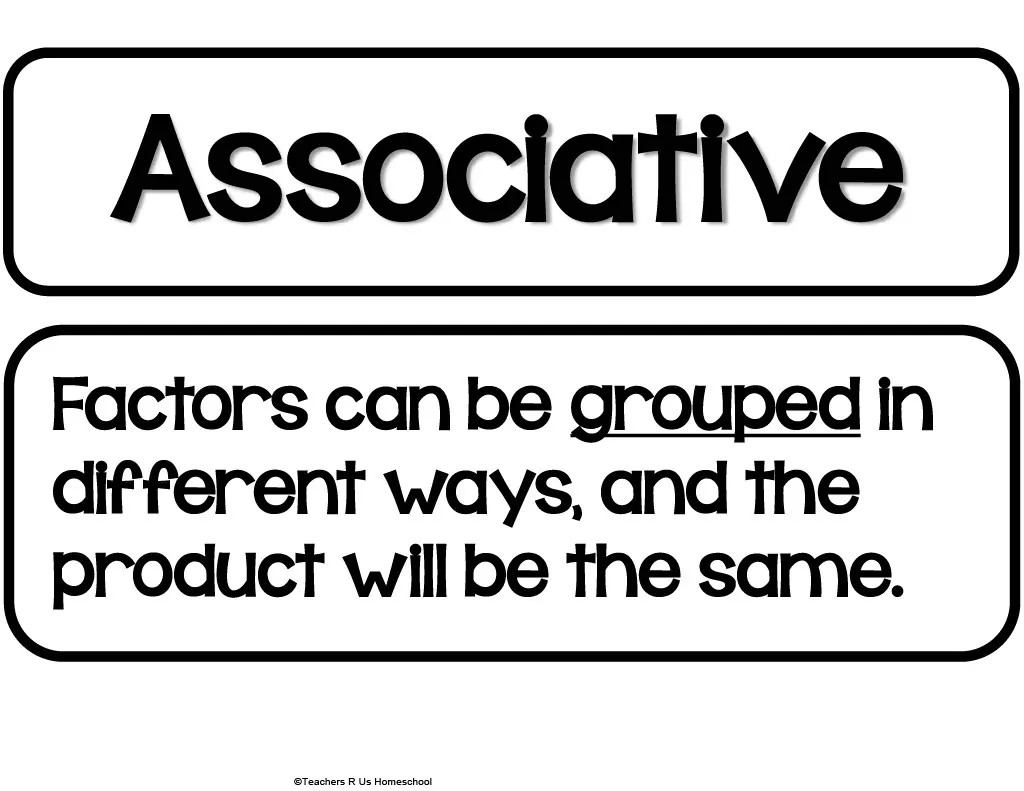
Name each of the five multiplication properties on the chart and state it in the wording printed on its card
Match a worked example to the property it demonstrates, for instance reading 4 x (2 x 3) = 24 as the associative property
Break a multiplication fact into the sum of two smaller facts, following the 4 x 5 to (4 x 2) + (4 x 3) model

Teaching tips
To distinguish definitions from examples by color, print definition pages 3, 5, 7, 9 and 11 on one color and example pages 4, 6, 8, 10 and 12 on another.
Pair each definition with its corresponding example as you introduce the property.
Supply chart paper, scissors and tape or glue. The guide specifies 24-by-32-inch paper; its sample picture shows an addition/subtraction chart.

Skills covered
- Identifying multiplication properties.
- Matching equations to property definitions.
- Decomposing a product into partial products.
Good to know
Questions teachers ask about this resource
What size does the finished chart need to be?
The Guide to Use specifies 24" x 32" anchor chart paper. Cut out and pair each multiplication definition with its example, then attach the pieces with tape or glue. The guide’s photograph shows an addition/subtraction chart.
What is on the page students keep in their notebooks?
A two-column operations reference. It sets addition against subtraction across strip diagram, ten frame, pictorial, number sentence and number line rows, and closes with key-word lists - combine, altogether, in all, total on one side; take away, fewer, difference, minus on the other. Its content is addition and subtraction rather than the multiplication properties on the wall chart.

No reviews yet
Downloaded this resource? Tell other teachers how it went.
Curriculum
Standards, concepts & topics
Standards
 Standards
- 3.OA.B.5
Core concepts
 Core concepts
Properties of multiplication
Commutative property
Associative property
Distributive property
Identity and zero properties
 Topics
Explore more
Categories this resource belongs to
Explore related searches
More to explore
You may also like