Native Plant Vs. Invasive Species Sorting Maps

Science, Life Sciences, Nature & Plants, Earth and Environmental Sciences, Earth Sciences, Environmental Science, Geology, Basic Science, Inventors, Theories
Worksheets & Printables, Workbooks, Worksheets, Word Searches, Teacher Tools, Lesson Plans, Quizzes and Tests, Quizzes, Tests


About This Product
Transform your students from passive observers into active ecological detectives! This comprehensive, no-prep ecology unit on Native Plants vs. Invasive Species is designed to make complex environmental science concepts accessible, engaging, and unforgettable for elementary and middle school students.
Say goodbye to "green-wall" blindness! This resource moves beyond simple plant identification and dives deep into the why—why native plants are ecosystem heroes and how invasive species disrupt the delicate balance of nature. Through a compelling blend of theory, real-world case studies (like Monarchs & Milkweed, Kudzu, and Garlic Mustard), and hands-on visual sorting activities, students will build a foundational understanding of their local ecosystems.
This isn't just a set of worksheets; it's a complete pedagogical toolkit designed to foster critical thinking, scientific observation, and a sense of environmental stewardship. Perfect for your Earth Day unit, life science curriculum, or any time you want to connect students with the natural world in their own backyards.
WHAT'S INCLUDED (34 Pages):
Part 1: In-Depth Educator's Guide (Chapters 1-4)
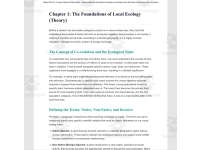
Foundations of Ecology: Clear explanations of Co-evolution, Native, Non-Native, and Invasive Species.
Compelling Case Studies: Flora that Helps (Oak, Milkweed) and Flora that Harms (Garlic Mustard, Kudzu).
Classroom Implementation Guide: Step-by-step instructions for a seamless teaching experience, from abstract concepts to concrete outdoor activities.
Key Vocabulary & Glossary: A perfect student reference sheet or spelling list.
Part 2: Engaging Student Workbook (10 Worksheets)
10 scaffolded, fill-in-the-blank worksheets covering key topics like:
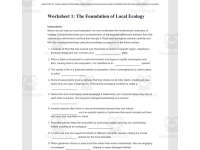
The Foundation of Local Ecology
Pollinator Pathways & Food Webs
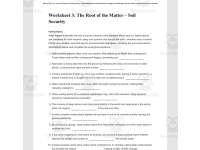
The Root of the Matter – Soil Security
Woodland, Wetland, and Backyard Ecosystems
Mechanisms of Invasion & Restoration Strategies
A final "Design a Native Oasis" capstone project!
Part 3: Visuals & Teacher Resources
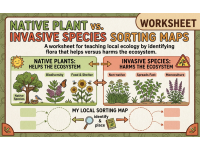
Printable Classroom Posters/Anchor Charts: Flora Classification Mind Map, Ecosystem Impact Comparison Chart (Helps vs. Harms), and a Field Identification Flowchart.
Comprehensive Answer Key: Detailed answers for worksheet.
Teacher Implementation Guide: Includes a pedagogical framework, suggested lesson sequencing (4-Day plan), and differentiation strategies for both emerging and advanced learners.
Keywords: Native Plants, Invasive Species, Ecology, Ecosystem, Biodiversity, Food Web, Lesson Plan, Worksheet, Activity, 4th Grade Science, 5th Grade Science, 3rd Grade, 6th Grade, NGSS, STEM, Environmental Science, Earth Day, Printable, Digital, Homeschool, Life Science, Plant Unit.
Why Parents/Schools Love It:
Turns Abstract Science into Concrete Action: It masterfully bridges the gap between textbook theory and the real world, equipping students to identify plants and ecological issues in their own schoolyards and parks.
Fosters Critical Thinking, Not Rote Memorization: Instead of just learning plant names, students analyze relationships, cause-and-effect, and ecosystem functions, developing true scientific literacy.
Comprehensive & Teacher-Friendly: This is a complete, "plug-and-play" unit with a teacher's guide, lesson plans, differentiation strategies, student worksheets, visuals, and a full answer key, saving educators dozens of hours of prep time.
Engaging for Multiple Learning Styles: The curriculum appeals to visual learners (charts, maps), kinesthetic learners (sorting activities), and narrative learners (compelling case studies), ensuring the entire class stays engaged.
Promotes Real Environmental Stewardship: The ultimate goal of this unit is to empower a new generation of informed environmentalists who understand and value their local biodiversity, making it a lesson with a lasting impact.
Target Student Audience :
Based on the content's language, concepts, and structure, primary target audience is:
Sweet Spot: 4th and 5th Grade Students. The document explicitly mentions "fourth-grade student" and the cognitive development of nine-to-ten-year-olds. The concepts (e.g., allelopathy, keystone species) are challenging but presented in a scaffolded way that is perfect for this age group.
Expanded Range: 3rd to 6th Grade. The material can be easily adapted. For 3rd graders, you can focus more on the visual sorting and the core "helper vs. harmer" concepts. For 6th graders, you can use the "For Advanced Learners" suggestions and expand on the research and restoration project ideas.
Other Markets: This is also an excellent resource for homeschooling co-ops, environmental clubs, nature centers, and after-school STEM programs.
Copyright/Terms of Use:
This Book was copyrighted by Syed Hammad Rizvi. This resource is for personal and single classroom use only. You may not alter, redistribute, or sell any part of this resource. In other words, you may not put it on the Internet where it could be publicly found and downloaded.
If you want to share this resource with colleagues, please purchase additional licenses from Teachsimple. Thank you for respecting these terms of use.
This product is happily brought to you by Syed Hammad Rizvi
Resource Tags
0 Reviews
Check out these other great products