SATPIN Phonics Worksheets – Beginner Phase 2 Pack
- Grades
- Preschool–1, Elementary
- File type
- Preparation
- Print ready


- Subject
- ELA, Language Development, Phonics
- Topic
- Phonics, Reading
- Resource types
- Worksheets & Printables, Worksheets
- Preparation
- Print ready
About this resource
What's inside this resource
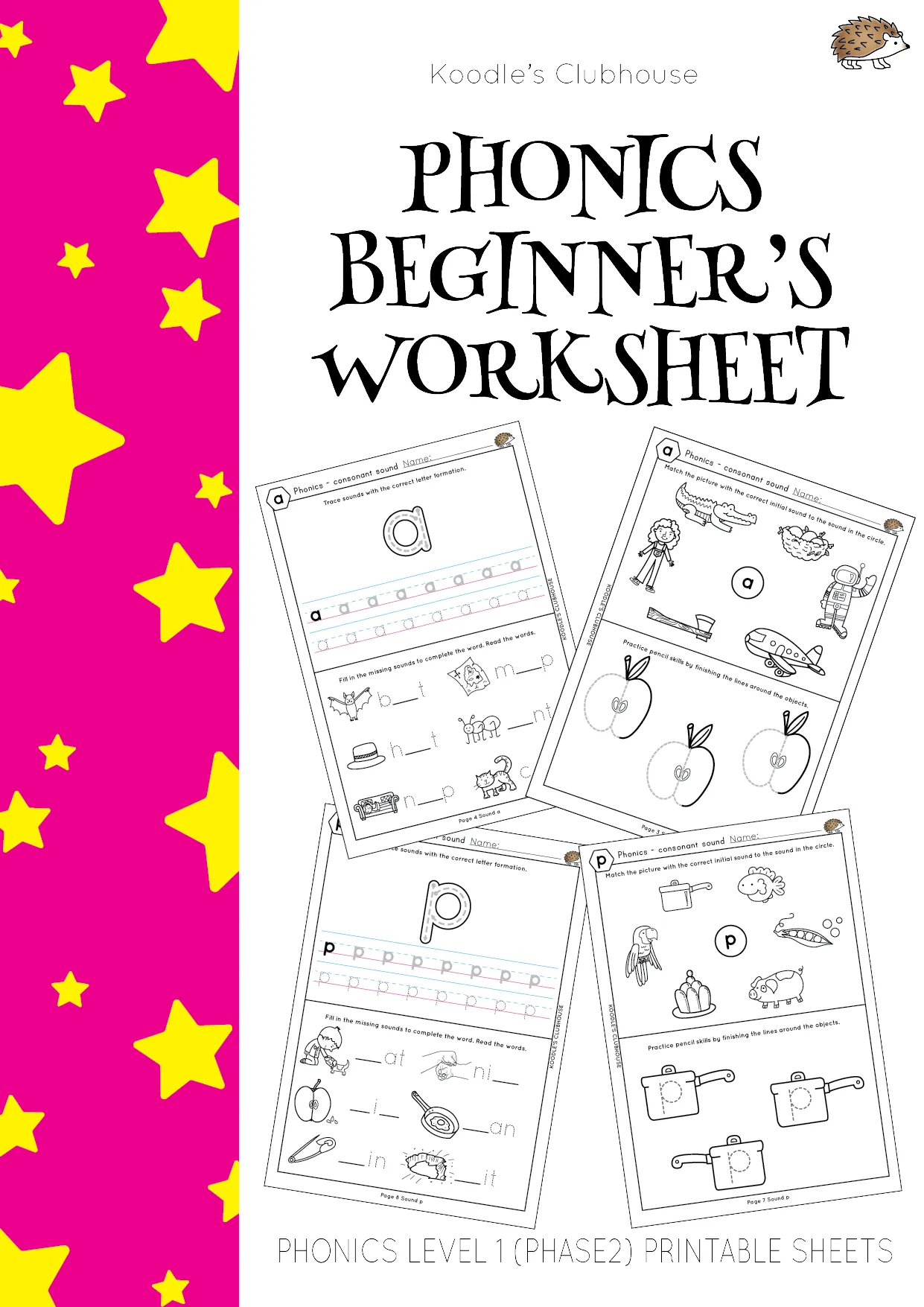
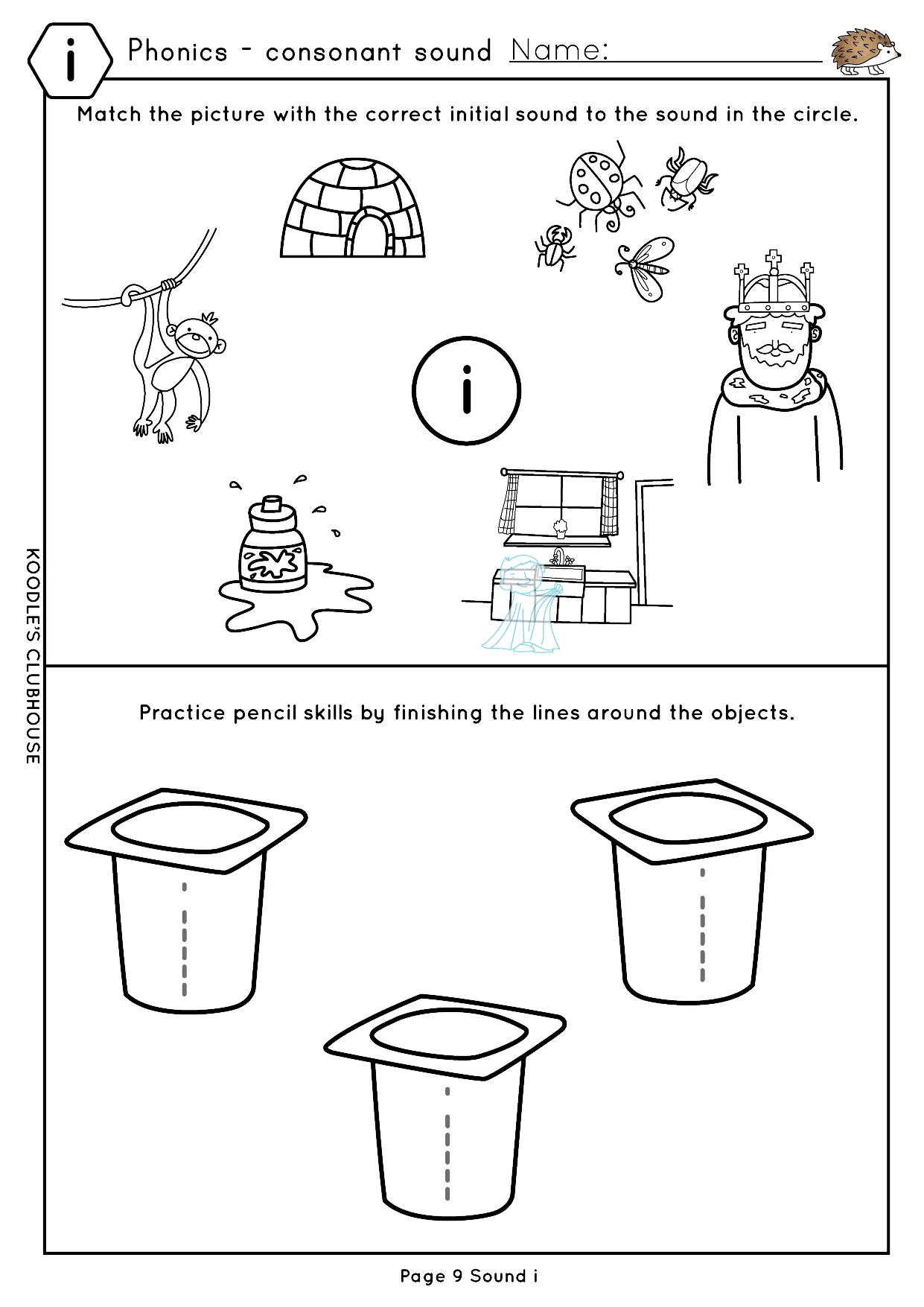
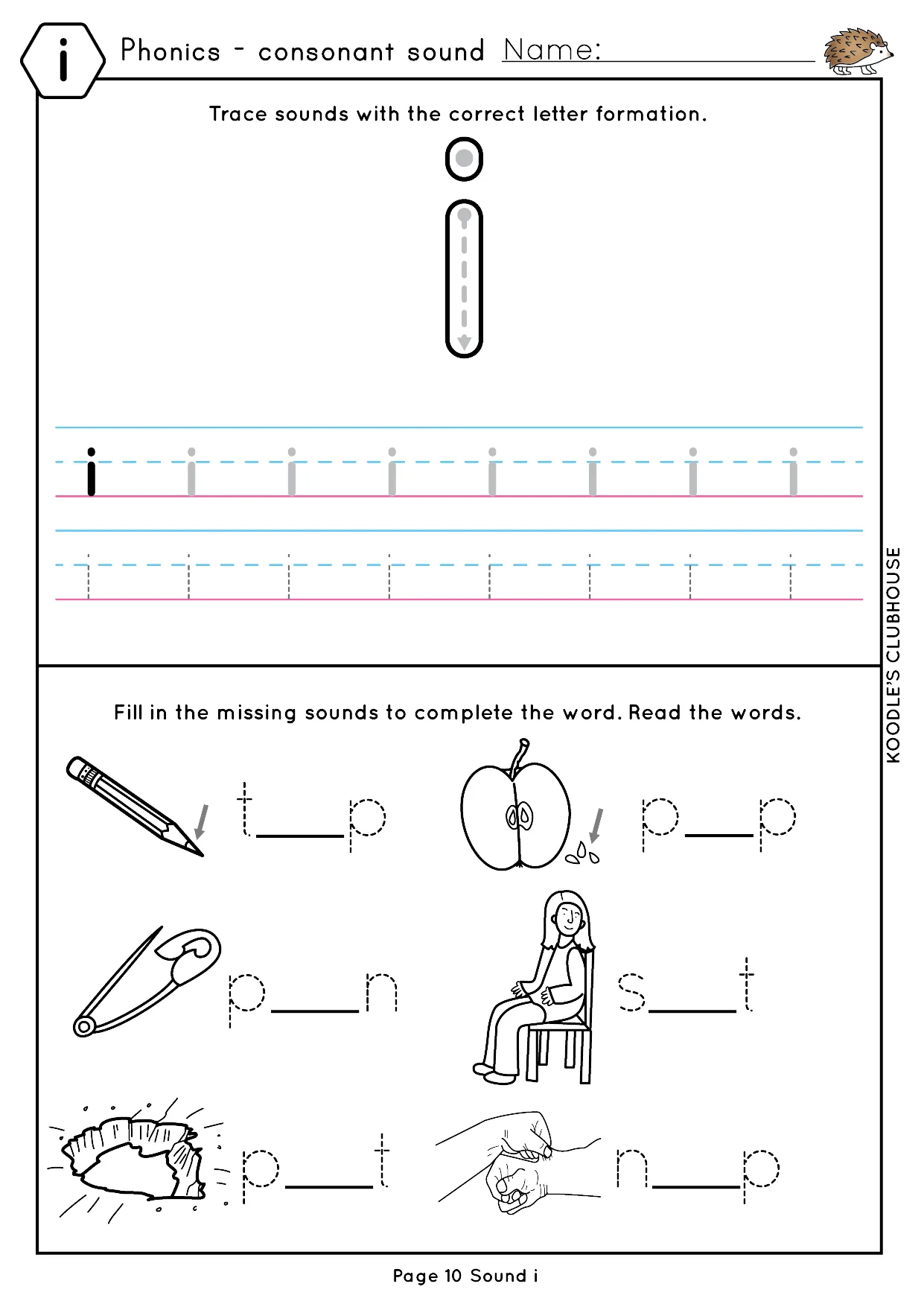
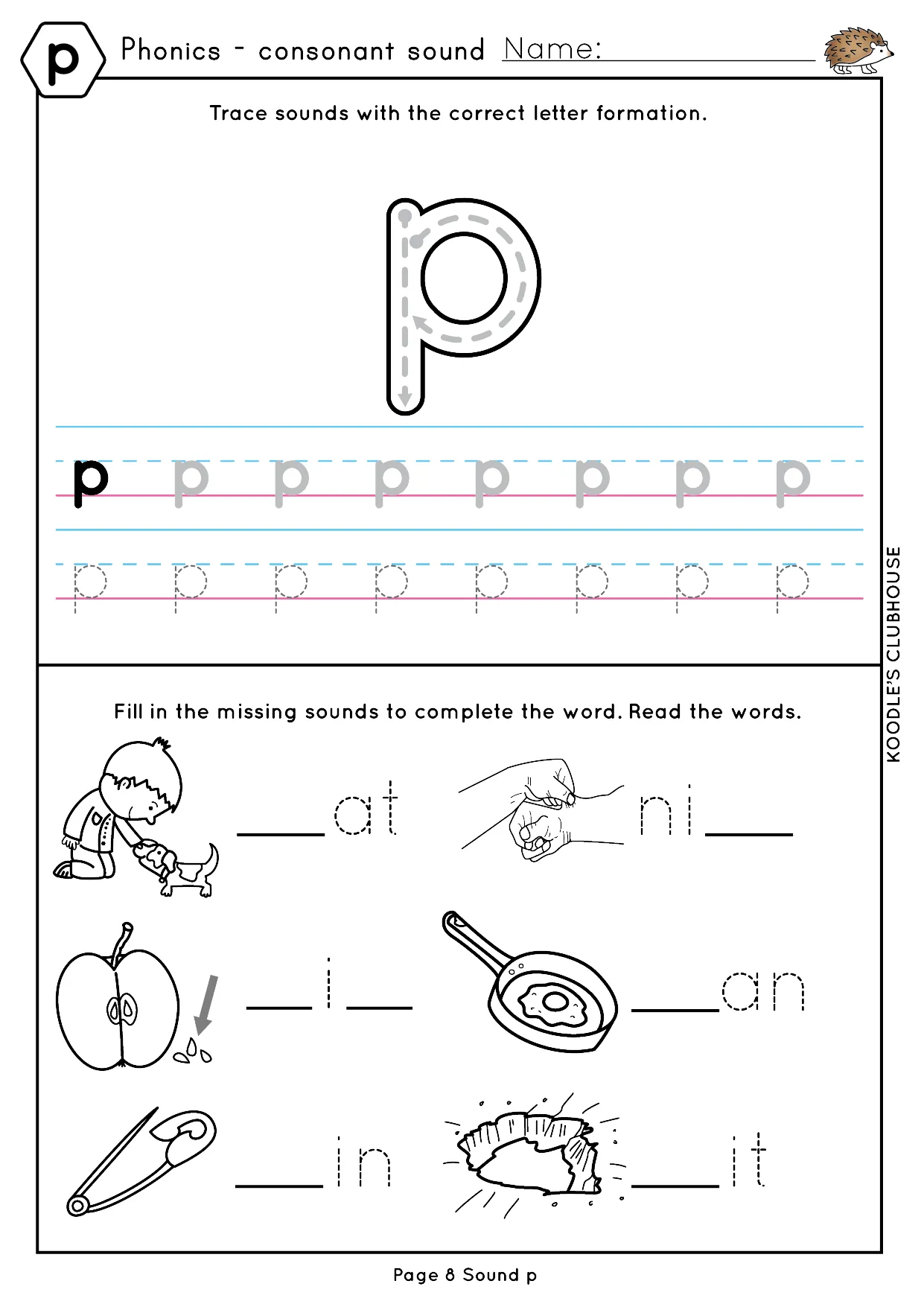
Phonics Beginner’s Worksheet level 1 or phase 2 are reproducible worksheets aimed at children who are beginning their phonics development skills. This set of worksheets contain sections that develop sound recognition, honing pencil skills, developing correct letter formation skills as well as encoding and decoding skills. There are two sheets per focus sound with very simple instructions on cleanly designed pages. This product is a no prep phonics introduction or revision set. You do NOT need to prep before hand and can be used with Koodle’s Clubhouse Aa to Zz flashcards to introduce children to new sounds.
Direction for use:
To use, print the sheets after setting up your desired dimensions on your printer set up. Please note that these sheets are A4 in size and is best use with A4 dimensions in mind.
These sheets can be laminated and bound into a write and wipe book for multiple use and durability.
Best suited for children ages 3 and up.
Uses for this product
Phonics introduction worksheets
Phonics revision worksheets
Write and wipe sheets
Write and wipe book (after being bound)
Related resources
More resources teachers may find useful
24 related resources were found using this product's title, contributor, categories and tags.


In the classroom
Teaching tips & learning objectives

Learning objectives
Match a pictured word to its initial SATPIN sound
Form each focus letter by tracing the printed model
Supply a missing focus sound and read the resulting short word

Teaching tips
Use the picture-matching page before the tracing page so each letter begins with an audible sound connection.
Ask learners to say the completed word after adding its missing initial sound rather than stopping at letter insertion.
Watch starting points and stroke direction during tracing, then transfer the same formation to an untraced example. Offer these SATPIN worksheets when children need more practice recognizing and blending the six sounds.

Skills covered
Initial-phoneme recognition — pictures are selected according to their first sound.
Letter formation — repeated tracing connects the focus sound with a written grapheme.
Early decoding — learners complete and read short SATPIN-based words.

No reviews yet
Downloaded this resource? Tell other teachers how it went.
Resource details
Concepts & topics
Core concepts
 Core concepts
SATPIN
Initial sounds
Letter formation
Early decoding
Topics
 Topics
Explore more
Categories this resource belongs to
Explore related searches
More to explore
You may also like