



SEL Daily Check-In Journal – Student Reflection


- Grades
- Grades 5–8
- Pages
- 50
- File type
- Preparation
- Print ready


- Subject
- Social Emotional Learning (SEL), Mental Health
- Topic
- Daily check-in, Student reflection
- Resource types
- Worksheets
- Preparation
- Print ready
Product description
From the author
This resource includes daily journal 'check-in' activities for students to complete. It can be used at any time during the day, including during morning meetings, after a particularly challenging activity or incident for a student, or any time you see an opportunity to use it! It can be completed as a class or with individual students. There are various activities for students to complete, including reflections, coloring in and more!
Related resources
More resources teachers may find useful
24 related resources were found using this product's title, contributor, categories and tags.


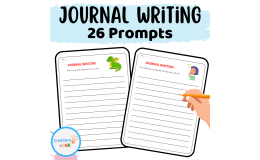
In the classroom
Teaching tips & learning objectives

Learning objectives
Name a current feeling before the day's work begins, using the same figure prompt on every page
Set a single goal word for the day, and on the planning pages break a task down into smaller steps
Write a short personal response to an open question such as "What are some things you can do to be an active listener?"

Teaching tips
Nothing sequences the pages and none refers to another, so a single sheet can be pulled to match the moment - the anxiety web after a stressful test, the frustration acrostic after a fallout at break
Pages 7, 8, 13, 14, 15 and 23 are the emotion-vocabulary pages; running them as a short block first gives a class shared wording before the open-ended prompts
Colour is expected on most sheets - "Color me in" appears on thirty-five of the fifty pages - so print in a way that leaves the left-hand figure usable

Skills covered
Emotional self-identification - every page opens with "How am I feeling?" and a figure to colour or complete before any writing begins.
Emotion vocabulary - six pages break happiness, sadness, frustration, inspiration, anxiety and achievement into what each looks like, sounds like and feels like.
Coping and task strategy - prompts ask what strategies help with a difficult task, how to break a job into smaller tasks, and how to let someone know you are upset.
Good to know
Questions teachers ask about this resource
Can the pages be used in any order, or does the journal build across the fifty?
Any page can be used on any day. The pages use related layouts with varying panels, no page refers back to another, and no dates or day numbers are printed. Only the six emotion webs and the three acrostics are tied to a particular feeling.
What goes on the blank lines under the Quote of the day?
The panel prints a proverb and then five to seven ruled lines with no wording of its own, so the space is open - students can explain what the saying means to them, write about how it applies today, or use it as free writing. Most pages also provide a goal-word space; the first page does not.

No reviews yet
Downloaded this resource? Tell other teachers how it went.
Resource details
Concepts & topics
Core concepts
 Core concepts
Social emotional learning
Emotion identification
Goal setting
Self-reflection
Coping strategies
 Topics
Explore more
Categories this resource belongs to
Explore related searches
More to explore
You may also like


