Sustainable Energy Projects Handbook - Environmental Science Book


Earth and Environmental Sciences, Science, Earth Sciences, Environmental Science, Geology, Space, Life Sciences, Human Body, Nature & Plants, Physics
Experiments, Activities, Projects, Lesson Plans, Teacher Tools, Workbooks, Worksheets & Printables


About This Product
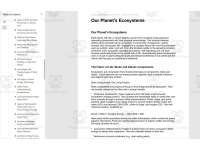
Explore the realm of environmental science and sustainable energies with the “Sustainable Energy Projects Handbook - Environmental Science” authored by Syed Hammad Rizvi - an essential handbook that must be present in every school library or educational institution offering environmental science courses for middle school and high school students interested in renewable energies and environmental conservation. This comprehensive 370-page handbook specifically written with grades 6-12 in mind addresses tough subject matters related to ecosystems, natural resources, water & carbon cycle processes, biodiversity conservation, fossil fuels effects, and developing contemporary renewable sources of solar photovoltaics, wind turbines, hydroelectricity, geothermal power, biomass biofuels, and ocean tidal power. Jam-packed with do-it-yourself projects (including solar oven designs & DIY models of wind turbines), case studies of successful community sustainable initiatives all over the world, as well as useful guides in project planning & budgeting analysis, risk assessment & management, product life cycle assessment & carbon footprint calculations, & methods of air & water pollutants control strategies included in this handbook encourage critical thinking & environmental education. It is STEM & SDGs compatible & suitable for teachers or parents looking for hands-on environmental science & sustainable education projects.
Keywords: environmental science middle school textbook, sustainable energy projects for middle school students, renewable energy resource for teenagers, climate change lesson plans grades 6-12, environmental education book on STEM and environment, biodiversity and conservation guide, homemade solar wind hydro energy projects for kids, energy conservation education resource, eco-friendly ideas for a science project, environmental energy advocacy for a high school.
Why Parents/Schools Love It:
Comprehensive and Curriculum-Aligned: It encompasses a broad array of environmental science-related subjects from basic to advanced level projects, aligning perfectly and facilitating a complete understanding of sustainability and renewable energy.
Hands-on Learning Activities: It includes various DIY and case studies that help students take part in hands-on learning by making difficult concepts such as solar and wind power more interesting and accessible to them.
Fosters Environmental Responsibility: Equips young learners with knowledge about climate change, biodiversity, and values for preparing environmentally responsible global citizens for the future.
Engaging and Accessible Language: Presented in clear, technical writing style that appeals to teens, with cross-discipline knowledge from biology, physics, as well as ethics. Adaptive to Various Settings: Designed to fit a multitude of settings, including educational use in the classroom, homeschooling, science fairs, or even clubs, offering tools for measuring the impact of the project.
Target Students/Classes :
On the basis of a comprehensive assessment of the material, structure, and language of the book, which varies from the basic notions of sustainability, ecosystems, energy fundamentals, renewables, and reaches its climax with the advanced notions of project development, assessment of the environmental implications of such projects (LCA, footprints, etc.), policies, to action, the intended recipients of the material’s scope and focus can be determined to be students between the ages of 11-18, i.e. from grades 6 to 12.
Grades 6-8 (Middle School): Best for introductory classes for environmental science, basic cycles, human effects, biodiversity, and simple energy principles, with the goal of creating engagement through DIY projects.
Grades 9-12 (High School): More suited for advanced classes in environmental science, earth science, or AP environmental science, focusing on renewable technologies, integration, feasibility analysis, risk analysis, and goals for sustainability in more real-world examples and discussions. Again, this would correlate with the intended audience of grades 6-12 and the progressive level of complexity from the book.
Copyright/Terms of Use :
This book has been copyrighted by Syed Hammad Rizvi. This educational resource may be used for personal and single class use. You may not, under any circumstances, reproduce, distribute, and sell any part of this resource. This means you may not post this resource on the Internet so it could be downloaded from anywhere.
If you would like to share this resource with others, you can purchase more licenses through Teachsimple. Thank you for following the guidelines for use!
It is all happily offered by Syed Hammad Rizvi
Resource Tags
0 Reviews
Check out these other great products