
Art, movement & wellbeing
Electrical Safety - Lesson Bundle
Multi-format lesson bundle teaching electrical safety in the home (hazards, circuit breakers/fuses, grounding, shock effects).
Editable


Classroom resources
Browse by lesson focus
Choose the topic or kind of practice you need.
Showing 553–576 of 2786 resources

 Show filters
Multi-format lesson bundle teaching electrical safety in the home (hazards, circuit breakers/fuses, grounding, shock effects).

Teach a two-day high school chemistry lesson on the five main types of chemical reactions (synthesis, decomposition, single displacement, double displacement, combustion) and how to write/balance/classify their equations.

Put scientific-method ideas into practice by comparing how much water different paper towels absorb. Students plan a controlled comparison, record measurements, calculate averages and use a graph to support their conclusion. Student notes and matched completed slides introduce variables and hypotheses beforehand, while an extension sheet suggests changing the liquid or measuring absorption time for a later investigation.

A reading comprehension worksheet and matching lesson plan built around a biographical text on Mae Jemison, the first African-American woman in space, to build reading, speaking, and vocabulary skills while introducing themes of perseverance and overcoming barriers of race and gender.

Present Perfect Continuous | Intermediate Lesson Plan This intermediate grammar lesson plan helps students better understand the present perfect continuous tense. Educators can use this resource to teach the intricacies of this verb tense through informative instruction and targeted exercises. Students will learn the proper conjugation…
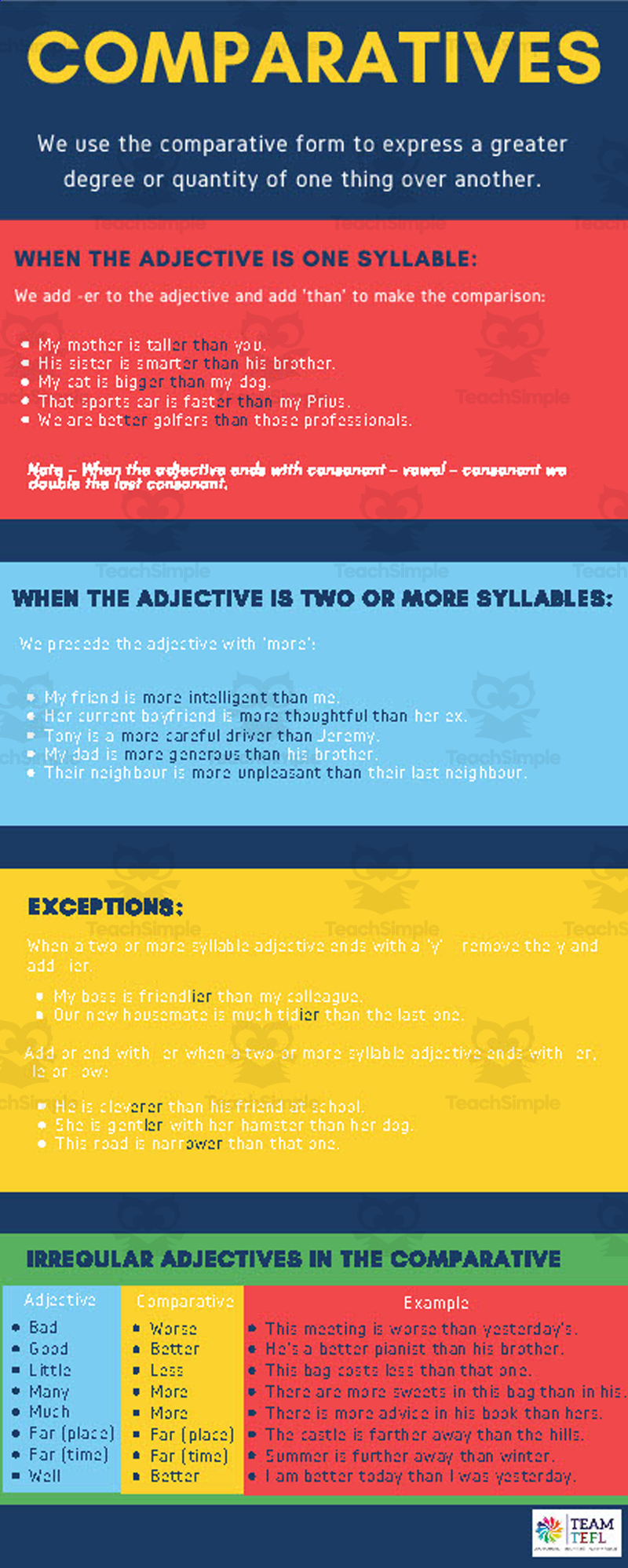
An ESL/EFL/ELA (B1 intermediate level) lesson plan package teaching comparative and superlative adjective and adverb forms in English.
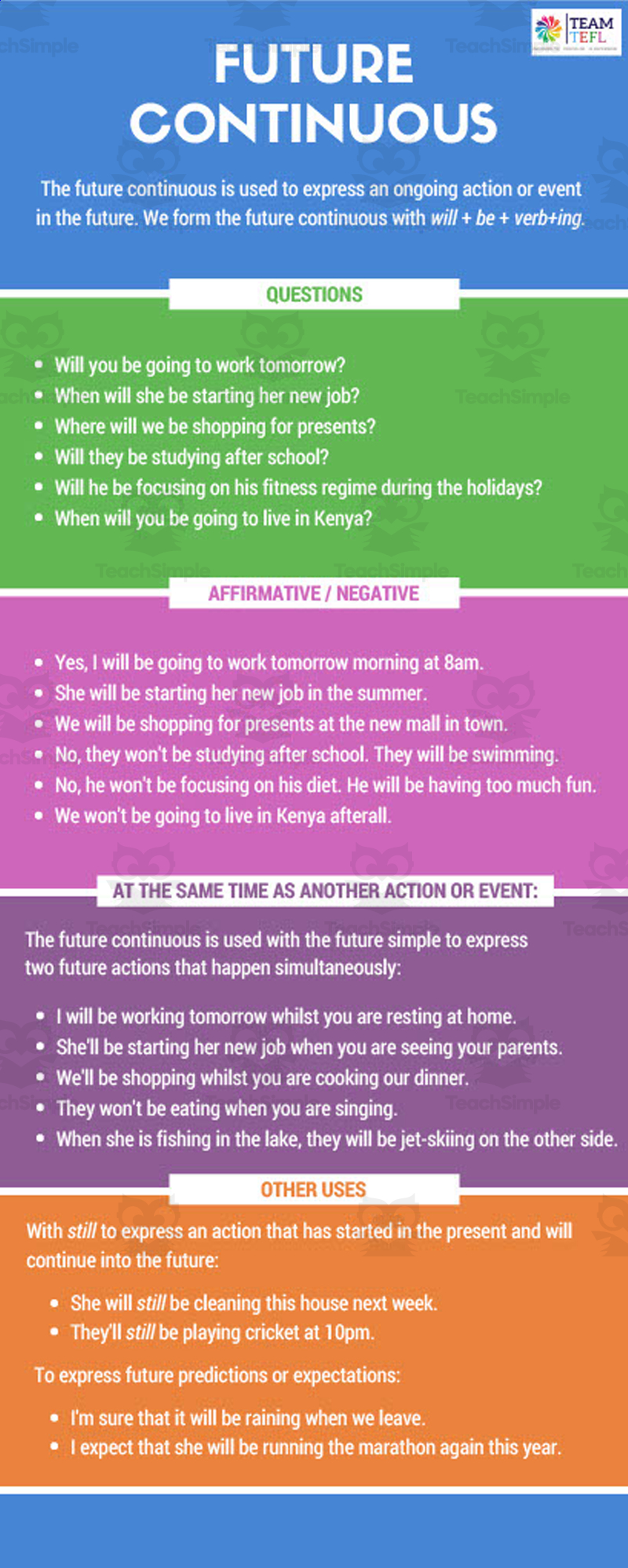
An intermediate (B1) ESL/TEFL lesson plan teaching how to form and use the future continuous tense (will + be + present participle).
An ESL/advanced English speaking lesson teaching weather-related idioms and phrasal verbs (e.g. "under the weather," "take a rain check," "steal someone's thunder," "storm out," "snowed under," "catch lightning in a bottle," "weather the storm," "fair-weather friends," "every cloud has a silver lining") through discussion prompts.

Teach intermediate (CEFR B1) ESL/EFL modal verbs 'may', 'might', 'will', and 'probably' for expressing degrees of possibility and probability.
Teach high school students the difference between global warming and climate change, its causes, effects, and possible solutions, using a video, discussion, and worksheet.
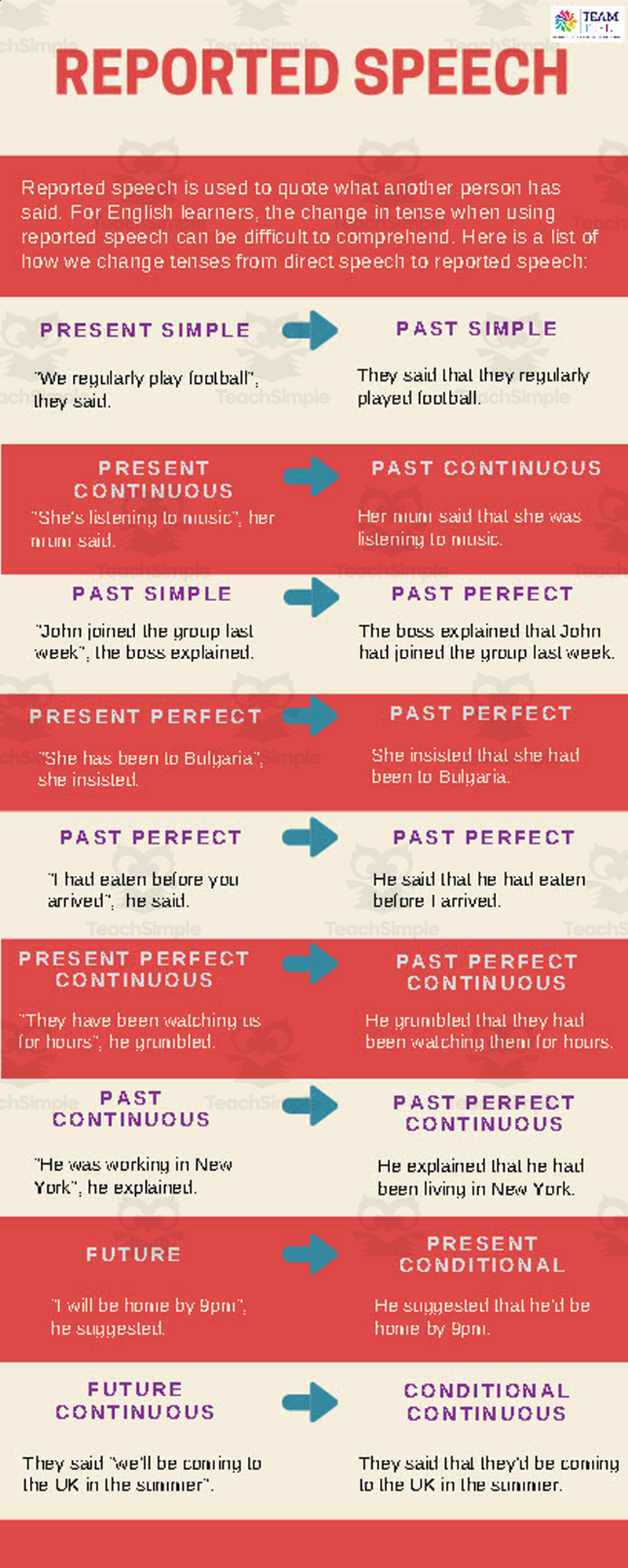
Reported Speech Intermediate Lesson Plan is an informative resource to help students in grades 5-7 learn reported speech. This concise lesson plan outlines key concepts in reported speech such as changing verbs, pronouns, and tense. It includes practice exercises and an answer key. Educators can use this resource in multiple ways - as a…
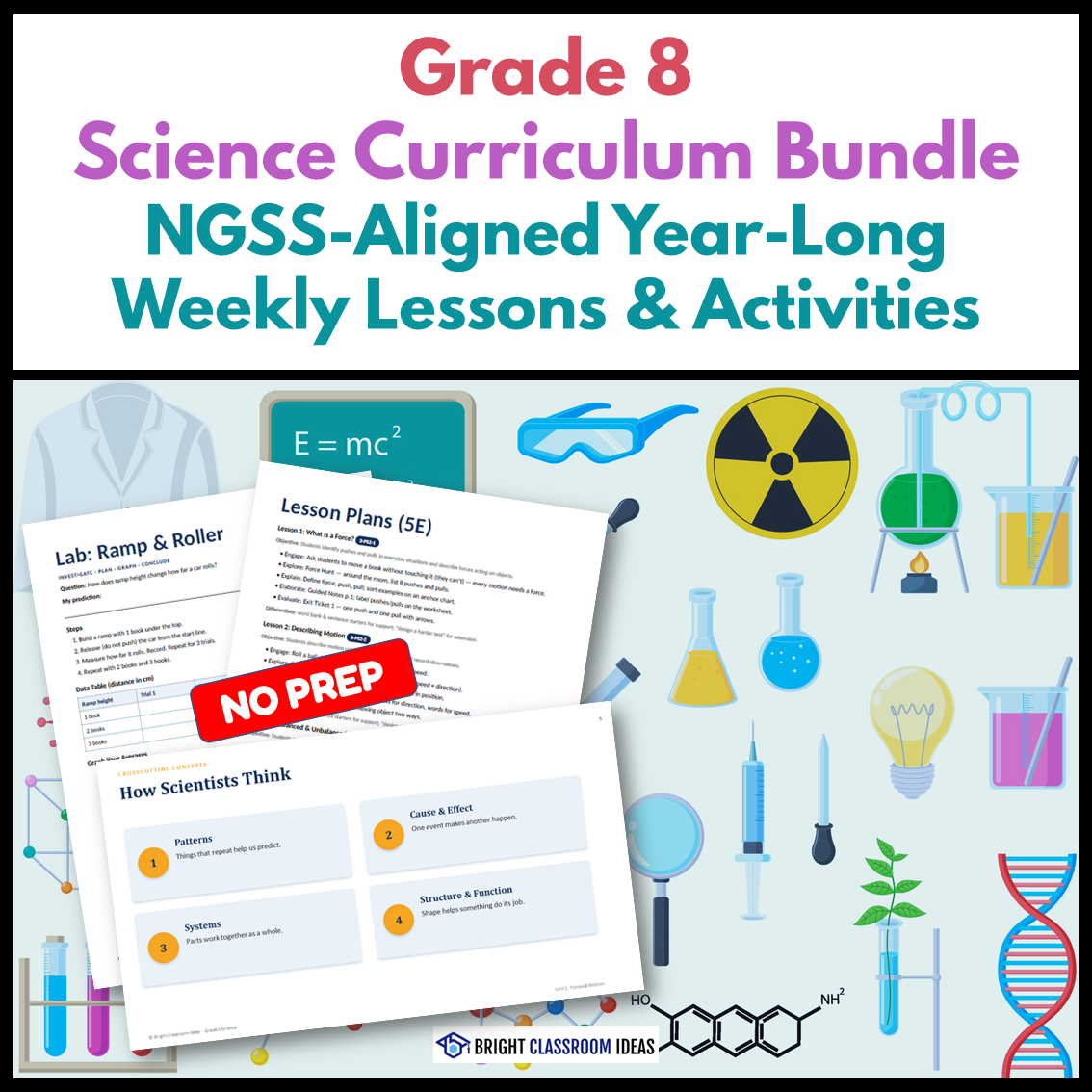
A full-year Grade 8 NGSS-aligned science curriculum providing teacher guide, lesson plans, labs, assessments, answer keys, reading passages, worksheets and projects for a complete middle-school science course.
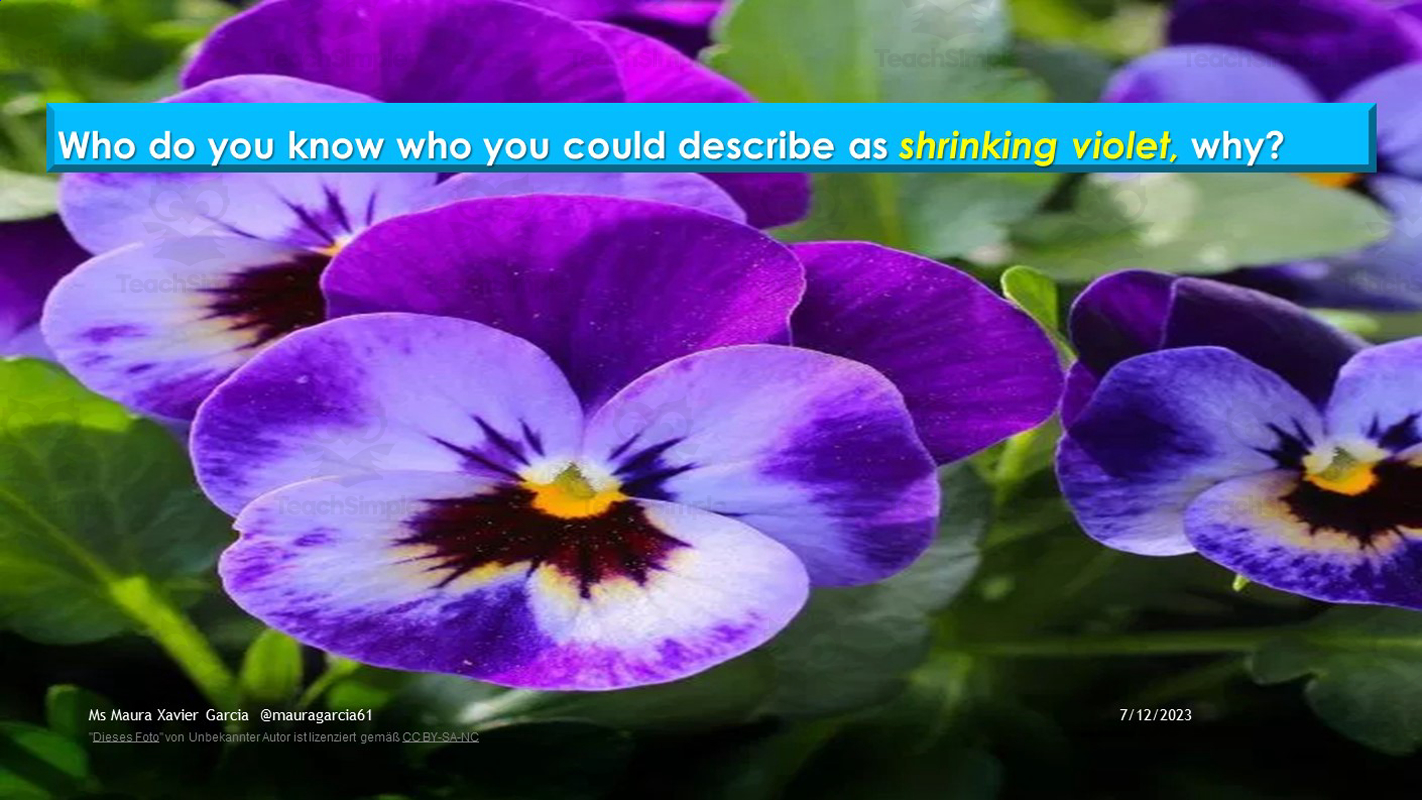
An ESL/EFL speaking lesson slide deck teaching flower-related English idioms used in social conversation, for upper-intermediate to advanced students.

Second and Third Conditional Intermediate Lesson Plan This intermediate-level lesson plan helps students learn about and apply second and third conditional verb structures in English. Students first review when and how to use these important conditionals. Next, they complete practical exercises that allow them to demonstrate…
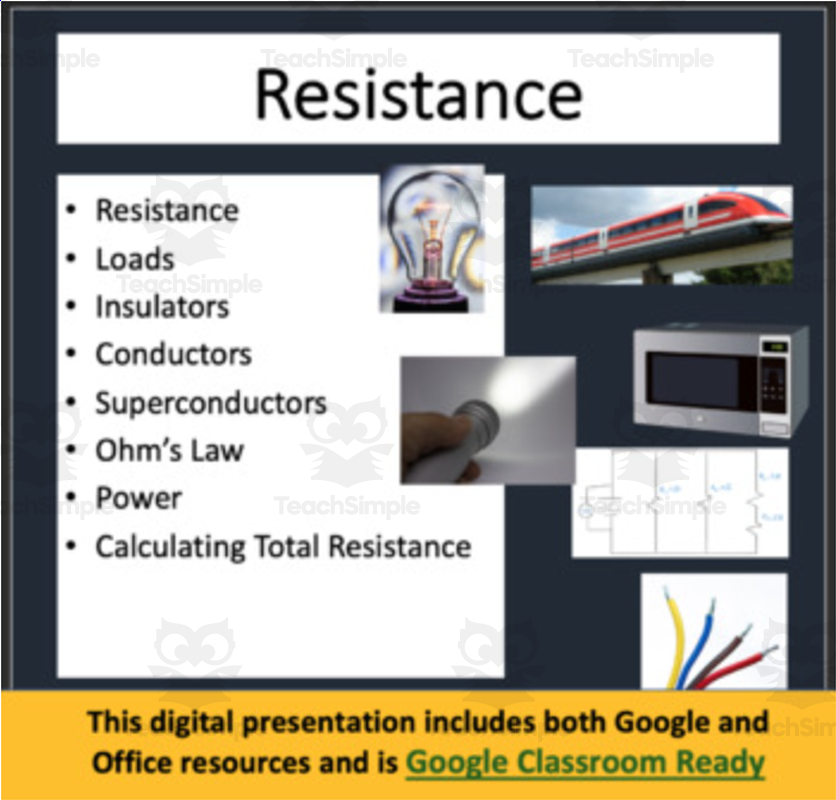
Teach electrical resistance and Ohm's Law for middle/high school physical science, using a presentation lesson plus an Ohm's Law practice worksheet.
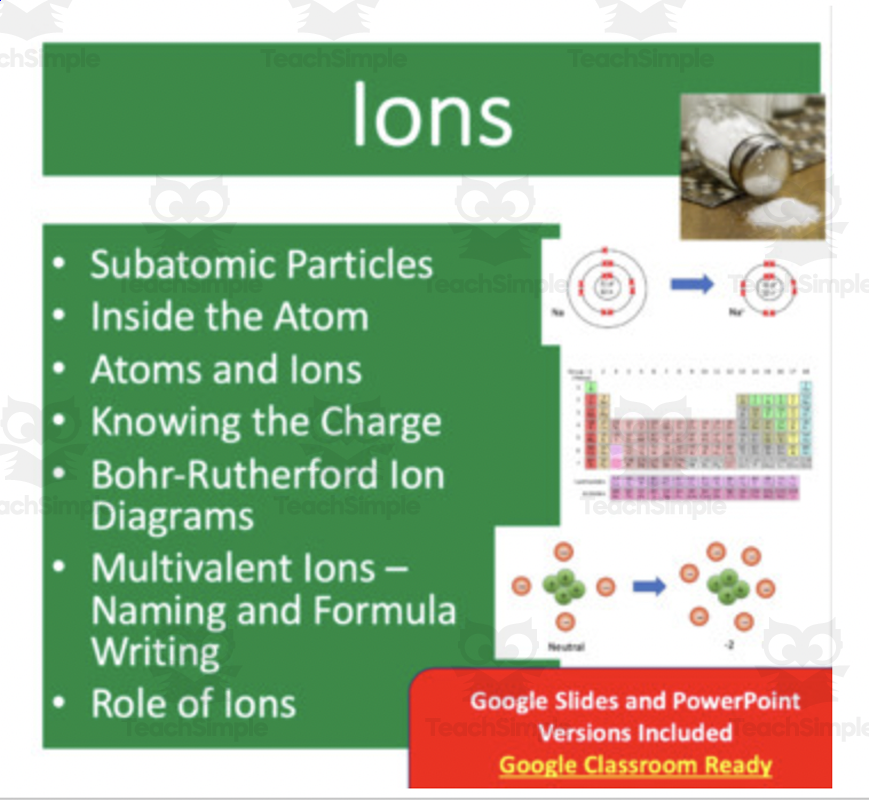
A chemistry lesson introducing ions: reviewing subatomic particles (protons, electrons, neutrons), explaining net charge using a color-cancellation analogy, teaching how atoms become cations or anions, drawing Bohr-Rutherford ion diagrams, naming simple and multivalent ions, and writing multivalent ion formulas.

A full ESL/EFL-oriented reading comprehension worksheet and accompanying lesson plan teaching high school/adult students about April Fools' Day through discussion, reading, vocabulary matching, and speaking/writing tasks.

Phrasal Verbs Intermediate Lesson Plan This intermediate-level lesson plan helps students in grades 5-7 learn about phrasal verbs, an important concept in language arts and grammar. Students will start by reading an informative overview of phrasal verbs, including definitions and examples. Next, they will apply what they learned by…

The Drummer Boy of Shiloh: Comprehensive Reading Lesson Transport students back in time with this expansive reading lesson on Ray Bradbury's short story "The Drummer Boy of Shiloh." Budding literati will analyze the text's complex themes, vivid imagery, and integral historical setting. Educators receive a complete lesson plan, activity…
Micro-learning slide deck teaching an informational reading passage about how scientists use radar to study bats, birds, and insects, with vocabulary, close reading, and writing practice.

A personal-finance lesson that teaches the concept of 'lifestyle creep' (standard of living rising with income) through a comparative story of two earners, then has students analyze and calculate related one-time and recurring expenses.
A 90-minute Grades 6-8 (adaptable 9-10) history lesson plan on daily life in Victorian Britain, comparing rich and poor experiences of washing, clothing, food, and housing.

A U.S. History lesson (aligned to Standard 11.2.5) on Gilded Age industrialists, teaching students key terms (Robber Barons, Captains of Industry, Sherman Antitrust Act) and having them evaluate whether John D. Rockefeller and Andrew Carnegie were more beneficial or harmful to American society.
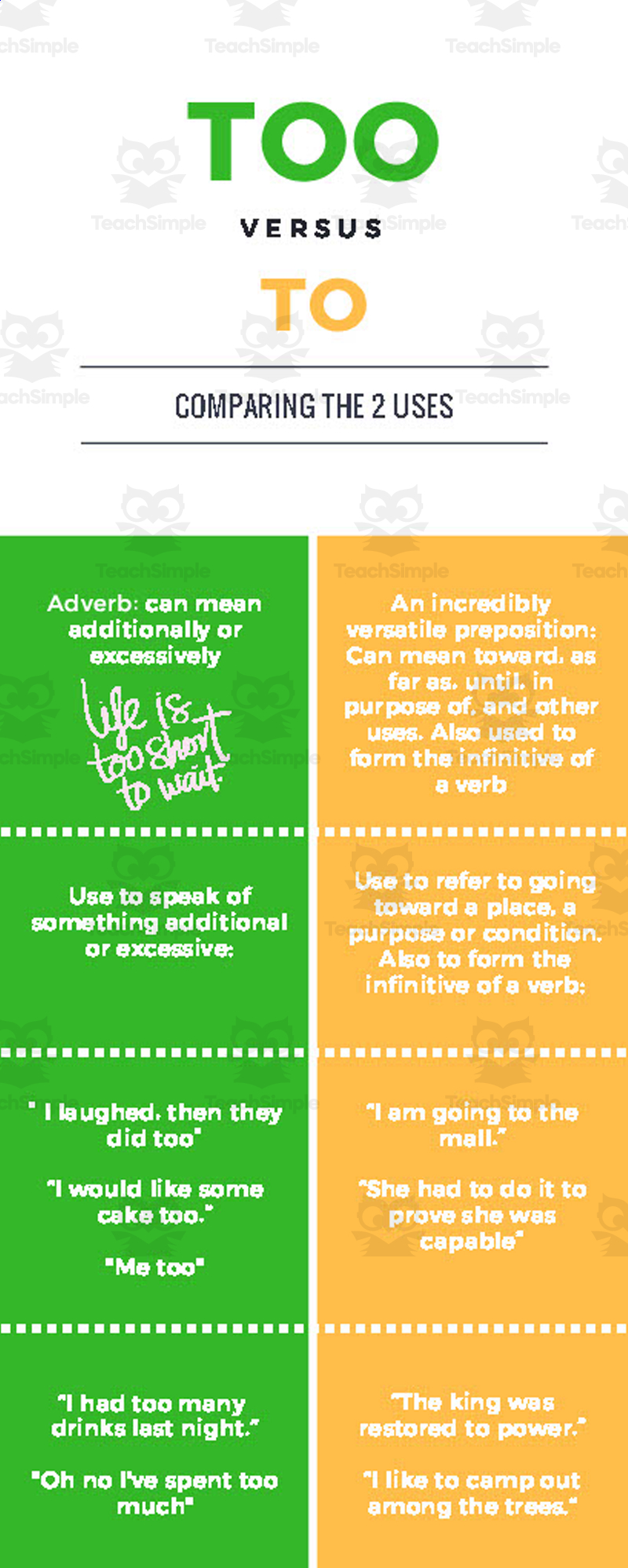
Too vs. To | Beginner Lesson Plan This beginner lesson plan teaches students the differences between the common homophones "too" and "to." It includes an infographic explaining the unique meanings of these easily confused words. After learning when to properly use "too" versus "to," students complete exercises to practice applying this…