Hydrosphere and Cryosphere - Lesson Bundle
Students follow along with a teacher-led slideshow (with 7 embedded videos to stop and discuss at marked timestamps) and complete a parallel student outline/fill-in version of the material.
Classroom resources
Browse by lesson focus
Choose the topic or kind of practice you need.
Students follow along with a teacher-led slideshow (with 7 embedded videos to stop and discuss at marked timestamps) and complete a parallel student outline/fill-in version of the material.
Preview the deck, watch/read the informational passage on spiders, learn key vocabulary, complete a quick write, and respond to an exit ticket.
Watch a video and read an informational passage about how plastic is melted, molded, and thermoformed into new products; complete a cloze fill-in-the-blank activity; write one sentence per prompt summarizing the reading.
Watch/read the 'Understanding Lunar Eclipses' content, complete a 'What's Missing?' vocabulary activity, match key terms to their definitions, and write a summary ('Quick Write') of what was learned.
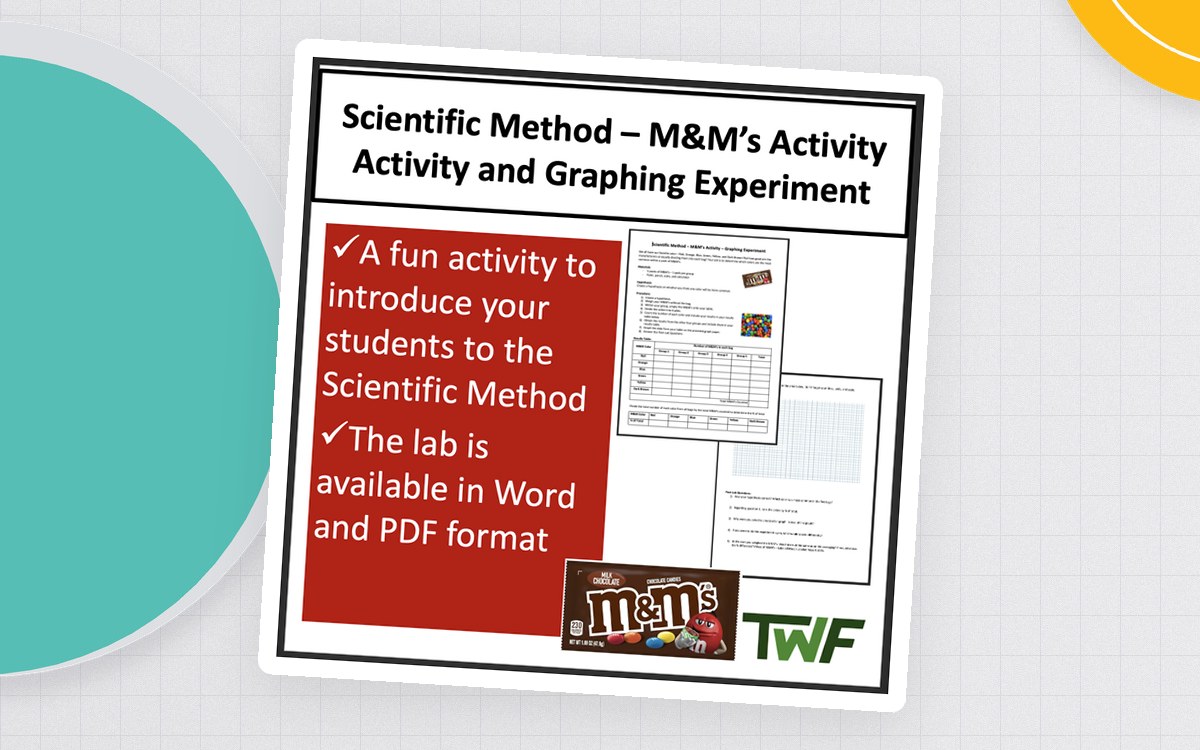
The M&M activity connects a color-count investigation with graphing and a results write-up. A companion lesson introduces the scientific-method steps through student slides and a completed teacher version. Provide the sample materials and model recording data before groups compare their findings.
Working in pairs, students role-play as FBI agents interrogating a list of suspects (using provided 'archive' clues) to identify Soviet spies, take notes on findings, then discuss as a class who they identified, how, and whether the process was fair.
A 9-station chemistry lab-rotation activity teaching the mole and Avogadro's number, molar mass, and stoichiometry calculations for middle/high school chemistry.
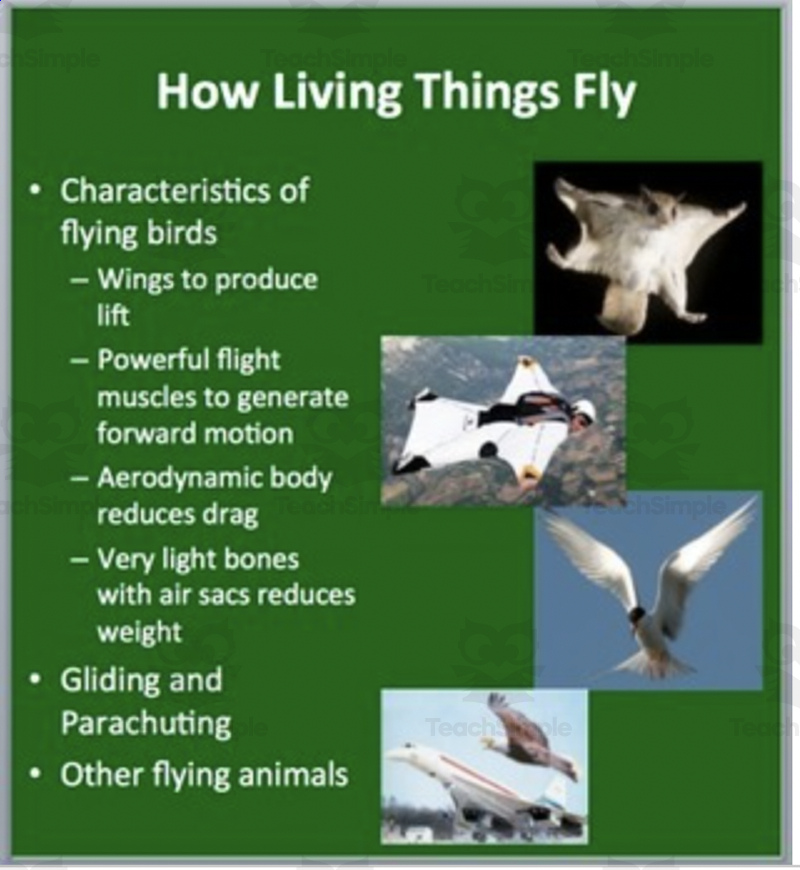
View/follow a slide presentation on bird flight characteristics (wings, flight muscles, aerodynamic body, light bones), gliding/parachuting, and other flying animals (flying fish, flying lemurs, flying squirrels); complete a fill-in-the-blank student version of the slides and/or a matching Student Lesson Outline document while following…
Students open a linked Google Slides deck (not contained in this PDF) and read, type, and drag answers into interactive slides covering volunteering scenarios and vocabulary; teachers mark responses using the answer key and rubric in this PDF.
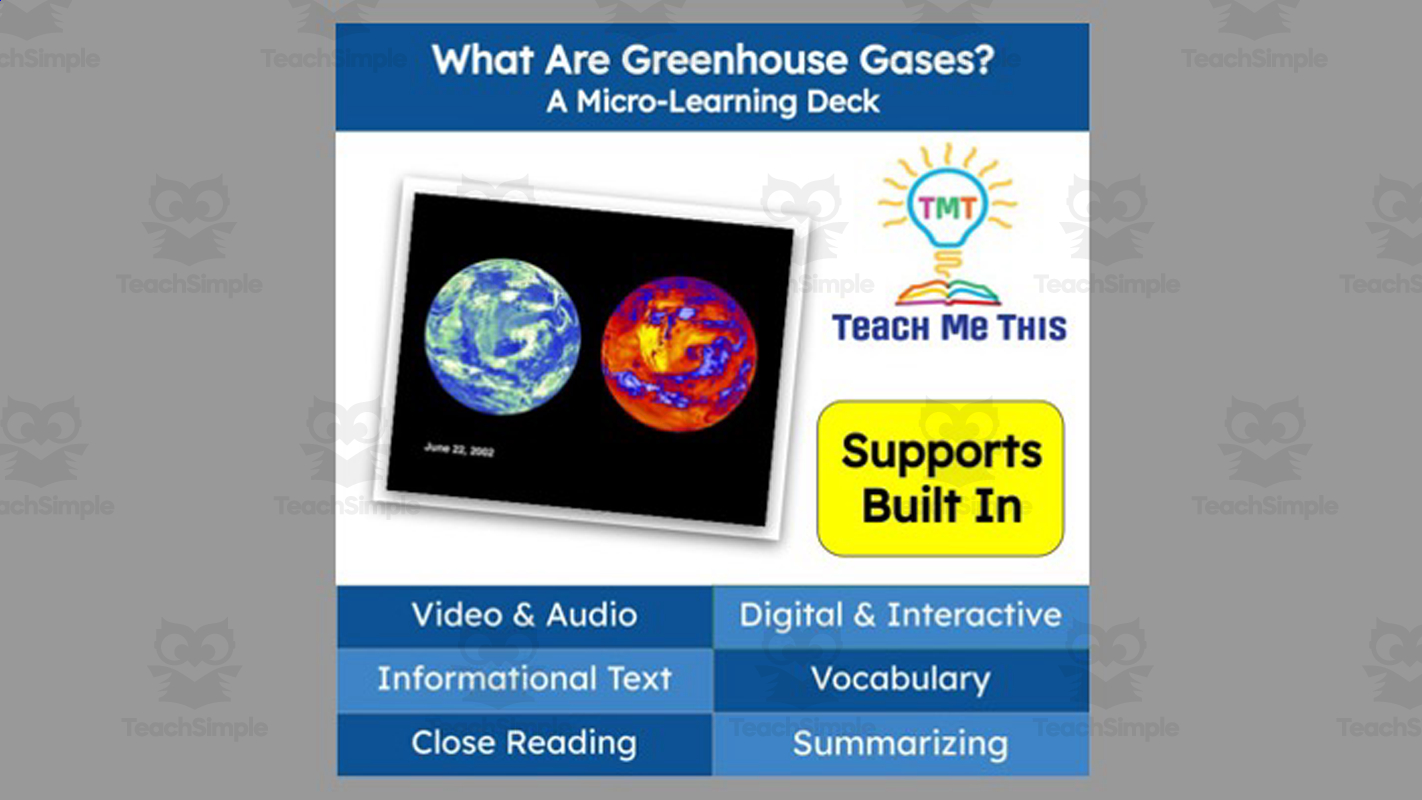
Watch/read the embedded video and reading passage about two characters discussing greenhouse gases, learn key vocabulary (atmosphere, droughts, hospitable, hurricanes, vapor), complete a word-bank fill-in-the-blank comprehension check, and write a one-sentence summary for each of four transition prompts…
A multi-file lesson-plan bundle built around teaching the short story 'Charles' (by Shirley Jackson), covering plot and characterization along with a wider set of reusable literary-analysis tools (graphic organizers, PowerPoints, worksheets, and bonus classroom materials).
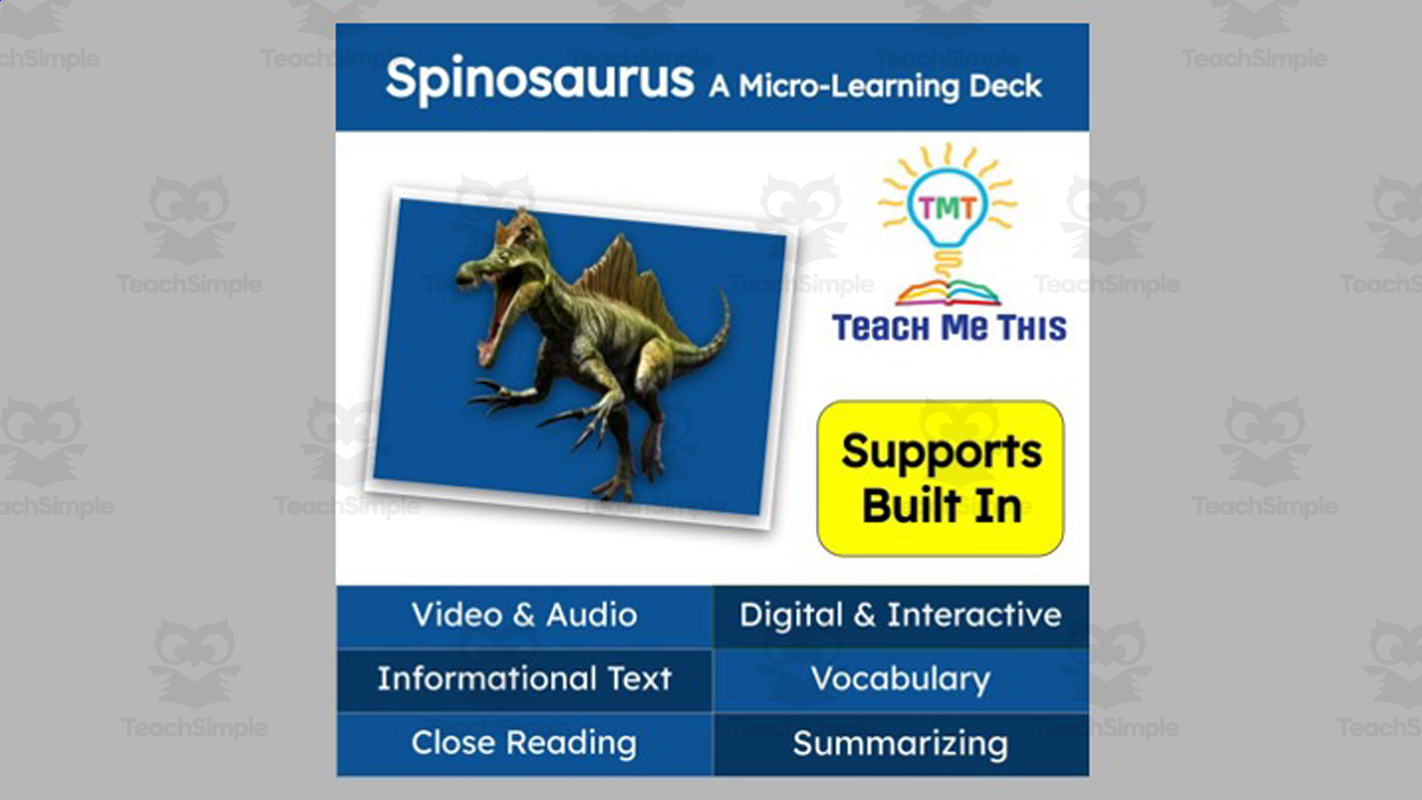
Notice and wonder about Spinosaurus, view facts about what it means, ate, and how big/heavy it was, learn key vocabulary, complete a quick write/draw and 'show our learning' activity, and optionally do a 3D-printing extension activity of a Spinosaurus skull.
ESL lesson using the topic of space exploration and astronaut training to build reading/listening/writing skills.
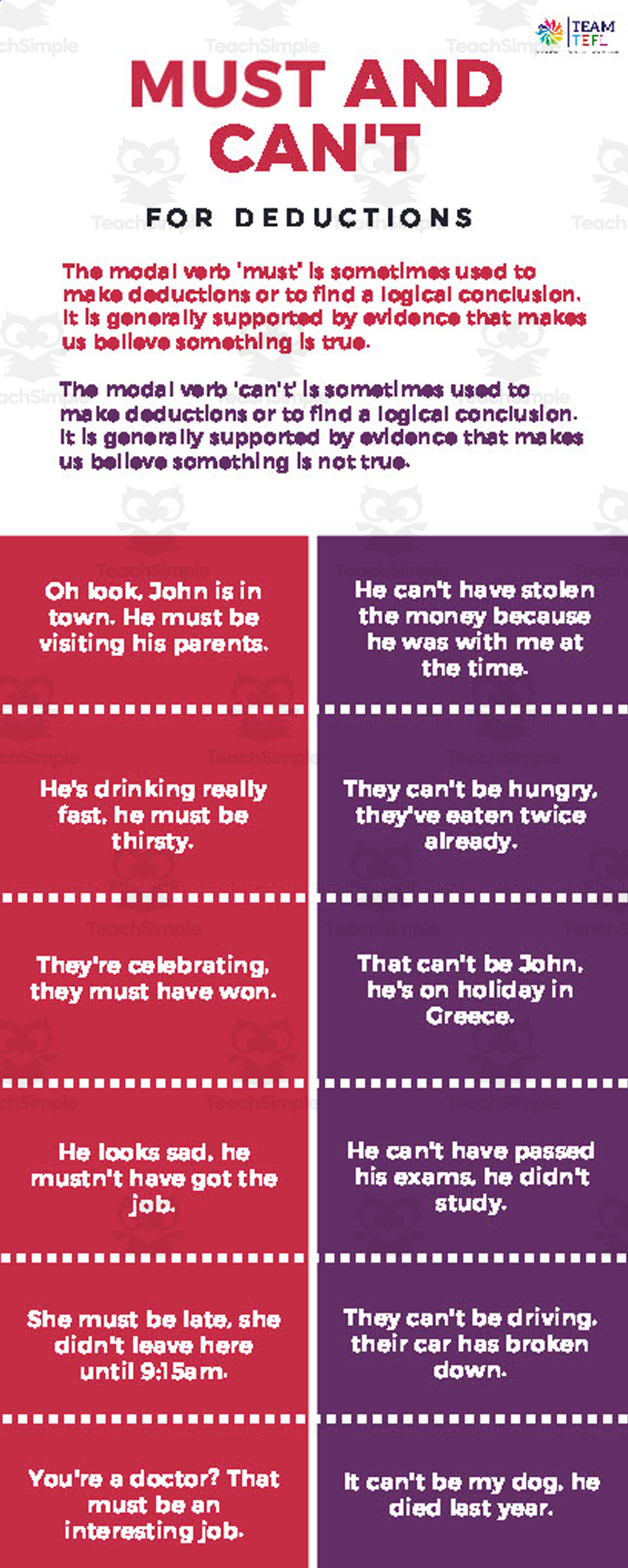
Teach intermediate (CEFR B1) ESL/EFL modal verbs 'must' and 'can't' for making logical deductions.
This is an intermediate ESL ELA TEFL lesson plan worksheet set for Past Continuous. Your students' knowledge and understanding of how to use the past continuous correctly in their English learning quest is one of the most important aspects of building a strong proficiency in English. This past continuous tense TEFL resource will gives…
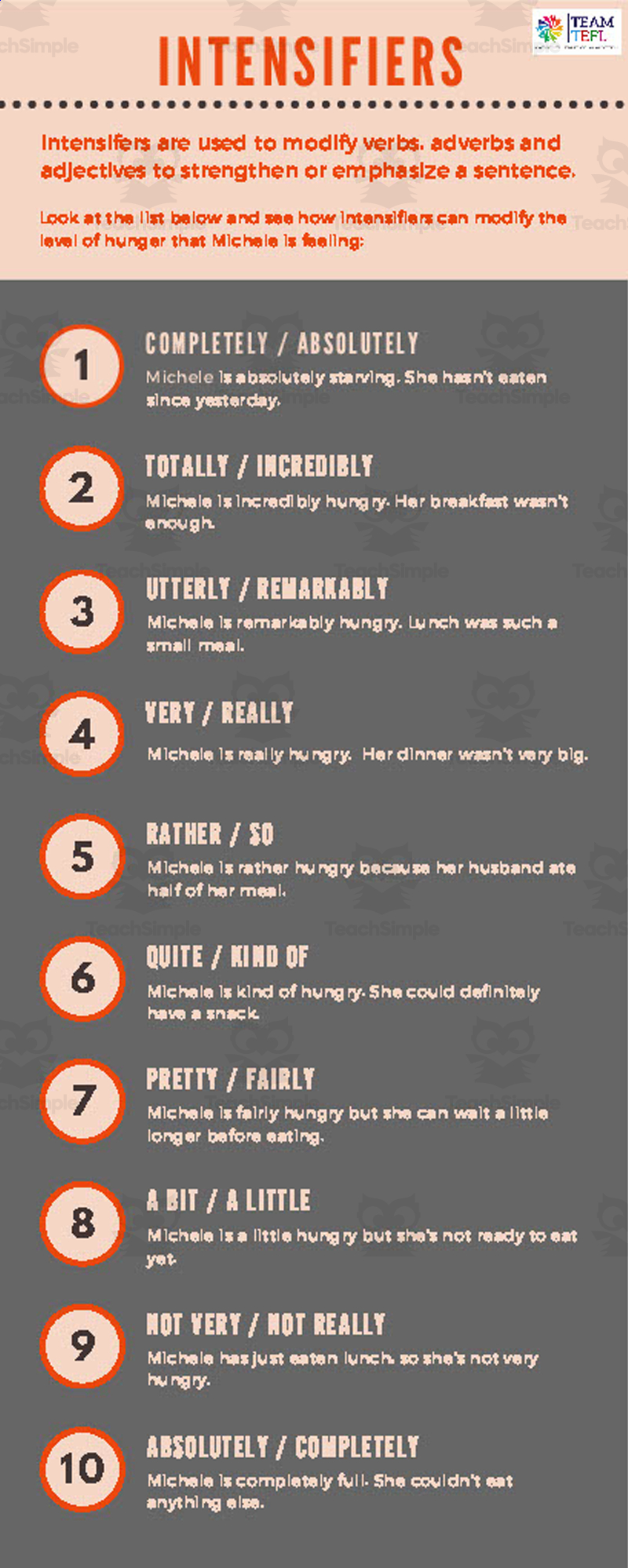
TEFL/ESL grammar lesson teaching intermediate (CEFR B1) students how to recognize and use intensifiers (words like 'very', 'extremely', 'incredibly' that strengthen other words).
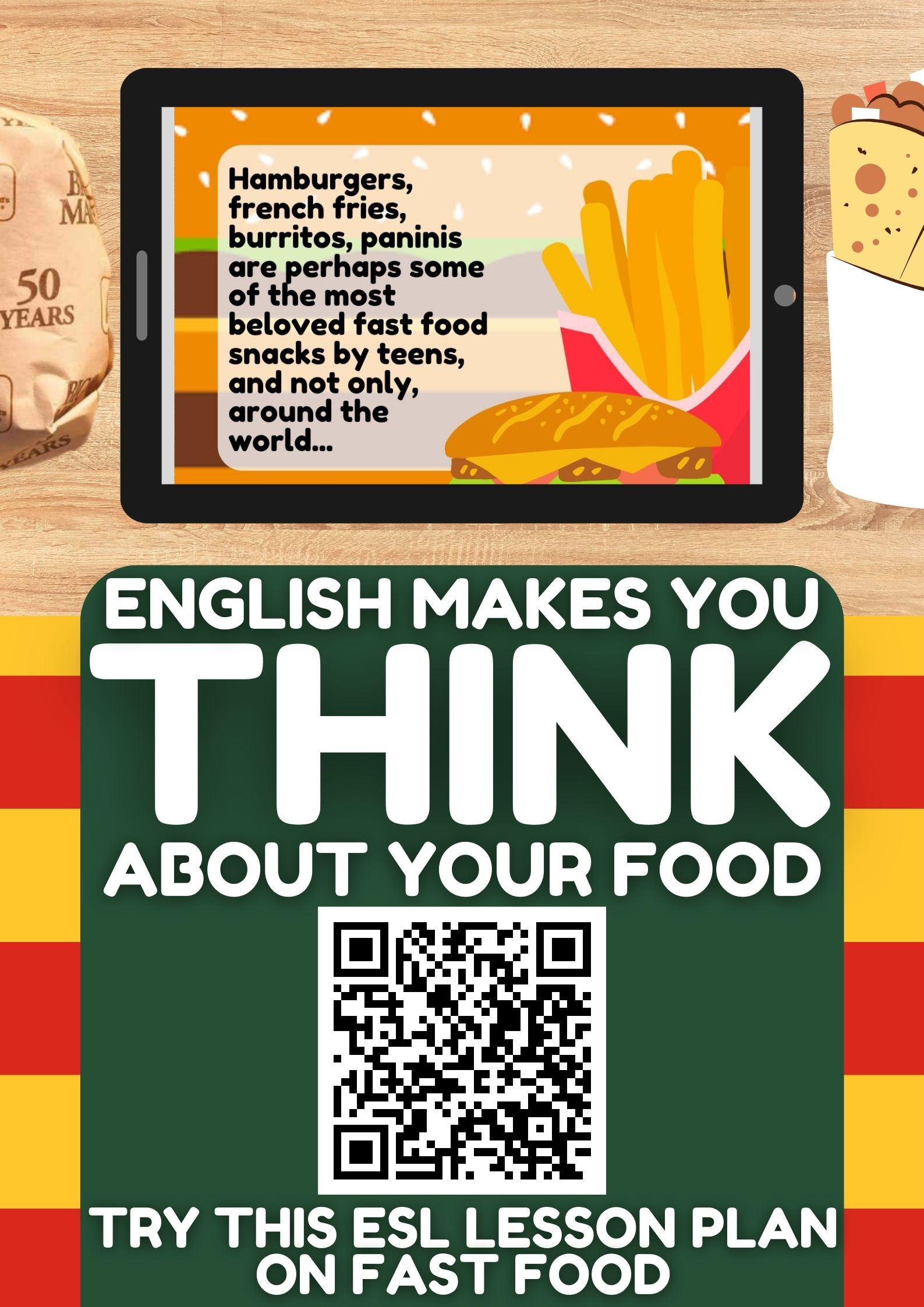
ESL lesson using the topic of fast food and ultra-processed food to build reading/listening/writing skills.
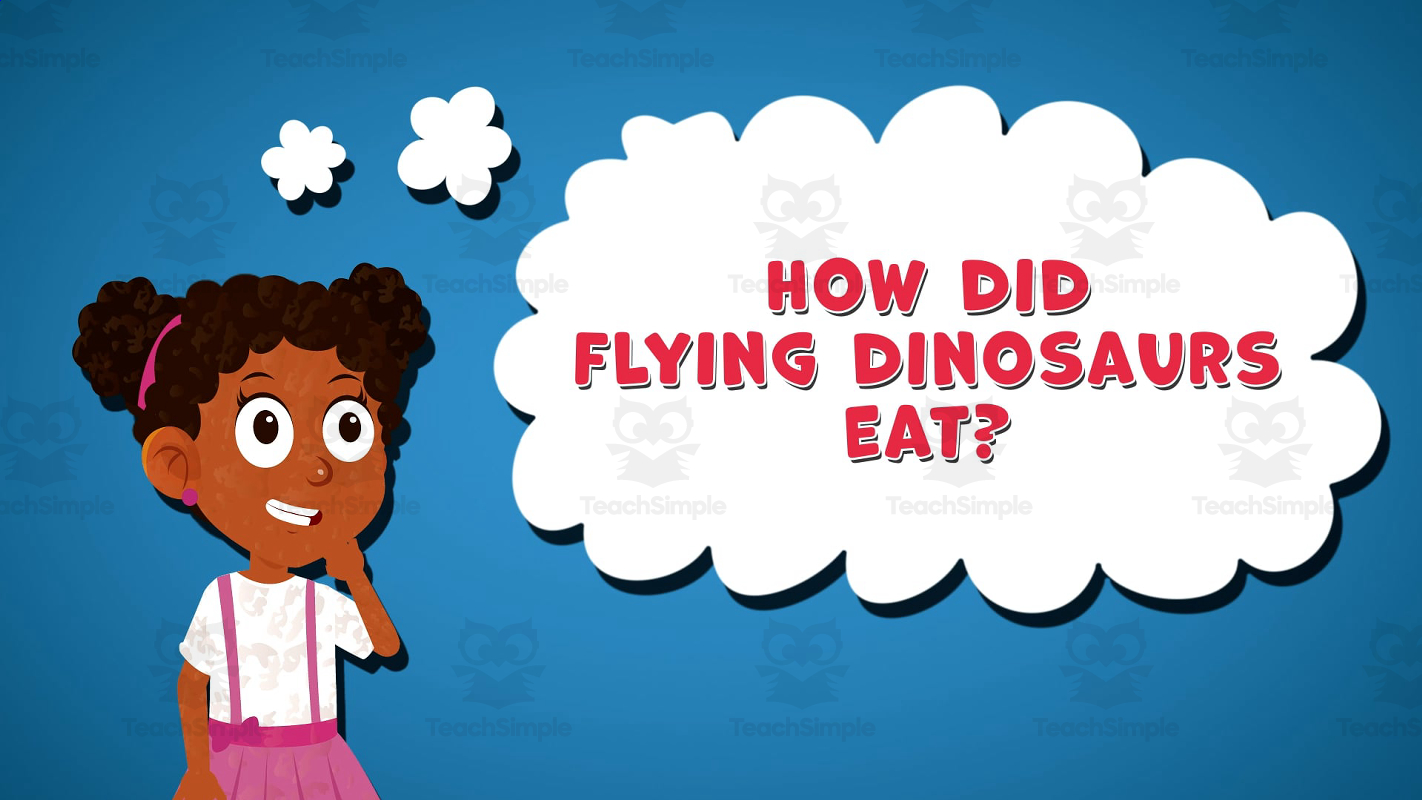
Video Introduction a video designed for the students to learn more about dinosaurs in different countries. I WONDER - How Did Flying Dinosaurs Eat | Animated Video Lesson Dinosaurs are really huge creatures. Do you think there was tiny dinosaurs living on earth? Or are there any dinosaurs live till now?! How…
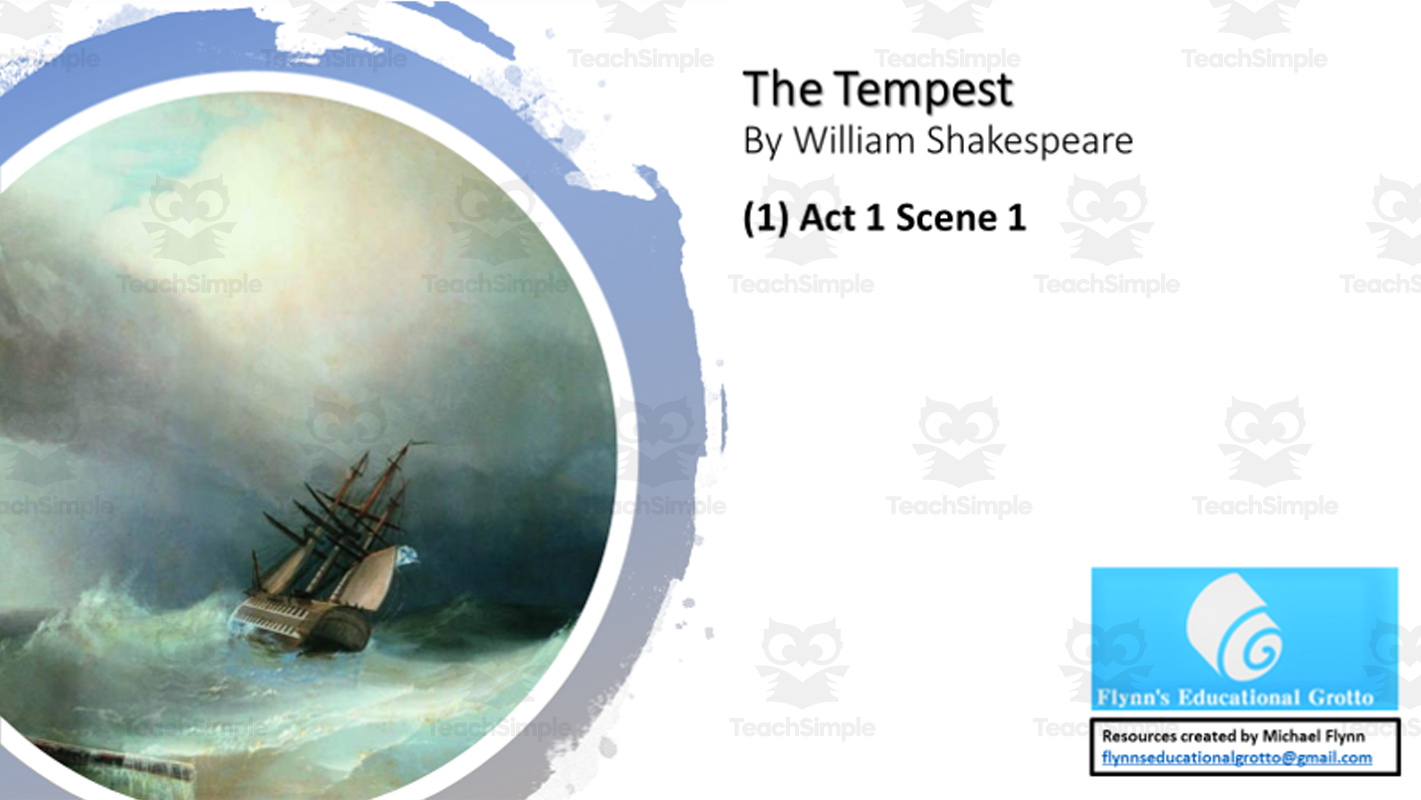
Lesson 1 of a Tempest unit: an analytical close-reading of Act 1 Scene 1 (the opening shipwreck scene), building summary/analysis skills and introducing academic essay-writing technique.
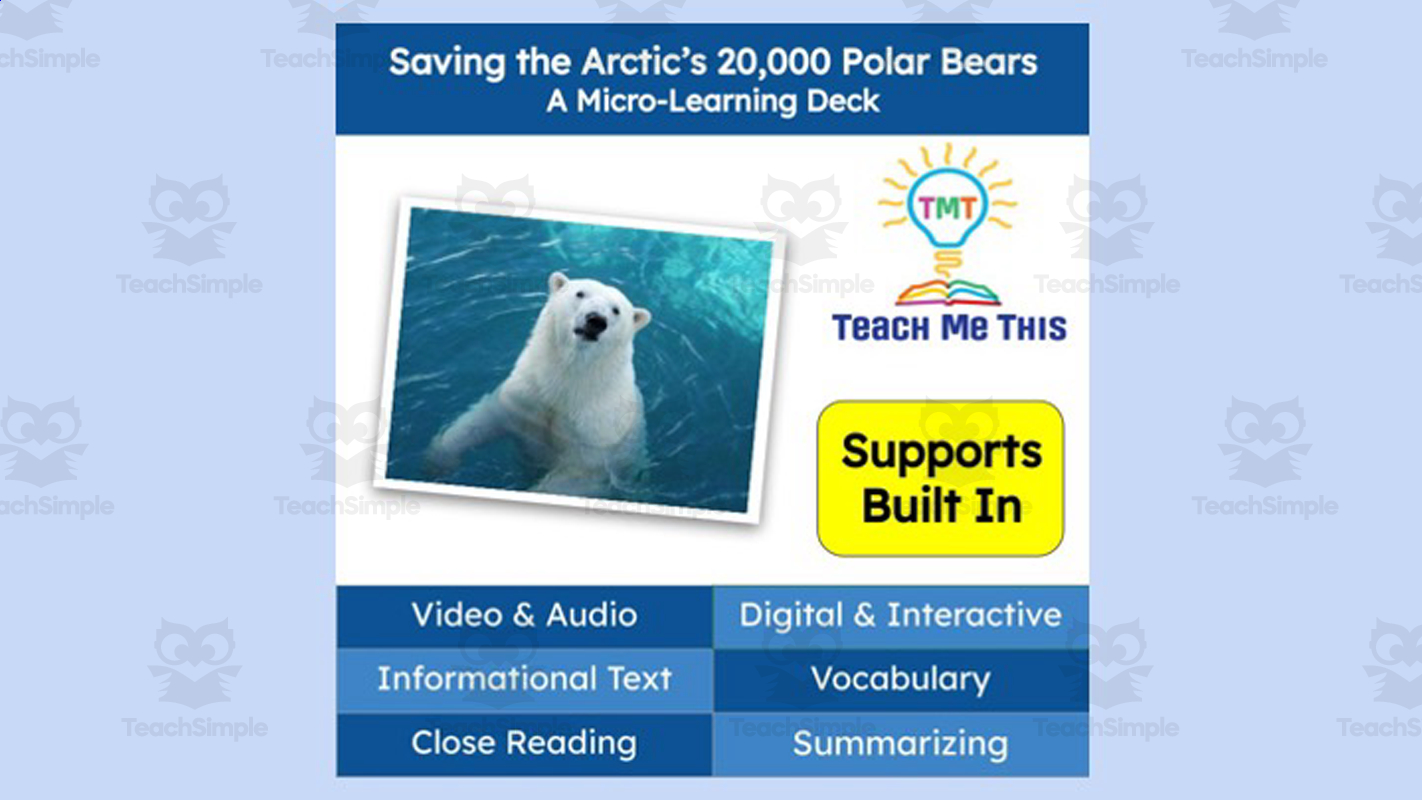
An interactive digital slide deck teaching reading comprehension and vocabulary through an informational text about polar bears and Arctic ice loss.
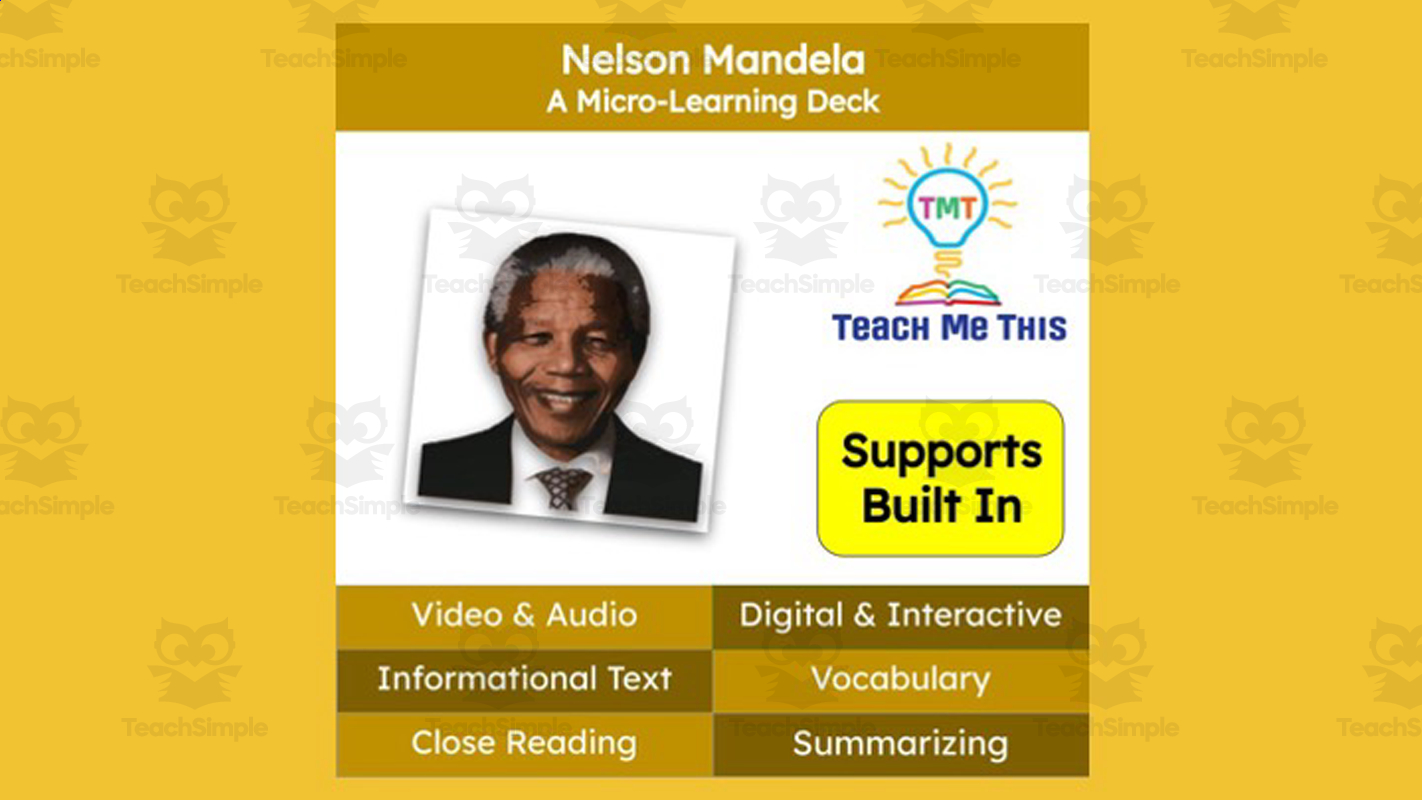
An interactive slide-deck lesson teaching middle/high school students about Nelson Mandela's life and fight against apartheid through reading, vocabulary, and comprehension activities
read a short poem, learn a related literary-device definition (e.g., apostrophe), complete an annotation activity marking examples of the device in the poem, answer discussion questions, draft an analytical essay, complete a peer review, and produce a final essay draft; this sequence repeats across 10 different poems/lessons for 10…
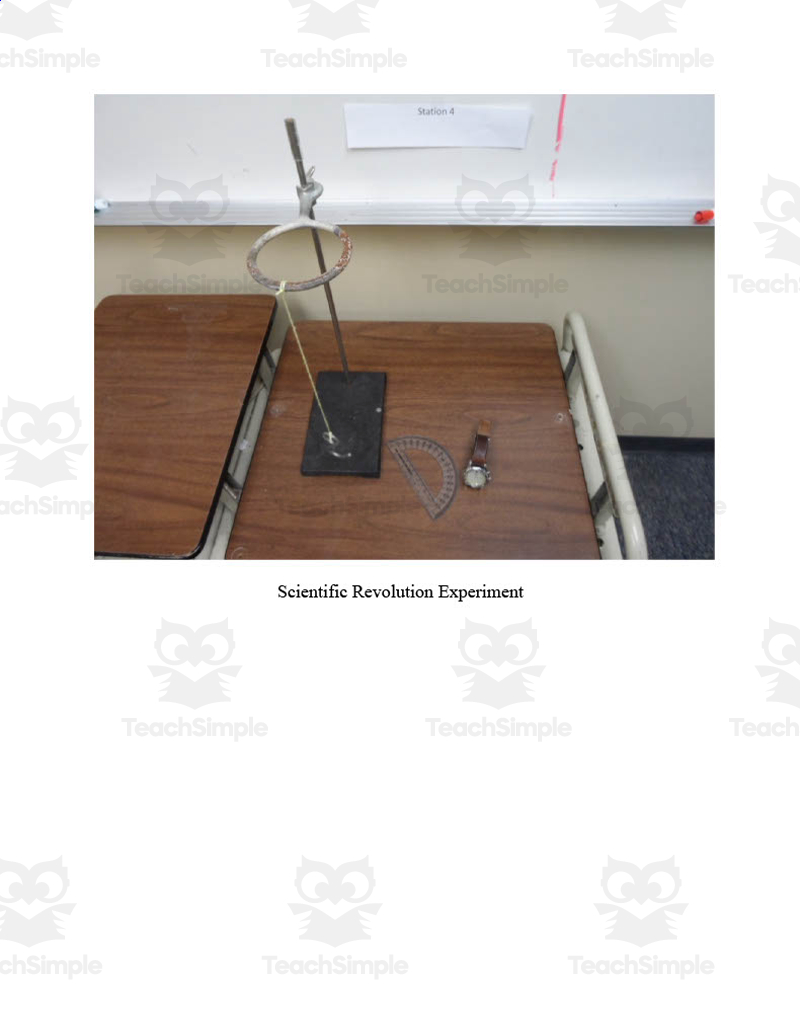
At Station 1 (Gravity), weigh and drop objects of different mass/shape to test whether heavier objects fall faster. At Station 2 (Observatory), predict and then record Mars' trajectory across several weeks to test the geocentric vs. heliocentric model. At Station 3 (Human Body), observe a prepared diagram/model to…
ESL lesson using the topic of eating insects (entomophagy) as food of the future to build reading/listening/writing and vocabulary skills.