Art, movement & wellbeing
Saving Energy
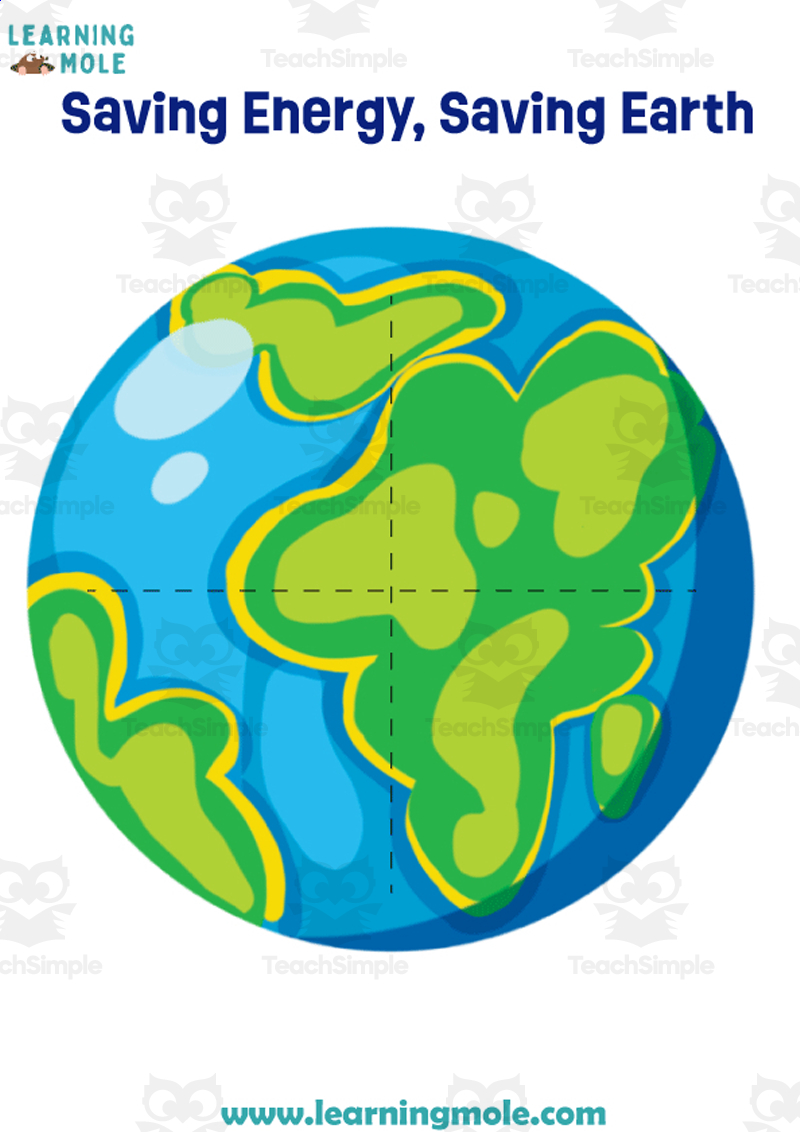
Write energy saving tips related to each icon, cut along dashed lines, glue page 1 on top of page 2, and open each flap to reveal what they wrote.




Classroom resources
Browse by lesson focus
Choose the topic or kind of practice you need.
Showing 985–1008 of 2757 resources

 Show filters
 Write energy saving tips related to each icon, cut along dashed lines, glue page 1 on top of page 2, and open each flap to reveal what they wrote.

Hold 10 paper 'bills'; answer 10 yes/no money-management self-assessment questions (e.g. saving first, having an emergency fund, avoiding impulse buying), discarding a bill for each 'no' answer; use remaining bill count to self-rate on a broke/financially-stable/wealthy spectrum; then complete a Personal Finance…
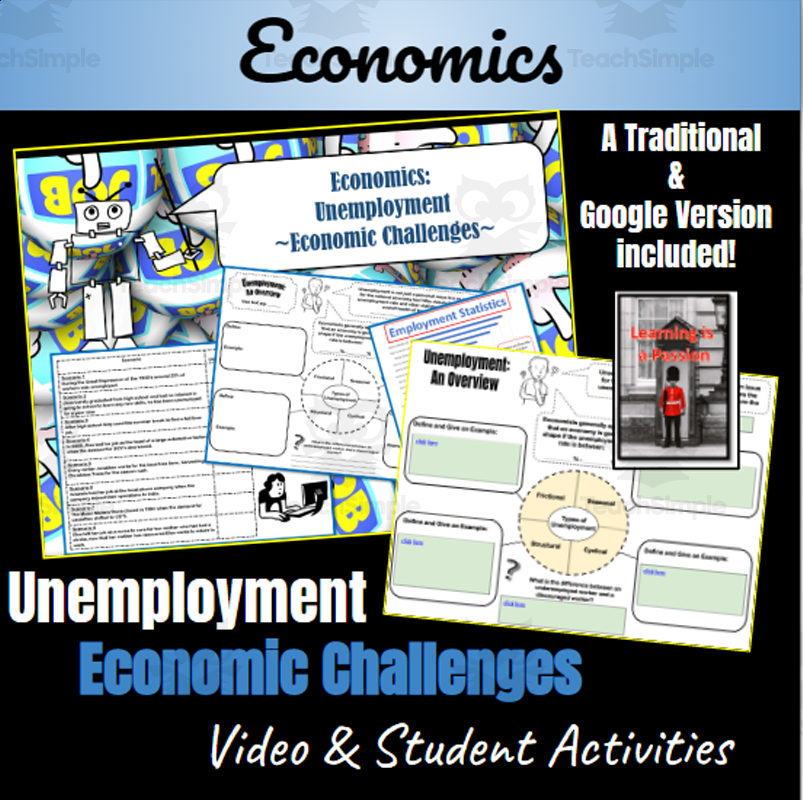
Watch an 'Are Robots Hurting Job Growth' 60 Minutes/CBS News video and answer 8 comprehension questions; read the textbook section on unemployment and complete an 'Unemployment: An Overview' graphic organizer (defining frictional, seasonal, structural, and cyclical unemployment with examples, and distinguishing underemployed vs.…
Introduce students to business organization and management concepts (organizational structures, the four functions of management, and leadership styles) via a slideshow lesson, graphic-organizer handouts, and a supplementary video-based worksheet with an answer key.
Watch a linked Crash Course video and answer guided notes questions; follow along with a lecture-style slide deck including two in-class memory demonstrations (memorizing a number, then a word-recall exercise after a delay); complete a separate student notes sheet comparing sensory/short-term/long-term memory and…

Fill in blanks in guided notes while viewing the presentation, read a linked primary-source letter, watch a linked video (specified timestamp range), and write a 7-sentence paragraph citing evidence from the notes, letter, and video.

Read teacher-directed lesson content and complete accompanying activities/games (e.g., a Constitutional Convention timeline matching exercise) for each section of the Constitution.
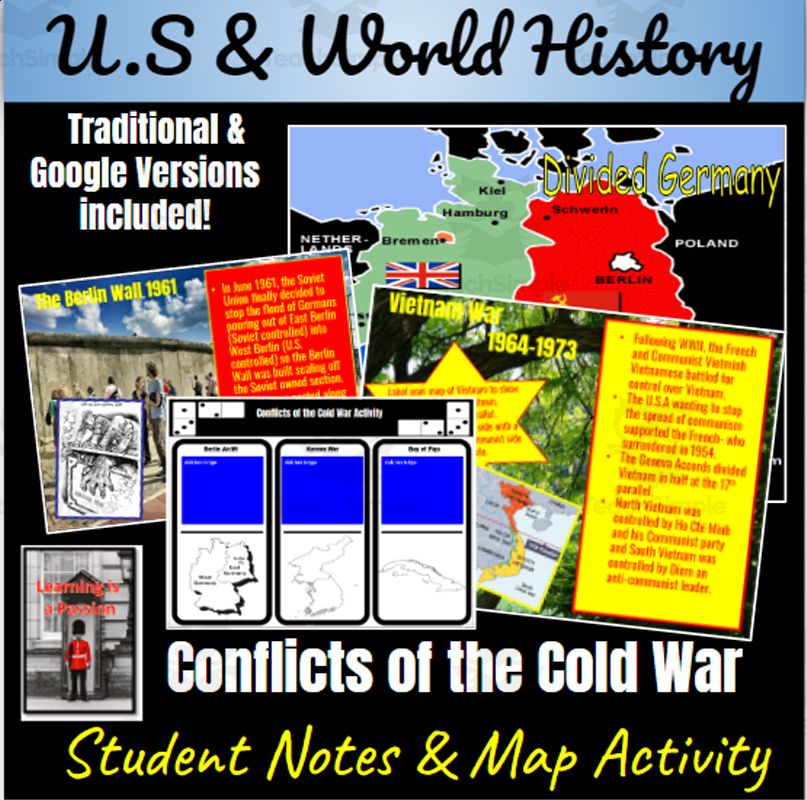
A slide presentation with accompanying student notes/graphic-organizer PDF introducing major Cold War conflicts and flashpoints (Berlin Airlift, Korean War, Berlin Wall, Cuban Missile Crisis, Vietnam War) as a lead-in before deeper primary-source study.
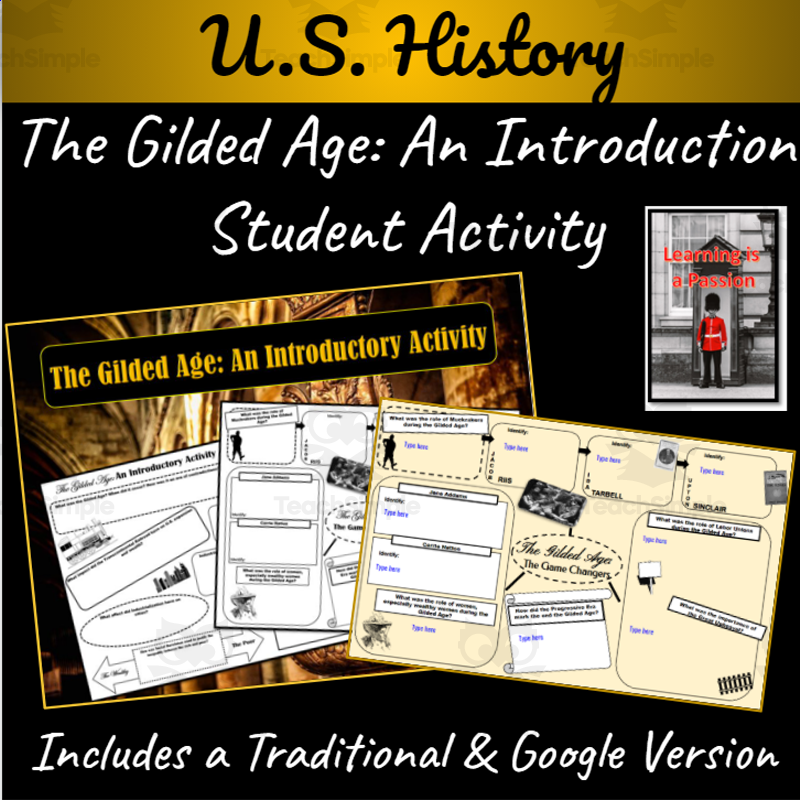
Scan a QR code or visit a linked history.com article/video, then define key terms (e.g., Robber Baron), identify dominant industries, compare the wealthy and the poor, and answer graphic-organizer questions on industrialization and Social Darwinism.
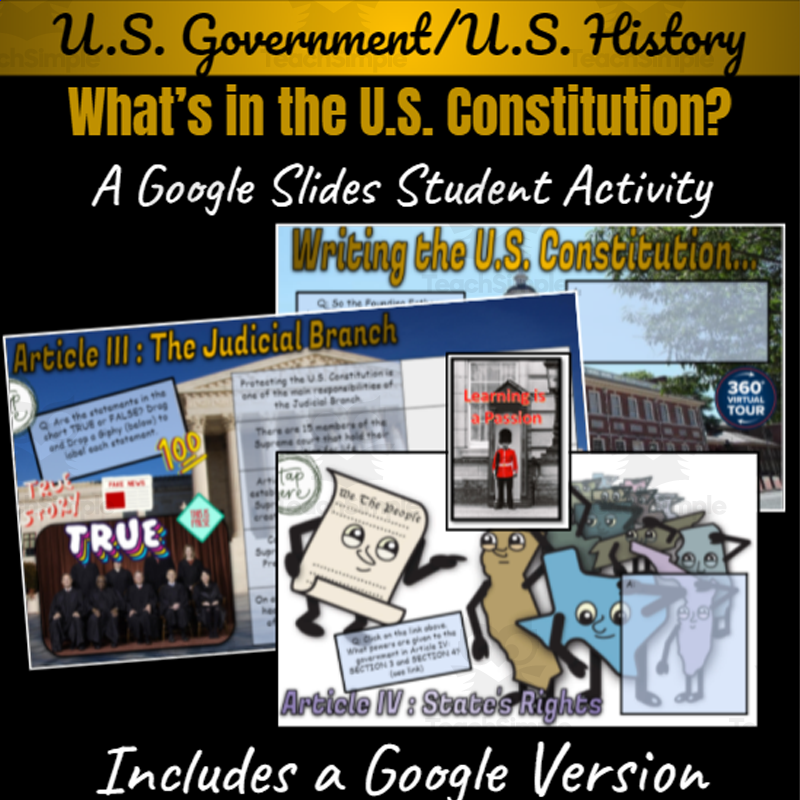
A brief Google Slides activity introducing students to the contents of the U.S. Constitution (Articles 1-7 and the Amendments) via linked resources, followed by comprehension questions and a True/False drag-and-drop activity.
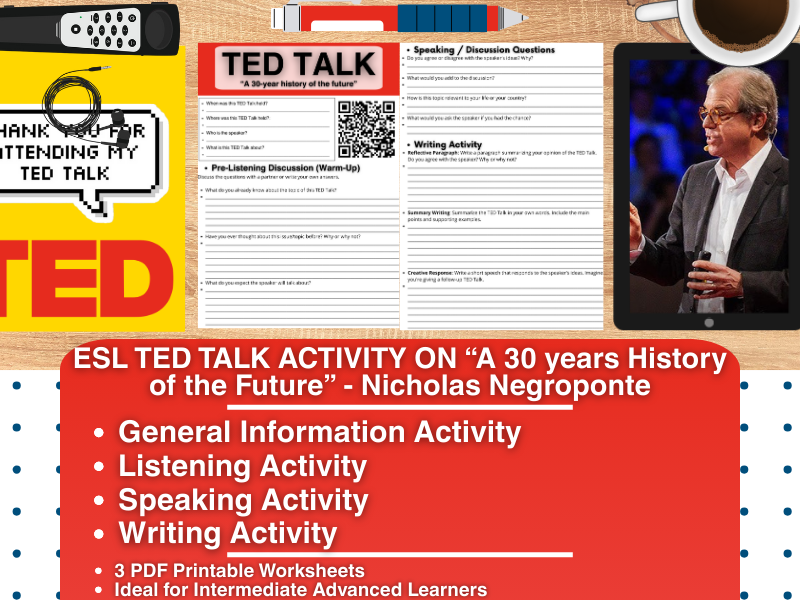
Answer identification questions about the talk (when/where held, speaker, topic), discuss pre-listening warm-up questions with a partner, complete post-listening comprehension/response items, and write a short creative-response speech reacting to the speaker's ideas.
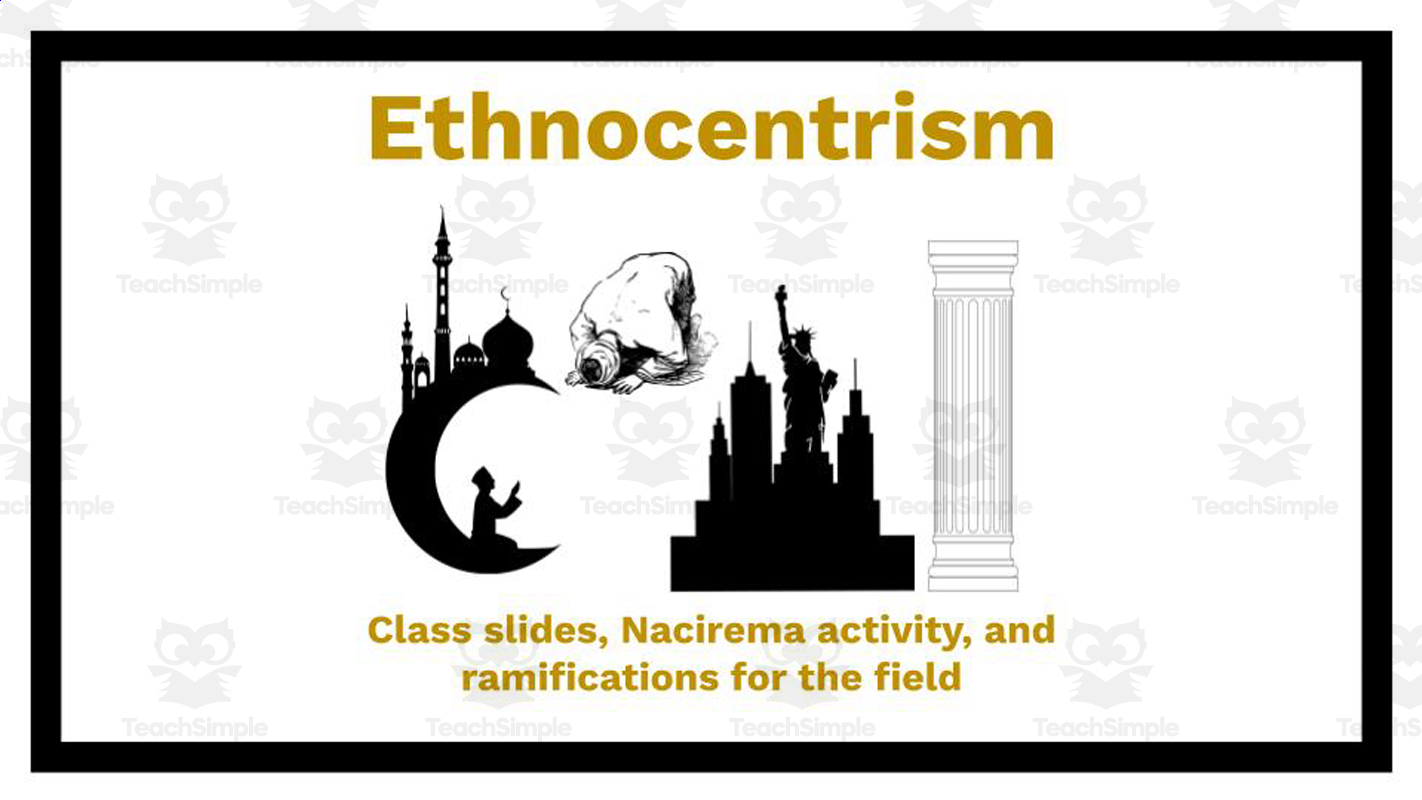
A sociology lesson presentation that introduces ethnocentrism using the classic 'Body Rituals of the Nacirema' satirical anthropology piece, paired with a student notes/questions handout.

Complete a Planetary Comparison Chart for the 8 planets (order from sun, composition, diameter, density, surface features, moons, atmosphere, temperature range, day/year length); create a planet infographic (individually, using a tool such as Canva); work in groups to compare planets via Venn diagram/table and…
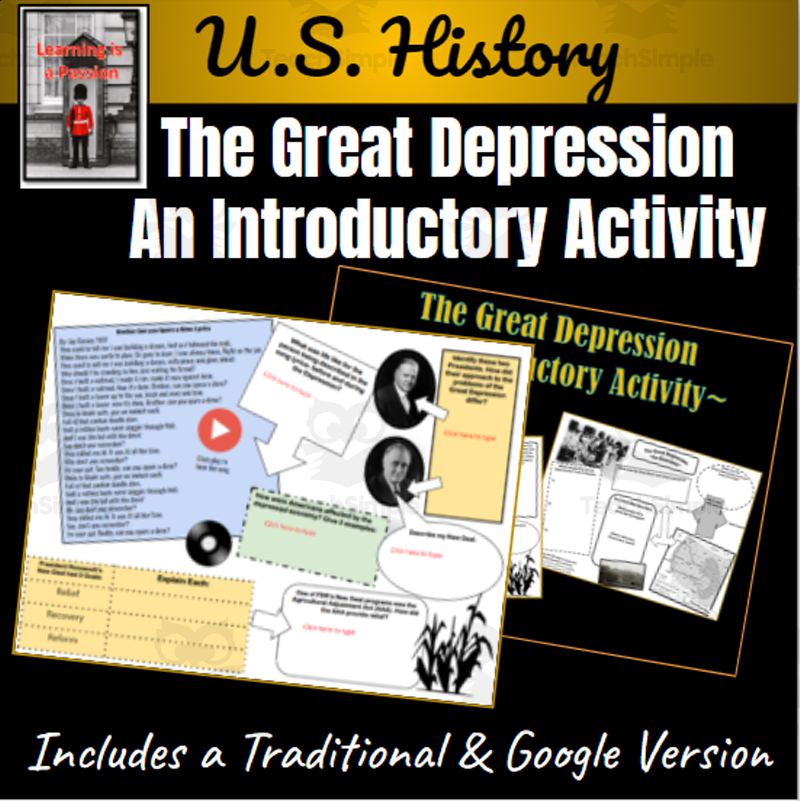
Read a class textbook or a linked/QR-code online resource, then answer graphic-organizer questions defining the Great Depression, distinguishing recession vs. depression, analyzing a Dust Bowl map, comparing Hoover's and Roosevelt's approaches, and describing the New Deal's Relief/Recovery/Reform goals (including the Agricultural…

Read multiple primary-source accounts of the Boston Massacre from opposing perspectives - Source A: British Captain Thomas Preston's official account, plus an anonymous colonial pamphlet account with eyewitness depositions (Benjamin Frizell, Samuel Drowne) - and compare the differing descriptions of what happened; per the catalog…
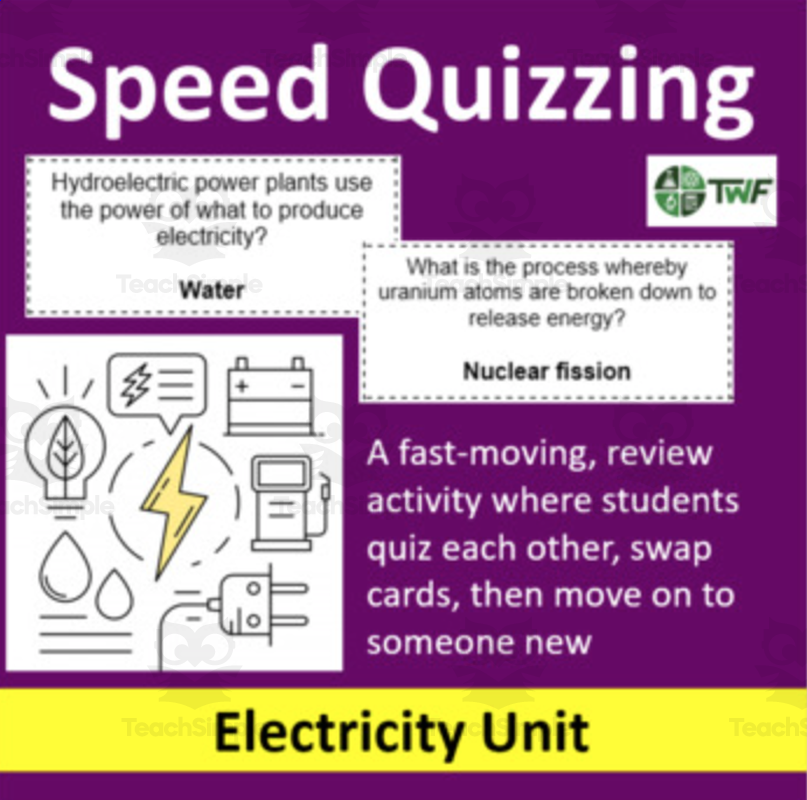
Students read a question card aloud to a partner, the partner answers, roles switch, and pairs rotate to a new partner and repeat, reviewing terms and problems from the unit.

Solve a sequence of linked puzzles (a crossword, a domino chain, a word search, and a matching worksheet) to derive numbers that combine into codes for combination locks, following a code-breaker sheet; correct answers to each puzzle unlock the next clue toward the final code.
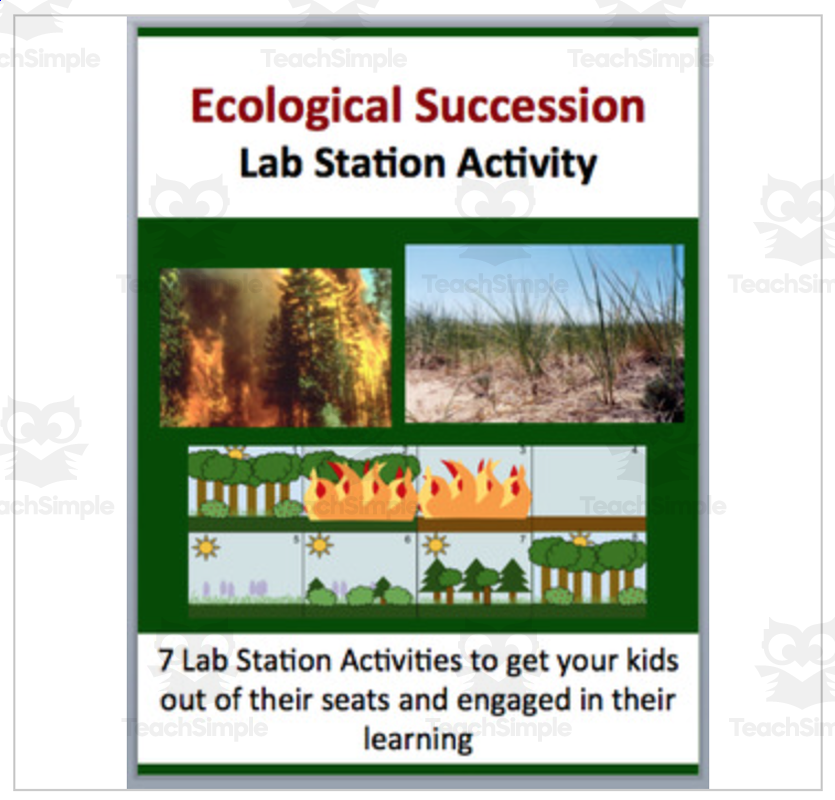
Rotate through 9 numbered stations (7 active + 2 rest): draw a primary-succession timeline, research pond succession, write an opinion paragraph, read an applicability article on forest fires and answer questions, take a 5-question knowledge quiz, watch an expert video and answer questions, and create original quiz questions; record all…

A multi-day (10-day) pre-reading unit to build background knowledge and context (Black Lives Matter movement, MLK Jr., civil rights history, racial bias) before students read the novel Dear Martin by Nic Stone.
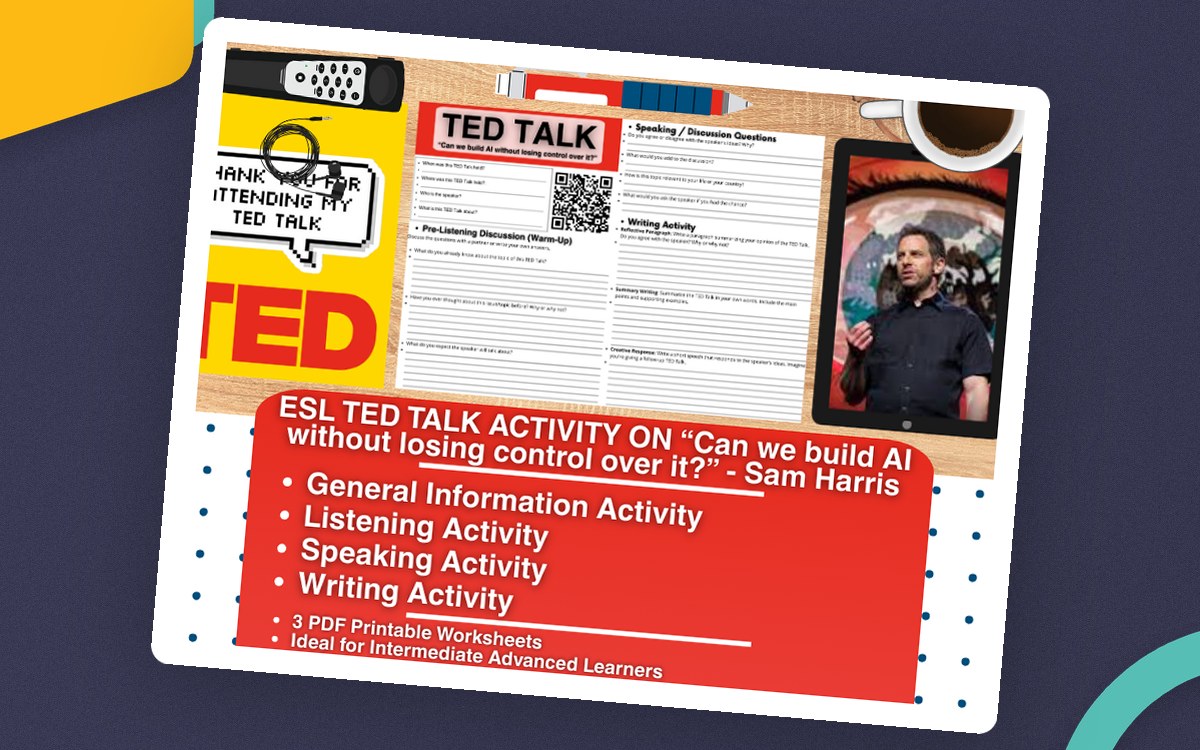
Use Sam Harris’s talk about AI control for listening, vocabulary, discussion, and writing practice. Students begin with background and warm-up questions, record unfamiliar words and key points while listening, then discuss the ideas. Three writing prompts offer a reflective response, a summary, or a creative follow-up speech.

Guided notes, practice, and a hands-on data collection mini-project introducing scatter plots to meet CCSS.MATH.CONTENT.8.SP.A.1.
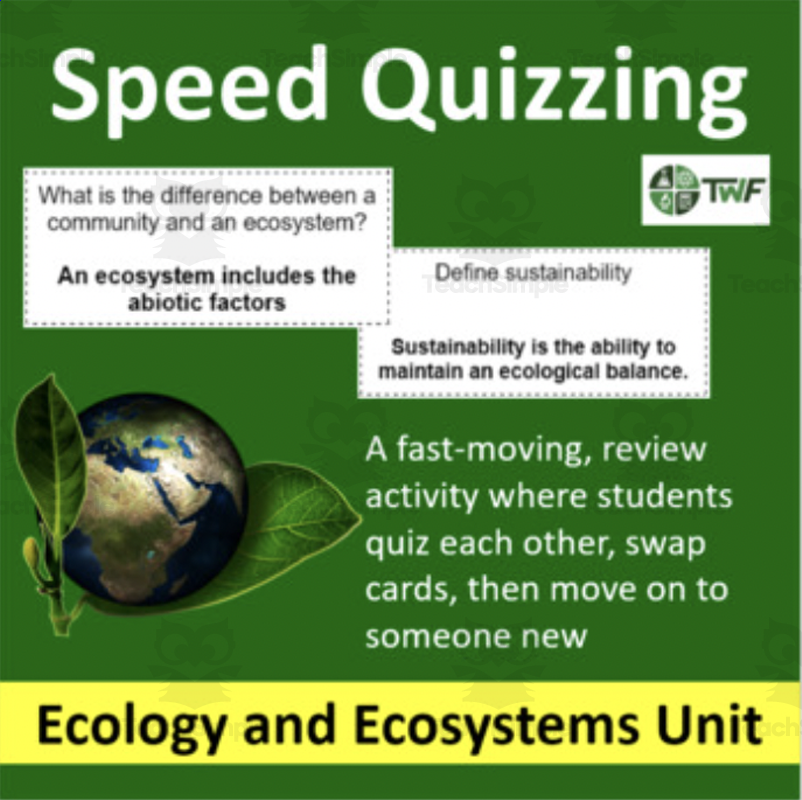
Students read a question card aloud to a partner, the partner answers, roles switch, and pairs rotate to a new partner and repeat, reviewing terms and problems from the unit.

Give ESL/EFL students a nonfiction reading passage about what students and teachers experience at fashion academies, paired with comprehension checks and essay writing prompts to build reading and writing skills.
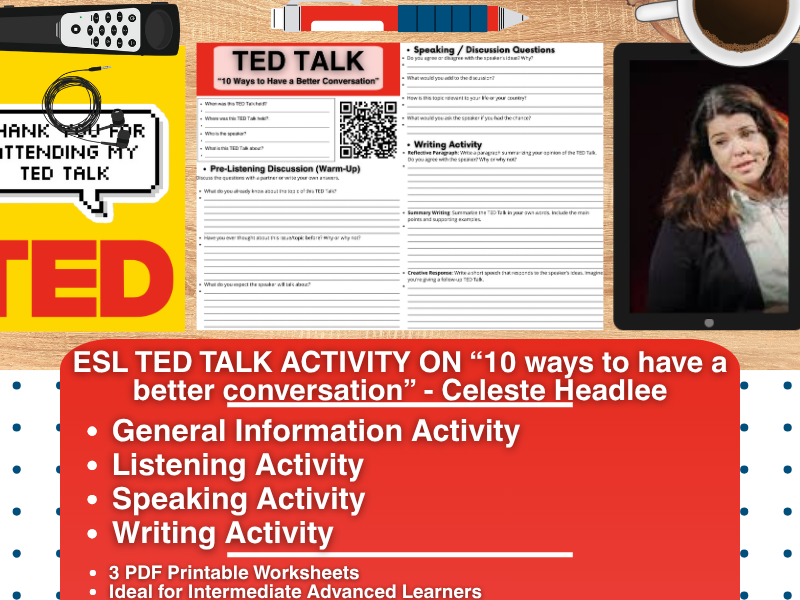
Answer identification questions about the talk (when/where held, speaker, topic), discuss pre-listening warm-up questions with a partner, complete post-listening comprehension/response items, and write a short creative-response speech reacting to the speaker's ideas.