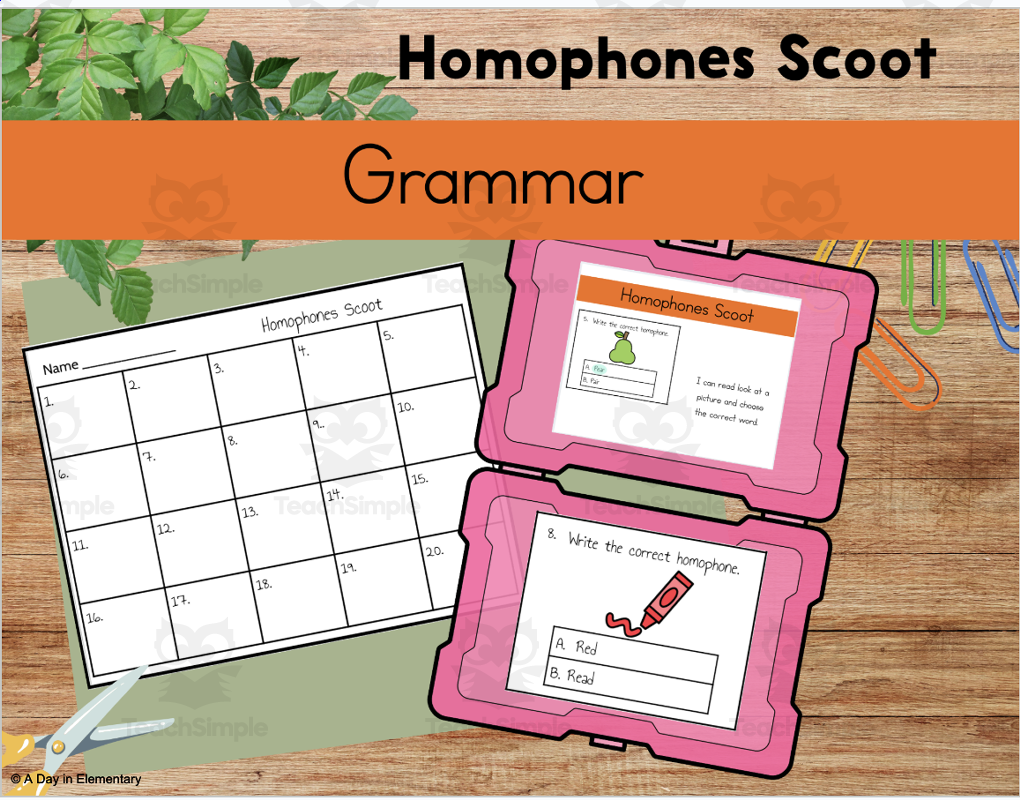
Homophones Scoot
Practice identifying correct homophones through a SCOOT-style around-the-room activity using picture-supported multiple-choice cards.
Answers included




Classroom resources
Browse by lesson focus
Choose the topic or kind of practice you need.
Showing 3433–3456 of 4517 resources

 Show filters
 Practice identifying correct homophones through a SCOOT-style around-the-room activity using picture-supported multiple-choice cards.
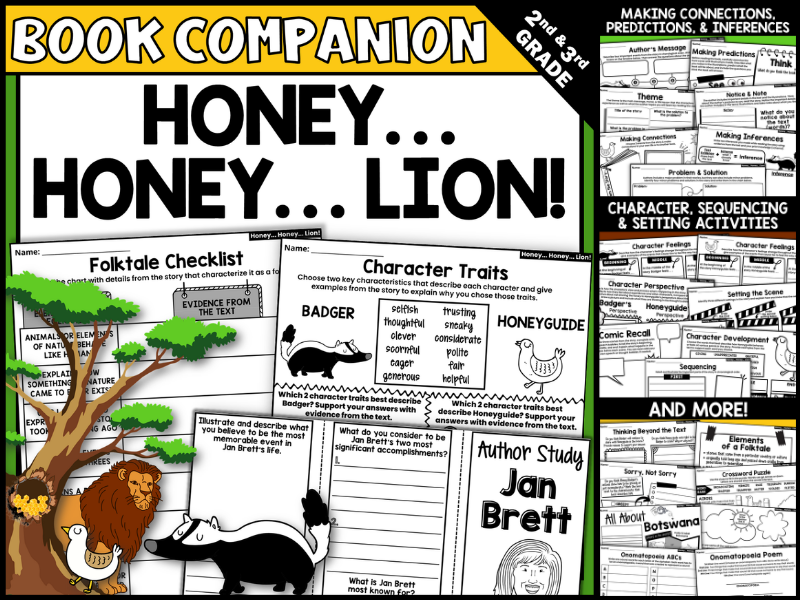
Provide a print-and-go book companion of reading comprehension activities for the picture book 'Honey... Honey... Lion!' by Jan Brett, covering story elements, folktale analysis, character study, sequencing, and inference skills.
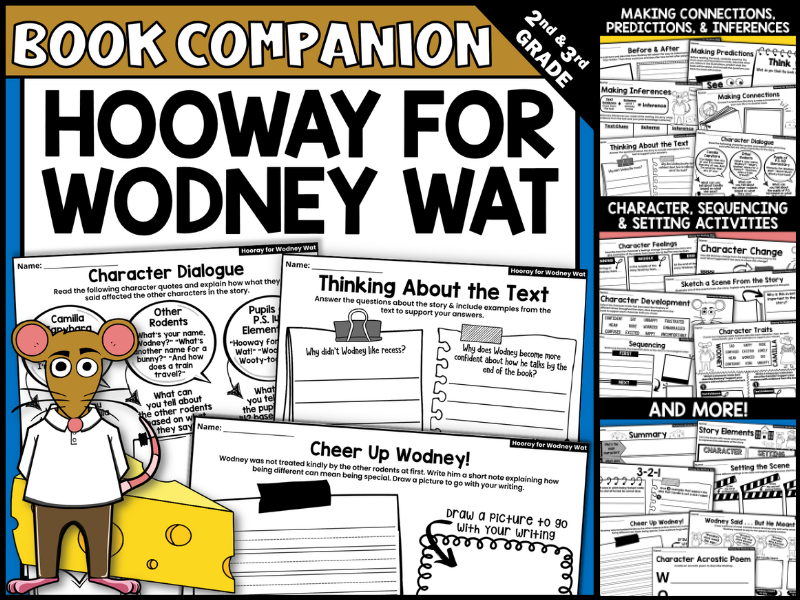
Provide a complete book-companion set of reading-comprehension activities for the picture book 'Hooway for Wodney Wat' by Helen Lester.
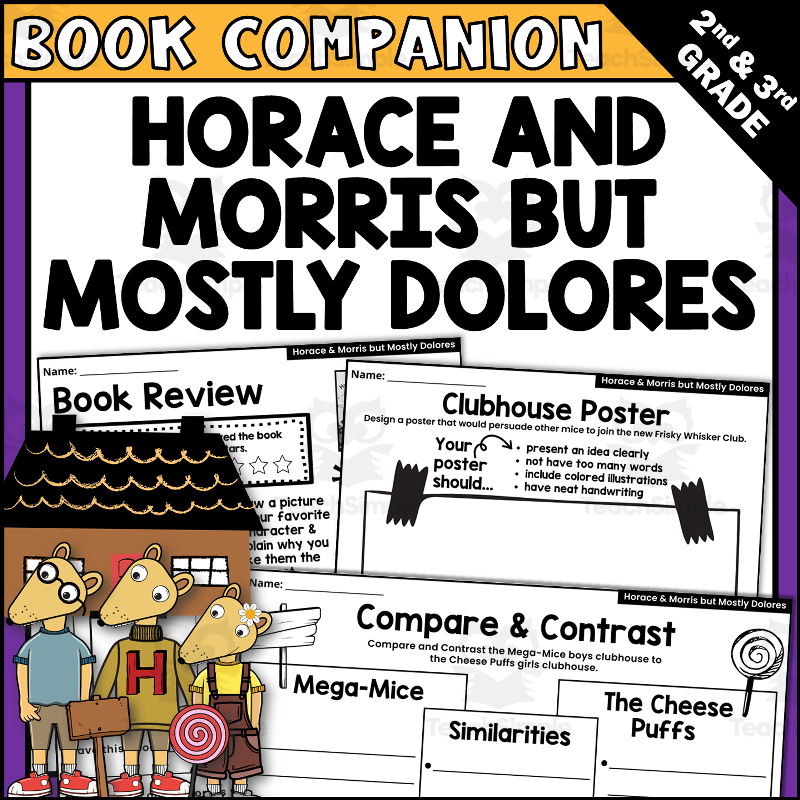
Provide a complete book-companion set of reading-comprehension activities for the picture book 'Horace and Morris But Mostly Dolores' by James Howe.
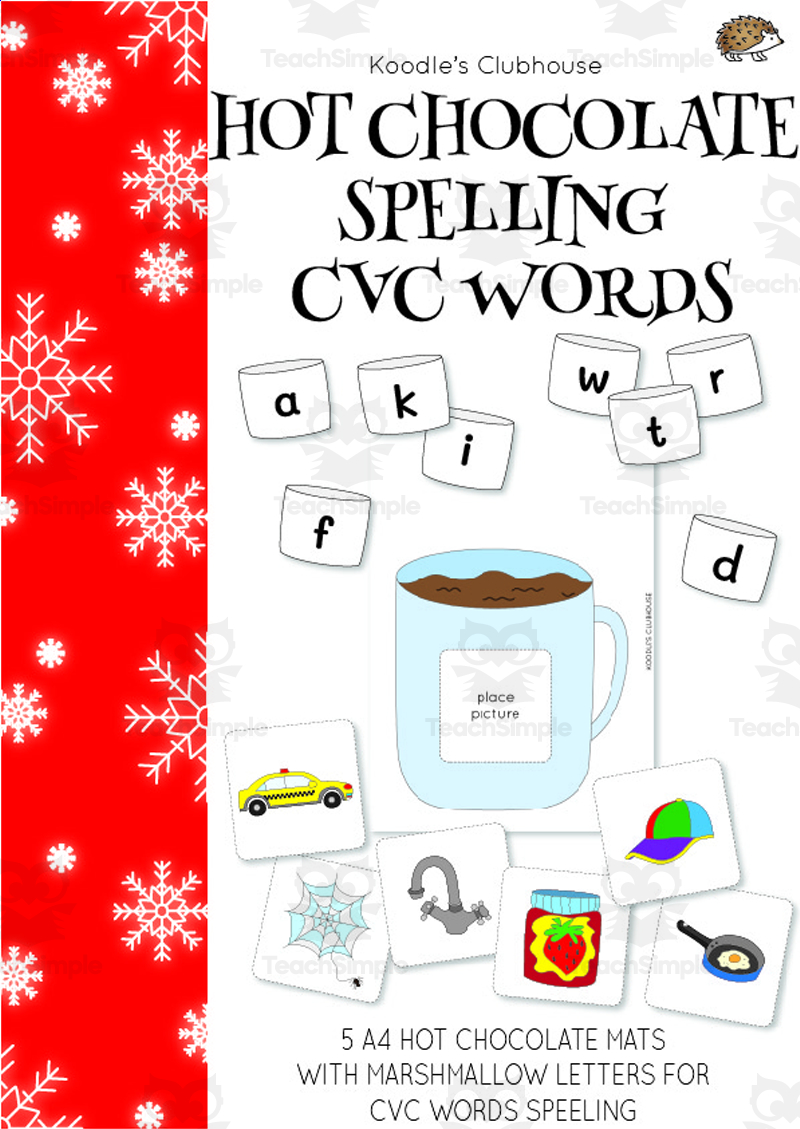
Introducing the Hot Chocolate Spelling CVC Words Resource The Hot Chocolate Spelling CVC Words resource offers a colorful and exciting platform for enhancing spelling, literacy, and phonics skills in young learners.

A multi-syllabic word-reading card game (playable as Snap, 'Hot Shots', or a board game) for practicing decoding of longer words, including homophones and spelling-pattern sorts.
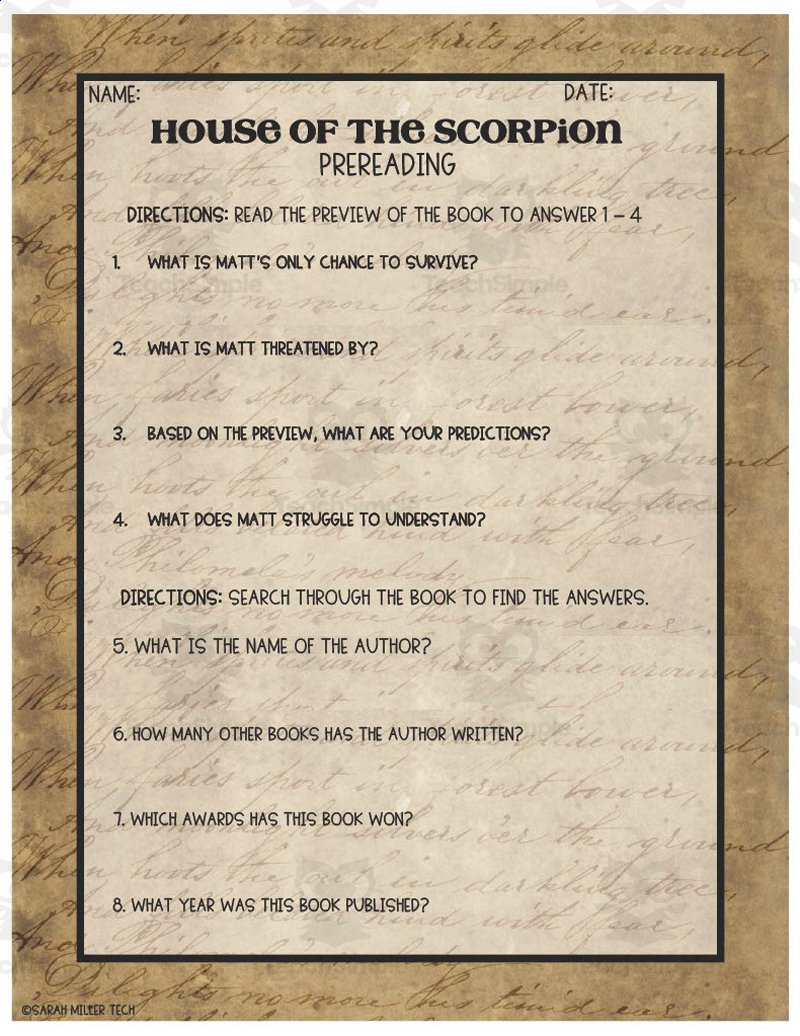
This is a House of the Scorpion Pre-Reading Activity . This resource will give students the opportunity to activate background knowledge and make connections prior to diving into the text. They will answer questions and go on scavenger hunts throughout the novel. Answer key included.
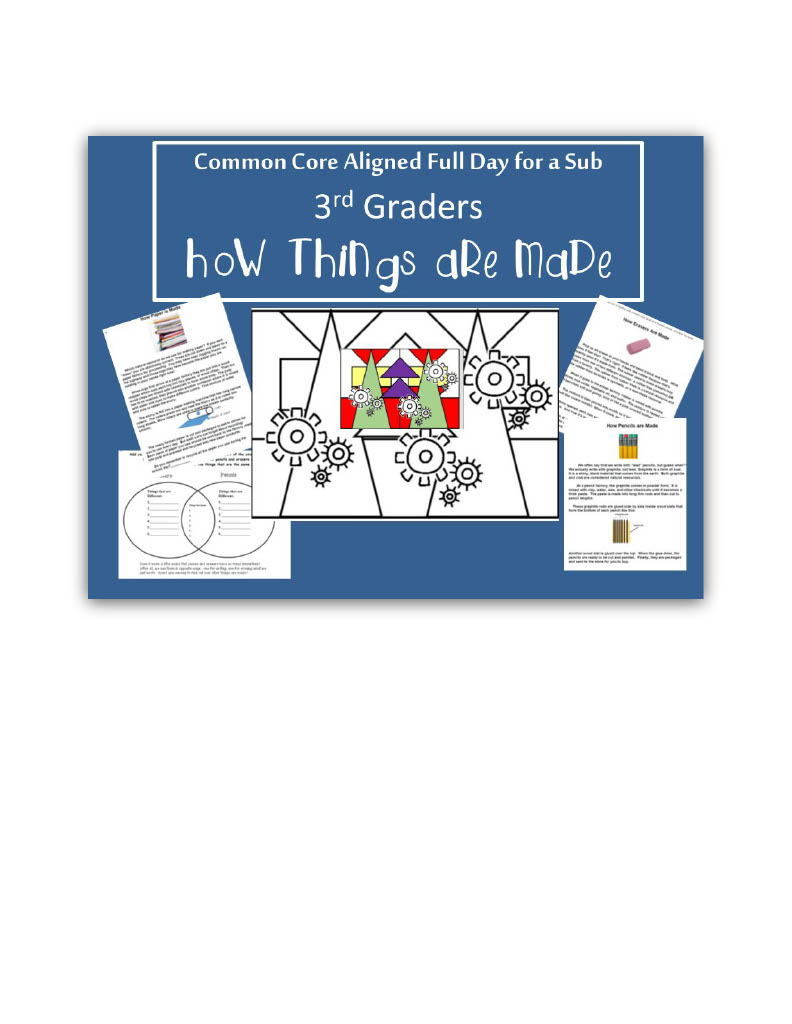
A full-day substitute teacher plan package for Grade 3 built around the theme of how everyday items are manufactured, combining reading comprehension, writing, math review, and vocabulary activities.
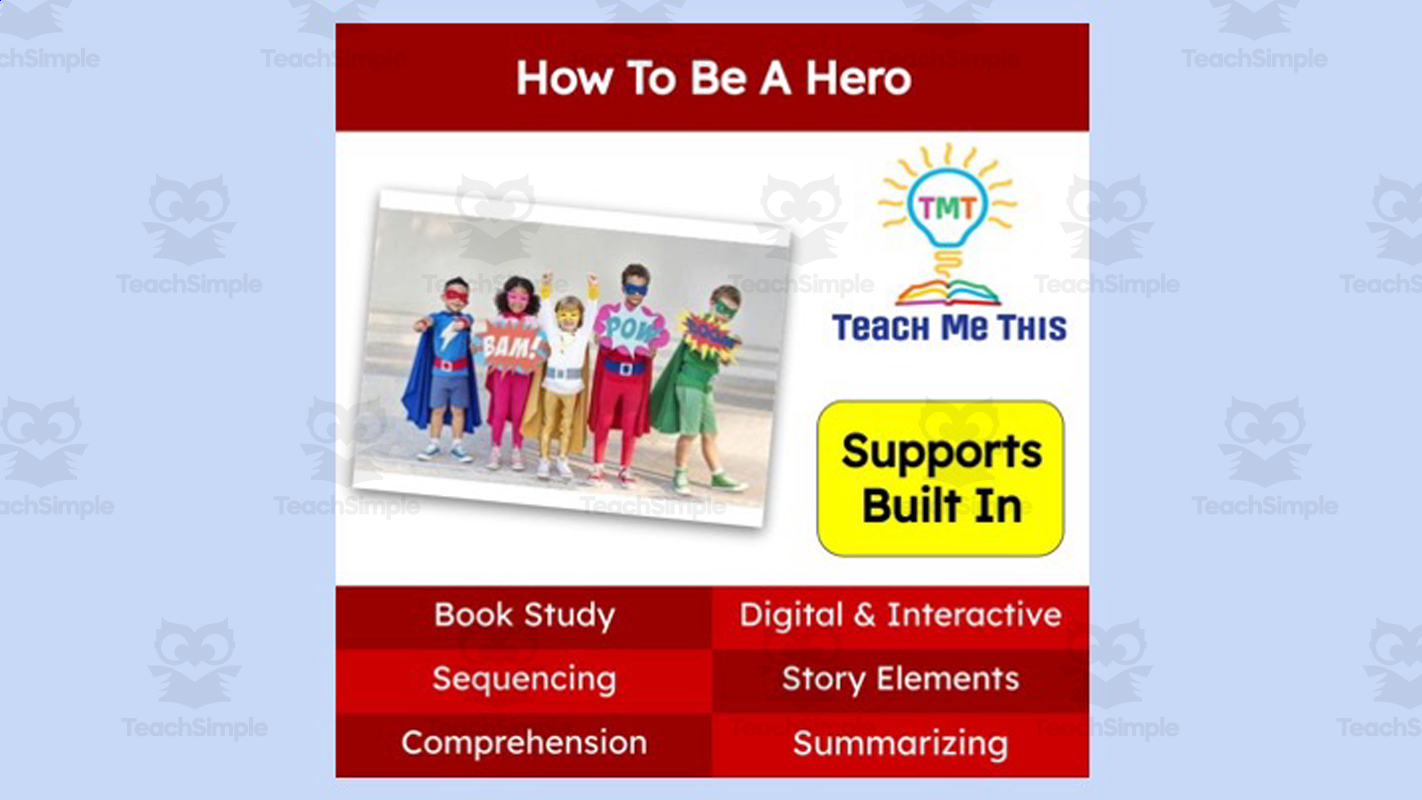
Interactive micro-learning book companion deck for the book 'How to be a Hero' by Florence Parry Heide, building reading comprehension skills (sequencing, story elements, comprehension, summarizing) around a read-aloud.

The tooth-brushing topic gives developing writers a familiar process to organize. Picture and sentence sequences support planning before students use transition words in a draft. Select an editing checklist that matches the writer’s level, then reread the directions to check order and clarity.

Use making a peanut butter sandwich as a familiar model for procedural writing. The packet offers sequencing pieces, writing supports and prompts for making instructions more specific, with a sample paragraph and editing checklists to support revision. Choose drawing or writing formats to match students’ needs; the paper activities can be completed without preparing or tasting food.
Teaches early writers to produce sequential 'how-to' expository writing about making a valentine, using leveled models, checklists, and picture-sequencing supports.
Teaches early elementary writers how to compose a step-by-step 'how-to' (procedural/expository) piece using the everyday example of apple pie, with an emphasis on sequencing and transition words.
Teaches early elementary writers how to compose a step-by-step 'how-to' (procedural/expository) piece using the everyday example of caramel apples, with an emphasis on sequencing and transition words.
Teaches early elementary writers how to compose a step-by-step 'how-to' (procedural/expository) piece using the everyday example of gingerbread cookies, with an emphasis on sequencing and transition words.
Teaches early elementary writers how to compose a step-by-step 'how-to' (procedural/expository) piece using the everyday example of hot chocolate, with an emphasis on sequencing and transition words.
Teaches early elementary writers how to compose a step-by-step 'how-to' (procedural/expository) piece using the everyday example of lemonade, with an emphasis on sequencing and transition words.
This cross-curricular resource uses students’ interest in pancakes to creatively teach emerging writers the basics of crafting step-by-step “how-to” explanations.

This cross-curricular resource uses students' interest in popcorn to teach early writers fundamentals of crafting step-by-step "how-to" explanations.
This fall-themed resource leverages students' interest in pumpkin pie around Thanksgiving to teach early writers the basics of crafting step-by-step "how-to" explanations.
Teaches early elementary writers how to compose a step-by-step 'how-to' (procedural/expository) piece using the everyday example of snow cream, with an emphasis on sequencing and transition words.

Teaches early elementary writers how to compose a step-by-step 'how-to' (procedural/expository) piece using the everyday example of raking leaves, with an emphasis on sequencing and transition words.

Teaches early elementary writers how to compose a step-by-step 'how-to' (procedural/expository) piece using the everyday example of washing a car, with an emphasis on sequencing and transition words.

Teaches early elementary writers how to compose a step-by-step 'how-to' (procedural/expository) piece using the everyday example of washing a dog, with an emphasis on sequencing and transition words.