Reading Comprehension on Motion and Energy (PDF)
Physical science reading passages on motion and energy, with comprehension questions and a vocabulary decoding puzzle to build scientific understanding
Classroom resources
Browse by lesson focus
Choose the topic or kind of practice you need.
Physical science reading passages on motion and energy, with comprehension questions and a vocabulary decoding puzzle to build scientific understanding
Slide-deck presentation version of the Nutrition nonfiction reading-comprehension unit: presents short informational articles about nutrients/food topics with follow-up comprehension activities.
Reading Comprehension Through Novel Studies Gr. 2-5 Engage your students in active learning with the Reading Comprehension Through Novel Studies Gr. 2-5 teaching resource. This tool offers a dynamic approach to enhance reading comprehension abilities in Grade 2 through Grade 5 learners, utilizing high-interest, low-vocabulary narratives. Included Titles:…
Book B of a 4-book reading-comprehension series pairing short reading selections (from past issues of Highlights for Children) with a matched graphic organizer and a 3-part worksheet (comprehension questions, Analyze and Write, Think and Write) to teach systematic thinking and reading strategies for grades 3-4.
Book C of a 4-book reading-comprehension series pairing short reading selections (from past issues of Highlights for Children) with a matched graphic organizer and a 3-part worksheet (comprehension questions, Analyze and Write, Think and Write) to teach systematic thinking and reading strategies for grades 4-5.
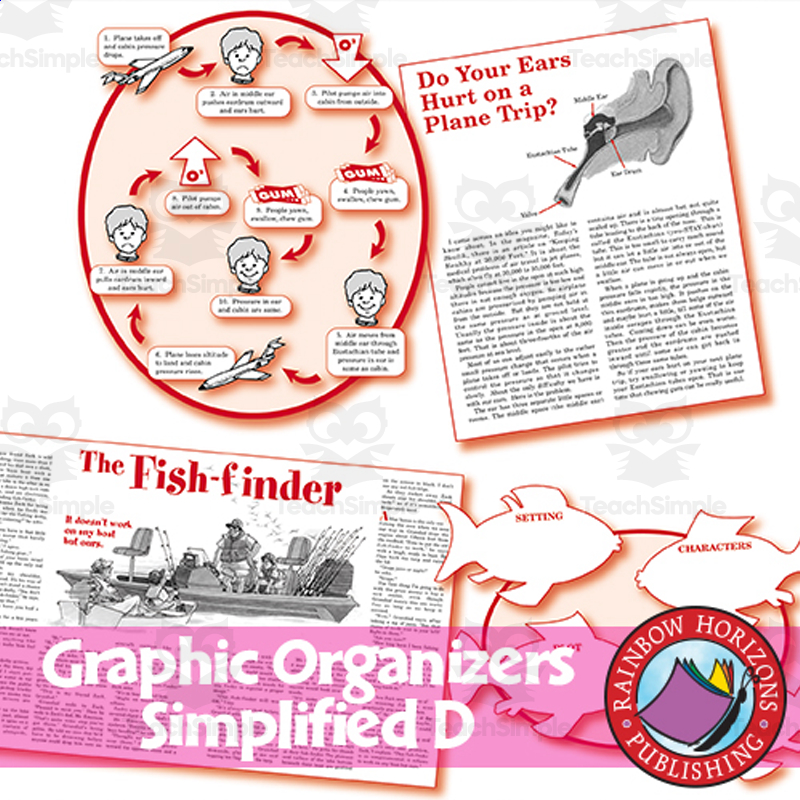
Book D of a 4-book reading-comprehension series pairing short reading selections (from past issues of Highlights for Children) with a matched graphic organizer and a 3-part worksheet (comprehension questions, Analyze and Write, Think and Write) to teach systematic thinking and reading strategies for grades 5-6.
Give students nonfiction reading passages on animals, geography, and environment topics (Set 2) as a slide-deck presentation with embedded comprehension, spelling, and creative-writing activities.
No-prep fiction reading comprehension packet for Grade 2-3: pairs short realistic-fiction stories on a 'School' theme with post-reading comprehension, vocabulary/spelling, and writing activities for independent or classroom use.
Builds on basic map-reading skills (map elements, drawing/labeling maps) to teach a specific mapping topic ("Map Your Country") through a reading passage with embedded Google Earth activities, per the resource's teacher guide; the series overall covers weather maps, choropleth maps, and physical/cultural features of country, continent and world.
A single-chapter slice ('Main Idea') from the Classroom Complete Press Reading Skills Series (CC1116) workbook, teaching students to identify the main idea of a text as a foundational comprehension strategy.
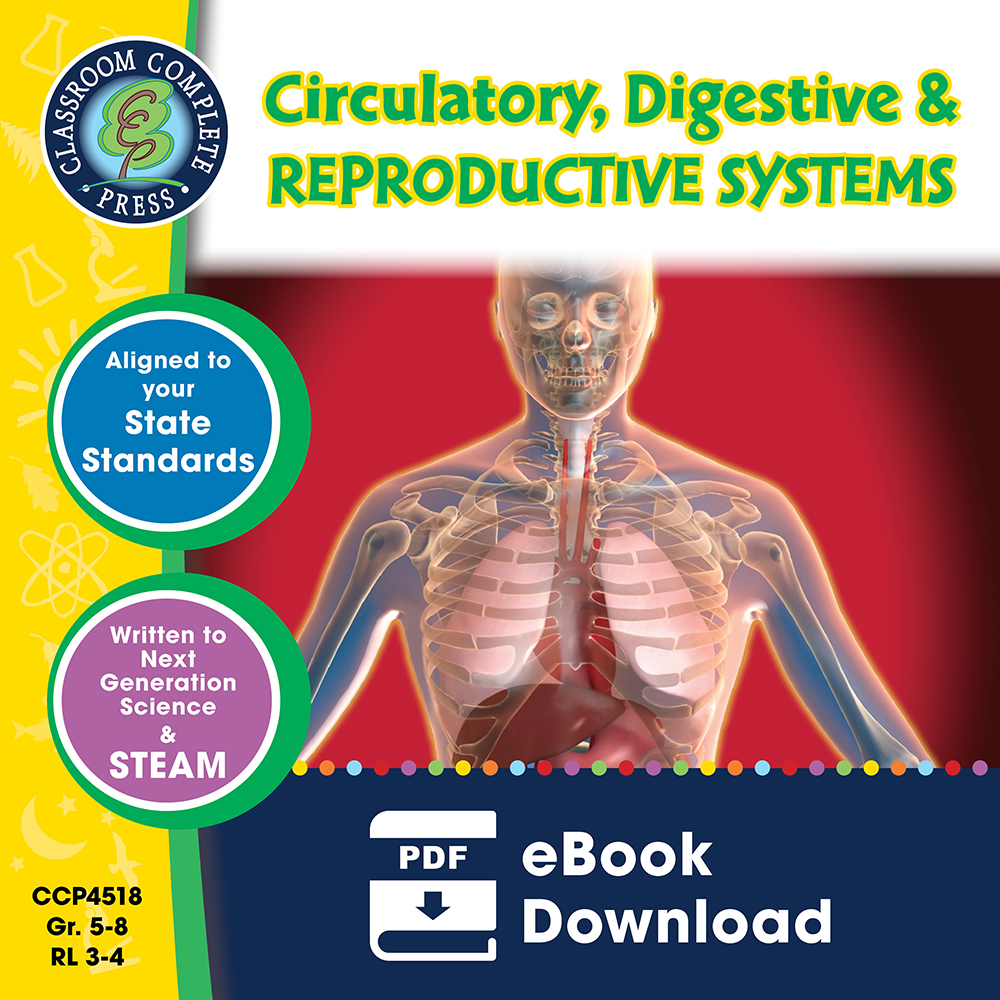
A full human-body-systems teaching resource covering the circulatory, digestive, excretory, and reproductive systems for grades 5-8.
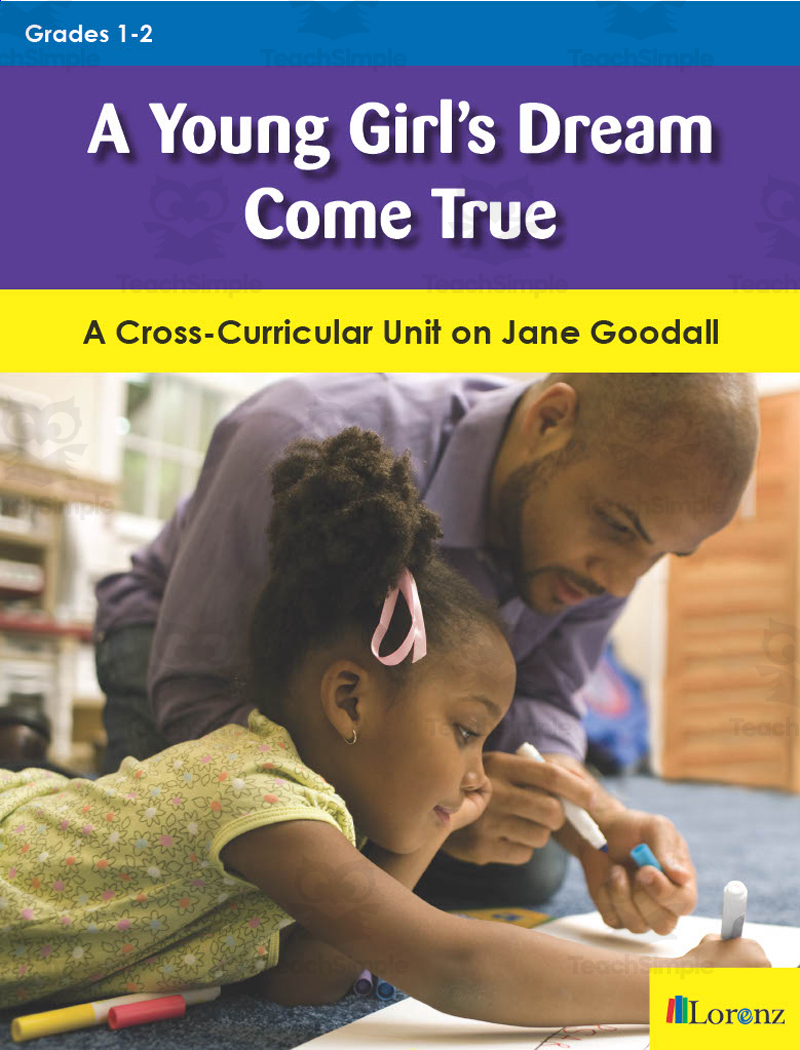
A cross-curricular biography unit on Jane Goodall combining a nonfiction narrative with reading comprehension, vocabulary, simple math word problems, and writing activities.
No-prep fiction reading comprehension packet for Grade 2-3: pairs short realistic-fiction stories on a 'Friends' theme with post-reading comprehension, vocabulary/spelling, and writing activities for independent or classroom use.
An SEL (social-emotional learning) resource pack built around a printable story, 'Liam and the House of Five Feelings,' teaching students to identify and manage five emotions (happy, sad, angry, scared, calm).
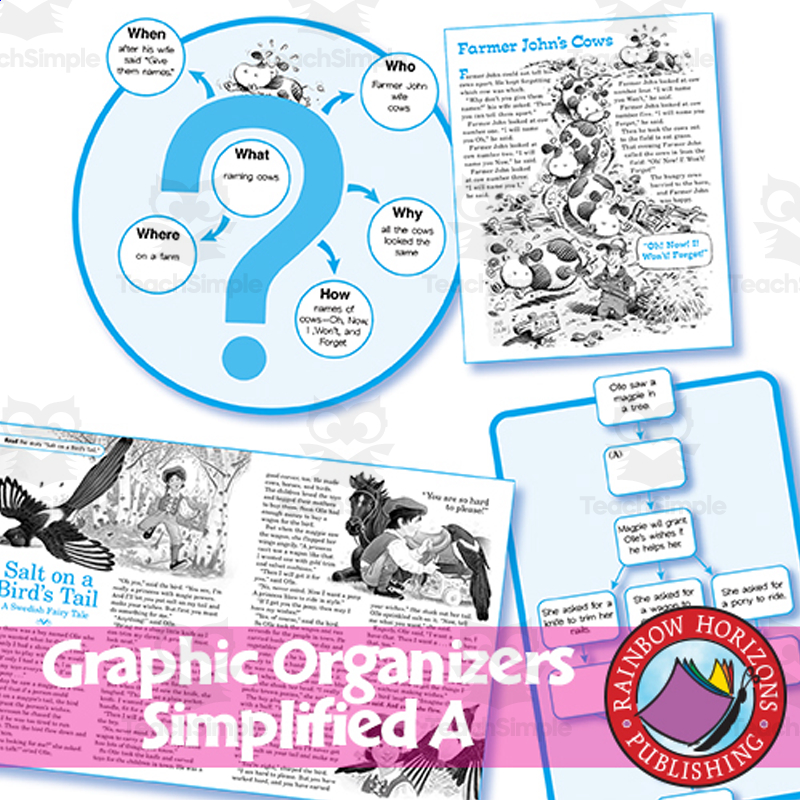
Book A of a 4-book reading-comprehension series pairing short reading selections (from past issues of Highlights for Children) with a matched graphic organizer and a 3-part worksheet (comprehension questions, Analyze and Write, Think and Write) to teach systematic thinking and reading strategies for grades 2-3.
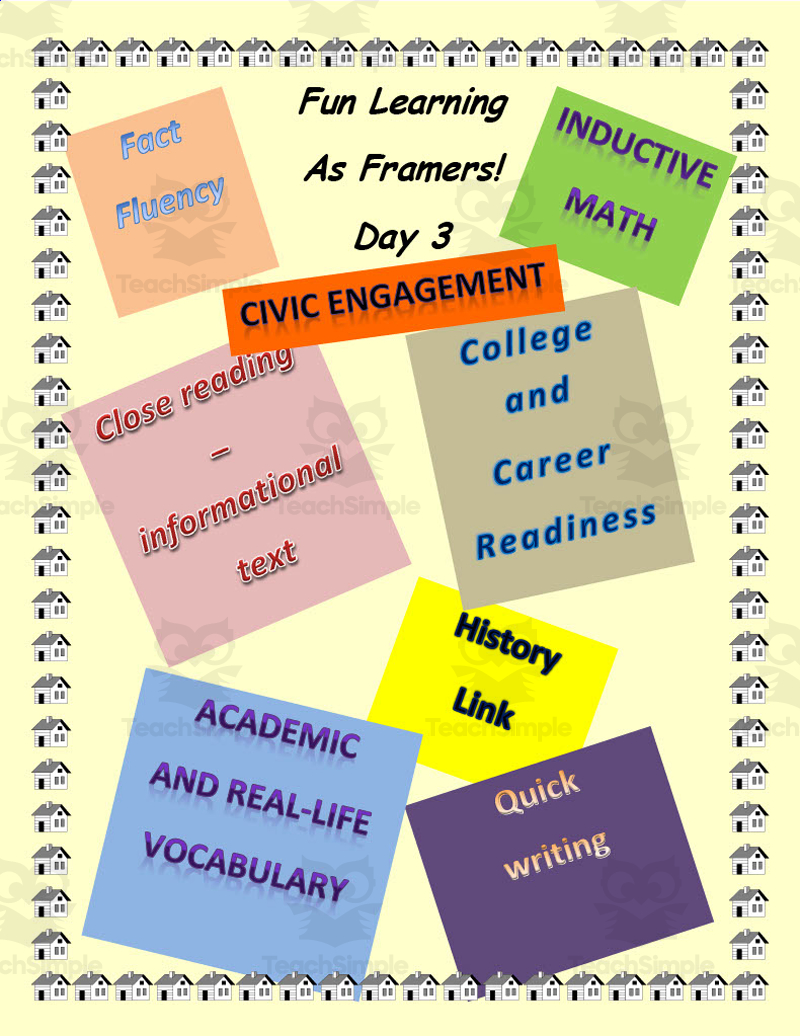
Day 3 of the framing-workers unit: siding word problem re-run using yard-based measurements (3-yard lengths, 7-1/2" wide pieces, 1-1/2" overlap).
Physical science reading passages on motion and energy, with comprehension questions and a vocabulary decoding puzzle to build scientific understanding
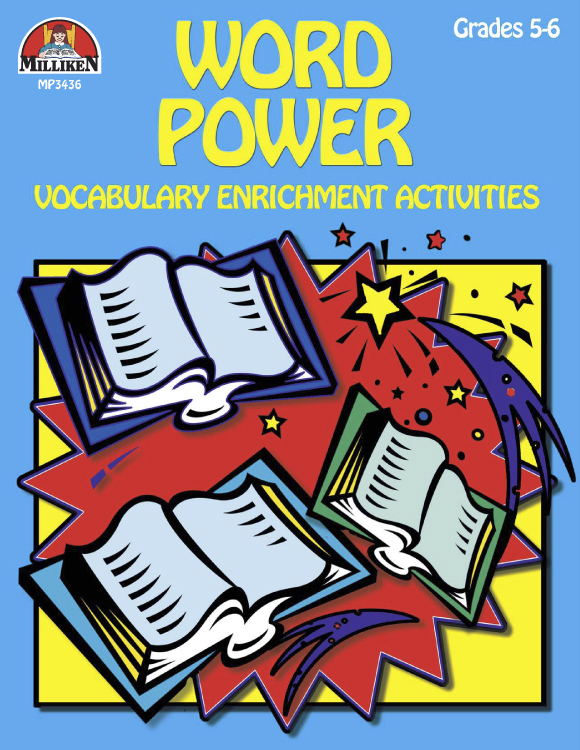
Increase students' reading/writing vocabulary (Word Power series, Grades 5-6) using more than 60 challenging words chosen from popular children's literature at the designated level.
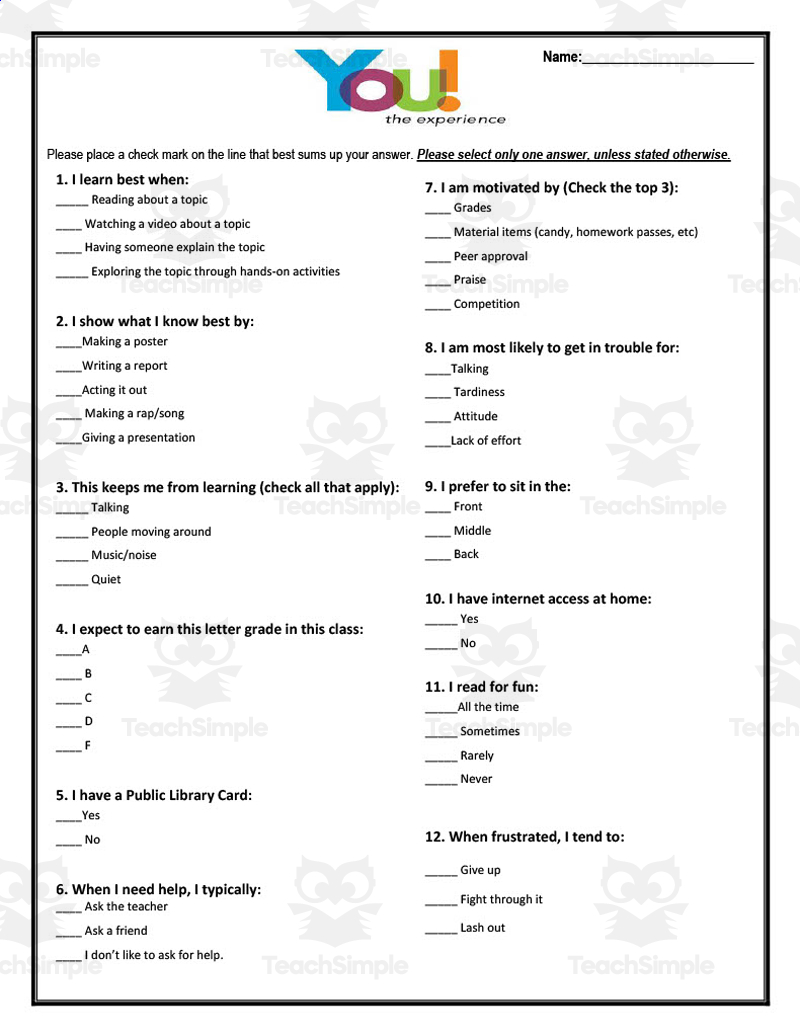
Student interests and learning preferences are collected through a first-day-of-school inventory in which students check boxes and circle answers about how they learn best, what motivates them, where they like to sit, and what tends to distract them in class. A second page adds a lighter "this or that" forced-choice game (milk chocolate vs. white chocolate, Batman vs. Superman, and similar pairs) along with short-answer prompts about favorite games, songs, books, and goals for the class. The form is designed to be handed out and completed individually on the first day to give you a starting profile of each student's habits, preferences and expectations. It functions purely as an information-gathering tool rather than an academic worksheet, with no content to grade or answer key involved. Paired with this student-facing inventory, an editable meet the teacher template lets the teacher share their own background and favorites on the same first day.

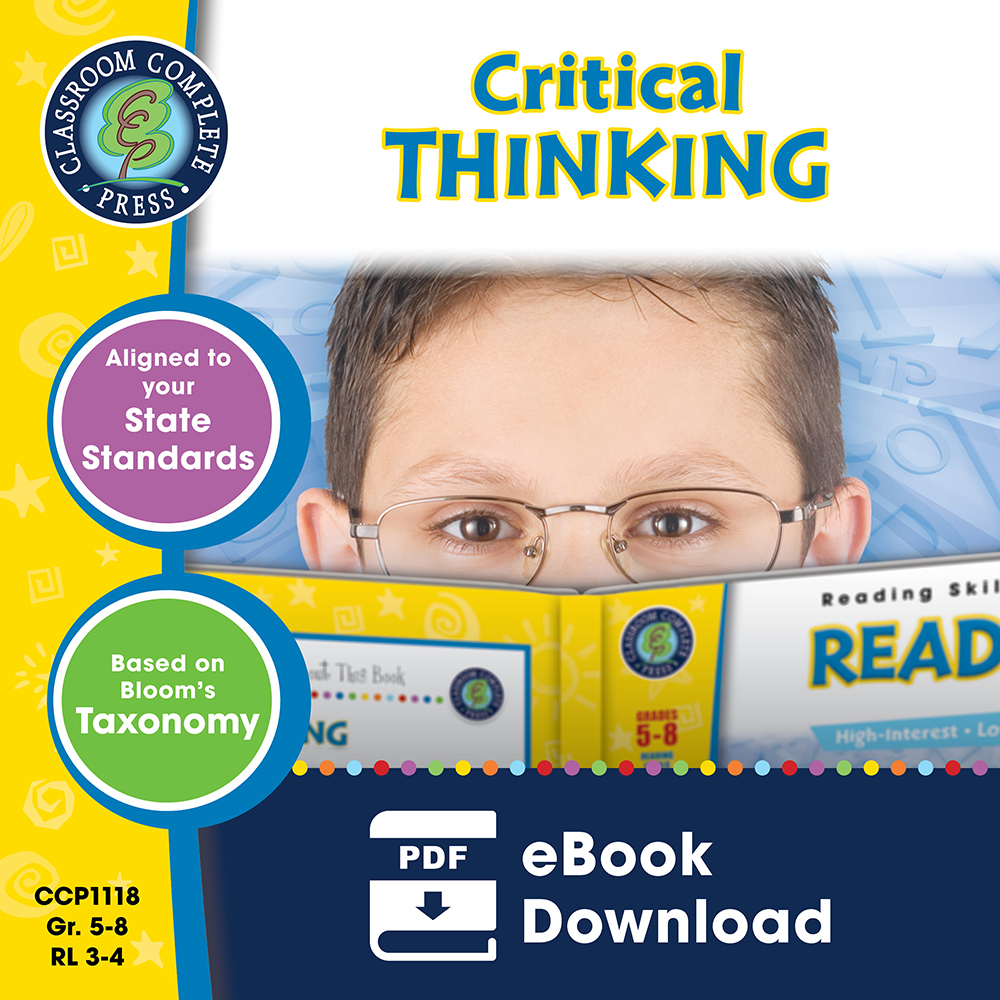
A single-chapter 'slice' from the Classroom Complete Press book 'Critical Thinking' (CCP1118), focused on making inferences from text and evidence, combining a reading passage, reproducible worksheets, and an answer key built around Bloom's Taxonomy.
Builds on basic map-reading skills (map elements, drawing/labeling maps) to teach a specific mapping topic ("Map Your Route to School") through a reading passage with embedded Google Earth activities, per the resource's teacher guide; the series overall covers weather maps, choropleth maps, and physical/cultural features of country, continent and world.
Build nonfiction reading comprehension skills using a short high-interest passage about acrobats.