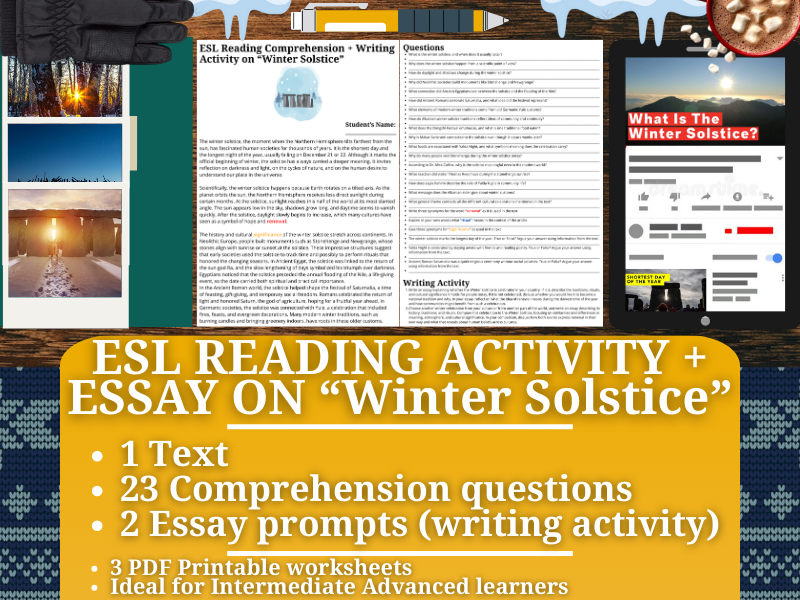
ESL Reading Comprehension + Writing Activity - Winter Solstice
Build ESL/EFL reading comprehension, vocabulary, and writing skills using a nonfiction passage about the science and cultural history of the winter solstice.
5,701 resources
Explore sub-categories
3 sub-categories · 5,701 resources
Build ESL/EFL reading comprehension, vocabulary, and writing skills using a nonfiction passage about the science and cultural history of the winter solstice.
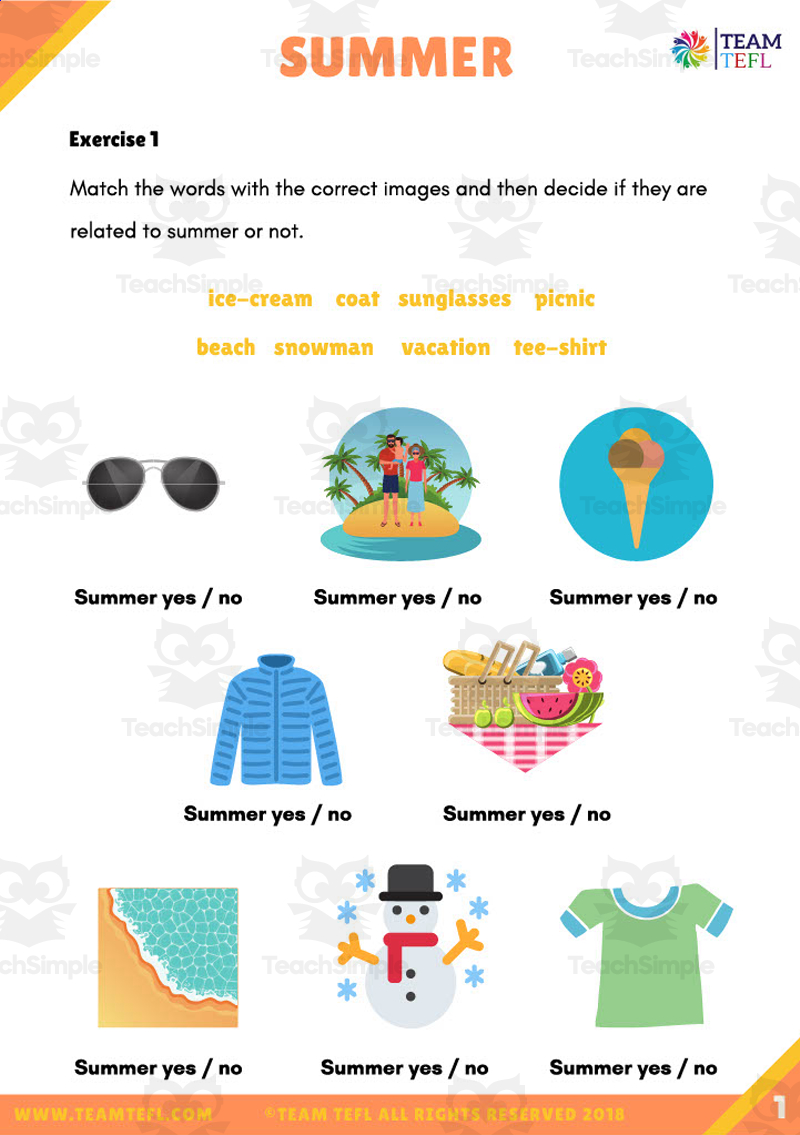
Beginner-level ESL/EFL reading comprehension activity set on the topic of summer.
Two winter-themed activity sheets: a sequencing/reading-comprehension activity using a short passage about dressing for winter, and a writing-prompt sheet about winter.
A set of 60 phonetically-coded flashcards covering autumn, winter, and spring vocabulary to support young learners' independent reading/phonics work.
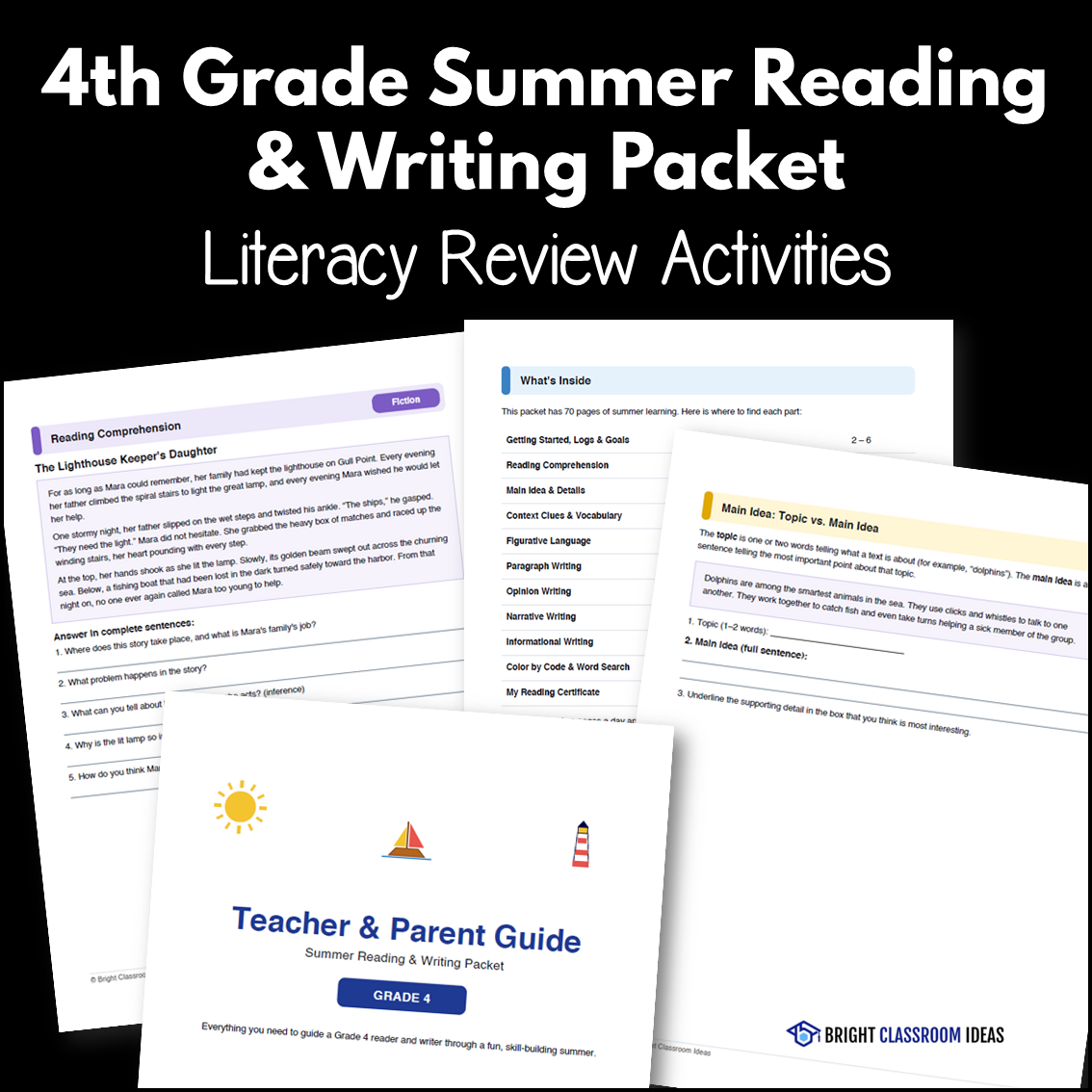
A 70-page summer literacy packet for students transitioning from 4th to 5th grade, reviewing reading comprehension, vocabulary, figurative language, and paragraph/opinion/narrative/informational writing to prevent summer skill loss.
A GCSE English Literature poetry-analysis lesson presentation that guides students through close reading and critical analysis of 'Winter Swans' by Owen Sheers.
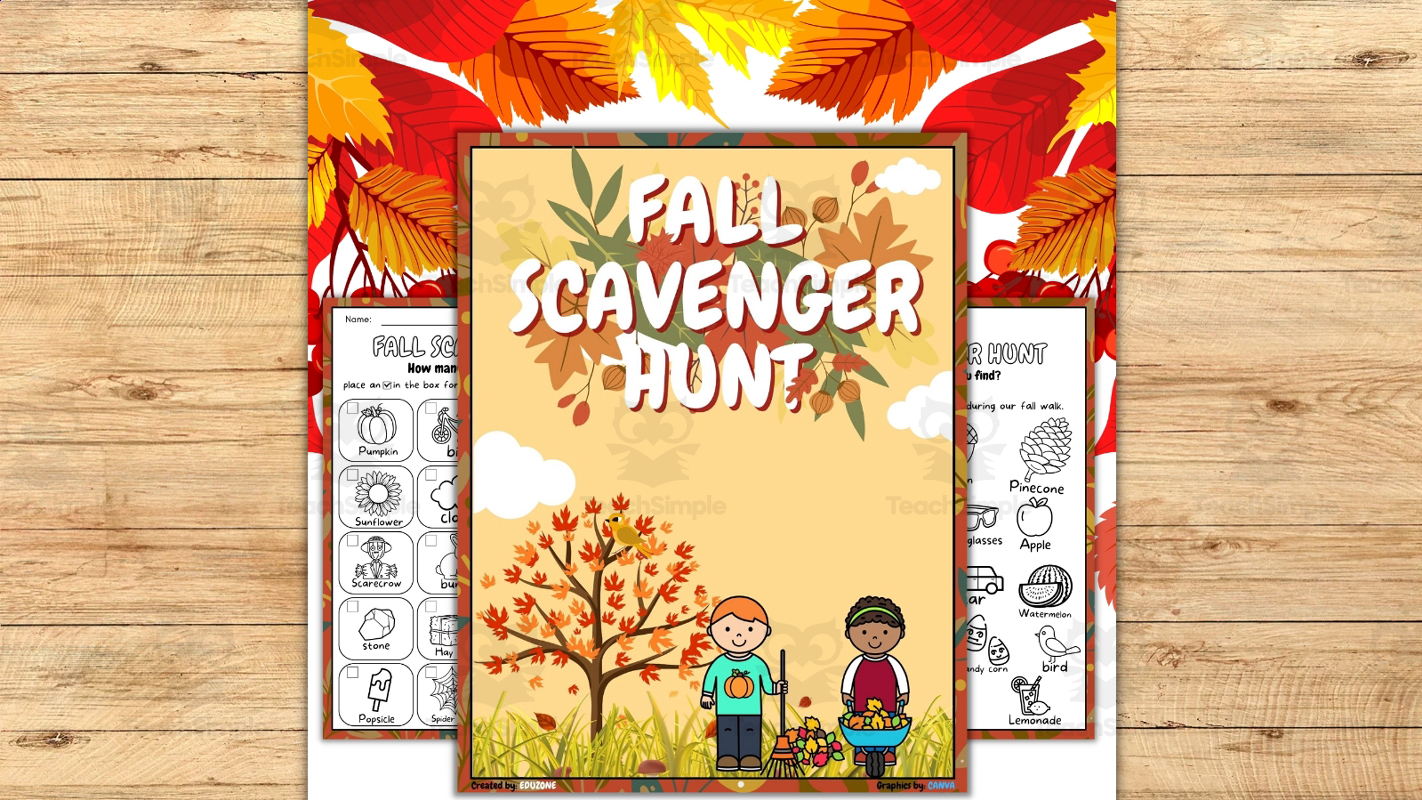
An outdoor scavenger hunt and nature-walk resource that combines observation with reading/writing practice about fall.
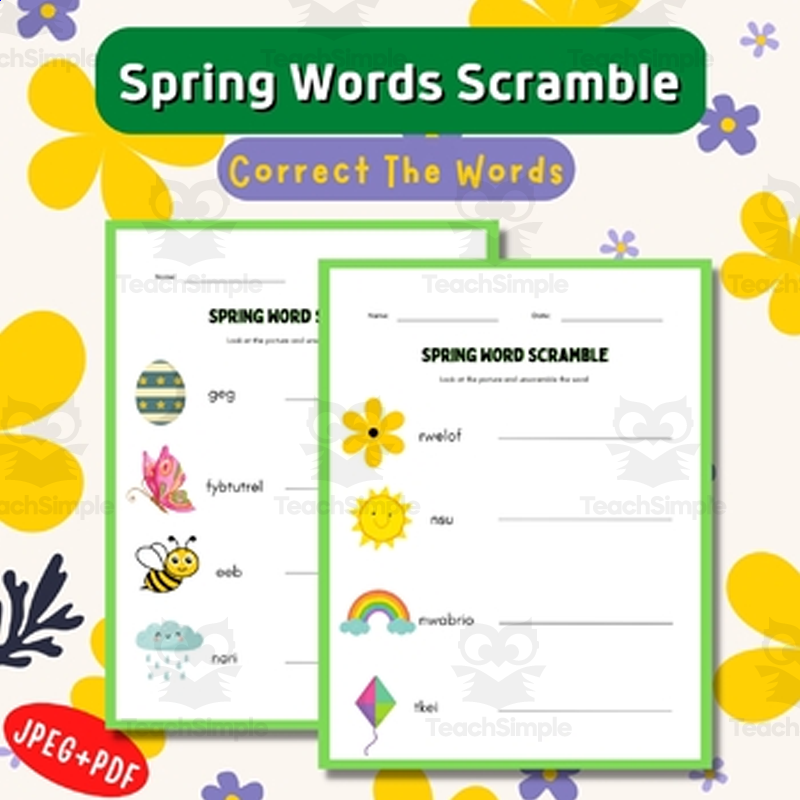
Spring-themed word scramble puzzles to help students practice reading, spelling, and vocabulary.
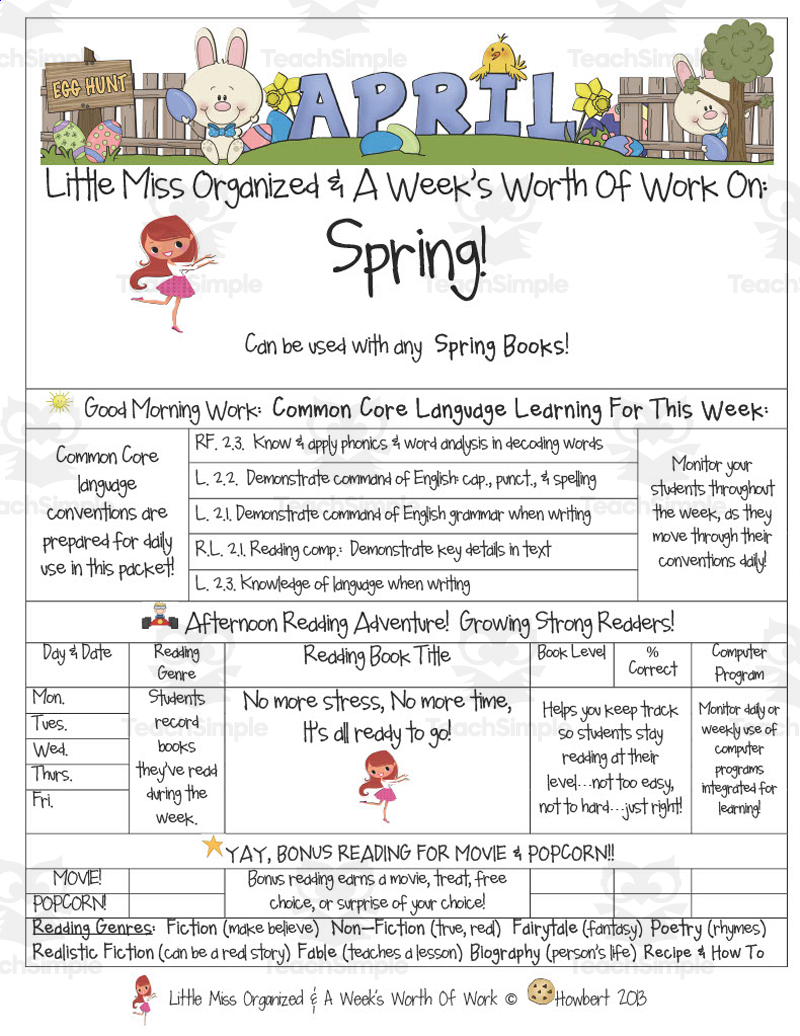
A week-long Grade 2 reading/language-arts practice packet combining daily grammar skill practice, a reading log tied to Common Core standards, and daily writing.
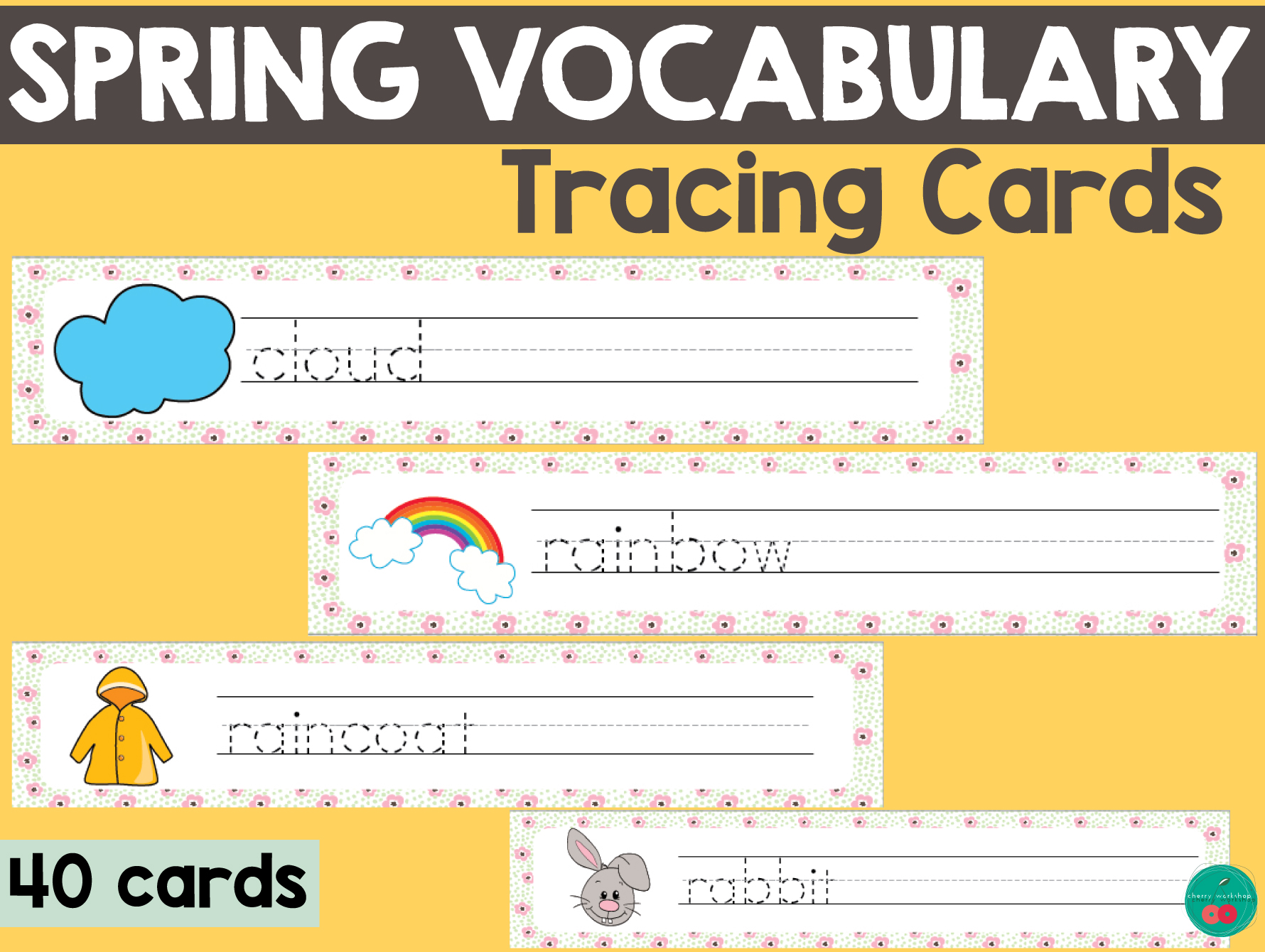
Tracing cards pairing spring vocabulary words with letter-tracing practice to build handwriting, vocabulary, and reading skills.
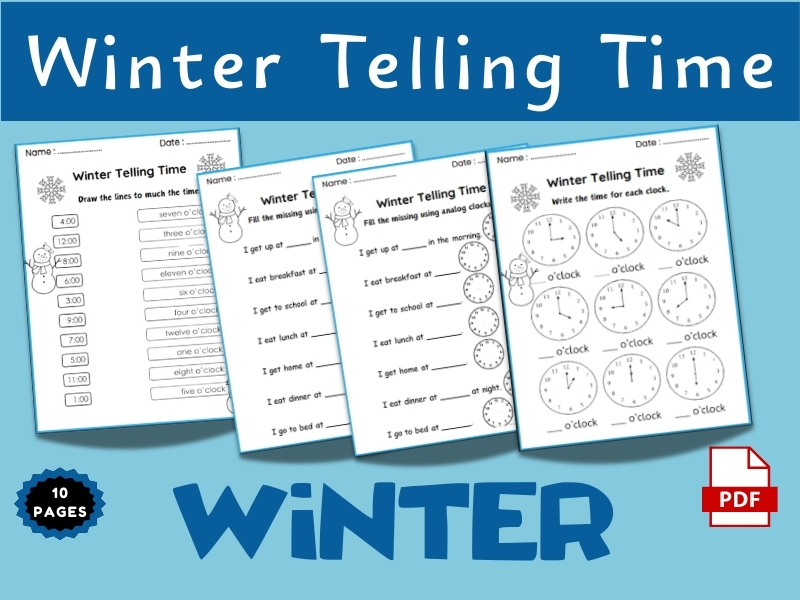
A 10-page winter-themed telling time worksheet set for young learners practicing reading analog clocks in varied formats (matching, writing, drawing, completing a chart).
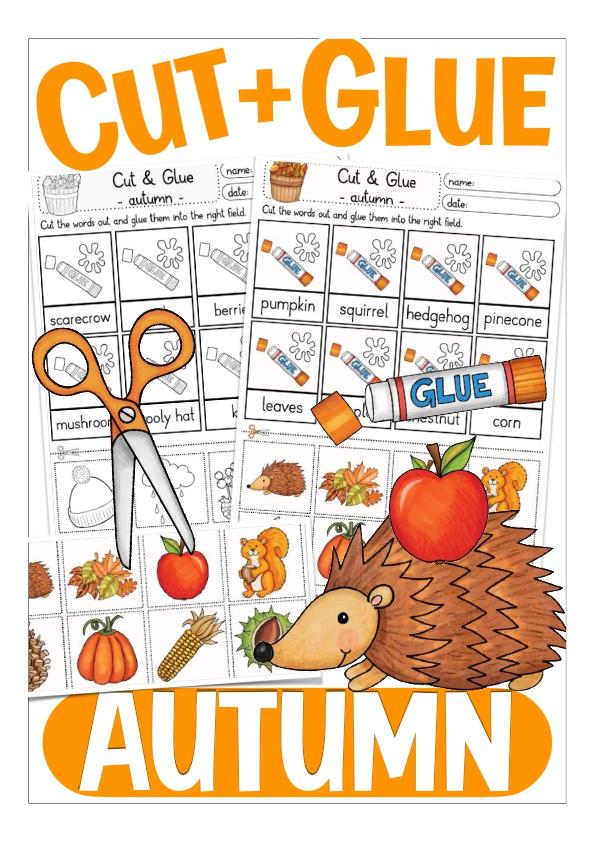
A cut-and-paste vocabulary-matching activity that trains fine motor skills and reading recognition of autumn-themed vocabulary words.
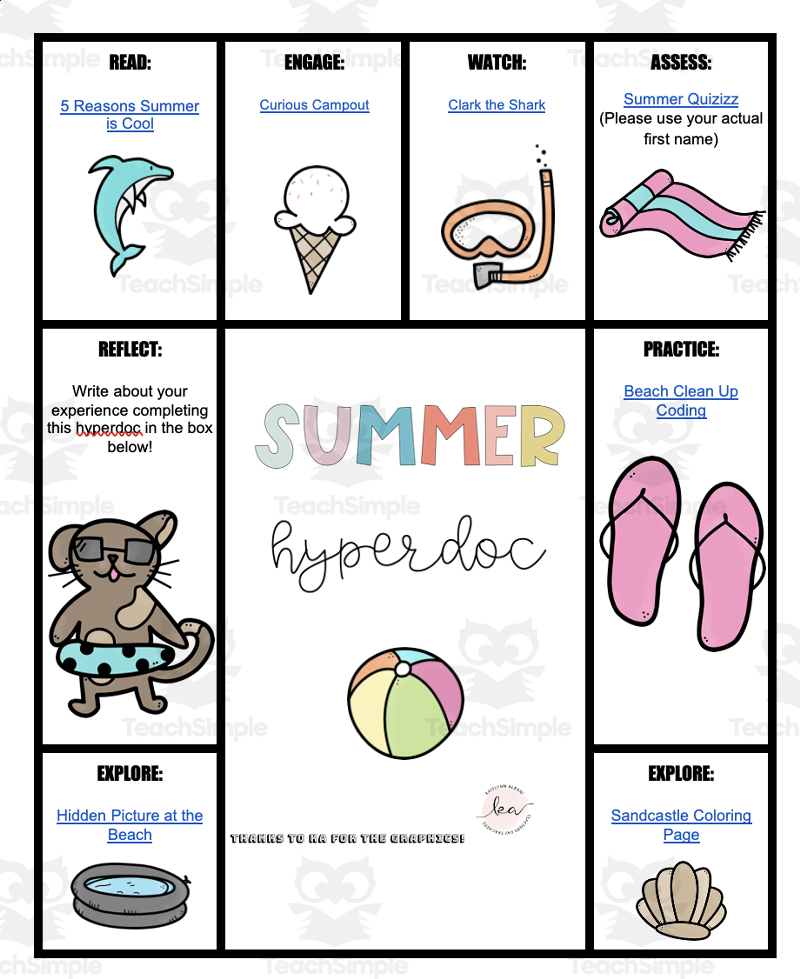
A self-paced digital "hyperdoc" graphic organizer of linked summer-themed activities (reading, watching, engaging, exploring, practicing, and reflecting) for students to work through independently.
Multi-station spring break escape room combining reading, sequencing, cryptogram, and word-search puzzles for upper-elementary students; not tied to specific academic content.
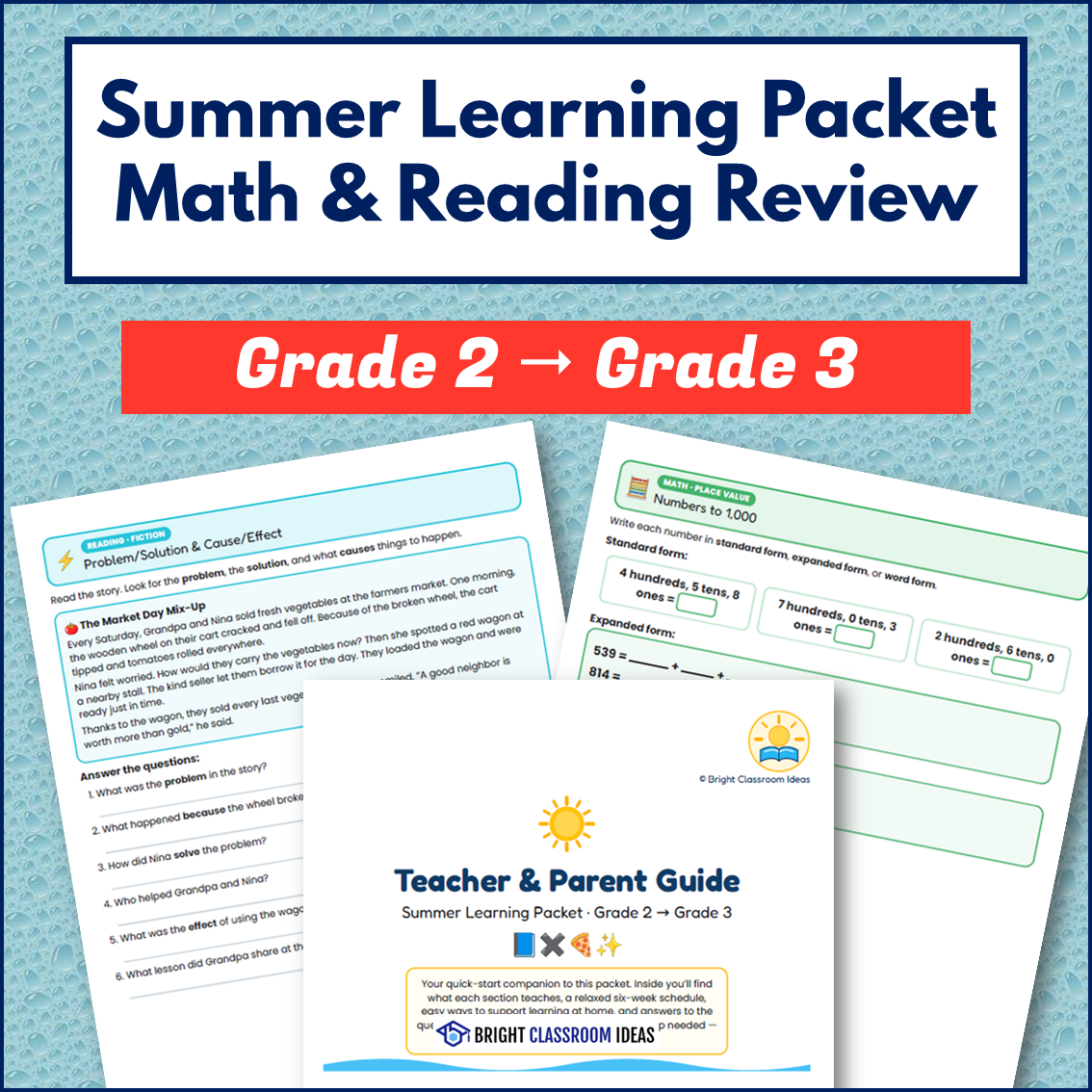
A 70-page no-prep summer review workbook (plus answer key and teacher/parent guide) bridging end-of-Grade-2 to start-of-Grade-3 reading and math skills to prevent 'summer slide'.
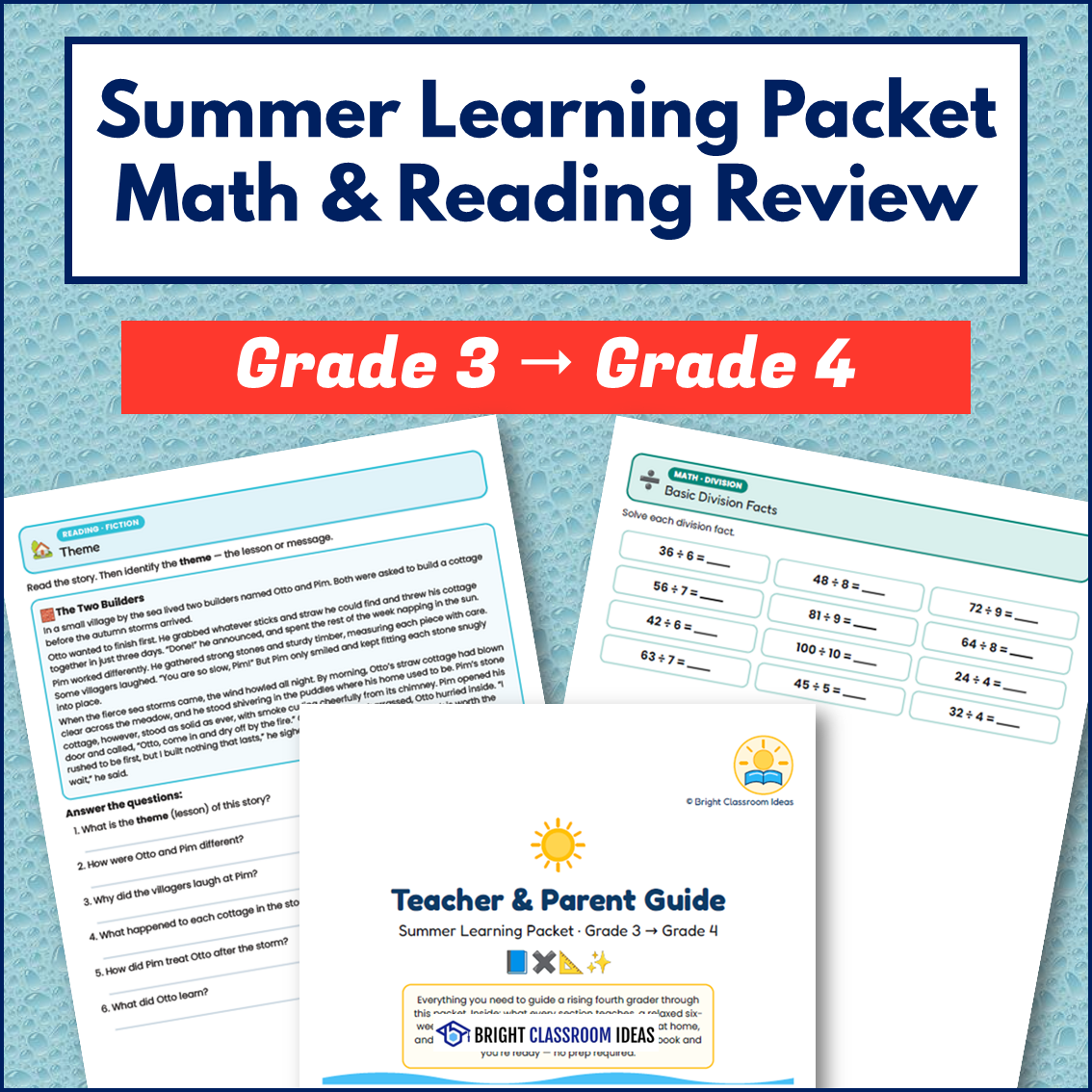
An 80-page no-prep summer review workbook (plus answer key and teacher/parent guide) bridging end-of-Grade-3 to start-of-Grade-4 reading and math skills to prevent 'summer slide'.
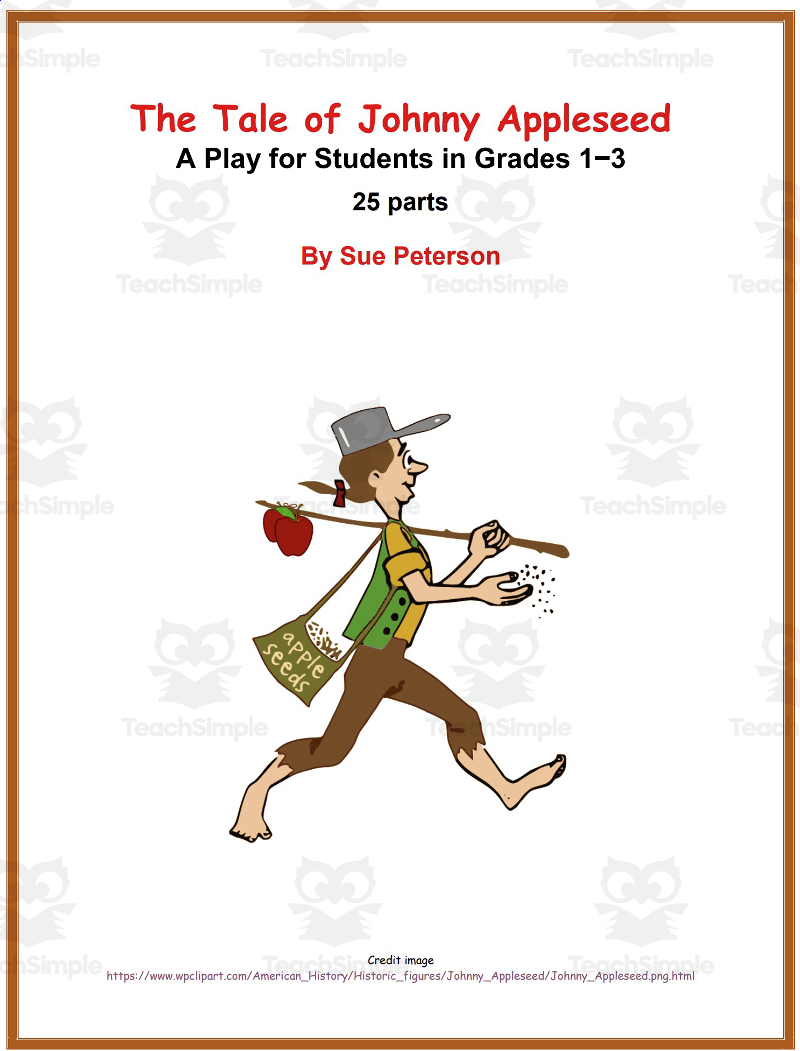
A 25-part reader's-theater play retelling the Johnny Appleseed folk tale, paired with a teaching guide and student activities to build reading comprehension, character analysis, and creative writing skills.
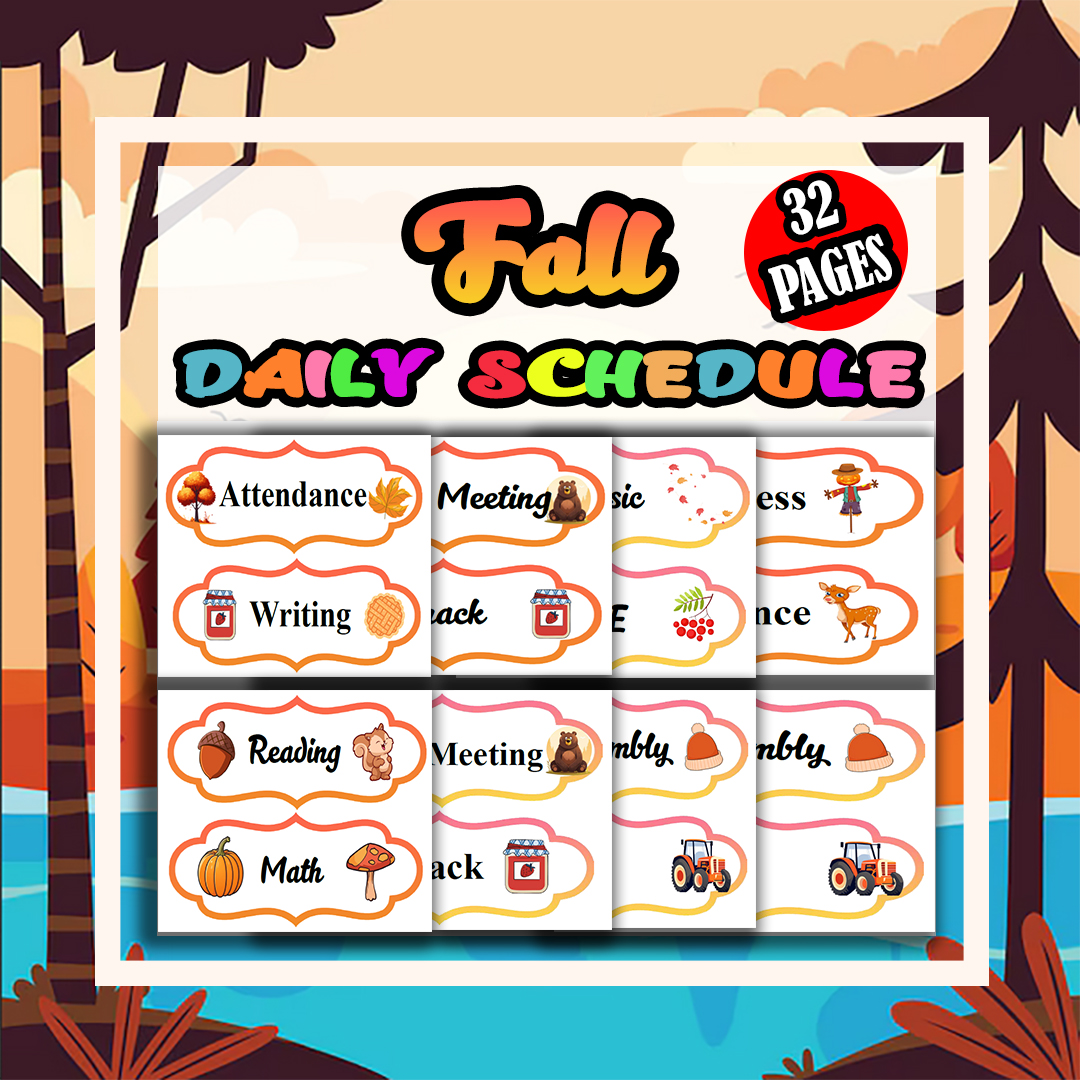
Fall/autumn-themed daily schedule cards for preschool and kindergarten classrooms, labeling parts of the school day (Attendance, Writing, Reading, Math, Recess, Science, Music, PE, Library, Art, Circle Meeting, Snack, Assembly) for display on a classroom schedule board.
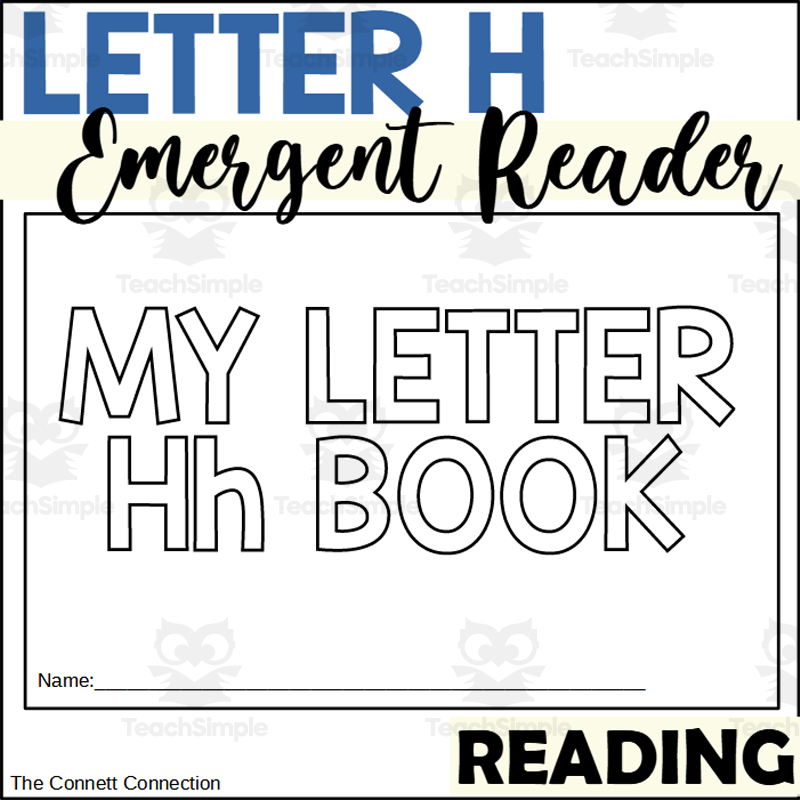
Emergent-reader mini-book for practicing letter H recognition and initial /h/ sound identification through simple sentence reading.
A 50-page no-prep summer review workbook (plus answer key and teacher/parent guide) reinforcing end-of-Kindergarten literacy and numeracy skills to prepare students for first grade and prevent 'summer slide'.
Provide six fall-monster-themed literacy and math centers for small-group intervention or center rotations.
An early-phonics flip-book resource that helps pre-readers (age 3+) learn to read simple, decodable sentences built around a recurring character cast and short target words.
An interactive alphabet story book that introduces the letter L and L-vocabulary through an original short story, used to build letter recognition and early literacy skills.
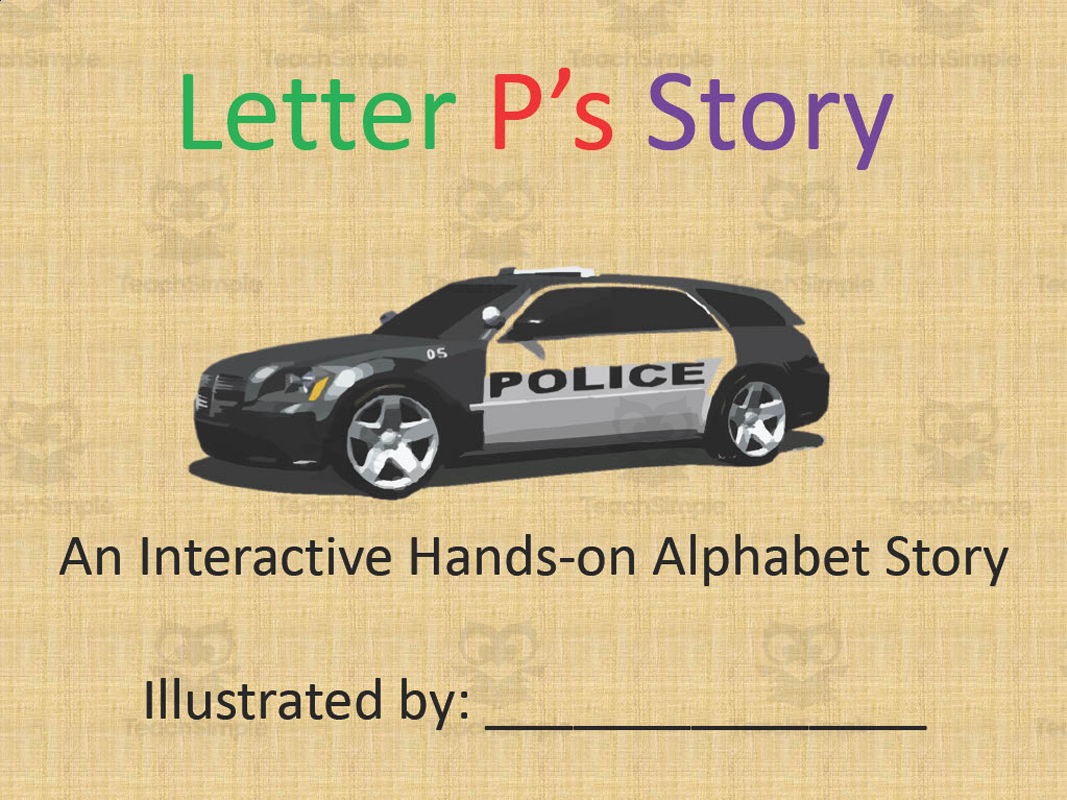
An interactive alphabet story book that introduces the letter P and P-vocabulary through an original short story, used to build letter recognition and early literacy skills.