Phonics & word readingVocabulary & language
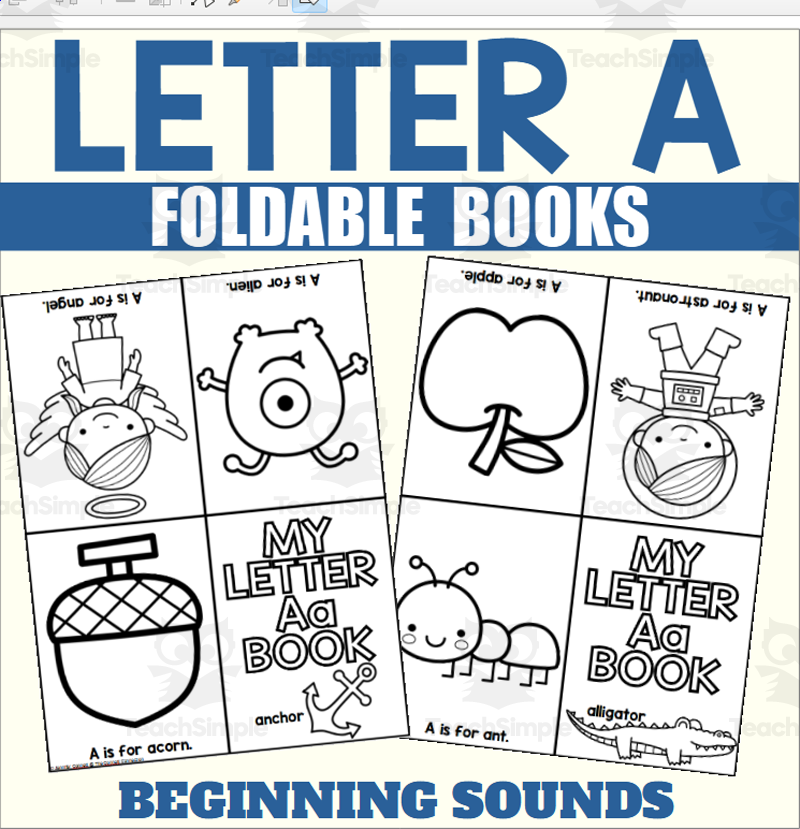
Letter A Book
Build a mini foldable alphabet book focused on the letter A while practicing phonics and coloring skills.




5,701 resources
Explore sub-categories
3 sub-categories · 5,701 resources
Build a mini foldable alphabet book focused on the letter A while practicing phonics and coloring skills.
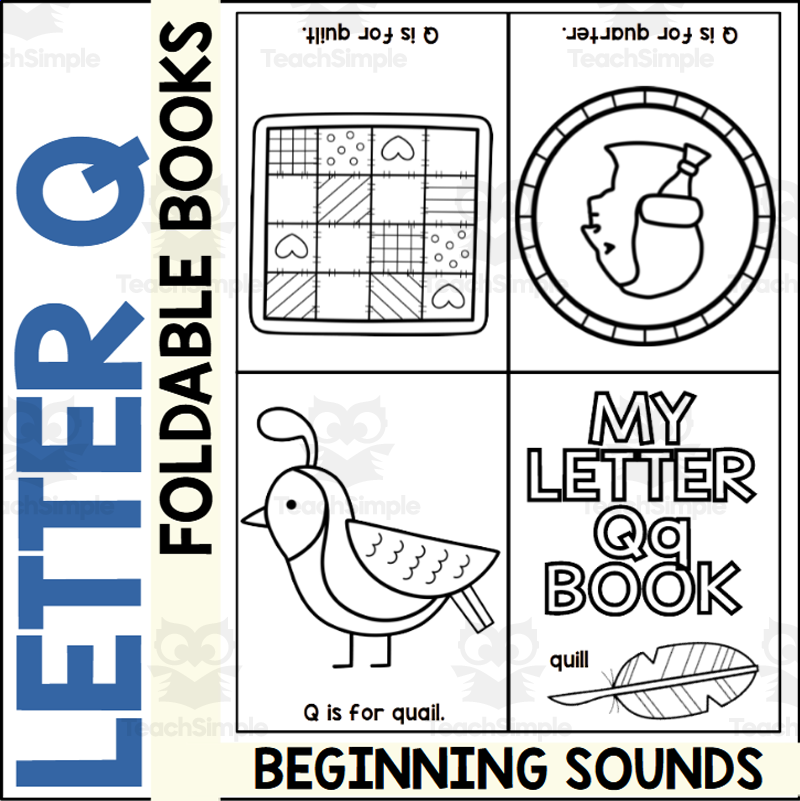
Engage students with a foldable mini book about the letter Q using large images to color, per seller description.
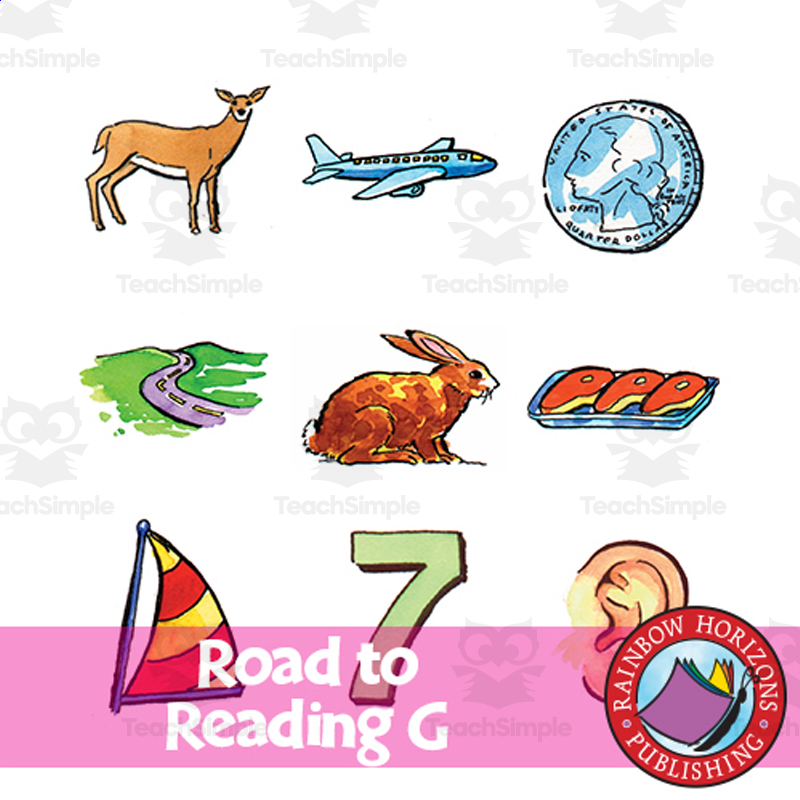
A structured phonics unit (Unit 7 of the 12-part Road to Reading intervention program) that teaches struggling readers to decode words with long-vowel patterns: the final silent-e pattern and vowel pairs ai, oa, ea, and ee, including homophone recognition.
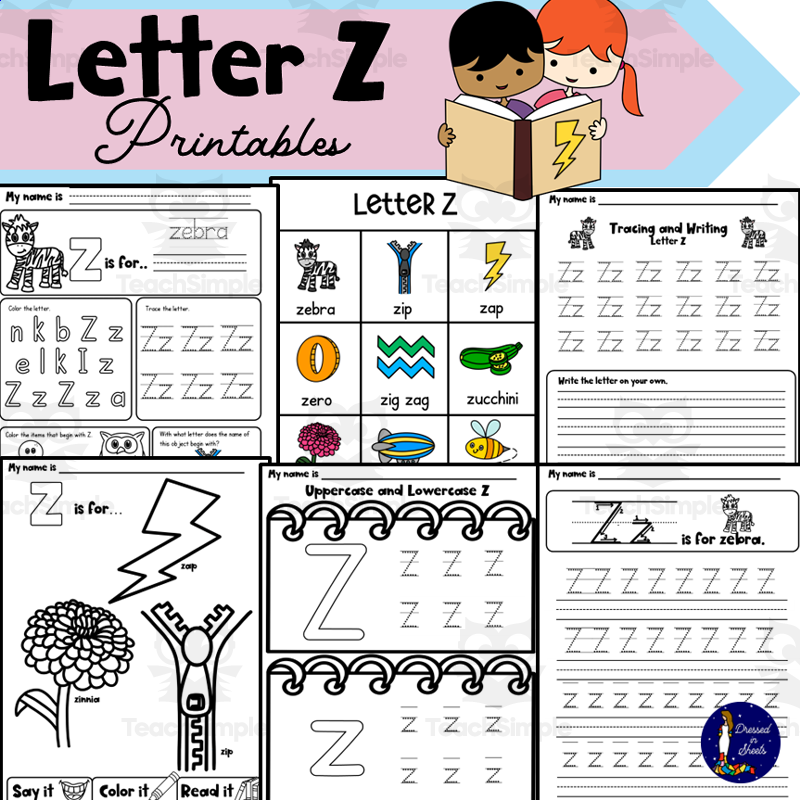
Large multi-page packet covering letter Z recognition, handwriting, phonics, and fine motor skills through varied activities.

A picture book study companion for Goodnight Moon, providing comprehension, sequencing, tracing, and writing activities tied to the story.
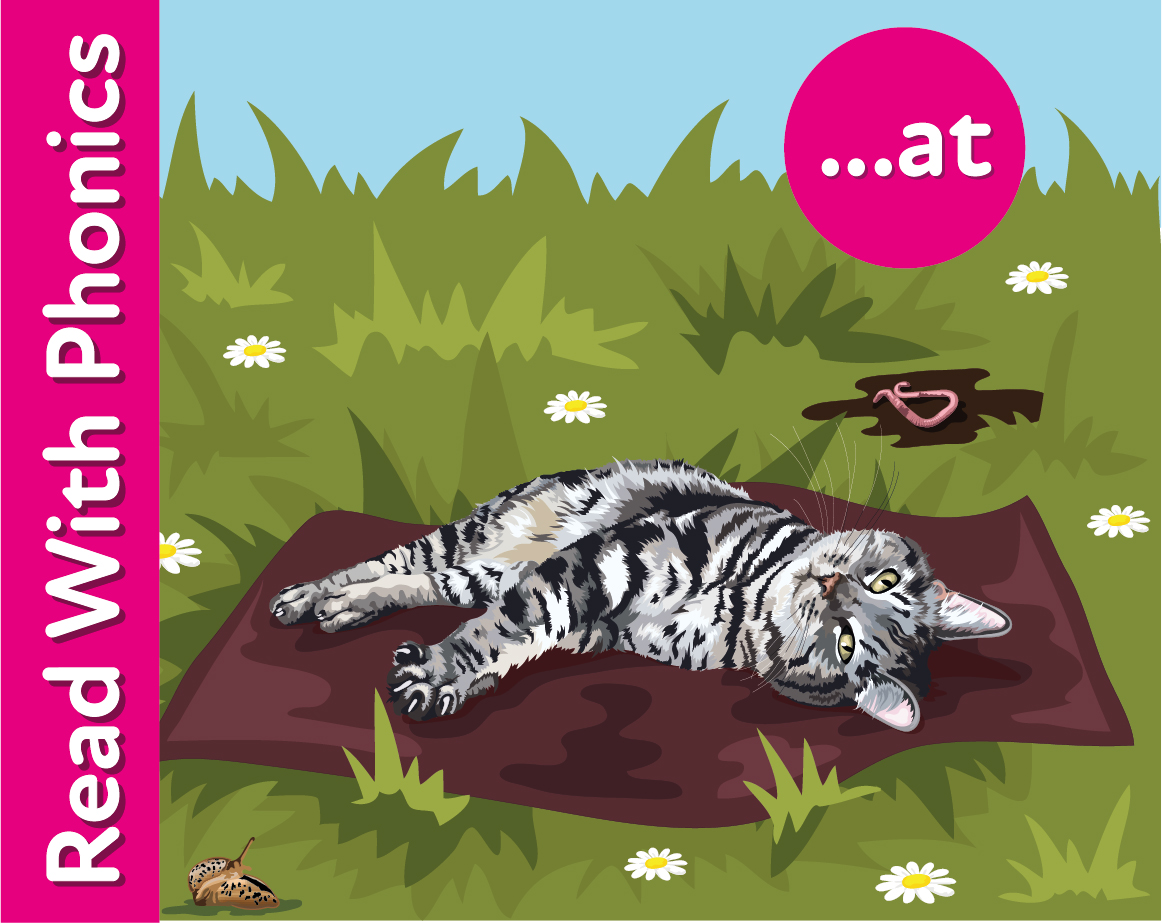
A phonics resource reinforcing the '-at' word family (mat, cat, fat, hat, rat, bat) through a fill-in-the-blank story and a cut-and-assemble mini sound book.
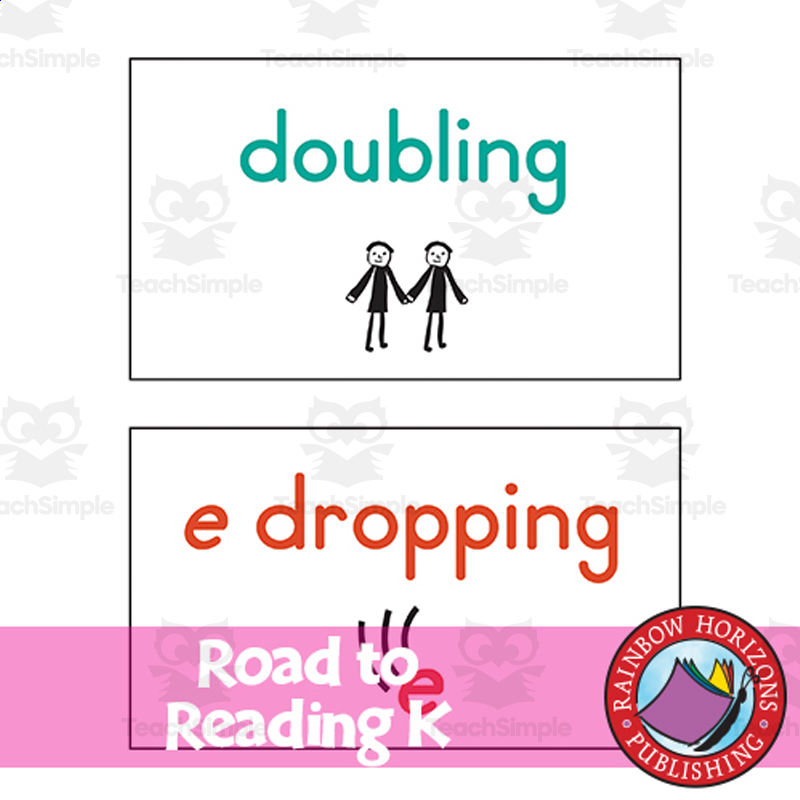
A structured phonics/word-analysis unit (Unit 11 of the 12-part Road to Reading intervention program) that teaches struggling readers to read and spell words with inflectional endings (-s, -ed, -ing), including doubling consonants, dropping the silent e, and changing y to i.
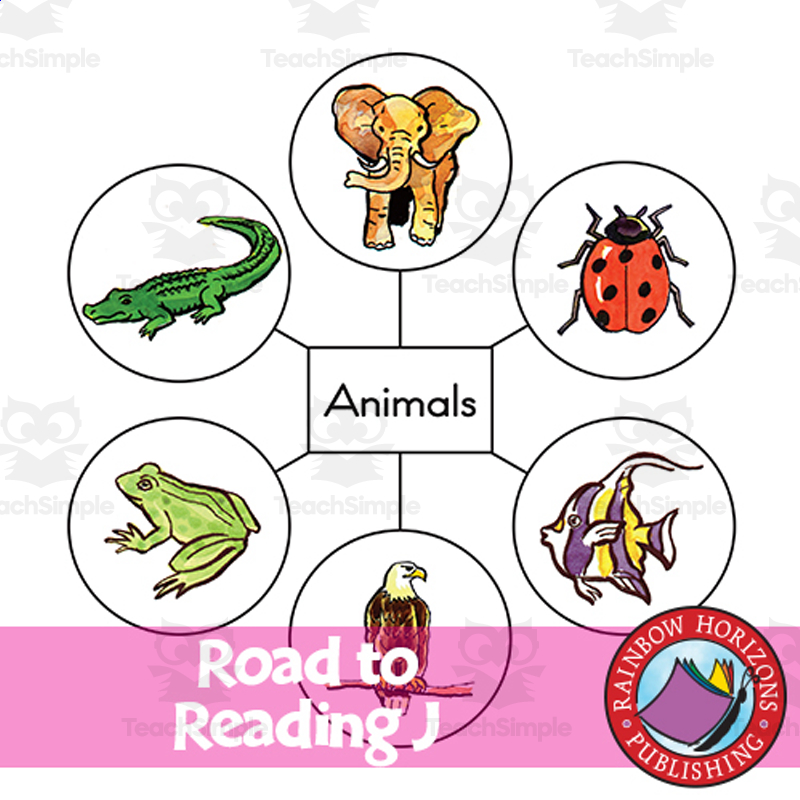
A structured phonics unit (Unit 10 of the 12-part Road to Reading intervention program) that teaches struggling readers to segment, blend, and read multi-syllabic and compound words using syllable patterns (VCCV, VCV, VCCCV).
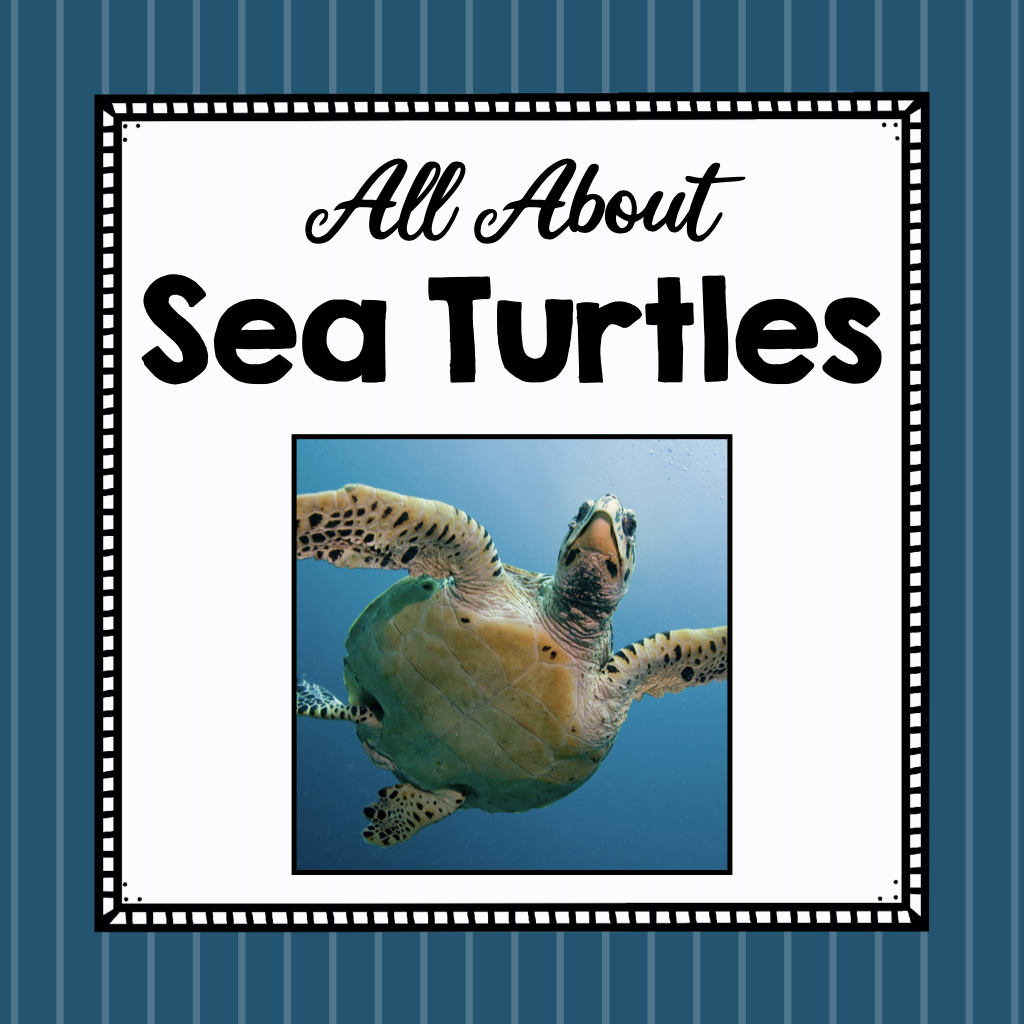
Provide a non-fiction reading unit teaching facts about sea turtle species, anatomy, diet, life cycle, and nesting behavior.
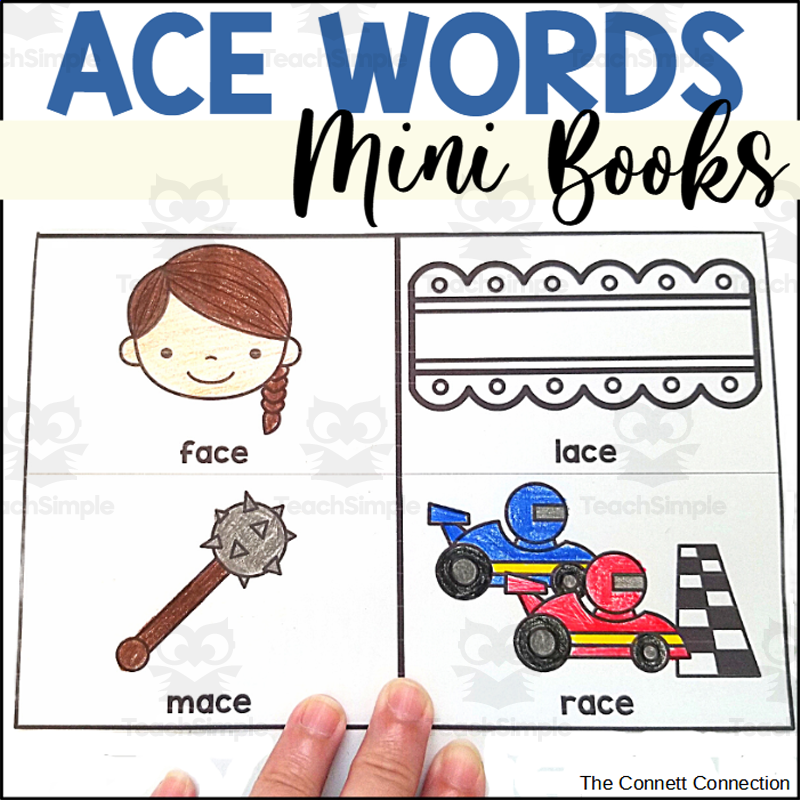
A set of foldable mini-books for practicing reading, writing, and using CVCe (silent-e/'magic e') words from the ACE word family in phonics instruction.
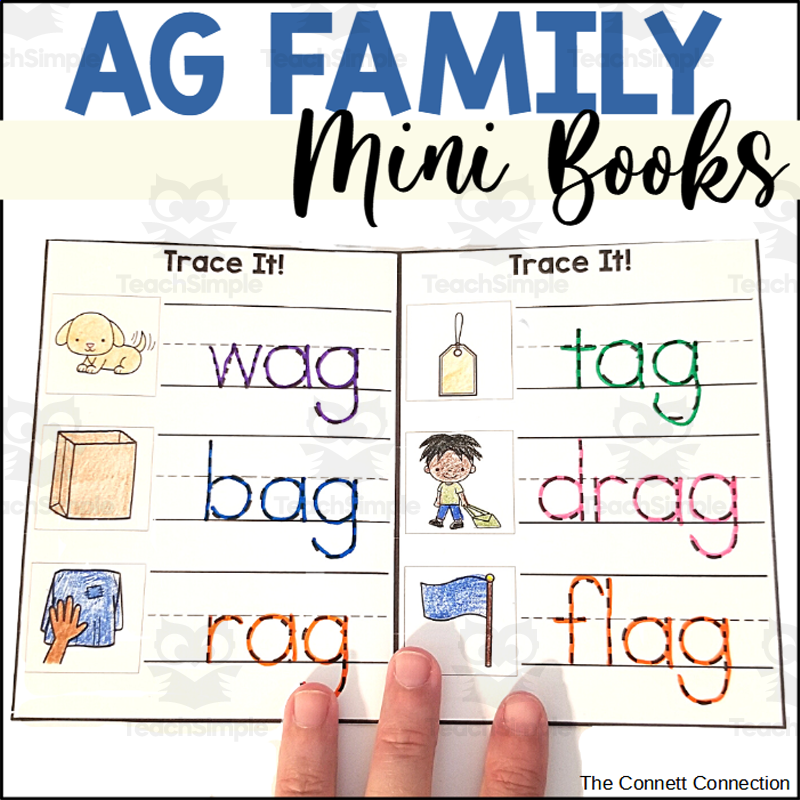
Foldable mini books for practicing the AG word family (CVC phonics).
A low-text, high-drawing SEL (social-emotional learning) visual journaling curriculum designed to help K-2 students build foundational gratitude and empathy skills without relying on reading/writing ability.

A 5-day unit study on the state of Indiana covering its capital, state bird (cardinal), state flower (peony), state flag, and state animal (firefly), combining videos, reading, worksheets/discussion, and hands-on/interactive-notebook activities.
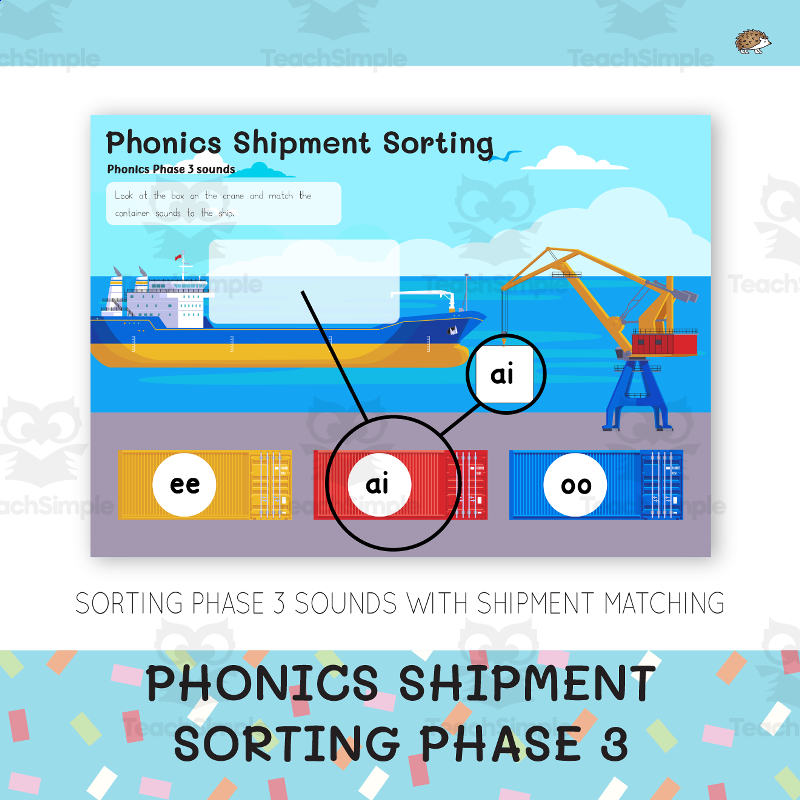
Per the downloaded description sheet: a Boom Learning digital deck for practicing Phase 3 phonics sound recognition and reading/listening skills, ship/boat-cargo sorting theme.
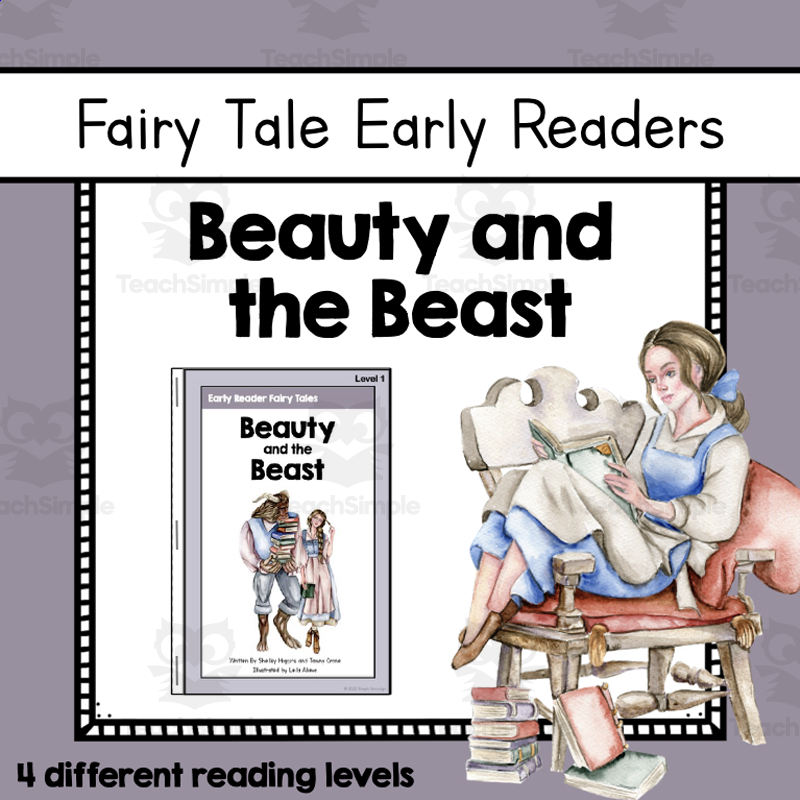
A differentiated language-arts unit built around the 'Beauty and the Beast' fairy tale, providing the same story at four reading levels plus non-fiction texts on the tale's history and origin author, to match reading materials to individual student readiness.
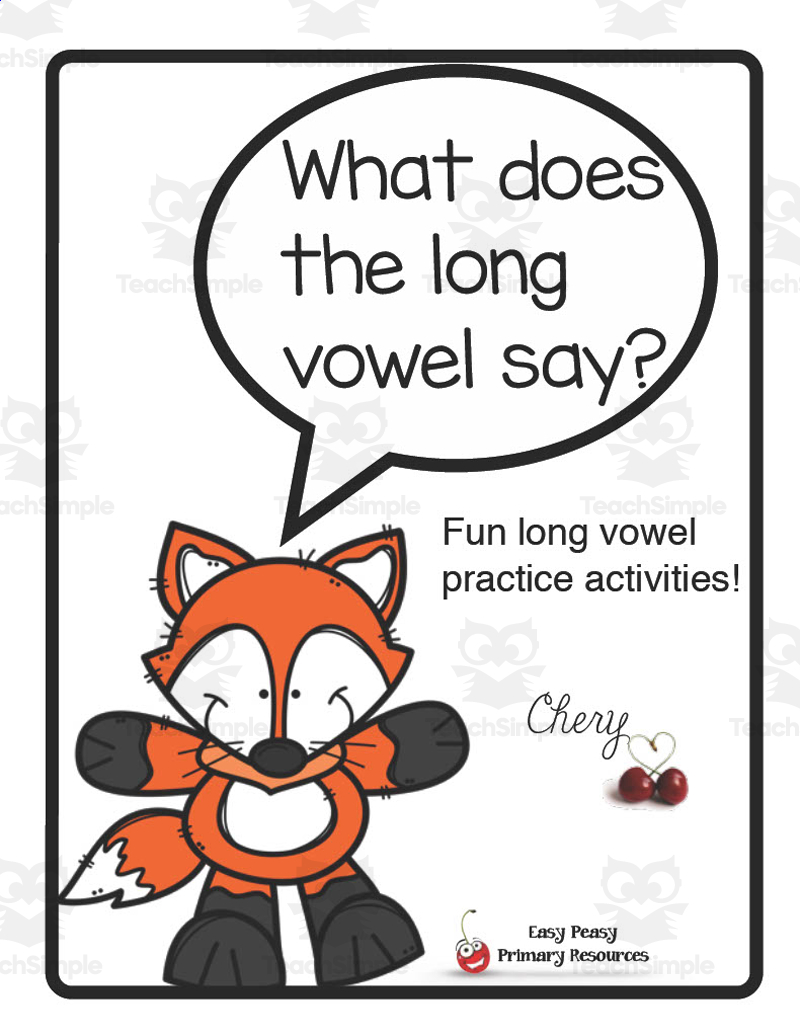
A set of fox-themed long-vowel phonics activities: matching pictures to long-vowel words/sounds, and matching short-vowel pictures to the long-vowel word formed when silent e is added.

An early-literacy nursery rhyme mini-unit built around 'Jack Be Nimble', designed to build phonemic awareness, story structure, vocabulary, and retelling skills.
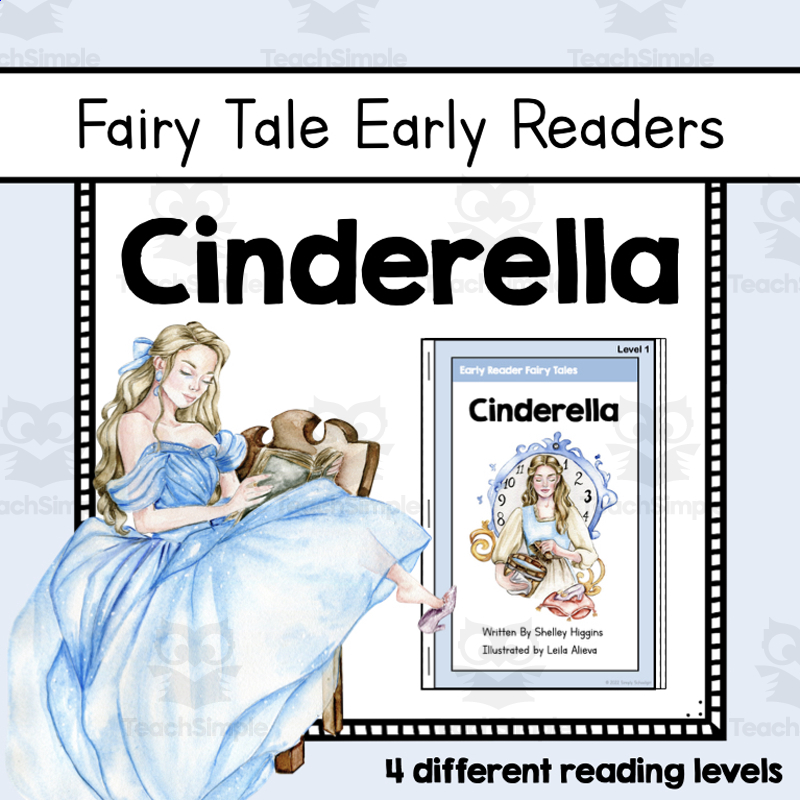
A comprehensive early-reader unit teaching the Cinderella fairy tale across four differentiated reading levels, including nonfiction background texts on fairy tales and the story's history/author.
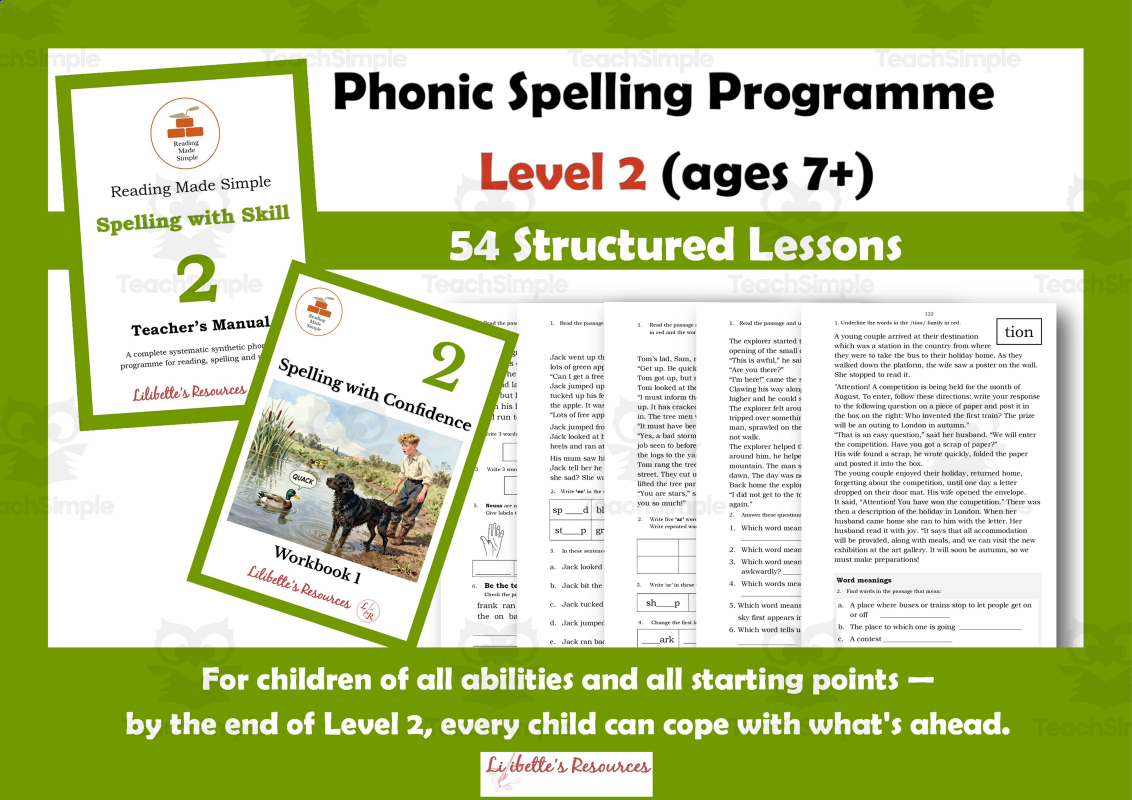
A structured, systematic synthetic-phonics teaching manual (Level 2) for teaching reading, spelling, and writing, aimed at parents/tutors/teachers working one-on-one or in small groups, including with dyslexic learners.
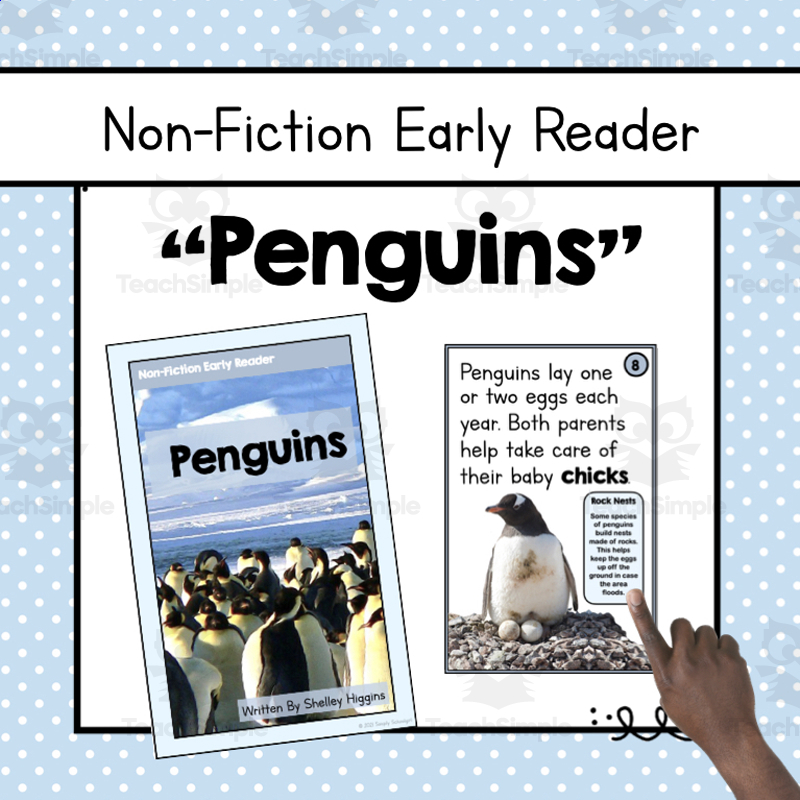
A two-level non-fiction early reader booklet about penguins that teaches nonfiction text features alongside topic content, with an accompanying teacher guide.

An interactive foldable vocabulary resource teaching personal financial literacy terms for 3rd grade, aligned to state financial-literacy standards per the publisher's front matter.
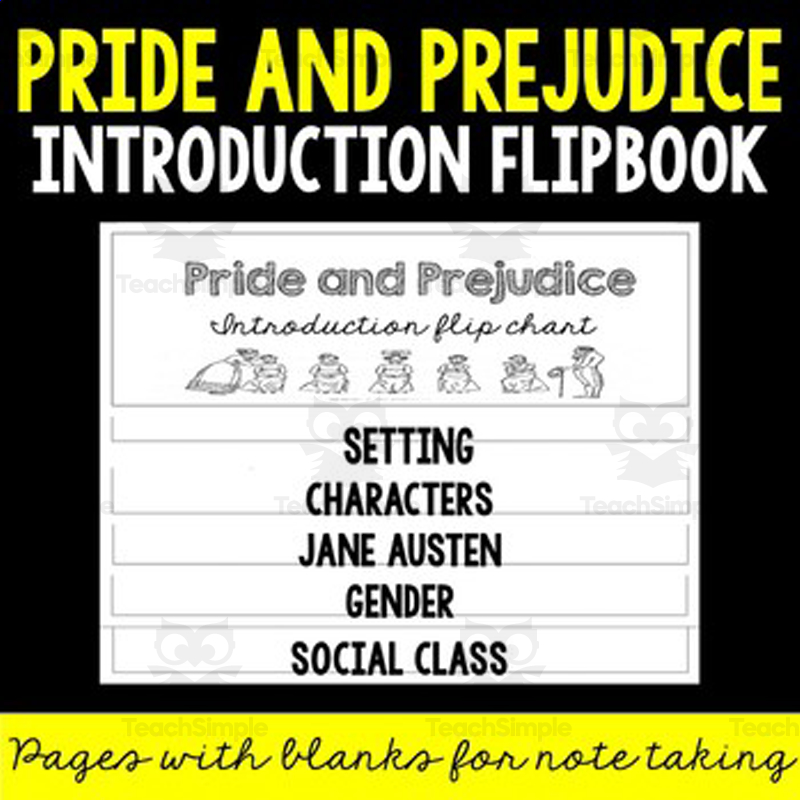
Builds background knowledge before students begin reading Jane Austen's novel Pride and Prejudice, covering setting, social class, characters, gender roles, and author biography.
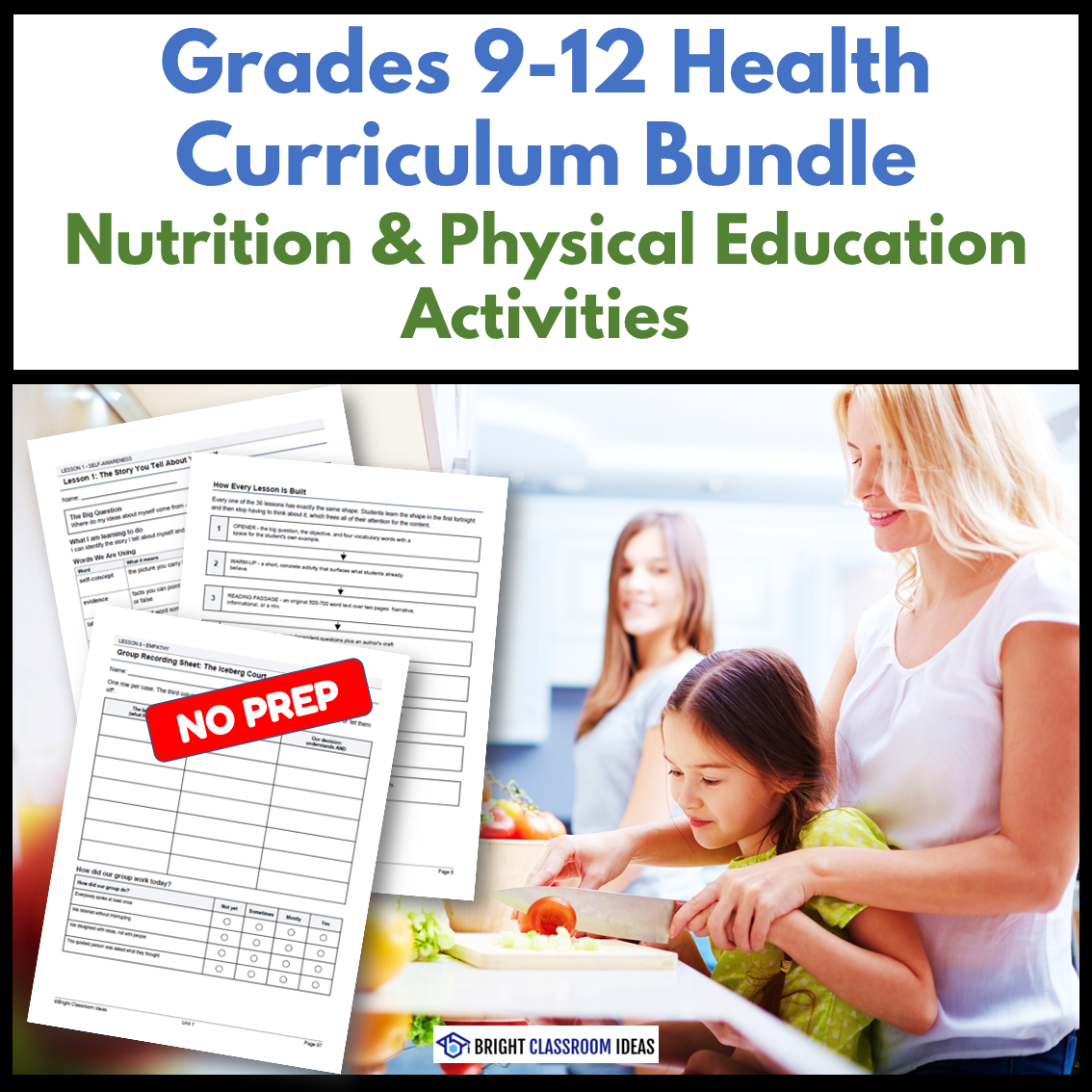
A complete Grades 9-12 college-preparatory health curriculum covering nutrition, exercise science, wellness, media literacy, personal health, and lifetime fitness, using scientific data analysis, case studies, and structured debate.

Teaches primary students to identify the intended audience of simple media texts and to distinguish overt (stated) versus implied (inferred) messages in advertisements and media.