Hen and the Egg Animated Writing Activity | Short Film
A micro-lesson slide deck paired with an animated short film ('Hen and the Egg') that builds sequencing, true/false comprehension, main idea/details, and summarizing skills.
6,948 resources
Explore sub-categories
3 sub-categories · 6,948 resources
A micro-lesson slide deck paired with an animated short film ('Hen and the Egg') that builds sequencing, true/false comprehension, main idea/details, and summarizing skills.
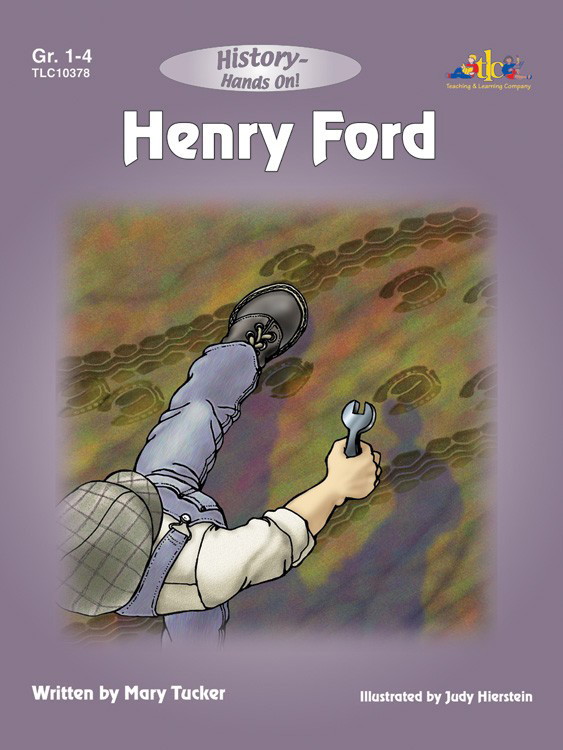
A hands-on history unit teaching students about the life of Henry Ford and the history of the automobile, particularly the Model T, through readings, activities, songs, and projects.
An emergency (substitute-ready) lesson plan that teaches the Greek myth of Hercules through a nonfiction-style narrative reading paired with comprehension, math word problems, word play, and map-reading activities.
Help young students learn classmates' names and practice turn-taking through a name song/chant, usable as a back-to-school or carpet-time activity.
An emergency (substitute-ready) Language Arts lesson plan pairing a narrative reading passage about the invention of the trampoline with comprehension and writing activities, for Grades 5-6.
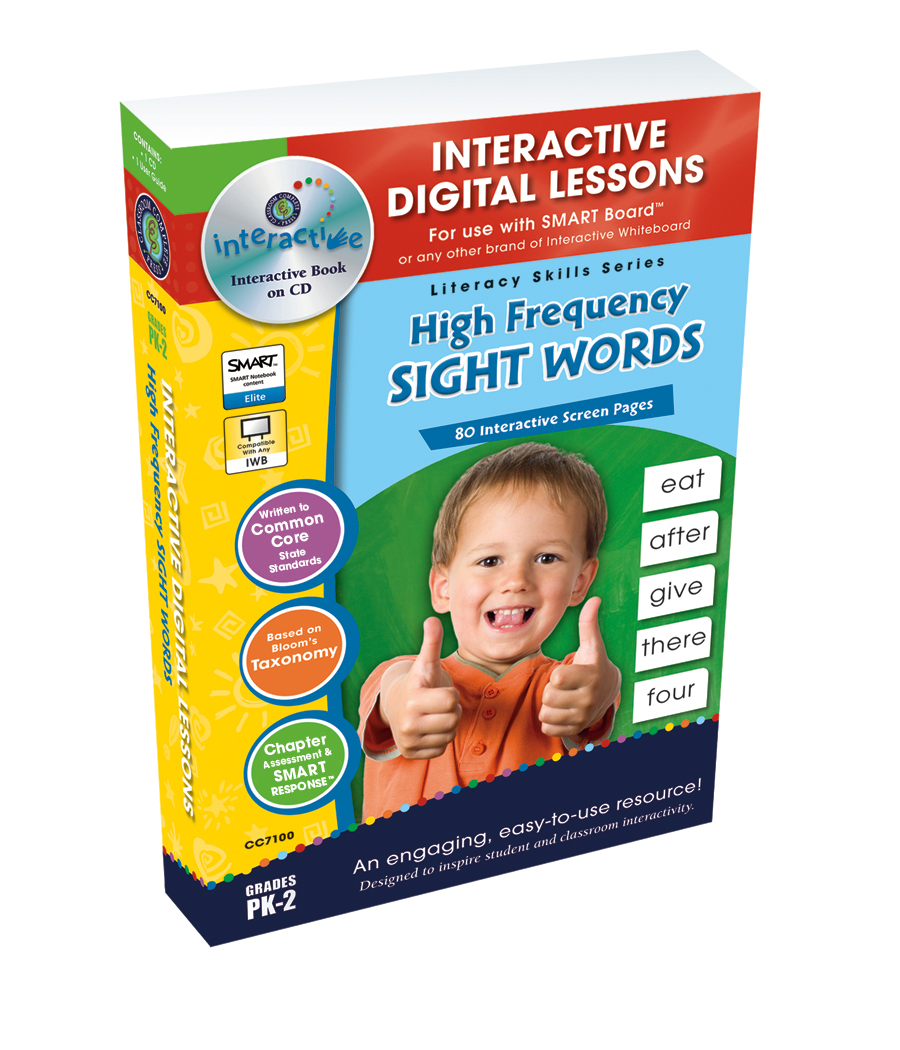
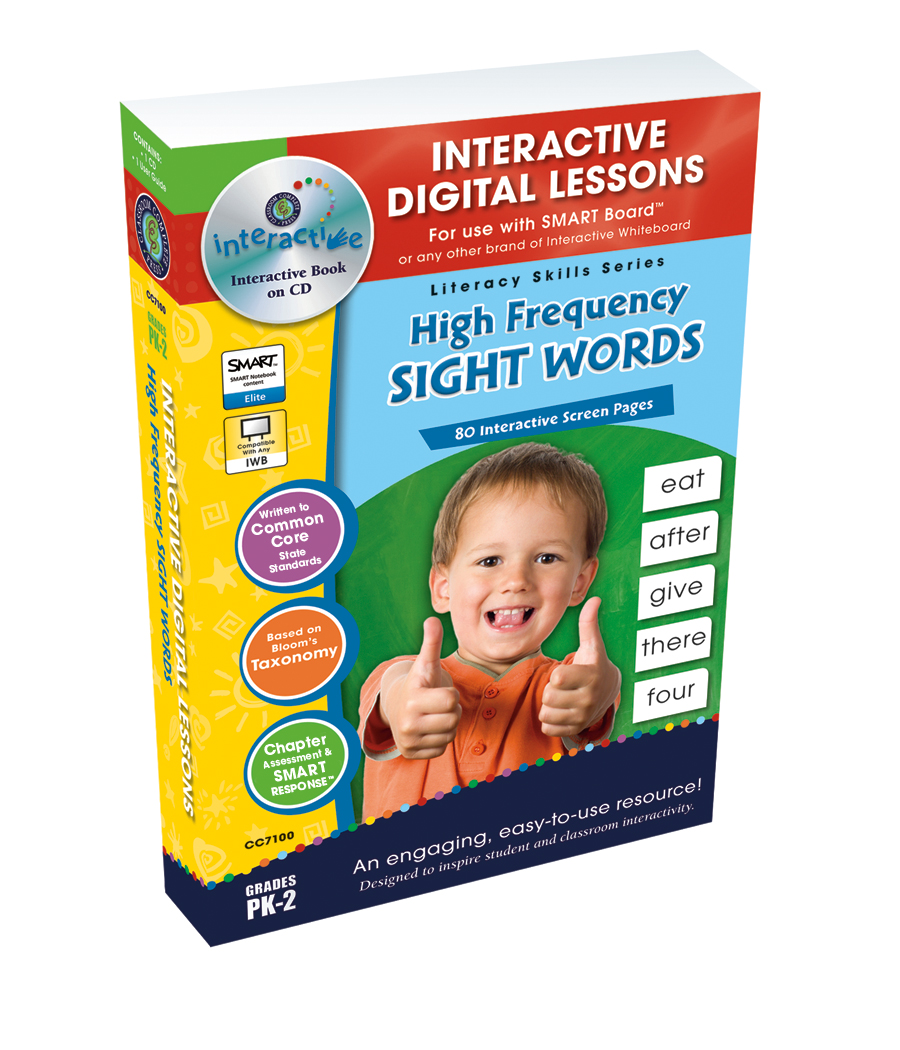
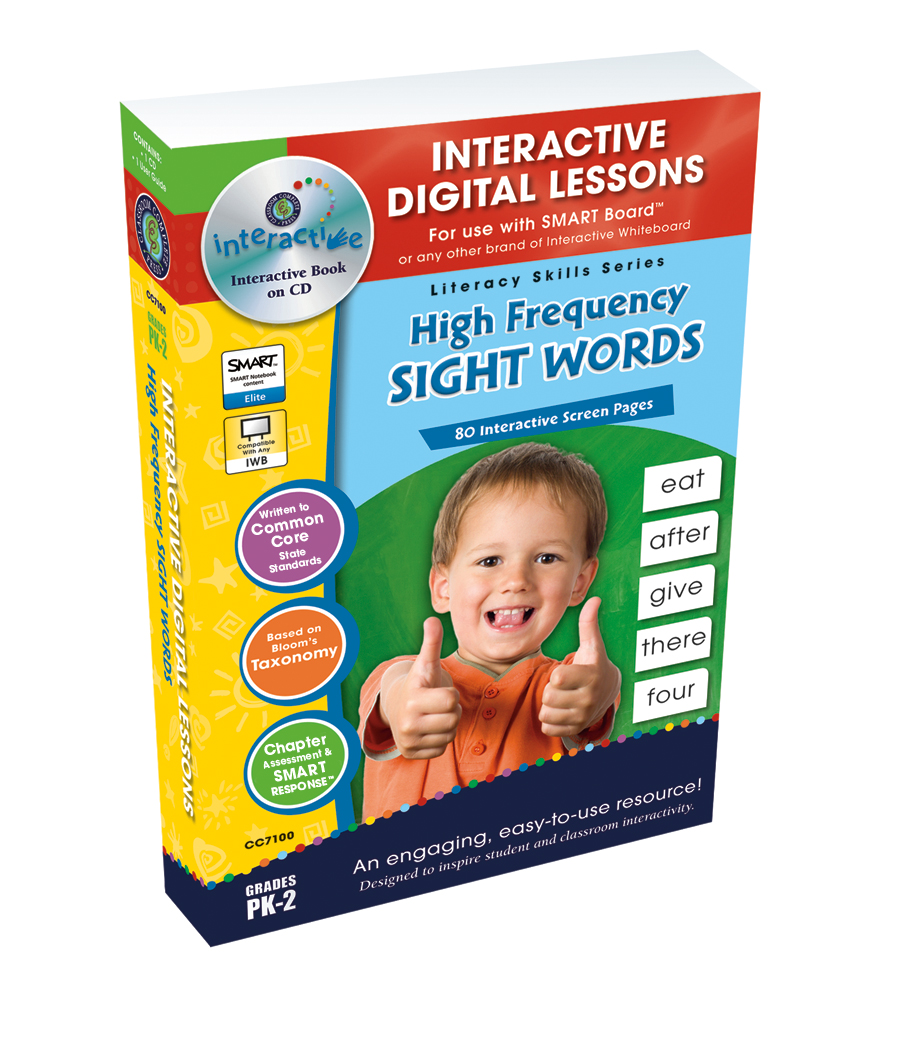
High Frequency Sight Words - Digital Lesson Plan Gr. PK-2 - FLASH-MAC A dynamic teaching tool designed to facilitate learning among young readers. This resource is ideal for public school teachers and homeschooling parents, offering a highly interactive approach in various settings. This lesson plan caters to children from Pre-K to Grade 2 and serves as…
High Frequency Sight Words - Digital Lesson Plan Gr. PK-2 - FLASH-PC For educators striving to effectively inspire sight word recognition, vocabulary, and understanding among students, High Frequency Sight Words-Digital Lesson Plan is an excellent educational tool. Product Highlights: Digital Lesson Plan specifically for Grades PK-2, with 80 interactive…
High Frequency Sight Words - Digital Lesson Plan Gr. PK-2 | MAC Software The High Frequency Sight Words - Digital Lesson Plan Gr. PK-2 is an immersive and interactive MAC software designed to strengthen students' skill sets in all essential areas of Language Arts, specializing in Spelling. It is ideally crafted for educators teaching preschool,…
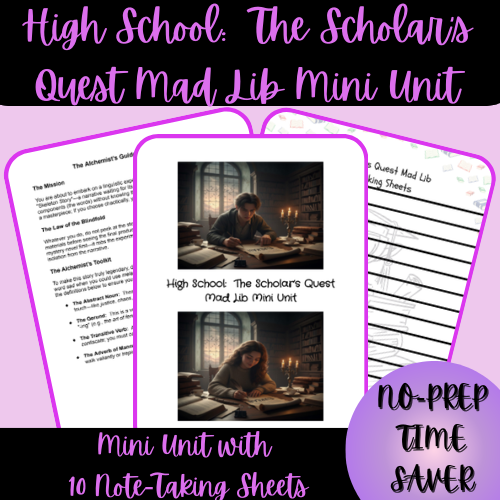
In my house, finding ninth-grade resources that do not feel childish is an uphill battle. If a worksheet looks like it is from 1994, my daughter is done before she even picks up a pencil.
Build recognition, vocabulary and reading comprehension of high-frequency (sight) words for K-1 students through a chapter-slice of reproducible practice activities centered on sentence completion.
Build recognition, vocabulary and reading comprehension of high-frequency (sight) words for K-1 students through a chapter-slice of reproducible activities centered on sight word stories.
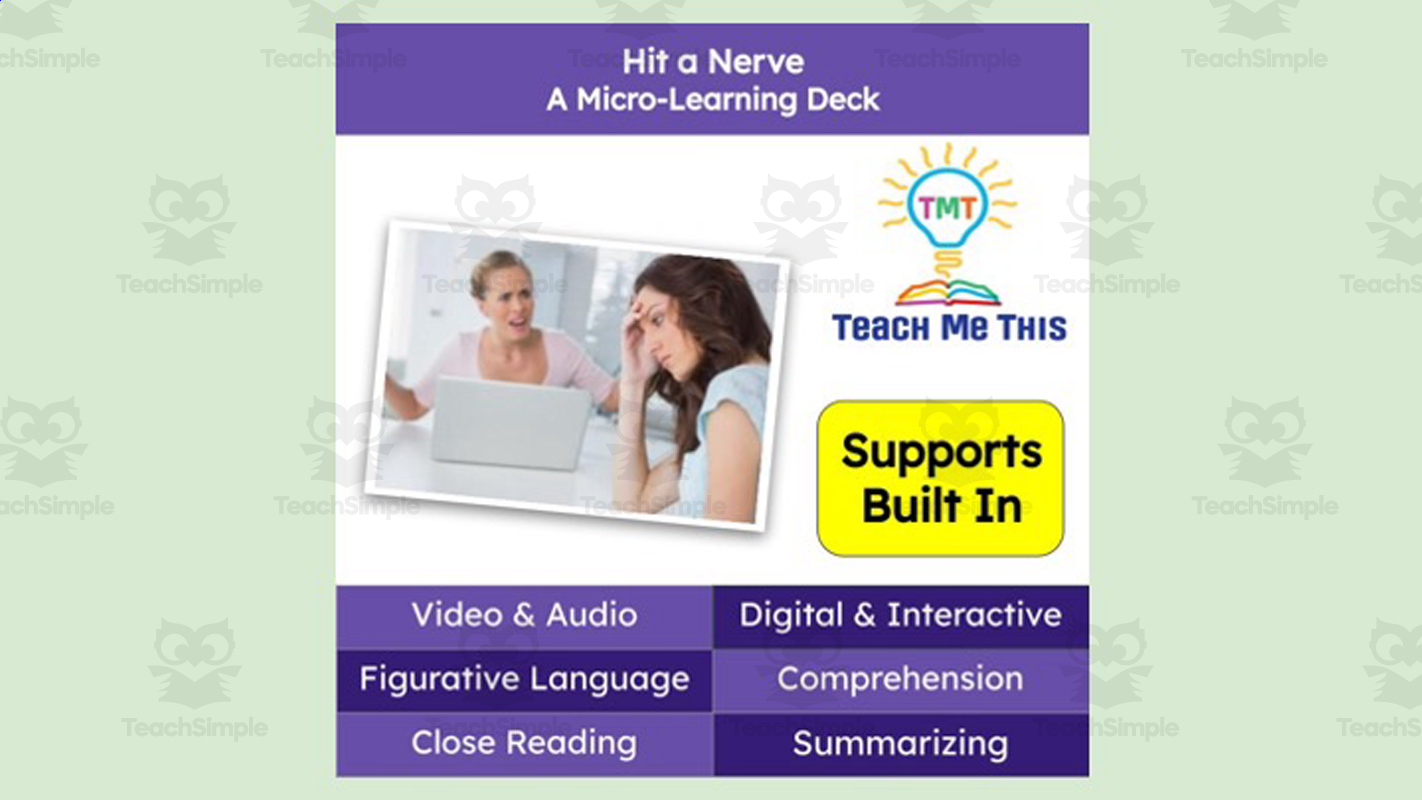
Micro-learning deck teaching the figurative-language idiom 'hit a nerve' through a narrated dialogue passage, vocabulary fill-in, a true/false comprehension check, and a guided summary/quick-write.
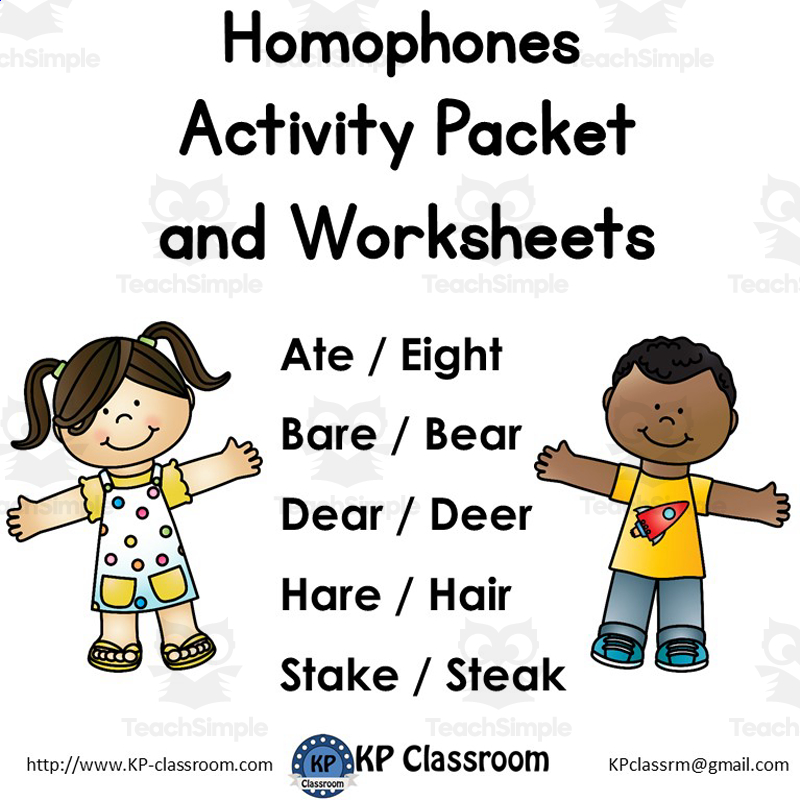
No-prep activity packet and worksheets teaching homophones for Kindergarten-Grade 4 language arts and phonics.
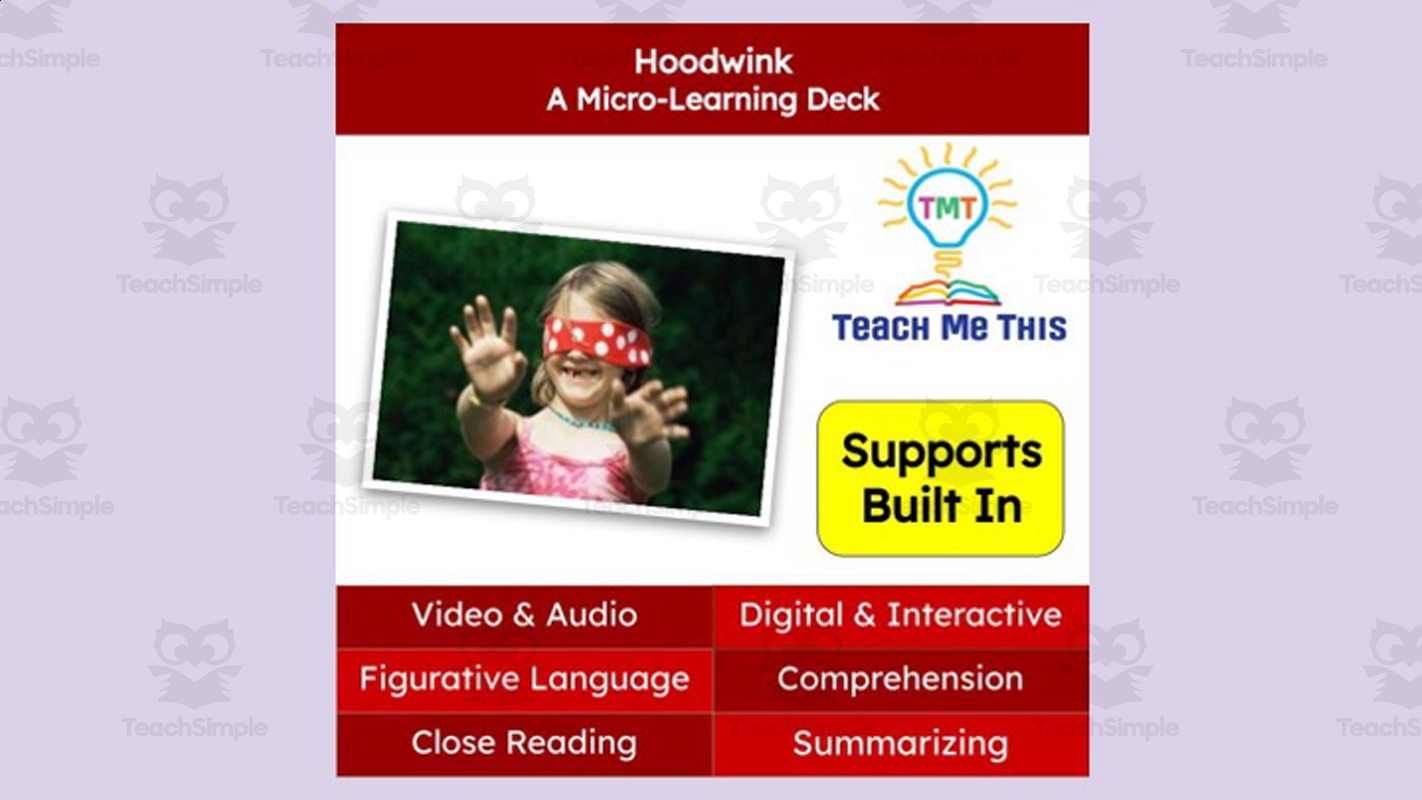
Teach the figurative-language/vocabulary term 'hoodwink' through a short video-style lesson, a reading passage, and comprehension activities.
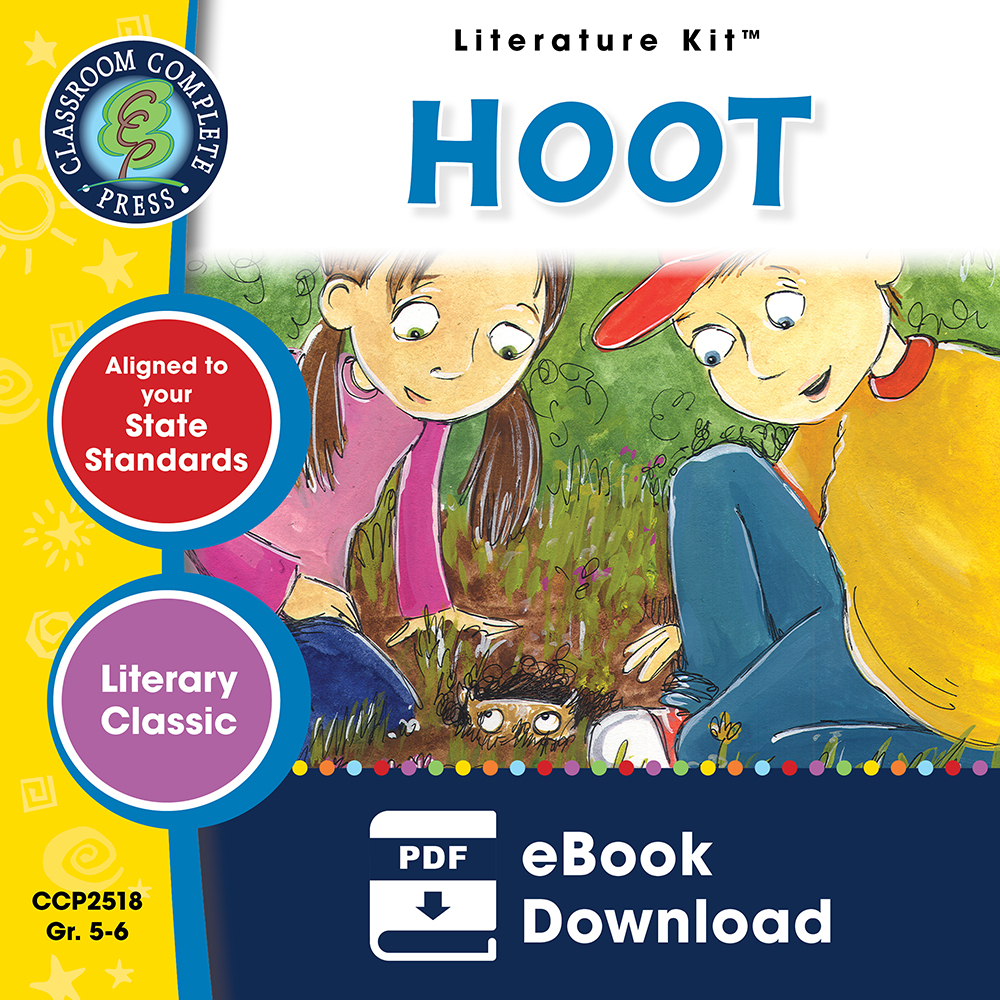
Support a Grade 5-6 novel study of 'Hoot' by Carl Hiaasen with a structured literature kit combining teacher guidance, reading comprehension questions organized by Bloom's Taxonomy level, vocabulary, and graphic organizers.
A full 64-page writing-skills workbook teaching students in grades 5-8 how to write book reports across multiple formats (fiction, non-fiction, and oral book reports), covering the entire process from understanding what a book report is through prewriting, drafting, and review.
A single-chapter excerpt ('Before You Write Your Book Report', product code CCP1101-3) from the larger 'How to Write a Book Report' workbook, teaching students the preparatory elements needed before drafting a book report: introduction, main characters, setting, problem/conflict, and final outcome/conclusion.
A chapter slice from a 'How to Write a Book Report' workbook that teaches students to use graphic organizers to plan, research, and write a fiction book report.
A chapter slice from a 'How to Write a Book Report' workbook that teaches students to use graphic organizers to plan, research, and write a non-fiction book report.
A chapter slice from a 'How to Write a Book Report' workbook that teaches students to use graphic organizers to plan and deliver an oral book report.
A single-chapter excerpt ('How to Write a Fiction Book Report', product code CCP1101-5) from the larger 'How to Write a Book Report' workbook, teaching students to draft and revise a fiction book report using prewriting techniques and graphic organizers.
Reproducible chapter excerpt ("Chapter Slice") from the workbook "How to Write a Book Report" (CCP1101), covering the sub-topic "Proofreading Practice" for teaching students the elements and process of writing a book report.
A chapter slice from a 'How to Write a Book Report' workbook that teaches students to organize their thoughts using graphic organizers before writing a book report.
Reproducible chapter excerpt ("Chapter Slice") from the workbook "How to Write a Paragraph" (CCP1100), covering the sub-topic "Drafting Practice" (page 28 of the full 64-page workbook, per that workbook's table of contents) for teaching the paragraph-writing process.