Counting & number recognitionAddition & subtraction
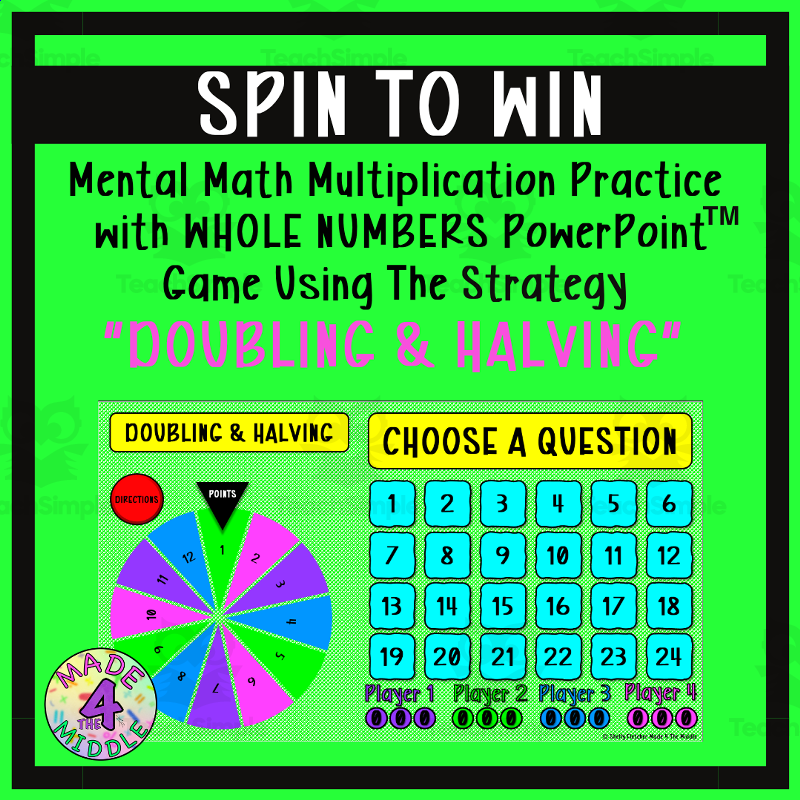
Doubling & Halving (Whole Numbers) Spin To Win Game
Interactive PowerPoint number-talk game practicing the doubling-and-halving mental math strategy for whole-number multiplication.


Classroom resources
Browse by lesson focus
Choose the topic or kind of practice you need.
Showing 25–48 of 101 resources

 Show filters
Interactive PowerPoint number-talk game practicing the doubling-and-halving mental math strategy for whole-number multiplication.

An editable PowerPoint classroom competition game (Tic-Tac-Toe format, 6 boards/rounds) providing addition practice, owl themed.
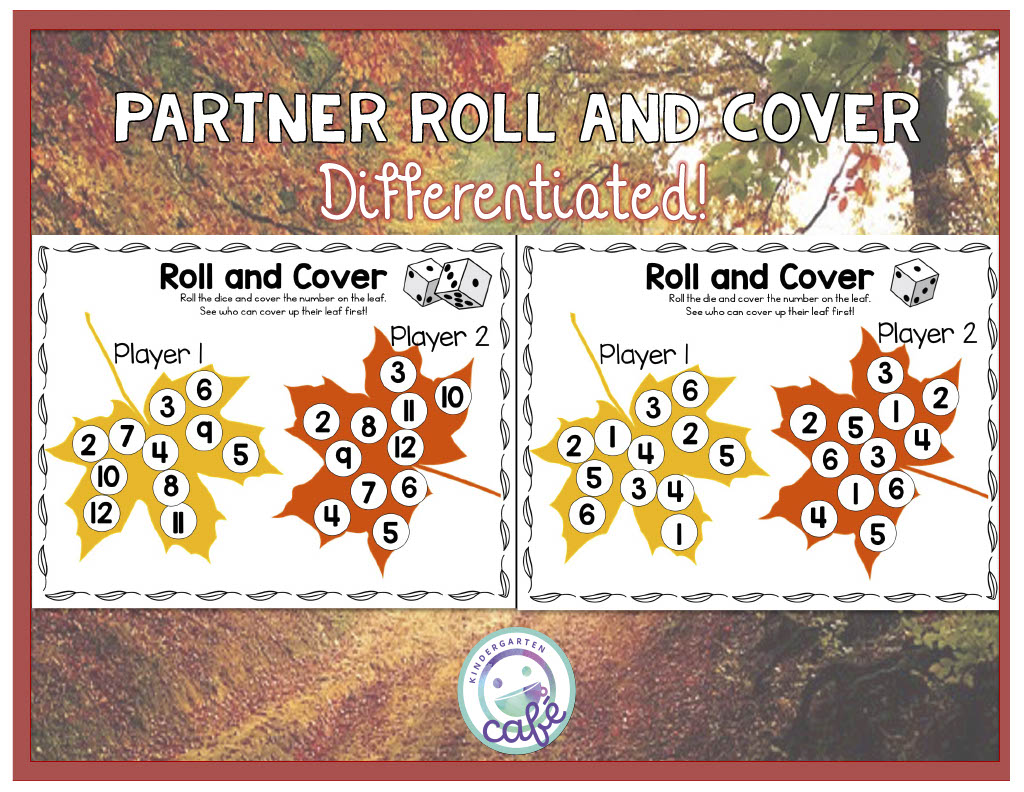
A fall leaf-themed partner dice game for practicing number recognition, differentiated by number range.
This is a Banana Bunches: Greater Than/Less Than 50 Game. This is a great game to implement during your place value unit as an introduction or review for students. This is a 1 player game, so you can print game boards for all students that are playing or enough for a small group. You will print and cut the bunches of bananas. Students…
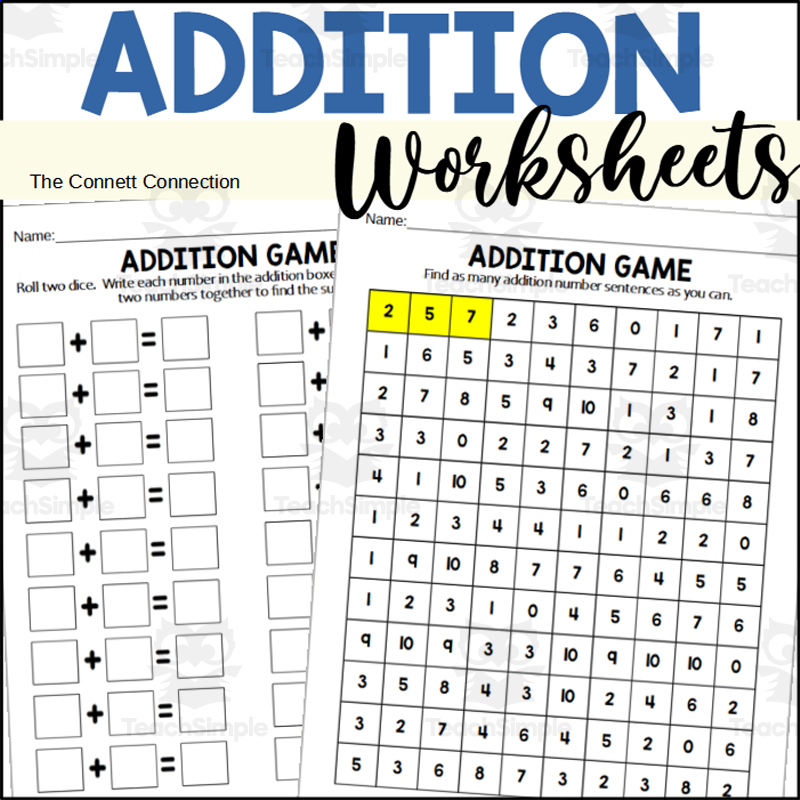
Provide printable addition games for practicing addition facts through a dice-roll activity and a number-search activity.

A pocket-chart carpet game ('Mouse in the House') to help preschool/kindergarten students identify numbers 0-10 or 0-20.
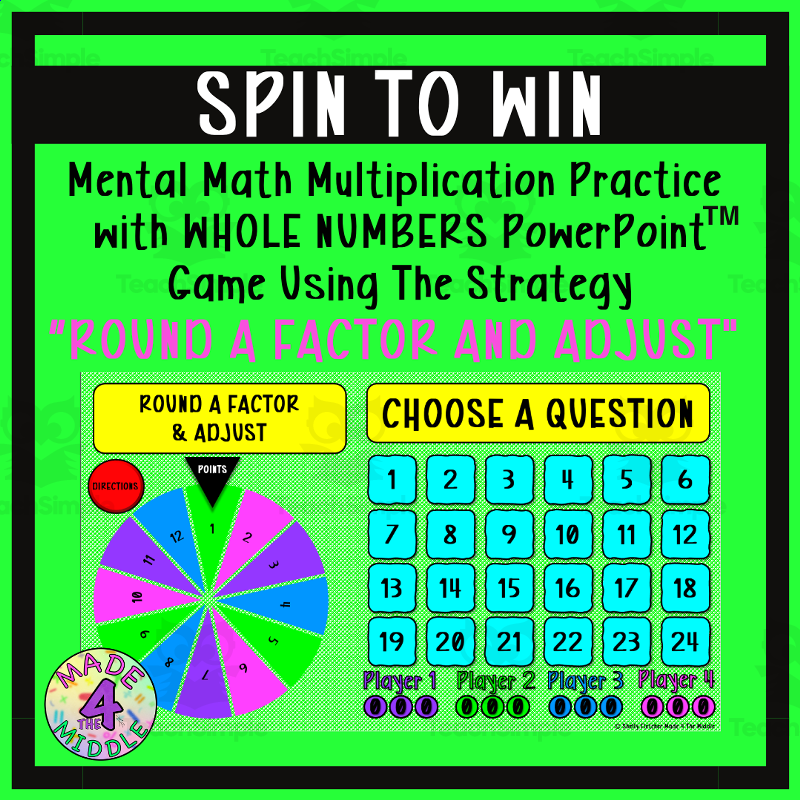
Provide a self-checking, gamified PowerPoint activity for practicing the 'Round and Adjust' mental math strategy for adding whole numbers.
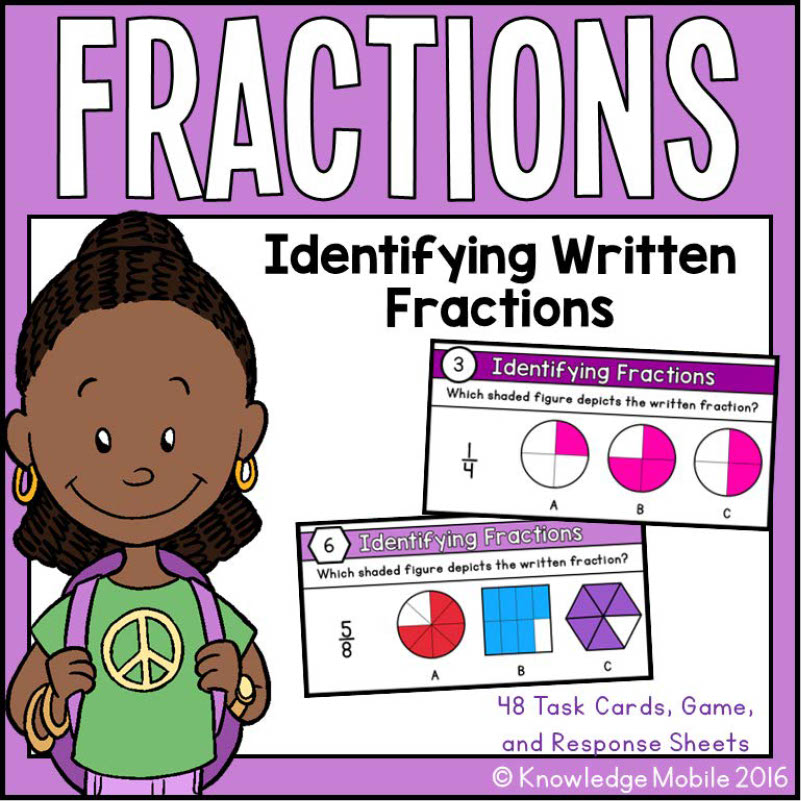
Identifying Written Fractions Task Cards and Center Game (3.NF.1) This colorful card set helps reinforce fraction identification skills. Students in grades 2-4 will benefit from matching fraction names, models, and numbers. Use the 48 task cards for individual practice or small groups. Then bring students together with the lively center game board that…
 Free download
A numbers 1-10 matching game using a penguin/fish theme (file title page reads 'Numerical Penguins Match Game').

Practice number sense (numeral recognition, sequencing, counting) through a set of print-and-go activities and games.
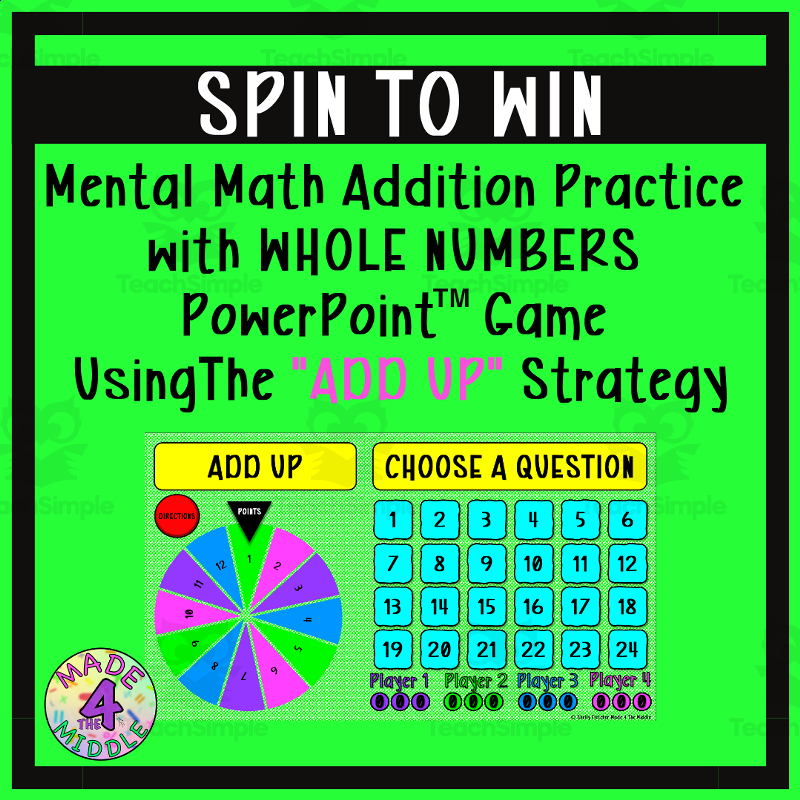
An interactive PowerPoint game for practicing the 'Add Up' mental math addition strategy with whole numbers.
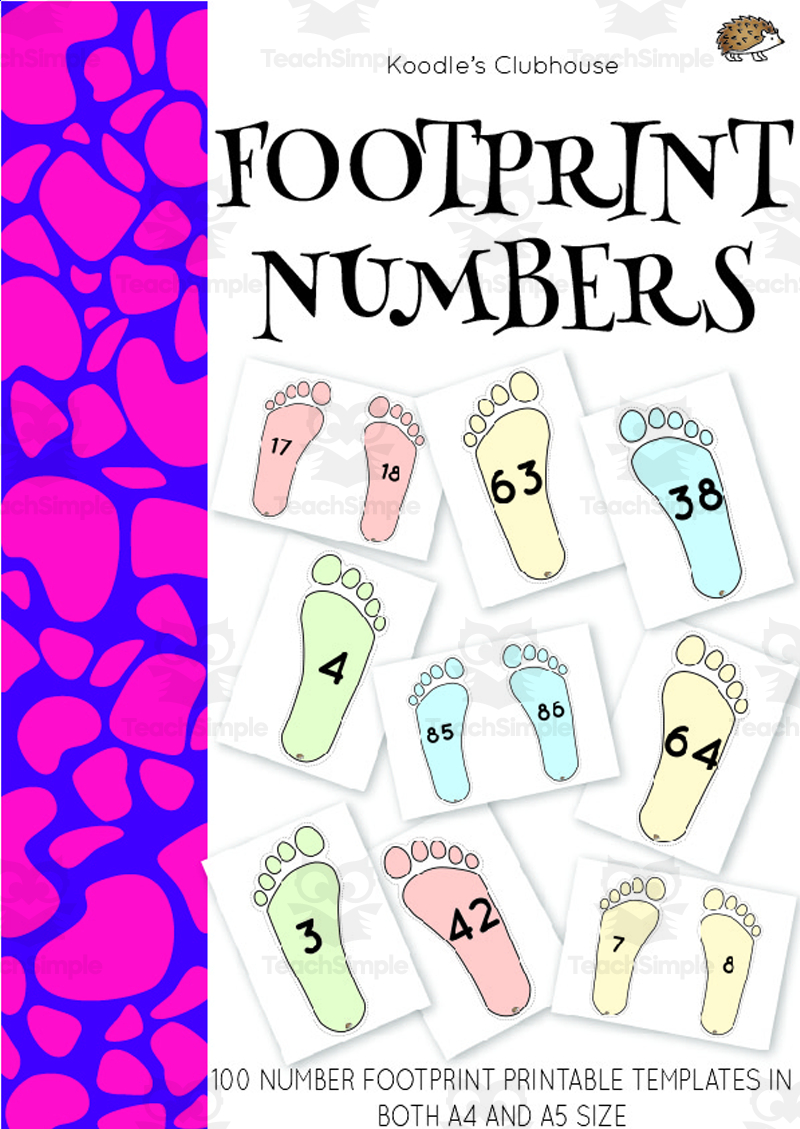
A gross-motor floor game using printable footprint templates numbered 1-100 to teach counting, number recognition, and number order.
 Free download
An "I Have, Who Has?" chain card game for practicing recognition and sequencing of numbers 1-10.
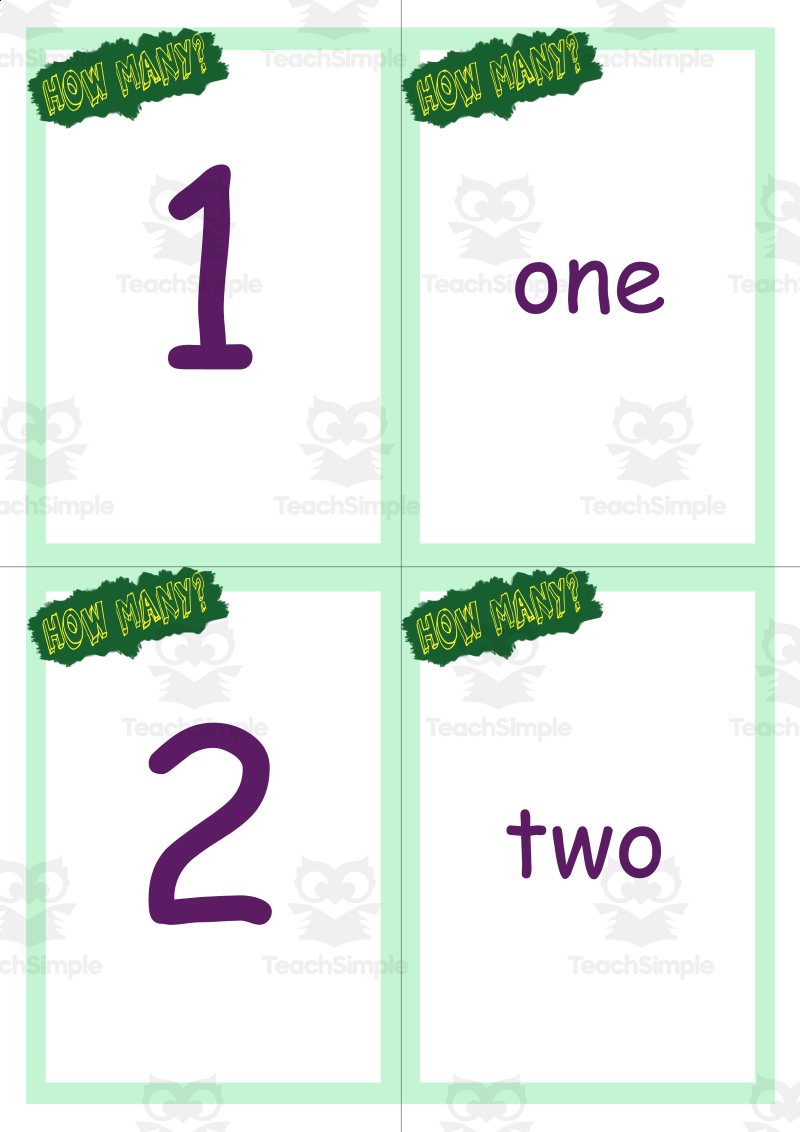
Here is a Counting + Numbers Game Card Set that is great for your little learners. Students will practice with numbers 1-10 . There are 2 sets included: - Number set featuring the number and number word - Picture set featuring the number word and a visual representation of that number You can print, laminate and cut these cards for…
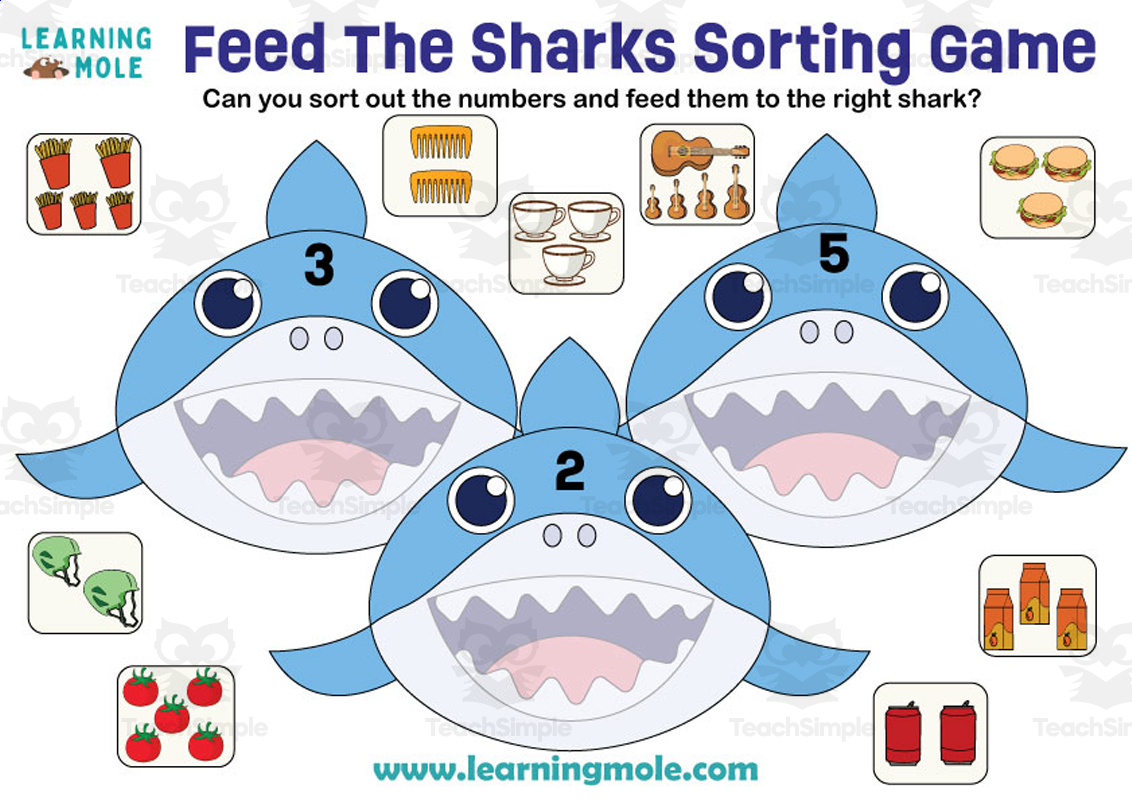
A single-page number sorting game where students sort numbers and 'feed' them to the correct shark based on a sorting rule shown on the page.

Dice-based counting game where students roll and count acorns to feed a squirrel, practicing numbers up to 12.
 Free download
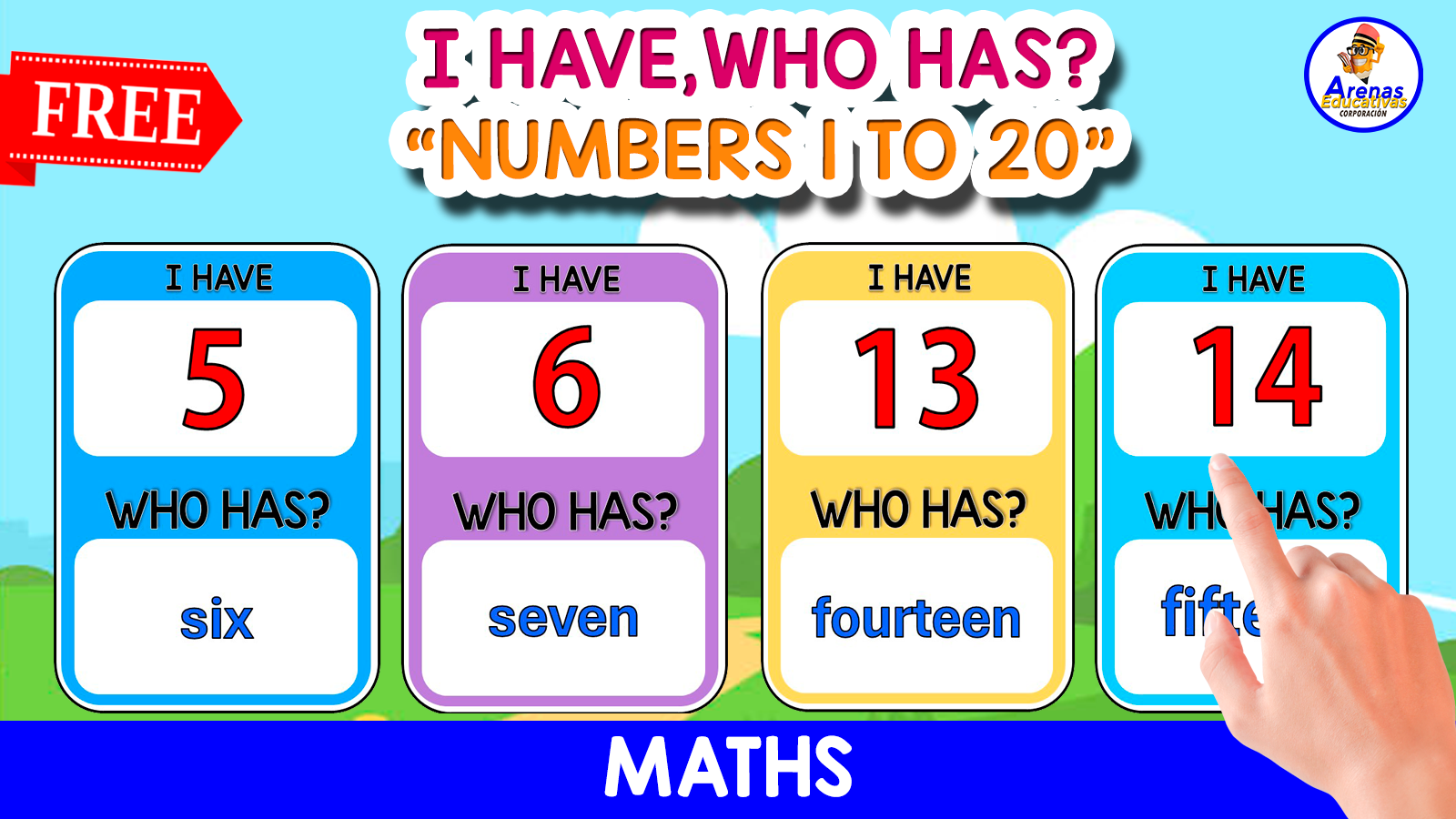
An "I Have, Who Has?" chain card game for practicing number words (spelled-out form) for numbers 1-20.

A matching game/activity where children learn to recognize numbers 1-20 by matching numbered car cutouts to correspondingly numbered parking spaces.

A 2-4 player dice game where students multiply two rolled numbers (1-6) and claim board squares by that product, practicing 1-6 multiplication facts.
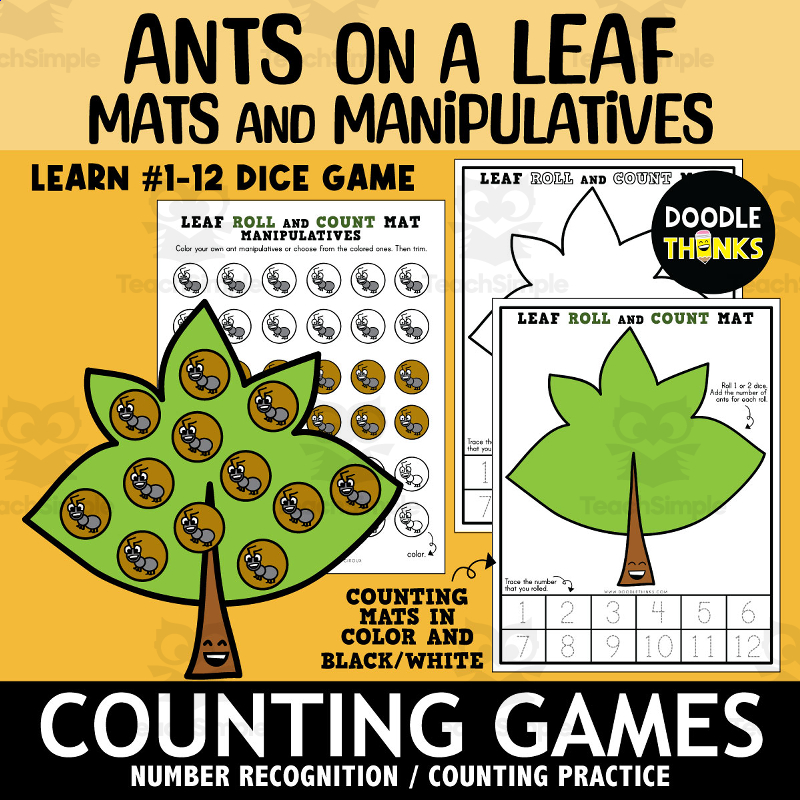
A dice-based counting game using a leaf-themed roll-and-count mat and paper ant manipulatives to build number sense for numbers 1-12.
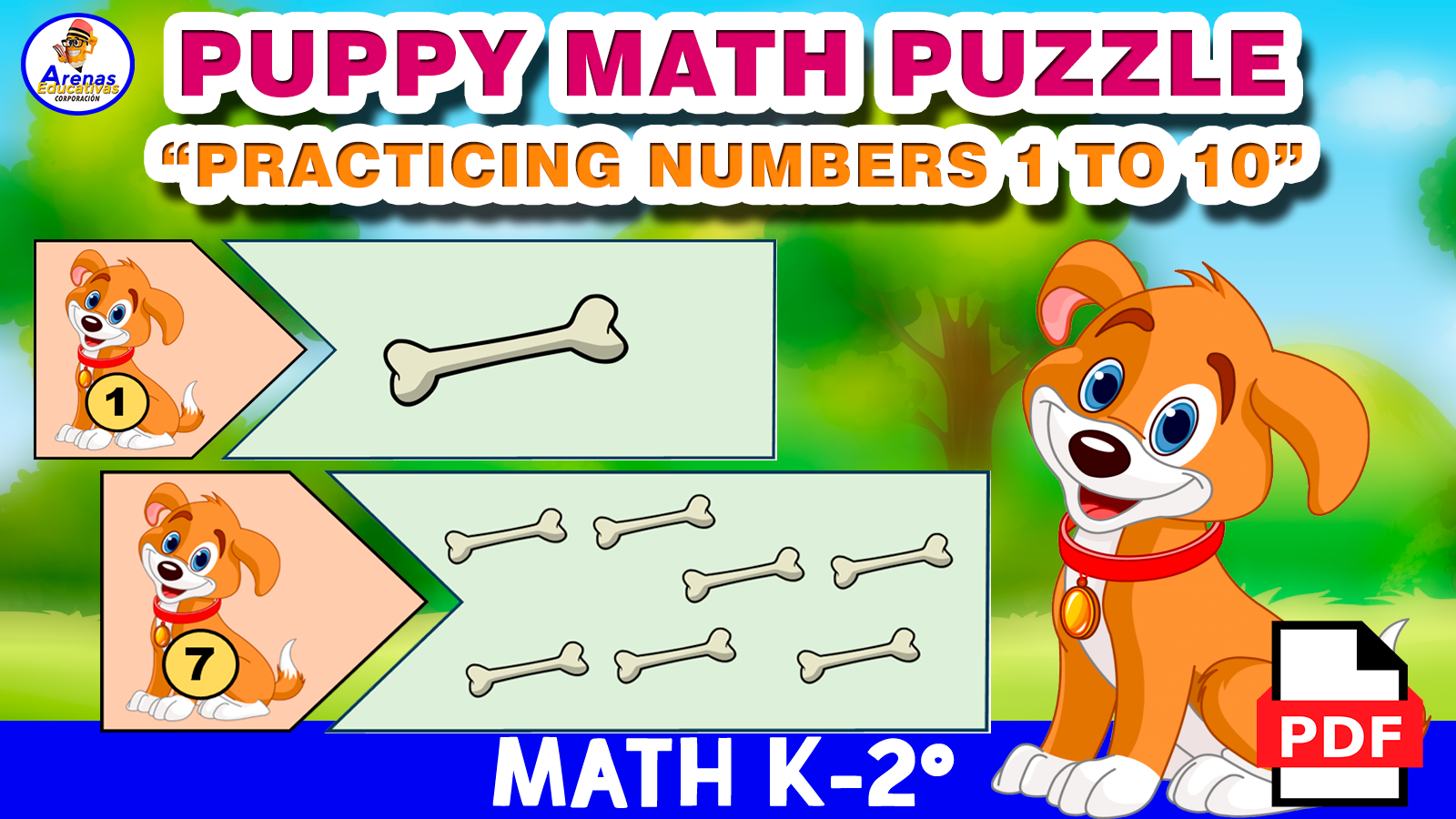
Introduction As is known by educational agents, such as teachers, teachers, including parents, educational mathematics games offer us a wide variety of benefits and advantages for the development of children, especially those who are beginning their academic work and those who are in primary school. For this reason, I have designed this…

A whole-class decimal place-value game in which students try to build the largest or smallest possible decimal number as digits are randomly generated one at a time.

A 2-4 player dice game where students multiply two rolled numbers (1-12) and claim board squares by that product, practicing 1-12 multiplication facts.

A dice-based counting mat game where students roll dice, count/add the pips, and practice number 1-12 recognition by placing seed manipulatives and tracing the rolled number.