resources by type
resources by grade
resources by subject
other resources

3,930 products added recently

Page 12 - Cut and Paste Activities

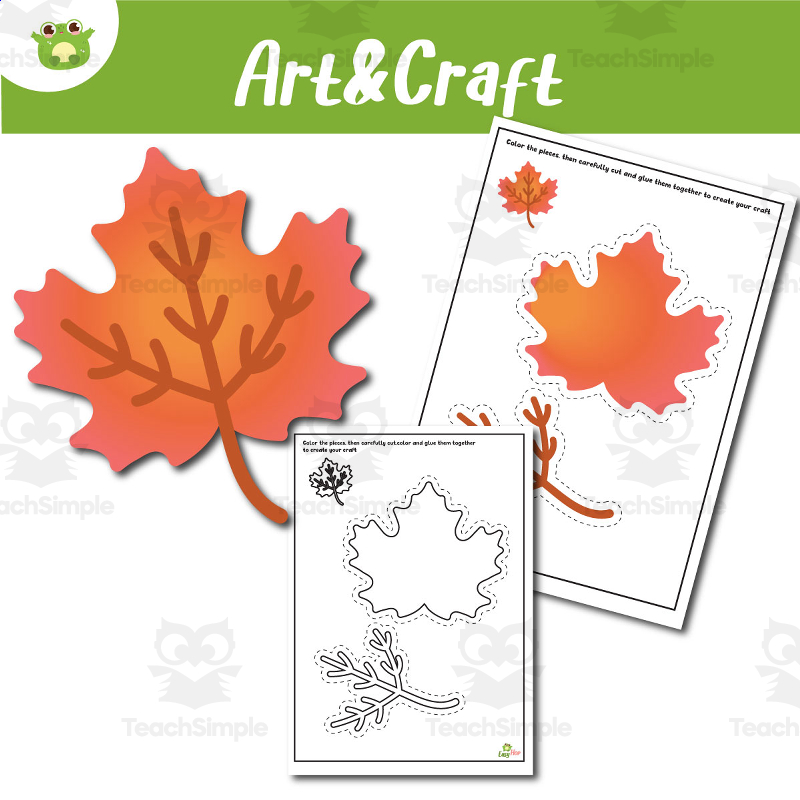
Enhance learning through tactile experiences with cut and paste activities that combine creativity and skill development. This collection includes sorting exercises, craft projects, and interactive worksheets. By integrating these activities into your lessons, you can support manual dexterity and engagement.

Relevant
alt down
Any Time
alt down
filter by
alt down
All File Types
alt down
filter nav Show filters
Sort by: Relevant
CLEAR
resources by type
Activities
up arrow
Centers
Crafts
Escape Room
Experiments
down arrow
Games
Projects
Read Alouds
Songs
Classroom Decor
down arrow
Teacher Tools
down arrow
Worksheets & Printables
down arrow
resources by grade
Early Learning
down arrow
Pre-K
down arrow
Elementary
down arrow
Middle School
down arrow
High School
down arrow
Adult Education
Not Grade Specific
resources by subject
Creative Arts
down arrow
ELA
down arrow
Holiday & Seasonal
down arrow
Life Studies
down arrow
Math
down arrow
P.E. & Health
down arrow
Social Studies
down arrow
Special Resources
down arrow
Science
down arrow
Foreign Languages
down arrow
Resources for Teachers
down arrow
other resources
Common Core
Homeschool Resources
down arrow
Montessori
Research
STEM
Wash Your Hands Audio Book

Wash Your Hands Audio Book
P.E. & Health, Health, Kindergarten, Preschool, Grade 1, Read Alouds, Activities

Wash Your Hands Audio Book : A Teaching Resource This product is designed for preschoolers, kindergarteners, and first graders. It serves as an engaging tool to instill the habit of hand washing in young learners. It is a fun and informative resource with a focus on health – particularly hygiene practices. Toward Holistic Growth & Hygiene Practices through P.E. & Health Curriculum: This audio book integrates health topics into P.E. & Health curriculums which contribute toward the holistic growth of students by emphasizing wellness inside and outside school settings. Engaging Design & Real-Life Sound Effects: The book features a catchy sing-along song and incorporates real-life sound effects such as water running or soap sud sounds during various hand-washing steps. Ideal Hand Wash Duration Matched with ABC Song: An interesting detail mentioned in this audio book is that hands need to be washed for about 20 seconds, which aligns perfectly with singing out loud an entire round of the ABC Song. Incorporation of Activities: Directions within the audio instruct kids to clap their hands or wiggle fingers at intervals between rounds of Duck, Duck Goose! Kids are advised that hands should be washed before resuming play after each round. Auditory-Based Learning Tool: Suitable for public schools educators or homeschooling parents/teachers using auditory methods. Easily integrated into lessons requiring only an elementary level of tech-savviness from educators or parents. Versatile Usage: For usage scenarios like whole group instruction during circle time, small groups during remedial sessions focusing on life skills mastery or even set as homework for inclusive learning within home environments, this audio tool can be a versatile addition to teaching resources. Easy to Integrate: This audio book comes in an MP3 format, making it simple to integrate into various lessons without needing advanced tech knowledge. In Conclusion: The Wash Your Hands Audio Book is a resource that seamlessly combines fun with the informative habit of essential hygiene practice learning among young learners.

Author Twin Sisters Digital Media

Tags Hand Washing, Hygiene Practices, Health Education, Kinesthetic Learning, Audio Resource

The Harmonica by Tony Johnston Read-Aloud Activities

The Harmonica by Tony Johnston Read-Aloud Activities
ELA, Reading, Reading Comprehension, Grade 4, 5, 6, Read Alouds, Activities

Enhance your students' reading experience with this comprehensive companion for The Harmonica, by Tony Johnston. Featuring 43 ready-to-use activities, this resource is perfect for customizing learning to meet your students' needs and academic abilities. Designed to save you time and engage students effectively, these activities foster higher-level thinking skills and encourage textual evidence-based responses. Students will enjoy interactive and educational activities, while you appreciate having high-quality resources at your fingertips. INCLUDED IN THIS RESOURCE: Judging by the Cover Making Predictions Sequencing Recalling events in Chronological Order Summary Story Plot Minor Problems & Solutions Cause & Effect Making Connections Using Details to Make Inferences Making Inferences Notice & Note Character Feelings Character Traits (2 traits) Character Traits (4 traits) Character Inside & Out Character Development Character Change Overcoming Obstacles T- Chart Character Analysis Sketch a Scene From the Story Setting the Scene Theme Figuring Out Figurative Language Thinking About the Text Thinking Beyond the Text Reading Text and Illustrations (Color Presentation) Reading Text & Illustrations Symbolism Author's Message Crossword Puzzle Word Search Puzzle Design a Book Cover 3-Quote Connections 4-Literary Essay Prompts 3-Quick Write Prompts This resource is for extension read-aloud activities only. The book is not included.

Author Creatively Gifted

Tags Reading Comprehension, Reading, Upper Elementary Reading, Picture Book , Read-aloud Activities, Interactive Read-aloud Activities, Book Companion, Holocaust Remembrance, ELAR

Reading Comprehension Passages Fiction Set 7 - Sports (PDF)

Reading Comprehension Passages Fiction Set 7 - Sports (PDF)
ELA, Reading, Reading Comprehension, Common Core, Children’s Literature, Literature, Language Development, ESL, Writing, Vocabulary, Grade 2, 3, Worksheets & Printables, Worksheets, Writing Prompts, Assessments, Teacher Tools, Tests, Quizzes and Tests, Centers, Activities

Reading Comprehension Passages Fiction Set 7 Overview Fascinating reading comprehension passages, each with an array of activities included. Stories are written for the modern classroom and topics are designed to promote enthusiasm from each student. Each lesson contains a mixed questions section to check understanding, a vocabulary or spelling activity to help remember key language introduced, and a writing exercise. Full answer keys are provided. For a more detailed overview, check the section under the links at the bottom of this description. Passages Include 1.Catch It, Dan: Dan is at the ball game and wants to catch a foul ball. 2.Feeling Left Out: Polly isn't invited bowling by her friends and wants to knowwhy. 3.Ian's Friday Nights: Ian wants to be anywhere but the bleachers on Friday nights. 4.Aimee's Dilemma: Soccer or cheerleading? That is the question. 5.A Great Team: Adam & Justin both want to play first base. How will they sortit? 6.Ana's Swimming Party: Jodie can't swim and doesn't want her friends to find out. 7.Touchdown Pythons: Serena loves her first football game. 8.Sam's Passion: Sam talks about his passion for Karate in this passage. 9.Where's My Board: Kerry spends all the story looking for her skateboard. 10.Lacey the Runner: Lacey has dreams to run in the Olympics. Read to find out more. Additional File: Ana's Swimming Party: Invitation Templates PDF Version This is the PDF uneditable version. This download is available in GOOGLE Docs, GOOGLE Forms, GOOGLE Slides. PDF, PPT, WORD. FULL CATALOG OF DOWNLOAD LINKS HERE Grade 2/3 Links Fiction Set 1 - Nature Google Docs Google Forms Google Slides PDF PPT Word Guided Reading Materials Fiction Set 2 - Animals Google Docs Google Forms Google Slides PDF PPT Word Guided Reading Materials Fiction Set 3 - Food Google Docs Google Forms Google Slides PDF PPT Word Guided Reading Materials Fiction Set 4 - School Google Docs Google Forms Google Slides PDF PPT Word Guided Reading Materials Fiction Set 5 - Friends Google Docs Google Forms Google Slides PDF PPT Word Guided Reading Materials Fiction Set 6 - Family Google Docs Google Forms Google Slides PDF PPT Word Guided Reading Materials Fiction Set 7 - Sports Google Docs Google Forms Google Slides PDF PPT Word Guided Reading Materials Nonfiction Set 1 - Technology Google Docs Google Forms Google Slides PDF PPT Word Guided Reading Materials Nonfiction Set 2 - Nutrition Google Docs Google Forms Google Slides PDF PPT Word Guided Reading Materials Nonfiction Set 3 - Animals Google Docs Google Forms Google Slides PDF PPT Word Guided Reading Materials Reading Passages Overview Each passage is especially written for Grade 2-3 students, including key vocabulary required for this age group. Topics are varied and are accompanied by colorful graphics. Topics are meant to educate, yet entertain the modern student. These passages are perfect for the modern classroom. Whereas textbooks can become outdated in no time, any changes to technology or the world will result in updates to this product. Mixed Questions The mixed questions section of each lesson includes a variation of fivecomprehension, vocabulary and math questions. In addition, key reading strategies are frequently covered including cause & effect, summarizing, compare & contrast and making conclusions. Three of the questions will be MCQs and two will require a written response of some kind. Full answers and example responses appear at the end of the lesson. Spelling & Vocab Each reading passage contains a variety of words and phrases designed for Grade 2-3 students. Spelling and vocab activities provide the opportunity to build fluency with these words. As it can become quite mundane doing the same activities over and over, each lesson in a set will contain a different spelling and vocab activity . Writing Prompts Writing prompts are designed to continue the theme or lessons learned in the story. Students are persuaded to write in a variety of ways and each prompt includes several cues to help. As with the spelling/vocab section, writing prompts will vary. This includes research pieces, reading responses, poetry and creative writing prompts. Full Answer Keys Full answer keys and sample responses are provided so no matter how busy you are, you know you're covered! Mixed question answers provide evidence from the text, math questions contain the relevant workings. Answers are designed for use by the teacher, but also suitable as a handout to the student. Additional File One lesson will have an additional file. This is something fun to extend the lesson with. For similar downloads and other frees, do check out Cored Group on TeachSimple.

Author Cored Education

Rating

Tags Elementary, Reading, Comprehension, Vocabulary, Answers, Spelling, Writing, Passages, Reading Centers, Reading Comprehension Assessment

It's Called Cooperation Audio Book

It's Called Cooperation Audio Book
Science, Earth and Environmental Sciences, Space, Preschool, Kindergarten, Grade 1, 2, 3, Read Alouds, Activities

Do you like to work with others? Are you good at math and science? If so, you might want to consider becoming an astronaut.

Author Twin Sisters Digital Media

Tags Astronaut, Pilot, Mission, Music, Learn

Complete Elementary Math Bundle: Worksheets, Games & Practice

Complete Elementary Math Bundle: Worksheets, Games & Practice
Addition and Subtraction, Math, Early Math, Fractions, Multiplication and Division, Percentages, Grade 1, 2, 3, 4, 5, Games, Activities, Lesson Plans, Teacher Tools, Worksheets & Printables

Make math practice simple, engaging, and effective with this complete Elementary Math Bundle. This resource helps students build strong skills while saving you time. It includes a wide range of worksheets, puzzles, and activities for Grades 1–5. Topics cover addition, subtraction, fractions, percentages, and mixed math skills. All materials are printable and ready to use. Answer keys are included for easy grading. You can use this bundle in many ways. Use it for math centers, small groups, homework, or independent practice. It also works well for early finishers, review days, or sub plans. The variety keeps students interested and involved. Students practice fractions, fundamental operations, and practical math skills. They also foster critical thinking and problem-solving skills. Differentiation is made simple by the activities' support for many levels. Teachers adore this resource since it is versatile and requires little preparation. It keeps kids interested while saving planning time. All year long, use it to design engaging and significant arithmetic lessons.

Author Bright Classroom Ideas Marketplace

Rating

Tags Math, Arithmetic, Addition, Subtraction, Multiplication, Division, Elementary, Worksheet

Reading Handwriting Short Story Differentiated Levels

Reading Handwriting Short Story Differentiated Levels
ELA, Reading, Reading Comprehension, Handwriting, Writing, Grade 2, 3, 4, Centers, Activities, Workbooks, Worksheets & Printables

Strengthen your students’ reading skills and boost their handwriting confidence with this Differentiated Short Story of three ( 3 ) progressive levels . This versatile resource ensures that every student in your classroom has the opportunity to engage with a similar material, providing an environment of peer-to-peer learning . Ideal for targeted instruction, these stories work nicely in small group settings and literacy stations . They promote independent learning and can serve as a valuable resource for sub plans . Each level includes both READING and HANDWRITING practice through tracing the text, for students to enhance their motor skills . This pdf resource encourages students to create and illustrate their own printed books, with a front and back cover . This can ignite their imagination and pride in their work . As they read and understand the content, they are more likely to participate in discussions, share their ideas, and develop connections with their teacher and classmates . Also, the exposure to rich new adjusted vocabulary enhances students’ language development . Whether implemented in small reading groups, during whole class lessons, or as part of independent work, these differentiated passages offer flexibility in your teaching strategy . They are specifically designed to effectively address a variety of learning styles and abilities, enabling you to tailor your teaching approach to meet the various needs of your students . This resource facilitates differentiated instruction but also promotes a supportive and inclusive classroom atmosphere, where every student feels valued and capable of achieving literacy success . For more P D F materials and educational and therapy resources on language, special education, numeracy, basic math and pictorial / manipulative approach to teaching and learning, you can click WORDS ASIDE Included : one file with 5 4 pdf pages of a leveled short story to use through elementary grades .

Author WORDS ASIDE

Tags Short Stories, Leveled Reading, Booklet, Mini Book, Literature Circle, Independent Work, Homework, Handwriting, Elementary Reading, Literacy Skills

Number - Quantity | Pictorial Representation BUNDLE

Number - Quantity | Pictorial Representation BUNDLE
Special Resources, Math, Early Math, Numbers, Place Value, Kindergarten, Preschool, Grade 1, Worksheets & Printables, Flashcards, Activities

Number - Quantity | Pictorial Representation BUNDLE Embarking upon the journey of numeracy can be one of the most rewarding experiences for students, especially when educators have the right resources at their disposal. The Number - Quantity | Pictorial Representation BUNDLE is designed to facilitate this learning journey in an exciting and immersive way that students from preschool through grade 1 will appreciate. BUNDLE Overview The comprehensiveness of this bundle cannot be overstated, as it encompasses over 1000 pages worth of number-related materials bundled into a compact and easy-to-navigate resource. It features a deep exploration of numbers from one to nine, presented in various forms such as: Symbols, Object quantity sums, Dots to trace, Dice and dominos to count, Finger counting. This variety ensures teachers are equipped with a multifaceted approach for teaching essential number concepts and core math. BUNDLE Use Case The implementation of elements from this bundle into classroom activities is beneficial. Teachers can incorporate these materials during both whole group instruction or small groups activities; they could even assign parts as homework! From posters and cards ready for hanging or laminating on bulletin boards or desks to activity mats that grab students' attention during station works – there are endless ways for educators to make use of this compilation. Featuring creative pictorial representations integrated into the numeral symbol itself encourages kiddos point/trace/paint/count offering hands-on participation leading towards mastering basic operations. These visuals serve dual purpose; functioning both as educational tools and potential decor pieces bringing formative fun into any learning environment. Educators can also compile these resources by creating physical booklets grouped by themes appropriate for their class or individual learning levels fostering simple yet effective mathematics literacy progression platforms. Subjects Subjects depicted range wildly from everyday items like apples & pizzas through animals such as owls and bees until imaginary objects like rainbow engrosses young learners while making education fun & compelling! Regardless if you're teaching in a classroom setting or facilitating education at home, the Number - Quantity | Pictorial Representation BUNDLE will prove to be an invaluable asset! We notice that students crave variety in their learning resources – with this bundle, they'll have more than enough engaging material to explore. 669 PDF pages of poster cards of number symbols ( from 1 to 9 ) with embedded equivalent quantity images .

Author WORDS ASIDE

Tags Numeracy, Pictorial Representations, Math Manipulatives, Pictorial Math, Centers, Stations, Posters, Bulletin Board , Numbers, Words Aside

Sammy The Steamroller Audio Book

Sammy The Steamroller Audio Book
ELA, Reading, Preschool, Kindergarten, Grade 1, 2, Read Alouds, Activities

Authentic sound effects and playful music help tell the fun story of “Sammy the Steamroller.” When Bob, the engineer, tells his crew that there is an important job to do, Sammy the Steamroller races to help his friends, Connie the Crane, Dan the Drill, Bill the Bulldozer, and Charlie the Cement Mixer. But Sammy learns that his job must be last. At first, Sammy is sad until he learns that even though his job may be the last one, it’s just as important as all of the others.

Author Twin Sisters Digital Media

Tags Education, Steamroller, Bulldozer, Crane, Listening

UK/Aus Spelling Adjectives Practice Questions - Year 2-3 (Forms)

UK/Aus Spelling Adjectives Practice Questions - Year 2-3 (Forms)
ELA, Language Development, ESL, Grammar, Common Core, Resources for Teachers, Grade 1, 2, Assessments, Teacher Tools, Tests, Quizzes and Tests, Centers, Activities

THIS IS THE UK/AUS ENGLISH SPELLING VERSION. CHECK THE CATALOG FOR THE ORIGINAL AMERICAN ENGLISH VERSION. Adjectives Grammar Practice MCQS: 10 lessons, 150 MCQS, 10 forms ELA MCQS Overview: In this series of lessons, students will embark on an engaging journey to explore the grammar skills that make our language vibrant and expressive. These lessons are crafted to help students identify, comprehend, and effectively apply language arts skills in both writing and speech. This UK/Aus English version is especially useful for schools, teachers, and families working with British-based spelling and language conventions. It is a helpful option for classrooms using UK curriculum expectations, international programmes influenced by British English, or any setting where learners need to practise the correct capitalisation and punctuation forms for that version of English. Adjectives Overview: Includes: Identifying Adjectives Gap Filling Comparatives Superlatives Additional Practice Forms Version This is the Forms editable and self grading version. This download is available in GOOGLE Docs, GOOGLE Forms, GOOGLE Slides. PDF, PPT, WORD, check the links below for more details. FULL CATALOG OF DOWNLOAD LINKS HERE ELA Review Questions Overview Each review test includes three answer choices for every question, which helps keep things simple and manageable for students. The layout is clear and easy to follow, so students can focus on the questions instead of figuring out what to do. A few pictures are included on each test to make the pages feel a little more inviting and less overwhelming. A review sheet is also included, giving students a chance to go back over many of the main skills covered in the resource. Introduction or Example Sheet Each topic comes with an introduction or example sheet to look at before students begin. This gives students a clear starting point and helps them feel more prepared. It also lets them see what to expect before moving into the main work. For many students, it is a helpful way to quickly refresh the key ideas before they start practicing on their own. Full Answer Keys Full answer keys are included to make marking and checking work faster and easier. Sample responses are also provided where needed, especially for open-ended tasks. This can be a real time-saver on busy days and makes the resource more practical to use. Everything is there to help make planning, teaching, and checking student work feel a little more straightforward. For similar downloads and other frees, do check out Cored Group on TeachSimple.

Author Cored Education

Rating

Tags Elementary, Answers, Ccss, Common Core, Grammar, Language Arts, Test, Test Prep, Mcq, Digital Centers

Guided Reading Activity The Lemonade War Trifold Book Report

Guided Reading Activity The Lemonade War Trifold Book Report
ELA, Reading, Grade 3, 4, 5, Activities, Projects, Teacher Tools, Graphic Organizers, Novel Studies, Worksheets & Printables

The Lemonade War by Jacqueline Davies follows a brother and sister pair, Evan and Jessie, as they compete to see who can earn the most money selling lemonade. While the contest starts as a fun challenge, it brings underlying feelings between the two to the surface, highlighting themes of sibling rivalry and miscommunication. The story emphasizes the importance of family, forgiveness, and understanding one another's strengths and feelings. This trifold resource is created to help students practice reading comprehension skills while providing differentiation for various reading levels. This tool can easily be utilized during guided reading, independent seat work, or literature circles. The included writing wrap-up allows for assessing multiple skills in one project, making it perfect for teachers looking for projects that can cover multiple subjects - reading comprehension, reading skills, and writing. What’s Included in This Resource: Each trifold is broken down by chapters or pages and allows chunking of information for easy teacher planning and appropriate student use. In each trifold, the following skills are assessed: Making Connections: Encourage students to relate the story to their own lives, other texts, and the wider world. Making Inferences: Help students combine text evidence with prior knowledge to draw logical conclusions. Using Context Clues: Teach students to deduce the meaning of unfamiliar words using hints from the text. Visualization: Support students in creating mental images of characters, events, and settings. Evaluation: Develop critical thinking by analyzing characters, themes, and the author’s message. Writing Wrap-Up: A writing assessment tool for reflection and deeper understanding. How This Resource Benefits Teachers: ✔ Provides differentiated instruction for diverse learners. ✔ Fosters text engagement and critical thinking with content. ✔ Offers flexibility for grades, seat work, or group discussions. What Teachers Are Saying: ⭐ "This resource made my guided reading groups more organized and productive!" - Rebecca T. ⭐ "Perfect for differentiation and keeping all students engaged at their level." - Larraine C. ⭐ "My students loved the activities, and it worked seamlessly in our literature circles!" - Celia N.

Author Kel's Klass

Tags Reading Strategies, Trifold Project, Guided Reading, Making Connections, Making Inferences, Context Clues, Evaluating, Visualization, The Lemonade War, Guided Reading Activity

Reading Passage 3: Physical and Chemical Changes in Matter (Slides)
Free Download

Reading Passage 3: Physical and Chemical Changes in Matter (Slides)
ELA, Reading, Science, Physics, Common Core, Reading Comprehension, ESL, Language Development, Resources for Teachers, Grade 5, 6, 7, Presentations, Teacher Tools, Tests, Quizzes and Tests, Activities, Assessments

Free Reading Passage on Physical and Chemical Changes in Matter for Physical Science What's inside this free product? Science Reading Comprehension Passage: Physical and Chemical Changes in Matter Independent Google Slides Version: This is the independent Google Slides version containingone lesson. Product Info: 38 SLIDES (US English with Answers) Google Slides Version Teaching Duration: 90 Minutes Science Reading Comprehension Outline: Introducing a comprehensive resource tailored for 5th and 6th graders, this product offers enriching reading passages supplemented with illustrative pictures and graphs to clarify key concepts. Aligned with the Common Core State Standards (CCSS), it offers a hassle-free approach to teaching, given that the bulk of the preparation is already done for you. The passages present a diverse set of questions – from multiple choice to data analysis and fill-in-the-blanks. This ensures a rich blend of high-interest content and fundamental curriculum-based science themes. With its versatility, you can seamlessly integrate these lessons into various classroom settings, whether it's whole class discussions, morning exercises, independent desk tasks, small group engagements, contingency plans for substitute teachers, regular homework assignments, or even themed activities for holidays. FULL CATALOG OF DOWNLOAD LINKS HERE Grade 5/6 Links: Physical Science Part 1 - Physical and Chemical Properties Google Docs/Slides/Forms PDF PPT Word Free Supplementary Pack Accompanying Videos Physical Science Part 2 - Motion and Energy Google Docs/Slides/Forms PDF PPT Word Free Supplementary Pack Accompanying Videos Physical Science Part 3 - Electricity and Magnets Google Docs/Slides/Forms PDF PPT Word Free Supplementary Pack Accompanying Videos Life Science Part 1 - Cells, Reproduction and Genetics Google Docs/Slides/Forms PDF PPT Word Free Supplementary Pack Accompanying Videos Life Science Part 2 - Human Body Systems Google Docs/Slides/Forms PDF PPT Word Free Supplementary Pack Accompanying Videos Life Science Part 3 - Plant Parts and Ecosystems Google Docs/Slides/Forms PDF PPT Word Free Supplementary Pack Accompanying Videos Earth Science Part 1 - Plate Tectonics and Rock Cycle Google Docs/Slides/Forms PDF PPT Word Free Supplementary Pack Accompanying Videos Earth Science Part 2 - Ocean Exploration and Natural Resources Google Docs/Slides/Forms PDF PPT Word Free Supplementary Pack Accompanying Videos Earth Science Part 3 - Weather and Solar System Google Docs/Slides/Forms PDF PPT Word Free Supplementary Pack Accompanying Videos For similar products and other frees, do check out Cored Group on TeachSimple .

Author Cored Education

Tags Science, Elementary, Reading, Comprehension, Vocabulary, Answers, Physics, Physical Science, Ccss, Common Core

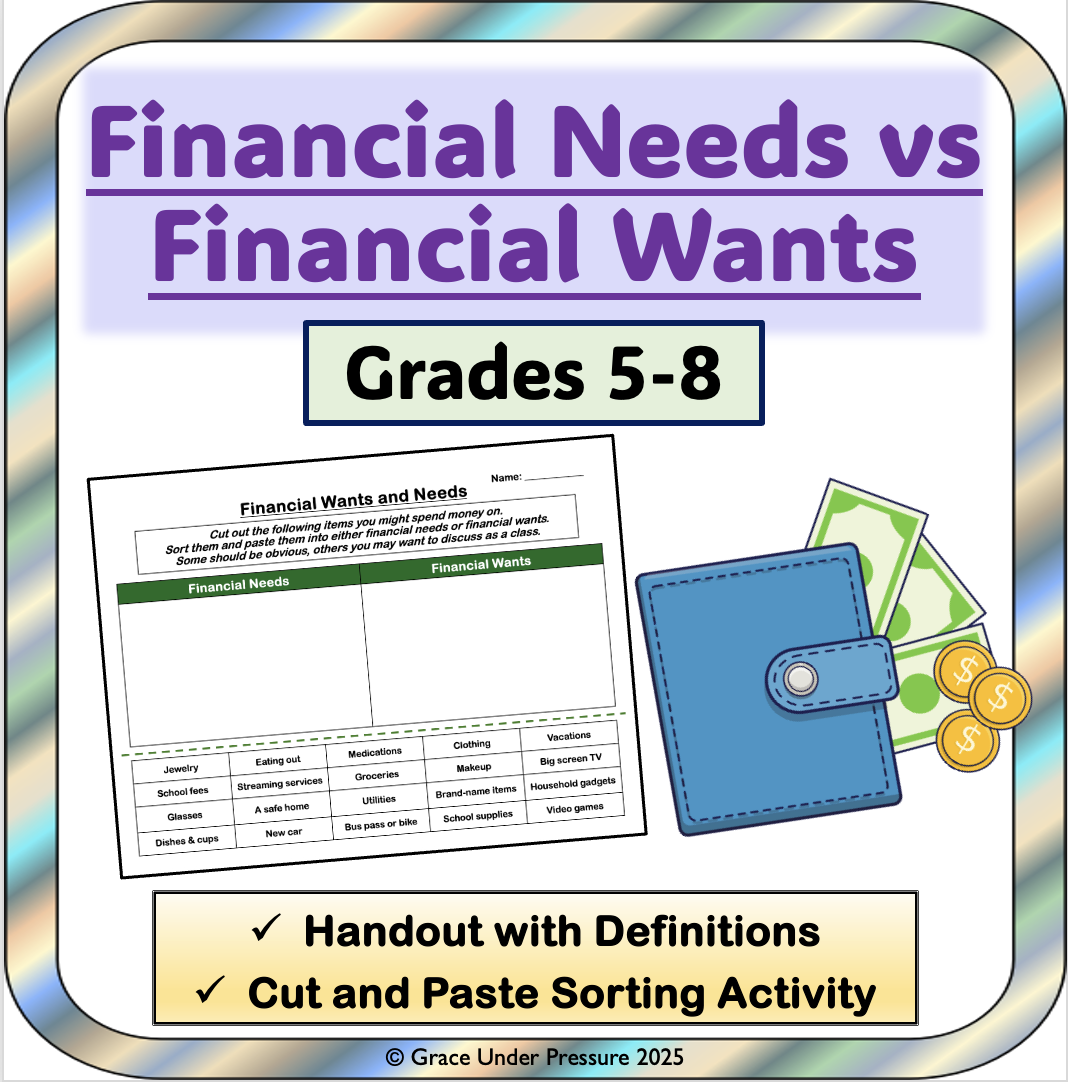
Financial Literacy: My Party Budget- Decimals and Percentages Application

Financial Literacy: My Party Budget- Decimals and Percentages Application
Life Studies, Finance, Home Economics, Math, Percentages, Decimals, Grade 5, 6, 7, 8, Worksheets & Printables, Word Problems, Activities, Projects

Financial Literacy: My Party Budget- Decimals and Percentages Application Unlock mathematics’ real-world influence with this practical math project for students in grades 5-8. This tool allows students to sharpen their intermediate math skills, particularly applying percentage calculations and decimal operations to manage a budget consciously - a vital lesson in financial literacy. This versatile resource is ideal for grades 5 to 8 classrooms as well as high school special education environments where budgeting practice complements life skills training. How to Use: Give each student a party budget. You can choose to give everyone the same budget, OR this is a great way to differentiate. Give students with emerging understanding a budget of $100 (which is easy to work with) and give students who need a challenge a budget such as $240, which will result in more complex calculations. This will also stimulate discussions about budgeting in general and the challenge of planning with less money. Students need to partition their hypothetical party budget across varied cost categories like food, decorations and entertainment by employing basic percent in decimal form and understanding addition and multiplication of decimals. For example, they might decide to spend 50% of their budget on food because that is their favourite part of a party. They will calculate 50% of their total budget. This skill application brings relevance to numbers through experiential learning. You can decide if students should complete calculations by hand or if using a calculator is allowed. Also, a complete sample answer key is included that you can show to your students to demonstrate the task. Finally, students complete shopping research and choose items online or in store flyers. This fosters strategic thinking when managing limited resources. You can have a discussion about making tradeoffs (for example, choosing frozen pizza instead of fresh to have extra money for a party activity OR inviting fewer guests to have more money for party favours per person). What's Included: A total of 8 pages in PDF Format Title Page Teacher Instructions 3 Page Student Worksheets 3 Page Sample Answer Key

Author Grace Under Pressure

Tags Financial Literacy, Decimals, Percentages, Budgeting, Math Application, Budget, Real World Math, Math Project, Applied Math, Party Project

Algebra: Memory Match Game - PC Software

Algebra: Memory Match Game - PC Software
Math, Algebra, Common Core, Kindergarten, Preschool, Grade 1, 2, Activities, Games

Algebra: Memory Match Game - PC Software Algebra: Memory Match Game - PC Software is a unique teaching resource designed to break down the complexity of algebra for young learners from preschool to grade 2. With this interactive tool, instructors are equipped with a powerful way to engage students in the exploration and understanding of fundamental algebraic concepts. The Interactive Memory Match Game The product presents an intriguing memory match game embedded with carefully selected sets of algebra questions. Hidden as puzzle pieces across the interface, the game carries four matching pairs urging learners not only to memorize but also comprehend core elements. The engaging nature of this interactive memory match game encourages hands-on learning and facilitates strong retention span among young children. Designed in accordance with globally recognized academic standards: NCTM (National Council of Teachers Math) CCSFOM (Common Core State Standards for Mathematics). This ensures exposure applicable at both national and global levels in their early education phases. Simplicity And Educational Flexibility: The Algebra: Memory Match Game - PC Software comes packed into a zip file format making it easy for teachers or homeschoolers to download, install and run on any standard personal computer setup without needing additional hardware investment. This flexible teaching resource can be deployed in various educational settings whether it's traditional classroom-based learning or home-schooling environments; individual self-paced learning or group activities encouraging teamwork amongst student peers; as classwork during sessions or given as fun homework assignments boosting at-home engagement level. Innovative Approach towards Learning: With its unique approach towards conveying intricate abstract knowledge through gameplay interaction, the Algebra: Memory Match Game - PC Software exemplifies how modern resources can turn complex math subjects like Algebra into engaging academic journeys right from preschool level up till grade 2 while aligning with widely recognized academic standards.

Author Classroom Complete Press

Tags Math Games, Algebra Game, Memory Match, Simple Patterns, Subtraction

Gasoline Reading Comprehension Passage - Cored Ed Encyclopedia

Gasoline Reading Comprehension Passage - Cored Ed Encyclopedia
ELA, Reading Comprehension, Reading, Science, Technology, Earth and Environmental Sciences, Pre-Reading, Language Development, Vocabulary, Physics, Grade 2, 3, 4, 5, Worksheets & Printables, Worksheets, Teacher Tools, Centers, Activities, Writing Prompts, Assessments, Quizzes and Tests, Quizzes, Lesson Plans

This gasoline reading comprehension with lesson plan includes: Visualization (on the front cover) Start your lesson by taking a minute to think and share something about the topic. Read the script aloud (slowly), perhaps prepare some music or sound effects. Student close their eyes and let their imaginations wander. Students open their eyes, read the question aloud and give them a few minutes to complete. Ask a few students to share or keep answers until the end to compare with what they learn in the passage. Quick pause—thousands of Cored Education products are included with your TeachSimple membership. Download links and encyclopedia index available here. Pre-Reading Trivia Students will write down one thing they already know about the subject and then read five more facts and discuss. These facts are fun, and the students will enjoy learning about the subject before reading more. Give 1 minute for students to write what they already know (no pressure—best guess is fine). Read the five facts together. After each fact, do ask a student for their opinion, was it surprising? Set a purpose by asking students to highlight/underline one fact they want to learn more about during the reading. Reading Passage The text is a high-interest reading passage with set paragraphs, roughly three to four paragraphs long. It contains a variety of themes about the topic, anywhere from history to technology. The passage is between 250 and 350 words in length. First, ask students to look at the headings and see what they’ll learn about today. What do they know about the topic/heading? First read options: Teacher read-aloud (best for support). Partner reading (paragraph by paragraph). While reading, students underline important details, and vocabulary words they think may come up in the questions section. Mixed Questions The first question page contains four multiple-choice questions, each with a choice of four answers, and three written response questions that require a sentence or two from the student. Students complete the mcqs first independently, then review quickly as a class. For the 3 written responses, try to get students giving the answer with some form of evidence: “I think ___ because the text says ___.” If students get stuck, send them back to check the passage. Vocabulary Questions Practice seven key words from the text in this section across two activities. First section is scrambled words where students will unscramble three words given a clue for each. The second section is a word to meaning matching activity. Before starting, have some students read out words they underlined in the passage. Ask students to say the word and read aloud the sentence(s) around each word. Ask students to do scrambled words and the matching exercise in pairs then go through answers as a class. For the scrambled spelling task, get four pairs to come up to the board and write the words for extra practice with the other student reading out the clue. For the matching task, prompt students to give full sentences: “I matched ___ with ___ because ___.” Creative Writing In this question, the student will be required to write a five to eight sentence paragraph on a question related to the topic. Before starting, ask students write down 3 key ideas they are going to include in their piece. Ask students for ideas to share around the class to help those struggling. Pro writing expectations: 5–8 sentences At least 2 facts or details from the passage At least 2 vocabulary words from the previous page Students read their paragraphs while classmates listen for facts and vocabulary words. Extension Activities This page is optional for fast finishers or to take home. There are several activities, each one requiring a different skill. Do some, do none, do all, completely optional - but you will feel reassured knowing every possibility is planned for. Includes summary writting question and additional facts. Answer Key There are answers for the multiple-choice questions, written response questions have sample answers, vocabulary answers and if there is a summary question then a sample summary will be provided as well. Lesson Plan Included Customized lesson plan for this lesson is included. Lesson Snapshot Title: Gasoline Genre: Nonfiction (informational text) Subject: Science Primary Topic: What gasoline is, how it works, and impacts Estimated Guided Reading Level (A–Z): Q What This Lesson Teaches Best Explains what gasoline is and why it must be handled carefully because it “can catch fire very easily.” Describes how gasoline helps a car engine work (a spark burns gasoline in a controlled way to move parts that turn the wheels). Traces a brief history of gasoline’s changing value (from “leftover” in 1859 to useful once automobiles appeared in 1892). Introduces the idea of octane ratings and how they relate to engine “knocking” and early ignition. Connects gasoline use to environmental effects (vapors can pollute; burning creates gases including carbon dioxide) and mentions cleaner travel choices. Learning Goals Students will identify what gasoline is and where it comes from (petroleum/crude oil from deep underground). Students will describe how gasoline is used inside a car engine to help make the wheels turn. Students will explain how gasoline changed from being thrown away to becoming a valuable fuel. Students will explain what “octane” measures and how it relates to engine knocking. Students will describe two ways gasoline can affect the air (vapors and burning gases). Students will name choices mentioned in the text for using less gasoline (electric vehicles, bikes, buses, walking). Key Vocabulary From the Text gasoline — fuel liquid used in many cars. petroleum — thick oil material gasoline is made from. crude — raw oil from deep underground. kerosene — lamp fuel people wanted in 1859. octane — rating showing resistance to early ignition. FULL CATALOG OF DOWNLOAD LINKS AND ENCYCLOPEDIA INDEX HERE

Author Cored Education

Rating

Tags Vocabulary, Reading Comprehension, Reading Passages, Lesson Plans, Ela Lesson Plans, Reading Comprehension Lesson Plans, Pre-reading, Science Lesson Plans, Earth Science, Physics

Where in the World am I?

Where in the World am I?
Social Studies, Geography, Kindergarten, Preschool, Grade 1, 2, Activities

Where in the World am I?: Introducing an Incredible Education Tool Where in the World am I? is an exceptional resource designed to simplify geography for learners from early learning grade up to grade two. This tool makes geographic location concepts understandable, memorable, and communicable! All About Interactive Learning! The product utilizes flip book technology to enable children to interactively identify their geographical location—ranging from their immediate environment up to their planetary position. The flip books can be assembled by stapling or gluing beneath illustrative heads with arms attached at the back—each learner having a personalized representation. User-Friendly & Multipurpose: This tool is not only easy-to-use but can seamlessly blend into diverse classroom activities. You can engage your entire class as a group activity or use during small-group sessions for personalized teaching efforts. An Exciting Group Activity : Get all students involved, promoting healthy discussion and interaction. A Focused Session: Utilize it as personalized learning aid during smaller group classes. Involving Homework Assignment: Make it a fun-filled homework assignment that encourages parental participation too! Promoting Multidimensional Development: This resource aids development across multiple dimensions including fine motor skills (Cutting & Coloring), visual-spatial abilities(Arranging Info Visually), along with core geography basics. It also invokes creativity thanks to features like face templates that students can color and personalize! Fully Flexible * : The tool remains flexible whether you prefer full colored versions or want your students to enjoy additional creative participation by coloring black & white versions. Locations Made Fun and Easy! In essence, Where in The World am I? eliminates confusion among youngsters about geographic specifics while making lessons more interactive. It doesn't just foster a better grasp of geography—it also encourages autonomous and experiential learning, significantly enhancing the students' understanding of their 'place in the world.'

Author Homegrown Hearts and Minds

Tags Geography Education, Flip Book Technology, Interactive Learning, Personalization, Fine Motor Skills

Our 5 Senses Lesson, Flashcards, & Conversation For Kindergarten & 1st

Our 5 Senses Lesson, Flashcards, & Conversation For Kindergarten & 1st
Language Development, ELA, Vocabulary, Montessori, Science, Life Sciences, Human Body, Kindergarten, Preschool, Grade 1, 2, Centers, Activities, Bulletin Boards, Classroom Decor, Posters, Anchor Charts, Teacher Tools, Worksheets & Printables, Flashcards, Worksheets

Exploring Our Five Senses Through Seasons Lesson Plans, Worksheets, Flashcards & Conversation Cards Kindergarten - Grade 2 Make learning about the five senses and the seasons fun, interactive, and meaningful with this complete early-years teaching resource. I designed it for kindergarten, 1st, and 2nd grade. This pack includes lesson plans, worksheets, flash cards, and conversation cards to support hands-on learning, discussion, and vocabulary development. I created it to help young learners explore how they experience the world through their senses while understanding the changes that happen throughout the seasons. It’s ideal for classroom use, homeschooling, and at-home reinforcement. What’s inside? Five Senses anchor charts Five Senses poem Five Senses lesson plan Related picture cards Seasons of the Year flash cards Seasons of the year lesson plan Conversation starter cards Conversation expanders Vocabulary revision and repetition activities Simon Says movement game Five Senses worksheets 2 simple at-home projects Resource features: Complete Coverage: This resource introduces all five senses and the four seasons in a clear yet age-appropriate way to young learners. Visual & Interactive: Anchor charts, flash cards, and images help make abstract ideas easy to understand. All these things make this resource engaging and interactive. Language-Rich Activities: Conversation cards and games encourage speaking, listening, and vocabulary growth. It is a good tool to support ESL/EFL/ELL students. Flexible Use: This resource is suitable for whole-group lessons, small groups, centers, homeschooling, and home practice. It is a versatile resource. How to use it? Introduce the Five Senses: Start with anchor charts and the poem, then follow the lesson plan and picture cards to explore each sense. Learn About the Seasons: Use the seasonal flash cards alongside the lesson plan to discuss weather, clothing, and changes in nature. Build Speaking Skills: Encourage students to share their experiences using the conversation starter cards, then deepen responses with conversation expanders. Get Moving: Reinforce sensory vocabulary with the Simon Says game. Hands-On Practice: Worksheets inside support learning and review. Moreover, at-home projects encourage real-world observation. This resource is perfect for Teachers: Easy to use lessons that support early science and language goals. All this makes this resource useful for teachers. For Homeschoolers it is a structured yet flexible way to teach senses and seasons at home. Parents: Fun and meaningful activities that support learning beyond the classroom will help parents a lot to engage with their kids in a game/activity format. This engaging resource introduces children to the five senses and the seasons through discussion, movement, visuals, and hands-on activities. It supports early language development and helps children build a strong foundation in understanding the natural world. Recommended for: Preschool, Montessori, Kindergarten, Grade 1, and Grade 2.

Author FlashKart

Rating

Tags Our 5 Senses, Sense Organs, Seasons, Fall, Winter, Summer, Spring, Rainy, Conversation Starters, Lesson Plan

For Song (Animated Music Video)

For Song (Animated Music Video)
ELA, Reading, Preschool, Kindergarten, Grade 1, 2, Songs, Activities

The FOR Song is an animated music video that will help students quickly recognize the sight word FOR. By watching this fun video, students can build reading speed and fluency.

Author Have Fun Teaching

Tags Counting

Criminal Profiling: Social Studies Reading Comprehension Passage (PDF)

Criminal Profiling: Social Studies Reading Comprehension Passage (PDF)
ELA, Reading, Reading Comprehension, Strategies, Resources for Teachers, Social Studies, Psychology, Grade 6, 7, 8, 9, Writing Prompts, Worksheets & Printables, Centers, Activities, Teacher Tools, Assessments, Quizzes and Tests, Quizzes, Tests

Criminal Profiling: Social Studies Reading Comprehension Passage (PDF) This resource introduces a unique Social Studies reading comprehension passage with questions about Criminal Profiling: Inside the Mind of a Criminal. The passage is carefully designed to bridge the gap between social studies and literacy through strengthening reading comprehension and sparking knowledge curiosity in middle school students. Each passage blends English Language Arts skills with accurate social studies content . Ideal for interdisciplinary learning in ELA and Social Studies. Suitable for Grade 9 review, too! Student Tasks throughout the passage: 5 multiple-choice questions targeting the following skills: main idea, key details, inference, vocabulary in context, and use of evidence 5 vocabulary matching items with clear, student-friendly definitions 5 text-based questions that require citing specific lines or facts 1 summary prompt that asks students to condense central ideas accurately Full answer key for every section Available Formats for this Resource: Fillable PDF Word Docs Google Docs FULL CATALOG OF DOWNLOADING LINKS HERE Social Studies Reading Comprehension Collection Links: 1. Ancient Civilizations PDF Fillable PDF Word Docs Google Docs 2. Early Empires and Trade Networks PDF Fillable PDF Word Docs Google Docs 3. The Founding of the United States PDF Fillable PDF Word Docs Google Docs 4. Language, Culture, and Meaning PDF Fillable PDF Word Docs Google Docs 5. Psychology and Society PDF Fillable PDF Word Docs Google Docs 6. Global Festivals and Traditions PDF Fillable PDF Word Docs Google Docs 7. Extreme Environments and People PDF Fillable PDF Word Docs Google Docs 8. Food, Culture, and Preservation PDF Fillable PDF Word Docs Google Docs 9. Global Food Customs PDF Fillable PDF Word Docs Google Docs 10. Media, Communication, and Popular Culture PDF Fillable PDF Word Docs Google Docs 11. Human Impact on the Environment PDF Fillable PDF Word Docs Google Docs 12. Civic Action and Social Change PDF Fillable PDF Word Docs Google Docs 13. Fashion, Society, and Power PDF Fillable PDF Word Docs Google Docs 14. People, Places, and Unusual Histories PDF Fillable PDF Word Docs Google Docs Product Details: Length: 5 pages Grades: 6–8, also suitable for Grade 9 review Use cases: close reading, stations, homework, intervention, test prep, and sub plans Why Teachers Choose This Passage: Authentic social studies content paired with rigorous literacy practice Consistent task structure for easier planning and smoother student routines Clear, age-appropriate writing that builds confidence without oversimplifying Use this passage to reinforce ELA skills in social studies, to add literacy to your lessons, and to support independent work. The passage strengthens main idea, evidence use, vocabulary in context, inference, cause and effect, and summary writing. With ready-to-use assessments and complete answer keys, you can provide focused practice that is simple to run and fast to review.

Author Middle & High School - CORED Education

Rating

Tags Middle School, Reading Comprehension, Reading Strategies, ELA, Centers, Reading Passage, Assessments, Vocabulary, Social Studies, Pschology

The Cat and The Hens | Animated Aesop's Fables Video

The Cat and The Hens | Animated Aesop's Fables Video
ELA, Reading, Not Grade Specific, Read Alouds, Activities

The Cat and The Hens: An Animated Aesop's Fables Video This is an engaging teaching resource perfect for educators, public school teachers, and homeschoolers. This video brings to life the classic stories from Aesop's Fables through animation. With a runtime of approximately 6 minutes, it provides a comprehensive yet digestible narrative that students will enjoy thoroughly. Versatile Teaching Resource This non-grade specific educational tool can be employed in various settings: In full classrooms to foster group discussion after viewing. In small study groups for deeper conversations and analysis of moral lessons. A handy audio-visual aid for individual student study or homework content review at home. Benefits Language Arts Education Catered primarily towards Language Arts disciplines, it promotes reading comprehension skills among all age groups due to its user-friendly design. Subtitles can be utilized during viewing for added textual context if needed. User-Friendly Qualities The product comes as an MP startylene making it easily accessible on various platforms such as computers, tablets or smart boards used in modern learning environments. Its compact size allows easy sharing between devices ensuring quick distribution among students regardless of their location – classroom or home-study area. Versatile Learning Tool: Conclusion The Cat and The Hens: Animated Aesop’s Fables video indeed offers flexible usage possibilities tailored to aiding your approach when helping students explore classical literature via modern technology. Remember that this remarkable resource seeks not only to entertain but also aims to instill timeless wisdom from age-old stories subtly written into beautifully animated scenes enticing young minds towards deeper levels of critical thinking skills nurtured via literary exploration. Add this handy tool into your educator’s arsenal today - one where traditional tales meet modern means - reinforcing core academic values with seemingly limitless accessibility while keeping your learners engaged every step along their educational journey!

Author Educational Voice

Tags Animated, Aesop's Fables, Educational Resource, Reading Comprehension, Critical Thinking

Adding 3 Numbers Up to 20: A Multilevel Approach

Adding 3 Numbers Up to 20: A Multilevel Approach
Math, Addition and Subtraction, Grade 1, Worksheets & Printables, Presentations, Teacher Tools, Centers, Activities

This comprehensive set of resources offers a structured method for teaching addition of three numbers up to 20, containing (almost unlimited) worksheets and digital material suitable for the PC or Mac or Interactive Whiteboard use. Core Components - 9 core lessons with worksheets and teaching resources - 2 challenge lessons (worksheets only) - Interactive teaching resources for whiteboard use Lesson Structure 1. Support through counting: Introduces basic addition using visual aids to help students understand the concept of combining numbers. 2. Two-stage addition strategy: Teaches students to add the first two numbers before incorporating the third, breaking down the process into manageable steps. 3. Finding pairs that sum to 10: Focuses on identifying number pairs that add up to 10, a very useful skill for mental math and future addition strategies. 4. Practice with chosen strategy: Allows students to apply their preferred method from the previous lessons, reinforcing their understanding and building confidence. 5. Introducing simple word problems using numerical digits within the sentences. 6. Full word problems with numbers in words. 7. Missing number exercises (numbers only): Challenges students to find an unknown addend in equations. 8. Missing number word problems using numerical digits within the sentences. 9. Missing number full word problems. Challenge Lessons 10. Adding 3 numbers up to 50: Extends the addition concept to larger numbers, pushing students beyond the initial 20-number limit. 11. Finding missing numbers up to 50: Combines larger numbers with missing addend problems, offering an advanced challenge for proficient students. Worksheets per Lesson Set: The worksheets are virtually limitless. With a click of a button, numbers are randomized, which means that each worksheet is different. These worksheets are ideal not just for class time practice but also for math centers, end-of-lesson activities, or as resources for substitute teachers, homework assignments, requiring minimal instructions. Answers are generated automatically with each new worksheet. Interactive Teaching Pages The Teaching Pages, designed for use with Interactive Whiteboards, help to introduce the content of the worksheets for the whole class.. Compatibility Note It is essential to note that these resources can be downloaded as PDF documents. They operate with the official Adobe Acrobat Reader on both Windows and Mac.

Author Jeff's Notebooks

Tags Math

Short I: Letters Phonics Games and Activities - Find the Ball

Short I: Letters Phonics Games and Activities - Find the Ball
ELA, Language Development, ESL, Resources for Teachers, Vocabulary, Phonics, Pre-Reading, Spelling, Kindergarten, Preschool, Grade 1, Teacher Tools, Games, Activities

Short I: Find the Ball Note: This download is in PowerPoint show mode to protect the rights of the image creator(s), and is thus UNEDITABLE. Playing the Game The game is easy to use. After the front screen the first game screen will appear. Press the tent in the bottom-left to show the students where the ball is. Once you are ready, press the tent again and the cups will start to move. Students say the word for where they think the ball is at now. Press the arrow button to move onto the next game. 3 stages - 3 cups, 4 cups, 5 cups About the Game In this entertaining and interactive game, you will have the opportunity to practice reading regularly used core short I words while having fun at the same time. With 16 words in total, most of them used at least four times throughout, it is a good opportunity for all students to participate. 16 slides Words: bid, hid, kid, big, dig, pig, fin, pin, win, dip, hip, lip, bit, sit, mix, six. Features some sound effects for entertainment purposes. Helps to Build Letter recognition – Identifying letters in different fonts or contexts. Letter-sound association – Connecting letters to its sounds. Vocabulary building – Introducing words that start with each letter. Phonemic awareness – Listening for letter sounds in words, rhyming, or segmenting sounds. FULL CATALOG OF DOWNLOAD LINKS HERE Letter PPT Game Links: Letter A Hidden Pictures 1 MemWord Hidden Pictures 2 Hidden Pictures 3 The Short Question Riddle Time Review Games Follow the Vocab Letter B Letter C Letter D Letter E Hidden Pictures 1 The Grand Circle 8 Pictures 1 Clue Behind the Garage Doors Outside the Submarine Two Review Games Say What You See Quiz Game Letter F Letter G Letter H Letter I Hidden Pictures 1 MemWord Three Review Games Three Quiz Show Style Games Find the Ball Bowling Four Mini Games Outside the Train Window Letter J Letter K Letter L Letter M Letter N Letter O Hidden Pictures 1 MemWord Yes or No Game Six Pictures Game Hidden Pictures 2 6 Stars One Question MCQS Game The Grid Letter P Letter Q Letter R Letter S Letter T Letter U Letter V Letter W Letter X Letter Y Letter Z Overview These interactive PowerPoint games make early phonics practice fun and engaging for young learners. With a mix of exciting activities, kids stay motivated while strengthening key phonetic patterns. Each game offers plenty of opportunities for participation—whether playing in teams, one-on-one, or independently. The variety of game styles, from disappearing squares to timed challenges, ensures that every student can learn in a way that works best for them. Bright visuals, sound effects, and gradually increasing difficulty keep students engaged and support different skill levels. Teachers have full control over the pacing and difficulty, making it easy to adjust the experience based on their students' needs. Whether guessing hidden images, recalling sequences, or solving riddles, each activity reinforces phonics in a fun, interactive way. These games turn traditional phonics drills into an exciting, hands-on learning adventure, building confidence and essential literacy skills in young learners. For More Like This For similar downloads and other frees, do check out Cored Group on TeachSimple.

Author Cored Education

Tags Esl, Powerpoint, Ppt, Powerpoint Games, Esl Games, Vocabulary Games, Phonics Games, Letter I Games, Letter I Activities, Cvc Games

Guided Reading Level H - What Happens to Recyclables
Free Download

Guided Reading Level H - What Happens to Recyclables
ELA, Resources for Teachers, Reading Comprehension, Reading, Science, Pre-Reading, Language Development, Earth and Environmental Sciences, Engineering, Technology, Kindergarten, Grade 1, 2, Worksheets & Printables, Worksheets, Teacher Tools, Centers, Activities, Literacy Readers, Quizzes, Quizzes and Tests, Assessments

This Guided Reading Book - What Happens to Recyclables (Level H) includes: Guided Reading Color Label (front cover x1) This is a quick way to match the book’s demands to what students can generally handle.. The overall goal is to use the level/color to pick books for several smaller groups. To qualify for a certain level, a student is expected to read a book from that level with about 90–94% accuracy. If a student is consistently accurate and understands, move up a level. If the student is struggling at that level, drop down and add more support. Each student will improve at completely different rates, but it is generally one of the best ways to check progress across the class. DOWNLOAD THE CATALOG TO VIEW ALL GUIDED READING BOOKS AVAILABLE (SORTED LEVELS A-Z) Pre-Reading Question (x1) Teacher asks the prompt aloud, can be while showing the cover or first page. Students share what they already know, or make educated guesses from the cover. Prompt them to use the target vocabulary. Write some of their responses on the board to look back at during the reading. Vocabulary Words (x5) Introduce the five words, best doing it one at a time. Start by saying it, while students repeat and then see if anyone knows what it means before reading further. Read through the meaning and try to briefly connect each word to a picture or gesture so it’s meaningful. Ask students to flip through the book pages and point to where they see each of the vocabulary words. While reading the book pause upon coming across one of the vocab words or read the sentence twice to make sure students understand the word has appeared. Optional: Ask students to raise hands whenever they see/hear one of the new words. Guided Reading Pages (x10) Check the book snapshot (below) for: primary topic - do you need to prep extra reading or intro materials on this? what is taught best - decide on 1-2 bullets to focus on, use the prompt or words provided here for best results. learning goals - what you are checking for students to be able to do after the session, elicit answers using prompts or words provided. key vocabulary (see section above). questions overview - so you know what is coming up and if you need to prep extra materials to assist understanding. Run the lesson You may have already looked at a few of the pages together, but you can show them some of the pictures again first to set meaning. Depending on how much time you have and how familiar your students are with guided reading class, you may want to read the book aloud first with the group first. Students whisper or partner read, while you listen in. If time, do it as a group, one student reading a page each. Use the guided page’s prompts to coach: “Check the picture / does it make sense?” “Point under the words / try the first sound” “Reread the sentence smoothly”. Try to focus more on one student per session (rotating every time), so you can work out if they are ready to move up or need to move down a level. Comprehension Questions (back cover x3) This is your way to check that students didn’t just say the words, but actually understood the text. First, let students answer by pointing to the page/picture and saying a short sentence. After any answer, follow with: “Show me where you found that in the text.” In bigger groups, have partners answer first (10–20 seconds), then call on 2–3 students to share. Differentiation tips: Emerging speakers/struggling readers: oral + pointing On-level: oral in a full sentence Higher: one written sentence or draw + label Book Snapshot Title: What Happens to Recyclables Genre: Nonfiction (informational) Subject: Science (Environmental Science) Primary Topic: How recyclables are collected, sorted, and reused Estimated Guided Reading Level (A–Z): H What This Book Teaches Best How recycling begins at home: people put materials in blue bins for a special truck. What happens at a Material Recovery Facility (MRF), including the “tipping floor” and conveyor belts. How workers and machines separate materials (sorting workers, a magnetic separator, optical sorters using infrared light, and star screens). What happens after sorting: materials are crushed into bales, moved by forklifts, taken to factories, and made into new products. Learning Goals Describe how recyclables get from blue bins to a truck and are hauled away. Explain what the book says happens when a truck arrives at a Material Recovery Facility (MRF). Identify what sorting workers remove from the conveyor belts and give examples from the text. Explain how a magnetic separator changes what stays on the line and what gets pulled away. Describe how optical sorters use infrared light and air to separate plastic bottles. Describe what happens to sorted materials after they are made into bales and sent to factories. Key Vocabulary From the Text sanitation — keeping places clean by picking up trash and recyclables. facility — a place or building where work happens. conveyor — a moving belt that carries things from one place to another. separator — something that pulls different materials apart. infrared — a kind of light machines can use to tell things apart. Printing Tips 1. Best Printing Method (Recommended) “Booklet” Printing (Best if Available) If your printer or PDF viewer supports Booklet Printing , use this. Settings to use: Print mode: Booklet Paper size: Letter or A4 (either works) Orientation: Landscape Print on both sides: Yes Flip on: Short edge Scaling: Fit to printable area Booklet subset: First test: Front sides only Then: Back sides only This will automatically: Pair pages correctly Put the cover on the outside Align everything for folding After printing, fold in half and staple along the spine . 2. If “Booklet” Printing Is NOT Available You can still print this correctly with manual duplex printing . Step-by-step: Open the PDF. Choose Print . Set: Orientation: Landscape Pages per sheet: 1 Print on both sides: Yes Flip on: Short edge Print all pages . Because each PDF page already contains two facing book pages, the result will still fold cleanly into a book. Thousands of Cored Education products are included with your TeachSimple membership. Download links and encyclopedia index available here.

Author Cored Education

Rating

Tags Vocabulary, Reading Comprehension, Reading Passages, Leveled Reading, Nonfiction, Reading, Guided Reading, Technology, Engineering, Recycling

The Arid World - Deserts: Guided Reading Level P with Lesson Plan

The Arid World - Deserts: Guided Reading Level P with Lesson Plan
ELA, Resources for Teachers, Reading Comprehension, Reading, Science, Language Development, Social Studies, Life Sciences, Geography, Earth and Environmental Sciences, Grade 2, 3, 4, Worksheets & Printables, Worksheets, Teacher Tools, Centers, Activities, Literacy Readers, Quizzes, Quizzes and Tests, Assessments, Lesson Plans

This The Arid World - Deserts (level p) guided reading book with lesson plan includes: Guided Reading Color Label (front cover x1) This is a quick way to match the book’s demands to what students can generally handle.. The overall goal is to use the level/color to pick books for several smaller groups. To qualify for a certain level, a student is expected to read a book from that level with about 90–94% accuracy. If a student is consistently accurate and understands, move up a level. If the student is struggling at that level, drop down and add more support. Each student will improve at completely different rates, but it is generally one of the best ways to check progress across the class. DOWNLOAD THE CATALOG TO VIEW ALL GUIDED READING BOOKS AVAILABLE (SORTED LEVELS A-Z) Pre-Reading Question (x1) Teacher asks the prompt aloud, can be while showing the cover or first page. Students share what they already know, or make educated guesses from the cover. Prompt them to use the target vocabulary. Write some of their responses on the board to look back at during the reading. Vocabulary Words (x5) Introduce the five words, best doing it one at a time. Start by saying it, while students repeat and then see if anyone knows what it means before reading further. Read through the meaning and try to briefly connect each word to a picture or gesture so it’s meaningful. Ask students to flip through the book pages and point to where they see each of the vocabulary words. While reading the book pause upon coming across one of the vocab words or read the sentence twice to make sure students understand the word has appeared. Optional: Ask students to raise hands whenever they see/hear one of the new words. Guided Reading Pages (x10) Check the book snapshot (below) for: primary topic - do you need to prep extra reading or intro materials on this? what is taught best - decide on 1-2 bullets to focus on, use the prompt or words provided here for best results. learning goals - what you are checking for students to be able to do after the session, elicit answers using prompts or words provided. key vocabulary (see section above). questions overview - so you know what is coming up and if you need to prep extra materials to assist understanding. Run the lesson You may have already looked at a few of the pages together, but you can show them some of the pictures again first to set meaning. Depending on how much time you have and how familiar your students are with guided reading class, you may want to read the book aloud first with the group first. Students whisper or partner read, while you listen in. If time, do it as a group, one student reading a page each. Use the guided page’s prompts to coach: “Check the picture / does it make sense?” “Point under the words / try the first sound” “Reread the sentence smoothly”. Try to focus more on one student per session (rotating every time), so you can work out if they are ready to move up or need to move down a level. Comprehension Questions (back cover x3) This is your way to check that students didn’t just say the words, but actually understood the text. First, let students answer by pointing to the page/picture and saying a short sentence. After any answer, follow with: “Show me where you found that in the text.” In bigger groups, have partners answer first (10–20 seconds), then call on 2–3 students to share. Differentiation tips: Emerging speakers/struggling readers: oral + pointing On-level: oral in a full sentence Higher: one written sentence or draw + label Book Snapshot Title: The Arid World: Deserts Genre: Nonfiction (informational) Subject: Earth Science Primary Topic: Desert climate, landforms, and survival adaptations Estimated Guided Reading Level (A–Z): P What This Book Teaches Best Defines deserts by very low precipitation and explains how scarce water shapes the environment. Explains extreme temperature changes in hot deserts from day to night and why they happen. Compares hot deserts and cold deserts , including why icy places can still be deserts. Shows how living things adapt to desert conditions , with examples from plants and animals (cactus, fennec fox, camel, sidewinder snake). Describes how wind shapes desert landforms , including how dunes form and move. Learning Goals Students can define a desert using the book’s description of precipitation and water scarcity. Students can explain why temperatures in a hot desert can drop quickly after sunset, based on the text. Students can describe how a cold desert can exist and name the example given in the book. Students can identify at least three desert adaptations and match them to the plant or animal described. Students can describe how wind forms dunes and what the text says dunes do over time. Students can explain what an oasis is and why it supports life in a desert. Key Vocabulary From the Text precipitation — water that falls from the sky, like rain. evaporation — when water turns to vapor and leaves. nocturnal — active at night and resting in daytime. oasis — a fertile desert area with freshwater reaching the surface. dunes — hills of sand formed when wind drops sand. Discussion Prompts Pre-reading question: What challenges do you think plants and animals face in a very dry place? Comprehension questions: How much rain do deserts usually get in a single year, according to the text? Comprehension questions: What does the book say helps the Saguaro cactus conserve water? Comprehension questions: What is an oasis, and where does its freshwater usually come from? Printing Tips 1. Best Printing Method (Recommended) “Booklet” Printing (Best if Available) If your printer or PDF viewer supports Booklet Printing , use this. Settings to use: Print mode: Booklet Paper size: Letter or A4 (either works) Orientation: Landscape Print on both sides: Yes Flip on: Short edge Scaling: Fit to printable area Booklet subset: First test: Front sides only Then: Back sides only This will automatically: Pair pages correctly Put the cover on the outside Align everything for folding After printing, fold in half and staple along the spine . 2. If “Booklet” Printing Is NOT Available You can still print this correctly with manual duplex printing . Step-by-step: Open the PDF. Choose Print . Set: Orientation: Landscape Pages per sheet: 1 Print on both sides: Yes Flip on: Short edge Print all pages . Because each PDF page already contains two facing book pages, the result will still fold cleanly into a book. Thousands of Cored Education products are included with your TeachSimple membership. Download links and encyclopedia index available here.

Author Cored Education

Rating

Tags Reading Comprehension, Reading Passages, Reading, Guided Reading, Guided Reading Lesson Plan, Guided Reading Activity, Pre-reading, Science Lesson Plans, Social Studies Lesson Plans, Earth Science

Ants Reading Comprehension Passage - Cored Ed Encyclopedia

Ants Reading Comprehension Passage - Cored Ed Encyclopedia
ELA, Language Development, Resources for Teachers, Reading Comprehension, Reading, Pre-Reading, Strategies, Insects, Life Sciences, Science, Grade 2, 3, 4, 5, Worksheets & Printables, Worksheets, Teacher Tools, Centers, Activities, Writing Prompts, Assessments, Tests, Quizzes and Tests, Quizzes

This ants reading comprehension contains the following: Pre-Reading Trivia Students will write down one thing they already know about the subject and then read five more facts and discuss. These facts are fun, and the students will enjoy learning about the subject before reading more. COMPANION VIDEO NOW AVAILABLE (EMBEDDED AFTER PREVIEW PICTURES IN PRODUCT DESCRIPTION) Reading Passage The text is a high-interest reading passage with set paragraphs, roughly three to four paragraphs long. It contains a variety of themes about the topic, anywhere from history to technology. The passage is between 250 and 350 words in length. Mixed Questions The first question page contains four multiple-choice questions, each with a choice of four answers, and three written response questions that require a sentence or two from the student. Creative Writing In this question, the student will be required to write a five to eight sentence paragraph on a question related to the topic. Extension Activities This page is optional for fast finishers. If there are five to ten minutes left at the end of the lesson, the student can choose one of three activities, each one requiring a different skill. Answer Key There are answers for the multiple-choice questions and three written response questions have sample answers. FULL CATALOG OF DOWNLOAD LINKS AND ENCYCLOPEDIA INDEX HERE Cored Ed Encyclopedia Overview The Cored Ed Encyclopedia is a weekly series of lessons that you can pick up and use right away. These short readings fit into whatever time you have available. Each one includes a warm-up, a reading, and a set of questions, but it’s flexible — you can do just the reading, the full lesson, or skip the writing section if you need to. Each lesson focuses on a single topic so students don’t get lost. The writing is clear but never childish, making it perfect for grades two through five. Topics range from animals and science to history, inventions, and everyday things. No matter the level of the student, everyone should take away at least one new idea or fact from each lesson. The materials are easy to print, easy to explain, and require no setup. They work well for whole-class teaching, partner work, or independent study.

Author Cored Education

Rating

Tags Vocabulary, Spelling, Reading Comprehension, Reading Passages, Cored Encyclopedia, Facts, Reading, Life Science, Insects, Ants