resources by type
resources by grade
resources by subject
other resources

3,931 products added recently

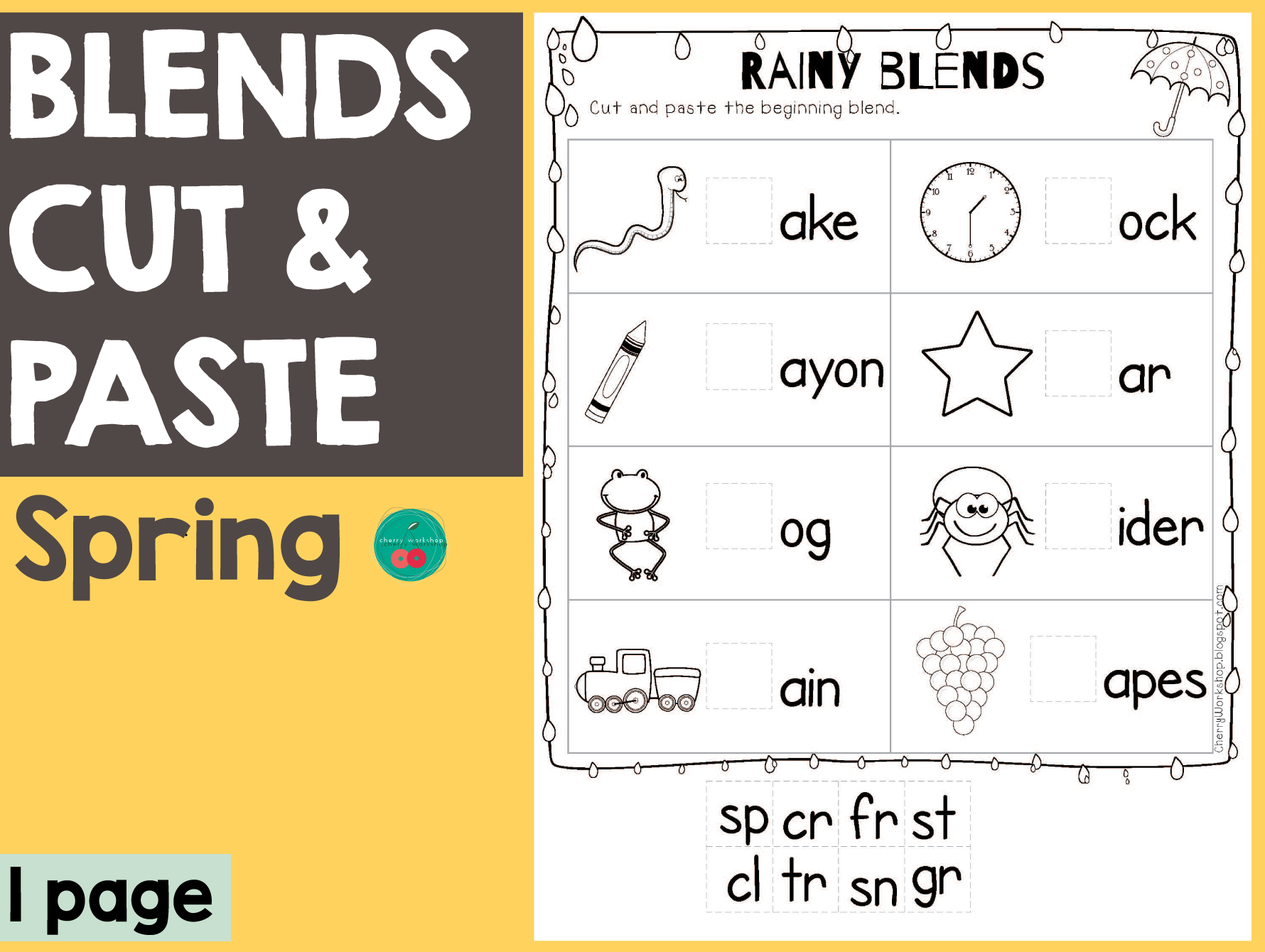
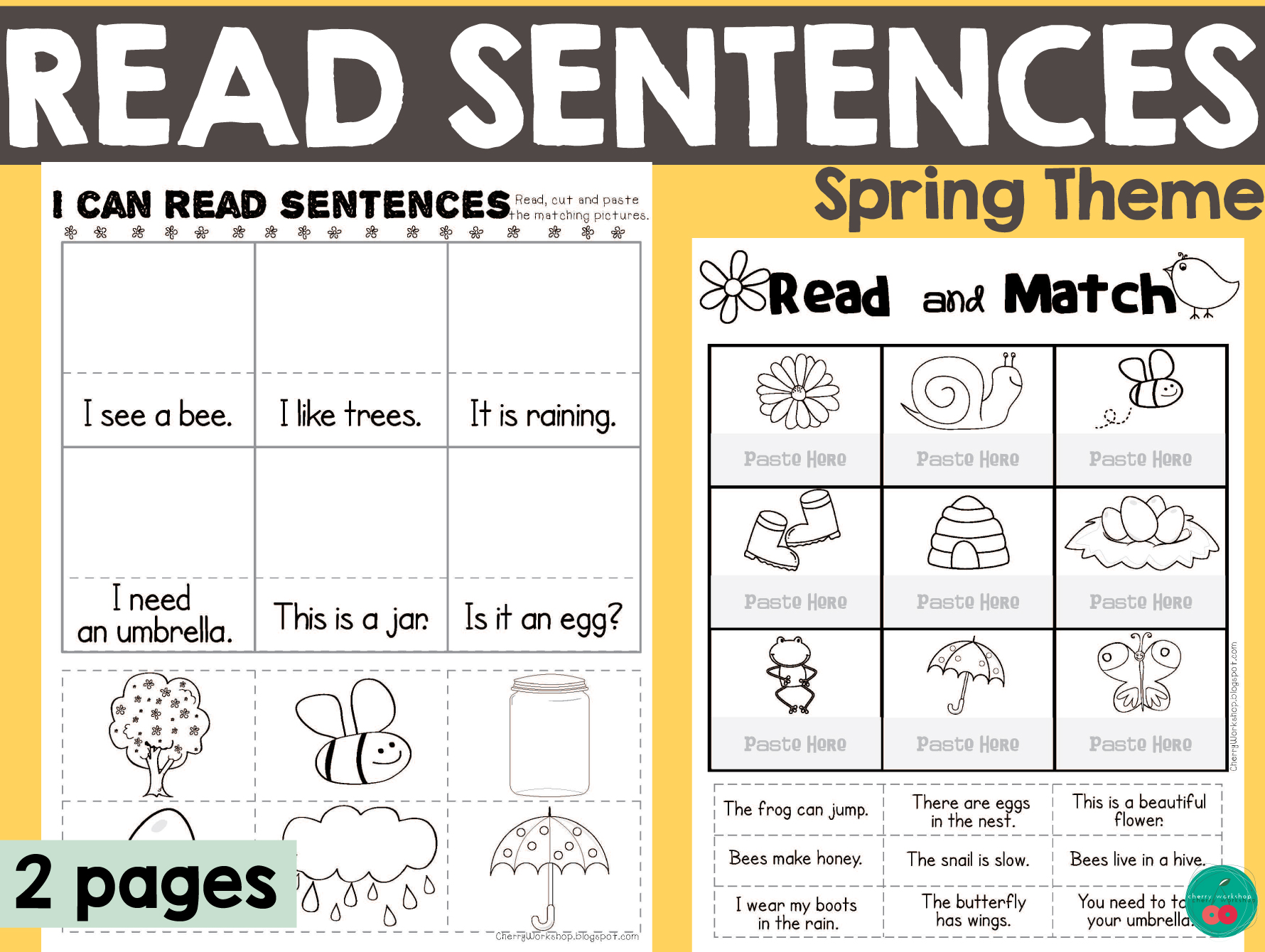
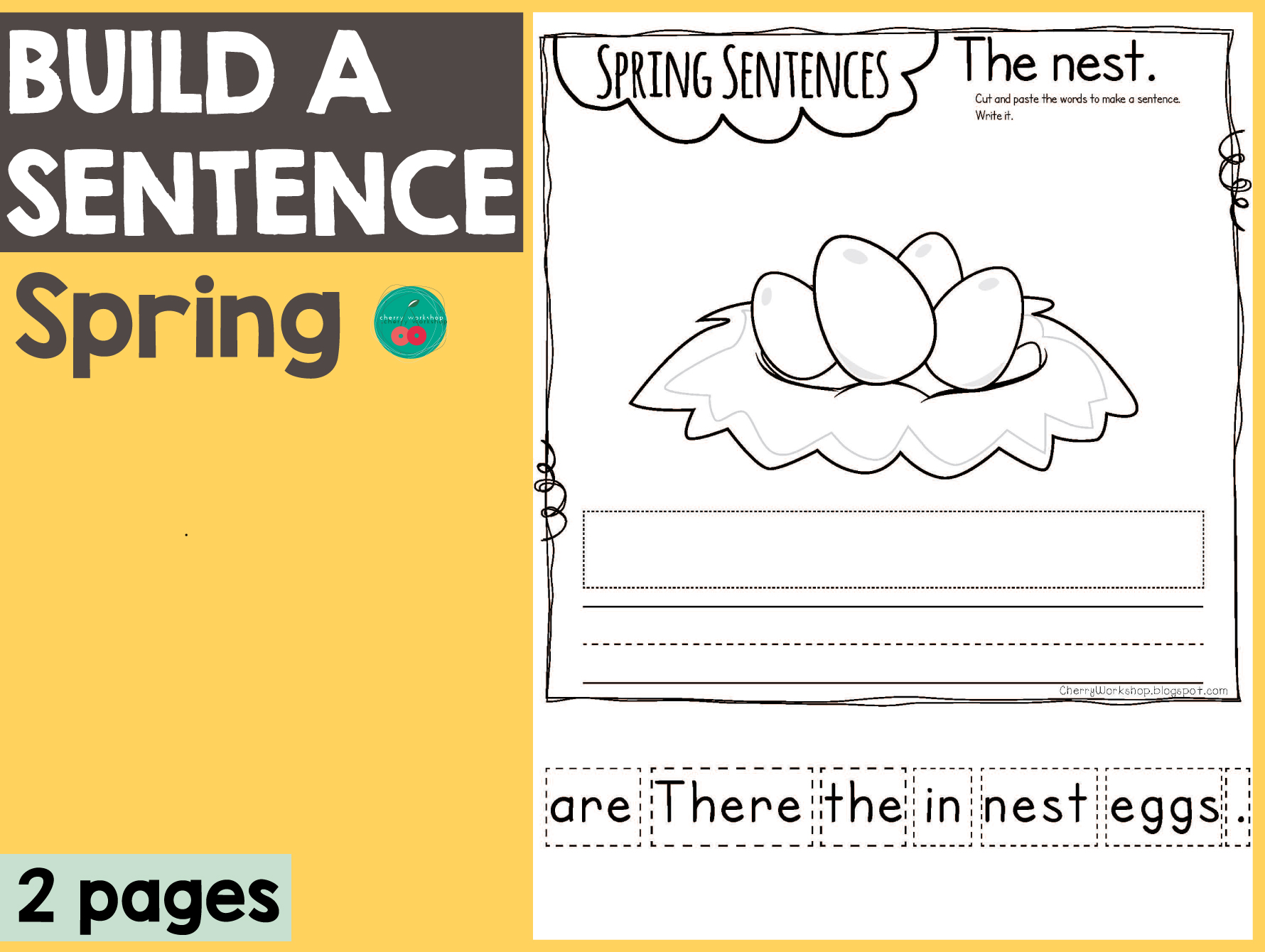
Page 15 - Cut and Paste Activities

Enhance learning through tactile experiences with cut and paste activities that combine creativity and skill development. This collection includes sorting exercises, craft projects, and interactive worksheets. By integrating these activities into your lessons, you can support manual dexterity and engagement.

Relevant
alt down
Any Time
alt down
filter by
alt down
All File Types
alt down
filter nav Show filters
Sort by: Relevant
CLEAR
resources by type
Activities
up arrow
Centers
Crafts
Escape Room
Experiments
down arrow
Games
Projects
Read Alouds
Songs
Classroom Decor
down arrow
Teacher Tools
down arrow
Worksheets & Printables
down arrow
resources by grade
Early Learning
down arrow
Pre-K
down arrow
Elementary
down arrow
Middle School
down arrow
High School
down arrow
Adult Education
Not Grade Specific
resources by subject
Creative Arts
down arrow
ELA
down arrow
Holiday & Seasonal
down arrow
Life Studies
down arrow
Math
down arrow
P.E. & Health
down arrow
Social Studies
down arrow
Special Resources
down arrow
Science
down arrow
Foreign Languages
down arrow
Resources for Teachers
down arrow
other resources
Common Core
Homeschool Resources
down arrow
Montessori
Research
STEM
Science Reading Comprehension Passage: Fingerprints (Fillable PDF)

Science Reading Comprehension Passage: Fingerprints (Fillable PDF)
Science, ELA, Reading, Reading Comprehension, Strategies, Resources for Teachers, Grade 6, 7, 8, 9, Writing Prompts, Worksheets & Printables, Centers, Activities, Teacher Tools, Assessments, Quizzes and Tests, Quizzes, Tests

Science Reading Comprehension Passage and Questions: Fingerprints (Fillable PDF) This very engaging science reading passage is about fingerprints and how they are used to solve crimes . It explains that fingerprints are unique, permanent patterns formed by friction ridges on the skin. It describes how investigators find and develop latent prints left behind by sweat and natural skin oils, compare ridge details, and use modern tools such as AFIS and live-scan devices to search and record fingerprints. The passage also explains why fingerprint evidence can be strong when it is collected, documented, and compared carefully. This passage is designed to bridge the gap between science and literacy through strengthening reading comprehension and sparking scientific curiosity in middle school students. The passage blends English Language Arts skills with accurate science content that supports NGSS classroom practice. Ideal for interdisciplinary learning in ELA and Science. Suitable for Grade 9 review, too! These worksheets are designed as fillable PDFs , which means students can type their answers directly into the document on any computer or tablet . Each page includes highlighted text fields that show them exactly where to type! Student Tasks for The Passage: 5 multiple-choice questions targeting main idea, key details, inference, vocabulary in context, and use of evidence 5 vocabulary matching items with clear, student-friendly definitions 5 text-based questions that require citing specific lines or facts 1 summary prompt that asks students to condense central ideas accurately Full answer key for every section Available Formats for this Resource PDF Word Docs Google Docs FULL CATALOG OF DOWNLOADING LINKS HERE Product Details Length: 4 pages total Grades: 6–8, also suitable for Grade 9 review Use cases: close reading, stations, homework, intervention, test prep, and sub plans Standards support: reinforces informational-text skills and supports NGSS-style sense making through observation, modeling, and clear use of claim, evidence, and reasoning Why Teachers Choose This Set Authentic science content paired with rigorous literacy practice Consistent task structure across all passages for easier planning and smoother student routines Clear, age-appropriate writing that builds confidence without oversimplifying Other Science Reading Collections you May find in the store: 1. Astronomy & Space Science 2. Volcanoes, Rocks, & Mountains 3. Rock Cycle, Soil, & Sinkholes 4. Mars, Glaciers, & Antarctica 5. Water Cycle, Acid Rain, & Wastewater 6. Insects, Animals, & Ecosystems 7. Bioluminescence & Insects 8. Animal Skin, Cats, & T. Rex 9. Human Body and Senses 10. Health & Applied Bioscience 11. Waves, Light, & Imaging 12. Electricity & Energy 13. Motion & Materials 14. Chemistry and Materials Science Use this set to reinforce ELA skills in science, to add literacy to your lessons, and to support independent work. The passages strengthen main idea, evidence use, vocabulary in context, inference, cause and effect, and summary writing. With ready-to-use assessments and complete answer keys, you can provide focused practice that is simple to run and fast to review.

Author Middle & High School - CORED Education

Rating

Tags Middle School, Reading Comprehension, Reading Strategies, ELA, Centers, Reading Passage, Assessments, Vocabulary, Technology

Science Reading Comprehension Passage: Seeing Color (PDF)

Science Reading Comprehension Passage: Seeing Color (PDF)
Science, ELA, Reading, Reading Comprehension, Strategies, Resources for Teachers, Physics, Grade 6, 7, 8, 9, Writing Prompts, Worksheets & Printables, Centers, Activities, Teacher Tools, Assessments, Quizzes and Tests, Quizzes, Tests

Science Reading Comprehension Passage and Questions: Seeing Color (PDF) This very engaging science reading passage is about how people see color . It explains that color depends on the interaction among light, objects, and the human visual system . It covers how white light contains many wavelengths, how objects reflect some wavelengths and absorb others, how a prism uses refraction to separate white light into the visible spectrum, and how cone cells in the eye and the brain help create the experience of color. The visuals on page 1 also support this by showing a classroom changing with light, an apple reflecting/absorbing light, and a prism separating white light into colors. This passage is designed to bridge the gap between science and literacy through strengthening reading comprehension and sparking scientific curiosity in middle school students. The passage blends English Language Arts skills with accurate science content that supports NGSS classroom practice. Ideal for interdisciplinary learning in ELA and Science. Suitable for Grade 9 review, too! Student Tasks for The Passage: 5 multiple-choice questions targeting main idea, key details, inference, vocabulary in context, and use of evidence 5 vocabulary matching items with clear, student-friendly definitions 5 text-based questions that require citing specific lines or facts 1 summary prompt that asks students to condense central ideas accurately Full answer key for every section Available Formats for this Resource Fillable PDF Word Docs Google Docs FULL CATALOG OF DOWNLOADING LINKS HERE Product Details Length: 4 pages total Grades: 6–8, also suitable for Grade 9 review Use cases: close reading, stations, homework, intervention, test prep, and sub plans Standards support: reinforces informational-text skills and supports NGSS-style sense making through observation, modeling, and clear use of claim, evidence, and reasoning Why Teachers Choose This Set Authentic science content paired with rigorous literacy practice Consistent task structure across all passages for easier planning and smoother student routines Clear, age-appropriate writing that builds confidence without oversimplifying Other Science Reading Collections you May find in the store: 1. Astronomy & Space Science 2. Volcanoes, Rocks, & Mountains 3. Rock Cycle, Soil, & Sinkholes 4. Mars, Glaciers, & Antarctica 5. Water Cycle, Acid Rain, & Wastewater 6. Insects, Animals, & Ecosystems 7. Bioluminescence & Insects 8. Animal Skin, Cats, & T. Rex 9. Human Body and Senses 10. Health & Applied Bioscience 11. Waves, Light, & Imaging 12. Electricity & Energy 13. Motion & Materials 14. Chemistry and Materials Science Use this set to reinforce ELA skills in science, to add literacy to your lessons, and to support independent work. The passages strengthen main idea, evidence use, vocabulary in context, inference, cause and effect, and summary writing. With ready-to-use assessments and complete answer keys, you can provide focused practice that is simple to run and fast to review.

Author Middle & High School - CORED Education

Rating

Tags Middle School, Reading Comprehension, Reading Strategies, ELA, Centers, Reading Passage, Assessments, Vocabulary, Physics, Light Waves And Optics

Letter Z Phonics and Writing Centers with Real Photographs

Letter Z Phonics and Writing Centers with Real Photographs
ELA, Language Development, Phonics, Writing, Handwriting, Kindergarten, Preschool, Centers, Activities

This letter Z beginning sounds and handwriting activity includes real photographs to practice learning to recognize, write and identify the sound of the letter Z. Each picture has bold colors and includes easily recognized pictures. Each activity can be used in a literacy center for students to practice letter recognition. What is Included: There is an instructional page with printing instructions. There are letter Z posters with various letter Z words. There are handwriting task cards that allow students to practice writing the letter Z as well as words that begin with the letter Z. There are beginning sound clip cards that allow students to practice clipping the images that begin with the letter Z. There is a sorting activity where you sort pictures that begins with Z from words that do not begin with Z. The letter Z sorting cards that can also be used to play memory, matching, or concentration games. These cards can also be used during a lesson in a pocket chart as well as for a center display. When to Use: All of the activities make great literacy centers, by placing each set of activities in the center and letting students complete activities alone or with a partner. These activities make great morning tub activities. Just place these activities in morning bins for students to complete as their classmates arrive to class. Skills Assessed: These activities assess letter recognition skills, beginning sounds, handwriting, and sorting skills. Each activity in this set is low prep. Each activity just needs to be printed out, cut apart, and laminated if desired. When you laminate the writing cards, you can create a writing center activity that is reusable is you add dry erase markers. The handwriting cards and beginning sound clip cards can be turned into task box activities.

Author The Connett Connection

Tags Phonics, Writing Centers, Real Photographs, Early Literacy, Letter Z

Writing Activities for Park Lane School Presents The Wizard of Oz (6-10 years)

Writing Activities for Park Lane School Presents The Wizard of Oz (6-10 years)
ELA, Writing, Creative Writing, Grade 1, 2, 3, 4, Activities

Product Title: Writing Activities for Park Lane School Presents The Wizard of Oz (6-10 years) A comprehensive, digital resource designed to develop creative writing skills in children aged between 6-10 years old. Using the engaging narrative of Park Lane School's presentation of The Wonderful Wizard of Oz, this interactive toolkit provides opportunities for reflection, self-expression and deeper understanding. About the Story: The story centers around Sam, a student who longs to shine on stage. However, due to his audition jitters, he ends up working behind the scenes. As we explore different emotions such as enthusiasm, disappointment and nervousness students connect with these feelings creating opportunity for personal reflection. Versatile Classroom Application: Crafted by an elementary school teacher. The resource can be implemented as part of group activities enabling student interaction through discussions and feedback. It could also serve as takeaway assignment encouraging individual introspection at home. Park Lane School Presents...The Wonderful Wizard Of Oz: Writing Activity Resource Content: This package contains a total of 45 pages flooded with thought provoking questions and stimulating write-up tasks rooted in our very storyline. Children are supported not only expressing their own experiences but imagining what others might think or feel connecting on an emotional aspect which indirectly stimulates emotional cognizance alongside bettering their arts faculty. This is a shareable digital tool compatible across platforms like Google Classroom that proffers flexibility making it value-addition whether you are: a public school teacher seeking high-quality materials a homeschooler looking for viable creative writing exercises or drills. Inclusive Features: Also inclusive of coloring pictures that add an adventurous element, enriching the creative exploration process. Grade and Subject Area: The resource is suitable for students in Grade 1-4 under the language arts subject area. An ideal addition to influencing your student's communication potentials filled with relatable content through exploring Sam's heartfelt journey.

Author Guinea Pig Education

Tags Creative Writing, Emotional Awareness, Storytelling, Interactive Activities, Literature

Astronomy & Space Science: Reading Comprehension Passages (Docs)

Astronomy & Space Science: Reading Comprehension Passages (Docs)
Science, Space, Earth and Environmental Sciences, ELA, Reading, Reading Comprehension, Strategies, Resources for Teachers, Grade 6, 7, 8, 9, Writing Prompts, Worksheets & Printables, Centers, Activities, Teacher Tools, Assessments, Quizzes and Tests, Quizzes, Tests

Astronomy & Space Science: Reading Comprehension Passages & Questions (Docs) - Editable and Fillable This engaging collection of science reading passages about Astronomy and Space Science is designed to bridge the gap between science and literacy through strengthening reading comprehension and sparking scientific curiosity in middle school students. Each passage blends English Language Arts skills with accurate science content that supports NGSS classroom practice. Ideal for interdisciplinary learning in ELA and Science. Suitable for Grade 9 review, too! What Is Included? There are (3) informational passages: The Solar System: A Neighborhood in Motion Understand orbits, the Sun’s role, the differences between inner and outer planets, and where asteroids and comets fit in the system. The Story of Space Science Trace the path from early skywatching to telescopes, satellites, exploration missions, and the ISS, with practical links to GPS, communications, and weather forecasting. Stars of Many Sizes: Dwarfs, Giants, and Neutrons Explore stellar types and life cycles, including our Sun, red giants, supernovas, neutron stars, and pulsars. Student Tasks for Each Passage 5 multiple-choice questions targeting main idea, key details, inference, vocabulary in context, and use of evidence 5 vocabulary matching items with clear, student-friendly definitions 5 text-based questions that require citing specific lines or facts 1 summary prompt that asks students to condense central ideas accurately Full answer key for every section Available Formats for this Resource: PDF Word Docs FULL CATALOG OF DOWNLOADING LINKS HERE Other Science Reading Collections you May find in the store: 1. Astronomy & Space Science 2. Volcanoes, Rocks, & Mountains 3. Rock Cycle, Soil, & Sinkholes 4. Mars, Glaciers, & Antarctica 5. Water Cycle, Acid Rain, & Wastewater 6. Insects, Animals, & Ecosystems 7. Bioluminescence & Insects 8. Animal Skin, Cats, & T. Rex 9. Human Body and Senses 10. Health & Applied Bioscience 11. Waves, Light, & Imaging 12. Electricity & Energy 13. Motion & Materials 14. Chemistry and Materials Science Product Details Length: 14 pages total Grades: 6–8, also suitable for Grade 9 review Use cases: close reading, stations, homework, intervention, test prep, and sub plans Standards support: reinforces informational-text skills and supports NGSS-style sense making through observation, modeling, and clear use of claim, evidence, and reasoning Why Teachers Choose This Set Authentic science content paired with rigorous literacy practice Consistent task structure across all passages for easier planning and smoother student routines Clear, age-appropriate writing that builds confidence without oversimplifying Use this set to reinforce ELA skills in science, to add literacy to your lessons, or to support independent work. The passages strengthen main idea, evidence use, vocabulary in context, inference, cause and effect, and summary writing. With ready-to-use assessments and complete answer keys, you can provide focused practice that is simple to run and fast to review.

Author Middle & High School - CORED Education

Rating

Tags Middle School, Reading Comprehension, Reading Strategies, Reading Passages, ELA, Centers, Reading Passage, Assessments, Vocabulary, Earth Science

Science Mazes - Set 3: 1 Page Sample (PDF)
Free Download

Science Mazes - Set 3: 1 Page Sample (PDF)
ELA, Language Development, Vocabulary, Spelling, ESL, Resources for Teachers, Science, Physics, Earth and Environmental Sciences, Life Sciences, Grade 2, 3, 4, 5, Worksheets & Printables, Worksheets, Teacher Tools, Centers, Activities, Mazes

THIS IS A ONE PAGE SAMPLE OF A SIX PAGE MAZE DOWNLOAD FULL SIX MAZE DOWNLOAD INFORMATION: Maze Series This maze series is designed for students in grades 2–5. Each set features a clear, kid-friendly theme with scene-based mazes that students first navigate, then complete by drawing a few target words from a simple word list. Pages come in varied styles and graduated difficulty, with an optional “color it in” step—and some themes invite quick calculations to match the task. These mazes are student-friendly, classroom-ready, and perfect for literacy warmups, seasonal units, fast-finisher bins, centers, sub plans, or home learning extensions. The playful, structured format builds problem-solving, attention to detail, and fine-motor control while reinforcing themed content in a motivating way. Note: Unlike many themed products, not all word-list words appear on the maze pages. To support full vocabulary coverage, we’ve released a companion word list you can find in the links section. Science Set 3 Word List 1. Human Body Systems Brain, Heart, Lungs, Muscles, Bones, Veins, Digest, Nerves 2. Ecosystems and Food Chains Ecosystem, Habitat, Producer, Consumer, Decomposer, Food Chain, Predator, Prey 3. States of Matter Matter, Solid, Liquid, Gas, Melt, Freeze, Evaporate, Condense 4. Space and the Universe Galaxy, Milky Way, Orbit, Gravity, Black Hole, Meteor, Astronomer, Telescope 5. Plants and Photosynthesis Roots, Stem, Leaf, Flower, Seed, Sunlight, Oxygen, Chlorophyll 6. Simple Machines and Engineering Lever, Pulley, Ramp, Wheel, Axle, Screw, Gears, Invent PDF Version Other versions will appear here when available. Follow the store for the lastest on new products. How to Use These Mazes Perfect for: Morning work or early-finisher bins Literacy or STEM centers Holiday/seasonal review lessons Independent stations, sub plans, or take-home enrichment More Science Themed Products Science Crosswords (Set 1) PDF Science Crosswords (Set 2) PDF Science Crosswords (Set 3) PDF Science Word Searches (Set 1) PDF Science Word Searches (Set 2) PDF Science Word Searches (Set 3) PDF Science Mazes (Set 1) PDF Science Mazes (Set 2) PDF FULL CATALOG OF DOWNLOAD LINKS HERE Themed Mazes Links Addition PDF Animals PDF Around the Home PDF Birthday PDF Candy PDF Christmas PDF Cinco de Mayo PDF Clothes PDF Colors PDF Days and Months PDF Division PDF Earth Day PDF Easter PDF Easy Mazes PDF Fall PDF Father's Day PDF Food PDF Geography (Set 1) PDF Geography (Set 2) PDF Geography (Set 3) PDF Graduation PDF Health PDF History (Set 1) PDF History (Set 2) PDF History (Set 3) PDF Human Body PDF Kindness PDF Life Skills PDF Mother's Day PDF Multiplication PDF Science (Set 1) PDF Science (Set 2) PDF Science (Set 3) PDF Shapes PDF Social Skills PDF Spring PDF Sports PDF St. Patrick's Day PDF Subtraction PDF Summer PDF Thanksgiving PDF Transport PDF Valentine's Day PDF Winter PDF Mazes in Depth Structure Each maze is crafted around a focused sub-theme. Students navigate the maze, encountering branches and cul-de-sacs that build attention and planning. Most pages include a tiny follow-up box—students draw or label 2–3 target words from a small word box, add a quick count, or color in the scene—so the activity reinforces both content and skills in a highly engaging format. Each completed set includes: A themed maze page. A simple student instruction strip. An answer key showing the solved path for teacher support or self-checking Themes Included These mazes cover a wide range of fun, age-appropriate themes, including: Seasons & Holidays (e.g., Halloween, Easter, Valentine’s Day) Math-Lite Connections (e.g., quick counts, number words) Everyday Topics (e.g., Animals, Weather, School) Special Units (e.g., Health, Earth Day, Sports, Kindness) Each topic reflects students’ real-life experiences and interests while strengthening problem-solving, visual scanning, and fine-motor control in a playful, highly visual way. Easy extensions (optional): Time it: solve once in pencil, then try to beat the time in pen Retell the route using sequence words (first, next, then, finally) Count intersections or turns and graph the results Write a 1–2 sentence mini-story about the scene using the target words Design a tiny maze in the corner for a partner to solve Differentiation tips: Offer a finger-trace pass before pencils for emerging learners Highlight the borders of the correct region on first attempts Use thicker-line versions or simpler pages to build confidence Pair roles: “navigator” gives directions; “driver” traces the path For similar downloads and other frees, do check out Cored Group on TeachSimple.

Author Cored Education

Rating

Tags Vocabulary, Spelling, Science, Human Body Systems, Ecosystems, Food Chains, States Of Matter, Plants And Photosynthesis, Mazes, Science Mazes

Homophones Practice Questions - Vocabulary Grade 3-4 (Docs)

Homophones Practice Questions - Vocabulary Grade 3-4 (Docs)
ELA, Language Development, ESL, Common Core, Resources for Teachers, Vocabulary, Grade 3, 4, Worksheets & Printables, Worksheets, Quizzes and Tests, Teacher Tools, Tests, Assessments, Centers, Activities

Homophones Vocabulary Practice MCQS ELA MCQS Overview: In this series of lessons, students will embark on an engaging journey to explore the grammar skills that make our language vibrant and expressive. These lessons are crafted to help students identify, comprehend, and effectively apply language arts skills in both writing and speech. Accompanied by free supplementary materials available for all topics, each lesson builds on the previous one, offering a balanced mix of direct instruction, interactive group activities, and independent practice. Through fun and creative tasks, students will learn to recognize grammar within sentences, understand their function, and use them to enrich their own writing and speech. Homophones Overview: Homophones include: sent, scent, cent for, four, fore wear, where, were raise, rays, raze vane, vein, vain they're, their, there two, too, to, than, then, van Docs Version This is the Docs editable and fillable version. This download is available in GOOGLE Docs, GOOGLE Forms, GOOGLE Slides. PDF, PPT, WORD, check the links below for more details. FULL CATALOG OF DOWNLOAD LINKS HERE Grade 3/4 Links: Adjectives Google Docs Google Forms Google Slides PDF PPT Word Free Supplementary Materials Pack Adverbs Google Docs Google Forms Google Slides PDF PPT Word Free Supplementary Materials Pack Conjunctions Google Docs Google Forms Google Slides PDF PPT Word Free Supplementary Materials Pack Nouns Google Docs Google Forms Google Slides PDF PPT Word Free Supplementary Materials Pack Pronouns Google Docs Google Forms Google Slides PDF PPT Word Free Supplementary Materials Pack Verbs Google Docs Google Forms Google Slides PDF PPT Word Free Supplementary Materials Pack Sentence Structure Google Docs Google Forms Google Slides PDF PPT Word Free Supplementary Materials Pack Present Tense Google Docs Google Forms Google Slides PDF PPT Word Free Supplementary Materials Pack Past Tense Google Docs Google Forms Google Slides PDF PPT Word Free Supplementary Materials Pack Future Tense Google Docs Google Forms Google Slides PDF PPT Word Free Supplementary Materials Pack Context Clues Google Docs Google Forms Google Slides PDF PPT Word Free Supplementary Materials Pack Defining Words Google Docs Google Forms Google Slides PDF PPT Word Free Supplementary Materials Pack Fill the Blanks Google Docs Google Forms Google Slides PDF PPT Word Free Supplementary Materials Pack Homophones Google Docs Google Forms Google Slides PDF PPT Word Free Supplementary Materials Pack Synonyms Google Docs Google Forms Google Slides PDF PPT Word Free Supplementary Materials Pack ELA Review Questions Overview Questions have three answer choices. There are a handful of pictures on each test for aesthetic purposes, as well as a review sheet covering most of the topics covered in the product. Introduction or Example Sheet Each topic will include an introduction or example sheet to go through first with your students. Full Answer Keys Full answer keys and sample responses are provided so no matter how busy you are, you know you're covered! In the Supplementary Pack Interactive Ice Breakers: Fun, hands-on activities that get students thinking about adjectives right from the start. Guided Practice: Teacher-led exercises that reinforce the day’s lesson, ensuring students can confidently identify and use adjectives. Group and Partner Tasks: Collaborative activities that allow students to work together to solve problems, categorize adjectives, and create descriptive sentences. Independent Worksheets: Structured worksheets that provide individual practice and help solidify understanding of key concepts. Exit Tasks: Quick, reflective activities at the end of each lesson that assess understanding and encourage students to apply what they’ve learned. For similar downloads and other frees, do check out Cored Group on TeachSimple.

Author Cored Education

Tags Elementary, Answers, Ccss, Common Core, Tests, Test Prep, Grade 3, Grade 4, Vocabulary, Digital Centers

Social Studies Sample Reading Passage: Color Therapy (Word)
Free Download

Social Studies Sample Reading Passage: Color Therapy (Word)
ELA, Reading, Reading Comprehension, Strategies, Resources for Teachers, Social Studies, Psychology, Sociology, Grade 6, 7, 8, 9, Writing Prompts, Worksheets & Printables, Centers, Activities, Teacher Tools, Assessments, Quizzes and Tests, Quizzes, Tests

This is a ONE PASSAGE SAMPLE. The following is the description of the FULL resource and the downloading links: Social Studies Reading Comprehension Passages: Psychology and Society (Word) This resource introduces a collection of Social Studies reading comprehension passages about Psychology and Society. The passages are carefully designed to bridge the gap between social studies and literacy through strengthening reading comprehension and sparking knowledge curiosity in middle school students. Each passage blends English Language Arts skills with accurate social studies content. Ideal for interdisciplinary learning in ELA and Social Studies. Suitable for Grade 9 review, too! What Is Included in this Collection? There are three informational passages (with full answer keys): Facing Fear: Understanding Phobias Color Therapy: Can Colors Help You Feel Better Inside the Mind of a Criminal: Profiling at Work For Each Passage, students will have multiple tasks to complete as follow: 5 multiple-choice questions targeting main idea, key details, inference, vocabulary in context, and use of evidence 5 vocabulary matching items with clear, student-friendly definitions 5 text-based questions that require citing specific lines or facts 1 summary prompt that asks students to condense central ideas accurately Available Formats for this Resource PDF Fillable PDF Google Docs FULL CATALOG OF DOWNLOADING LINKS HERE For more Social Studies Reading Passages, check the following Links: Ancient Civilizations PDF Fillable PDF Word Docs Google Docs Early Empires and Trade Networks PDF Fillable PDF Word Docs Google Docs The Founding of the United States PDF Fillable PDF Word Docs Google Docs Language, Culture, and Meaning PDF Fillable PDF Word Docs Google Docs Psychology and Society PDF Fillable PDF Word Docs Google Docs Global Festivals and Traditions PDF Fillable PDF Word Docs Google Docs Extreme Environments and People PDF Fillable PDF Word Docs Google Docs Food, Culture, and Preservation PDF Fillable PDF Word Docs Google Docs Global Food Customs PDF Fillable PDF Word Docs Google Docs Media, Communication, and Popular Culture PDF Fillable PDF Word Docs Google Docs Human Impact on the Environment PDF Fillable PDF Word Docs Google Docs Civic Action and Social Change PDF Fillable PDF Word Docs Google Docs Fashion, Society, and Power PDF Fillable PDF Word Docs Google Docs People, Places, and Unusual Histories PDF Fillable PDF Word Docs Google Docs Product Details Length: 15 pages total Grades: 6–8, also suitable for Grade 9 review Use cases: close reading, stations, homework, intervention, test prep, and sub plans Why Teachers Choose This Set Authentic social studies content paired with rigorous literacy practice Consistent task structure across all passages for easier planning and smoother student routines Clear, age-appropriate writing that builds confidence without oversimplifying Use this set to reinforce ELA skills in social studies, to add literacy to your lessons, and to support independent work. The passages strengthen main idea, evidence use, vocabulary in context, inference, cause and effect, and summary writing. With ready-to-use assessments and complete answer keys, you can provide focused practice that is simple to run and fast to review.

Author Middle & High School - CORED Education

Rating

Tags Middle School, Reading Comprehension, Reading Strategies, ELA, Centers, Reading Passage, Assessments, Vocabulary, Social Studies, Psychology

Walking Walking | Animated Song Videos

Walking Walking | Animated Song Videos
Creative Arts, Art, Music, Early Learning, Pre-K, Songs, Activities

Walking Walking | Animated Song Videos provides early learners with a fun and engaging 1-minute animated video to help teach the song "Walking Walking." Students will love singing and moving along to the catchy tune as they learn about action words and rhyming. This colorful video can be used as a quick brain break,transition between activities, or as the focus of a music lesson on patterns and repetition. Implement it whole group on the smartboard for a lively activity students will request again and again. Small groups can view it independently and mimic the motions. Individual learners can sing the simple lyrics and dance to the beat as they build early literacy skills in a playful way. This delightful resource offers flexible opportunities to incorporate movement and song into diverse early childhood curriculum.

Author Educational Voice

Tags Early Learning, Preschool, Music, Videos, Nursery Rhymes

Sharks Know-It-Alls! Audio Book

Sharks Know-It-Alls! Audio Book
Science, Life Sciences, Animals, Preschool, Kindergarten, Grade 1, 2, 3, 4, Read Alouds, Activities

As part of the unique, science Know-It-Alls! Series that features interesting science facts, this audiobook puts the spotlight on Sharks! Did you know that sharks can smell blood in the water from over a mile away? Awesome narration and sound effects plus many interesting facts, makes this audiobook fun and exciting for young science enthusiasts age 4 and up!

Author Twin Sisters Digital Media

Tags Science, Education, Fun, Ebook, Sharks

K-2 Math: Space Activities

K-2 Math: Space Activities
Math, Geometry, Preschool, Grade 1, 2, Activities

The K-2 Math: Space Activities resource will explore math spatial skills for the early learners. Children will manipulate shapes in a number of ways, including grouping shapes, shadow shapes, 2D and 3D features, symmetrical designs and so much more. This is a 46-page download and answers are included. These worksheets would support your math lessons, serve as informal assessments or exit tickets or be used within small group work seamlessly.

Author Ready-Ed Publications

Tags Shape Construction, Grouping Shapes, Spatial Reasoning, Closed Shapes, Math Activities

Waves, Light, Imaging: Physical Science Reading Comprehension (PDF)

Waves, Light, Imaging: Physical Science Reading Comprehension (PDF)
Science, ELA, Reading, Reading Comprehension, Strategies, Resources for Teachers, Physics, Grade 6, 7, 8, 9, Writing Prompts, Worksheets & Printables, Centers, Activities, Teacher Tools, Assessments, Quizzes and Tests, Quizzes, Tests

Waves, Light, Imaging: Physical Science Reading Comprehension Passages and Questions (PDF) This very engaging collection of physical science reading passages about Waves, Light, and Imaging is designed to bridge the gap between science and literacy through strengthening reading comprehension and sparking scientific curiosity in middle school students. Each passage blends English Language Arts skills with accurate science content that supports NGSS classroom practice. Ideal for interdisciplinary learning in ELA and Science. Suitable for Grade 9 review, too! What Is Included? There are (3) informational passages: How Sound Travels: Sound starts with a vibration that squeezes and stretches nearby matter, sending a wave through air, water, or solid material. The ear and brain team up to turn those moving pressures into the pitch and loudness we hear, which is why sound needs a medium. Seeing Color: Reflection, Absorption, Refraction: Color shows up only when light hits an object and some wavelengths bounce back to the eye. Materials reflect, absorb, or bend light differently, so a prism, a black backpack, or even dim lighting can change what we see. Cameras: From Dark Rooms to Smartphones: A simple darkened box with a tiny opening once projected faint, upside-down scenes onto a wall. Adding lenses, mirrors, film, and later digital sensors turned that idea into cameras for art, news, and everyday life, ending with phones that can snap and share in seconds. Student Tasks for Each Passage: 5 multiple-choice questions targeting main idea, key details, inference, vocabulary in context, and use of evidence 5 vocabulary matching items with clear, student-friendly definitions 5 text-based questions that require citing specific lines or facts 1 summary prompt that asks students to condense central ideas accurately Full answer key for every section Available Formats for this Resource Word Docs Google Docs FULL CATALOG OF DOWNLOADING LINKS HERE Other Science Reading Collections and Topics You May Find in the Store: 1. Astronomy & Space Science 2. Volcanoes, Rocks, & Mountains 3. Rock Cycle, Soil, & Sinkholes 4. Mars, Glaciers, & Antarctica 5. Water Cycle, Acid Rain, & Wastewater 6. Insects, Animals, & Ecosystems 7. Bioluminescence & Insects 8. Animal Skin, Cats, & T. Rex 9. Human Body and Senses 10. Health & Applied Bioscience 11. Waves, Light, & Imaging 12. Electricity & Energy 13. Motion & Materials 14. Chemistry and Materials Science 15. Electromagnetism 16. Acids and Bases 17. Gas Laws 18. Biotechnology 19. Periodic Trends 20. Protists and Fungi 21. Microevolution 22. Blood 23. Chemical Bonding 24. Magnets 25. Muscles 26. Nuclear Chemistry 27. Electromagnetic Devices 28. Epigenetics 29. The Law of Conservation of Mass 30. Atomic Models 31. Isotopes and Ions 32. Light 33. Human-Environment Interaction 34. Theory of Evolution 35. Photosynthesis 36. Origins of Life and Early Earth 37. Gene Expression and Regulation 38. Thermochemistry 39. Allergies 40. Coevolution 41. Birth to Adulthood 42. Cells 43. Entropy and Free Energy 44. The Human Brain 45. Mixtures and Solutions 46. Invertebrates 47. Zoo Animals 48. Biochemistry 49. Animal Behavior 50. Population Ecology ...and many more engaging science reading passages that cover intriguing and important topics designed to spark curiosity and support student learning. Product Details Length: 14 pages total Grades: 6–8, also suitable for Grade 9 review Use cases: close reading, stations, homework, intervention, test prep, and sub plans Standards support: reinforces informational-text skills and supports NGSS-style sense making through observation, modeling, and clear use of claim, evidence, and reasoning Why Teachers Choose This Set Authentic science content paired with rigorous literacy practice Consistent task structure across all passages for easier planning and smoother student routines Clear, age-appropriate writing that builds confidence without oversimplifying Use this set to reinforce ELA skills in science, to add literacy to your lessons, or to support independent work. The passages strengthen main idea, evidence use, vocabulary in context, inference, cause and effect, and summary writing. With ready-to-use assessments and complete answer keys, you can provide focused practice that is simple to run and fast to review.

Author Middle & High School - CORED Education

Rating

Tags Middle School, Reading Comprehension, Reading Strategies, ELA, Centers, Reading Passage, Assessments, Vocabulary, Physical Science, Physics

Quesadillas Reading Comprehension Passage - Cored Ed Encyclopedia

Quesadillas Reading Comprehension Passage - Cored Ed Encyclopedia
ELA, Language Development, Reading Comprehension, Reading, Pre-Reading, Social Studies, Writing, Strategies, Geography, Vocabulary, Grade 2, 3, 4, 5, Worksheets & Printables, Worksheets, Teacher Tools, Centers, Activities, Writing Prompts, Assessments, Quizzes and Tests, Quizzes, Lesson Plans

This quesadillas reading comprehension includes: Visualization (on the front cover) Start your lesson by taking a minute to think and share something about the topic. Read the script aloud (slowly), perhaps prepare some music or sound effects. Student close their eyes and let their imaginations wander. Students open their eyes, read the question aloud and give them a few minutes to complete. Ask a few students to share or keep answers until the end to compare with what they learn in the passage. Quick pause—thousands of Cored Education products are included with your TeachSimple membership. Download links and encyclopedia index available here. Pre-Reading Trivia Students will write down one thing they already know about the subject and then read five more facts and discuss. These facts are fun, and the students will enjoy learning about the subject before reading more. Give 1 minute for students to write what they already know (no pressure—best guess is fine). Read the five facts together. After each fact, do ask a student for their opinion, was it surprising? Set a purpose by asking students to highlight/underline one fact they want to learn more about during the reading. Reading Passage The text is a high-interest reading passage with set paragraphs, roughly three to four paragraphs long. It contains a variety of themes about the topic, anywhere from history to technology. The passage is between 250 and 350 words in length. First, ask students to look at the headings and see what they’ll learn about today. What do they know about the topic/heading? First read options: Teacher read-aloud (best for support). Partner reading (paragraph by paragraph). While reading, students underline important details, and vocabulary words they think may come up in the questions section. Mixed Questions The first question page contains four multiple-choice questions, each with a choice of four answers, and three written response questions that require a sentence or two from the student. Students complete the mcqs first independently, then review quickly as a class. For the 3 written responses, try to get students giving the answer with some form of evidence: “I think ___ because the text says ___.” If students get stuck, send them back to check the passage. Vocabulary Questions Practice seven key words from the text in this section across two activities. First section is scrambled words where students will unscramble three words given a clue for each. The second section is a word to meaning matching activity. Before starting, have some students read out words they underlined in the passage. Ask students to say the word and read aloud the sentence(s) around each word. Ask students to do scrambled words and the matching exercise in pairs then go through answers as a class. For the scrambled spelling task, get four pairs to come up to the board and write the words for extra practice with the other student reading out the clue. For the matching task, prompt students to give full sentences: “I matched ___ with ___ because ___.” Creative Writing In this question, the student will be required to write a five to eight sentence paragraph on a question related to the topic. Before starting, ask students write down 3 key ideas they are going to include in their piece. Ask students for ideas to share around the class to help those struggling. Pro writing expectations: 5–8 sentences At least 2 facts or details from the passage At least 2 vocabulary words from the previous page Students read their paragraphs while classmates listen for facts and vocabulary words. Extension Activities This page is optional for fast finishers or to take home. There are several activities, each one requiring a different skill. Do some, do none, do all, completely optional - but you will feel reassured knowing every possibility is planned for. Includes summary writting question. Answer Key There are answers for the multiple-choice questions, written response questions have sample answers, vocabulary answers and if there is a summary question then a sample summary will be provided as well. Lesson Plan Included Customized lesson plan for this lesson is included. Lesson Snapshot Title: Quesadillas Genre: Nonfiction (informational passage with support pages) Subject: Reading (Informational Text) / Social Studies (Culture & Food Traditions) Primary Topic: How quesadillas began and changed by place Estimated Guided Reading Level (A–Z): Q What This Lesson Teaches Best How foods and traditions change as people share them in different places (homes, markets, restaurants, and around the world). Comparing regional variations (corn vs. flour tortillas; different cheeses and fillings in different parts of Mexico and the U.S.). Building vocabulary and background knowledge about cooking tools and ingredients (comal, Oaxaca cheese, huitlacoche, guacamole). Identifying main ideas and key details across sections with headings (history/origin, filling choices, spreading beyond Mexico). Learning Goals Students can explain how the passage says a quesadilla is made (tortilla, filling, folded, heated). Students can describe how quesadillas changed in different places using details from the text. Students can compare quesadillas in different regions mentioned (central/southern Mexico, northern Mexico, Mexico City, Southwestern United States). Students can identify the main idea of each section heading and support it with one detail. Students can use key vocabulary from the passage when discussing the topic. Key Vocabulary From the Text colonial — from the time when a country was ruled by another comal — a flat griddle for heating and cooking tortillas Oaxaca — a place in Mexico named in the passage huitlacoche — a corn fungus used as a savory filling guacamole — a topping served with some quesadillas Discussion Prompts Pre-reading question: What foods have you seen change in different places or families? Comprehension questions: According to the passage, what is a quesadilla and how is it cooked? Comprehension questions: What are two different fillings or cheeses the passage says people use? Comprehension questions: How does the passage explain quesadillas changing as they spread beyond Mexico? FULL CATALOG OF DOWNLOAD LINKS AND ENCYCLOPEDIA INDEX HERE

Author Cored Education

Rating

Tags Vocabulary, Reading Comprehension, Reading Passages, Reading, Creative Writing, Reading Strategies, Writing Prompts, Lesson Plans, Quesadillas, Social Studies

Social Studies Reading Passage: Milk Carton Program (Fillable PDF)

Social Studies Reading Passage: Milk Carton Program (Fillable PDF)
ELA, Reading, Reading Comprehension, Strategies, Resources for Teachers, Social Studies, Sociology, Grade 6, 7, 8, 9, Writing Prompts, Worksheets & Printables, Centers, Activities, Teacher Tools, Assessments, Quizzes and Tests, Quizzes, Tests

Missing Children Milk Carton Program: Social Studies Reading Comprehension Passage (Fillable PDF) This resource introduces a unique Social Studies reading comprehension passage with questions about The Missing Children Milk Carton Program. The passage is carefully designed to bridge the gap between social studies and literacy through strengthening reading comprehension and sparking knowledge curiosity in middle school students. Each passage blends English Language Arts skills with accurate social studies content . Ideal for interdisciplinary learning in ELA and Social Studies. Suitable for Grade 9 review, too! These worksheets are designed as fillable PDFs , which means students can type their answers directly into the document on any computer or tablet . Each page includes highlighted text fields that show them exactly where to type! Student Tasks throughout the passage: 5 multiple-choice questions targeting the following skills: main idea, key details, inference, vocabulary in context, and use of evidence 5 vocabulary matching items with clear, student-friendly definitions 5 text-based questions that require citing specific lines or facts 1 summary prompt that asks students to condense central ideas accurately Full answer key for every section Available Formats for this Resource: PDF Word Docs Google Docs FULL CATALOG OF DOWNLOADING LINKS HERE Social Studies Reading Comprehension Collection Links: 1. Ancient Civilizations PDF Fillable PDF Word Docs Google Docs 2. Early Empires and Trade Networks PDF Fillable PDF Word Docs Google Docs 3. The Founding of the United States PDF Fillable PDF Word Docs Google Docs 4. Language, Culture, and Meaning PDF Fillable PDF Word Docs Google Docs 5. Psychology and Society PDF Fillable PDF Word Docs Google Docs 6. Global Festivals and Traditions PDF Fillable PDF Word Docs Google Docs 7. Extreme Environments and People PDF Fillable PDF Word Docs Google Docs 8. Food, Culture, and Preservation PDF Fillable PDF Word Docs Google Docs 9. Global Food Customs PDF Fillable PDF Word Docs Google Docs 10. Media, Communication, and Popular Culture PDF Fillable PDF Word Docs Google Docs 11. Human Impact on the Environment PDF Fillable PDF Word Docs Google Docs 12. Civic Action and Social Change PDF Fillable PDF Word Docs Google Docs 13. Fashion, Society, and Power PDF Fillable PDF Word Docs Google Docs 14. People, Places, and Unusual Histories PDF Fillable PDF Word Docs Google Docs Product Details: Length: 5 pages Grades: 6–8, also suitable for Grade 9 review Use cases: close reading, stations, homework, intervention, test prep, and sub plans Why Teachers Choose This Passage: Authentic social studies content paired with rigorous literacy practice Consistent task structure for easier planning and smoother student routines Clear, age-appropriate writing that builds confidence without oversimplifying Use this passage to reinforce ELA skills in social studies, to add literacy to your lessons, and to support independent work. The passage strengthens main idea, evidence use, vocabulary in context, inference, cause and effect, and summary writing. With ready-to-use assessments and complete answer keys, you can provide focused practice that is simple to run and fast to review.

Author Middle & High School - CORED Education

Rating

Tags Middle School, Reading Comprehension, Reading Strategies, ELA, Centers, Reading Passage, Assessments, Vocabulary, Social Studies, Sociology

Rock Cycle, Soil, & Sinkholes: Reading Comprehension Passages (PDF)

Rock Cycle, Soil, & Sinkholes: Reading Comprehension Passages (PDF)
Science, Earth and Environmental Sciences, ELA, Reading, Reading Comprehension, Strategies, Resources for Teachers, Geology, Earth Sciences, Grade 6, 7, 8, 9, Writing Prompts, Worksheets & Printables, Centers, Activities, Teacher Tools, Assessments, Quizzes and Tests, Quizzes, Tests

Rock Cycle, Soil, & Sinkholes: Reading Comprehension Passages (PDF) This engaging collection of earth science reading passages about Rock Cycle, Soil, and Sinkholes is designed to bridge the gap between science and literacy through strengthening reading comprehension and sparking scientific curiosity in middle school students. Each passage blends English Language Arts skills with accurate science content that supports NGSS classroom practice. Ideal for interdisciplinary learning in ELA and Science. Suitable for Grade 9 review, too! What Is Included? There are (3) informational passages: Soil: The Life Beneath Our Feet Explore how minerals, organic matter, water, and air build layered soil, and see how texture and structure affect roots, drainage, clean water, and healthy habitats. The Science of Sinkholes Understand how dissolving rock creates underground voids, what can trigger subsidence or collapse, and how mapping and prevention reduce risk in vulnerable areas. The Rock Cycle: How Rocks Form and Change Follow rock material as it melts, crystallizes, weathers, compacts, and transforms under heat and pressure, then connect these processes to examples in nature and everyday life. Student Tasks for Each Passage: 5 multiple-choice questions targeting main idea, key details, inference, vocabulary in context, and use of evidence 5 vocabulary matching items with clear, student-friendly definitions 5 text-based questions that require citing specific lines or facts 1 summary prompt that asks students to condense central ideas accurately Full answer key for every section Available Formats for this Resource Word Docs Google Docs FULL CATALOG OF DOWNLOADING LINKS HERE Other Science Reading Collections and Topics You May Find in the Store: 1. Astronomy & Space Science 2. Volcanoes, Rocks, & Mountains 3. Rock Cycle, Soil, & Sinkholes 4. Mars, Glaciers, & Antarctica 5. Water Cycle, Acid Rain, & Wastewater 6. Insects, Animals, & Ecosystems 7. Bioluminescence & Insects 8. Animal Skin, Cats, & T. Rex 9. Human Body and Senses 10. Health & Applied Bioscience 11. Waves, Light, & Imaging 12. Electricity & Energy 13. Motion & Materials 14. Chemistry and Materials Science 15. Electromagnetism 16. Acids and Bases 17. Gas Laws 18. Biotechnology 19. Periodic Trends 20. Protists and Fungi 21. Microevolution 22. Blood 23. Chemical Bonding 24. Magnets 25. Muscles 26. Nuclear Chemistry 27. Electromagnetic Devices 28. Epigenetics 29. The Law of Conservation of Mass 30. Atomic Models 31. Isotopes and Ions 32. Light 33. Human-Environment Interaction 34. Theory of Evolution 35. Photosynthesis 36. Origins of Life and Early Earth 37. Gene Expression and Regulation 38. Thermochemistry 39. Allergies 40. Coevolution 41. Birth to Adulthood 42. Cells 43. Entropy and Free Energy 44. The Human Brain 45. Mixtures and Solutions 46. Invertebrates 47. Zoo Animals 48. Biochemistry 49. Animal Behavior 50. Population Ecology ...and many more engaging science reading passages that cover intriguing and important topics designed to spark curiosity and support student learning. Product Details Length: 15 pages total Grades: 6–8, also suitable for Grade 9 review Use cases: close reading, stations, homework, intervention, test prep, and sub plans Standards support: reinforces informational-text skills and supports NGSS-style sense making through observation, modeling, and clear use of claim, evidence, and reasoning Why Teachers Choose This Set Authentic science content paired with rigorous literacy practice Consistent task structure across all passages for easier planning and smoother student routines Clear, age-appropriate writing that builds confidence without oversimplifying Use this set to reinforce ELA skills in science, to add literacy to your lessons, or to support independent work. The passages strengthen main idea, evidence use, vocabulary in context, inference, cause and effect, and summary writing. With ready-to-use assessments and complete answer keys, you can provide focused practice that is simple to run and fast to review.

Author Middle & High School - CORED Education

Rating

Tags Middle School, Reading Comprehension, Reading Strategies, Reading Passages, ELA, Centers, Reading Passage, Assessments, Vocabulary, Earth Science

Guitars Reading Comprehension Passage - Cored Ed Encyclopedia
Free Download

Guitars Reading Comprehension Passage - Cored Ed Encyclopedia
ELA, Language Development, Resources for Teachers, Reading Comprehension, Reading, Pre-Reading, Writing, Music, Creative Arts, Strategies, Grade 2, 3, 4, 5, Worksheets & Printables, Worksheets, Teacher Tools, Centers, Activities, Writing Prompts, Assessments, Tests, Quizzes and Tests, Quizzes

This guitars reading comprehension contains the following: Pre-Reading Trivia Students will write down one thing they already know about the subject and then read five more facts and discuss. These facts are fun, and the students will enjoy learning about the subject before reading more. Reading Passage The text is a high-interest reading passage with set paragraphs, roughly three to four paragraphs long. It contains a variety of themes about the topic, anywhere from history to technology. The passage is between 250 and 350 words in length. Mixed Questions The first question page contains four multiple-choice questions, each with a choice of four answers, and three written response questions that require a sentence or two from the student. Creative Writing In this question, the student will be required to write a five to eight sentence paragraph on a question related to the topic. Extension Activities This page is optional for fast finishers. If there are five to ten minutes left at the end of the lesson, the student can choose one of three activities, each one requiring a different skill. Answer Key There are answers for the multiple-choice questions and three written response questions have sample answers. FULL CATALOG OF DOWNLOAD LINKS AND ENCYCLOPEDIA INDEX HERE Cored Ed Encyclopedia Overview The Cored Ed Encyclopedia is a weekly series of lessons that you can pick up and use right away. These short readings fit into whatever time you have available. Each one includes a warm-up, a reading, and a set of questions, but it’s flexible — you can do just the reading, the full lesson, or skip the writing section if you need to. Each lesson focuses on a single topic so students don’t get lost. The writing is clear but never childish, making it perfect for grades two through five. Topics range from animals and science to history, inventions, and everyday things. No matter the level of the student, everyone should take away at least one new idea or fact from each lesson. The materials are easy to print, easy to explain, and require no setup. They work well for whole-class teaching, partner work, or independent study.

Author Cored Education

Rating

Tags Vocabulary, Spelling, Reading Comprehension, Reading Passages, Reading, Creative Writing, Reading Strategies, Writing Prompts, Guitars, Music

Science Crossword - Set 3: 1 Page Sample (PDF)
Free Download

Science Crossword - Set 3: 1 Page Sample (PDF)
ELA, Language Development, Vocabulary, Spelling, ESL, Resources for Teachers, Science, Physics, Earth and Environmental Sciences, Life Sciences, Grade 2, 3, 4, 5, Worksheets & Printables, Worksheets, Teacher Tools, Crosswords Puzzles, Centers, Activities

THIS IS A ONE PAGE SAMPLE OF A SIX CROSSWORD DOWNLOAD FULL SIX CROSSWORD DOWNLOAD INFORMATION: Crossword Series (Themed) This crossword series is designed for students in grades 2–5. Each set of crosswords is built around a clear vocabulary theme, allowing students to strengthen their word recognition, build subject-based knowledge, and reinforce early literacy and thinking skills. Each topic includes six crossword sets , and each set features the following consistent structure: 1. 8 vocabulary clues 2. Crossword puzzle 3. Answer key 4. 1 Did You Know fact related to the set These crosswords are designed to be student-friendly, classroom-ready, and easily integrated into thematic units, seasonal learning, morning work, or independent literacy stations. Science Crosswords Set 3 Word List 1. Human Body Systems Brain, Heart, Lungs, Muscles, Bones, Veins, Digest, Nerves 2. Ecosystems and Food Chains Ecosystem, Habitat, Producer, Consumer, Decomposer, Food Chain, Predator, Prey 3. States of Matter Matter, Solid, Liquid, Gas, Melt, Freeze, Evaporate, Condense 4. Space and the Universe Galaxy, Milky Way, Orbit, Gravity, Black Hole, Meteor, Astronomer, Telescope 5. Plants and Photosynthesis Roots, Stem, Leaf, Flower, Seed, Sunlight, Oxygen, Chlorophyll 6. Simple Machines and Engineering Lever, Pulley, Ramp, Wheel, Axle, Screw, Gears, Invent PDF Version Other versions will appear here when available. Follow the store for the lastest on new products. How to Use This Crossword These crosswords are ideal for whole-class work, small groups, literacy centers, or take-home activities. Use one set per day, or spread them across a week or month depending on your curriculum needs. Each clue has been crafted to align with the reading level of grades 2–5, with support for both decoding and meaning. The Did You Know? facts offer additional extension opportunities for writing, drawing, or display work. Whether you're reinforcing vocabulary, exploring a seasonal topic, or adding variety to your literacy block, these crosswords provide a fun, flexible, and focused way to boost early literacy in an engaging format. More Science Themed Products Science Crosswords (Set 1) PDF Science Crosswords (Set 2) PDF FULL CATALOG OF DOWNLOAD LINKS HERE Themed Crossword Links Addition PDF Animals PDF Around the Home PDF Birthday PDF Candy PDF Christmas PDF Cinco de Mayo PDF Clothes PDF Colors PDF Days and Months PDF Division PDF Earth Day PDF Easter PDF Easy Crosswords PDF Fall PDF Father's Day PDF Food PDF Geography (Set 1) PDF Geography (Set 2) PDF Geography (Set 3) PDF Graduation PDF Health PDF History (Set 1) PDF History (Set 2) PDF History (Set 3) PDF Human Body PDF Kindness PDF Life Skills PDF Mother's Day PDF Multiplication PDF Science Crosswords (Set 1) PDF Science Crosswords (Set 2) PDF Science Crosswords (Set 3) PDF Shapes PDF Social Skills PDF Spring PDF Sports PDF St. Patrick's Day PDF Subtraction PDF Summer PDF Thanksgiving PDF Transport PDF Valentine's Day PDF Winter PDF Crosswords in Depth Structure Each crossword clue is written in simplified language to suit early readers, and follows a strict number-and-clue format (e.g., 1.A shape with four sides ). Students complete each puzzle using the themed vocabulary provided, helping to build both content knowledge and spelling confidence. Each completed set includes: A questions section with clearly formatted clues An answers section to support teacher checking or independent correction A Did You Know? fact tied to the topic (one per set) to add curiosity and cross-curricular value Themes Included The crosswords cover a wide variety of engaging, age-appropriate themes such as: Seasons & Holidays (e.g., Winter, Easter, Valentine’s Day) Math Concepts (e.g., Addition, Subtraction, Multiplication, Division) Everyday Topics (e.g., School, Colors, Animals, Weather) Special Units (e.g., Health, Earth Day, Sports, Graduation, Kindness) Each theme is carefully selected to reflect the experiences and interests of young learners, while reinforcing vocabulary and comprehension. For similar downloads and other frees, do check out Cored Group on TeachSimple.

Author Cored Education

Rating

Tags Vocabulary, Spelling, Crosswords, Science, Science Crosswords, Human Body Systems, Ecosystems, Food Chains, States Of Matter, Plants And Photosynthesis

Guided Reading Level M - The Sport of Fencing (with Lesson Plan)
Free Download

Guided Reading Level M - The Sport of Fencing (with Lesson Plan)
ELA, Resources for Teachers, Reading Comprehension, Reading, Science, Engineering, Technology, Sports, P.E. & Health, Physical Education, Grade 2, 3, 4, Worksheets & Printables, Worksheets, Teacher Tools, Centers, Activities, Literacy Readers, Quizzes, Quizzes and Tests, Assessments, Lesson Plans

This Guided Reading Book - The Sport of Fencing (Level M) with lesson plan includes: Guided Reading Color Label (front cover x1) This is a quick way to match the book’s demands to what students can generally handle.. The overall goal is to use the level/color to pick books for several smaller groups. To qualify for a certain level, a student is expected to read a book from that level with about 90–94% accuracy. If a student is consistently accurate and understands, move up a level. If the student is struggling at that level, drop down and add more support. Each student will improve at completely different rates, but it is generally one of the best ways to check progress across the class. DOWNLOAD THE CATALOG TO VIEW ALL GUIDED READING BOOKS AVAILABLE (SORTED LEVELS A-Z) Pre-Reading Question (x1) Teacher asks the prompt aloud, can be while showing the cover or first page. Students share what they already know, or make educated guesses from the cover. Prompt them to use the target vocabulary. Write some of their responses on the board to look back at during the reading. Vocabulary Words (x5) Introduce the five words, best doing it one at a time. Start by saying it, while students repeat and then see if anyone knows what it means before reading further. Read through the meaning and try to briefly connect each word to a picture or gesture so it’s meaningful. Ask students to flip through the book pages and point to where they see each of the vocabulary words. While reading the book pause upon coming across one of the vocab words or read the sentence twice to make sure students understand the word has appeared. Optional: Ask students to raise hands whenever they see/hear one of the new words. Guided Reading Pages (x10) Check the book snapshot (below) for: primary topic - do you need to prep extra reading or intro materials on this? what is taught best - decide on 1-2 bullets to focus on, use the prompt or words provided here for best results. learning goals - what you are checking for students to be able to do after the session, elicit answers using prompts or words provided. key vocabulary (see section above). questions overview - so you know what is coming up and if you need to prep extra materials to assist understanding. Run the lesson You may have already looked at a few of the pages together, but you can show them some of the pictures again first to set meaning. Depending on how much time you have and how familiar your students are with guided reading class, you may want to read the book aloud first with the group first. Students whisper or partner read, while you listen in. If time, do it as a group, one student reading a page each. Use the guided page’s prompts to coach: “Check the picture / does it make sense?” “Point under the words / try the first sound” “Reread the sentence smoothly”. Try to focus more on one student per session (rotating every time), so you can work out if they are ready to move up or need to move down a level. Comprehension Questions (back cover x3) This is your way to check that students didn’t just say the words, but actually understood the text. First, let students answer by pointing to the page/picture and saying a short sentence. After any answer, follow with: “Show me where you found that in the text.” In bigger groups, have partners answer first (10–20 seconds), then call on 2–3 students to share. Differentiation tips: Emerging speakers/struggling readers: oral + pointing On-level: oral in a full sentence Higher: one written sentence or draw + label Book Snapshot Title: The Sport of Fencing Genre: Nonfiction (informational) Subject: Physical Education / Reading (Informational Text) Primary Topic: Fencing gear, swords, and how matches work Estimated Guided Reading Level (A–Z): M What This Book Teaches Best Basic overview of fencing as a sport, including where it takes place (a long, narrow mat called a “strip”). Safety equipment and how it protects fencers (mask, jacket, glove, cuff). Differences among the three fencing swords and how points are scored with each (foil, épée, sabre). Key fencing moves and positions used in a match (“En Garde” stance, lunge). How modern fencing tracks points and how respect is shown before and after matches. Learning Goals Students will describe what fencing looks like and where it takes place using details from the text. Students will explain how fencing safety gear protects a fencer during a match. Students will compare foil, épée, and sabre by describing how targets and scoring work. Students will identify and describe the “En Garde” stance and why it helps movement. Students will explain how a lunge helps a fencer reach an opponent to score a point. Students will describe how fencing shows respect before and after a match. Key Vocabulary From the Text strip — the long, narrow mat where fencers move. foil — a light, flexible sword used in fencing. épée — the heaviest fencing sword with the whole body as target. sabre — a fast sword that can score with tip or edge. lunge — a move stepping forward to reach an opponent. Discussion Prompts Pre-reading question: What safety gear do you think someone would need to fence safely? Comprehension questions: Why do fencers wear a fencing mask? In a foil match, what part of the opponent is the target for scoring points? What do fencers do before and after a match to show respect? Printing Tips 1. Best Printing Method (Recommended) “Booklet” Printing (Best if Available) If your printer or PDF viewer supports Booklet Printing , use this. Settings to use: Print mode: Booklet Paper size: Letter or A4 (either works) Orientation: Landscape Print on both sides: Yes Flip on: Short edge Scaling: Fit to printable area Booklet subset: First test: Front sides only Then: Back sides only This will automatically: Pair pages correctly Put the cover on the outside Align everything for folding After printing, fold in half and staple along the spine . 2. If “Booklet” Printing Is NOT Available You can still print this correctly with manual duplex printing . Step-by-step: Open the PDF. Choose Print . Set: Orientation: Landscape Pages per sheet: 1 Print on both sides: Yes Flip on: Short edge Print all pages . Because each PDF page already contains two facing book pages, the result will still fold cleanly into a book. Thousands of Cored Education products are included with your TeachSimple membership. Download links and encyclopedia index available here.

Author Cored Education

Rating

Tags Reading Comprehension, Reading Passages, Reading, Guided Reading, Guided Reading Lesson Plan, Guided Reading Activity, Pre-reading, Health Lesson Plans, P.e., Sports

Magic Square Puzzles, Sum to 90 Number Logic Puzzles, Critical Thinkin

Magic Square Puzzles, Sum to 90 Number Logic Puzzles, Critical Thinkin
Addition, Addition and Subtraction, Math, Grade 4, 5, 6, 7, 8, Activities, Games

I am looking for a math activity that helps students think carefully and explore how numbers are related to each other. These Magic Square Puzzles are a challenge for students. They have to fill in the numbers in a 3×3 grid so that every row and every column adds up to 90. The Magic Square Puzzles combine adding numbers using logic and solving problems in a way that feels like a game, not a worksheet. The Magic Square Puzzles are different from practice pages. They help students try out ways of solving the puzzle find patterns and think about math in a flexible way. The puzzles get harder as you go along so they are good for students of all levels and easy to use to help students who need an extra challenge. You can use the Magic Square Puzzles for activities for students to work on their own in math groups and as a fun challenge throughout the year. Here is what you get: * 150 Magic Square Puzzles * Number challenges that add up to 90 * Easy, medium and hard levels * Pages for students to practice * All the answers * A PDF that you can print out away * A design that works with black and white printers The Magic Square Puzzles help students learn: * How numbers work * How to add numbers quickly * How to do math in their head * How to think logically * How to think critically * How to solve problems * How to reason mathematically * How to find patterns The Magic Square Puzzlesre perfect for: * Making math more interesting * Students who finish their work early * Students who work on their * Math groups * Students who are very good at math * groups * Students who learn at home * Fun challenges * Plans for substitute teachers Teachers love the Magic Square Puzzles because they help students think mathematically and keep trying. As students work on each puzzle they learn to try out ideas change their strategy and find patterns in numbers. The puzzles help students struggle in a way while they practice adding numbers and using logic. The puzzles get harder as you go along so students can feel good about themselves. Keep learning how to think in a more complicated way. You do not have to do anything to get ready to use the Magic Square Puzzles. Just print them out and use them. Here are the details about the Magic Square Puzzles: The Magic Square Puzzles are in PDF format. There are 150 puzzles. The answers are included. You can print out the Magic Square Puzzles. Use them right away. The design works with black and white printers. The Magic Square Puzzles are good for students, in elementary school and middle school.

Author Kind Minds Classroom Tech

Rating

Tags Magic Square Puzzles, Sum To 90 Puzzles, Number Logic Puzzles, Math Logic Puzzles, Critical Thinking Activities, Math Enrichment, Mental Math, Number Sense Activities, Problem Solving Activities, Addition Puzzles, Math Centers, Early Finishers, Gifted Learners, Homeschool Math, Brain Teasers, Logic Grid Puzzles, Independent Practice, Challenge Activities, Mathematical Reasoning, Print And Go Math Activities

Sleep, My Little One Audio Book

Sleep, My Little One Audio Book
ELA, Kindergarten, Preschool, Grade 1, Read Alouds, Activities

Listen to the story then hear the same story sung in an adorable song! Our Read & Sing Along series is perfect for young learners and will help reinforce early literacy skills. As night draws near, mom and baby share precious moments during bath time and bedtime. “Up the stairs and in the bath I’ll wash those little toes. Tickle your tummy as you splash, then, I’ll kiss your sweet, wet nose.” Bedtime is a special time for bonding and saying, “I love you.” Rhyming words will make this a favorite for young children. This book is the perfect way to end a busy day. Titles in the Bedtime Series include: Sleep, My Little One, The Night-Night Song, I Love You More, It’s Night, Night Time, and I Thank God For You.

Author Twin Sisters Digital Media

Tags Mommy, Baby, Bathtime, Bedtime, Stories

Insects Reading Comprehension Passage - Cored Ed Encyclopedia
Free Download

Insects Reading Comprehension Passage - Cored Ed Encyclopedia
ELA, Reading Comprehension, Reading, Science, Pre-Reading, Language Development, Life Sciences, Insects, Earth and Environmental Sciences, Vocabulary, Grade 2, 3, 4, 5, Worksheets & Printables, Worksheets, Teacher Tools, Centers, Activities, Writing Prompts, Assessments, Quizzes and Tests, Quizzes, Lesson Plans

This Insects reading comprehension with lesson plan includes: Visualization (on the front cover) Start your lesson by taking a minute to think and share something about the topic. Read the script aloud (slowly), perhaps prepare some music or sound effects. Student close their eyes and let their imaginations wander. Students open their eyes, read the question aloud and give them a few minutes to complete. Ask a few students to share or keep answers until the end to compare with what they learn in the passage. Quick pause—thousands of Cored Education products are included with your TeachSimple membership. Download links and encyclopedia index available here. Pre-Reading Trivia Students will write down one thing they already know about the subject and then read five more facts and discuss. These facts are fun, and the students will enjoy learning about the subject before reading more. Give 1 minute for students to write what they already know (no pressure—best guess is fine). Read the five facts together. After each fact, do ask a student for their opinion, was it surprising? Set a purpose by asking students to highlight/underline one fact they want to learn more about during the reading. Reading Passage The text is a high-interest reading passage with set paragraphs, roughly three to four paragraphs long. It contains a variety of themes about the topic, anywhere from history to technology. The passage is between 250 and 350 words in length. First, ask students to look at the headings and see what they’ll learn about today. What do they know about the topic/heading? First read options: Teacher read-aloud (best for support). Partner reading (paragraph by paragraph). While reading, students underline important details, and vocabulary words they think may come up in the questions section. Mixed Questions The first question page contains four multiple-choice questions, each with a choice of four answers, and three written response questions that require a sentence or two from the student. Students complete the mcqs first independently, then review quickly as a class. For the 3 written responses, try to get students giving the answer with some form of evidence: “I think ___ because the text says ___.” If students get stuck, send them back to check the passage. Vocabulary Questions Practice seven key words from the text in this section across two activities. First section is scrambled words where students will unscramble three words given a clue for each. The second section is a word to meaning matching activity. Before starting, have some students read out words they underlined in the passage. Ask students to say the word and read aloud the sentence(s) around each word. Ask students to do scrambled words and the matching exercise in pairs then go through answers as a class. For the scrambled spelling task, get four pairs to come up to the board and write the words for extra practice with the other student reading out the clue. For the matching task, prompt students to give full sentences: “I matched ___ with ___ because ___.” Creative Writing In this question, the student will be required to write a five to eight sentence paragraph on a question related to the topic. Before starting, ask students write down 3 key ideas they are going to include in their piece. Ask students for ideas to share around the class to help those struggling. Pro writing expectations: 5–8 sentences At least 2 facts or details from the passage At least 2 vocabulary words from the previous page Students read their paragraphs while classmates listen for facts and vocabulary words. Extension Activities This page is optional for fast finishers or to take home. There are several activities, each one requiring a different skill. Do some, do none, do all, completely optional - but you will feel reassured knowing every possibility is planned for. Includes summary writting question and additional facts. Answer Key There are answers for the multiple-choice questions, written response questions have sample answers, vocabulary answers and if there is a summary question then a sample summary will be provided as well. Lesson Plan Included Customized lesson plan for this lesson is included. Lesson Snapshot Title: Insects Genre: Nonfiction (informational text) Subject: Reading (Informational Text) / Life Science Primary Topic: Insect body parts, growth, history, and study Estimated Guided Reading Level (A–Z): R What This Lesson Teaches Best Identifies core insect body parts and features (head, thorax, abdomen; six legs; antennae; compound eyes; many have wings). Explains how insects grow using an outside skeleton (exoskeleton) and why molting is needed as they get bigger. Describes butterfly life stages as an example of changing shape in stages (egg, caterpillar, chrysalis, winged adult). Connects insects to deep time and evidence from fossils (oldest known flying insects in the Carboniferous Period; many species today). Introduces how people study and classify insects over time (Aristotle, Carl Linnaeus, and modern entomology). Learning Goals Students will identify the three main insect body parts and describe what each part includes. Students will explain why insects must molt as they grow, using the idea of an exoskeleton. Students will describe the butterfly’s life stages in order, using details from the passage. Students will explain what fossils reveal about early flying insects and how insect groups changed over time. Students will define entomology and describe tools scientists use to study insects. Key Vocabulary From the Text thorax — middle body part where legs attach. abdomen — back body section behind the thorax. antennae — feelers that taste the air. exoskeleton — hard outer coat that works like a skeleton. entomology — the study of insects. FULL CATALOG OF DOWNLOAD LINKS AND ENCYCLOPEDIA INDEX HERE

Author Cored Education

Rating

Tags Vocabulary, Reading Comprehension, Reading Passages, Lesson Plans, Ela Lesson Plans, Reading Comprehension Lesson Plans, Pre-reading, Science Lesson Plans, Life Science, Insects

Vegetables Reading Comprehension Passage - Cored Ed Encyclopedia

Vegetables Reading Comprehension Passage - Cored Ed Encyclopedia
ELA, Language Development, Reading Comprehension, Reading, Pre-Reading, Science, Life Sciences, Health, P.E. & Health, Nature & Plants, Grade 2, 3, 4, 5, Worksheets & Printables, Worksheets, Teacher Tools, Centers, Activities, Writing Prompts, Assessments, Quizzes and Tests, Quizzes, Lesson Plans

This vegetables reading comprehension with lesson plan includes: Visualization (on the front cover) Start your lesson by taking a minute to think and share something about the topic. Read the script aloud (slowly), perhaps prepare some music or sound effects. Student close their eyes and let their imaginations wander. Students open their eyes, read the question aloud and give them a few minutes to complete. Ask a few students to share or keep answers until the end to compare with what they learn in the passage. Quick pause—thousands of Cored Education products are included with your TeachSimple membership. Download links and encyclopedia index available here. COMPANION VIDEO NOW AVAILABLE (EMBEDDED AFTER PREVIEW PICTURES IN PRODUCT DESCRIPTION) Pre-Reading Trivia Students will write down one thing they already know about the subject and then read five more facts and discuss. These facts are fun, and the students will enjoy learning about the subject before reading more. Give 1 minute for students to write what they already know (no pressure—best guess is fine). Read the five facts together. After each fact, do ask a student for their opinion, was it surprising? Set a purpose by asking students to highlight/underline one fact they want to learn more about during the reading. Reading Passage The text is a high-interest reading passage with set paragraphs, roughly three to four paragraphs long. It contains a variety of themes about the topic, anywhere from history to technology. The passage is between 250 and 350 words in length. First, ask students to look at the headings and see what they’ll learn about today. What do they know about the topic/heading? First read options: Teacher read-aloud (best for support). Partner reading (paragraph by paragraph). While reading, students underline important details, and vocabulary words they think may come up in the questions section. Mixed Questions The first question page contains four multiple-choice questions, each with a choice of four answers, and three written response questions that require a sentence or two from the student. Students complete the mcqs first independently, then review quickly as a class. For the 3 written responses, try to get students giving the answer with some form of evidence: “I think ___ because the text says ___.” If students get stuck, send them back to check the passage. Vocabulary Questions Practice seven key words from the text in this section across two activities. First section is scrambled words where students will unscramble three words given a clue for each. The second section is a word to meaning matching activity. Before starting, have some students read out words they underlined in the passage. Ask students to say the word and read aloud the sentence(s) around each word. Ask students to do scrambled words and the matching exercise in pairs then go through answers as a class. For the scrambled spelling task, get four pairs to come up to the board and write the words for extra practice with the other student reading out the clue. For the matching task, prompt students to give full sentences: “I matched ___ with ___ because ___.” Creative Writing In this question, the student will be required to write a five to eight sentence paragraph on a question related to the topic. Before starting, ask students write down 3 key ideas they are going to include in their piece. Ask students for ideas to share around the class to help those struggling. Pro writing expectations: 5–8 sentences At least 2 facts or details from the passage At least 2 vocabulary words from the previous page Students read their paragraphs while classmates listen for facts and vocabulary words. Extension Activities This page is optional for fast finishers or to take home. There are several activities, each one requiring a different skill. Do some, do none, do all, completely optional - but you will feel reassured knowing every possibility is planned for. Includes summary writting question. Answer Key There are answers for the multiple-choice questions, written response questions have sample answers, vocabulary answers and if there is a summary question then a sample summary will be provided as well. Lesson Plan Included Customized lesson plan for this lesson is included. Lesson Snapshot Title: Vegetables Genre: Nonfiction (Informational text) Subject: Science (Life Science: plants, nutrition) / Reading (informational text) Primary Topic: What vegetables are and why they matter Estimated Guided Reading Level (A–Z): N What This Lesson Teaches Best What counts as a vegetable (in this text): Defines vegetables as edible parts of plants people choose to eat, including roots (carrot), leaves (spinach), and flower buds (broccoli). Plant parts and categories: Explains that many vegetables come from soft-stemmed, herbaceous plants rather than woody trees, and that vegetables come in many shapes because plants have many useful parts. Early farming and seed-saving: Describes how people once gathered edible plants from the wild, then began planting and saving seeds (about 10,000–7,000 BC), keeping and sharing plants that tasted better or grew bigger. Science vs. everyday language (tomato debate): Contrasts the botanical definition of “fruit” (seed-bearing part formed from a flower’s ovary) with how “vegetable” often means a savory plant food served with meals, noting a U.S. court decision in 1893 calling tomatoes vegetables for a tax rule. Nutrition and food preservation: States vegetables are usually low in fat and calories, filling because they bring water and fiber, and may contain vitamins/minerals (examples include vitamin A and vitamin C); also notes chilling, freezing, or canning to keep vegetables longer. Learning Goals Students will define a vegetable using examples from the text (root, leaf, bud). Students will describe where many vegetables come from (soft-stemmed, herbaceous plants) and explain what that means. Students will explain how seed-saving helped wild plants become “garden favorites,” using details from the passage. Students will compare the botanical meaning of fruit with the cooking meaning of vegetable, using the tomato example. Students will identify two reasons vegetables can be filling and healthy (water, fiber, vitamins/minerals) based on the text. Key Vocabulary From the Text edible — safe and good to eat. herbaceous — soft-stemmed; not woody. botanists — scientists who study plants. ovary — flower part that can form fruit. fiber — nutrient that helps you feel full. FULL CATALOG OF DOWNLOAD LINKS AND ENCYCLOPEDIA INDEX HERE

Author Cored Education

Rating

Tags Vocabulary, Reading Comprehension, Reading Passages, Lesson Plans, Ela Lesson Plans, Reading Comprehension Lesson Plans, Pre-reading, Science Lesson Plans, Nature And Plants, Health

SAMPLE Reading Passage: Health & Applied Bioscience (FILLABLE PDF)
Free Download

SAMPLE Reading Passage: Health & Applied Bioscience (FILLABLE PDF)
Science, ELA, Reading, Reading Comprehension, Strategies, Resources for Teachers, Health, P.E. & Health, Life Sciences, Grade 6, 7, 8, 9, Writing Prompts, Worksheets & Printables, Centers, Activities, Teacher Tools, Assessments, Quizzes and Tests, Quizzes, Tests

This is a ONE PASSAGE SAMPLE. The following is the description of the FULL resource and the downloading links: Health & Applied Bioscience: Reading Comprehension Passages and Questions (FILLABLE PDF) This very engaging and fillable collection of science reading passages about The Truth about Drinks, Green Tea, and Plastic in Medicine is designed to bridge the gap between science and literacy through strengthening reading comprehension and sparking scientific curiosity in middle school students. Each passage blends English Language Arts skills with accurate science content that supports NGSS classroom practice. Ideal for interdisciplinary learning in ELA and Science. Suitable for Grade 9 review, too! These worksheets are designed as fillable PDFs , which means students can type their answers directly into the document on any computer or tablet . Each page includes highlighted text fields that show them exactly where to type! What Is Included? There are (3) informational passages: The Truth About Drinks: Many popular drinks add a lot of sugar, caffeine, or artificial sweeteners without people noticing. Knowing what is in sports drinks, sodas, and energy drinks helps you choose water or low-sugar options more often. Green Tea: Ancient Drink, Modern Science: Green tea comes from an old tradition, but today it is studied for its helpful plant chemicals. It can support alertness and health, but it works best as part of overall good habits, not as a magic drink. Plastic in Medicine: From Everyday Uses to Life-Saving Care: Plastics made it easier to keep hospitals clean, since items like gloves, syringes, and IV tubes can be used once and thrown away. They also make medical tools lighter and safer, though all that single-use plastic has to be handled carefully. Student Tasks for Each Passage: 5 multiple-choice questions targeting main idea, key details, inference, vocabulary in context, and use of evidence 5 vocabulary matching items with clear, student-friendly definitions 5 text-based questions that require citing specific lines or facts 1 summary prompt that asks students to condense central ideas accurately Full answer key for every section Available Formats for this Resource Word Docs Google Docs FULL CATALOG OF DOWNLOADING LINKS HERE Reading Passage Links: Astronomy & Space Science PDF Fillable PDF Word Docs Google Docs Volcanoes, Rocks, & Mountains PDF Fillable PDF Word Docs Google Docs Rock Cycle, Soil, & Sinkholes PDF Fillable PDF Word Docs Google Docs Mars, Glaciers, & Antarctica PDF Fillable PDF Word Docs Google Docs Water Cycle, Acid Rain, & Wastewater PDF Fillable PDF Word Docs Google Docs Insects, Animals, & Ecosystems PDF Fillable PDF Word Docs Google Docs Bioluminescence & Insects PDF Fillable PDF Word Docs Google Docs Animal Skin, Cats, & T. Rex PDF Fillable PDF Word Docs Google Docs Human Body and Senses PDF Fillable PDF Word Docs Google Docs Health & Applied Bioscience PDF Fillable PDF Word Docs Google Docs Waves, Light, & Imaging PDF Fillable PDF Word Docs Google Docs Electricity & Energy PDF Word Docs Google Docs Motion & Materials PDF Word Docs Google Docs Chemistry and Materials Science PDF Fillable PDF Word Docs Google Docs How to Use These PDFs Click on the highlighted area to start typing your answer. Move to the next question by clicking in the next highlighted box. When you are finished, close the document and select SAVE so your answers stay recorded. If you want to keep a blank copy for later, choose Save As and give your completed version a new name. Product Details Length: 14 pages total Grades: 6–8, also suitable for Grade 9 review Use cases: close reading, stations, homework, intervention, test prep, and sub plans Standards support: reinforces informational-text skills and supports NGSS-style sense making through observation, modeling, and clear use of claim, evidence, and reasoning Why Teachers Choose This Set Authentic science content paired with rigorous literacy practice Consistent task structure across all passages for easier planning and smoother student routines Clear, age-appropriate writing that builds confidence without oversimplifying Use this set to reinforce ELA skills in science, to add literacy to your lessons, or to support independent work. The passages strengthen main idea, evidence use, vocabulary in context, inference, cause and effect, and summary writing. With ready-to-use assessments and complete answer keys, you can provide focused practice that is simple to run and fast to review.

Author Middle & High School - CORED Education

Rating

Tags Middle School, Reading Comprehension, Reading Strategies, ELA, Centers, Reading Passage, Assessments, Vocabulary, Life Science, Health

Franklin's Notebook of Virtues: Social Studies Passage (Fillable PDF)

Franklin's Notebook of Virtues: Social Studies Passage (Fillable PDF)
ELA, Reading, Reading Comprehension, Strategies, Resources for Teachers, Social Studies, History, History: USA, Grade 6, 7, 8, 9, Writing Prompts, Worksheets & Printables, Centers, Activities, Teacher Tools, Assessments, Quizzes and Tests, Quizzes, Tests

Benjamin Franklin's Notebook of Virtues: Social Studies Reading Comprehension Passage (Fillable PDF) This resource introduces a unique Social Studies reading comprehension passage with questions about Benjamin Franklin's Notebook of Virtues. The passage is carefully designed to bridge the gap between social studies and literacy through strengthening reading comprehension and sparking knowledge curiosity in middle school students. Each passage blends English Language Arts skills with accurate social studies content . Ideal for interdisciplinary learning in ELA and Social Studies. Suitable for Grade 9 review, too! This resource is designed as a fillable PDF , which means students can type their answers directly into the document on any computer or tablet . Each page includes highlighted text fields that show them exactly where to type! Student Tasks throughout the passage: 5 multiple-choice questions targeting the following skills: main idea, key details, inference, vocabulary in context, and use of evidence 5 vocabulary matching items with clear, student-friendly definitions 5 text-based questions that require citing specific lines or facts 1 summary prompt that asks students to condense central ideas accurately Full answer key for every section Available Formats for this Resource: PDF Word Docs Google Docs FULL CATALOG OF DOWNLOADING LINKS HERE Social Studies Reading Comprehension Collection Links: 1. Ancient Civilizations PDF Fillable PDF Word Docs Google Docs 2. Early Empires and Trade Networks PDF Fillable PDF Word Docs Google Docs 3. The Founding of the United States PDF Fillable PDF Word Docs Google Docs 4. Language, Culture, and Meaning PDF Fillable PDF Word Docs Google Docs 5. Psychology and Society PDF Fillable PDF Word Docs Google Docs 6. Global Festivals and Traditions PDF Fillable PDF Word Docs Google Docs 7. Extreme Environments and People PDF Fillable PDF Word Docs Google Docs 8. Food, Culture, and Preservation PDF Fillable PDF Word Docs Google Docs 9. Global Food Customs PDF Fillable PDF Word Docs Google Docs 10. Media, Communication, and Popular Culture PDF Fillable PDF Word Docs Google Docs 11. Human Impact on the Environment PDF Fillable PDF Word Docs Google Docs 12. Civic Action and Social Change PDF Fillable PDF Word Docs Google Docs 13. Fashion, Society, and Power PDF Fillable PDF Word Docs Google Docs 14. People, Places, and Unusual Histories PDF Fillable PDF Word Docs Google Docs Product Details: Length: 4 pages Grades: 6–8, also suitable for Grade 9 review Use cases: close reading, stations, homework, intervention, test prep, and sub plans Why Teachers Choose This Passage: Authentic social studies content paired with rigorous literacy practice Consistent task structure for easier planning and smoother student routines Clear, age-appropriate writing that builds confidence without oversimplifying Use this passage to reinforce ELA skills in social studies, to add literacy to your lessons, and to support independent work. The passage strengthens main idea, evidence use, vocabulary in context, inference, cause and effect, and summary writing. With ready-to-use assessments and complete answer keys, you can provide focused practice that is simple to run and fast to review.

Author Middle & High School - CORED Education

Rating

Tags Middle School, Reading Comprehension, Reading Strategies, ELA, Centers, Reading Passage, Assessments, Vocabulary, Social Studies, US HISTORY