
How Things Move - Foldable and Cut and Paste (English and Spanish)
How Things Move - Foldable and Cut-and-Paste (English and Spanish) The actionable resource 'How Things Move' is perfect for kindergarten, preschool, grade 1, and grade 2 students.




25,434 resources
Explore sub-categories
12 sub-categories · 25,434 resources
How Things Move - Foldable and Cut-and-Paste (English and Spanish) The actionable resource 'How Things Move' is perfect for kindergarten, preschool, grade 1, and grade 2 students.

Product Title: How To Avoid Digital Drama - An SEL Lesson Plan The world of technology has opened numerous avenues for communication, but it also introduces a minefield of potential problems, namely digital drama and cyberbullying.
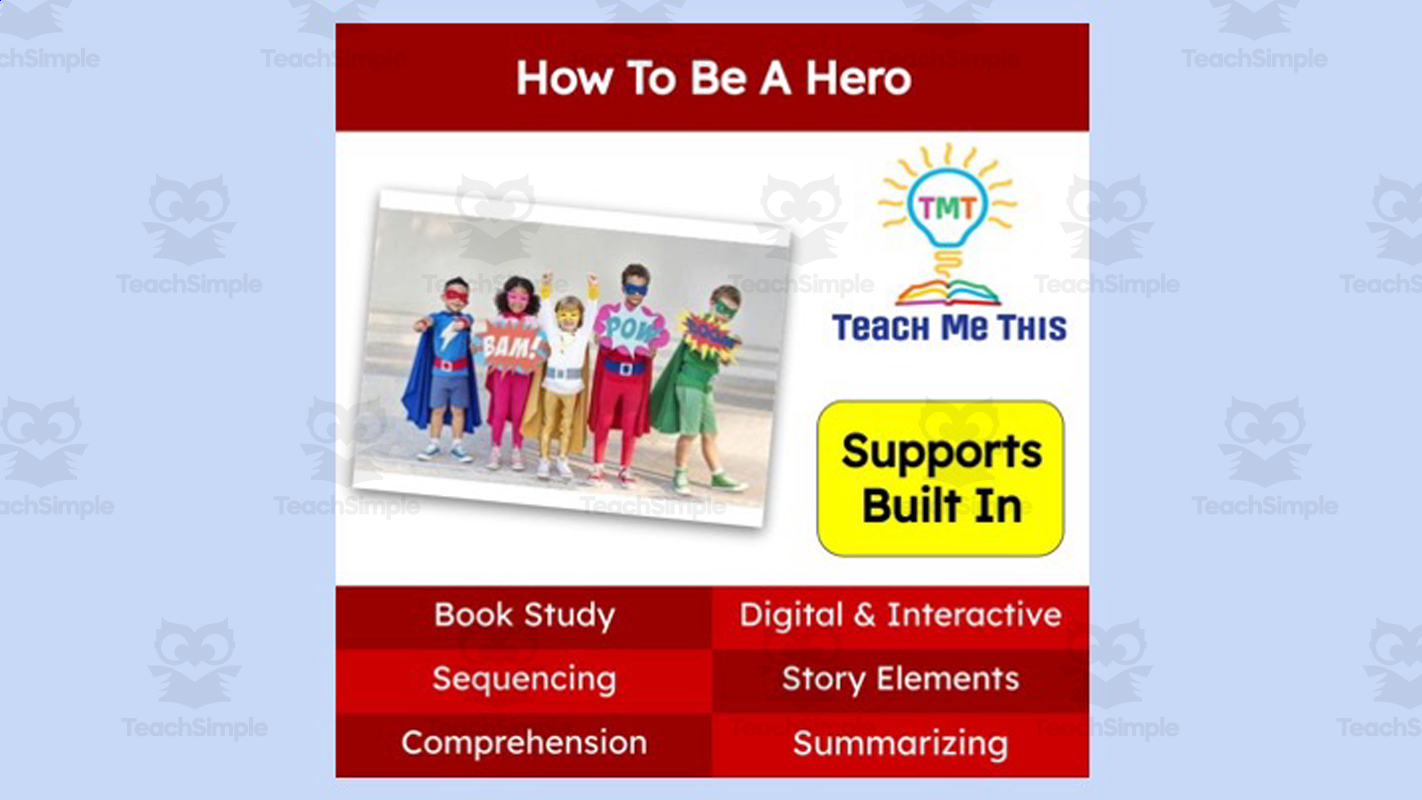
Interactive micro-learning book companion deck for the book 'How to be a Hero' by Florence Parry Heide, building reading comprehension skills (sequencing, story elements, comprehension, summarizing) around a read-aloud.

The tooth-brushing topic gives developing writers a familiar process to organize. Picture and sentence sequences support planning before students use transition words in a draft. Select an editing checklist that matches the writer’s level, then reread the directions to check order and clarity.
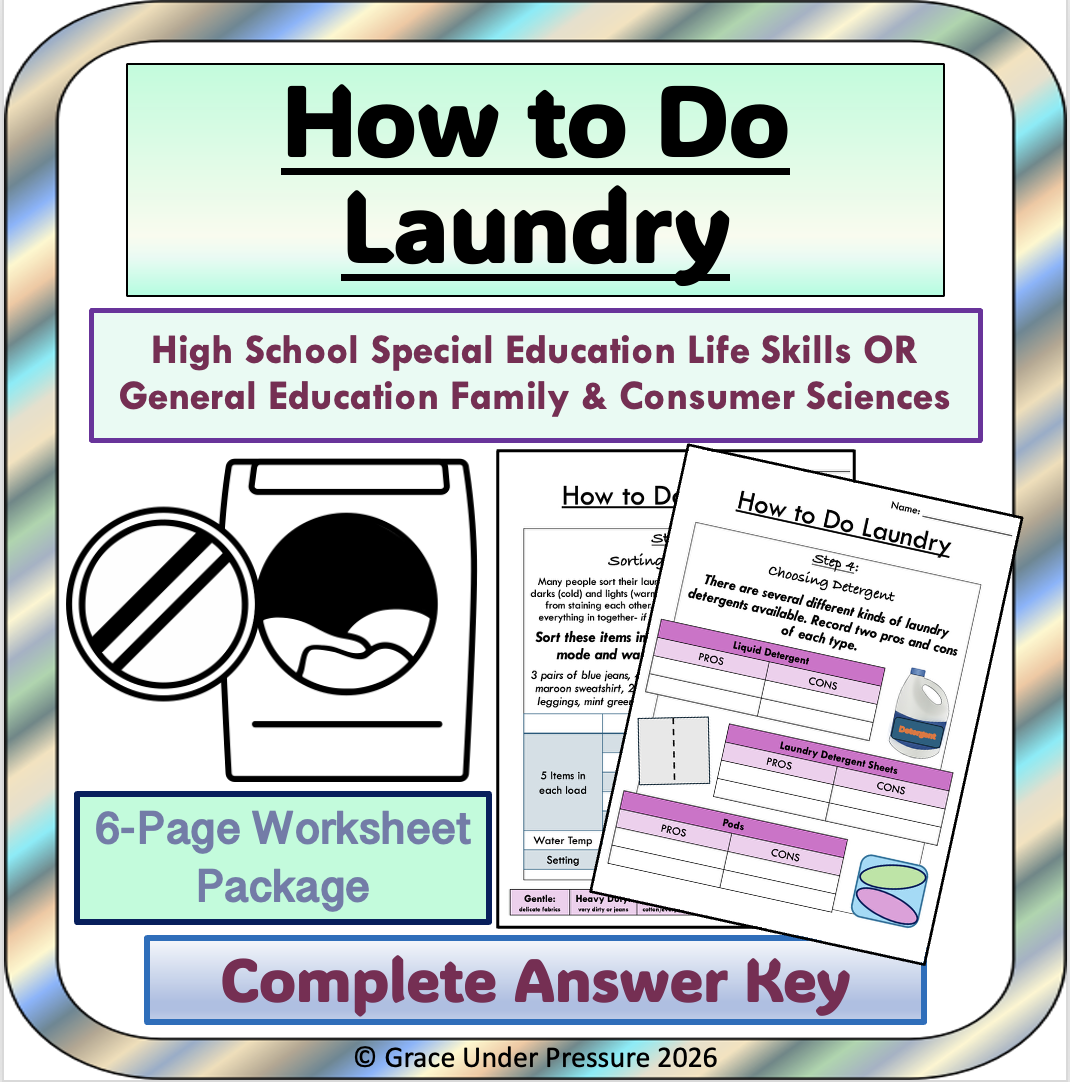
Do you want to teach your high school students in special education life skills OR general education family and consumer sciences how to do their own laundry?
This resource is intended to make students self-aware and understand how they can make themselves prepared for their best learning - their best self.

The How to Make a Jak-O-Lantern Book is a Halloween theme step by step activity. This book can be used to teach students how sequences work.

Use making a peanut butter sandwich as a familiar model for procedural writing. The packet offers sequencing pieces, writing supports and prompts for making instructions more specific, with a sample paragraph and editing checklists to support revision. Choose drawing or writing formats to match students’ needs; the paper activities can be completed without preparing or tasting food.
Teaches early writers to produce sequential 'how-to' expository writing about making a valentine, using leveled models, checklists, and picture-sequencing supports.
Teaches early elementary writers how to compose a step-by-step 'how-to' (procedural/expository) piece using the everyday example of apple pie, with an emphasis on sequencing and transition words.
Teaches early elementary writers how to compose a step-by-step 'how-to' (procedural/expository) piece using the everyday example of caramel apples, with an emphasis on sequencing and transition words.
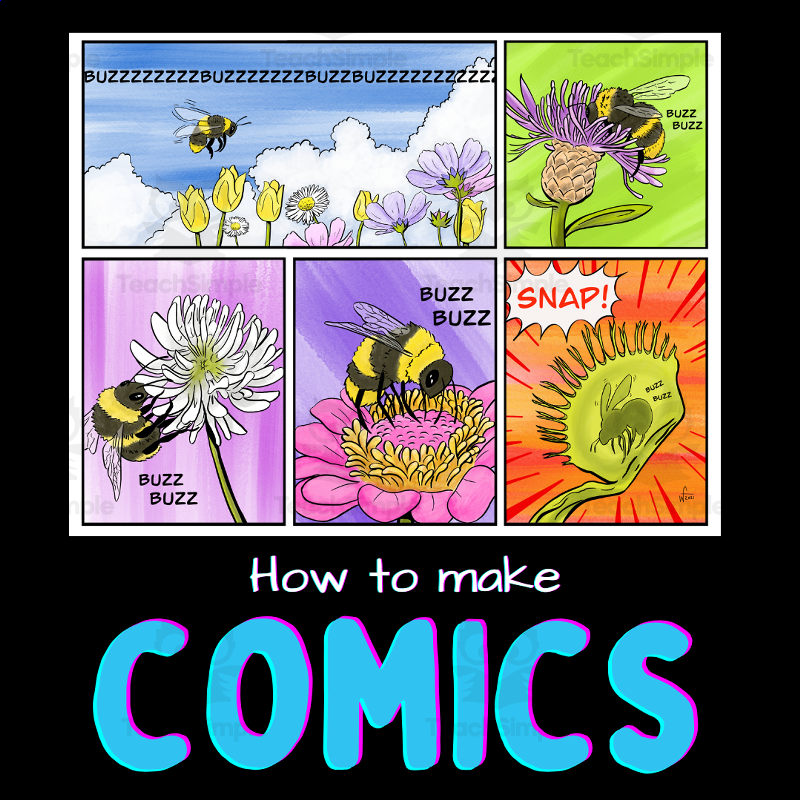
How to Make Comics: An Educational Resource 'How to Make Comics' is a comprehensive teaching tool tailored for educators. This resource, suitable for Grade 4 through 12, bridges the gap between fine arts and sequential storytelling…
Teaches early elementary writers how to compose a step-by-step 'how-to' (procedural/expository) piece using the everyday example of gingerbread cookies, with an emphasis on sequencing and transition words.
Teaches early elementary writers how to compose a step-by-step 'how-to' (procedural/expository) piece using the everyday example of hot chocolate, with an emphasis on sequencing and transition words.
Teaches early elementary writers how to compose a step-by-step 'how-to' (procedural/expository) piece using the everyday example of lemonade, with an emphasis on sequencing and transition words.
This cross-curricular resource uses students’ interest in pancakes to creatively teach emerging writers the basics of crafting step-by-step “how-to” explanations.

This cross-curricular resource uses students' interest in popcorn to teach early writers fundamentals of crafting step-by-step "how-to" explanations.
This fall-themed resource leverages students' interest in pumpkin pie around Thanksgiving to teach early writers the basics of crafting step-by-step "how-to" explanations.
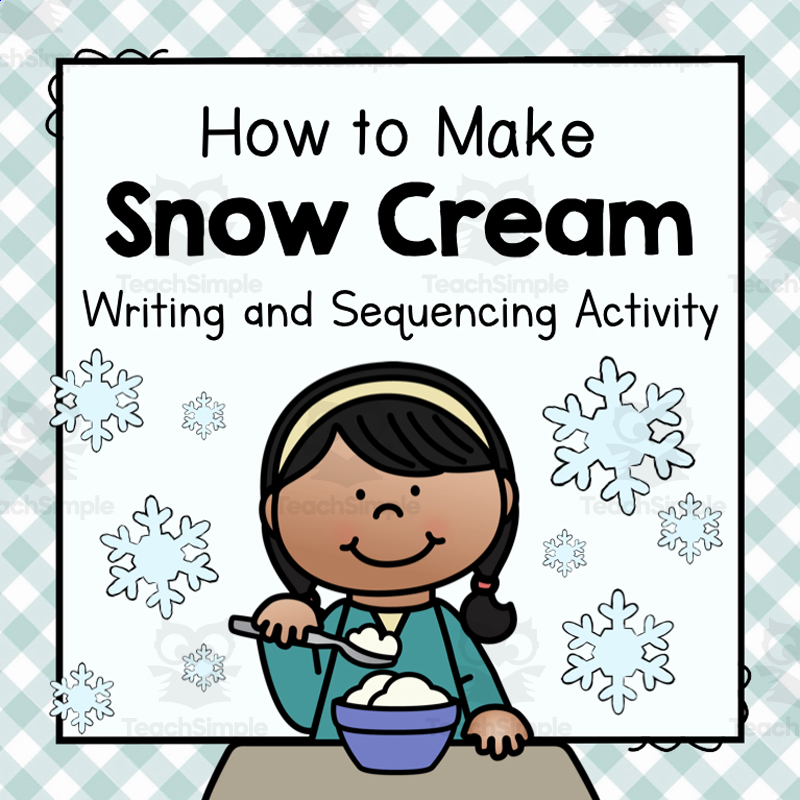
Teaches early elementary writers how to compose a step-by-step 'how-to' (procedural/expository) piece using the everyday example of snow cream, with an emphasis on sequencing and transition words.

Teaches early elementary writers how to compose a step-by-step 'how-to' (procedural/expository) piece using the everyday example of raking leaves, with an emphasis on sequencing and transition words.
How do you teach prepositions? If you are an English language teacher, sooner or later you will need to teach prepositions to your students.

Teaches early elementary writers how to compose a step-by-step 'how-to' (procedural/expository) piece using the everyday example of washing a car, with an emphasis on sequencing and transition words.

Teaches early elementary writers how to compose a step-by-step 'how-to' (procedural/expository) piece using the everyday example of washing a dog, with an emphasis on sequencing and transition words.

Teaches early elementary writers how to compose a step-by-step 'how-to' (procedural/expository) piece using the everyday example of washing dishes, with an emphasis on sequencing and transition words.