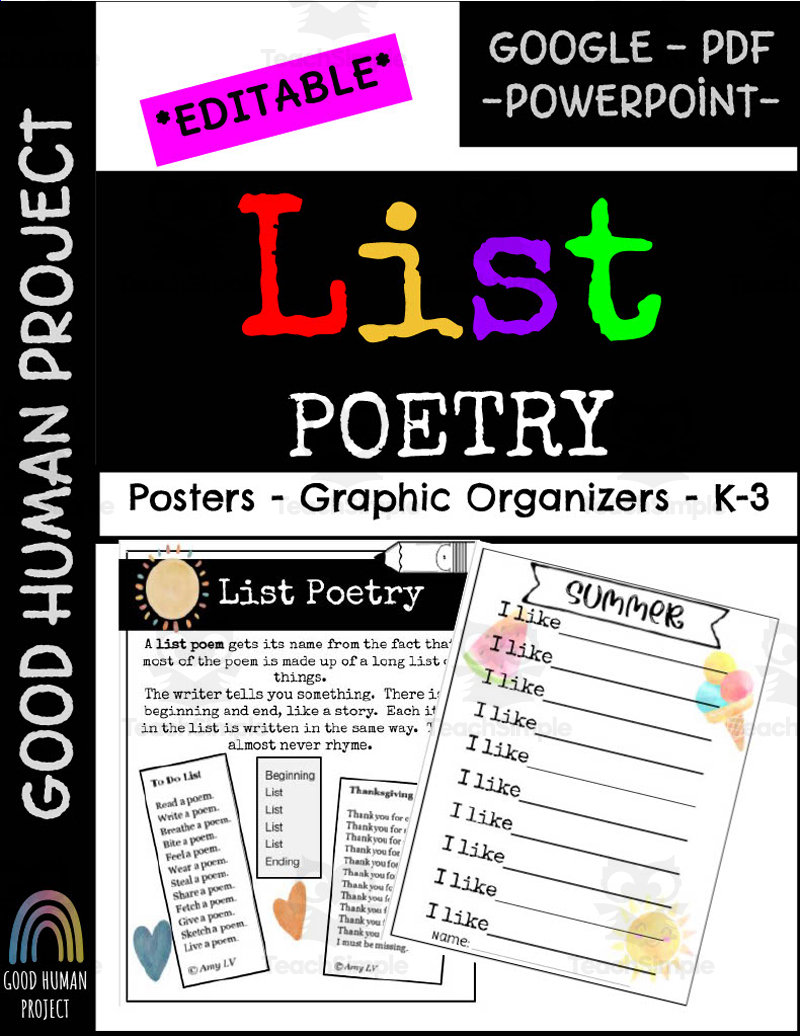
List Poetry Writing | Posters & Graphic Organizers
Teach students what list poetry is and provide graphic organizer templates for writing their own list poems.
Editable




574 resources
Explore sub-categories
2 sub-categories · 574 resources
Teach students what list poetry is and provide graphic organizer templates for writing their own list poems.
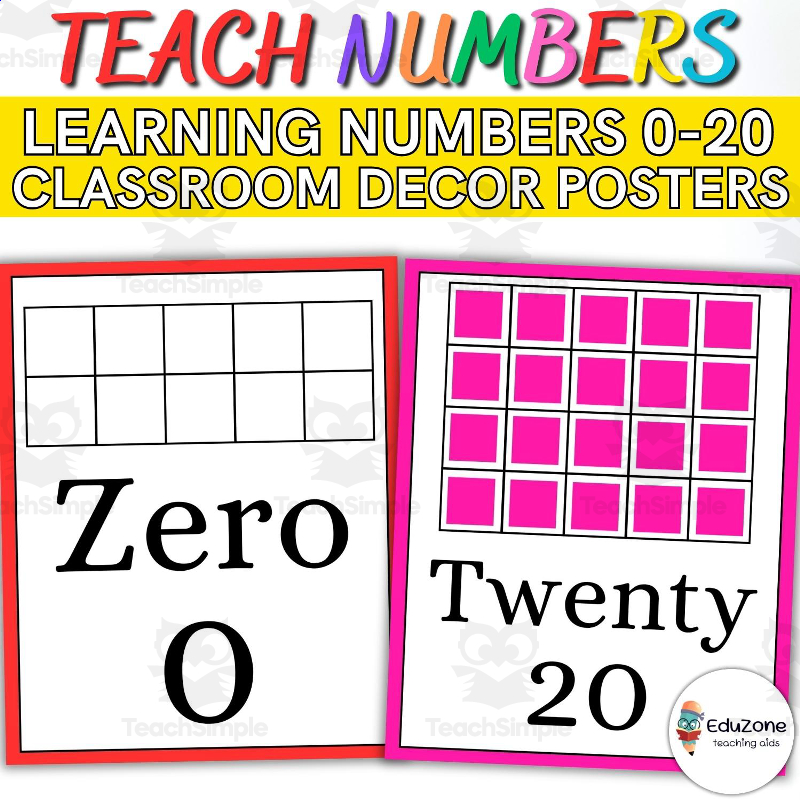
Support number recognition and counting from 0 to 20 using number-word and digit posters.
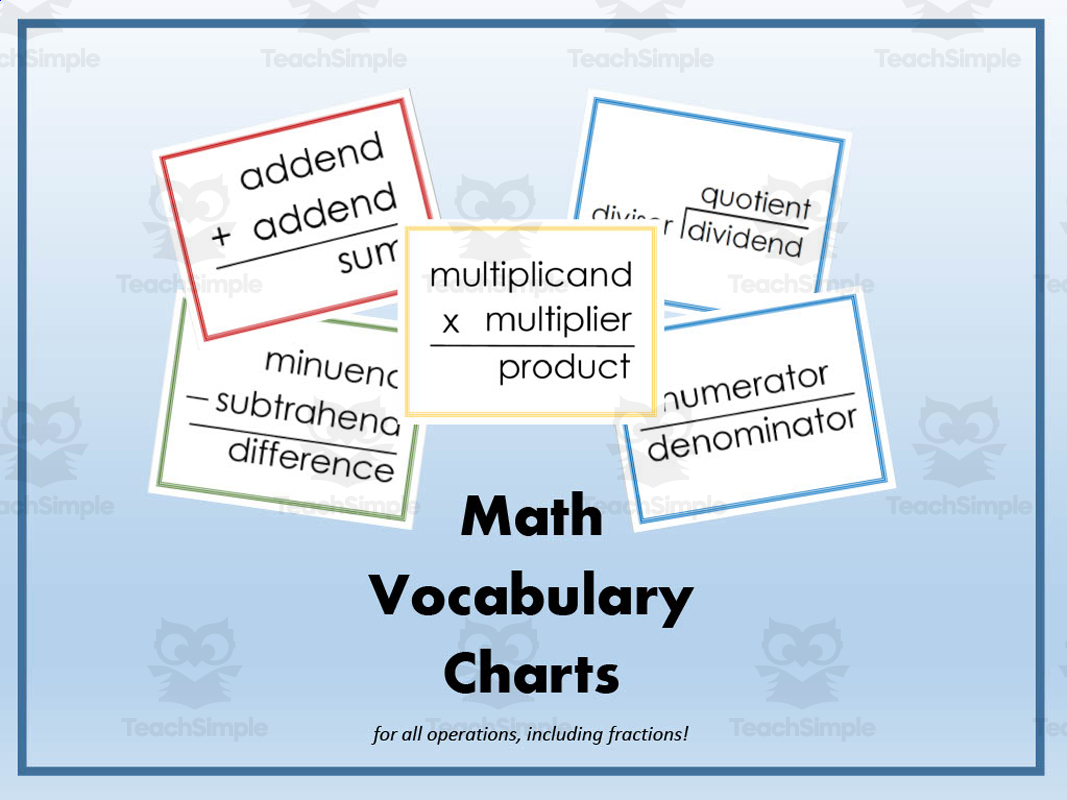
Reference charts naming the parts/vocabulary of each basic math operation (addition, subtraction, multiplication, division) and of fractions, positioned relative to the operation symbol.

Explains what an acrostic poem is and provides blank acrostic-poem templates/posters for a poetry-writing lesson.

Teach 1-to-1 correspondence and Touch Math-style counting for numbers 1-9 to support addition, subtraction, and skip counting.

A printable anchor chart set introducing basic fraction vocabulary and concepts (equal parts, numerator, denominator, part of a set/whole, unit fraction names) for classroom wall display.
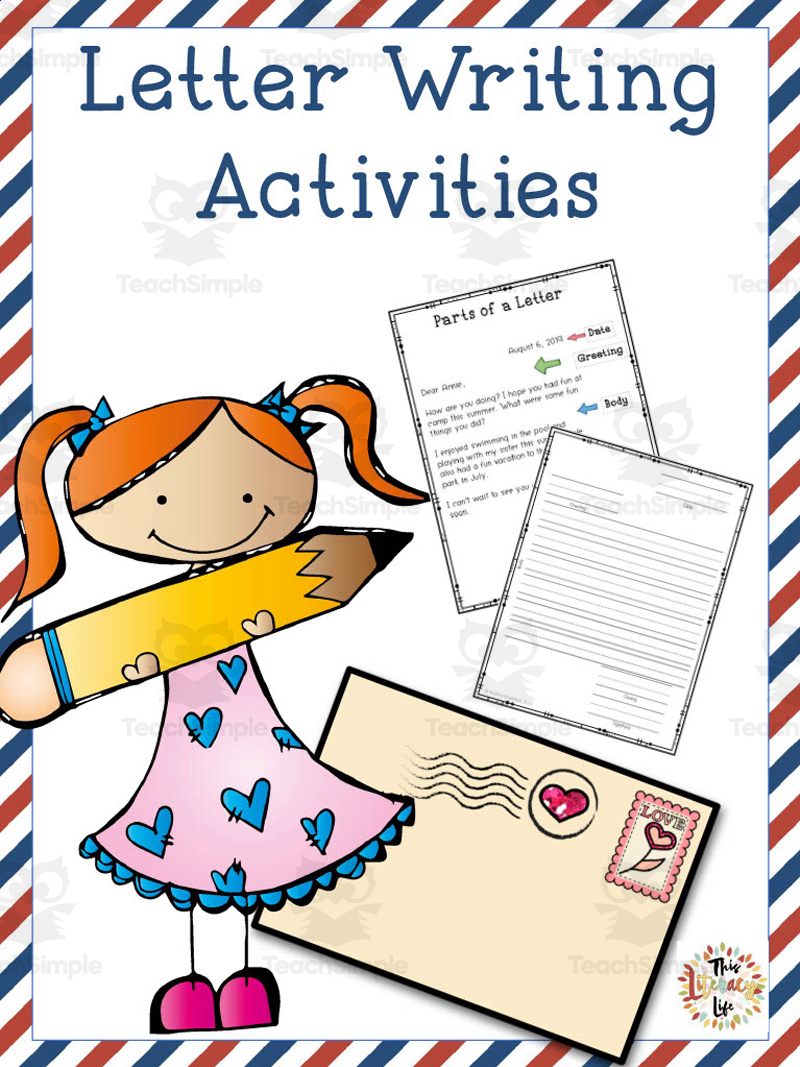
A unit teaching students the parts of a friendly letter and how to plan and write their own letters.
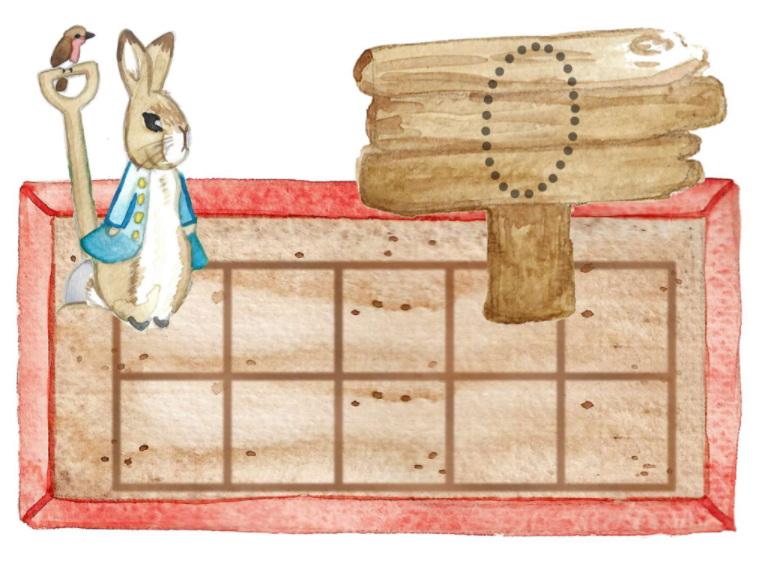
A set of illustrated, Peter Rabbit-themed ten-frame posters/printables for early math instruction on number sense and counting to ten.

A set of printable "I Can Statement" posters/anchor charts stating the Arkansas Fifth Grade Social Studies Standards, organized by historical Era (text shows 'Era 1 - Beginnings to Era 3' before truncation) in student-facing "I can..." language, for classroom display.

Use a diamante reference to show how a seven-line poem takes its diamond shape through changing word counts. Students select nouns, adjectives and verbs for the specified lines, then organize them on a blank template. Model the pattern together before independent writing, and invite students to read their drafts aloud to check that the selected words develop the intended subject.
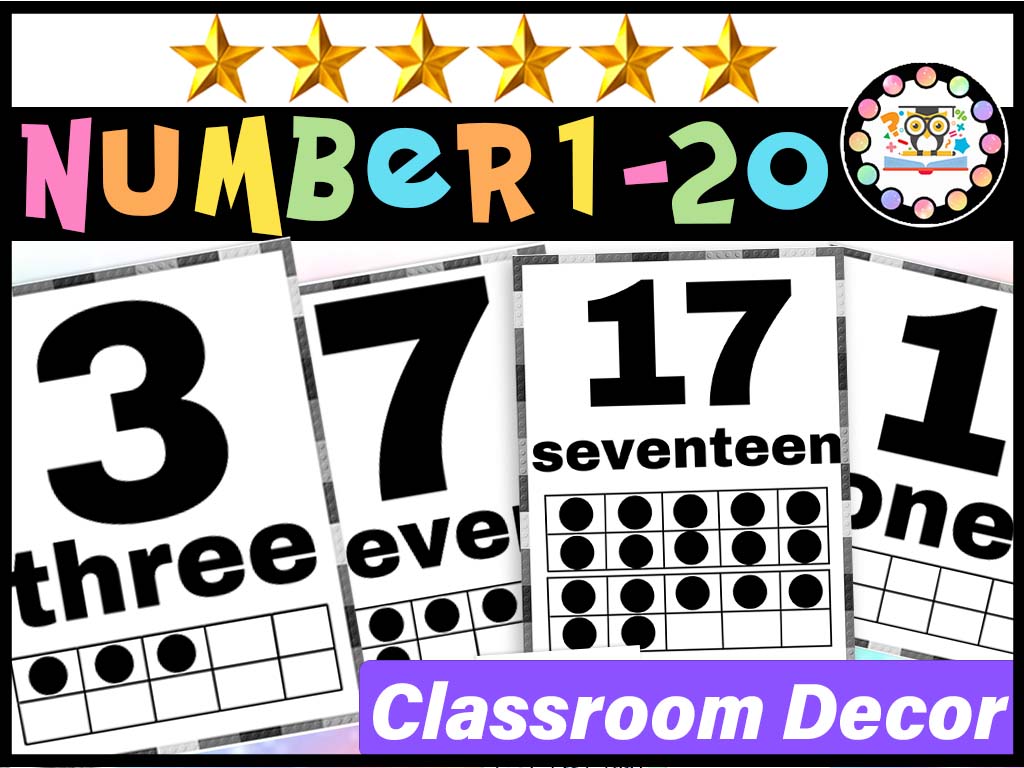
A set of number posters/flash cards showing numerals 1-20 paired with their word form, for number recognition display or flash-card use.

Flashcards and fun-facts anchor charts featuring Savanna animals to build vocabulary and animal knowledge.

A poetry-writing resource that teaches what a couplet is and provides graphic organizer templates for students to write their own rhyming couplets.
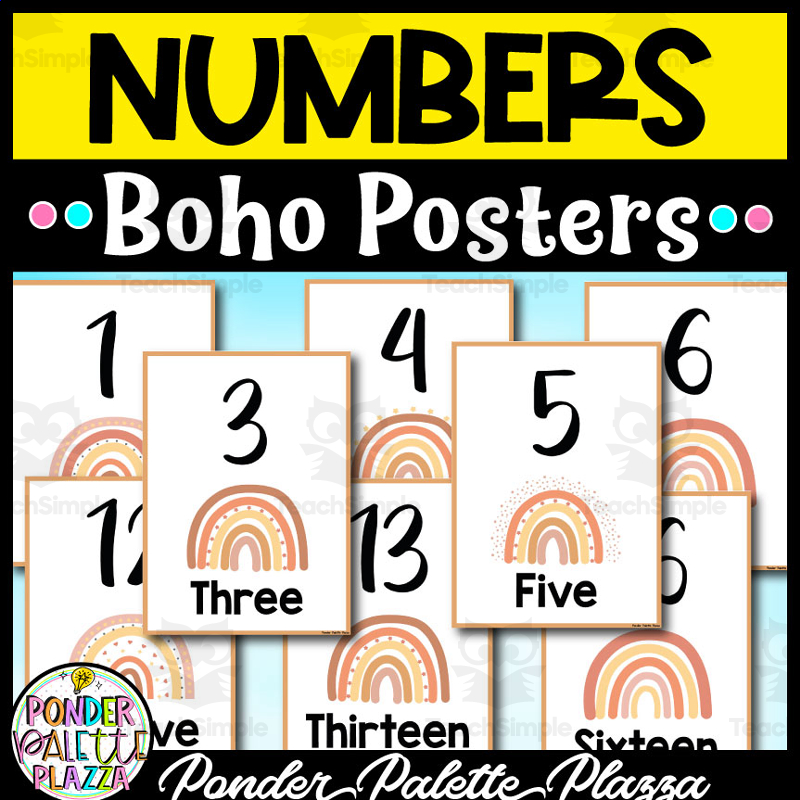
Provide classroom decor posters for numbers 1 to 20 to support number recognition and counting via a boho-styled visual theme.

A resource teaching early elementary students how to write a friendly letter and address an envelope, using anchor charts, model examples, and fillable templates.
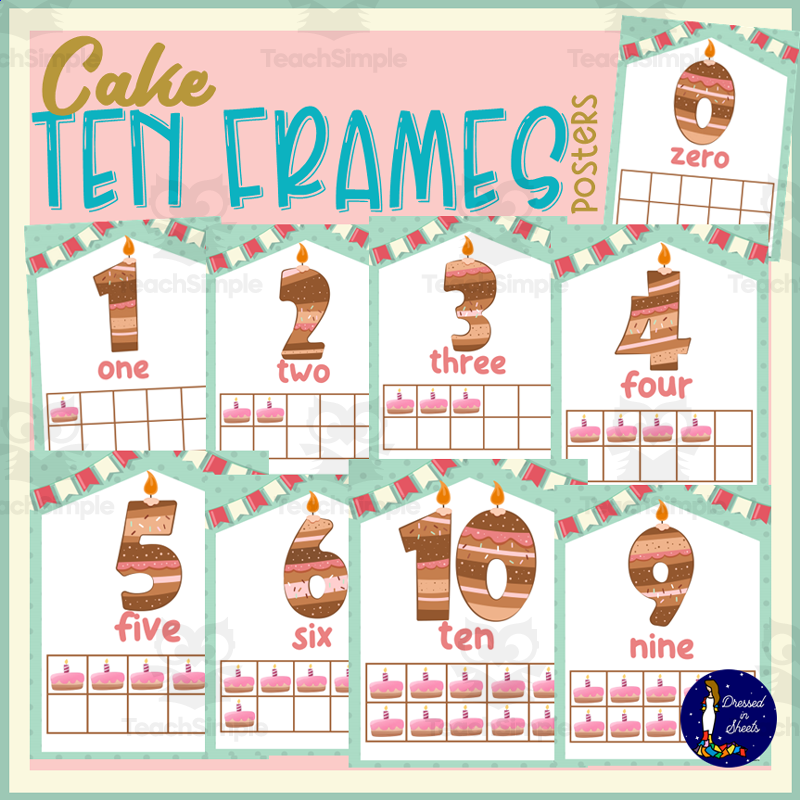
Cake-themed ten-frame classroom posters showing numbers zero through ten for early math number sense.
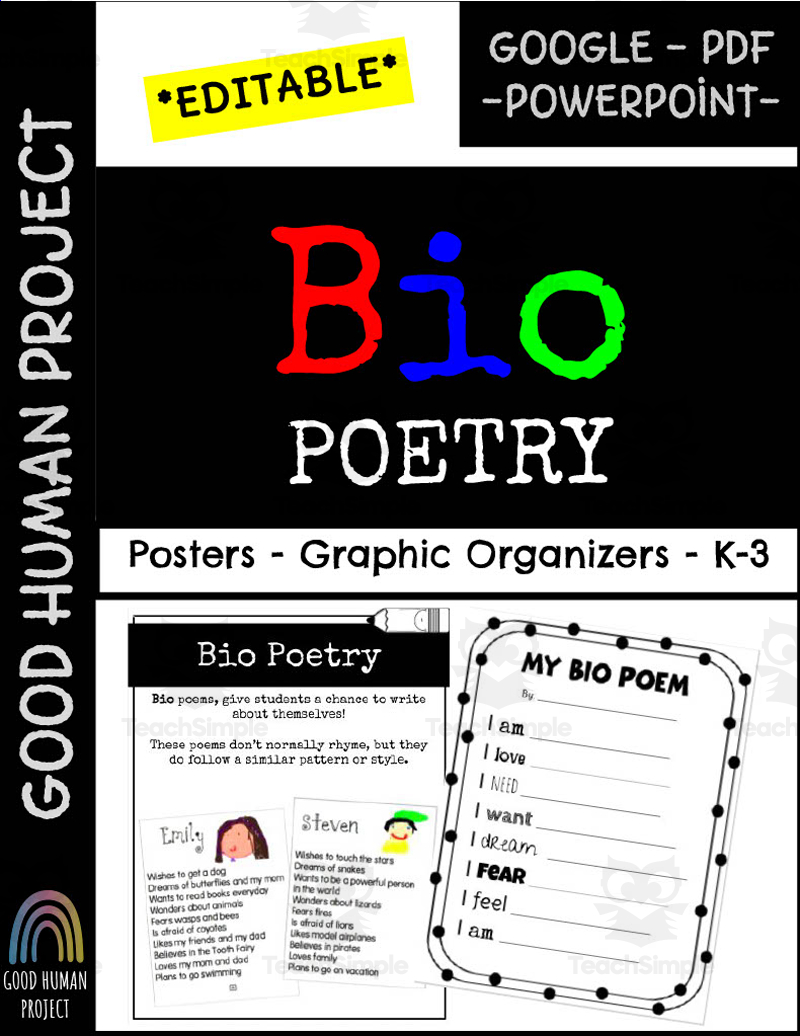
Templates for students to write a structured 'bio poem' about themselves (a non-rhyming, line-by-line self-descriptive poem), provided as editable Google Slides/PowerPoint/PDF posters and graphic organizers for grades K-3.
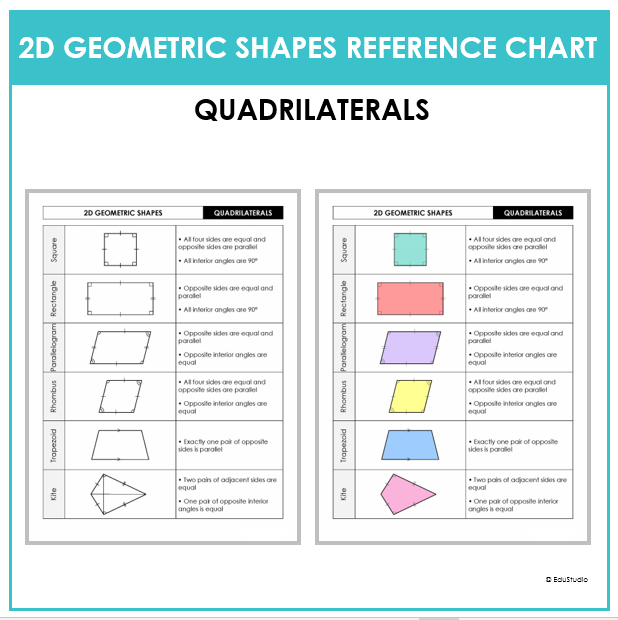
Quadrilaterals Reference Chart Understanding polygons has never been easier. This reference chart provides a clear, organized view of the main types of polygons, helping students identify and compare them based on their sides, angles, and special properties. The chart comes in a full-color version, which works beautifully on classroom…

A set of printable posters displaying 4th Grade Georgia social studies standards (GSE) for classroom bulletin board display.
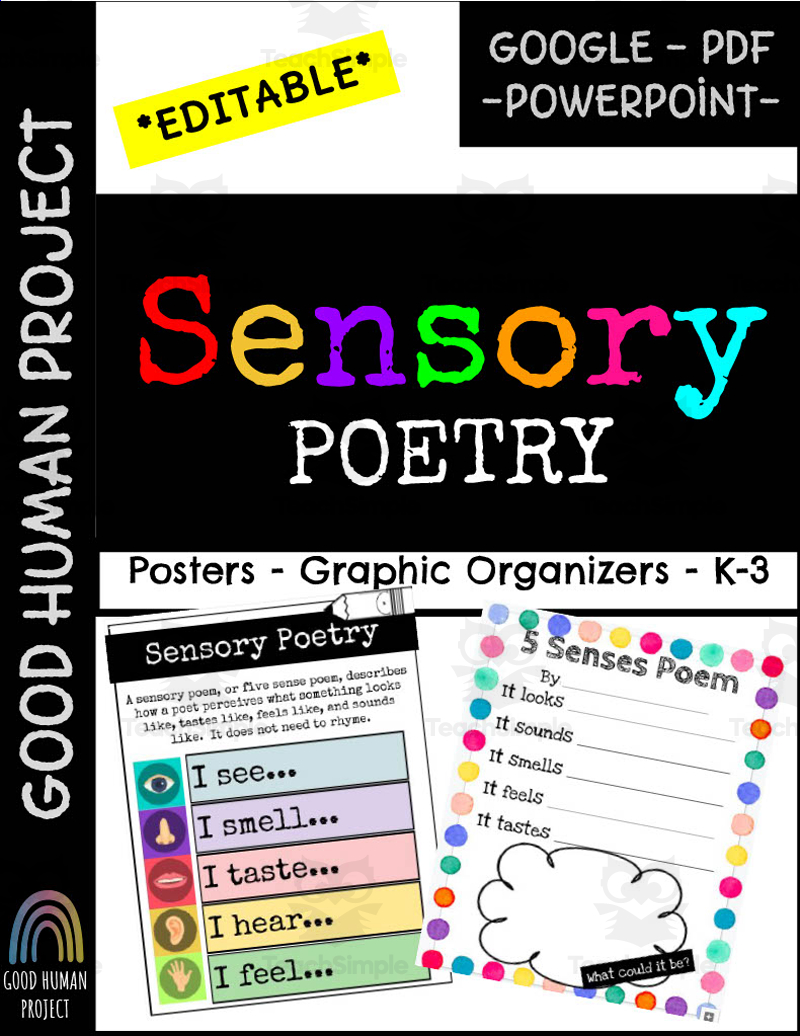
Teaches students what a sensory (five-senses) poem is and provides graphic organizers/templates for planning and writing one.
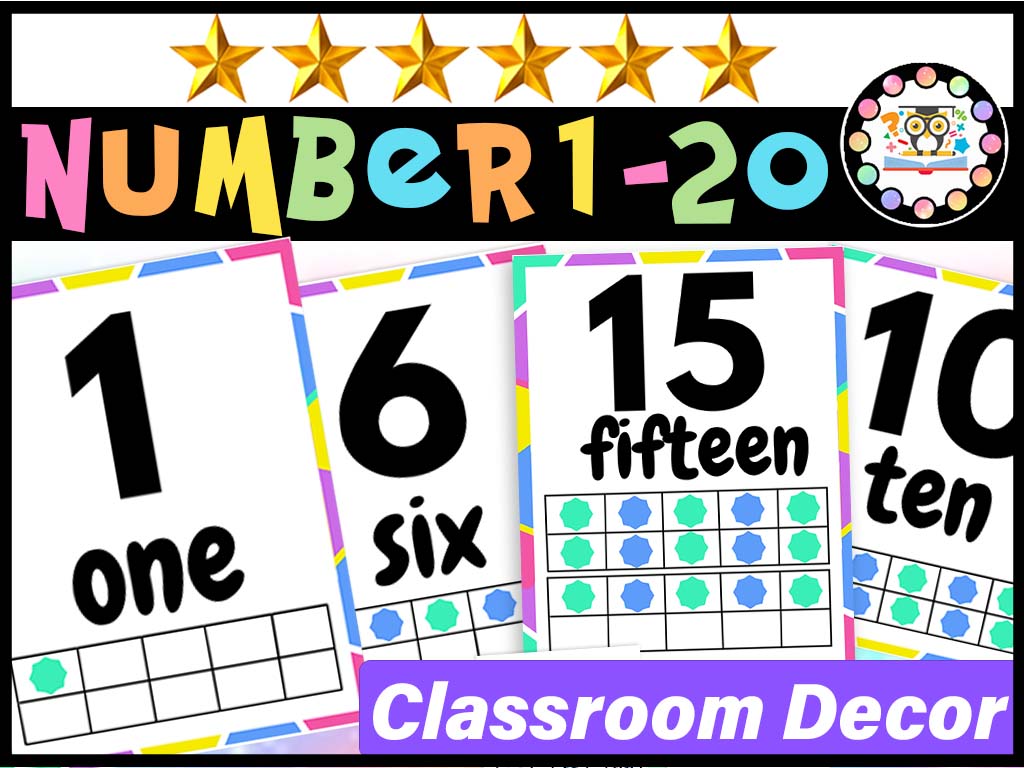
A set of number posters/flash cards showing numerals 1-20 paired with their word form, for number recognition display or flash-card use.

These printable cards turn the resource’s Georgia sixth-grade social studies objectives into first-person statements students can revisit during a lesson. Region and strand dividers help you organize displays for Latin America, Canada, Europe and Australia, with additional personal-finance goals. The set is labeled Georgia GPS and comes from a 2016–2017 resource, so its standards references reflect that version.
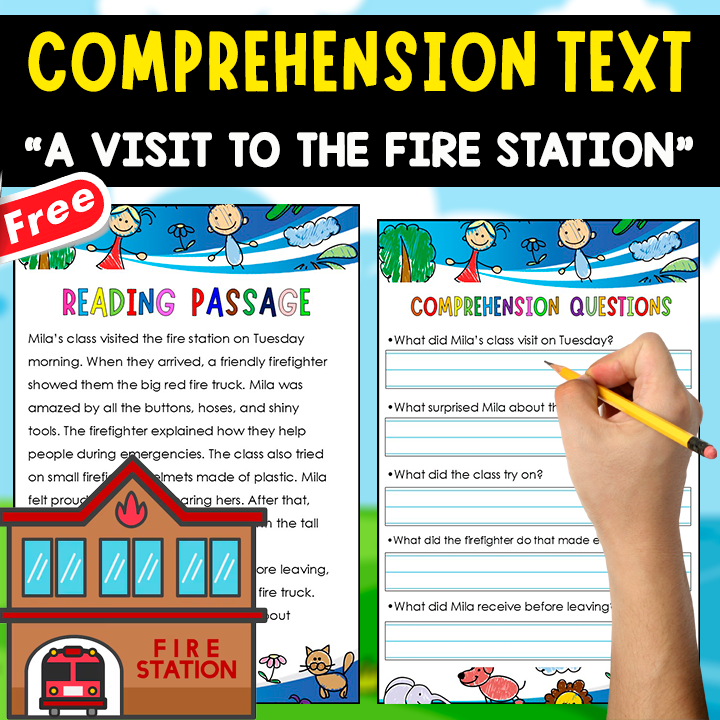 Free download
 A short ESL/early-reader comprehension pack using a simple fiction passage about a class field trip to a fire station, paired with four reading-strategy anchor-chart activities (predict, visualize, question, summarize) and a vocabulary box.
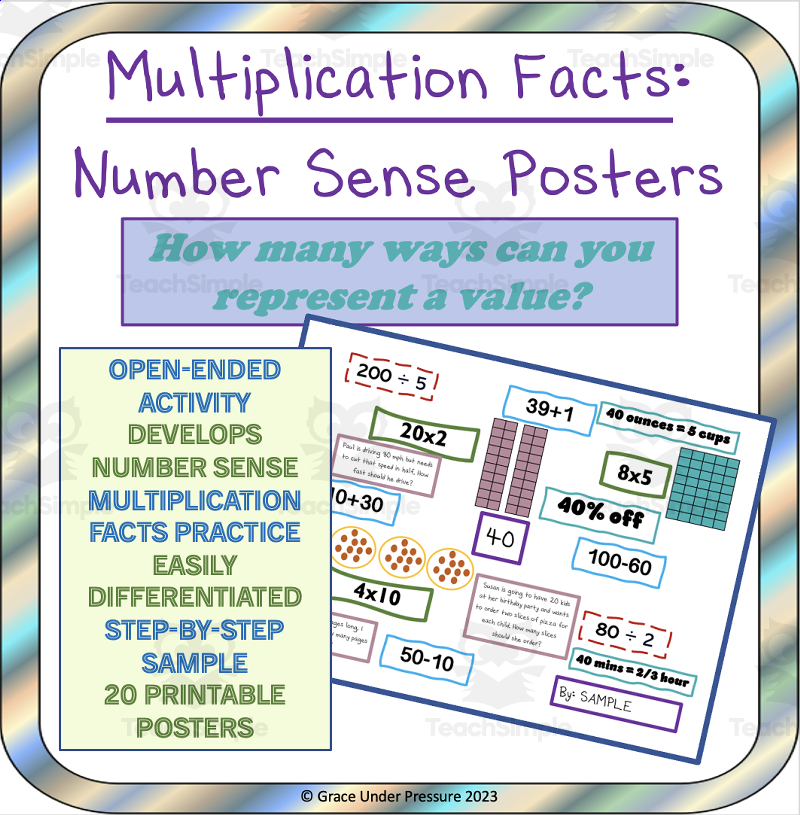
An open-ended number-sense poster project where each student represents an assigned target number in multiple mathematical ways (multiplication, addition/subtraction, division equations, pictures, word problems, real-life examples), reinforcing multiplication facts through varied representation.