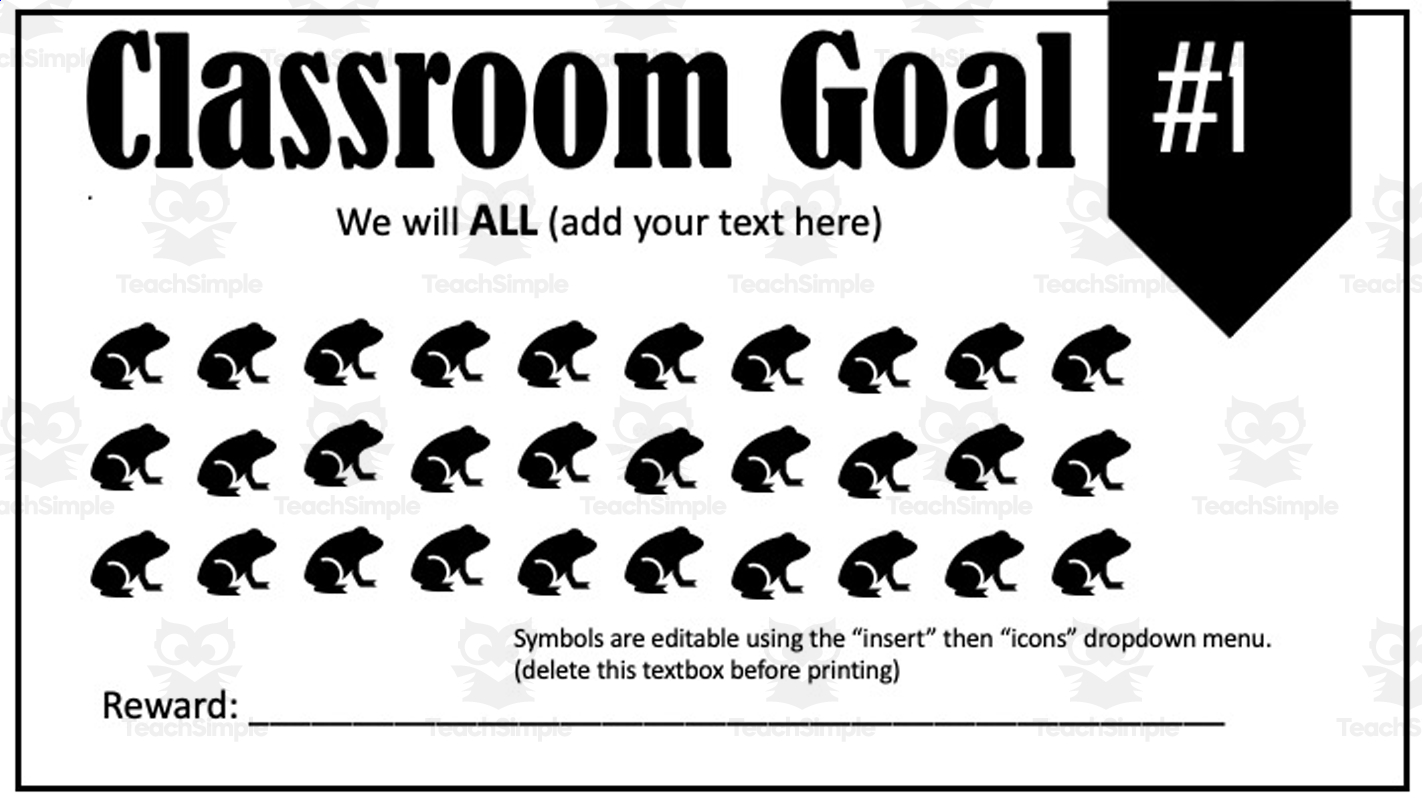
Classroom Goals Poster
Editable poster template for teachers to state a classroom goal and an associated reward.
Editable




54 resources
Discover popular anchor charts that educators love. Find tried-and-true visuals to support classroom learning.
Explore sub-categories
1 sub-categories · 54 resources
Editable poster template for teachers to state a classroom goal and an associated reward.
 Free download
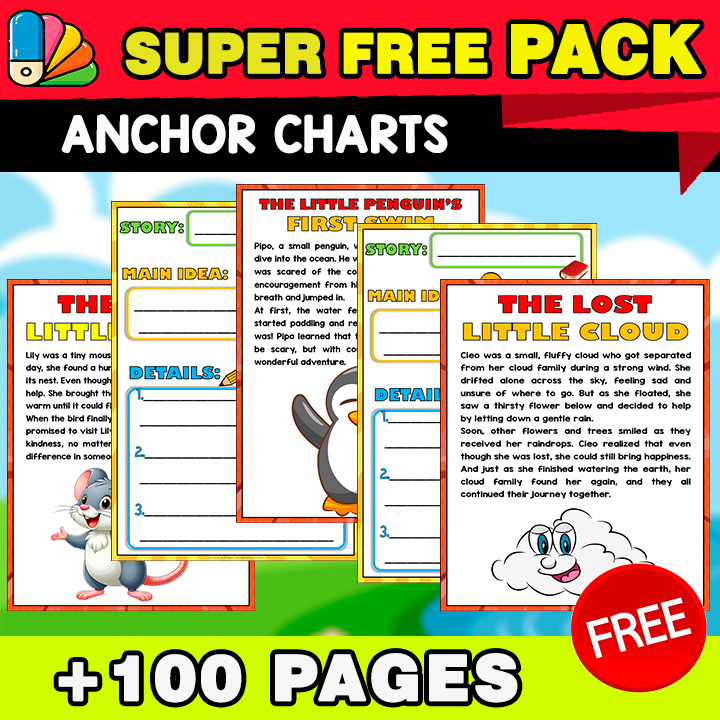
 A bundle of short original English stories/fables (including at least one classic fable, 'The Lion and the Mouse') each paired with a main-idea-and-details reading-comprehension anchor chart, provided in both a completed worked example and a blank student-practice template.
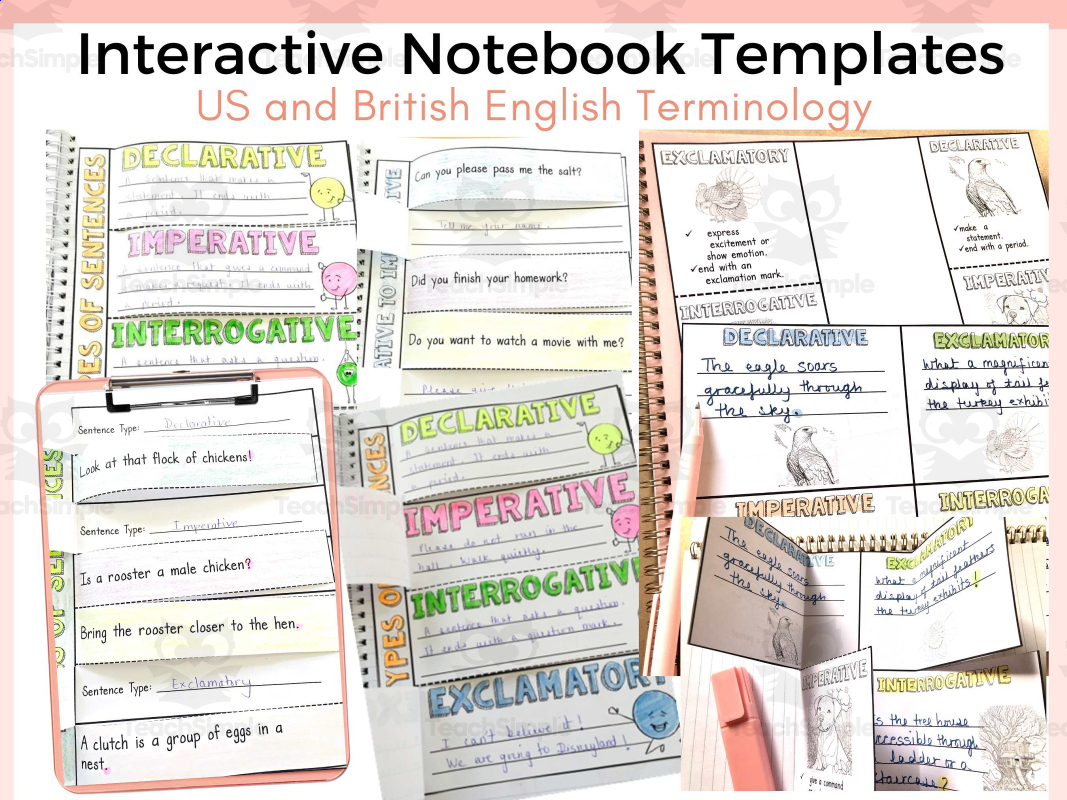
Teaches the four sentence types (declarative, imperative, interrogative, exclamatory) via interactive notebook templates and anchor-chart posters, available in both US and British English editions.
 Free download
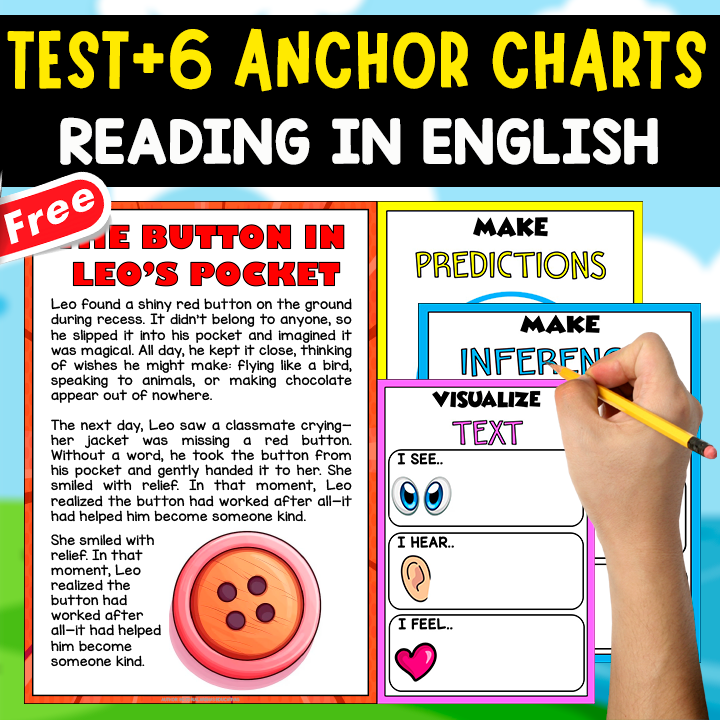
 English-language short story ('The Button in Leo's Pocket', a kindness/found-object narrative) paired with a set of blank reading-comprehension anchor chart templates for main idea, supporting details, vocabulary glossary, predictions, questions, and text-based inference (I see/I hear/I feel, picture clues, context clues, conclusion).
A comprehensive classroom writing unit packet teaching young students to write organized, detailed stories, covering writing genres, a self-assessment rubric, transition words, and a step-by-step story-planning tool ('Caveman Plan').
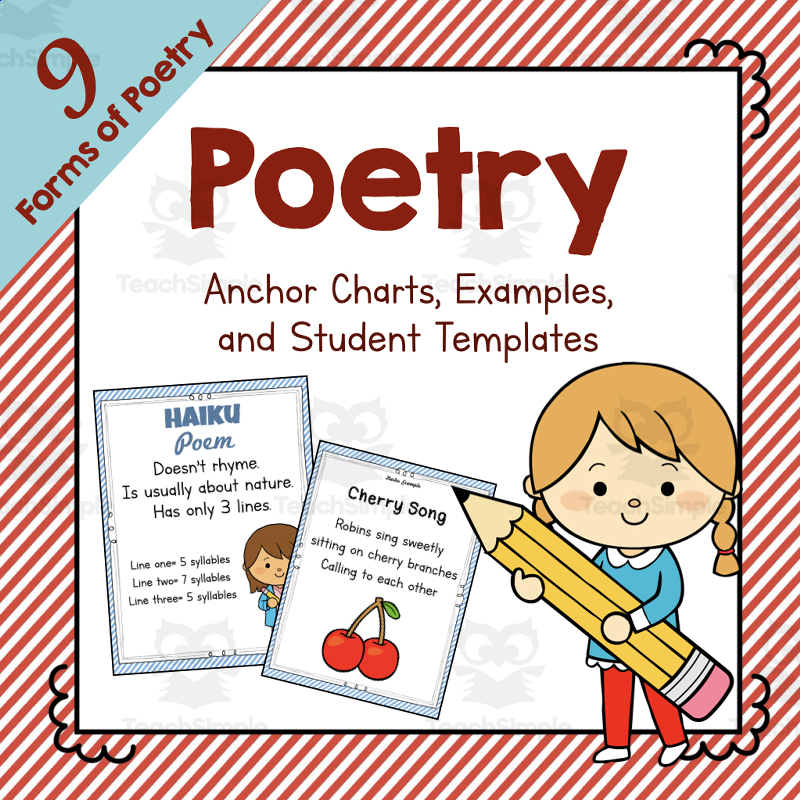
An anchor-chart based poetry unit introducing 9 forms of poetry (5 senses, haiku, cinquain, clerihew, quatrain, free verse, acrostic, diamante, alphabet poem) with rules, worked examples, and blank student writing templates.
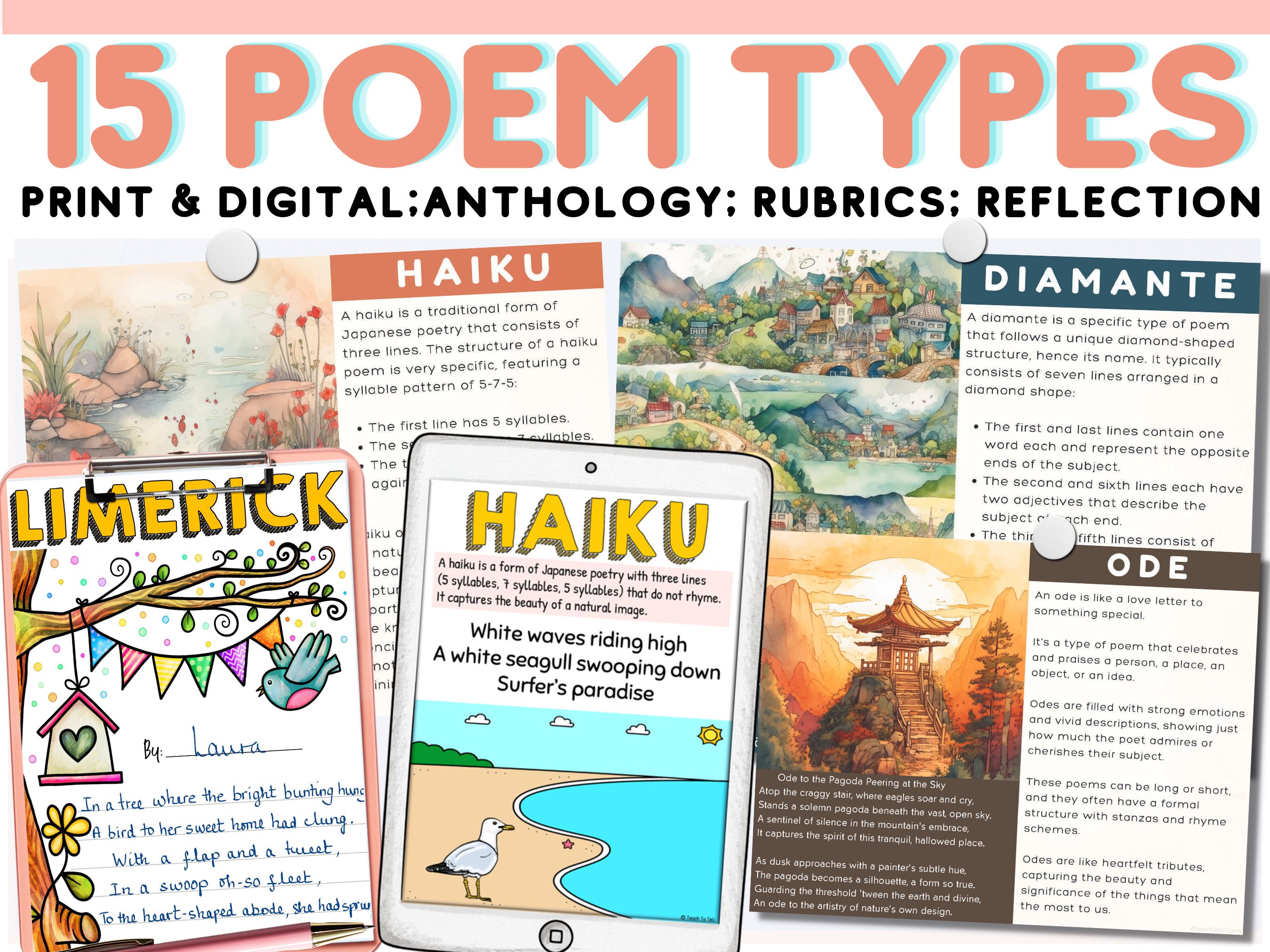
A set of 15 poetry-type anchor charts/templates (print and digital) scaffolding student writing across 15 different poem forms for National Poetry Month.
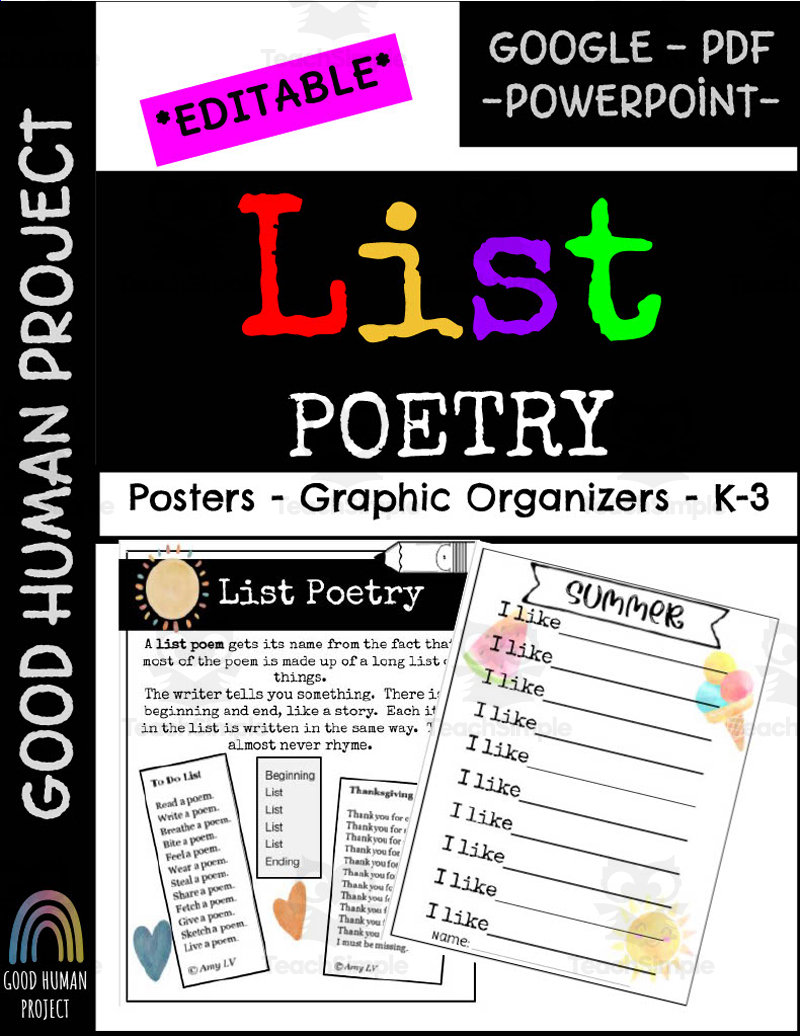
Teach students what list poetry is and provide graphic organizer templates for writing their own list poems.

Use a diamante reference to show how a seven-line poem takes its diamond shape through changing word counts. Students select nouns, adjectives and verbs for the specified lines, then organize them on a blank template. Model the pattern together before independent writing, and invite students to read their drafts aloud to check that the selected words develop the intended subject.

Explains what an acrostic poem is and provides blank acrostic-poem templates/posters for a poetry-writing lesson.
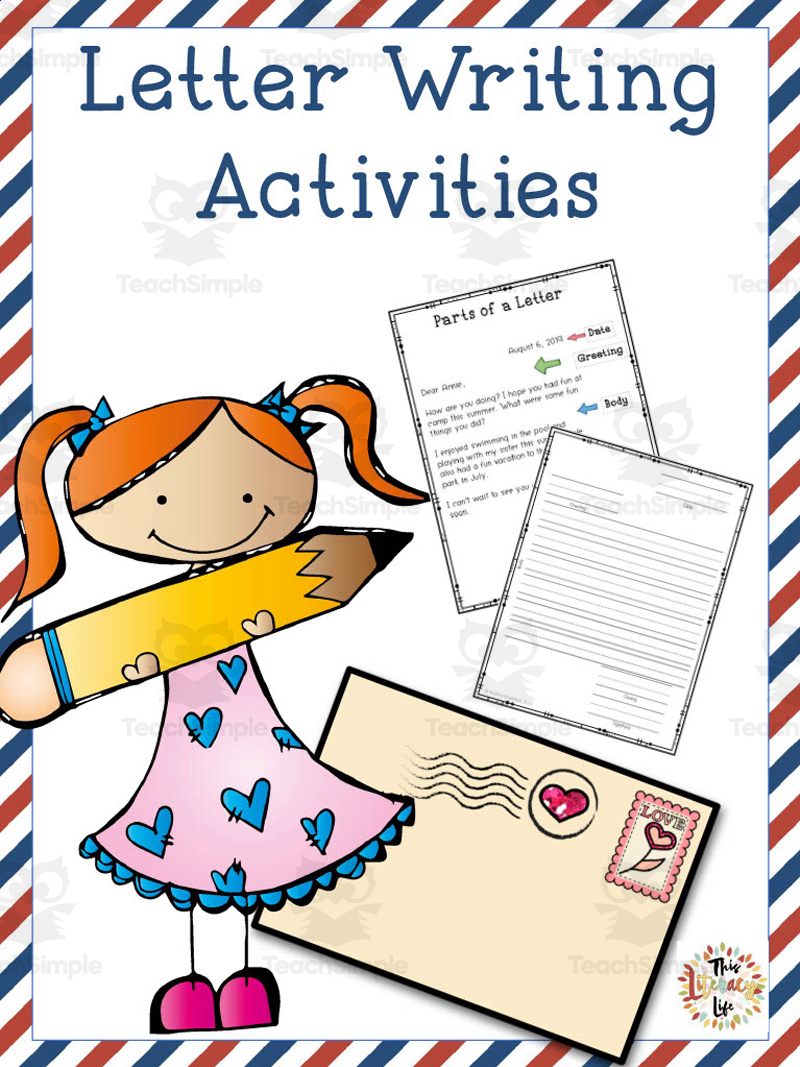
A unit teaching students the parts of a friendly letter and how to plan and write their own letters.

Build a side-by-side display showing how addition and subtraction can be represented in different ways. Worked examples connect a strip diagram, ten frame, picture, number sentence, and number line. Print the operation pieces on different colors of paper, cut them out, and assemble the display using the supplied guide. Students can keep the matching smaller reference in a math notebook while discussing how the models show each operation.

A resource teaching early elementary students how to write a friendly letter and address an envelope, using anchor charts, model examples, and fillable templates.

Adverbs Anchor Charts and Notebook Pages for 3rd, 4th, and 5th Grade This educational resource simplifies the process of mastering adverbs.

Five sense categories — taste, hear, smell, see, and touch — anchor a one-page reference chart of descriptive words such as yummy, melody, perfumed, glistened, and bumpy. A companion practice page repeats the same chart with select words blanked out for students to fill in from memory or context. Two sentence-frame pages then have students apply the chart to a specific text: "The Author used the word ___. This appeals to my sense of ___. It makes me think ___," with an alternate "It reminds me ___" ending. Every page cites the reading standard RL 1.4, on identifying words that appeal to the senses.

The chart introduces persuade, inform, and entertain through the P-I-E reminder and short descriptions of each purpose. Display the completed version and use the blank page for students to build their own reference. Its sentence frame adds a reasoning step: after identifying a purpose in a text, students explain what makes them think so.

Introduce cause and effect with a simple rain-and-umbrella example and words such as “because” and “as a result.” The complete reference chart makes the relationship visible, while a matching fill-in page supports guided notes. Students can then use the sentence frames to explain connected events in a text or familiar situation. Model a sentence together before asking students to choose a signal word for their own response.
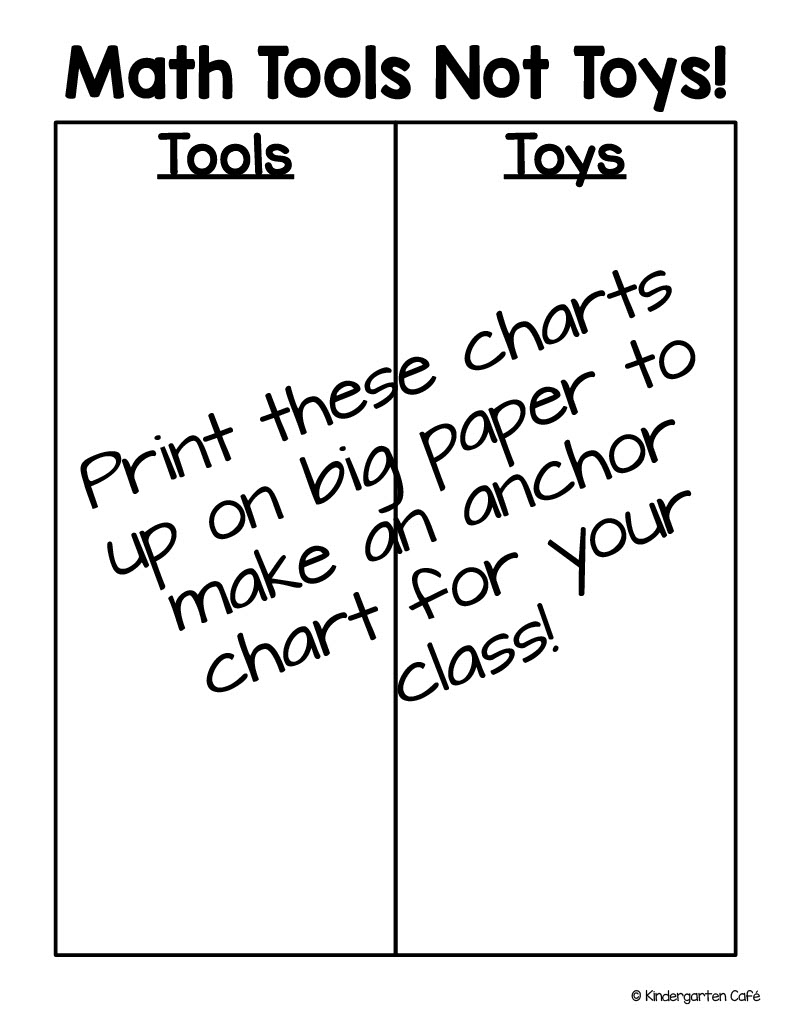
Use the Math Tools Not Toys chart to make expectations visible before students begin working with manipulatives. A completed version lists routines and student choices, while a blank headings version and a Tools/Toys sorting chart leave room for your class’s ideas. You can display the finished chart and return to its language when modeling how to share materials or move between activities.
 Free download
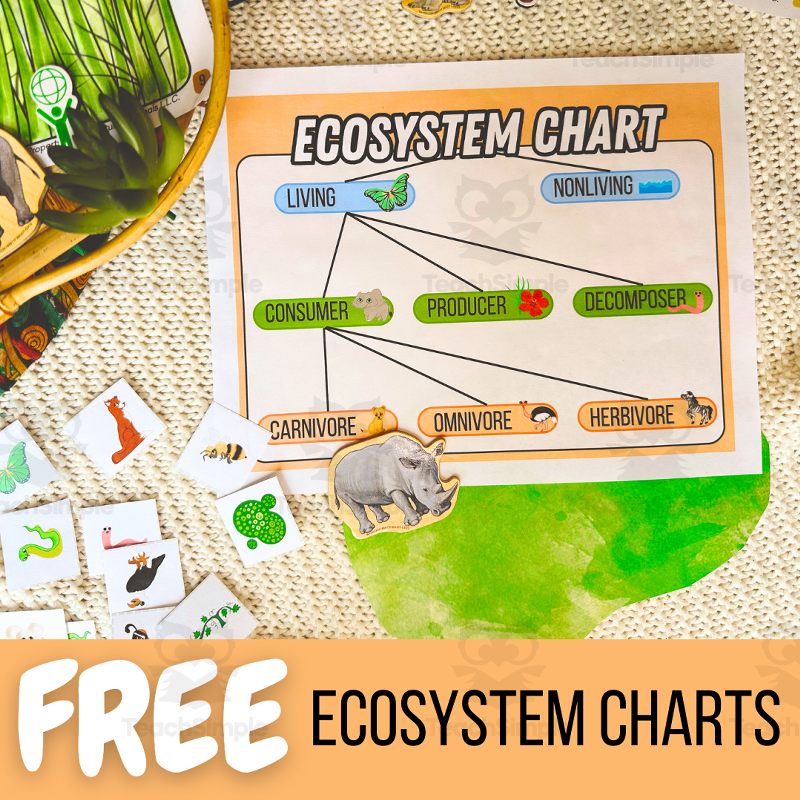
 Explore the flow of an ecosystem with these science anchor charts. Print out in full color or partial color, then talk through each part of the ecosystem with your kids. START: At the top, you can choose living or nonliving.

A printable anchor chart set introducing basic fraction vocabulary and concepts (equal parts, numerator, denominator, part of a set/whole, unit fraction names) for classroom wall display.

This resource is a Multiplication and Division Anchor Chart . It will come with everything you need to develop this math anchor chart with your students. It will cover: - Strip Diagram - Array - Equal Groups - Repeated Subtraction - Number Line - Word Problem There is a final copy at the end that can be printed for students to keep in…

A poetry-writing resource that teaches what a couplet is and provides graphic organizer templates for students to write their own rhyming couplets.
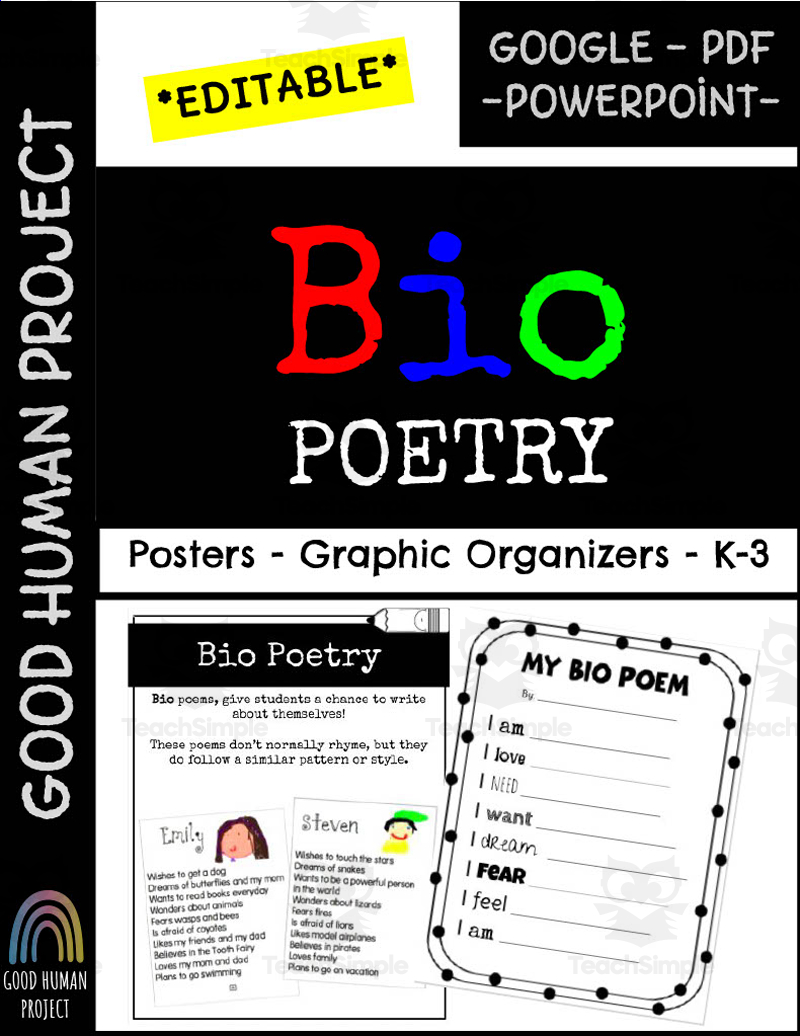
Templates for students to write a structured 'bio poem' about themselves (a non-rhyming, line-by-line self-descriptive poem), provided as editable Google Slides/PowerPoint/PDF posters and graphic organizers for grades K-3.
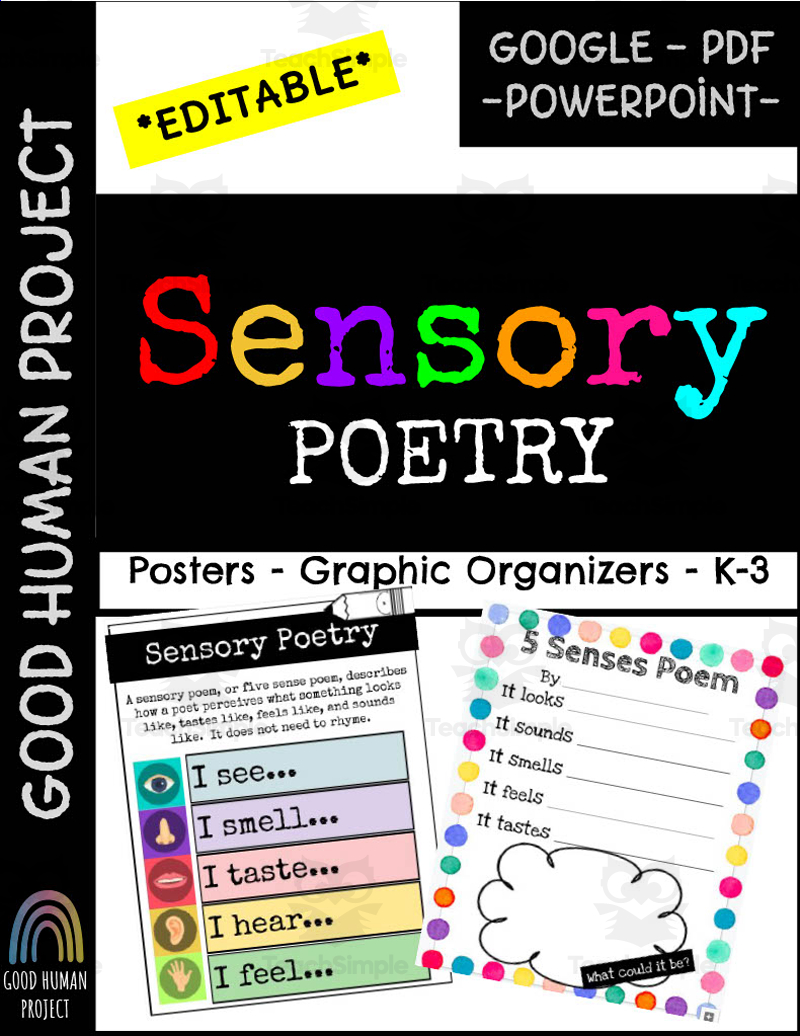
Teaches students what a sensory (five-senses) poem is and provides graphic organizers/templates for planning and writing one.