resources by type
resources by grade
resources by subject
other resources

Classroom resources

Page 2 – Behavior Charts

37 resources

Browse by lesson focus

Find your next lesson

Choose the topic or kind of practice you need.

Showing 25–37 of 37 resources

Most relevant
alt down
All File Types
alt down
Any Time
alt down
filter nav Show filters
Sort by: Most relevant
Control Spot Sign | When I'm Mad Spinner teaching resource preview
Strategies & visual reminders

Control Spot Sign | When I'm Mad Spinner

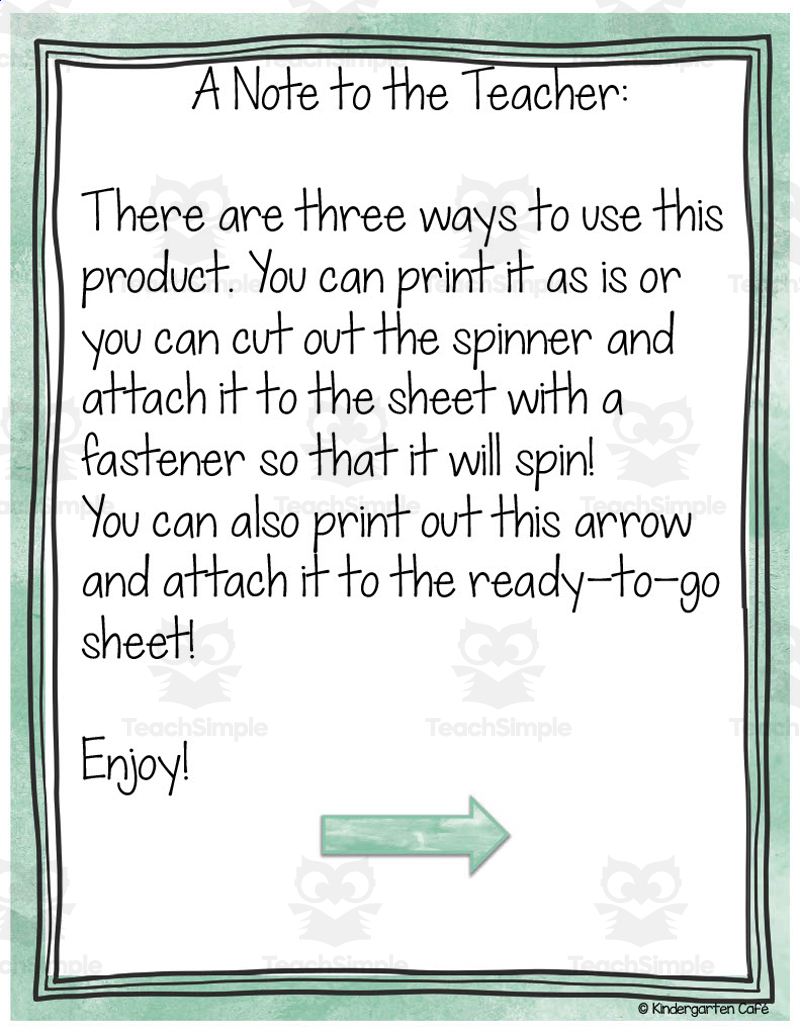
Spin the spinner (or use the printed chart) to land on a coping action when feeling mad/frustrated (e.g. count, breathe, hug, hop, think, walk, do a puzzle, read) and carry out that action.

File
PDF
Level
Pre-K–2
Download
Character Education Anchor Charts | 10 Classroom Themes teaching resource preview Free download
Strategies & visual reminders

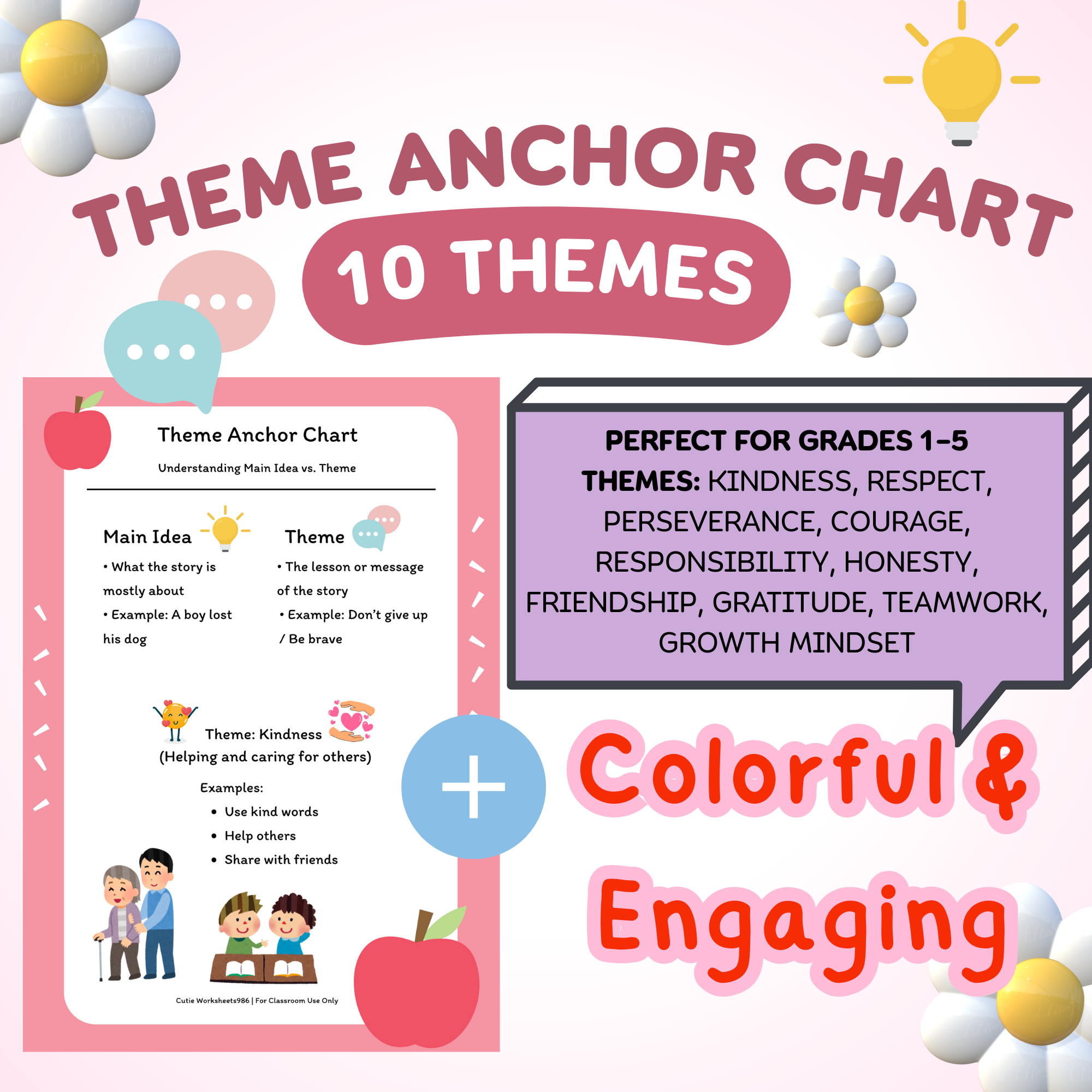
Character Education Anchor Charts | 10 Classroom Themes

Not a student worksheet; charts are for classroom display/reference, each pairing a main-idea-vs-theme mini-lesson with a specific character trait, its definition, and example behaviors.

File
PDF
Length
10 pages
Level
1–5
Download
Visual Supports for Social Pragmatic teaching resource preview
Strategies & visual reminders

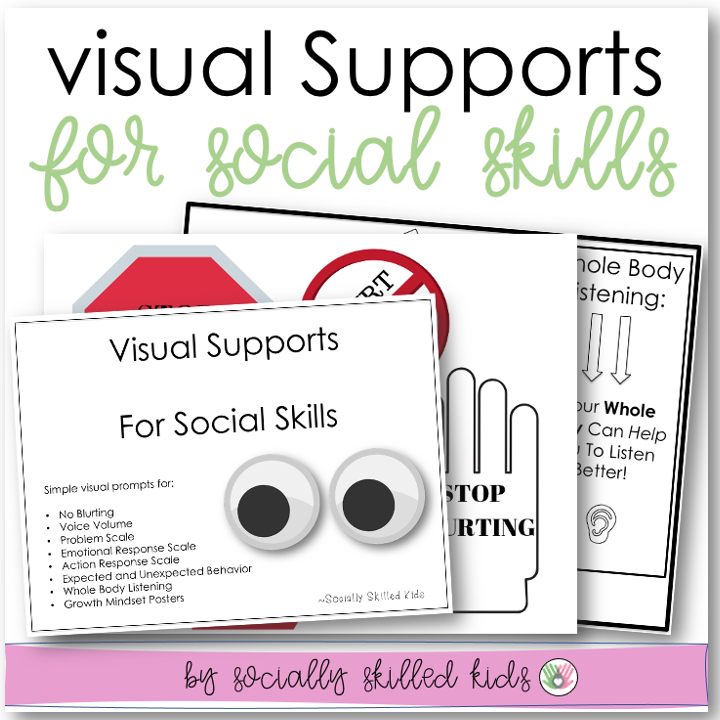
Visual Supports for Social Pragmatic

Reference visual scale posters (voice volume, problem size, emotional/action response) and behavior-expectation posters to guide self-regulation and social behavior; no written student task.

File
PDF
Download
Control Spot Sign teaching resource preview
Strategies & visual reminders

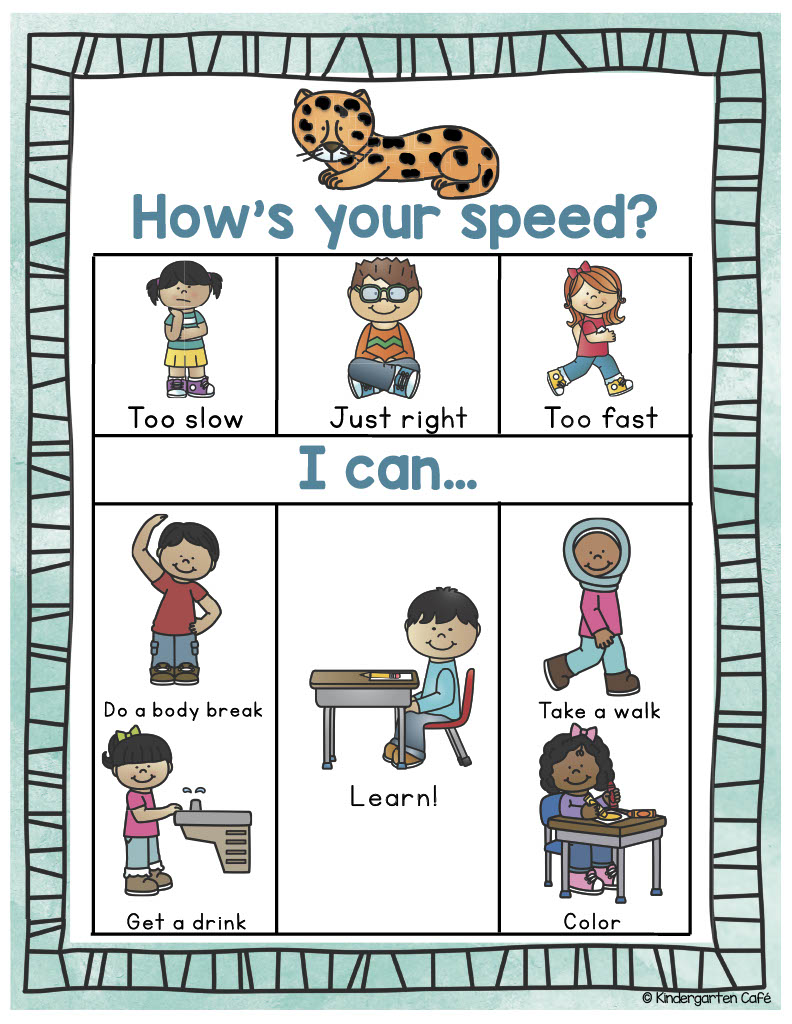
Control Spot Sign

Look at the poster to determine whether their working speed is 'too slow', 'just right', or 'too fast', then choose from listed 'I can...' options (take a break, take a walk, learn, get a drink, color).

File
PDF
Level
Pre-K–K
Download
Listening Behavior Anchor Chart teaching resource preview
Strategies & visual reminders

Listening Behavior Anchor Chart

The seven-page set builds its listening routine across successive posters, ending with all five reminders together. Use the sequence when introducing the routine and keep the final page near the reading area. Model the expectations in ways that work for your students, then refer to the display during transitions into a read-aloud.

File
PDF
Level
Pre-K–2
Download
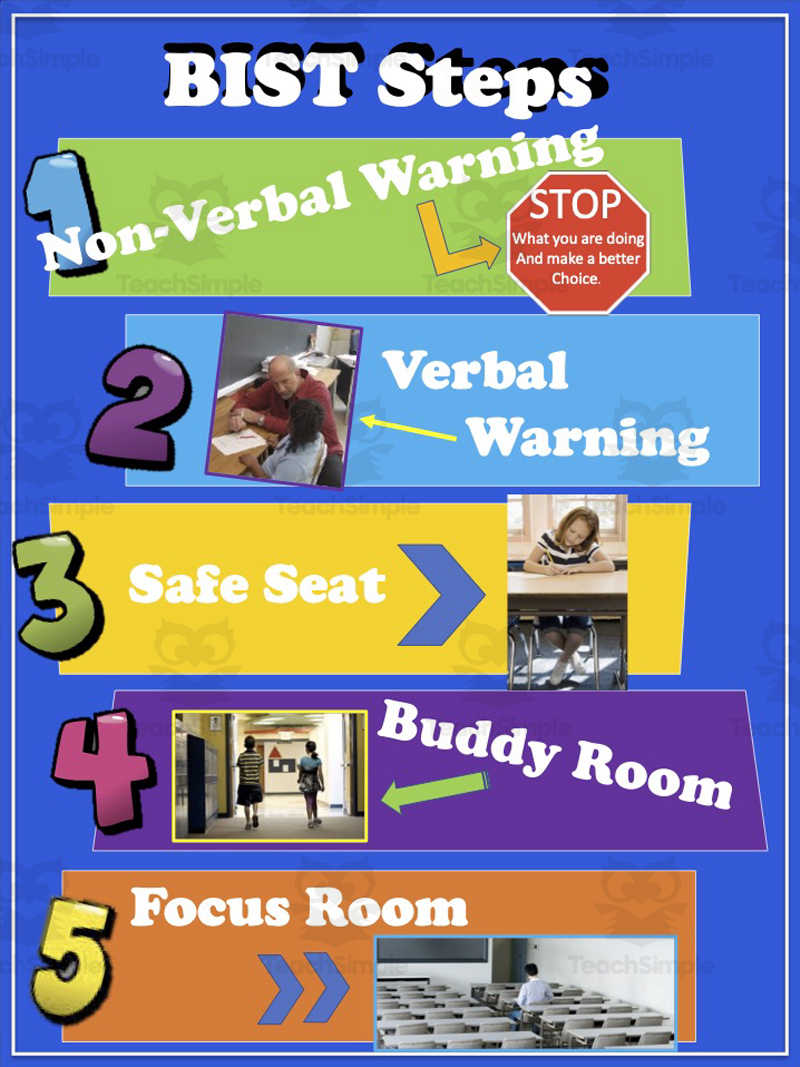
BIST Steps Poster teaching resource preview
Strategies & visual reminders

BIST Steps Poster

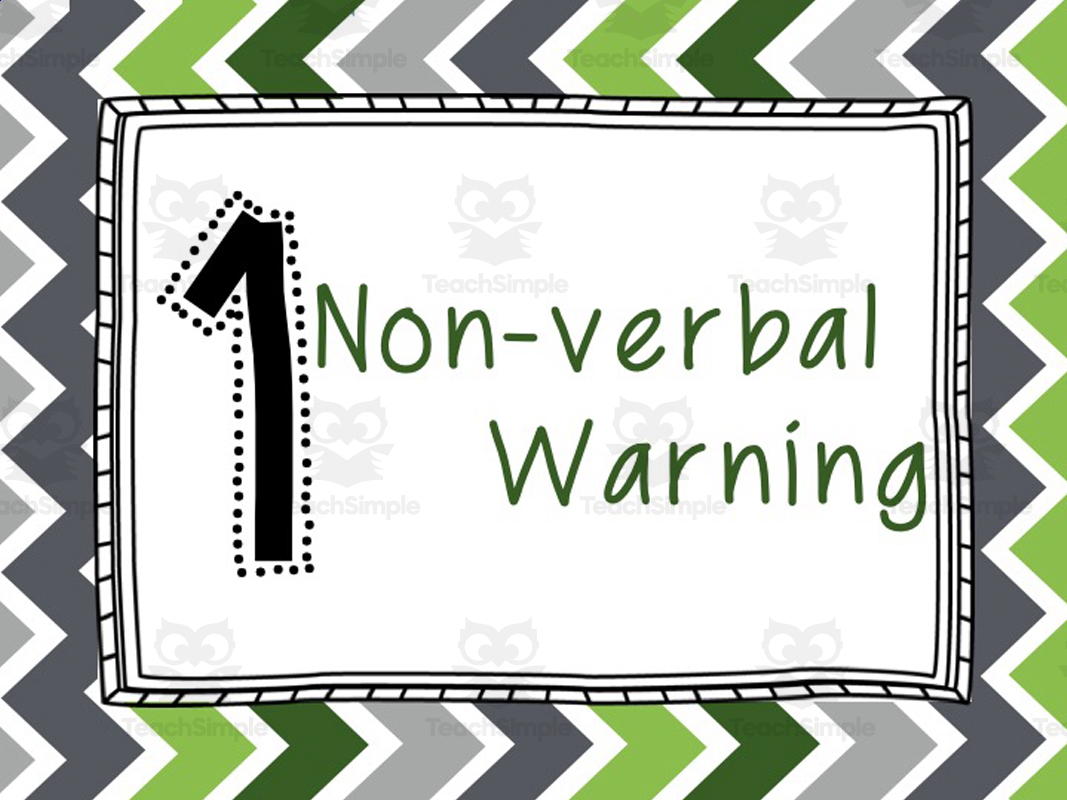
This one-page poster lists five steps in a BIST response sequence: non-verbal warning, verbal warning, safe seat, buddy room and focus room. A stop-and-make-a-better-choice message accompanies the first step. Explain each step using your school’s procedures before displaying the poster.

File
PDF
Download
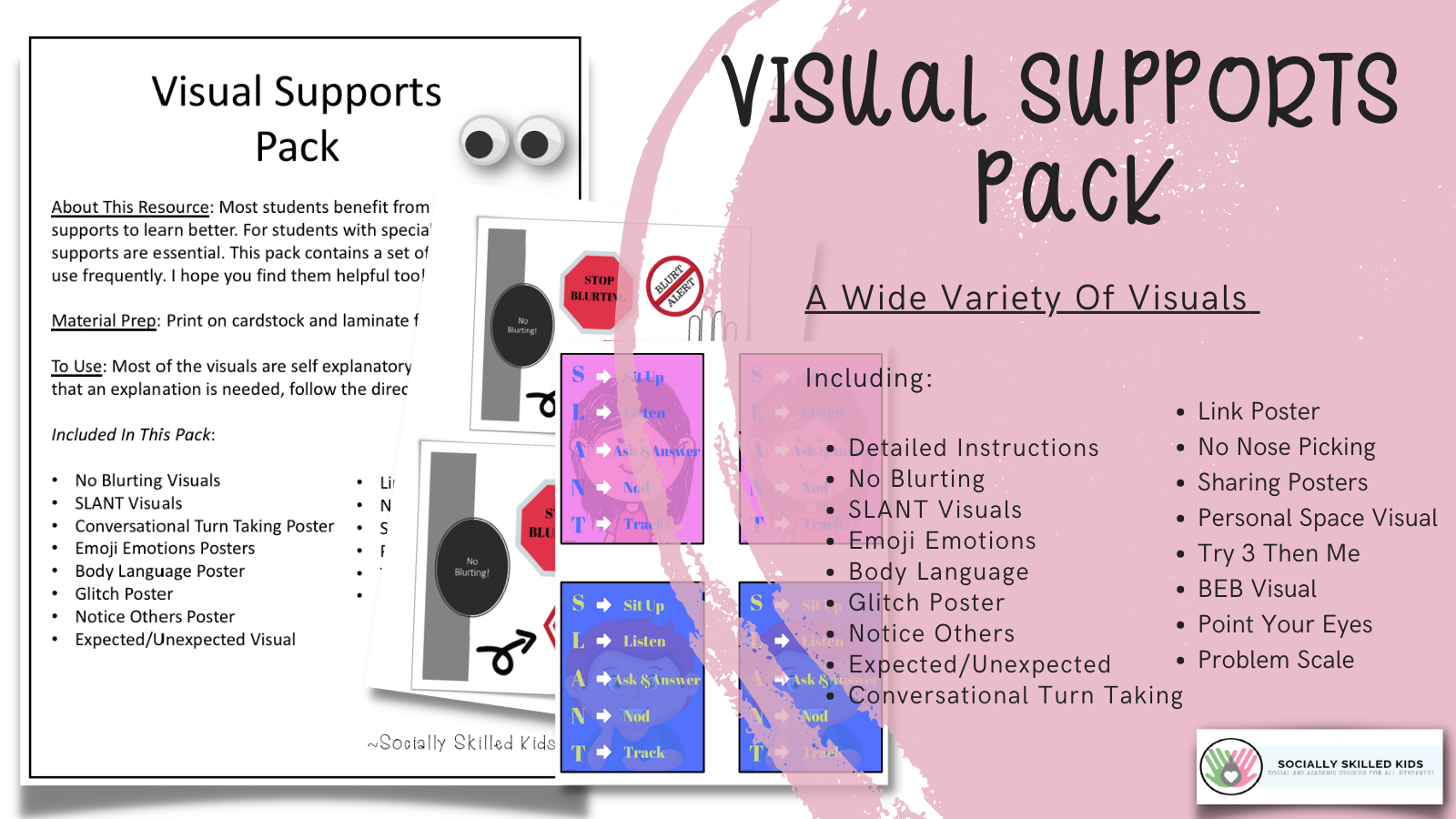
Visual Supports Pack teaching resource preview
Strategies & visual reminders

Visual Supports Pack

Students view and discuss each poster with a teacher/therapist (e.g. discussing what each letter of an acronym means, matching facial expressions to emotion cards, role-playing behaviors), and in some cases use dry-erase markers on laminated cards or play a memory-matching game with printed emotion cards.

File
PDF
Level
Pre-K, 1–5
Download
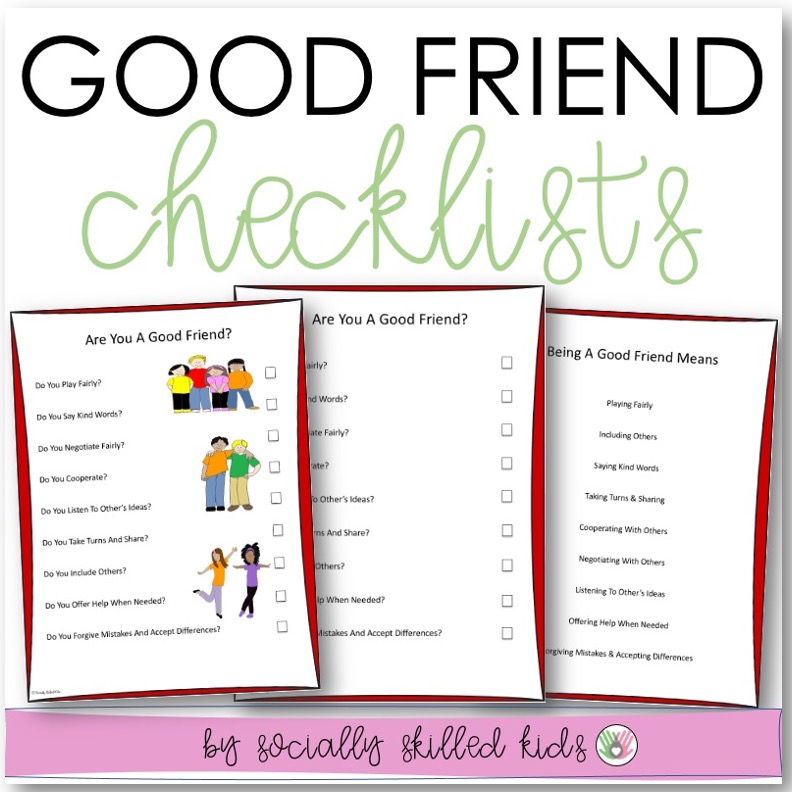
Good Friend Checklists, 12 Differentiated Checklists teaching resource preview
Student checklists

Good Friend Checklists, 12 Differentiated Checklists

Read a checklist of 9 friend-behavior items (e.g. 'Did/Do you play fairly?', 'Did/Do you say kind words?', 'Did/Do you take turns and share?') and mark yes/no for each, before and/or after a social event such as recess, a field trip, or lunch; a blank 'Make Your Own' version lets students write in or draw their own ideas.

File
PDF
Level
Pre-K, 1–5
Download
BIST Behavior Steps teaching resource preview
Strategies & visual reminders

BIST Behavior Steps

Provides visual classroom-management cards/posters showing a four-step behavior intervention sequence (non-verbal warning, verbal warning, safe seat, buddy room).

File
PDF
Download
Good Sport Checklists, 12 Differentiated Checklists teaching resource preview
Student checklists

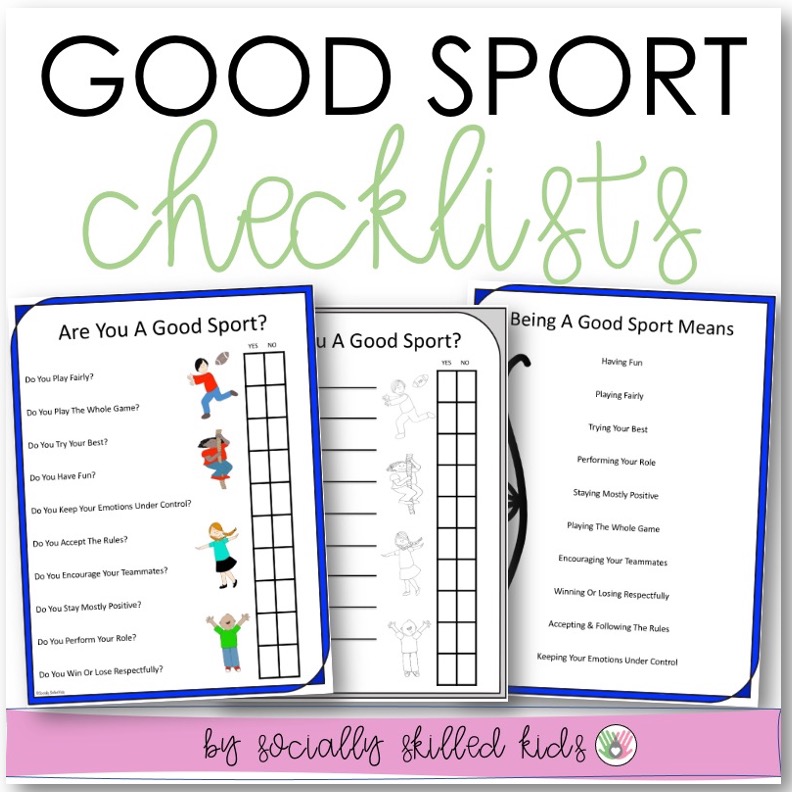
Good Sport Checklists, 12 Differentiated Checklists

Read a checklist of 10 sportsmanship items (e.g. 'Do/Did you play fairly?', 'Do/Did you try your best?', 'Do/Did you win or lose respectfully?') and mark yes/no for each, before and/or after a game or team event; a blank 'Make Your Own' version lets students write in or draw their own ideas.

File
PDF
Level
Pre-K, 1–5
Download