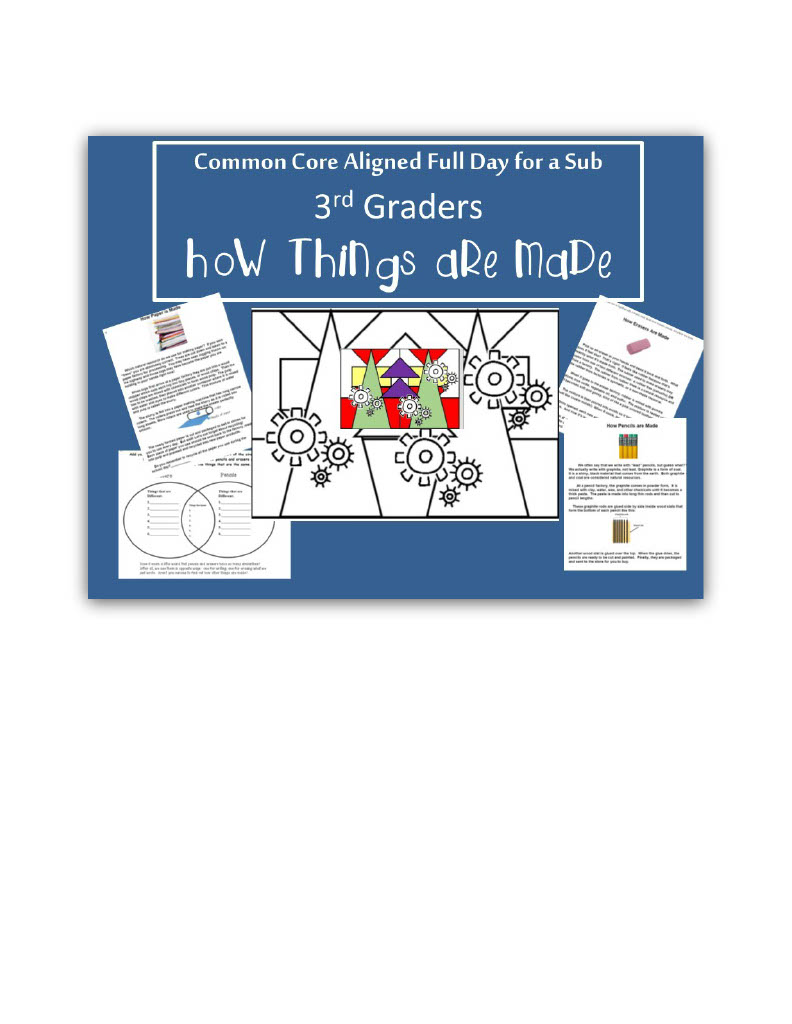
How Things Are Made: Full Day Substitute Plans
A full-day substitute teacher plan package for Grade 3 built around the theme of how everyday items are manufactured, combining reading comprehension, writing, math review, and vocabulary activities.


236 resources
Explore sub-categories
3 sub-categories · 236 resources
A full-day substitute teacher plan package for Grade 3 built around the theme of how everyday items are manufactured, combining reading comprehension, writing, math review, and vocabulary activities.
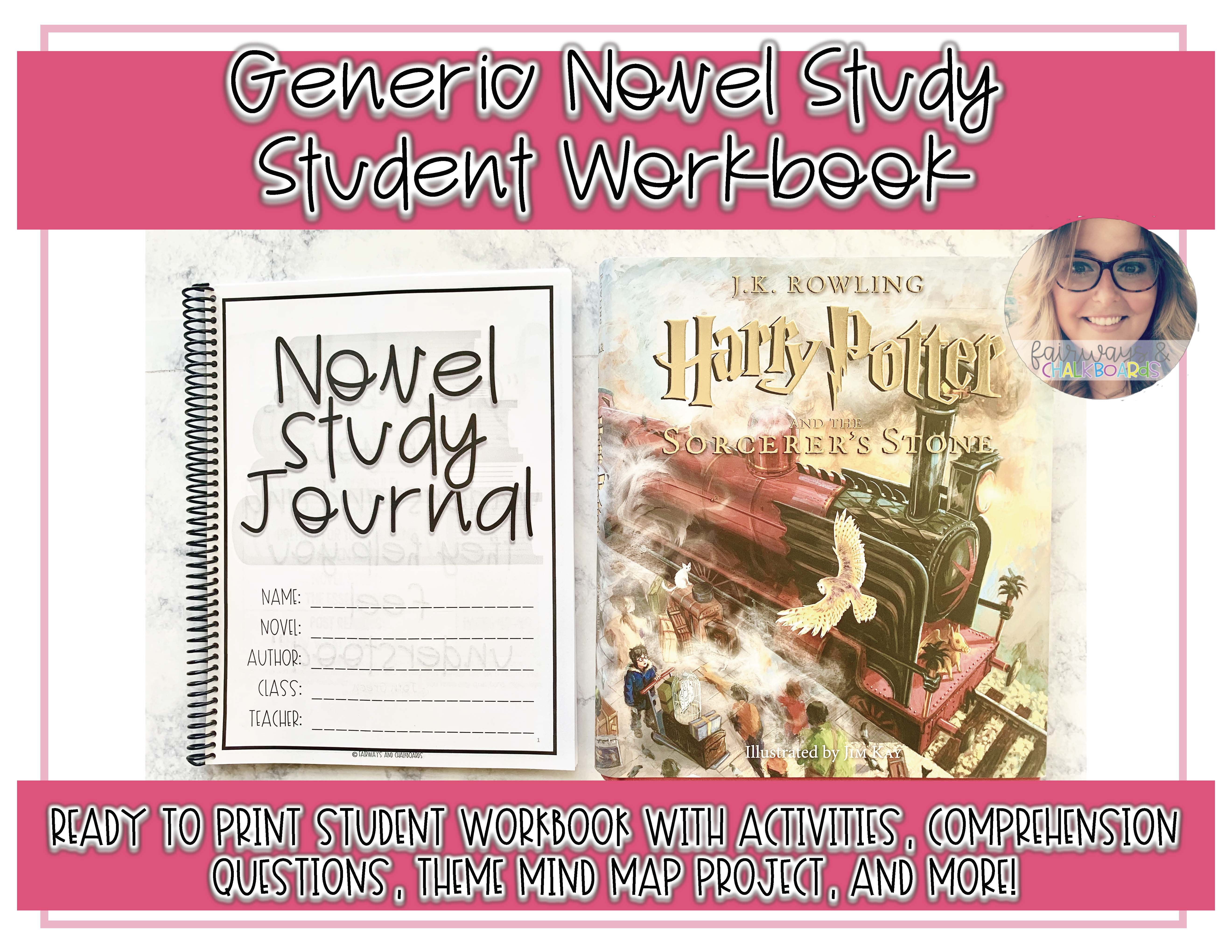
A generic novel-study student workbook that can be used with any novel to guide pre-reading, during-reading, and post-reading comprehension and analysis activities.
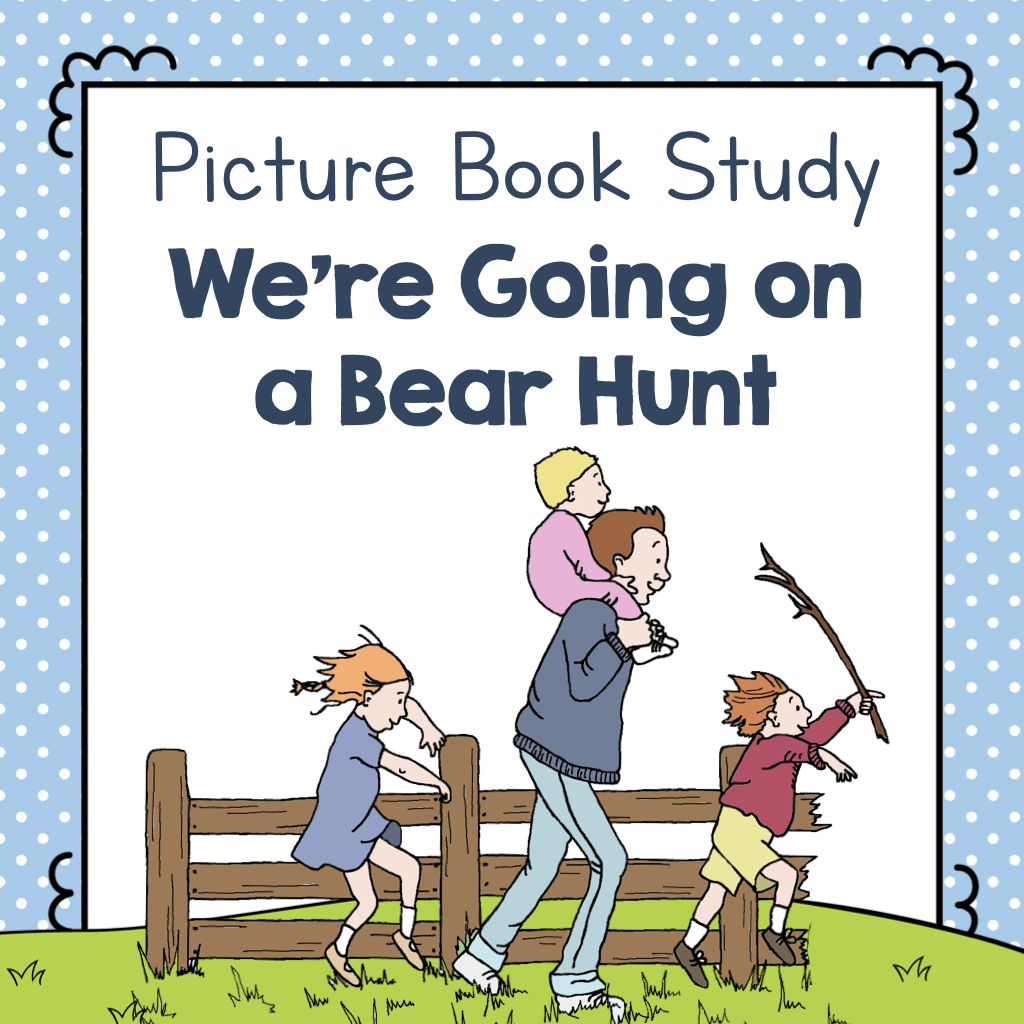
A no-prep picture book study companion for "We're Going on a Bear Hunt," providing discussion questions and a range of book-inspired activities the teacher can select from.
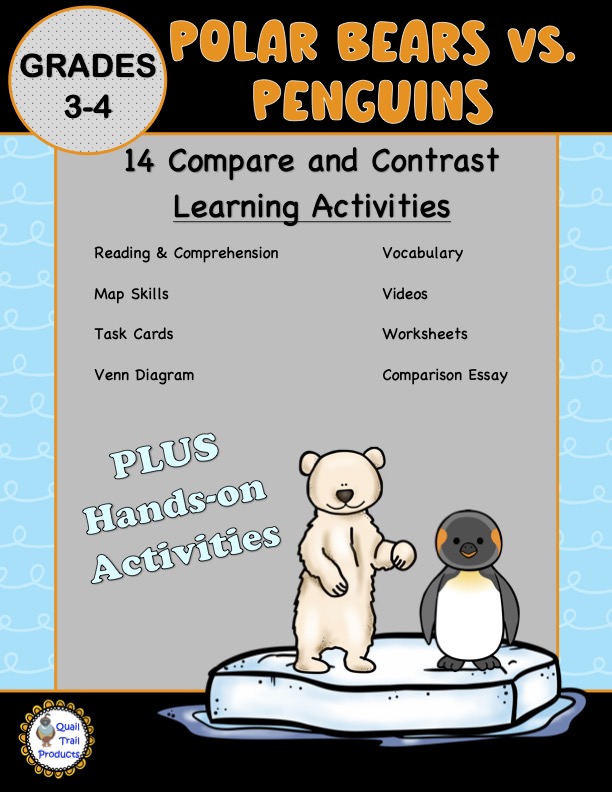
A 14-activity compare-and-contrast unit about polar bears and penguins, covering reading comprehension, vocabulary, writing, map skills, and hands-on tasks.

A frog/amphibian science activity packet teaching young students about frog habitats, diet, camouflage, and the frog life cycle (eggs, tadpole, mature tadpole, froglet, adult frog)

Guide students through an arts-integrated lesson combining a chance-based drawing game to create a chicken artwork with a chicken life cycle science reading/writing activity, an art-history compare-and-contrast task, and reflection writing.

A middle/high school health unit introducing the parts and functions of the male and female reproductive systems.

Teach young children personal hygiene and self-care routines (teeth brushing, hand washing, bathing/showering, hair care, dressing, toileting, bedtime, table manners)

A nonfiction science reading passage teaching what watersheds are, how they're divided, and how water moves through them (runoff, evaporation, infiltration, groundwater, transpiration), paired with comprehension and extension questions.

A three-part literacy resource bundle (story book, snake/spider fact summaries, and a differentiated 128-page activity booklet) built around the Sammy Snake and Sally Spider story, providing tiered reading, writing, vocabulary and comprehension activities for Prep through Year 6.
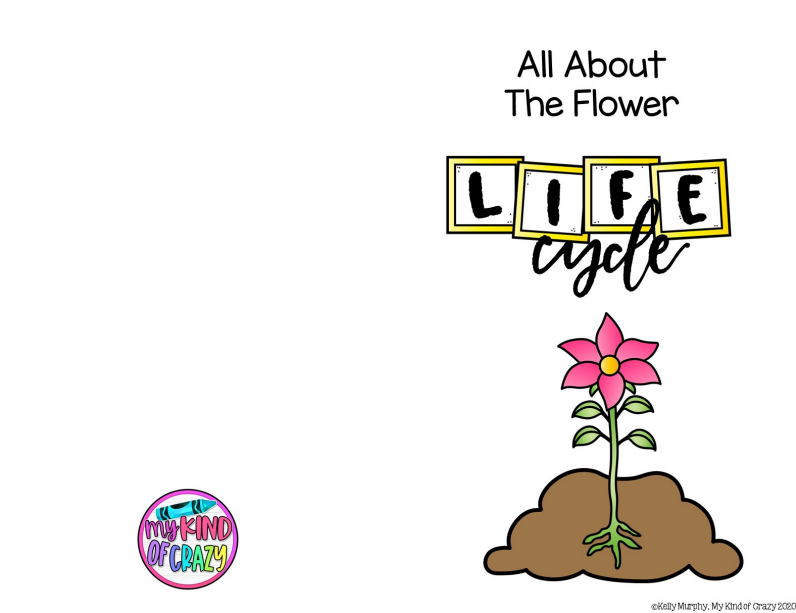
Flower Life Cycle Printable Activity Book The Flower Life Cycle Printable Activity Book is an invaluable teaching resource specifically tailored for Grade 1 through Grade 5 curriculum. With meticulous relevance to Science instruction, horizontal to Botany education, this resource guarantees educators have all the essentials for teaching…

A reader-response question packet for Shakespeare's 'Julius Caesar,' organized by act, to build reading comprehension through written response.

Provide a book companion of activities for the story 'Apple Trouble!' by Ragnhild Scamell, focused on reading comprehension and related science content (hibernation).
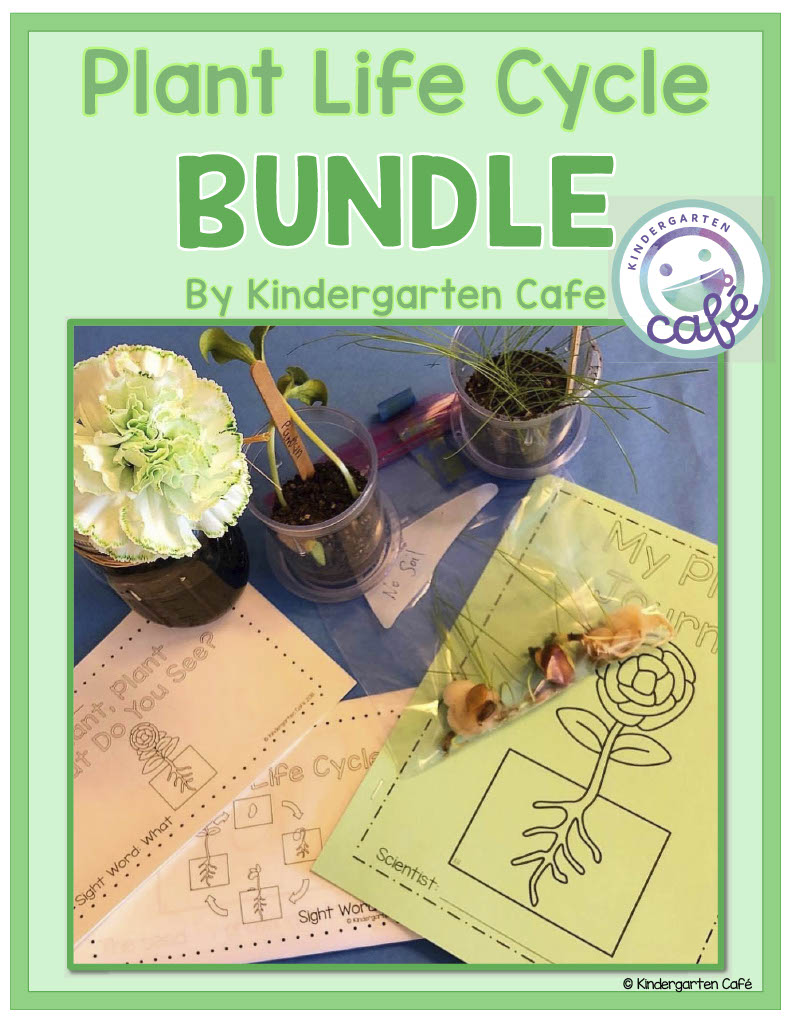
Guide young students through a hands-on plant-growing science unit combining observation journaling, prediction, and life-cycle labeling.

A large no-prep solar system unit packet covering the Sun, planets, moon and asteroid belt through informational readings and a variety of worksheets to build vocabulary, reading comprehension, and factual knowledge.
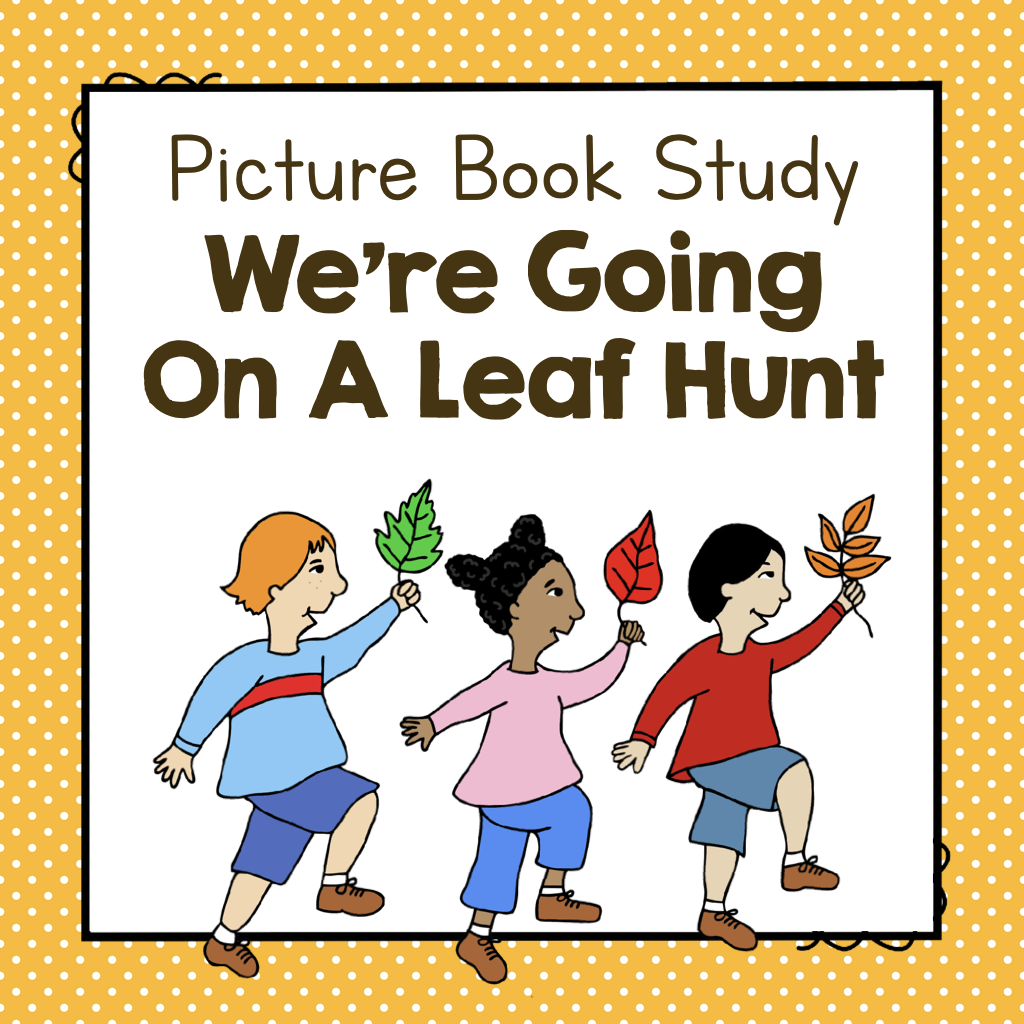
A no-prep picture book study companion for "We're Going On A Leaf Hunt," providing discussion questions and a range of book-inspired activities the teacher can select from.

A book-companion resource pack of print-and-go activities to accompany a read-aloud of the picture book 'The Treasure' by Uri Shulevitz, covering folktale identification, story elements, character analysis, sequencing, theme, and creative writing.
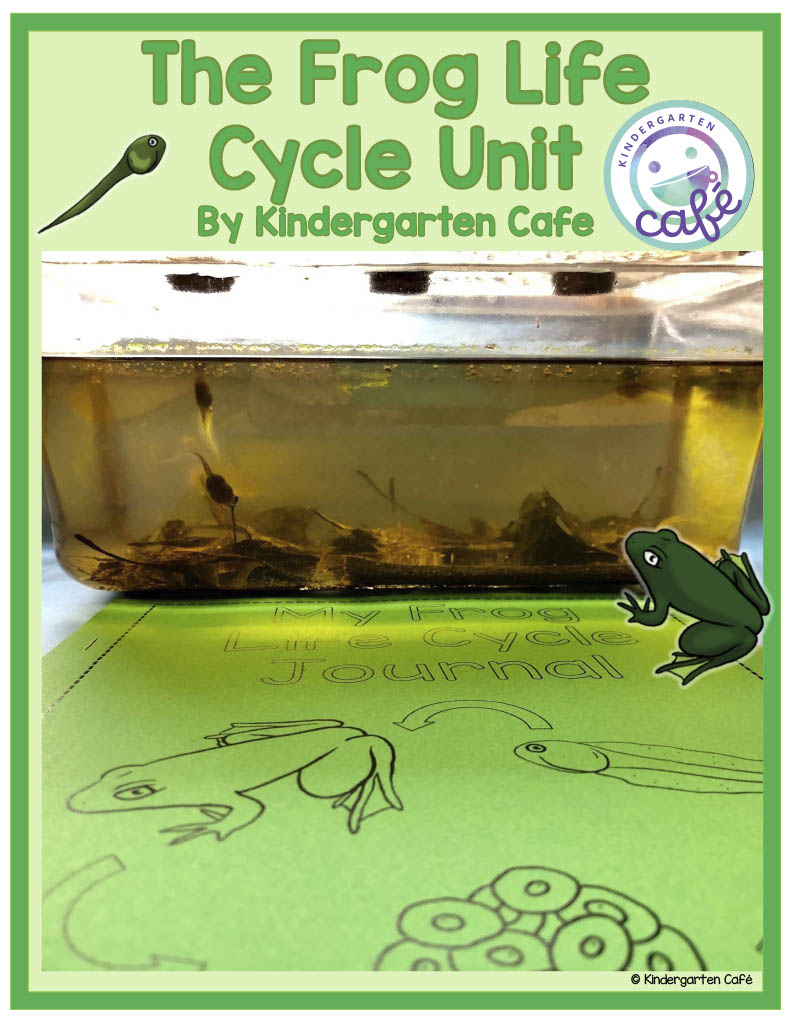
A science unit that teaches the frog life cycle (egg, tadpole, froglet, frog) through a science journal, labeling diagrams, and sequencing activities.

A printable flipbook craft teaching students about cheetahs - physical features, speed, self-defense, classification, habitat, diet, and body parts - with a reading comprehension and writing component.

A book companion for White Owl, Barn Owl by Nicola Davies with 30 print-and-go activities covering reading comprehension, vocabulary, and research skills about barn owls.
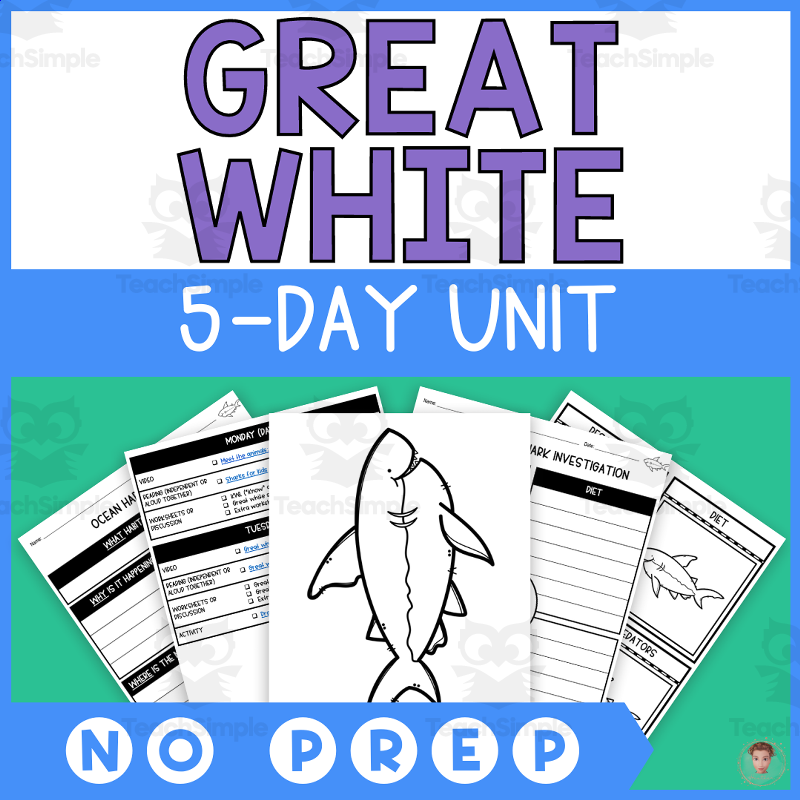
A 5-day homeschool/co-op unit study on great white sharks combining video-based instruction, reading, and graphic-organizer worksheets covering shark facts, life cycle, habitat and ocean conservation.

A grades 5-7 nonfiction science reading article explaining what causes wind (air pressure differences, temperature, Earth's rotation), types of intense wind, how wind is measured, and wind energy use, paired with comprehension and extension questions.

A research and response workbook covering arthropod biology: classification, characteristics, life cycles, anatomy, ecology, and related science-literacy activities (research writing, quizzes, word puzzles, career survey).

An informational science reading article explaining how bioaccumulation and biomagnification of pollutants move up the food chain and harm organisms, paired with comprehension and extension questions.