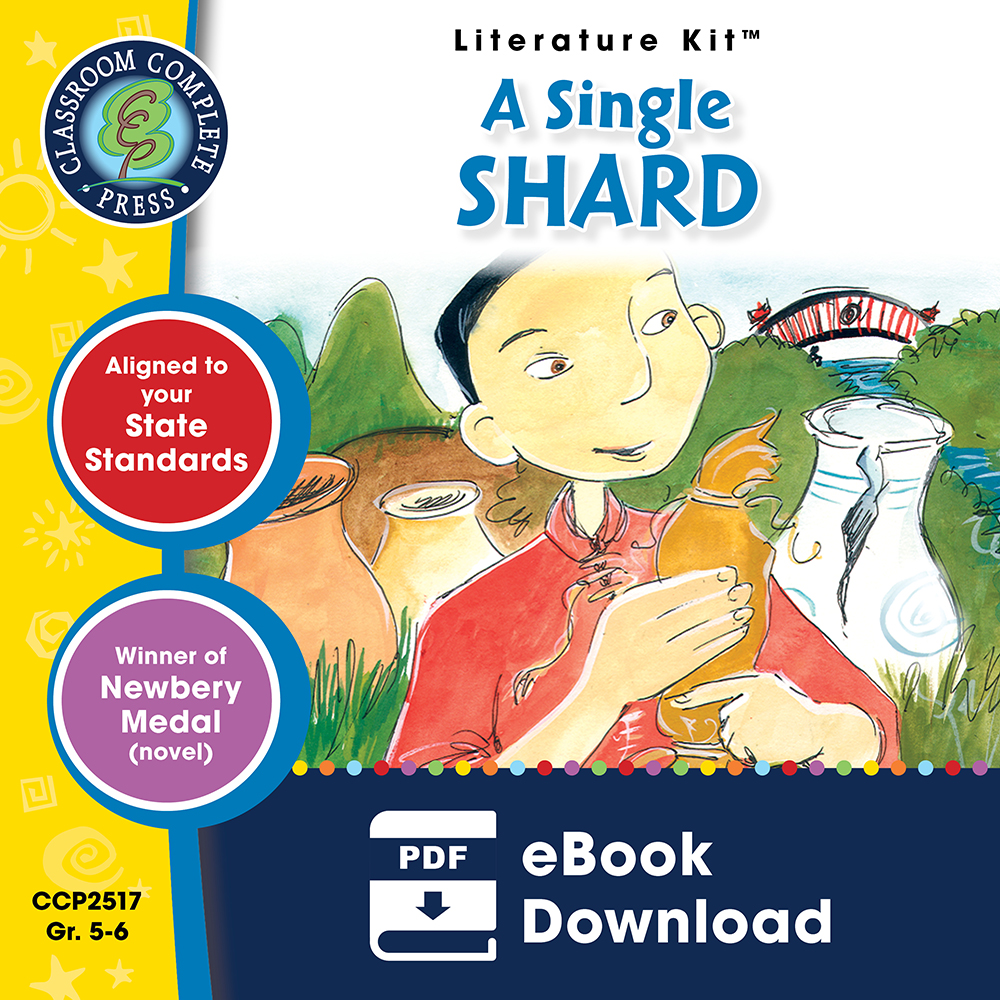
A Single Shard - Literature Kit Gr. 5-6
Provide a comprehensive literature study kit for the novel 'A Single Shard' by Linda Sue Park, developing reading comprehension and critical thinking skills across Bloom's Taxonomy levels.
1,096 resources
Explore sub-categories
2 sub-categories · 1,096 resources
Provide a comprehensive literature study kit for the novel 'A Single Shard' by Linda Sue Park, developing reading comprehension and critical thinking skills across Bloom's Taxonomy levels.
Provide a comprehensive literature study kit for the novel 'A Wrinkle in Time' by Madeleine L'Engle, developing reading comprehension and critical thinking skills across Bloom's Taxonomy levels.
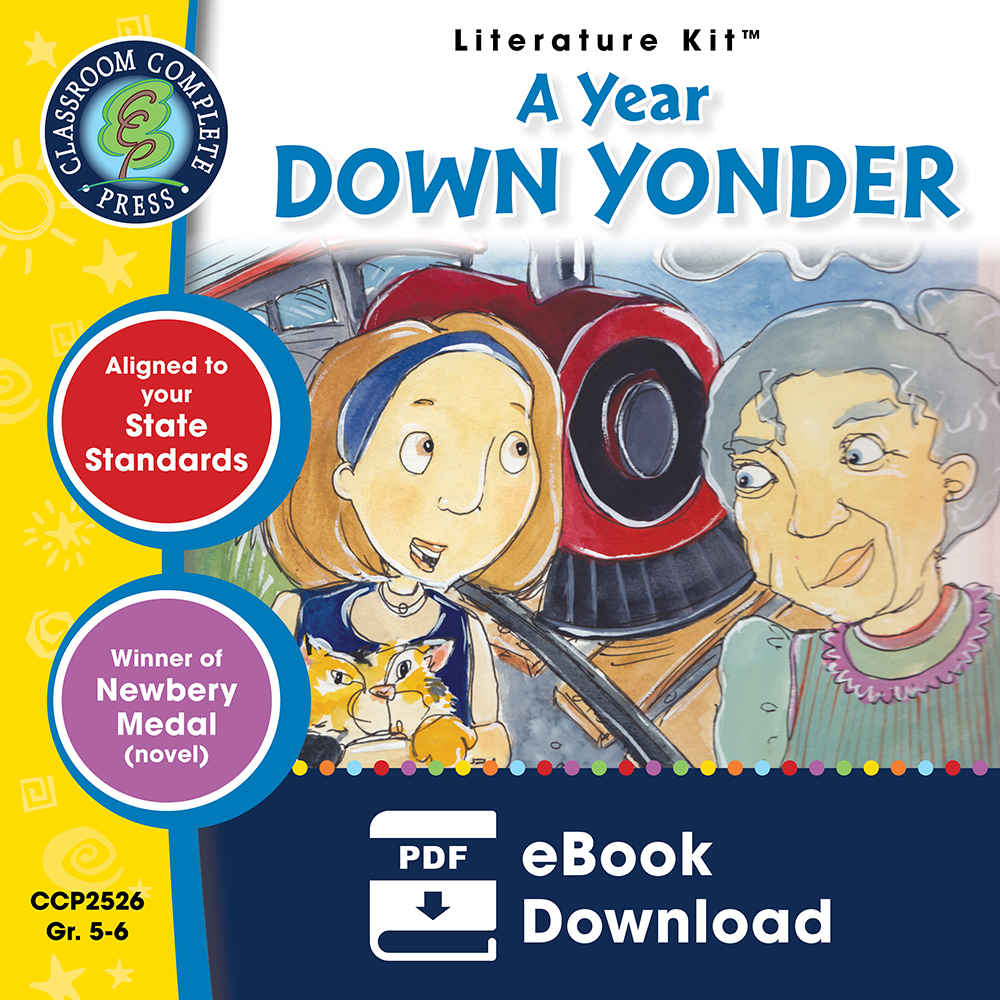
Provide a comprehensive literature study kit for the Newbery Medal-winning novel 'A Year Down Yonder' by Richard Peck, developing reading comprehension and critical thinking skills across Bloom's Taxonomy levels.
Teach the geographic Place theme (physical and human characteristics, e.g. the Sahara Desert, capitals and cities) of Africa as one of the Five Themes of Geography, for grades 5-8
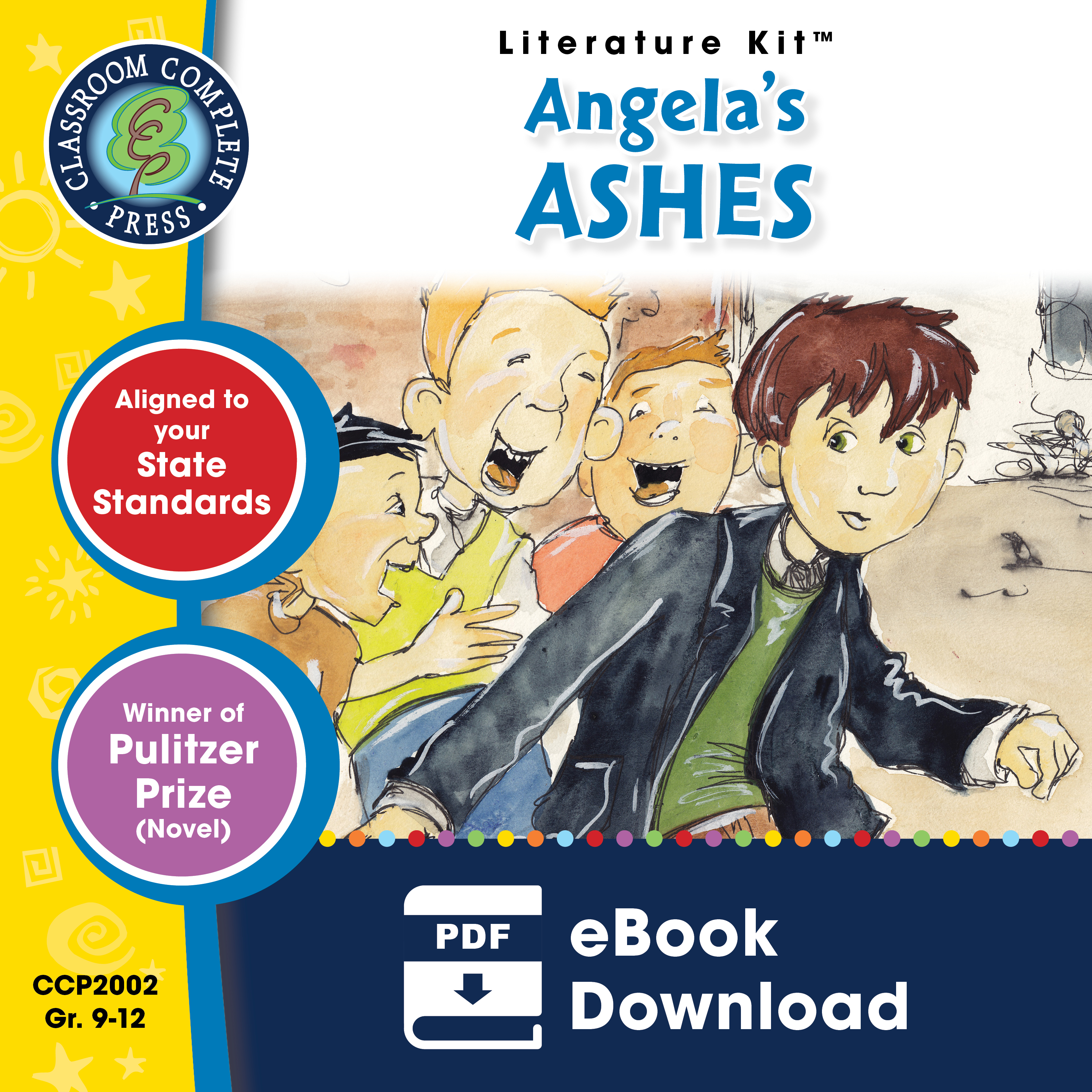
A literature kit for teaching Frank McCourt's memoir Angela's Ashes to grades 9-12, built around Bloom's Taxonomy reading-comprehension skill levels.
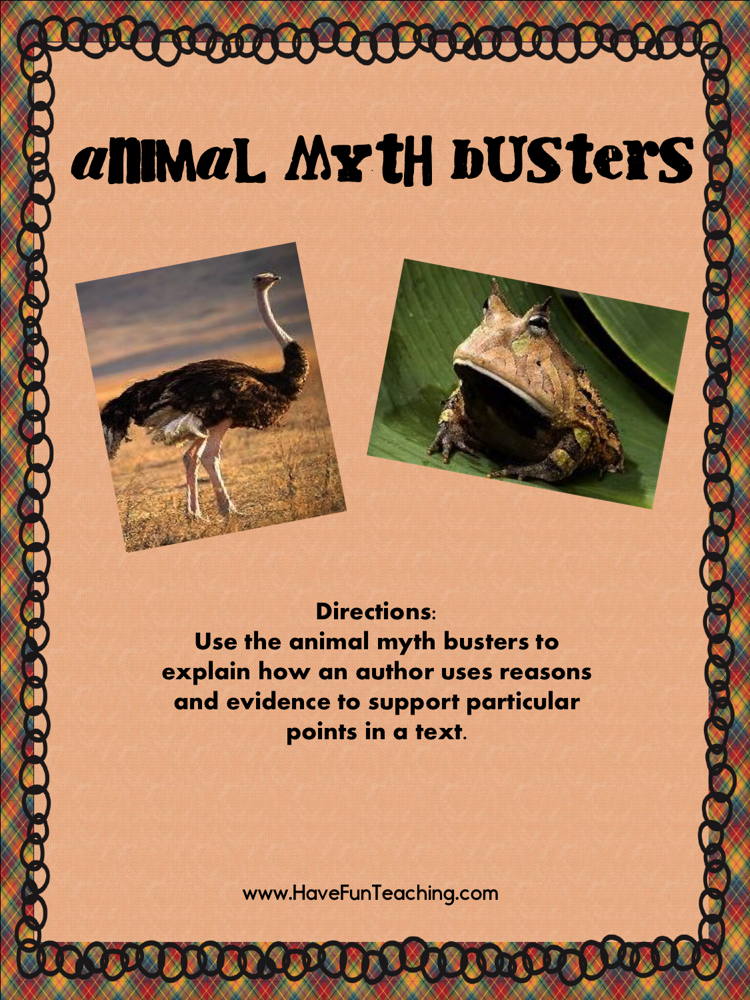
A reading comprehension activity teaching author's purpose by having students analyze how an author uses evidence to support claims, using myths about animals as the reading text.
A reading-comprehension lesson plan that uses nonfiction articles about animals that help people (monkeys and guide dogs) to build reading and vocabulary skills.
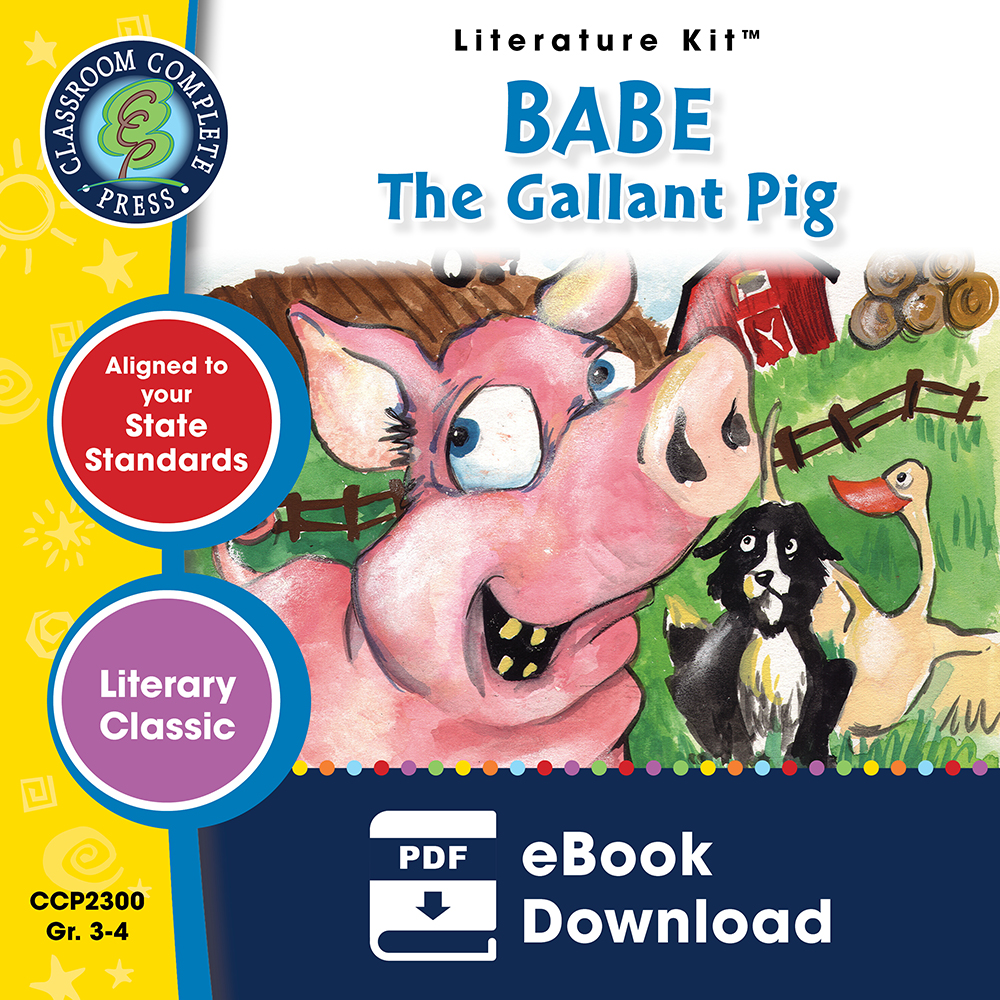
A literature kit / teacher guide for the novel 'Babe: The Gallant Pig' by Dick King-Smith, providing chapter-by-chapter comprehension and critical-thinking activities for Grades 3-4.
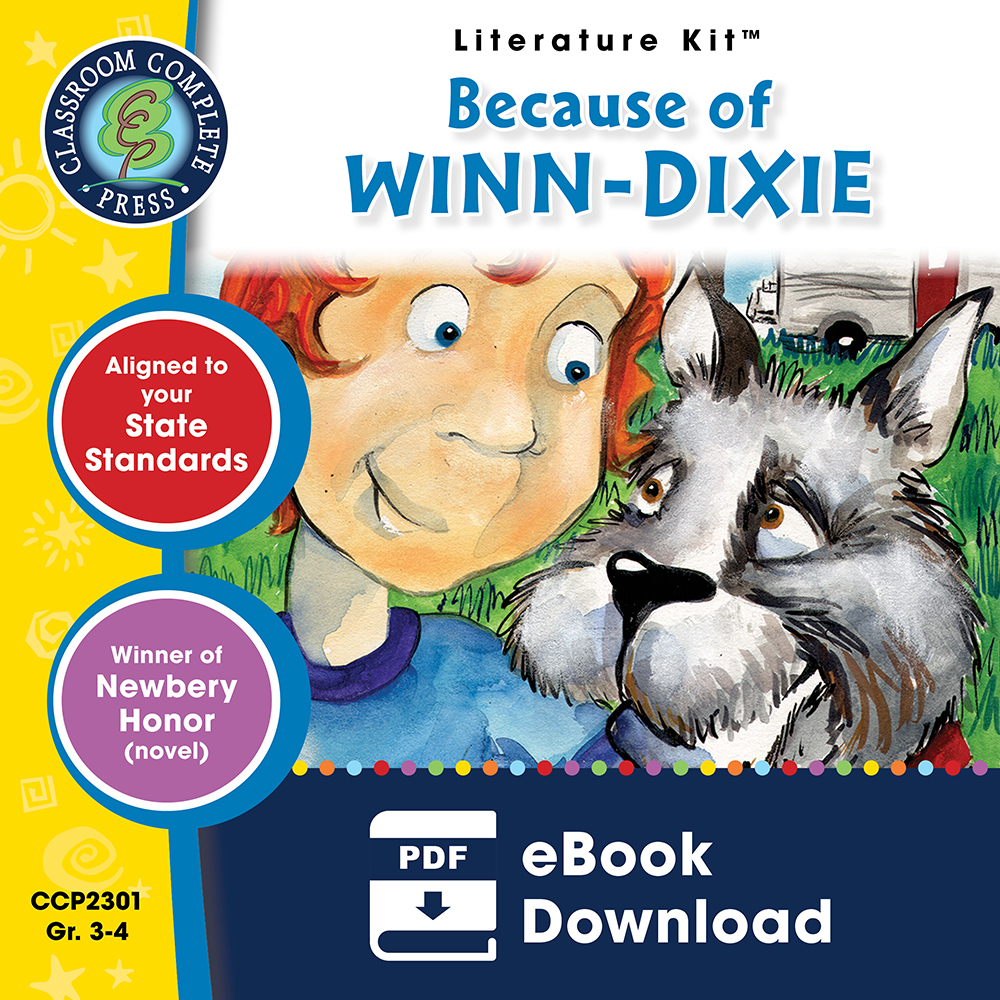
Support close reading and comprehension of the novel 'Because of Winn-Dixie' by Kate DiCamillo through chapter-by-chapter critical-thinking questions, graphic organizers, vocabulary work, and writing tasks structured around Bloom's Taxonomy.
This Book, Movie, Poem Differentiated Reports and Reviews is a set of 23 pages graphic organizers no-prep worksheets that are designed for primary level learners, ESL/EFL students and homeschoolers.
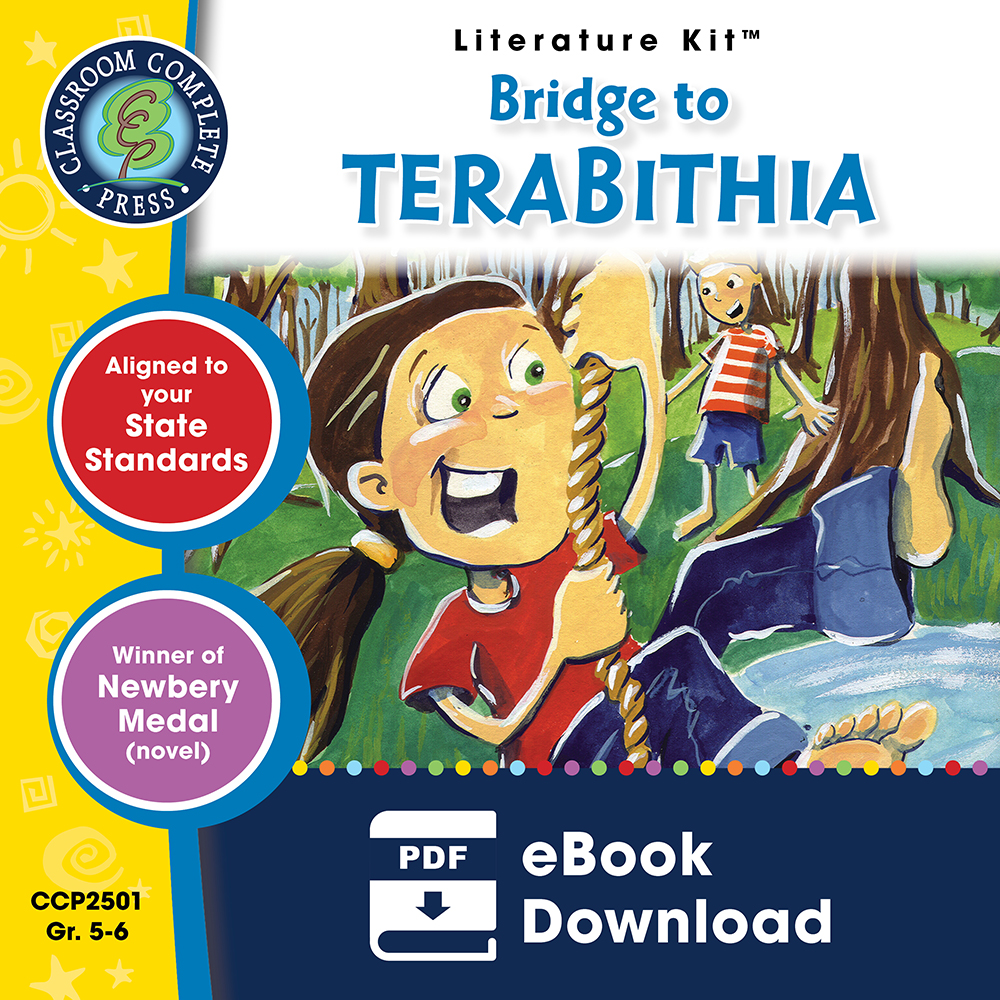
A literature kit for teaching 'Bridge to Terabithia' to grades 5-6, built around chapter questions, graphic organizers, and writing tasks that build reading comprehension and critical-thinking skills.
A life-skills lesson plan and activity package teaching the sequence of steps for brushing teeth, integrating writing, math, and art.
A comprehensive Grades 5-6 literature-kit teaching guide and student handout set for the novel Bud, Not Buddy by Christopher Paul Curtis, structured around Bloom's Taxonomy comprehension levels.
A compare-and-contrast worksheet set on the life cycles and distinguishing features of butterflies versus moths.
A published literature-study kit (Classroom Complete Press, 'A Literature Kit for Call It Courage') built around Armstrong Sperry's Newbery Medal novel, providing chapter-by-chapter comprehension and critical-thinking activities organized by Bloom's Taxonomy, for grades 7-8.
A literature kit for teaching Suzanne Collins' novel Catching Fire to grades 7-8, built around Bloom's Taxonomy critical-thinking skill levels, with chapter questions, vocabulary, and writing tasks.
Provide a comprehensive grades 3-4 literature kit for teaching Roald Dahl's novel 'Charlie and the Chocolate Factory', covering chapter comprehension, vocabulary, and critical thinking skills across Bloom's Taxonomy levels.
A blank data table asks students to record six properties for each rock or mineral sample they test: colour, lustre, streak, transparency, hardness, and whether the sample is magnetic. After completing the table, four short-answer questions have students identify the softest and hardest minerals among their own tested samples and explain how they know, then name the softest and hardest minerals known in the world for comparison. The table itself supplies no pre-filled sample names or property data, so completing it requires physical rock or mineral specimens to test rather than reading.

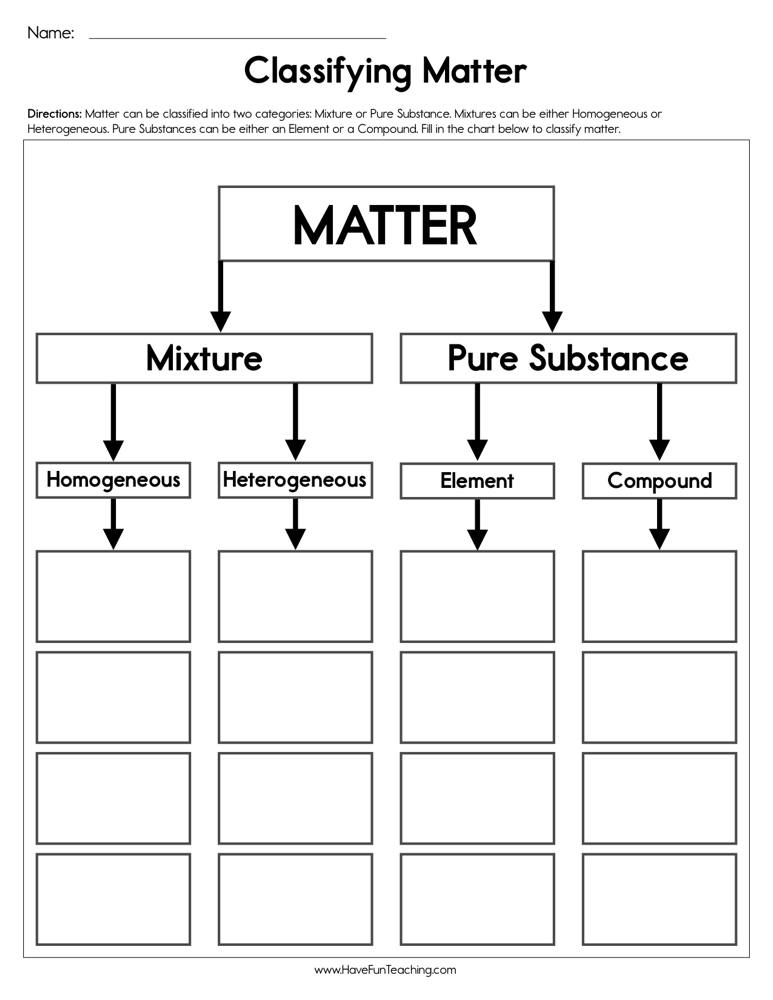
The classification chart shows how broad groups of matter divide into more specific categories. Students fill the blank boxes with examples for the four subtypes after distinguishing mixtures from pure substances. Use familiar examples during discussion and ask students to explain which characteristic places an example on a particular branch.
This product can help teachers by providing a way for students to read and compare two Greek Myths. The graphic organizer can help students to identify similarities and differences between the texts.
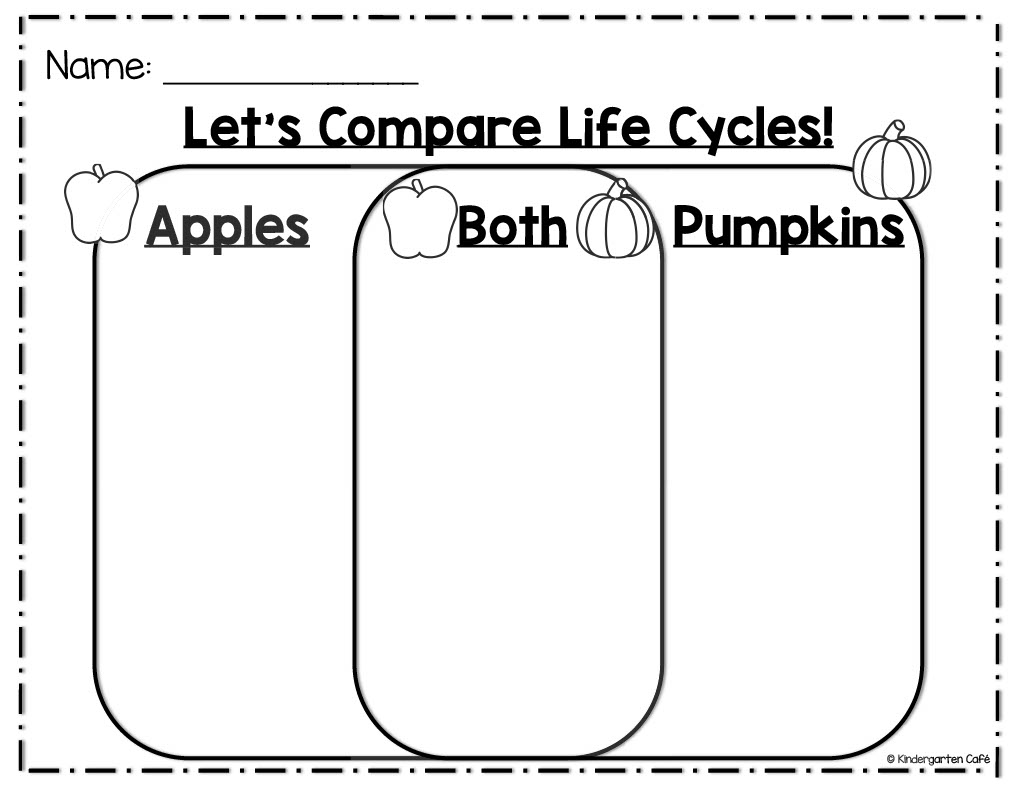
Have students compare and contrast the life cycles of apples and pumpkins after studying both.
This Comparing Similar Text Important Points Worksheet can help your students compare and contrast two texts on the same topic. This is a great way for students to identify important points in a story.
Comparing Two Characters Worksheet : This worksheet is a great way for your students to compare and contrast two different characters. They will then tell how they are similar and how they are different.
This activity is perfect for helping students compare and contrast two events from an informational text. It's a great way to get students to think critically about the events and to identify the ways in which they are unique.