



3,911 products added recently
Page 124 - Science Lesson Plans
Bring science to life with lesson plans that cover biology, chemistry, physics, and more. These resources offer experiments and interactive lessons to stimulate curiosity. Implement them to foster a deep understanding of scientific principles and a passion for discovery.

 Show filters


I WONDER - Why Do Kangaroos Live In Herds | Animated Video Lesson
STEM, Animals, Life Sciences, Science, Biology, Grade 1, 2, 3, 4, 5, 6, 7, 8, Lesson Plans, Teacher Tools
Video Introduction Animal kingdoms are full of fascinating wonders to learn. This video is designed for the students to learn more about animals in different countries. I WONDER - Why Do Kangaroos Live In Herds | Animated Video Lesson Do you like animals? what is your favorite one? Do you own a pet? If yes, tell us more about it, like what its name? And what do you like most about it? What are the animal kingdoms? Can you write down the characteristics of each animal class like mammals, birds, reptiles, amphibian, fish and mollusks. Do you know that some animals can sing, can you name any of them? What is the largest and the smallest mammal in the world? What is the largest and the smallest bird in the world? What is the largest and the smallest fish in the world? I WONDER - Why Do Kangaroos Live In Herds | Animated Video Lesson The video is perfect for encouraging the researching skills for the students, while learning more about these fantastic animals. I WONDER - Why Do Kangaroos Live In Herds | Animated Video Lesson This friendly designed video is suitable for students at school, homeschooling, and as a group activity. Format Available in MP4 format.
Author Educational Voice
Tags Why Do Kangaroos Live In Herds, Why Do Kangaroos Live In Herds Video, Kangaroos, Kangaroos Herds, Kangaroos Herds Facts, Kangaroos Herds Facts For Kids, Kangaroos Herds Video, Kangaroos Herds Video For Kids

I WONDER - How Do Horses Communicate | Animated Video Lesson
STEM, Biology, Life Sciences, Science, Animals, Grade 1, 2, 3, 4, 5, 6, 7, 8, Lesson Plans, Teacher Tools
Video Introduction Animal kingdoms are full of fascinating wonders to learn. This video is designed for the students to learn more about animals in different countries. I WONDER - How Do Horses Communicate | Animated Video Lesson Do you like animals? what is your favorite one? Do you own a pet? If yes, tell us more about it, like what its name? And what do you like most about it? What are the animal kingdoms? Can you write down the characteristics of each animal class like mammals, birds, reptiles, amphibian, fish and mollusks. Do you know that some animals can sing, can you name any of them? What is the largest and the smallest mammal in the world? What is the largest and the smallest bird in the world? What is the largest and the smallest fish in the world? I WONDER - How Do Horses Communicate | Animated Video Lesson The video is perfect for encouraging the researching skills for the students, while learning more about these fantastic animals. I WONDER - How Do Horses Communicate | Animated Video Lesson This friendly designed video is suitable for students at school, homeschooling, and as a group activity. Format Available in MP4 format.
Author Educational Voice
Tags How Do Horses Communicate, How Do Horses Communicate Video, Horses, Horse, Horses Facts, Horses Facts For Kids, Horses Video, Horses Video For Kids, Horse Facts, Horse Video
I WONDER - Is The Liver The Largest Organ In The Body | Animated Video
Biology, Life Sciences, Science, Human Body, STEM, Grade 2, 3, 4, 5, 6, 7, 8, Lesson Plans, Teacher Tools
Video Overview The human body is full of fascinating wonders to learn. This video is created to help the students recognize the anatomy and the job of the human body. I WONDER - Is The Liver The Largest Organ In The Body | Animated Video Lesson Every part and organ in our human body is vital so let's see how important they are. Have you ever imagined how we look like if we didn't have a skeleton? Did you know that because we have our amazing muscles we can stand! Do you know how many teeth do we have? Have you ever wondered about the food journey inside our body? Can you name all the glands in our body? Why do we have skin? Our nervous system is really good at sending signals. Can you tell us more about it? Are you really good at Mathematics, painting, or any other thing? You should really thank your brain about it! The famous five senses are really doing a great work? Can you explain how every sense works? I WONDER - Is The Liver The Largest Organ In The Body | Animated Video Lesson The video is perfect for encouraging the researching skills for the students, while learning more about our fantastic human body. I WONDER - Is The Liver The Largest Organ In The Body | Animated Video Lesson This friendly designed video is suitable for students at school, homeschooling, and as a group activity. Format Available in MP4 format.
Author Educational Voice
Tags Is The Liver The Largest Organ In The Body, Is The Liver The Largest Organ In The Body Video, Liver, Liver Facts, Liver Facts For Kids, Liver Video, Liver Video For Kids, Largest Organ In The Body
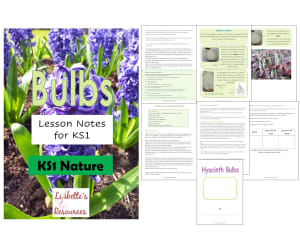
Planting Bulbs
Science, Life Sciences, Nature & Plants, Grade 1, Teacher Tools, Lesson Plans
Planting Bulbs Planting Bulbs is a dynamic teaching resource focused on first-grade students' introduction to the world of botany. This lesson plan is created around planting hyacinth bulbs, offering an interactive and hands-on science education opportunity. Aims and objectives This lesson enables students to observe and compare, thus growing their natural curiosity. Furthermore, it offers in-depth explanations into: Understanding what a bulb is. The process of bulb growth. What is included in the pack? The material comes bundled in a transparent ten-page PDF file format that interlaces useful insights with practical application opportunities. This ensures not only theoretical understanding but also the formation of concrete concepts through actual interaction with plants. As part of its user-friendly nature, this guide includes extendable activities aimed at relative exploration and richening understanding: Versatile activities are adaptable for whole group instruction or smaller focus groups. There is the potential to modify for classwork or homework assignments promoting independent investigations. Also included are ways for comprehensive questions and recording methods that underpin student analytical capabilities while also instilling excellent research practices from their educational journey's onset. This guided approach caters right from understanding botany's basics like bulbs to observable growth over several weeks – making this lesson plan useful throughout one academic term's period in autumn. Whether you are a public school teacher wanting your students engaged deeply into scientific study or homeschoolers looking for authentic materials that offer practically appealing learning experiences within controlled environments – this product oozes flexibility! Conclusively, this custom-designed tool perfectly fits First Grade science curricula needs, transforming the Botany lessons into a fun-filled routine endeavour rather than a monotonous theory activity ! Who is it for? First-grade students Home educators What format is the Planting Bulbs lesson in? It comes as one PDf with 10 pages
Author Lilibette's Resources
Tags Planting Bulbs, Botany, Hands-on Learning, Science Education, Observation, First Grade Science, Bulbs, Plants, Autumn

Lesson 6.1 - Types of Substances
Science, Chemistry, Physics, Grade 6, 7, 8, 9, 10, 11, 12, Lesson Plans, Teacher Tools
Lesson 6.1 - Types of Substances This instructional tool is planned tactfully to serve the educational requirements of students from Grade 6 up to Grade 12, and to arm teachers with a multifaceted teaching aid that beautifully corresponds with the original course material. Substances Explained - Comprehensive Notes Sheet The initial component presents absorbed notes on the three fundamental types of substances: Elements, Compounds, Mixtures—Homogeneous & Heterogeneous versions. Offering dual versions for comprehensive learning, Version (A) facilitates interactive handwriting spaces for active learners, while version (B) provides complete details benefiting absent scholars or those needing these extra inputs. Theory Applied – Substance Identification Activity An engaging activity is included to simplify theoretical knowledge application—students just observe an assortment of substance samples positioned at various stations and then identify their types. Digital Research – Investigate Elements, Compounds or Mixtures A subsequent interactive portion requires students to delve into technology-aided research where they define certain substances as elements, compounds or mixtures and explore their utilitarian value globally. Lastly available are ready-to-present PowerPoint Notes and targeted Objectives & Starter Questions Scholastically sound yet dynamic! Endowing educators with superior resources allows them valuable time for strategic session planning along with ensuring an lucid delivery towards learners. And voila! Planning your next teaching assignment was never easier! You can further adapt this lesson according in your way due to its compliant .docx format compatibility provided by most word processors such as Microsoft Word. Consistent across multiple readers like Adobe Reader, this lesson also guarantees stability through its non-editable .pdf files. More than just an instructional tool, Lesson 6.1 is indeed a boon to successful concept comprehension summed up in a comprehensible format.
Author Integrated Chemistry and Physics
Tags Substance Types, Elements, Compounds, Mixtures, Substance Identification
I WONDER - What Is A Fossil | Animated Video Lesson
Earth Sciences, Earth and Environmental Sciences, Science, Geology, Grade 4, 5, 6, 7, 8, 9, 10, Lesson Plans, Teacher Tools
Video Introduction An amazing activity designed for the students to learn more about STEM. I WONDER - What Is A Fossil | Animated Video Lesson Do you like STEM subjects? what is your favorite one? Have you ever tried to plant a seed? If yes, tell us more about it. Or have you ever tried to invent something? If yes, tell us more about it. And how do you think it will help us? Have you ever seen a microorganism under a microscope? What was it? And how it looked like? Mathematics is a marvelous subject. Let' sharpen our brains and solve some equations. Do you like timetable tricks? What is your favorite one? Do you know how to code? Have you ever created an app or a game before? If yes, how was it like? I WONDER - What Is A Fossil | Animated Video Lesson The video is perfect for encouraging the researching skills for the students, while learning more about this fantastic topic. I WONDER - What Is A Fossil | Animated Video Lesson This friendly designed video is suitable for students at school, homeschooling, and as a group activity. Format Available in MP4 format.
Author Educational Voice
Tags What Is A Fossil, What Is A Fossil Video, Fossil, Fossils, Fossils Facts, Fossils Facts For Kids, Fossil Video, Fossils Video For Kids, Stem, Stem Video
I WONDER - What Is Fog | Animated Video Lesson
Earth Sciences, Earth and Environmental Sciences, Science, Grade 4, 5, 6, 7, 8, 9, 10, Lesson Plans, Teacher Tools
Video Introduction An amazing video designed for the students to learn more about famous phenomena in different countries. I WONDER - What Is Fog | Animated Video Lesson What do you know about this phenomenon? Where it happens? When it happens? What are the safety measures that we should take to be safe during this phenomenon? Are there any other places in the world that experienced this phenomenon? If yes, tell us more about them. Why do you think it happens? Do you like reading about Geography? What is your favorite country in the whole world? I WONDER - What Is Fog | Animated Video Lesson The video is perfect for encouraging the researching skills for the students, while learning more about this fantastic phenomenon. I WONDER - What Is Fog | Animated Video Lesson The video is perfect for encouraging the researching skills for the students, while learning more about this fantastic phenomenon. Format Available in a PDF format.
Author Educational Voice
Rating
Tags What Is Fog, What Is Fog Video, Fog, Fog Facts, Fog Facts For Kids, Fog Video, Fog Video For Kids, Weather, Weather Facts, Weather Video
I WONDER - Where Do Blizzards Happen | Animated Video Lesson
Earth Sciences, Earth and Environmental Sciences, Science, Environmental Science, Geology, Grade 3, 4, 5, 6, 7, 8, Lesson Plans, Teacher Tools
Video Introduction An amazing video designed for the students to learn more about natural disasters in different countries. I WONDER - Where Do Blizzards Happen | Animated Video Lesson Do you like summer days where the sun is shinning and you can see beautiful flowers everywhere or winter days where it is raining or snowing and where you can set by the fireplace and enjoy the scene from outside your windows? How to do you thing the blizzards and hurricanes or tornadoes got their names? Can you name a volcanic mountain? Have you ever read about earthquakes? Do you know why earthquakes happen? I WONDER - Where Do Blizzards Happen | Animated Video Lesson The video is perfect for encouraging the researching skills for the students, while learning more about this fantastic phenomenon. I WONDER - Where Do Blizzards Happen | Animated Video Lesson This friendly designed video is suitable for students at school, homeschooling, and as a group activity. Format Available in MP4 format.
Author Educational Voice
Rating
Tags Where Do Blizzards Happen, Blizzards, Blizzard, Blizzards Facts, Blizzards Facts For Kids, Blizzards Video, Blizzards Video For Kids, Natural Disaster, Natural Disasters, Natural Disasters Facts

I WONDER - What Is A Baby Goat Called | Animated Video Lesson
STEM, Biology, Life Sciences, Science, Animals, Grade 1, 2, 3, 4, 5, 6, 7, 8, Lesson Plans, Teacher Tools
Video Introduction Animal kingdoms are full of fascinating wonders to learn. This video is designed for the students to learn more about animals in different countries. I WONDER - What Is A Baby Goat Called | Animated Video Lesson Do you like animals? what is your favorite one? Do you own a pet? If yes, tell us more about it, like what its name? And what do you like most about it? What are the animal kingdoms? Can you write down the characteristics of each animal class like mammals, birds, reptiles, amphibian, fish and mollusks. Do you know that some animals can sing, can you name any of them? What is the largest and the smallest mammal in the world? What is the largest and the smallest bird in the world? What is the largest and the smallest fish in the world? I WONDER - What Is A Baby Goat Called | Animated Video Lesson The video is perfect for encouraging the researching skills for the students, while learning more about these fantastic animals. I WONDER - What Is A Baby Goat Called | Animated Video Lesson This friendly designed video is suitable for students at school, homeschooling, and as a group activity. Format Available in MP4 format.
Author Educational Voice
Tags What Is A Baby Goat Called, What Is A Baby Goat Called Video, Baby Goat, Baby Goat Facts, Baby Goat Facts For Kids, Baby Goat Video, Baby Goat Video For Kids, Goat, Goat Facts, Goat Video

Bottlenose Dolphin Unit Study (Ocean Animals Lesson Plan, Videos, Activities)
ELA, Grammar, Reading, Language Development, Spelling, Writing, Science, Life Sciences, Animals, Grade 1, 2, 3, Lesson Plans, Teacher Tools
Bottlenose Dolphin Unit Study This is a comprehensive and simple-to-follow teaching resource that focuses on the bottlenose dolphin. It offers an in-depth exploration of this intriguing marine mammal over a course of five days. The resource has been designed for various learning spaces such as public or private classrooms, homeschool environments, or cooperative learning groups and is best suited for grade 1-3 level students. Material Included: Art: Drawing and Coloring materials English Language Arts: Grammar, Reading, Spelling lessons Research Skills: Optional supplemental reading for detailed research Science The unit study includes project-based activities to foster creativity among students alongside reinforcing the lesson content. Daily worksheets exploring different aspects like description, diet, habitat life cycle are also part of the package along with interactive notebook pieces—promoting active engagement from all learners. Digital-Age Teaching Approach: Videos curated within this package harness technology's power to engage visual learners better while enhancing their memory retention capabilities. Nurturing Written Expression Skills: The educational benefits extend far beyond marine biology alone with activities that touch upon writing lessons/ centers —a critical component nurturing written expression skills amongst young learners. Add-ons Included: Coloring Pages: Aids psychomotor skill development Motivational Bookmarks: Encourages consistent reading habits! In summary - This Bottlenose Dolphin Unit Study packs in all the necessary tools required to make learning 'a deep dive into oceanic life'—an immersive, enjoyable and a thoroughly enriching journey!
Author Heather Huhman
Tags Dolphins, Marine Mammals, Ocean Animals, Unit Study, Interactive Notebook

I WONDER - How Long Have Bacteria Been On Earth | Animated Video
Biology, Life Sciences, Science, Earth Sciences, Earth and Environmental Sciences, Grade 4, 5, 6, 7, 8, 9, 10, Lesson Plans, Teacher Tools
Video Introduction An amazing activity designed for the students to learn more about STEM. I WONDER - How Long Have Bacteria Been On Earth | Animated Video Lesson Do you like STEM subjects? what is your favorite one? Have you ever tried to plant a seed? If yes, tell us more about it. Or have you ever tried to invent something? If yes, tell us more about it. And how do you think it will help us? Have you ever seen a microorganism under a microscope? What was it? And how it looked like? Mathematics is a marvelous subject. Let' sharpen our brains and solve some equations. Do you like timetable tricks? What is your favorite one? Do you know how to code? Have you ever created an app or a game before? If yes, how was it like? I WONDER - How Long Have Bacteria Been On Earth | Animated Video Lesson The video is perfect for encouraging the researching skills for the students, while learning more about this fantastic topic. I WONDER - How Long Have Bacteria Been On Earth | Animated Video Lesson This friendly designed video is suitable for students at school, homeschooling, and as a group activity. Format Available in MP4 format.
Author Educational Voice
Tags How Long Have Bacteria Been On Earth, How Long Have Bacteria Been On Earth Video, Bacteria, Bacteria Facts, Bacteria Facts For Kids, Bacteria Video, Bacteria Video For Kids, Earth Facts, Earth Video For Kids
Lesson 5.3 - Temperature & Kinetic Theory
Science, Chemistry, Physics, Grade 6, 7, 8, 9, 10, 11, 12, Lesson Plans, Teacher Tools
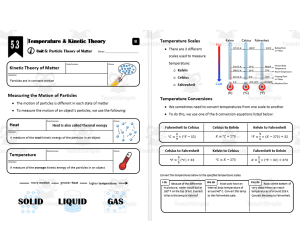
Lesson 5.3 - Temperature & Kinetic Theory A comprehensive teaching resource, Lesson 5.3 - Temperature & Kinetic Theory is designed specifically for educators across various forms of educational settings. Covering vital topics within Science such as Chemistry and Physics, this exceptional teaching tool caters to students from Grade 6 through to Grade 12. Detailed Lesson Overview An in-depth study on the difference between heat and temperature, including how to convert measurements between temperature scales. Inclusive notes come in two versions: Version A for general students with blanks to fill out during instruction; a completed version B for absent students or those who require accommodations. The resource extends learning with Temperature & Kinetic Theory Practice sheets inclusive of converting temperatures between scales and reading thermometers- offered in both versions A and B. Interactive Learning Elements: The package includes the practical station activity, 'Temperature & Kinetic Theory Practice Stations': six stations each featuring two temperature conversion questions offering an immersive learning experience. Presentation Tools Included: The Objectives & Starter Questions PowerPoint offers clear learning objectives along with sample starter questions relevant to the topic discussed. To further facilitate classroom instruction PowerPoint formatted Notes are provided ensuring easy interpretation of content presented in class. All components are aligned with the 2016 Indiana State Standards for Integrated Chemistry & Physics which enhances its applicability across multiple curriculums. Files are provided as .docx files that can be customized according teacher's preference or as.pdf files ensuring wide range compatibility but non-editable. Globally implementable – whether it be used for whole group teaching sessions, small study groups or homework assignments. EMBRACE THE JOURNEY OF SCIENCE with Lesson 5.3 - Temperature & Kinetic Theory: an engaging, student-centered and comprehensive resource.
Author Integrated Chemistry and Physics
Tags Temperature Conversion, Heat Vs Temperature, Kinetic Theory, Thermometers, Science Education
Lesson 2.4 - Position vs. Time Graphs
Science, Chemistry, Physics, Grade 6, 7, 8, 9, 10, 11, 12, Lesson Plans, Teacher Tools
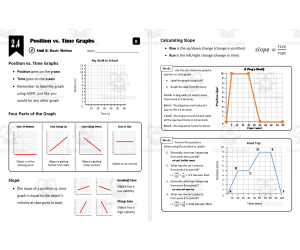
Lesson 2.4 - Position vs. Time Graphs An invaluable teaching tool for educators focusing on Science, particularly Chemistry and Physics, for students in grades 6 through 12. This resource provides a detailed blueprint on how to construct and interpret position vs. time graphs — a core concept in studying motion and velocity. Inside the bundle are meticulously prepared resources that cater to diverse learning needs: Two versions of the notes sheet — one is blank (A) for majority of students to fill out during lectures, while another (B) is completed, designed as supplementary aid for students who might be absent or need additional support. Both sheets tackle how slope relates to velocity. A practice sheet with an equivalent dual-version system like the notes sheet— handy optionality that assures no learner is left behind during drill sessions or homework assignments. A dynamic PowerPoint Note file, ready to simplify class presentations with its efficient format translating theory into easily digestible parts. An additional PowerPoint file highlighting objectives & starter questions that trigger engaging class discussions or serve as refresher points before diving deep into new subjects. The integrated standards from Indiana State in 2016 encapsulated within this resource: ICP1.1; ICP1.2; ICP2; The files included can be accessed both via .docx and .pptx formats empowering teachers with the flexibility needed when it comes down to editing details matched explicitly towards their classes’ particular needs—without forgetting non-editable PDF versions suitable for general use rounding up one compact yet flexible function-rich teaching resource at your fingertips!
Author Integrated Chemistry and Physics
Tags Position Vs Time Graphs, Motion, Velocity, Physical Science, Teaching Resource

I WONDER - What Is A Polymer | Animated Video Lesson
Science, STEM, Grade 6, 7, 8, 9, 10, 11, 12, Lesson Plans, Teacher Tools
Video Introduction An amazing video designed for the students to learn more about STEM. I WONDER - What Is A Polymer | Animated Video Lesson Do you like STEM subjects? what is your favorite one? Have you ever tried to plant a seed? If yes, tell us more about it. Or have you ever tried to invent something? If yes, tell us more about it. And how do you think it will help us? Have you ever seen a microorganism under a microscope? What was it? And how it looked like? Mathematics is a marvelous subject. Let' sharpen our brains and solve some equations. Do you like timetable tricks? What is your favorite one? Do you know how to code? Have you ever created an app or a game before? If yes, how was it like? I WONDER - What Is A Polymer | Animated Video Lesson The video is perfect for encouraging the researching skills for the students, while learning more about this fantastic topic. I WONDER - What Is A Polymer | Animated Video Lesson This friendly designed video is suitable for students at school, homeschooling, and as a group activity. Format Available in MP4 format.
Author Educational Voice
Tags What Is A Polymer, What Is A Polymer Video, Polymer, Polymers, Polymers Facts, Polymer Facts For Kids, Polymer Video, Polymers Video For Kids, Science, Science Video

I WONDER - What Is An Allergy | Animated Video Lesson
Human Body, Life Sciences, Science, Biology, STEM, Grade 6, 7, 8, 9, 10, 11, 12, Lesson Plans, Teacher Tools
Video Overview The human body is full of fascinating wonders to learn. This video is created to help the students recognize the anatomy and the job of the human body. I WONDER - What Is An Allergy | Animated Video Lesson Every part and organ in our human body is vital so let's see how important they are. Have you ever imagined how we look like if we didn't have a skeleton? Did you know that because we have our amazing muscles we can stand! Do you know how many teeth do we have? Have you ever wondered about the food journey inside our body? Can you name all the glands in our body? Why do we have skin? Our nervous system is really good at sending signals. Can you tell us more about it? Are you really good at Mathematics, painting, or any other thing? You should really thank your brain about it! The famous five senses are really doing a great work? Can you explain how every sense works? I WONDER - What Is An Allergy | Animated Video Lesson The video is perfect for encouraging the researching skills for the students, while learning more about our fantastic human body. I WONDER - What Is An Allergy | Animated Video Lesson This friendly designed video is suitable for students at school, homeschooling, and as a group activity. Format Available in MP4 format.
Author Educational Voice
Tags What Is An Allergy, What Is An Allergy Video, Allergy, Allergy Facts, Allergy Facts For Kids, Allergy Video, Allergy Video For Kids, Immune System, Immune System Facts, Immune System Facts For Kids

I WONDER - What Is The Nucleus In The Atom | Animated Video Lesson
Chemistry, Science, STEM, Grade 6, 7, 8, 9, 10, 11, 12, Lesson Plans, Teacher Tools
Video Introduction An amazing video designed for the students to learn more about STEM. I WONDER - What Is The Nucleus In The Atom | Animated Video Lesson Do you like STEM subjects? what is your favorite one? Have you ever tried to plant a seed? If yes, tell us more about it. Or have you ever tried to invent something? If yes, tell us more about it. And how do you think it will help us? Have you ever seen a microorganism under a microscope? What was it? And how it looked like? Mathematics is a marvelous subject. Let' sharpen our brains and solve some equations. Do you like timetable tricks? What is your favorite one? Do you know how to code? Have you ever created an app or a game before? If yes, how was it like? I WONDER - What Is The Nucleus In The Atom | Animated Video Lesson The video is perfect for encouraging the researching skills for the students, while learning more about this fantastic topic. I WONDER - What Is The Nucleus In The Atom | Animated Video Lesson This friendly designed video is suitable for students at school, homeschooling, and as a group activity. Format Available in MP4 format.
Author Educational Voice
Tags What Is The Nucleus In The Atom, What Is The Nucleus In The Atom Video, Nucleus, Nucleus Facts, Nucleus Video, Nucleus Facts For Kids, Atom, Atom Facts, Atom Video, Atoms Facts For Kids
I WONDER - How Do I Reduce My Carbon Footprint | Animated Video Lesson
Environmental Science, Earth and Environmental Sciences, Science, Grade 6, 7, 8, 9, 10, 11, 12, Lesson Plans, Teacher Tools
Video Introduction An amazing video designed for the students to learn more about STEM. I WONDER - How Do I Reduce My Carbon Footprint | Animated Video Lesson Do you like STEM subjects? what is your favorite one? Have you ever tried to plant a seed? If yes, tell us more about it. Or have you ever tried to invent something? If yes, tell us more about it. And how do you think it will help us? Have you ever seen a microorganism under a microscope? What was it? And how it looked like? Mathematics is a marvelous subject. Let' sharpen our brains and solve some equations. Do you like timetable tricks? What is your favorite one? Do you know how to code? Have you ever created an app or a game before? If yes, how was it like? I WONDER - How Do I Reduce My Carbon Footprint | Animated Video Lesson The video is perfect for encouraging the researching skills for the students, while learning more about this fantastic topic. I WONDER - How Do I Reduce My Carbon Footprint | Animated Video Lesson This friendly designed video is suitable for students at school, homeschooling, and as a group activity. Format Available in MP4 format.
Author Educational Voice
Tags How Do I Reduce My Carbon Footprint, How Do I Reduce My Carbon Footprint Video, Reduce My Carbon Footprint, Reduce My Carbon Footprint Facts, Reduce My Carbon Footprint Tips, Reduce My Carbon Footprint Video For Kids

I WONDER - Why Are Fossils Useful | Animated Video Lesson
Geology, Earth and Environmental Sciences, Science, Earth Sciences, Grade 4, 5, 6, 7, 8, 9, 10, Lesson Plans, Teacher Tools
Video Introduction An amazing activity designed for the students to learn more about STEM. I WONDER - Why Are Fossils Useful | Animated Video Lesson Do you like STEM subjects? what is your favorite one? Have you ever tried to plant a seed? If yes, tell us more about it. Or have you ever tried to invent something? If yes, tell us more about it. And how do you think it will help us? Have you ever seen a microorganism under a microscope? What was it? And how it looked like? Mathematics is a marvelous subject. Let' sharpen our brains and solve some equations. Do you like timetable tricks? What is your favorite one? Do you know how to code? Have you ever created an app or a game before? If yes, how was it like? I WONDER - Why Are Fossils Useful | Animated Video Lesson The video is perfect for encouraging the researching skills for the students, while learning more about this fantastic topic. I WONDER - Why Are Fossils Useful | Animated Video Lesson This friendly designed video is suitable for students at school, homeschooling, and as a group activity. Format Available in MP4 format.
Author Educational Voice
Tags Why Are Fossils Useful, Why Are Fossils Useful Video, Fossils, Fossil, Fossils Facts, Fossils Facts For Kids, Fossils Video, Fossils Facts Video, Fossils Facts Video For Kids, Stem

I WONDER - Where Do The Fastest Winds Occur | Animated Video Lesson
Earth Sciences, Earth and Environmental Sciences, Science, Environmental Science, Grade 4, 5, 6, 7, 8, 9, 10, Lesson Plans, Teacher Tools
Video Introduction An amazing video designed for the students to learn more about famous phenomena in different countries. I WONDER - Where Do The Fastest Winds Occur | Animated Video Lesson What do you know about this phenomenon? Where it happens? When it happens? What are the safety measures that we should take to be safe during this phenomenon? Are there any other places in the world that experienced this phenomenon? If yes, tell us more about them. Why do you think it happens? Do you like reading about Geography? What is your favorite country in the whole world? I WONDER - Where Do The Fastest Winds Occur | Animated Video Lesson The video is perfect for encouraging the researching skills for the students, while learning more about this fantastic phenomenon. I WONDER - Where Do The Fastest Winds Occur | Animated Video Lesson The video is perfect for encouraging the researching skills for the students, while learning more about this fantastic phenomenon. Format Available in a PDF format.
Author Educational Voice
Rating
Tags Where Do The Fastest Winds Occur, Where Do The Fastest Winds Occur Video, The Fastest Winds, The Fastest Winds Video, The Fastest Winds Facts, The Fastest Winds Facts For Kids, The Fastest Winds Video For Kids

I WONDER - Who Is Peggy Whitson | Animated Video Lesson
Space, Earth and Environmental Sciences, Science, Grade 6, 7, 8, 9, 10, 11, 12, Lesson Plans, Teacher Tools
Video Introduction An amazing video designed for the students to learn more about space facts. I WONDER - Who Is Peggy Whitson | Animated Video Lesson Do you like reading about space? If yes, what is your favorite topic? What do you know about our solar system? What is the smallest planet in our solar system? What is the biggest planet in our solar system? What is the hottest planet in our solar system? And what is the coldest one? Do you think there are aliens? If yes, what do you think they look like? What do they eat and how they speak to each other? Where do they live? What is a galaxy? And what is a milky way? Have you recently saw a shooting star? If yes, tell us more about it, like when did it happen and where? What is a blackhole? Can a blackhole gets bigger by time? Do you like counting the stars? What do you think a star is made of? I WONDER - Who Is Peggy Whitson | Animated Video Lesson The video is perfect for encouraging the researching skills for the students, while learning more about the fantastic space. I WONDER - Who Is Peggy Whitson | Animated Video Lesson This friendly designed video is suitable for students at school, homeschooling, and as a group activity. Format Available in MP4 format.
Author Educational Voice
Tags Who Is Peggy Whitson, Who Is Peggy Whitson Video, Peggy Whitson, Peggy Whitson Facts, Peggy Whitson Facts For Kids, Peggy Whitson Video, Peggy Whitson Video For Kids, Space, Space Video For Kids

I WONDER - Are Marshes Important To The Ecosystem | Animated Video
Environmental Science, Earth and Environmental Sciences, Science, Earth Sciences, Grade 6, 7, 8, 9, 10, 11, 12, Lesson Plans, Teacher Tools
Video Introduction An amazing video designed for the students to learn more about STEM. I WONDER - Are Marshes Important To The Ecosystem | Animated Video Lesson Do you like STEM subjects? what is your favorite one? Have you ever tried to plant a seed? If yes, tell us more about it. Or have you ever tried to invent something? If yes, tell us more about it. And how do you think it will help us? Have you ever seen a microorganism under a microscope? What was it? And how it looked like? Mathematics is a marvelous subject. Let' sharpen our brains and solve some equations. Do you like timetable tricks? What is your favorite one? Do you know how to code? Have you ever created an app or a game before? If yes, how was it like? I WONDER - Are Marshes Important To The Ecosystem | Animated Video Lesson The video is perfect for encouraging the researching skills for the students, while learning more about this fantastic topic. I WONDER - Are Marshes Important To The Ecosystem | Animated Video Lesson This friendly designed video is suitable for students at school, homeschooling, and as a group activity. Format Available in MP4 format.
Author Educational Voice
Tags Are Marshes Important To The Ecosystem, Are Marshes Important To The Ecosystem Video, Marshes, Marshes Facts, Marshes Facts For Kids, Marshes Video, Marshes Video For Kids, Ecosystem
I WONDER - Where Does The Word Astronaut Come From | Animated Video
Space, Earth and Environmental Sciences, Science, Grade 6, 7, 8, 9, 10, 11, 12, Lesson Plans, Teacher Tools
Video Introduction An amazing video designed for the students to learn more about space facts. I WONDER - Where Does The Word Astronaut Come From | Animated Video Lesson Do you like reading about space? If yes, what is your favorite topic? What do you know about our solar system? What is the smallest planet in our solar system? What is the biggest planet in our solar system? What is the hottest planet in our solar system? And what is the coldest one? Do you think there are aliens? If yes, what do you think they look like? What do they eat and how they speak to each other? Where do they live? What is a galaxy? And what is a milky way? Have you recently saw a shooting star? If yes, tell us more about it, like when did it happen and where? What is a blackhole? Can a blackhole gets bigger by time? Do you like counting the stars? What do you think a star is made of? I WONDER - Where Does The Word Astronaut Come From | Animated Video Lesson The video is perfect for encouraging the researching skills for the students, while learning more about the fantastic space. I WONDER - Where Does The Word Astronaut Come From | Animated Video Lesson This friendly designed video is suitable for students at school, homeschooling, and as a group activity. Format Available in MP4 format.
Author Educational Voice
Tags Where Does The Word Astronaut Come From, Where Does The Word Astronaut Come From Video, The Word Astronaut, The Word Astronaut Facts, The Word Astronaut Facts For Kids, The Word Astronaut Video
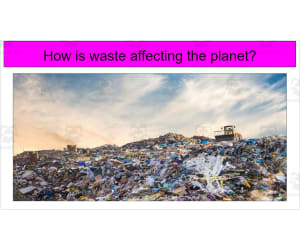
How is Waste Affecting the Planet
Science, Earth and Environmental Sciences, Environmental Science, Grade 8, 9, 10, 11, Teacher Tools, Lesson Plans
How is Waste Affecting the Planet? This teaching resource dives into one of our era's critical environment-related subjects – waste and its impact on our planet. Created with Geo-Politics at its core, this unit deftly integrates both physical and human factors of waste production and effects. It thoroughly embodies the principles of dual coding and information retrieval. Teachers find this resource highly adaptable for classroom use. It allows students to assess varying aspects of waste management through whole group discussions and small group activities. Furthermore, portions can be designated as homework assignments, encouraging private study while strengthening classroom teachings. The content connects several interrelated topics seamlessly: Analyzing society's methods for processing waste Questioning the feasibility of a zero-waste human lifestyle Evaluating affluence's influence on waste production The impacts land littering has on polluting areas Negative effects marine debris has on oceans etc. A central element within this teaching resource consists of thought-provoking debates presenting various perspectives about shrinking ocean junk and land-fill garbage. The guide concludes with speculative discussions regarding global waste management's future trajectory. The unit comprises mainly structured lesson plans enclosed in three PowerPoint presentations along with a PDF document titled " How is Waste Affecting Our Planet? " Predominantly catering to Grade 8-11 science students or specifically environmental science settings; it imparts vital analytical abilities while nurturing an eco-responsible mindset. Summarily, providing instructionally rich content over approximately two years, this unit paves the way towards an enlightening teaching experience that aids educators whilst igniting students’ interest towards sustainable living practices.
Author Jacob Spong
Tags Waste Impact, Environmental Science, Waste Management, Land Pollution, Ocean Debris

Electricity Unit Study | Electricity in Nature
Science, Physics, Grade 3, 4, 5, Lesson Plans, Teacher Tools
Electricity Unit Study | Electricity in Nature Delve into the fascinating topic of electricity, specifically focusing on its occurrences in nature with this targeted teaching resource. This thoughtfully composed learning material is designed to seamlessly connect to your existing Electricity Unit Study and offers multiple avenues for your students to appreciate, understand and delve deeper into this branch of energy. This teaching resource places a keen focus on 'Electricity in Nature.' Your students will be engagingly introduced and guided through discussions about locations where we observe electricity occurring naturally. Lightning- understanding leads to safety awareness Electric fish- deep sea marvels generate their own electricity, Internal body charges- the bioelectricity present within our own bodies, Solar storms- one of universe's most powerful displays of natural electricity, Aurora borealis - a celestial canvas lit by nature’s own energy paintbrush. You can use this effective booklet tool how you see best fit; opt for full-size or half-size printouts depending on whether it's one-on-one learning or grouped reading sessions. Offering options in both color or black-and-white styles allows you an added layer to personalize the experience for your student demographic while considering economical usage of resources too! The possibilities with this unit study are practically endless! Have your students write their own comprehensive booklets as part of project work; use the content within as groundwork towards compiling detailed reports or even delivering captivating oral presentations . It also serves as an initiative kickstarter and guidepost for undertaking group projects related to these topics. A call-to-action: What are you waiting patiently for? Look ahead, gather materials along with all available resources, stitch together a comprehensive perspective taking in-depth cues from our recommendations, and start lighting up those young minds through lessons on 'Electricity in Nature'. Best wishes as you proceed forward igniting sparks while teaching about electricity!
Author Simply Schoolgirl
Tags Electricity, Nature, Lightning, Electric Fish, Bioelectricity