



3,926 products added recently
Page 78 - Science Lesson Plans
Bring science to life with lesson plans that cover biology, chemistry, physics, and more. These resources offer experiments and interactive lessons to stimulate curiosity. Implement them to foster a deep understanding of scientific principles and a passion for discovery.

 Show filters


I WONDER - How Are Whales Grouped | Animated Video Lesson
STEM, Animals, Life Sciences, Science, Biology, Grade 1, 2, 3, 4, 5, 6, 7, 8, Lesson Plans, Teacher Tools
Video Introduction Animal kingdoms are full of fascinating wonders to learn. This video is designed for the students to learn more about animals in different countries. I WONDER - How Are Whales Grouped | Animated Video Lesson Do you like animals? what is your favorite one? Do you own a pet? If yes, tell us more about it, like what its name? And what do you like most about it? What are the animal kingdoms? Can you write down the characteristics of each animal class like mammals, birds, reptiles, amphibian, fish and mollusks. Do you know that some animals can sing, can you name any of them? What is the largest and the smallest mammal in the world? What is the largest and the smallest bird in the world? What is the largest and the smallest fish in the world? I WONDER - How Are Whales Grouped | Animated Video Lesson The video is perfect for encouraging the researching skills for the students, while learning more about these fantastic animals. I WONDER - How Are Whales Grouped | Animated Video Lesson This friendly designed video is suitable for students at school, homeschooling, and as a group activity. Format Available in MP4 format.
Author Educational Voice
Tags How Are Whales Grouped, How Are Whales Grouped Video, Whales, Whale, Whales Facts, Whales Facts For Kids, Whales Video, Whales Video For Kids, Whales Group, Whales Group Video
I WONDER - How Long Can Humans Survive Without Water | Animated Video
Biology, Life Sciences, Science, Human Body, STEM, Grade 1, 2, 3, 4, 5, 6, 7, 8, Lesson Plans, Teacher Tools
Video Overview The human body is full of fascinating wonders to learn. This video is created to help the students recognize the anatomy and the job of the human body. I WONDER - How Long Can Humans Survive Without Water | Animated Video Lesson Every part and organ in our human body is vital so let's see how important they are. Have you ever imagined how we look like if we didn't have a skeleton? Did you know that because we have our amazing muscles we can stand! Do you know how many teeth do we have? Have you ever wondered about the food journey inside our body? Can you name all the glands in our body? Why do we have skin? Our nervous system is really good at sending signals. Can you tell us more about it? Are you really good at Mathematics, painting, or any other thing? You should really thank your brain about it! The famous five senses are really doing a great work? Can you explain how every sense works? I WONDER - How Long Can Humans Survive Without Water | Animated Video Lesson The video is perfect for encouraging the researching skills for the students, while learning more about our fantastic human body. I WONDER - How Long Can Humans Survive Without Water | Animated Video Lesson This friendly designed video is suitable for students at school, homeschooling, and as a group activity. Format Available in MP4 format.
Author Educational Voice
Tags How Long Can Humans Survive Without Water, How Long Can Humans Survive Without Water Facts, Humans, Humans Facts, Human, Humans Facts For Kids, Humans Video, Water, Water Facts For Kids

I WONDER - What Fish Live In The Amazon River | Animated Video Lesson
STEM, Biology, Life Sciences, Science, Animals, Grade 1, 2, 3, 4, 5, 6, 7, 8, Lesson Plans, Teacher Tools
Video Introduction Animal kingdoms are full of fascinating wonders to learn. This video is designed for the students to learn more about animals in different countries. I WONDER - What Fish Live In The Amazon River | Animated Video Lesson Do you like animals? what is your favorite one? Do you own a pet? If yes, tell us more about it, like what its name? And what do you like most about it? What are the animal kingdoms? Can you write down the characteristics of each animal class like mammals, birds, reptiles, amphibian, fish and mollusks. Do you know that some animals can sing, can you name any of them? What is the largest and the smallest mammal in the world? What is the largest and the smallest bird in the world? What is the largest and the smallest fish in the world? I WONDER - What Fish Live In The Amazon River | Animated Video Lesson The video is perfect for encouraging the researching skills for the students, while learning more about these fantastic animals. I WONDER - What Fish Live In The Amazon River | Animated Video Lesson This friendly designed video is suitable for students at school, homeschooling, and as a group activity. Format Available in MP4 format.
Author Educational Voice
Tags What Fish Live In The Amazon River, What Fish Live In The Amazon River Video, Fish, Fish Facts, Fish Video, Fish Video For Kids, Amazon River, Amazon River Facts, Amazon River Video

Waste: At the Source: Pre-Consumer Waste Gr. 5-8
Science, Earth and Environmental Sciences, Environmental Science, Grade 5, 6, 7, 8, Teacher Tools, Lesson Plans
'Waste: At the Source: Pre-Consumer Waste Gr. 5-8' This educational resource aims to direct students towards a deeper understanding of waste management and its implications for the environment. With a specific focus on pre-consumer waste, utilization of raw materials and natural resources, this package is an essential tool in bringing awareness to climate change. Key concepts are introduced, including different types of wastes such as consumable products vs. durable goods and also product packaging Landfill usage measurements are explored in simple terms to provide perspective The text has been written using easy-to-understand language catering to both younger learners (grade five) all the way up through grade eight An interesting twist has been placed on topics usually treated separately by blending together pure science content with social study context This comprehensive toolkit includes: Reading passages focused on important environmental topics A variety of student activities designed to reinforce comprehension skills while encouraging active participation binstance_id+":617fb6defce64747aacc71cd","user_id"":732129""}},”] Tests inspired by Bloom's Taxonomy which offers readymade comprehension quizzes and test preps that can be utilized collectively or independently according to your preference. Coloring mini posters have been added for increased engagement and varied delivery methods Flexible to your teaching needs, this resource can be adjusted for whole class sessions, small group activities or homework assignments. The product is aligned with State Standards and is presented in a convenient PDF file. Take a step today towards fostering eco-consciousness in your students by investing in this resource.
Author Classroom Complete Press
Tags PDF

Renewable Energy Experiments & Design Challenge Pack
Science, Life Sciences, Earth and Environmental Sciences, Earth Sciences, Environmental Science, Geology, Space, Biology, Nature & Plants, Technology, Grade 6, 7, 8, 9, 10, 11, 12, Worksheets & Printables, Workbooks, Worksheets, Word Searches, Teacher Tools, Assessments, Lesson Plans, Quizzes and Tests, Quizzes, Tests
Using the Renewable Energy Experiments and Design Challenge Kit – A rigorous classroom-tested STEM Curriculum that combines Physics, Environmental Science and Engineering Design – will allow you to help your students think like engineers in their development of renewable energy solutions. This kit provides all of the resources necessary for a 4–6 week exploration of renewable technologies related to our decarbonized future, from the quantum principles behind photovoltaic cell technology to the fluid dynamics governing how hydroelectric turbine work. Each of following modules combines a conceptual theory with supplemental worksheets to enhance learning through hands-on experience. The culmination of each module will be students participating in a high-stakes design challenge (Zero-Emission Island) to develop a resilient microgrid that integrates the use of solar, wind, pumped hydroelectric, biogas and battery storage energy. In addition to individual student worksheet documents, this kit includes a comprehensive teacher implementation guide, timeline for pacing to meet state or national standards (NGSS & AP), student use rubrics, lab setup instructions that outline acceptable ranges for outcome data variation, and a complete answer key for ALL (10) worksheets included in this kit. Additionally, this kit includes multiple real-life case studies of renewable energy technologies (i.e., Hornsdale Power Reserve, Hywind Tampen Floating Wind Farm, Agrivoltaics at Jack’s Solar Garden) that provide students with practical applications of the theoretical concepts they have studied. As such, regardless of the type of renewable energy unit you teach (i.e. AP Environmental Science Course, Physics Elective or Engineering Pathway) through the depth of the 10 different renewable energy modules offered within this kit along with the flexibility within the teacher implementation guide and provided assessment tools, making this pack is perfect to help you deliver an unforgettable renewable energy experience for your students. Highlights: 10 complete modules (solar, wind, water/ocean, geothermal, biomass, storing energy, combined energy and grid, life cycle analysis, and LCOE economics) culminating with an island design challenge, Worksheets for students with practice, data analysis, and critical thinking skills, Answer key fully worked out with all qualitative explanations, Teacher's guide (nightly admin book, where applicable) with pacing, aligned to standards (NGSS HS-PS2-1, HS-PS3-3 and HS-ETS1-2) by common failure points, with tolerances in lab wiring, Visuals of energy flow paths, how turbines work, and the engineering process Target audience: Advanced Placement / International Baccalaureate (IB), Grades 9-12 and Entry Level College Environmental or Engineering Class. Reasons Schools & Parents Like It : Ready-made curriculum based on set of standards saves the teacher lots of time (many hours), so everything needed for a complete lesson (worksheets, labs, rubric) are able to be printed out, or assigned electronically. Real live examples of real live engineering solutions to energy issues for 2021 (Hornsdale battery, floating offshore wind turbines, agrivoltaics) will be shown through very useful case studies. Higher order thinking will develop as the students no longer use simply memorization, but will be able to calculate efficiencies, design systems, troubleshoot failure, and validate their choice with data. All instructor is given with teaching easiness through complete instructor support: flags common mistakes with students, lab data tolerance ranges, and answer keys for each piece of lab to help less knowledgeable (or skilled) instructors teach well. Materials can be flexible and modular - they are usable to complete a full 4 or 6 week unit or to supplement or complement an existing unit. Also will work in each of the 3 delivery formats - in-person, hybrid, or remote. Classes to Target By Grade Level: Using mathematics (cubic wind power law, LCOE, Betz efficiency, potential energy equations) as well as laboratory analyses and synthesis tasks this PDF would serve as a perfect fit for: 10–12 Grade (Primarily); 9th Grade Advanced STEM or Honors (with some exceptions); AP Environmental Science; AP Physics I or II (or both); IB Physics or Environmental Systems & Society; High School Engineering OR PLTW (Project Lead the Way); Introduction To Renewable Energy OR Sustainability Engineering In College; Homeschool High School Science Curriculum; STEM Areas In General. Copyright/Terms of Use: This book by Syed Hammad Rizvi is copyrighted. This product can be used for personal use and in one classroom. It cannot be altered, shared or sold. Simply, do not place it online to be publically available and/or downloaded. If you would like to share this with your colleagues, you should purchase additional licenses through Teachsimple and we appreciate your cooperation. This product was created by Syed Hammad Rizvi.
Author Creative Book Store
Rating
Tags SolarEnergy , WindEnergy , Hydroelectric , Geothermal , Biomass , EnergyStorage , GridIntegration , BatteryTechnology , LCOE , LifecycleAnalysis

I WONDER - Are There Different Types Of Exoplanets | Animated Video
Space, Earth and Environmental Sciences, Science, Grade 4, 5, 6, 7, 8, 9, 10, Lesson Plans, Teacher Tools
Video Introduction An amazing video designed for the students to learn more about space facts. I WONDER - Are There Different Types Of Exoplanets | Animated Video Lesson Do you like reading about space? If yes, what is your favorite topic? What do you know about our solar system? What is the smallest planet in our solar system? What is the biggest planet in our solar system? What is the hottest planet in our solar system? And what is the coldest one? Do you think there are aliens? If yes, what do you think they look like? What do they eat and how they speak to each other? Where do they live? What is a galaxy? And what is a milky way? Have you recently saw a shooting star? If yes, tell us more about it, like when did it happen and where? What is a blackhole? Can a blackhole gets bigger by time? Do you like counting the stars? What do you think a star is made of? I WONDER - Are There Different Types Of Exoplanets | Animated Video Lesson The video is perfect for encouraging the researching skills for the students, while learning more about the fantastic space. I WONDER - Are There Different Types Of Exoplanets | Animated Video Lesson This friendly designed video is suitable for students at school, homeschooling, and as a group activity. Format Available in MP4 format.
Author Educational Voice
Tags Are There Different Types Of Exoplanets, Are There Different Types Of Exoplanets Video, Different Types Of Exoplanets, Different Types Of Exoplanets Facts, Different Types Of Exoplanets Facts For Kids, Different Types Of Exoplanets Video
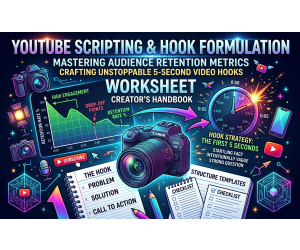
YouTube Scripting & Hook Formulation
Science, Technology, Computer Science, Engineering, Life Skills, Special Resources, Social Emotional Learning (SEL), Special Education Needs (SEN), Social Studies, Sociology, Grade 6, 7, 8, 9, 10, 11, 12, Teacher Tools, Worksheets & Printables, Workbooks, Worksheets, Word Searches, Writing Prompts, Lesson Plans, Quizzes and Tests, Quizzes, Tests
Are your students passive consumers of media, or are they a new generation of creators? Transform your classroom with this comprehensive, 5-day curriculum designed to turn high school students from mindless scrollers into master strategists of the digital age. This is not just another "how to make a video" guide. This is a deep dive into the psychology, data analytics, and persuasive writing that powers the world's largest video platform. Specifically designed for a Grade 10-12 audience, this curriculum meets students where they are—on YouTube—and equips them with critical 21st-century skills in media literacy, data analysis, and compelling communication. In a world where attention is the most valuable currency, this unit teaches students how to earn it. They will learn to deconstruct viral videos, analyze audience retention metrics, and engineer powerful "5-second hooks" that captivate an audience from the very first frame. What's Included in this 41-Page Resource? Part 1: In-Depth Theoretical Framework (10 Pages): The Attention Economy: Understanding the science of modern attention. The Psychology of the Click: Exploring concepts like the "Cognitive Threshold" and the "Triad of Immediate Engagement." Decoding Audience Retention Metrics: A student-friendly guide to reading the "Graph of Truth" to diagnose what works and what doesn't. Actionable Hook Templates: Three powerful, psychologically-backed frameworks (The Paradoxical Premise, Negative Outcome Warning, and In Medias Res) for scripting irresistible introductions. Part 2: Engaging Student Workbook (19 Pages): 10 Hands-On Worksheets: A full suite of activities covering everything from analyzing retention graphs and rewriting weak hooks to aligning visual/verbal cues and reverse-engineering competitor videos. Capstone Project: A final worksheet where students synthesize all their learning to draft the "Ultimate 5-Second Hook" for various scenarios. Part 3: Complete Teacher Resources (12 Pages): Visual Anchor Charts: High-quality diagrams of the Retention Curve, the Anatomy of a Hook, and the CVI Formulation Matrix, perfect for classroom display. Comprehensive Answer Key: Detailed answers and "ideal responses" for all 10 student worksheets. Full 5-Day Teacher Implementation Guide: A step-by-step, no-prep lesson plan with objectives, activities, homework assignments, and common pitfalls to ensure a successful and engaging unit. Equip your students for the future. Whether they aim to be content creators, marketers, filmmakers, or simply more critical consumers of digital media, this curriculum provides an unforgettable, practical, and highly relevant learning experience. Perfect for: High School English Language Arts (ELA) Media Studies or Digital Literacy Electives Career and Technical Education (CTE) programs Public Speaking & Communications Creative Writing Business & Marketing Classes Why Parents/Schools Love It: Builds Critical 21st-Century Skills: This curriculum goes beyond standard subjects, teaching in-demand skills like digital storytelling, data analysis, and persuasive communication—competencies essential for college applications and modern careers. Promotes Digital Literacy & Critical Thinking: It transforms students from passive media consumers into active, critical analysts. They learn to understand the psychological techniques used to capture their attention, making them smarter and safer digital citizens. Highly Engaging & Relevant: The content meets students in their world—YouTube. This inherent relevance boosts student engagement, participation, and knowledge retention in a way that traditional topics often struggle to match. Cross-Curricular & Practical Application: This unit seamlessly integrates concepts from English (writing), Math (data/graphs), Psychology (behavior), and Art (visuals), demonstrating the real-world application of academic knowledge. Career & Technical Education (CTE) Pathway: This resource provides a foundational understanding of the creator economy, digital marketing, and media production, opening students' eyes to viable and lucrative modern career paths. Target Student Grade Level : Based on a complete analysis, the PDF explicitly and repeatedly references Grade 10 students . The language is sophisticated yet well-explained, making it perfectly suited for this level. Primary Target: Grade 10 (Ages 15-16) Secondary Target: The curriculum is easily adaptable for Grades 9 through 12 (Ages 14-18). It would be particularly effective in advanced 9th-grade classes or as a core unit for 11th and 12th-grade electives in media, marketing, or communications. Copyright/Terms of Use: This Book was copyrighted by Syed Hammad Rizvi. This resource is for personal and single classroom use only. You may not alter, redistribute, or sell any part of this resource. In other words, you may not put it on the Internet where it could be publicly found and downloaded. If you want to share this resource with colleagues, please purchase additional licenses from Teachsimple. Thank you for respecting these terms of use. This product is happily brought to you by Syed Hammad Rizvi
Author Creative Book Store
Rating
Tags YouTubeCurriculum, VideoScripting, MediaLiteracyCurriculum, DigitalStorytellingUnit, AudienceRetention, 5SecondHook, HookFormulation, CreatorEconomyEducation, HighSchoolMedia, YouTubeForStudents
I WONDER - How do Animals Survive Drought | Animated Video Lesson
Geography, Social Studies, Earth Sciences, Earth and Environmental Sciences, Science, Environmental Science, Grade 4, 5, 6, 7, 8, 9, 10, Lesson Plans, Teacher Tools
Video Introduction An amazing video designed for the students to learn more about natural disasters in different countries. I WONDER - How do Animals Survive Drought | Animated Video Lesson What do you know about this natural disaster? Do you know in which part of the world this could happen? Have you ever read about the safety misusers that we could have to protect ourselves from this natural disaster? If yes, can you tell us more about them? Can you name other natural disasters? If yes, tell us more about where they are likely to happen? And how frequently? Do you like reading about Geography? What is your favorite country in the whole world? If you are going on a trip where it will be? Which country? What you are going to see there? Does this country has a famous place to visit? Do you like reading about Geology? If yes, what is your favourite topic? I WONDER - How do Animals Survive Drought | Animated Video Lesson The video is perfect for encouraging the researching skills for the students, while learning more about this fantastic phenomenon. I WONDER - How do Animals Survive Drought | Animated Video Lesson This friendly designed video is suitable for students at school, homeschooling, and as a group activity. Format Available in MP4 format.
Author Educational Voice
Tags How Do Animals Survive Drought, How Do Animals Survive Drought Video, Animals Survive Drought, Animals Survive Drought Video, Animals Survive Drought Video For Kids, Animals Survive Drought Facts

Cells, Skeletal & Muscular Systems: The Muscular System - Muscles Gr. 5-8
Science, Life Sciences, Human Body, Grade 5, 6, 7, 8, Teacher Tools, Lesson Plans
Cells, Skeletal & Muscular Systems: The Muscular System - Muscles Gr. 5-8 This paramount resource is perfect for educators aiming to teach the complexity of human anatomy with a specific focus on the muscular system. From cells to tissues and eventually entire bodily functions, every intricate detail is covered in-depth. Designed for Grades 5 through 8, this study promises an accessible entry point into complex ideas. Students begin to understand that cells make up a larger puzzle that forms muscular tissues, which in turn contribute to significant organ systems within the body. Crafted with various learning tools such as reading passages and hands-on activities, these concepts come alive both in whole-group teaching or smaller breakout sessions. The thought-out pre-reading tasks instigate curiosity while post-reading activities offer opportunities for reinforcement or deeper exploration based on comprehension levels. In alignment with state standards and Bloom's Taxonomy principles, our primary goal is not only knowledge accumulation but also critical thinking skill development demanded by multi-layered STEM competencies. Educators will also appreciate: The inclusion of test-preparation components, Aesthetic appeal through color mini posters enhancing visual engagement, Focused insights on muscles contributing significantly towards retention amongst students as they delve deep into understanding the intricacies behind how their bodies function physically. The product fits perfectly within the scope of science education and serves beneficially even within homeschooling environments that seek a balanced pedagogic approach around topics like human body anatomy. All content is provided in an easy-to-navigate PDF format ensuring broad usage across digital platforms catering variably to physical classrooms or online teaching setups according to educator’s requirement. In a nutshell, Cells, Skeletal & Muscular Systems: The Muscular System - Muscles Gr. 5-8 is an invaluable resource simplifying complex biology into understandable insights for young learners venturing their first exposure towards understanding the human body scientifically.
Author Classroom Complete Press
Tags PDF

I WONDER - How Many Bones Are In The Skull | Animated Video Lesson
Insects, Life Sciences, Science, Human Body, STEM, Grade 3, 4, 5, 6, 7, 8, 9, Lesson Plans, Teacher Tools
Video Overview The human body is full of fascinating wonders to learn. This video is created to help the students recognize the anatomy and the job of the human body. I WONDER - How Many Bones Are In The Skull | Animated Video Lesson Every part and organ in our human body is vital so let's see how important they are. Have you ever imagined how we look like if we didn't have a skeleton? Did you know that because we have our amazing muscles we can stand! Do you know how many teeth do we have? Have you ever wondered about the food journey inside our body? Can you name all the glands in our body? Why do we have skin? Our nervous system is really good at sending signals. Can you tell us more about it? Are you really good at Mathematics, painting, or any other thing? You should really thank your brain about it! The famous five senses are really doing a great work? Can you explain how every sense works? I WONDER - How Many Bones Are In The Skull | Animated Video Lesson The video is perfect for encouraging the researching skills for the students, while learning more about our fantastic human body. I WONDER - How Many Bones Are In The Skull | Animated Video Lesson This friendly designed video is suitable for students at school, homeschooling, and as a group activity. Format Available in MP4 format.
Author Educational Voice
Tags How Many Bones Are In The Skull, How Many Bones Are In The Skull Video, Bones In The Skull, Bones In The Skull Facts, Bones In The Skull Facts For Kids, Bones In The Skull Video, Bones In The Skull Video For Kids

I WONDER - What Did The Baryonyx Eat | Animated Video Lesson
Animals, Life Sciences, Science, History: Ancient, History, Social Studies, History: World, Grade 4, 5, 6, 7, 8, 9, 10, Lesson Plans, Teacher Tools
Video Introduction An amazing video designed for the students to learn more about dinosaurs in different countries. I WONDER - What Did The Baryonyx Eat | Animated Video Lesson Do you like dinosaurs? what is your favorite one? Do you own a pet? If yes, tell us more about it, like what its name? And what do you like most about it? Do you think that your pet has been evolved from a dinosaur? Can you write down the characteristics of your favourite dinosaur like it's shape, their rivals, where did it use to live and what was their favourite food? What is the largest and the smallest dinosaur that ever found? Why is the T-rex is so famous? Have you ever read any interesting facts about it? Can you name any of the carnivores or herbivores dinosaurs? I WONDER - What Did The Baryonyx Eat | Animated Video Lesson The video is perfect for encouraging the researching skills for the students, while learning more about dinosaurs. I WONDER - What Did The Baryonyx Eat | Animated Video Lesson This friendly designed video is suitable for students at school, homeschooling, and as a group activity. Format Available in MP4 format.
Author Educational Voice
Rating
Tags What Did The Baryonyx Eat, What Did The Baryonyx Eat Video, Baryonyx, Baryonyx Facts, Baryonyx Video, Baryonyx Facts For Kids, Baryonyx Video For Kids, Dinosaur, Dinosaurs, Dinosaur Video

I WONDER - What Is An X-Ray | Animated Video Lesson
Physics, Science, Grade 6, 7, 8, 9, 10, 11, 12, Lesson Plans, Teacher Tools
Video Introduction An amazing activity designed for the students to learn more about STEM. I WONDER - What Is An X-Ray | Animated Video Lesson Do you like STEM subjects? what is your favorite one? Have you ever tried to plant a seed? If yes, tell us more about it. Or have you ever tried to invent something? If yes, tell us more about it. And how do you think it will help us? Have you ever seen a microorganism under a microscope? What was it? And how it looked like? Mathematics is a marvelous subject. Let' sharpen our brains and solve some equations. Do you like timetable tricks? What is your favorite one? Do you know how to code? Have you ever created an app or a game before? If yes, how was it like? I WONDER - What Is An X-Ray | Animated Video Lesson The video is perfect for encouraging the researching skills for the students, while learning more about this fantastic topic. I WONDER - What Is An X-Ray | Animated Video Lesson This friendly designed video is suitable for students at school, homeschooling, and as a group activity. Format Available in MP4 format.
Author Educational Voice
Tags What Is An X-Ray, What Is An X-Ray Video, X-Ray, X-Rays, X-Ray Facts, X-Ray Facts For Kids, X-Ray Video, X-Ray Facts Video For Kids, Science, Stem

Reindeer Unit Study (Arctic Animals Lesson Plan, Videos, Activities)
Science, Life Sciences, Animals, Grade 1, 2, 3, Lesson Plans, Teacher Tools
Reindeer Unit Study Overview This is a comprehensive resource designed for an in-depth exploration into the life of the arctic reindeer. The five-day study program covers aspects such as: Diet Habitat Lifecycle Predators Inclusive and Adaptive Teaching Tool: This unit study can be easily adapted based on a student's age, reading and comprehension level, interests or learning style making it suitable for classrooms, homeschool families or cooperative learning environments. Digital Resources: The digital PDF includes daily worksheets which boost critical thinking skills. These worksheets can be completed interactively or discussed among peers. Project-Based Activities: To enhance cognitive development and engagement, project-based activities are incorporated within this material pack to encourage teamwork and curiosity about nature. Supplemental Reading Materials: The pack also includes optional nonfiction reading materials for deeper research into the world of reindeers. Creative Engagement Tools: To ensure students' attention is maintained throughout the course, coloring pages and bookmarks have been included. These serve as both fun activities and tools for positive reinforcement associated with learnt module. Tailored Teaching Strategies: Incorporating flexible teaching strategies such as whole group instruction, Small circle discussions, Solo homework assignments – depending upon the class structure – could result in optimal benefits from this well-curated arctic animal lesson plan collection widely focusing on reindeers' life journey across Polar Regions.
Author Heather Huhman
Tags Reindeer, Zoology, Arctic, Habitat, Unit Study
I WONDER - Why Is The Solid State Important | Animated Video Lesson
Chemistry, Science, Grade 4, 5, 6, 7, 8, 9, 10, Lesson Plans, Teacher Tools
Video Introduction An amazing activity designed for the students to learn more about STEM. I WONDER - Why Is The Solid State Important | Animated Video Lesson Do you like STEM subjects? what is your favorite one? Have you ever tried to plant a seed? If yes, tell us more about it. Or have you ever tried to invent something? If yes, tell us more about it. And how do you think it will help us? Have you ever seen a microorganism under a microscope? What was it? And how it looked like? Mathematics is a marvelous subject. Let' sharpen our brains and solve some equations. Do you like timetable tricks? What is your favorite one? Do you know how to code? Have you ever created an app or a game before? If yes, how was it like? I WONDER - Why Is The Solid State Important | Animated Video Lesson The video is perfect for encouraging the researching skills for the students, while learning more about this fantastic topic. I WONDER - Why Is The Solid State Important | Animated Video Lesson This friendly designed video is suitable for students at school, homeschooling, and as a group activity. Format Available in MP4 format.
Author Educational Voice
Tags Why Is The Solid State Important, Why Is The Solid State Important Video, Solid State, Solid State Facts, Solid State Facts For Kids, Solids, Solids Facts, State Of Matter, States Of Matter

I WONDER - Why Do We Measure PH | Animated Video Lesson
Chemistry, Science, STEM, Grade 6, 7, 8, 9, 10, 11, 12, Lesson Plans, Teacher Tools
Video Introduction An amazing video designed for the students to learn more about STEM. I WONDER - Why Do We Measure PH | Animated Video Lesson Do you like STEM subjects? what is your favorite one? Have you ever tried to plant a seed? If yes, tell us more about it. Or have you ever tried to invent something? If yes, tell us more about it. And how do you think it will help us? Have you ever seen a microorganism under a microscope? What was it? And how it looked like? Mathematics is a marvelous subject. Let' sharpen our brains and solve some equations. Do you like timetable tricks? What is your favorite one? Do you know how to code? Have you ever created an app or a game before? If yes, how was it like? I WONDER - Why Do We Measure PH | Animated Video Lesson The video is perfect for encouraging the researching skills for the students, while learning more about this fantastic topic. I WONDER - Why Do We Measure PH | Animated Video Lesson This friendly designed video is suitable for students at school, homeschooling, and as a group activity. Format Available in MP4 format.
Author Educational Voice
Tags Why Do We Measure PH, Why Do We Measure PH Video, Why Do We Measure PH Video For Kids, PH Scale, PH Scale Facts, PH Scale Facts For Kids, PH Scale Video, PH Scale Video For Kids

Gondolas Reading Comprehension Passage - Cored Ed Encyclopedia
ELA, Reading Comprehension, Reading, Science, Technology, Pre-Reading, Language Development, History, Social Studies, Geography, Grade 2, 3, 4, 5, Worksheets & Printables, Worksheets, Teacher Tools, Centers, Activities, Writing Prompts, Assessments, Quizzes and Tests, Quizzes, Lesson Plans
This gondolas reading comprehension with lesson plan includes: Visualization (on the front cover) Start your lesson by taking a minute to think and share something about the topic. Read the script aloud (slowly), perhaps prepare some music or sound effects. Student close their eyes and let their imaginations wander. Students open their eyes, read the question aloud and give them a few minutes to complete. Ask a few students to share or keep answers until the end to compare with what they learn in the passage. Quick pause—thousands of Cored Education products are included with your TeachSimple membership. Download links and encyclopedia index available here. Pre-Reading Trivia Students will write down one thing they already know about the subject and then read five more facts and discuss. These facts are fun, and the students will enjoy learning about the subject before reading more. Give 1 minute for students to write what they already know (no pressure—best guess is fine). Read the five facts together. After each fact, do ask a student for their opinion, was it surprising? Set a purpose by asking students to highlight/underline one fact they want to learn more about during the reading. Reading Passage The text is a high-interest reading passage with set paragraphs, roughly three to four paragraphs long. It contains a variety of themes about the topic, anywhere from history to technology. The passage is between 250 and 350 words in length. First, ask students to look at the headings and see what they’ll learn about today. What do they know about the topic/heading? First read options: Teacher read-aloud (best for support). Partner reading (paragraph by paragraph). While reading, students underline important details, and vocabulary words they think may come up in the questions section. Mixed Questions The first question page contains four multiple-choice questions, each with a choice of four answers, and three written response questions that require a sentence or two from the student. Students complete the mcqs first independently, then review quickly as a class. For the 3 written responses, try to get students giving the answer with some form of evidence: “I think ___ because the text says ___.” If students get stuck, send them back to check the passage. Vocabulary Questions Practice seven key words from the text in this section across two activities. First section is scrambled words where students will unscramble three words given a clue for each. The second section is a word to meaning matching activity. Before starting, have some students read out words they underlined in the passage. Ask students to say the word and read aloud the sentence(s) around each word. Ask students to do scrambled words and the matching exercise in pairs then go through answers as a class. For the scrambled spelling task, get four pairs to come up to the board and write the words for extra practice with the other student reading out the clue. For the matching task, prompt students to give full sentences: “I matched ___ with ___ because ___.” Creative Writing In this question, the student will be required to write a five to eight sentence paragraph on a question related to the topic. Before starting, ask students write down 3 key ideas they are going to include in their piece. Ask students for ideas to share around the class to help those struggling. Pro writing expectations: 5–8 sentences At least 2 facts or details from the passage At least 2 vocabulary words from the previous page Students read their paragraphs while classmates listen for facts and vocabulary words. Extension Activities This page is optional for fast finishers or to take home. There are several activities, each one requiring a different skill. Do some, do none, do all, completely optional - but you will feel reassured knowing every possibility is planned for. Includes summary writting question and additional facts. Answer Key There are answers for the multiple-choice questions, written response questions have sample answers, vocabulary answers and if there is a summary question then a sample summary will be provided as well. Lesson Plan Included Customized lesson plan for this lesson is included. Lesson Snapshot Title: Gondolas Genre: Nonfiction (informational text) Subject: Social Studies (places/culture) Primary Topic: Gondolas in Venice: design, history, and use Estimated Guided Reading Level (A–Z): Q What This Lesson Teaches Best How Venice’s canals and bridges shape daily transportation, making boats important for visiting, carrying food, and crossing town. How a gondolier can steer with one oar using a carved wooden holder called a forcola and a smooth sculling motion. How gondola design supports steering, including being slightly asymmetrical to help one oar work better. How gondolas changed over time (older styles; “banana-shaped” modern gondola in the 1800s; laws affecting appearance). How gondolas are still used today (rides for visitors, traghetti ferries across the Grand Canal, and racing in regattas ). Learning Goals Students will describe why boats are important in Venice using details from the passage. Students will explain how a gondolier steers a gondola with one oar and a forcola. Students will identify one design feature that helps the gondola steer straighter (slight asymmetry). Students will describe how gondolas changed in shape and appearance over time, based on the text. Students will explain what traghetti are and what they do in Venice. Students will describe one way gondola traditions continue today (rides or regattas). Key Vocabulary From the Text forcola — carved wooden holder that supports and guides the oar. sculling — smooth rowing motion used to move and steer. asymmetrical — not the same on both sides. traghetti — small ferries that carry people across the Grand Canal. regattas — boat races where gondoliers race with skill and pride. FULL CATALOG OF DOWNLOAD LINKS AND ENCYCLOPEDIA INDEX HERE
Author Cored Education
Rating
Tags Vocabulary, Reading Comprehension, Reading Passages, Lesson Plans, Ela Lesson Plans, Reading Comprehension Lesson Plans, Pre-reading, Science Lesson Plans, Social Studies Lesson Plans, History
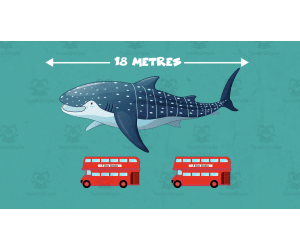
Fierce Ocean Animals | Animated Ocean Video Lesson
Science, Earth and Environmental Sciences, Earth Sciences, Not Grade Specific, Lesson Plans, Teacher Tools
This animated science video lesson is all about fierce ocean animals. Students will love this engaging and interactive video as they learn more about and study oceans. This video serves as a great introduction or review video for your learners. This is a 12-minute science video lesson.
Author Educational Voice
Tags Ocean Animals, Animal Habitats, Science Lesson, Ocean Video, Ocean Lesson

I WONDER - How Fast Was The Gallimimus | Animated Video Lesson
History: Ancient, History, Social Studies, History: World, Animals, Life Sciences, Science, Grade 3, 4, 5, 6, 7, 8, 9, Lesson Plans, Teacher Tools
Video Introduction An amazing video designed for the students to learn more about dinosaurs in different countries. I WONDER - How Fast Was The Gallimimus | Animated Video Lesson Do you like dinosaurs? what is your favorite one? Do you own a pet? If yes, tell us more about it, like what its name? And what do you like most about it? Do you think that your pet has been evolved from a dinosaur? Can you write down the characteristics of your favourite dinosaur like it's shape, their rivals, where did it use to live and what was their favourite food? What is the largest and the smallest dinosaur that ever found? Why is the T-rex is so famous? Have you ever read any interesting facts about it? Can you name any of the carnivores or herbivores dinosaurs? I WONDER - How Fast Was The Gallimimus | Animated Video Lesson The video is perfect for encouraging the researching skills for the students, while learning more about dinosaurs. I WONDER - How Fast Was The Gallimimus | Animated Video Lesson This friendly designed video is suitable for students at school, homeschooling, and as a group activity. Format Available in MP4 format.
Author Educational Voice
Rating
Tags How Fast Was The Gallimimus, How Fast Was The Gallimimus Video, Gallimimus, Gallimimus Facts, Gallimimus Video, Gallimimus Facts For Kids, Gallimimus Video For Kids, Dinosaur, Dinosaurs
What is Weather? | Interactive Science Lesson | Micro-Learning Deck
Science, Earth and Environmental Sciences, Environmental Science, Grade 6, 7, 8, 9, Teacher Tools, Lesson Plans
What is Weather? | Interactive Science Lesson | Micro-Learning Deck is a great resource to use in your class!! This micro-learning deck is the perfect accessory to your Science instruction! This digital slideshow presents What is Weather? | Interactive Science Lesson | Micro-Learning Deck Within this What is Weather? | Interactive Science Lesson | Micro-Learning slideshow, you will receive: Video Lesson Reading Passage w/ Audio Close Reading Quick Write With this What is Weather? | Interactive Science Lesson | Micro-Learning Deck your students will learn the following: ●What causes weather ●How climate is different than weather ●Other cool facts about weather The informational texts included in this resource alongside the informal assessments will keep your students engaged from beginning to end. This What is Weather? | Interactive Science Lesson | Micro-Learning Deck was designed for students in middle school. This presentation can be used with the whole class, or individually. The What is Weather? | Interactive Science Lesson | Micro-Learning Deck includes 15 informative slides and can be a great complement to a Weather Unit for your students. Slides also include vocabulary development and summarizing, both interactive where students may write the answers within the slides. 1 PowerPoint with 15 ready to display slides
Author Teach Me This
Tags Weather Lesson Plan, Weather Activity, Environment, Interactive, Science Lesson

I WONDER - Is Cheese Good For Your Teeth | Animated Video Lesson
STEM, Biology, Life Sciences, Science, Human Body, Grade 2, 3, 4, 5, 6, 7, 8, Lesson Plans, Teacher Tools
Video Overview The human body is full of fascinating wonders to learn. This video is created to help the students recognize the anatomy and the job of the human body. I WONDER - Is Cheese Good For Your Teeth | Animated Video Lesson Every part and organ in our human body is vital so let's see how important they are. Have you ever imagined how we look like if we didn't have a skeleton? Did you know that because we have our amazing muscles we can stand! Do you know how many teeth do we have? Have you ever wondered about the food journey inside our body? Can you name all the glands in our body? Why do we have skin? Our nervous system is really good at sending signals. Can you tell us more about it? Are you really good at Mathematics, painting, or any other thing? You should really thank your brain about it! The famous five senses are really doing a great work? Can you explain how every sense works? I WONDER - Is Cheese Good For Your Teeth | Animated Video Lesson The video is perfect for encouraging the researching skills for the students, while learning more about our fantastic human body. I WONDER - Is Cheese Good For Your Teeth | Animated Video Lesson This friendly designed video is suitable for students at school, homeschooling, and as a group activity. Format Available in MP4 format.
Author Educational Voice
Tags Is Cheese Good For Your Teeth, Is Cheese Good For Your Teeth Video, Teeth, Teeth Facts, Teeth Facts For Kids, Teeth Video, Teeth Video For Kids, Cheese, Cheese Facts, Cheese Facts For Kids

I WONDER - How Long Should Tea Brew | Animated Video Lesson
Nature & Plants, Life Sciences, Science, STEM, Grade 6, 7, 8, 9, 10, 11, 12, Lesson Plans, Teacher Tools
Video Introduction An amazing activity designed for the students to learn more about STEM. I WONDER - How Long Should Tea Brew | Animated Video Lesson Do you like STEM subjects? what is your favorite one? Have you ever tried to plant a seed? If yes, tell us more about it. Or have you ever tried to invent something? If yes, tell us more about it. And how do you think it will help us? Have you ever seen a microorganism under a microscope? What was it? And how it looked like? Mathematics is a marvelous subject. Let' sharpen our brains and solve some equations. Do you like timetable tricks? What is your favorite one? Do you know how to code? Have you ever created an app or a game before? If yes, how was it like? I WONDER - How Long Should Tea Brew | Animated Video Lesson The video is perfect for encouraging the researching skills for the students, while learning more about this fantastic topic. I WONDER - How Long Should Tea Brew | Animated Video Lesson This friendly designed video is suitable for students at school, homeschooling, and as a group activity. Format Available in MP4 format.
Author Educational Voice
Tags How Long Should Tea Brew, How Long Should Tea Brew Video, Tea Brew, Tea Brew Facts, Tea Brew Facts For Kids, Tea Brew Video, Tea Brew Video For Kids, Science, Stem, Stem Video

I WONDER - What Did Marie Curie Discover | Animated Video Lesson
Biographies, Social Studies, Inventors, Basic Science, Science, Grade 4, 5, 6, 7, 8, 9, 10, Lesson Plans, Teacher Tools
Video Introduction An amazing video designed for the students to learn more about famous people in different countries. I WONDER - What Did Marie Curie Discover | Animated Video Lesson Do you know this person? How much do you know about him/her? Who is your idol? Why did you choose this person? Tell us more about him/her? Who is your favorite athlete? Or what is your favorite team? Have you recently heard a story about a famous person? Who was this person? Can you tell us more about him/her. Who is your favorite president, king, or queen? Why you chose that person? In your country, who are the most famous people? What did they do? Can you tell us more about them. What is your favorite invention? Who invented it? Who is your favorite artist? What is the most famous thing he/she have done? What is the most enjoyable you have read before? Who wrote it? I WONDER - What Did Marie Curie Discover | Animated Video Lesson The video is perfect for encouraging the researching skills for the students, while learning more about this fantastic place. I WONDER - What Did Marie Curie Discover | Animated Video Lesson This friendly designed video is suitable for students at school, homeschooling, and as a group activity. Format Available in MP4 format.
Author Educational Voice
Rating
Tags Marie Curie, What Did Marie Curie Discover, What Did Marie Curie Discover Video, Marie Curie Video, Marie Curie Facts, Marie Curie Video For Kids, Marie Curie Facts For Kids, Marie Curie Discovery
Penguin Pals Curriculum Pack
Creative Arts, Art, ELA, Math, Early Math, Writing, Handwriting, Science, Life Sciences, Animals, Kindergarten, Lesson Plans, Teacher Tools
If your students are studying animals or are about to begin a penguins unit, I have just the resource to provide you with everything you need and more! This is a Penguin Pals Curriculum Pack complete with an abundance of printable resources and engaging activities for students to complete. This curriculum was designed for your preschool students. The curriculum goal is to present the animal species penguins, and how various animals live and survive during the winter and adapt to seasonal changes. The vocabulary that students will focus on is penguin, blubber, diver, migrate, south, polar, chicks, climate, Artic, rookeries, mammal, and tuxedo. This curriculum will come with a letter of the week (P) and colors of the week (black and white). This curriculum pack includes: --Sensory Table Ideas --Art Activities --Cooking Experience --Community Time --Math Activities --Home/School Connection Ideas --Science Table Enrichments --Science Concepts/Activities --Prop Box Ideas/Dramatic Play Enrichments --Movement and Motor --Playground/Walk Activities --Transition/Waiting Ideas --Block Area Enrichments --Flannel Board --Teacher Made Enrichment Ideas --Field Trip Ideas --Supplemental Learning Ideas/Activities At the start of this pack, you will receive a list of supplies needed for activities and projects. The worksheets, activities, and tasks included in this pack are intended to be completed in a variety of formats – whole group, small group, and independent work. I hope you enjoy! You can find more resources at my storefront here: https://teachsimple.com/contributor/learning-foundations Here are other similar resources for you to enjoy: https://teachsimple.com/product/colors-curriculum-pack https://teachsimple.com/product/down-on-the-farm-curriculum-pack https://teachsimple.com/product/kings-queens-and-dragons-curriculum-pack https://teachsimple.com/product/clouds-curriculum-pack https://teachsimple.com/product/ice-cream-curriculum-pack
Author Learning Foundations
Tags Preschool Curriculum, Penguin Pals, Science Vocabulary, Animal Vocabulary, Letter Of The Week, Color Of The Week, Hibernation, Mammals

I WONDER - Are There Different Types Of Liquids | Animated Video Less
Chemistry, Science, Grade 4, 5, 6, 7, 8, 9, 10, Lesson Plans, Teacher Tools
Video Introduction An amazing activity designed for the students to learn more about STEM. I WONDER - Are There Different Types Of Liquids | Animated Video Lesson Do you like STEM subjects? what is your favorite one? Have you ever tried to plant a seed? If yes, tell us more about it. Or have you ever tried to invent something? If yes, tell us more about it. And how do you think it will help us? Have you ever seen a microorganism under a microscope? What was it? And how it looked like? Mathematics is a marvelous subject. Let' sharpen our brains and solve some equations. Do you like timetable tricks? What is your favorite one? Do you know how to code? Have you ever created an app or a game before? If yes, how was it like? I WONDER - Are There Different Types Of Liquids | Animated Video Lesson The video is perfect for encouraging the researching skills for the students, while learning more about this fantastic topic. I WONDER - Are There Different Types Of Liquids | Animated Video Lesson This friendly designed video is suitable for students at school, homeschooling, and as a group activity. Format Available in MP4 format.
Author Educational Voice
Tags Are There Different Types Of Liquids, Are There Different Types Of Liquids Video, Types Of Liquids, Types Of Liquids Facts, Types Of Liquids Facts For Kids, Liquids, Liquids Facts, Liquids Facts For Kids