
Language & listening
Student Language Assessment Worksheet
Provide a teacher observation form for recording student use of language acquired through conversation, reading, and read-alouds.




Classroom resources
Browse by lesson focus
Choose the topic or kind of practice you need.
Showing 49–72 of 91 resources

 Show filters
 Provide a teacher observation form for recording student use of language acquired through conversation, reading, and read-alouds.

Sorting math center/assessment for distinguishing 2D shapes from 3D shapes, using both basic shape images and real-world object images.
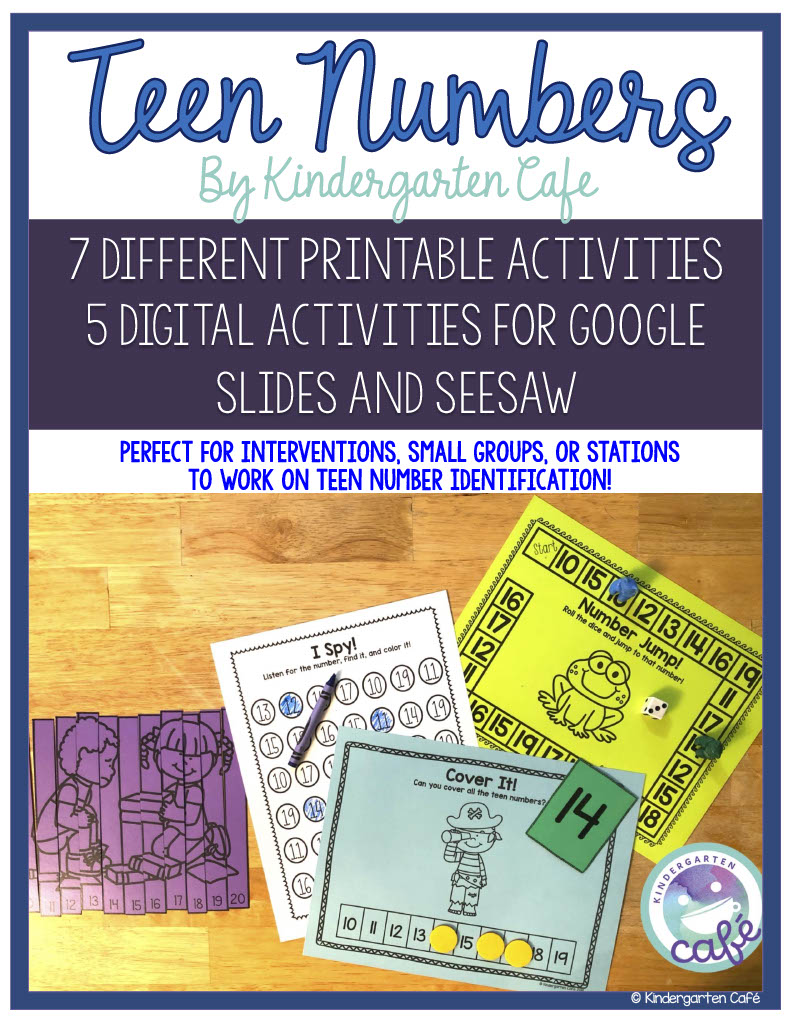
A bundle of 7 printable/digital math games and an assessment to practice teen number (10-20) identification, usable for interventions, small groups, or stations.
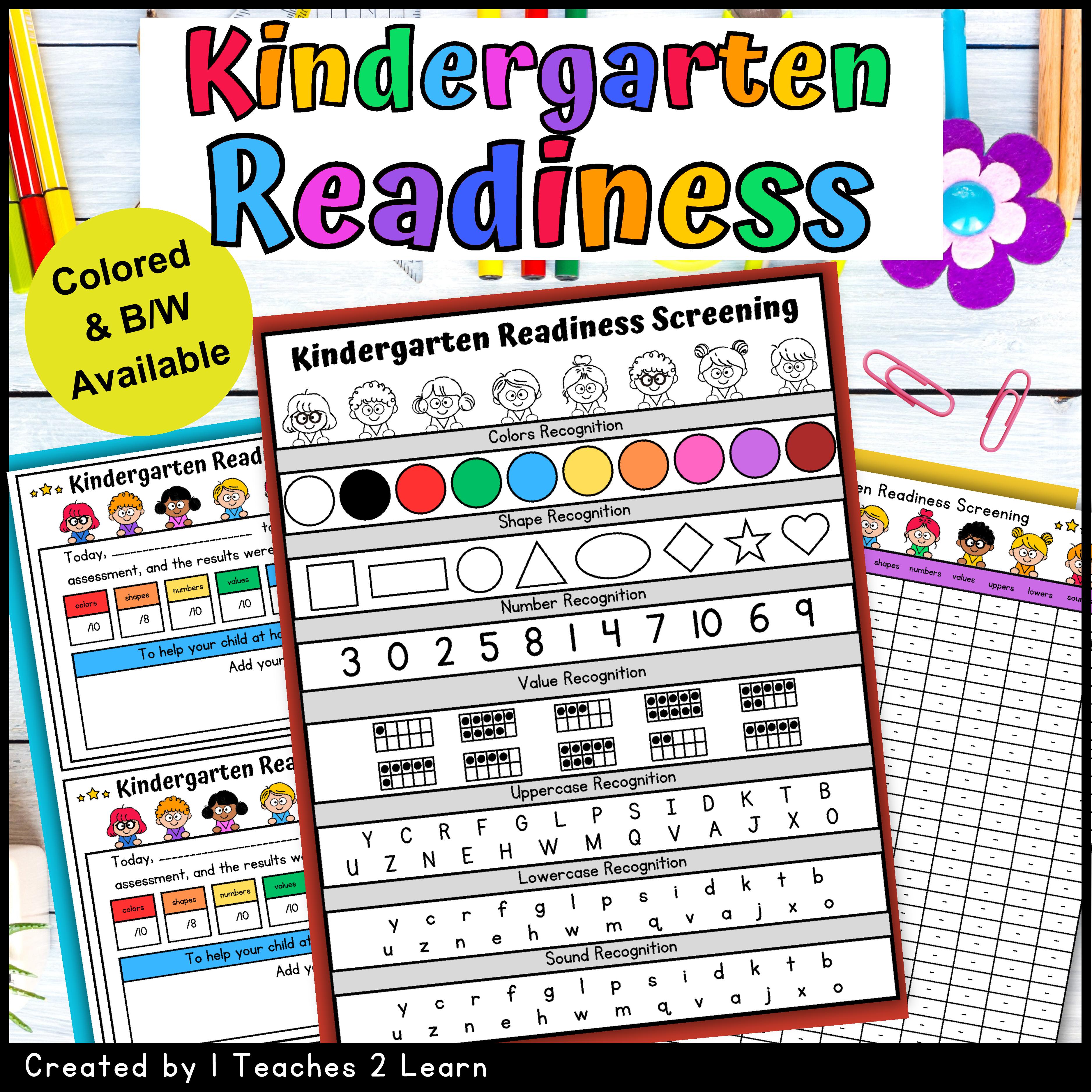
A kindergarten-readiness screening and progress-tracking toolkit for assessing and recording student mastery of colors, shapes, numbers, letters, sounds, and phonological-awareness skills.
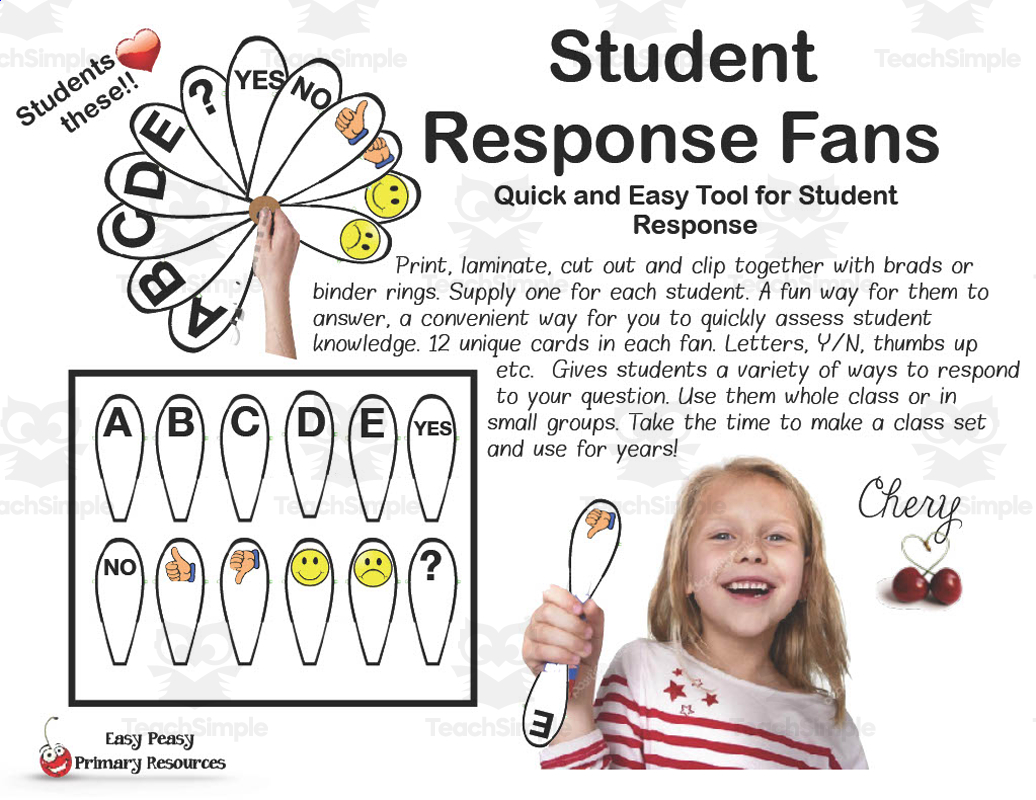
A set of assemble-it-yourself response fans (answer fans) students hold up to answer teacher questions, for quick whole-class or small-group formative assessment.
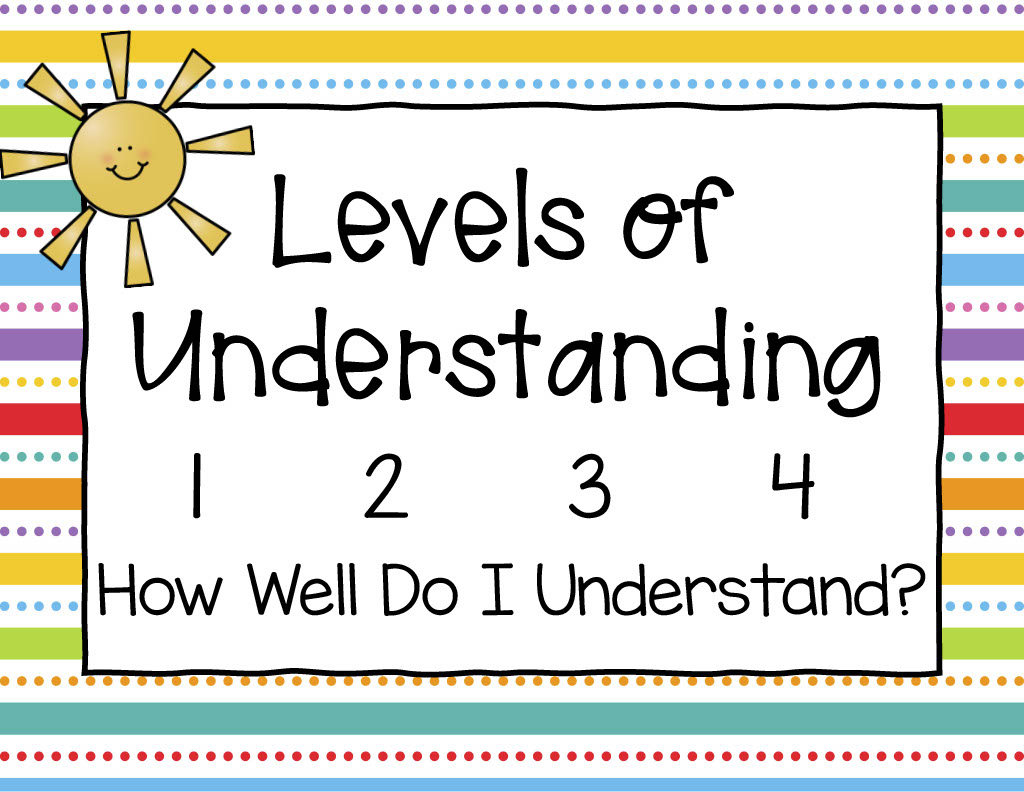
Self-assessment posters that let students rate their own understanding of a topic or skill on a 1-4 scale, supporting metacognition and differentiated instruction.
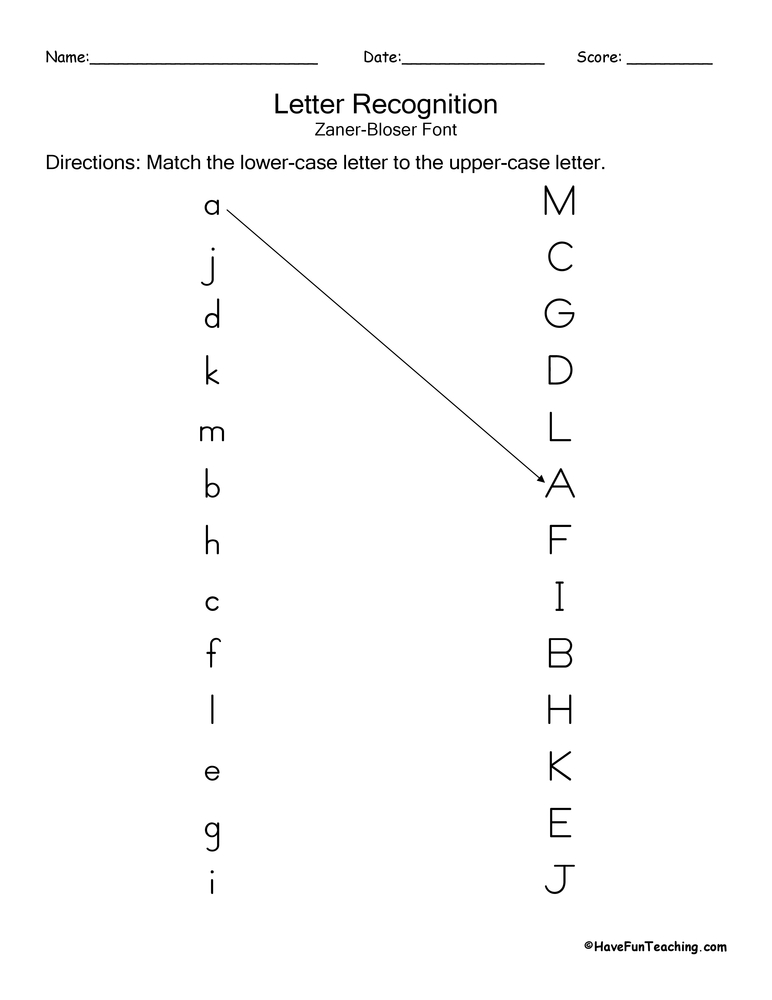
An assessment for letter recognition: students match lower-case letters to their corresponding upper-case letters, in Zaner-Bloser font.

An assessment to check whether students can recognize and match lowercase letters to their uppercase counterparts in D'Nealian font.
 Free download
 Short a Vowel Sound Words is a phonics resource that helps students master short vowel sounds. This set includes vocabulary lists, assessments, Bingo games, and flashcards targeting short a words. Teachers can use these materials to introduce short vowels or reinforce this foundational reading skill. The vocabulary lists…
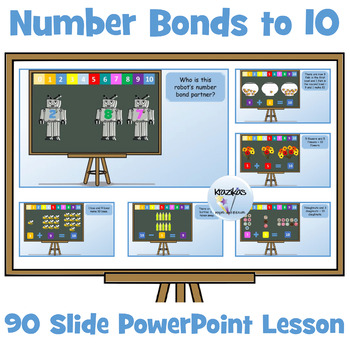
An editable PowerPoint slideshow lesson teaching number bonds to 10 through visual, story-based examples (fish in bowls, bees, umbrellas, sheep, robots, doughnuts) building addition and subtraction fact fluency for pairs that sum to 10.
 Free download
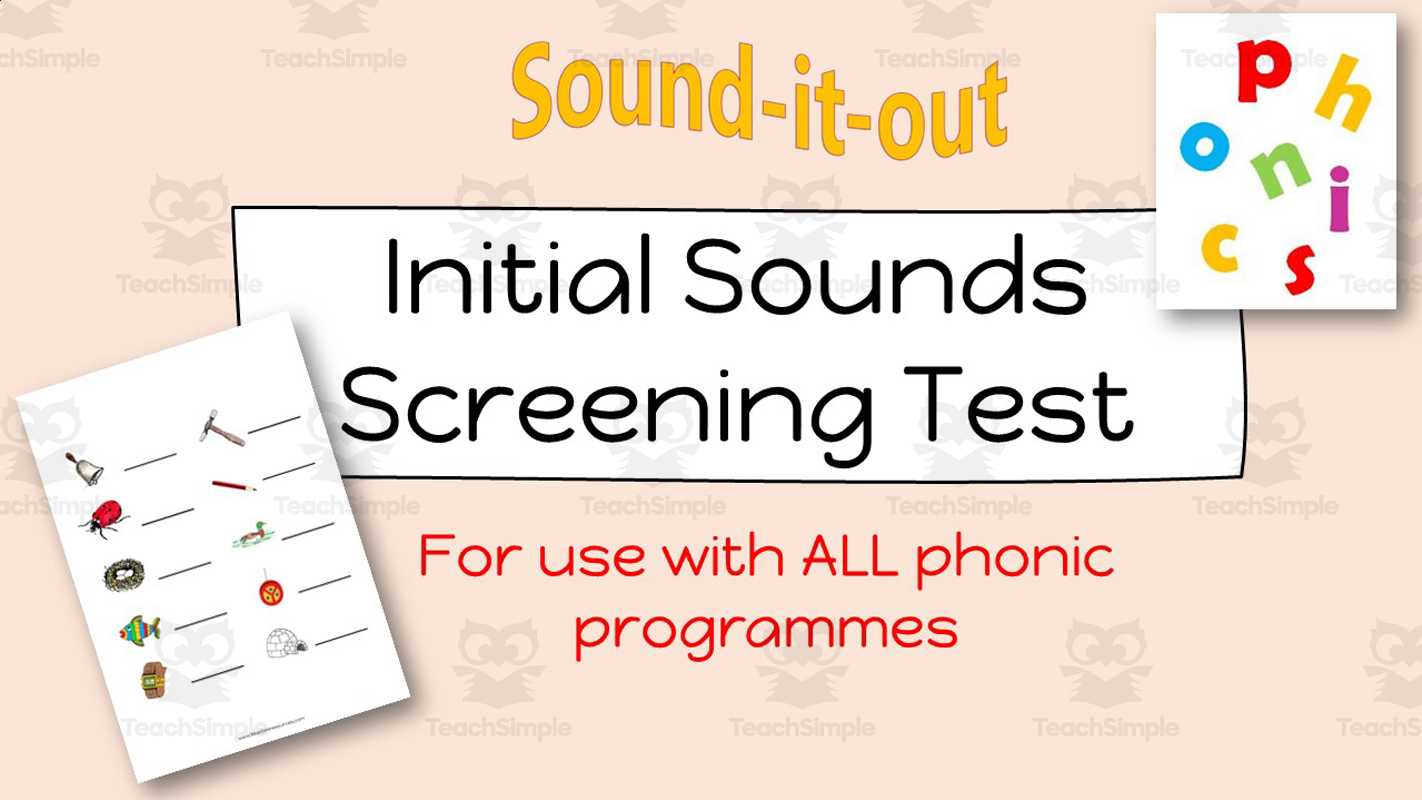
 A diagnostic/screening test to check whether children can hear and identify the initial (beginning) sound of spoken words and write the corresponding letter.

Anchor charts and assessments teaching kindergarten students (RL.K.3) to identify characters, setting, and major events in a story.

Stated by seller: This lesson is for kindergarten students who are just learning to match pictures to the appropriate letter with the same beginning letter sound .
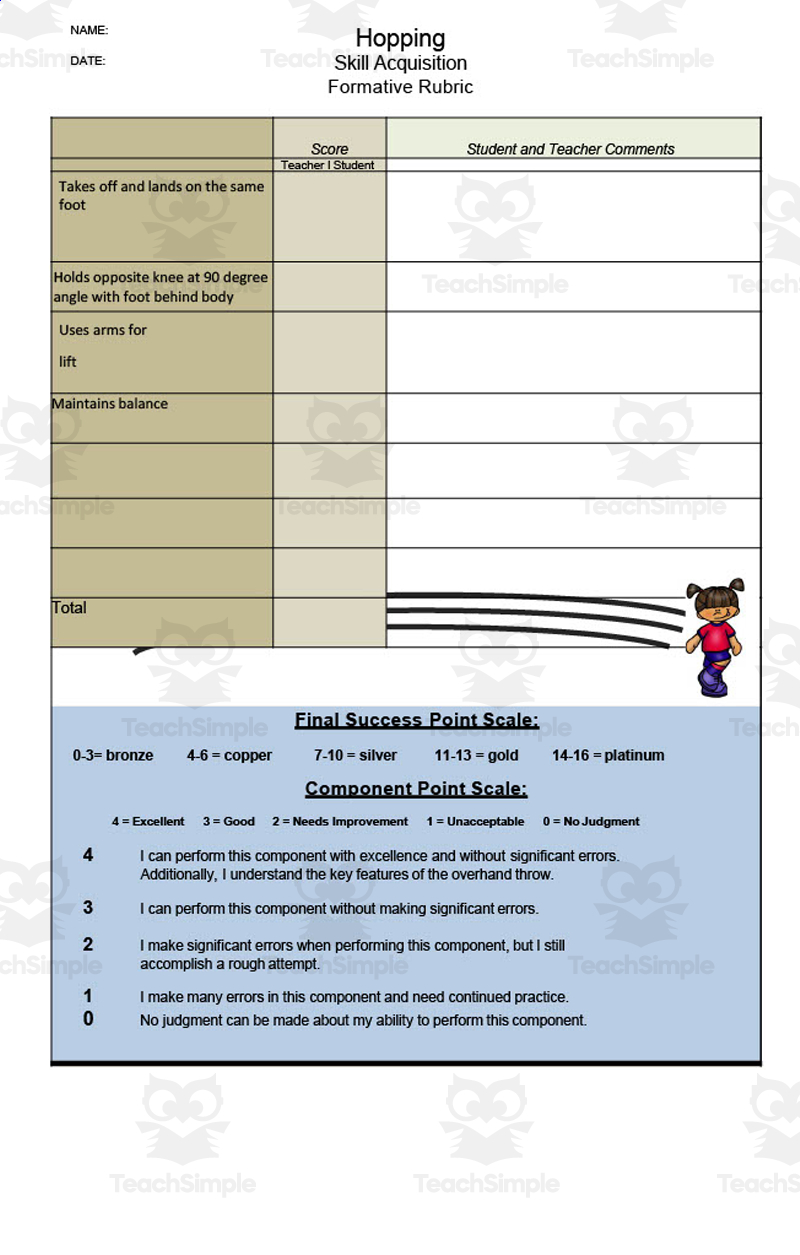
Formatively assess a student's hopping skill technique across specific components, using a point scale and success-level scale.
This Kindergarten Common Core Lesson is designed to help students understand spoken words, syllables, and sounds. It is a great resource for teachers who want to help their students improve their language skills.
This Kindergarten Common Core Lesson is great for helping students learn to read by following the words from left to right, top to bottom, and page by page. This will help them build their understanding of the organization of print.
Stated by seller: This product can help teachers with RF.K.4 Kindergarten Common Core Lesson. By using this product, students will be able to read the emergent reader with purpose and understanding to improve fluency and accuracy.
Provide leveled 'errorless learning' practice recognizing, counting, and identifying numbers 1-10 for early learners, using a graduated prompting approach (touch, circle/color, cut-and-paste) across three difficulty levels per number.
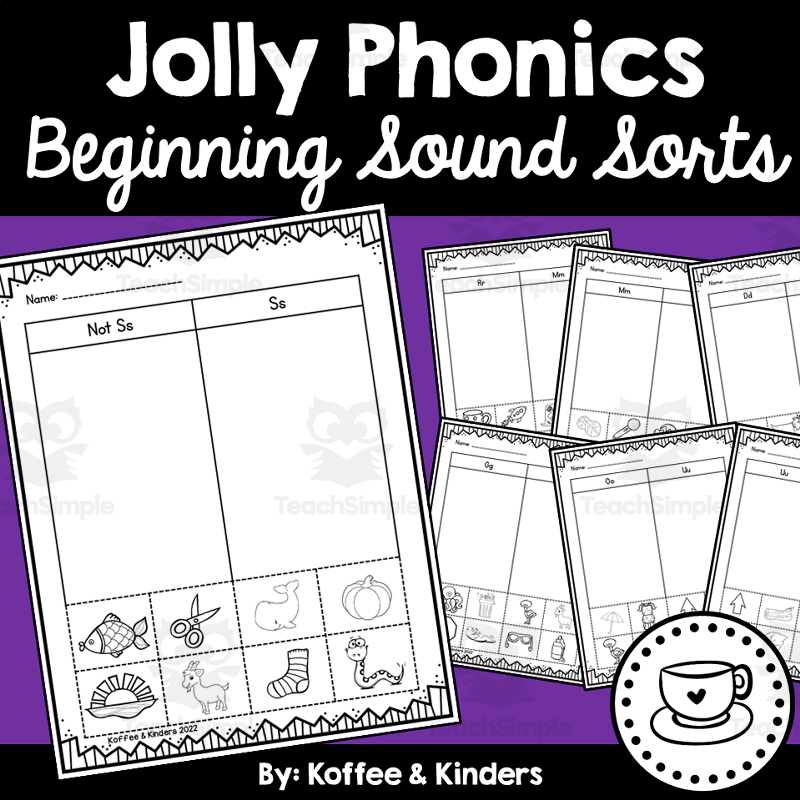
Practice identifying beginning sounds by sorting picture cards into the correct letter box, sequenced in the same letter order used by the Jolly Phonics program.

A student-led parent-teacher-student conference form that students complete in advance, allowing them to lead or participate in discussing their own progress, likes/dislikes, behavior self-assessment, and goals during conference night.
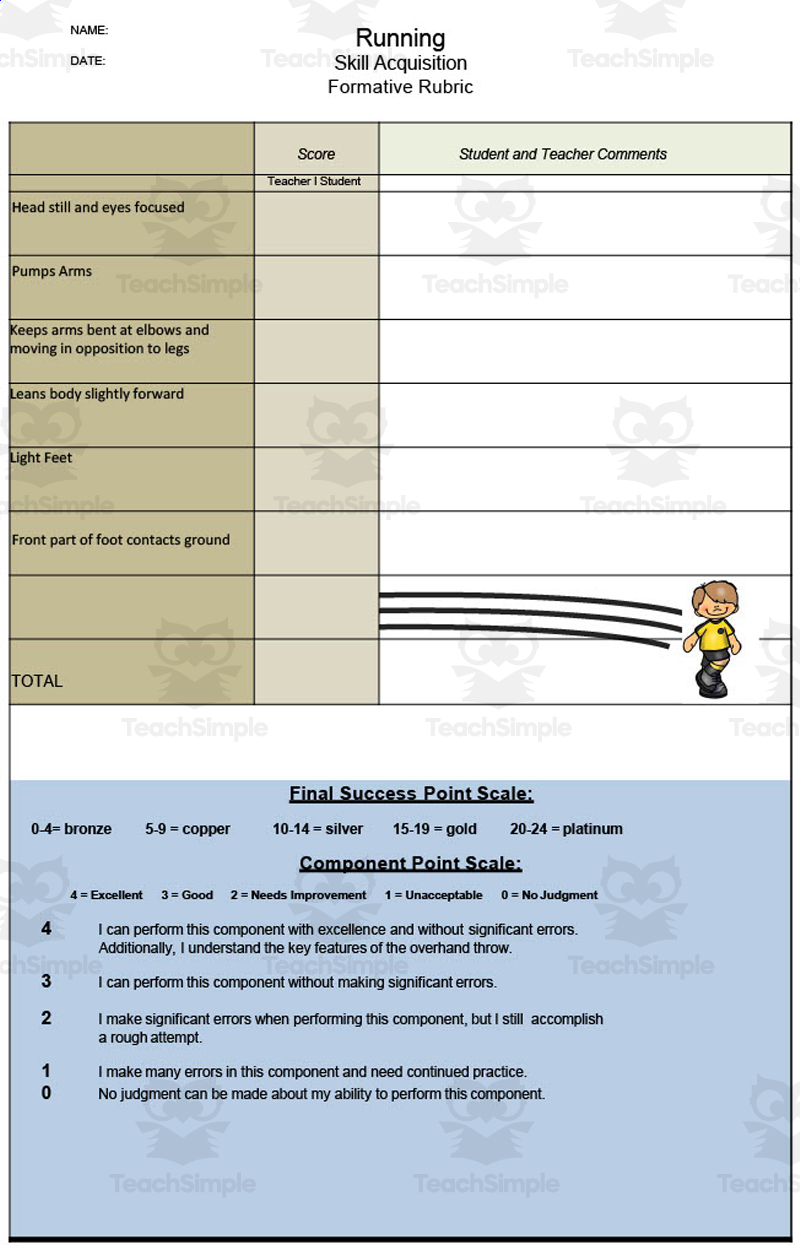
Assess student acquisition of the running skill in physical education using a component-by-component formative rubric.
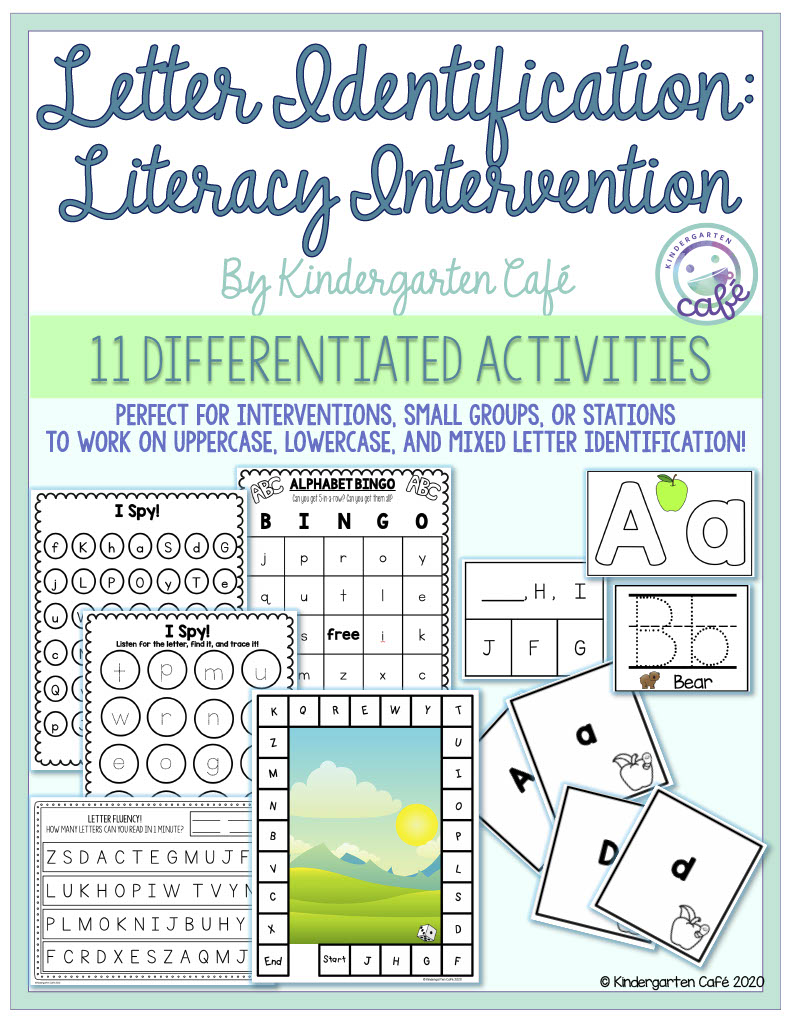
A 116-page literacy intervention packet of 11 differentiated activities for teaching uppercase, lowercase, and mixed-case letter identification, designed for small groups, interventions, or centers.
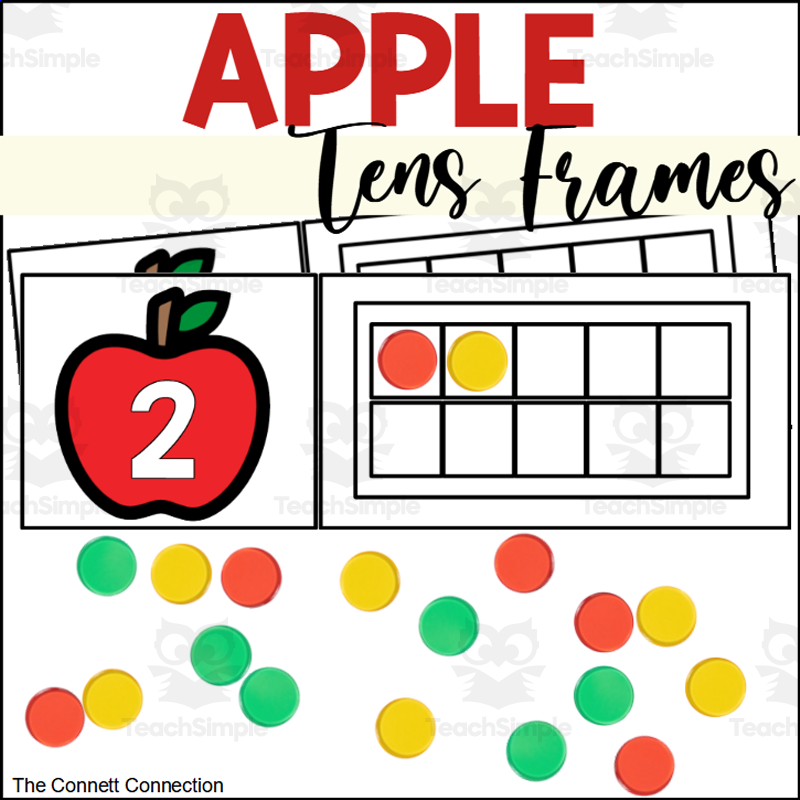
Help early learners practice one-to-one counting from 0 to 10 using tens frames with an apple theme.
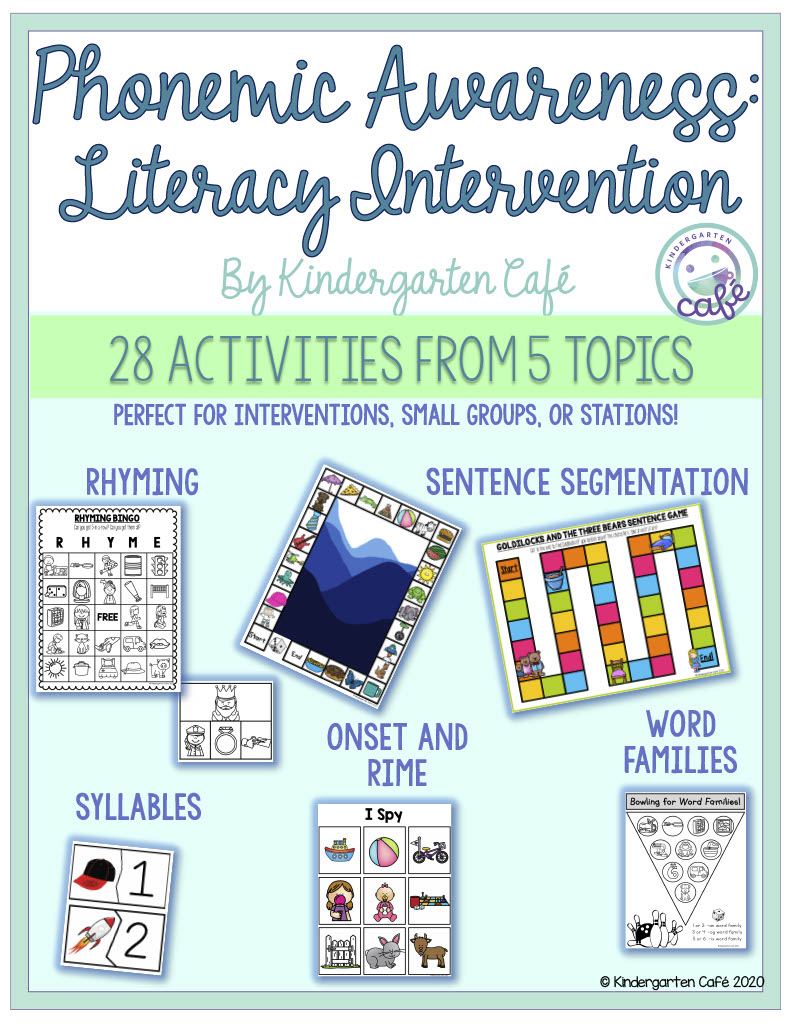
A 144-page phonemic awareness intervention packet covering five topics (rhyming, sentence segmentation, syllables, onset and rime, word families) with 28 hands-on activities, intended for targeted interventions, small groups, or literacy stations with early readers.