3,911 products added recently
Page 103 - Teacher Tools
Equip yourself with tools that streamline your teaching process and enrich your classroom experience. This collection includes organizational planners, assessment templates, and classroom management strategies. By integrating these resources, you can focus on delivering impactful instruction and fostering student success.
RI.5.9 Fifth Grade Common Core Lesson
ELA, Reading, Common Core, Grade 5, Teacher Tools
This graphic organizer can help fifth grade students keep track of what they read in multiple texts, in accordance with the RI.5.9 Fifth Grade Common Core Lesson. By using this resource, students can improve their comprehension and organization skills.
Author Have Fun Teaching
Tags Compare And Contrast, Reading Comprehension
Capitalism vs. Communism: Capitalism Since the Cold War Gr. 5-8
Social Studies, Government, Grade 5, 6, 7, 8, Teacher Tools, Lesson Plans
"Capitalism vs. Communism: Capitalism Since the Cold War Gr. 5-8" Teaching Resource This educational guide provides an enriched channel for educators, aiding in teaching students about significant aspects of global economics - particularly, capitalism since the conclusion of the Cold War. The resource includes a ready-to-use 26 page PDF designed to cater to learners from grades 5 through 8. Category and Uses Fitting primarily under Social Studies and sub-categorized under Government, this lesson plan encompasses extensive content and activities which are usable in various methods, such as whole group activity or independent study work for small groups or individual pupils. Content Overview The package delivers engaging insights on: The Capitalistic economic system, The Communist economic system, and The Globalization economy. In addition, it delves into historic turning points including the Dust Bowl era Great Depression as well as how Industrial Revolution fueled communism's popularity. It further guides learners into understanding changes that came about in Capitalistic systems post-Cold War. [Engaging Participation] Pupils get to participate actively by contextualizing scenarios such as shopping at a mall situated in a Communist nation or pondering over implications of monopolies within capitalist societies. [Unexpected Connections] Furthermore, connections between ancient Incan civilization and principles of communism are also introduced thereby adding an intriguing dimension to lessons. Linguistic Tools & Interactive Features Crosswords puzzles, Word searches, Writing tasks, Comprehension quizzes, Answer keys. All serving as effective assessment instruments and ensuring greater retention rates of imparted knowledge. These tools not only reinforce key concepts but also enable pupils to apply their learning practically while maintaining arduous academic standards. The resource proves extremely useful for educators in conveying sophisticated economic theories in manageable, age-appropriate manners. This ultimately aids in enhancing critical thinking skills and helps pupils make enlightened decisions about their global citizenship responsibilities. By establishing a solid foundational understanding on these topics, students are strategically prepared for higher levels of information they are likely to encounter further along their educational journey.
Author Classroom Complete Press
Tags Capitalism, Communism, Cold War, Government Lesson, Great Depression, Cold War Capitalism Vs Communism, Communism Vs Capitalism Cold War
Deserts Reading Comprehension Passage - Cored Ed Encyclopedia
ELA, Language Development, Reading Comprehension, Reading, Life Sciences, Science, Earth and Environmental Sciences, Technology, Geography, Social Studies, Grade 2, 3, 4, 5, Worksheets & Printables, Worksheets, Teacher Tools, Centers, Activities, Writing Prompts, Assessments, Quizzes and Tests, Quizzes, Lesson Plans
This deserts reading comprehension with lesson plan includes: Visualization (on the front cover) Start your lesson by taking a minute to think and share something about the topic. Read the script aloud (slowly), perhaps prepare some music or sound effects. Student close their eyes and let their imaginations wander. Students open their eyes, read the question aloud and give them a few minutes to complete. Ask a few students to share or keep answers until the end to compare with what they learn in the passage. COMPANION VIDEO NOW AVAILABLE (EMBEDDED AFTER PREVIEW PICTURES IN PRODUCT DESCRIPTION) Quick pause—thousands of Cored Education products are included with your TeachSimple membership. Download links and encyclopedia index available here. Pre-Reading Trivia Students will write down one thing they already know about the subject and then read five more facts and discuss. These facts are fun, and the students will enjoy learning about the subject before reading more. Give 1 minute for students to write what they already know (no pressure—best guess is fine). Read the five facts together. After each fact, do ask a student for their opinion, was it surprising? Set a purpose by asking students to highlight/underline one fact they want to learn more about during the reading. Reading Passage The text is a high-interest reading passage with set paragraphs, roughly three to four paragraphs long. It contains a variety of themes about the topic, anywhere from history to technology. The passage is between 250 and 350 words in length. First, ask students to look at the headings and see what they’ll learn about today. What do they know about the topic/heading? First read options: Teacher read-aloud (best for support). Partner reading (paragraph by paragraph). While reading, students underline important details, and vocabulary words they think may come up in the questions section. Mixed Questions The first question page contains four multiple-choice questions, each with a choice of four answers, and three written response questions that require a sentence or two from the student. Students complete the mcqs first independently, then review quickly as a class. For the 3 written responses, try to get students giving the answer with some form of evidence: “I think ___ because the text says ___.” If students get stuck, send them back to check the passage. Vocabulary Questions Practice seven key words from the text in this section across two activities. First section is scrambled words where students will unscramble three words given a clue for each. The second section is a word to meaning matching activity. Before starting, have some students read out words they underlined in the passage. Ask students to say the word and read aloud the sentence(s) around each word. Ask students to do scrambled words and the matching exercise in pairs then go through answers as a class. For the scrambled spelling task, get four pairs to come up to the board and write the words for extra practice with the other student reading out the clue. For the matching task, prompt students to give full sentences: “I matched ___ with ___ because ___.” Creative Writing In this question, the student will be required to write a five to eight sentence paragraph on a question related to the topic. Before starting, ask students write down 3 key ideas they are going to include in their piece. Ask students for ideas to share around the class to help those struggling. Pro writing expectations: 5–8 sentences At least 2 facts or details from the passage At least 2 vocabulary words from the previous page Students read their paragraphs while classmates listen for facts and vocabulary words. Extension Activities This page is optional for fast finishers or to take home. There are several activities, each one requiring a different skill. Do some, do none, do all, completely optional - but you will feel reassured knowing every possibility is planned for. Includes summary writting question and additional facts. Answer Key There are answers for the multiple-choice questions, written response questions have sample answers, vocabulary answers and if there is a summary question then a sample summary will be provided as well. Lesson Plan Included Customized lesson plan for this lesson is included. Lesson Snapshot Title: Deserts Genre: Nonfiction (informational text with headings) Subject: Earth Science / Life Science / Reading (Informational Text) Primary Topic: Deserts are defined by dryness and survival tricks Estimated Guided Reading Level (A–Z): P What This Lesson Teaches Best Clarifies the key definition: a desert is defined by dryness , not by sand. Explains desert rainfall patterns (often under about 10 inches/25 centimeters per year, sometimes arriving in a quick burst). Builds understanding that deserts can be hot or cold, including Antarctica as the biggest desert on Earth in the passage. Highlights plant and animal adaptations (cacti storing water; plants keeping/curling leaves; rodents getting moisture from seeds; animals hiding in burrows by day and moving at night). Introduces how scientists study deserts today (weather stations, soil samples, satellite pictures) and explains “rain shadow.” Learning Goals Students will explain how the passage defines a desert. Students will describe what the passage says about how much rain many deserts get in a year. Students will identify at least two survival tricks of desert plants from the text. Students will identify at least two survival tricks of desert animals from the text. Students will explain what a “rain shadow” is, using the passage’s description. Students will describe ways deserts are studied today, based on the text. Key Vocabulary From the Text dryness — having very little water or rain. sparse — not many; spread out. burrows — holes in the ground where animals hide. satellite — something in space that takes pictures from above. dunes — hills of sand shaped by wind. FULL CATALOG OF DOWNLOAD LINKS AND ENCYCLOPEDIA INDEX HERE
Author Cored Education
Rating
Tags Vocabulary, Reading Comprehension, Reading Passages, Lesson Plans, Ela Lesson Plans, Reading Comprehension Lesson Plans, Pre-reading, Science Lesson Plans, Earth Science, Geography
Prehistoric Archaeology: Social Studies Reading Passage (Word)
ELA, Reading, Reading Comprehension, Strategies, Resources for Teachers, Social Studies, History: Ancient, History, Grade 6, 7, 8, 9, Writing Prompts, Worksheets & Printables, Centers, Activities, Teacher Tools, Assessments, Quizzes and Tests, Quizzes, Tests
Prehistoric Archaeology: Social Studies Reading Comprehension Passage (Word) This resource introduces a unique Social Studies reading comprehension passage with questions about Prehistoric Archaeology: How Archaeology Explains Prehistory. The passage is carefully designed to bridge the gap between social studies and literacy through strengthening reading comprehension and sparking knowledge curiosity in middle school students. Each passage blends English Language Arts skills with accurate social studies content . Ideal for interdisciplinary learning in ELA and Social Studies. Suitable for Grade 9 review, too! Student Tasks throughout the passage: 5 multiple-choice questions targeting the following skills: main idea, key details, inference, vocabulary in context, and use of evidence 5 vocabulary matching items with clear, student-friendly definitions 5 text-based questions that require citing specific lines or facts 1 summary prompt that asks students to condense central ideas accurately Full answer key for every section Available Formats for this Resource: PDF Fillable PDF Google Docs FULL CATALOG OF DOWNLOADING LINKS HERE Social Studies Reading Comprehension Collection Links: 1. Ancient Civilizations PDF Fillable PDF Word Docs Google Docs 2. Early Empires and Trade Networks PDF Fillable PDF Word Docs Google Docs 3. The Founding of the United States PDF Fillable PDF Word Docs Google Docs 4. Language, Culture, and Meaning PDF Fillable PDF Word Docs Google Docs 5. Psychology and Society PDF Fillable PDF Word Docs Google Docs 6. Global Festivals and Traditions PDF Fillable PDF Word Docs Google Docs 7. Extreme Environments and People PDF Fillable PDF Word Docs Google Docs 8. Food, Culture, and Preservation PDF Fillable PDF Word Docs Google Docs 9. Global Food Customs PDF Fillable PDF Word Docs Google Docs 10. Media, Communication, and Popular Culture PDF Fillable PDF Word Docs Google Docs 11. Human Impact on the Environment PDF Fillable PDF Word Docs Google Docs 12. Civic Action and Social Change PDF Fillable PDF Word Docs Google Docs 13. Fashion, Society, and Power PDF Fillable PDF Word Docs Google Docs 14. People, Places, and Unusual Histories PDF Fillable PDF Word Docs Google Docs Product Details: Length: 5 pages Grades: 6–8, also suitable for Grade 9 review Use cases: close reading, stations, homework, intervention, test prep, and sub plans Why Teachers Choose This Passage: Authentic social studies content paired with rigorous literacy practice Consistent task structure for easier planning and smoother student routines Clear, age-appropriate writing that builds confidence without oversimplifying Use this passage to reinforce ELA skills in social studies, to add literacy to your lessons, and to support independent work. The passage strengthens main idea, evidence use, vocabulary in context, inference, cause and effect, and summary writing. With ready-to-use assessments and complete answer keys, you can provide focused practice that is simple to run and fast to review.
Author Middle & High School - CORED Education
Rating
Tags Middle School, Reading Comprehension, Reading Strategies, ELA, Centers, Reading Passage, Assessments, Vocabulary, Social Studies, Ancient Civilization
Mardi Gras Fun | A Non-Fiction Literacy Unit
ELA, Reading, Grade 2, 3, 4, 5, Lesson Plans, Teacher Tools
This resource is a Mardi Gras Literacy Unit. This Mardi Gras Unit can be used to help children understand the concept of the holiday. Included: - An easy to understand non-fiction passage - Before, during, and after reading activities - Word cards for challenging words - Main idea and details board game
Author Literacy Life
Tags Mardi Gras, March, Main Idea, Celebration, Literacy Unit
I WONDER - How Hot Are Sun Spots | Animated Video Lesson
Space, Earth and Environmental Sciences, Science, Grade 6, 7, 8, 9, 10, 11, 12, Lesson Plans, Teacher Tools
Video Introduction An amazing video designed for the students to learn more about space facts. I WONDER - How Hot Are Sun Spots | Animated Video Lesson Do you like reading about space? If yes, what is your favorite topic? What do you know about our solar system? What is the smallest planet in our solar system? What is the biggest planet in our solar system? What is the hottest planet in our solar system? And what is the coldest one? Do you think there are aliens? If yes, what do you think they look like? What do they eat and how they speak to each other? Where do they live? What is a galaxy? And what is a milky way? Have you recently saw a shooting star? If yes, tell us more about it, like when did it happen and where? What is a blackhole? Can a blackhole gets bigger by time? Do you like counting the stars? What do you think a star is made of? I WONDER - How Hot Are Sun Spots | Animated Video Lesson The video is perfect for encouraging the researching skills for the students, while learning more about the fantastic space. I WONDER - How Hot Are Sun Spots | Animated Video Lesson This friendly designed video is suitable for students at school, homeschooling, and as a group activity. Format Available in MP4 format.
Author Educational Voice
Tags How Hot Are Sun Spots, How Hot Are Sun Spots Video, Sun Spots, Sun Spots Facts, Sun Spots Facts For Kids, Sun Spots Video, Sun Spots Video For Kids, Sun, The Sun, Space Video
Reducing Your School's Carbon Footprint: Your School and Climate Change Gr. 5-8
Science, Earth and Environmental Sciences, Environmental Science, Grade 5, 6, 7, 8, Teacher Tools, Lesson Plans
Reducing Your School's Carbon Footprint: Your School and Climate Change Gr. 5-8 This ideal teaching resource is for educators who are passionate about instilling an awareness of climate change and environmental conservation in students from grade 5 to grade 8. This chapter slice , taken from the full lesson plan Reducing Your School's Carbon Footprint, focuses specifically on how your school relates to climate change. Making Complex Subjects Accessible And Engaging This teaching resource has been designed to make complex subjects like climate science accessible and engaging for mid-level students. The learning content helps pupils understand their school's carbon footprint, identifying the contribution made by fossil fuel consumption on campus. Taking Action On Climate Change Within The Classroom The real-life context of this tool fosters a deep understanding of what these concepts mean but also their pertinence in everyday existence. Goes beyond theory, encouraging students to brainstorm practical ways they can reduce their own energy usage within school. Consideration is given as to why schools should consider idle-zone designation, linking back seamlessly into classroom discussions around carbon emissions reduction. In further exploring tangible actions for fighting climate change, this product shows how tree planting can help capture CO2 emissions too. An integrated project challenge inspires learners towards enhancing environmental sustainability at their school – injecting them with a hands-on approach to addressing global challenges. A Deeper Understanding Of Greenhouse Gas Emissions And Carbon Offsets This plan delves into the concept pathways that lead up to causing greenhouse gas emissions such as the life cycle of bread slices along with carbon offsets and how they are an option for reducing overall emission figures at schools promptly & effectively before slower methods such as tree planting reach maturity and start absorbing CO2. Resourceful Features Aligned With Educational Best Practices Aligned with Bloom’s Taxonomy and STEAM initiatives, this file comes equipped with additional materials including: Graphic organizers assist learners visually navigate through multiple concepts. Comprehension quizzes, designed according to educational best practices. Carbon footprint calculators, encouraging practical applications. Puzzles (crossword & word search). An answer key ensures that educators can verify student responses accurately. Bridging Science Instruction And Environmental Awareness This resource primarily focuses on environmental science within science instruction. This PDF file is adaptable to different teaching strategies such as whole group discussions, small groups, or individual homework assignments. All in all, it's truly a comprehensive tool for understanding climate change starting from your classroom.
Author Classroom Complete Press
Tags PDF
I WONDER - When Was The First Grand Prix | Animated Video Lesson
Sports, P.E. & Health, Grade 3, 4, 5, 6, 7, 8, 9, Lesson Plans, Teacher Tools
Video Introduction An amazing video designed for the students to learn more about sports in different countries. I WONDER - When Was The First Grand Prix | Animated Video Lesson What is your favorite sport? Tell us more about it. Who is your favorite athlete? Or what is your favorite team? Do you know who invented basketball? When basketball has been invented? Can you tell us where is the first time it has been played? Have you ever played soccer or football? If yes, tell us what was your position: A goal keeper, midfield player, or a defender? Do you like watching golf? If yes who is your favorite player? Can you name the differences between tennis and ping pong? Have you ever played volleyball on the beach? When it has been officially recognized by the Olympics? Do you like watching Formula 1 races? If yes, who is your favorite team or driver? Have you ever tried to play handball? If yes tell us more. Do you like watching people skiing or surfing? I WONDER - When Was The First Grand Prix | Animated Video Lesson The video is perfect for encouraging the researching skills for the students, while learning more about this sport. I WONDER - When Was The First Grand Prix | Animated Video Lesson This friendly designed video is suitable for students at school, homeschooling, and as a group activity. Format Available in MP4 format.
Author Educational Voice
Rating
Tags When Was The First Grand Prix, When Was The First Grand Prix Video, The First Grand Prix, The First Grand Prix Video, The First Grand Prix Facts, The First Grand Prix Facts For Kids, The First Grand Prix Video For Kids
"Contact with Native Americans", US History, PowerPoint
Social Studies, History, History: USA, Grade 9, 10, 11, 12, Teacher Tools, Presentations
Contact with Native Americans - US History PowerPoint Assembled by a seasoned professional with three decades worth of educational experience, the PowerPoint presentation offers 105 individual slides – each containing informative text and correlating visuals. This PowerPoint is ideal for grades 9 through 12. It covers various aspects of early interactions between Europeans and Native Americans, fitting perfectly into the Social Studies curriculum . Teachers can use it during whole class lectures or small group activities while homeschooling parents will find it invaluable for home-study sessions. Making Full Use of Resources: Cornell Note Taking Each slide carefully weaves together images and text, catering to visual learners while encouraging note-taking skills. A recommended strategy is Cornell Note Taking, believed to support long term recall whilst facilitating stages of evaluation ( Jacobs, 2008; Armbruster, 1984). Marzano (2001) identifies note taking as one of “most powerful skills students can cultivate.” Ease Of Use & Compatibility The product is packaged as a Microsoft PowerPoint file ensuring compatibility across platforms. Ready-to-use materials eliminate hours spent on preparation so you engage more directly with your learners – useful not only content-wise but time-management wise too. In Conclusion: Contact with Native Americans US History PowerPoint is an invaluable asset for any educator seeking diverse ways to share historical knowledge about the initial contact period between Native American tribes and European settlers.
Author Innovation Assessments LLC
Tags US History, Native Americans, Contact, PowerPoint Presentation, Teaching Resource
1st Grade Spelling Curriculum
ELA, Language Development, Spelling, Grade 1, Lesson Plans, Teacher Tools
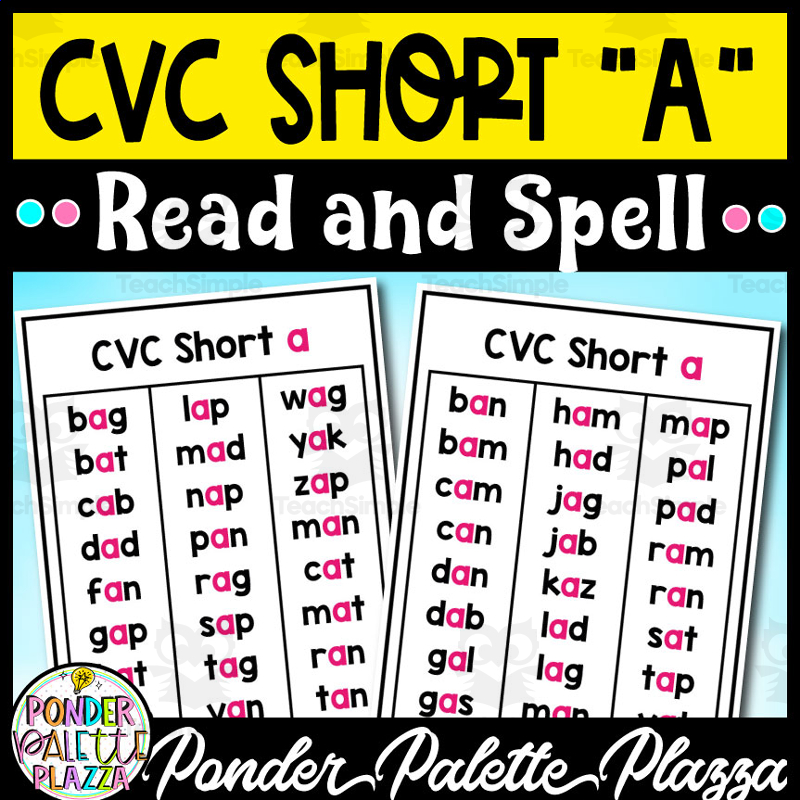
This is a 1st Grade Spelling Curriculum with 600+ pages of worksheets to be used yearlong in your 1st grade classroom. There are 42 weeks worth of spelling lists, tests, activity pages and so much more. All you have to do is print and go.
Author DK's Creations
Tags Spelling Lists, Curriculum, Tracing, Spelling Tests, Reading
Current Ohio Governor and Lt. Governor (BIO PPT Bundle)
Social Studies, History, History: USA, Government, Not Grade Specific, Teacher Tools, Presentations
Introducing an informative bundle of PowerPoint presentations detailing the biographies of Ohio's current Governor Mike DeWine and Lt. Governor Jon Husted. Created by educators for educators, this 110-page teaching resource can easily be implemented into Ohio history or government curriculum for whole group instruction. Organized into two separate presentations, the Governor Mike DeWine biography contains 75 pages highlighting his political career, elected offices held, accomplishments, education background, and more. The 35-page Lt. Governor Jon Husted presentation includes similar details about his life and public service. Written at a 7th-8th grade reading level, these Ohio leader biographies would make an engaging addition for any middle grades Ohio studies course.
Author Mr. Matthews Teacher Store
Tags Ohio Governor, Ohio Lieutenant Governor, Mike DeWine, Jon Husted, Ohio Leaders, Ohio History
School | English Conversations Video Lesson
ELA, Language Development, ESL, Not Grade Specific, Lesson Plans, Teacher Tools
School | English Conversations Video Lesson This 5-minute animated video serves as an engaging, interactive way for students to learn English conversations related to school. With clear visuals and audio, learners of all ages can further develop their English skills by listening to common school-related dialogues. Educators can implement this versatile video lesson in various settings - as an introduction to the topic, a review of key vocabulary and conversations, a whole group activity to spur discussion, a small group task to reinforce concepts, or even as a homework assignment for individual practice. This lively video aims to boost English proficiency through relatable school situations and everyday discussions.
Author Educational Voice
Tags ESL Video, ESL Lesson, Language Arts, School, English Lesson
Astronomy & Space Science: Reading Comprehension Passages (Docs)
Science, Space, Earth and Environmental Sciences, ELA, Reading, Reading Comprehension, Strategies, Resources for Teachers, Grade 6, 7, 8, 9, Writing Prompts, Worksheets & Printables, Centers, Activities, Teacher Tools, Assessments, Quizzes and Tests, Quizzes, Tests
Astronomy & Space Science: Reading Comprehension Passages & Questions (Docs) - Editable and Fillable This engaging collection of science reading passages about Astronomy and Space Science is designed to bridge the gap between science and literacy through strengthening reading comprehension and sparking scientific curiosity in middle school students. Each passage blends English Language Arts skills with accurate science content that supports NGSS classroom practice. Ideal for interdisciplinary learning in ELA and Science. Suitable for Grade 9 review, too! What Is Included? There are (3) informational passages: The Solar System: A Neighborhood in Motion Understand orbits, the Sun’s role, the differences between inner and outer planets, and where asteroids and comets fit in the system. The Story of Space Science Trace the path from early skywatching to telescopes, satellites, exploration missions, and the ISS, with practical links to GPS, communications, and weather forecasting. Stars of Many Sizes: Dwarfs, Giants, and Neutrons Explore stellar types and life cycles, including our Sun, red giants, supernovas, neutron stars, and pulsars. Student Tasks for Each Passage 5 multiple-choice questions targeting main idea, key details, inference, vocabulary in context, and use of evidence 5 vocabulary matching items with clear, student-friendly definitions 5 text-based questions that require citing specific lines or facts 1 summary prompt that asks students to condense central ideas accurately Full answer key for every section Available Formats for this Resource: PDF Word Docs FULL CATALOG OF DOWNLOADING LINKS HERE Other Science Reading Collections you May find in the store: 1. Astronomy & Space Science 2. Volcanoes, Rocks, & Mountains 3. Rock Cycle, Soil, & Sinkholes 4. Mars, Glaciers, & Antarctica 5. Water Cycle, Acid Rain, & Wastewater 6. Insects, Animals, & Ecosystems 7. Bioluminescence & Insects 8. Animal Skin, Cats, & T. Rex 9. Human Body and Senses 10. Health & Applied Bioscience 11. Waves, Light, & Imaging 12. Electricity & Energy 13. Motion & Materials 14. Chemistry and Materials Science Product Details Length: 14 pages total Grades: 6–8, also suitable for Grade 9 review Use cases: close reading, stations, homework, intervention, test prep, and sub plans Standards support: reinforces informational-text skills and supports NGSS-style sense making through observation, modeling, and clear use of claim, evidence, and reasoning Why Teachers Choose This Set Authentic science content paired with rigorous literacy practice Consistent task structure across all passages for easier planning and smoother student routines Clear, age-appropriate writing that builds confidence without oversimplifying Use this set to reinforce ELA skills in science, to add literacy to your lessons, or to support independent work. The passages strengthen main idea, evidence use, vocabulary in context, inference, cause and effect, and summary writing. With ready-to-use assessments and complete answer keys, you can provide focused practice that is simple to run and fast to review.
Author Middle & High School - CORED Education
Rating
Tags Middle School, Reading Comprehension, Reading Strategies, Reading Passages, ELA, Centers, Reading Passage, Assessments, Vocabulary, Earth Science
Social Emotional Learning Unit: Cooperation Activities
Special Resources, Social Skills, Preschool, Grade 1, 2, Lesson Plans, Teacher Tools
The Social Emotional Learning Unit: Cooperation Activities is a 12-page resource full of ideas, lessons and printables to teach students about cooperation. You will receive a handout that includes teaching points, read-alouds, videos and extra activities. There is a letter to caregivers to support cooperation at home. After learning about cooperation, students will get to write about what they've learned and practice their reading skills with the emergent reader.
Author Kindergarten Cafe
Tags Curriculum, Cooperation, Social, Emotional, Learning
Bryce Canyon National Park Geography Unit
Social Studies, Geography, Grade 6, 7, 8, 9, Teacher Tools, Lesson Plans
Bryce Canyon National Park Geography Unit This teaching resource is an all-encompassing and exhilarating unit aimed at middle school students - grades 6 through 9 specifically. Designed optimally for Social Studies classes with a focus on Geography, this unit broadly discusses the geographic, climatic, and historic traits of Bryce Canyon National Park. Unit Components Packed as a zip file, its components primarily include seven PDFs, six JPEG files and one interactive PowerPoint presentation. These resources offer various engaging ways to explore this national park's geography. Preview sheets (PDFs and JPEG files): We ignite student curiosity about the upcoming lessons on Bryce Canyon with enough introductory materials in our preview sheets. Involving Worksheets: A great tool for continual student engagement throughout the geography unit by unraveling landscape’s intricacies. Enlightening PowerPoint presentation: An optimum resource to conduct comprehensive whole group sessions or small group activities bridging understanding gaps about Bryce Canyon's magnificence unfailingly! An Interactive Booklet & Fact Sheets The provided educational package also includes assembly steps for developing an interactive booklet which can be used for collective activity inside classrooms or given as individual homework. Complementing fact sheets cover Bryce Canyon's history, terrain features, resident fauna types, climate characteristics amongst others - they feature QR codes which provide quick access to study-enriching video content about the park via smart devices! Vary Thinking Preferences Accommodated! To cater learners of different reading preferences we deliver knowledge over both two-sheet format and single sheet format. Substantial Engagement Activities Apart from drafts, we have large and small image files to visually complement students' project works regarding the national park. A themed crossword puzzle as an additional activity tests students’ understanding in a fun way. In conclusion, this Bryce Canyon National Park Geography Unit is purpose-built for educators wishing to better their middle schoolers' geographic understanding and enhance their interest towards our stunning natural landscapes!
Author Mr Gray History
Tags Bryce Canyon, Geography, National Park, Teaching Resource, Middle School
Benjamin Franklin's Notebook of Virtues: Social Studies Passage (PDF)
ELA, Reading, Reading Comprehension, Strategies, Resources for Teachers, Social Studies, History, History: USA, Grade 6, 7, 8, 9, Writing Prompts, Worksheets & Printables, Centers, Activities, Teacher Tools, Assessments, Quizzes and Tests, Quizzes, Tests
Benjamin Franklin's Notebook of Virtues: Social Studies Reading Comprehension Passage (PDF) This resource introduces a unique Social Studies reading comprehension passage with questions about Benjamin Franklin's Notebook of Virtues. The passage is carefully designed to bridge the gap between social studies and literacy through strengthening reading comprehension and sparking knowledge curiosity in middle school students. Each passage blends English Language Arts skills with accurate social studies content . Ideal for interdisciplinary learning in ELA and Social Studies. Suitable for Grade 9 review, too! Student Tasks throughout the passage: 5 multiple-choice questions targeting the following skills: main idea, key details, inference, vocabulary in context, and use of evidence 5 vocabulary matching items with clear, student-friendly definitions 5 text-based questions that require citing specific lines or facts 1 summary prompt that asks students to condense central ideas accurately Full answer key for every section Available Formats for this Resource: Fillable PDF Word Docs Google Docs FULL CATALOG OF DOWNLOADING LINKS HERE Social Studies Reading Comprehension Collection Links: 1. Ancient Civilizations PDF Fillable PDF Word Docs Google Docs 2. Early Empires and Trade Networks PDF Fillable PDF Word Docs Google Docs 3. The Founding of the United States PDF Fillable PDF Word Docs Google Docs 4. Language, Culture, and Meaning PDF Fillable PDF Word Docs Google Docs 5. Psychology and Society PDF Fillable PDF Word Docs Google Docs 6. Global Festivals and Traditions PDF Fillable PDF Word Docs Google Docs 7. Extreme Environments and People PDF Fillable PDF Word Docs Google Docs 8. Food, Culture, and Preservation PDF Fillable PDF Word Docs Google Docs 9. Global Food Customs PDF Fillable PDF Word Docs Google Docs 10. Media, Communication, and Popular Culture PDF Fillable PDF Word Docs Google Docs 11. Human Impact on the Environment PDF Fillable PDF Word Docs Google Docs 12. Civic Action and Social Change PDF Fillable PDF Word Docs Google Docs 13. Fashion, Society, and Power PDF Fillable PDF Word Docs Google Docs 14. People, Places, and Unusual Histories PDF Fillable PDF Word Docs Google Docs Product Details: Length: 4 pages Grades: 6–8, also suitable for Grade 9 review Use cases: close reading, stations, homework, intervention, test prep, and sub plans Why Teachers Choose This Passage: Authentic social studies content paired with rigorous literacy practice Consistent task structure for easier planning and smoother student routines Clear, age-appropriate writing that builds confidence without oversimplifying Use this passage to reinforce ELA skills in social studies, to add literacy to your lessons, and to support independent work. The passage strengthens main idea, evidence use, vocabulary in context, inference, cause and effect, and summary writing. With ready-to-use assessments and complete answer keys, you can provide focused practice that is simple to run and fast to review.
Author Middle & High School - CORED Education
Rating
Tags Middle School, Reading Comprehension, Reading Strategies, ELA, Centers, Reading Passage, Assessments, Vocabulary, Social Studies, US HISTORY
I WONDER - What Jobs Did People Do In The Iron Age | Animated Video
History: Ancient, History, Social Studies, History: Europe, History: World, History: African, History: Asian, Grade 4, 5, 6, 7, 8, 9, 10, Lesson Plans, Teacher Tools
Video Introduction An amazing video designed for the students to learn more about history. I WONDER - What Jobs Did People Do In The Iron Age | Animated Video Lesson Do you like history? Which topic do you really enjoy about history? Have you ever read an interesting fact about the Vikings? If yes, can you mention them? What do you like most about the Victorian era? Can you name all the Tudors? Have you ever wondered how people used to live in ancient Japan and ancient China? Do you know any interesting facts about ancient Egyptians and the Pharaohs? Have you ever visited South America? What do you know about Incas and Aztecs? Celtic culture was really one of a kind, can you name any of the places that Celts used to live in? Imagine yourself living during the ancient Roman empire, how your life will look like? Ancient Greece was an amazing place to live in. What do you know about ancient Greek life? I WONDER - What Jobs Did People Do In The Iron Age | Animated Video Lesson The video is perfect for encouraging the researching skills for the students, while learning more about history. I WONDER - What Jobs Did People Do In The Iron Age | Animated Video Lesson This friendly designed video is suitable for students at school, homeschooling, and as a group activity. Format Available in MP4 format.
Author Educational Voice
Tags What Jobs Did People Do In The Iron Age, What Jobs Did People Do In The Iron Age Video, Iron Age, Iron Age Facts, Iron Age Video, Iron Age Facts For Kids, Iron Age Video For Kids, Iron Age People
I WONDER - How Do Birds Fly | Animated Video Lesson
STEM, Animals, Life Sciences, Science, Biology, Grade 1, 2, 3, 4, 5, 6, 7, 8, Lesson Plans, Teacher Tools
Video Introduction Animal kingdoms are full of fascinating wonders to learn. This video is designed for the students to learn more about animals in different countries. I WONDER - How Do Birds Fly | Animated Video Lesson Do you like animals? what is your favorite one? Do you own a pet? If yes, tell us more about it, like what its name? And what do you like most about it? What are the animal kingdoms? Can you write down the characteristics of each animal class like mammals, birds, reptiles, amphibian, fish and mollusks. Do you know that some animals can sing, can you name any of them? What is the largest and the smallest mammal in the world? What is the largest and the smallest bird in the world? What is the largest and the smallest fish in the world? I WONDER - How Do Birds Fly | Animated Video Lesson The video is perfect for encouraging the researching skills for the students, while learning more about these fantastic animals. I WONDER - How Do Birds Fly | Animated Video Lesson This friendly designed video is suitable for students at school, homeschooling, and as a group activity. Format Available in MP4 format.
Author Educational Voice
Tags How Do Birds Fly, How Do Birds Fly Video, Birds, Bird, Birds Facts, Birds Facts For Kids, Birds Video, Birds Video For Kids, Bird Facts, Bird Video
Synonyms Sample Lesson - Vocabulary Grade 5-6 (PDF)
ELA, Language Development, ESL, Common Core, Resources for Teachers, Vocabulary, Grade 5, 6, 7, Worksheets & Printables, Worksheets, Quizzes and Tests, Teacher Tools, Tests, Assessments
Synonyms Sample Lesson ELA MCQS Overview: In this series of lessons, students will embark on an engaging journey to master the language arts skills that make communication effective and expressive. These lessons are designed to help students recognize, understand, and apply key grammar, vocabulary, and writing conventions in both their writing and speech. Each lesson builds upon the previous one, providing a structured blend of direct instruction, interactive group activities, and independent practice. With engaging tasks and thought-provoking questions, students will explore sentence structure, word choice, punctuation, and grammar rules to strengthen their understanding of English language conventions. Accompanied by free supplementary materials covering all topics, this series ensures a well-rounded and enjoyable learning experience. Through practice and exploration, students will develop the skills needed to analyze language, construct clear sentences, and express themselves with confidence. Synonyms Overview: Nouns Synonyms Verbs Synonyms Adjectives Synonyms Synonyms in a Sentence PDF Version This is the PDF uneditable version. This download is available in GOOGLE Docs, GOOGLE Forms, GOOGLE Slides. PDF, PPT, WORD, check the links below for more details. FULL CATALOG OF DOWNLOAD LINKS HERE Grade 5/6 Links: Capitalization & Punctuation Google Docs Google Forms Google Slides PDF PPT Word Free Supplementary Materials Pack Adjectives Google Docs Google Forms Google Slides PDF PPT Word Free Supplementary Materials Pack Nouns Google Docs Google Forms Google Slides PDF PPT Word Free Supplementary Materials Pack Pronouns Google Docs Google Forms Google Slides PDF PPT Word Free Supplementary Materials Pack Verbs Google Docs Google Forms Google Slides PDF PPT Word Free Supplementary Materials Pack Prefixes & Suffixes Google Docs Google Forms Google Slides PDF PPT Word Free Supplementary Materials Pack Sentence Structure Google Docs Google Forms Google Slides PDF PPT Word Free Supplementary Materials Pack Subject Verb Agreement Google Docs Google Forms Google Slides PDF PPT Word Free Supplementary Materials Pack Tenses Google Docs Google Forms Google Slides PDF PPT Word Free Supplementary Materials Pack Context Clues Google Docs Google Forms Google Slides PDF PPT Word Free Supplementary Materials Pack Defining Words Google Docs Google Forms Google Slides PDF PPT Word Free Supplementary Materials Pack Fill in the Blanks Google Docs Google Forms Google Slides PDF PPT Word Free Supplementary Materials Pack Homophones Google Docs Google Forms Google Slides PDF PPT Word Free Supplementary Materials Pack Synonyms Google Docs Google Forms Google Slides PDF PPT Word Free Supplementary Materials Pack ELA Review Questions Overview Questions have three answer choices. There are a handful of pictures on each test for aesthetic purposes, as well as a review sheet covering most of the topics covered in the product. Introduction or Example Sheet Each topic will include an introduction or example sheet to go through first with your students. Full Answer Keys Full answer keys and sample responses are provided so no matter how busy you are, you know you're covered! In the Supplementary Pack Interactive Ice Breakers: Engaging warm-up activities that introduce students to key ELA concepts, such as quick capitalization corrections and punctuation challenges. Guided Practice: Structured teacher-led exercises that reinforce grammar and punctuation rules, helping students identify and apply them correctly in sentences. Group and Partner Tasks: Collaborative activities where students work together to edit sentences, correct capitalization, and improve punctuation through peer discussion and teamwork. Independent Worksheets: Carefully designed worksheets that provide focused practice, allowing students to apply learned concepts and refine their skills independently. Exit Tasks: Quick assessments at the end of each lesson, prompting students to reflect on what they’ve learned and apply their knowledge in writing and editing tasks. For More Like This For similar downloads and other frees, do check out Cored Group on TeachSimple.
Author Cored Education
Tags Elementary, Answers, Ccss, Common Core, Tests, Test Prep, Assessment, Grade 5, Grade 6, Vocabulary
I WONDER - Did Columbus See Anything Unusual On The Way To America
Biographies, Social Studies, Grade 4, 5, 6, 7, 8, 9, 10, Lesson Plans, Teacher Tools
Video Introduction An amazing video designed for the students to learn more about famous people in different countries. I WONDER - Did Columbus See Anything Unusual On The Way To America | Animated Video Lesson History is full of impressive people who changed history and the way we live! So tell us who is your role model? Cn you tell us his / her story? Why did you choose that person? Have you ever thought about who invented the gum and why he invented it? Or who is the first one in history to look up above and wonder why we can't fly then started to invent the first plane? Do you think that life would be the same if the Bluetooth and the Wi-Fi haven't been invented? I WONDER - Did Columbus See Anything Unusual On The Way To America | Animated Video Lesson The video is perfect for encouraging the researching skills for the students, while learning more about this fantastic place. I WONDER - Did Columbus See Anything Unusual On The Way To America | Animated Video Lesson This friendly designed video is suitable for students at school, homeschooling, and as a group activity. Format Available in MP4 format.
Author Educational Voice
Rating
Tags Did Columbus See Anything Unusual On The Way To America, Columbus, Columbus Facts, Columbus Video, Columbus Video For Kids, Columbus Facts For Kids, American History, Finding America
Constitution & Ratification DBQ
History: USA, History, Social Studies, Grade 6, 7, 8, 9, 10, 11, 12, DBQ's, Teacher Tools
Ask most students what the New Jersey Plan proposed and they will tell you: equal representation for every state. Ask them to find that sentence in the document and they cannot, because it is not there. The New Jersey Plan proposes keeping the Congress created by the Articles of Confederation, and the Articles had already given each state one vote. The equality is inherited, not argued for. That small discovery is the kind of thing this packet is built to produce. The question students argue is whether the Constitution was ratified on its merits or on a promise. Six documents let them build either case. The Virginia Plan opens the Convention with representation tied to population. The New Jersey Plan answers by preserving the old Congress, while accepting population as the basis for taxation, which is a sharper distinction than the one most courses teach. Brutus argues in a New York newspaper that no free republic has ever governed a territory this large. Publius answers in the Federalist that liberty is protected by dividing power so that ambition counteracts ambition, which is also the argument for why a bill of rights was thought unnecessary. Massachusetts then ratifies by nineteen votes and attaches a list of amendments it wants anyway. The sixth source is a data table of all thirteen ratification votes, and it does work no text can. Students can see that the early states ratified almost unanimously while the later ones came down to nineteen votes, ten, ten, three and two. Beneath it sits the First Congress transmitting the amendments in 1789, opening with the acknowledgement that the state conventions had expressed a desire for them. The bargain, in Congress's own words. The analysis questions are labeled by skill so students learn the vocabulary as they work: sourcing asks who made this and why it matters, context asks what was happening, close reading asks what the document actually claims. A second section makes students read the sources against one another, which is where the argument gets built. The teacher notes flag two things worth knowing. The vote table has a genuine historiographical wrinkle, because the most official-looking source available prints two of the state totals differently from four independent ones, and one analysis question turns on that. And the Federalist spelling is the original 1788 printing rather than a modernised edition. The writing prompt comes with a four-point analytic rubric covering claim, use of evidence, sourcing and context, and organization. The answer key gives a target response for every question and two model thesis statements taking opposite positions, so a teacher can show that the rubric rewards the quality of the argument rather than the side a student picks.
Author Response Resources
Rating
Tags Constitution Dbq, Federalists Vs Anti Federalists, Ratification Of The Constitution, Primary Source Analysis, Constitutional Convention, Us History Sub Plan, No Prep Social Studies, Emergency Sub Plans History, Apush Document Analysis, Constitution Day Activity
Lollipops Reading Comprehension Passage - Cored Ed Encyclopedia
ELA, Language Development, Resources for Teachers, Reading Comprehension, Reading, Pre-Reading, Writing, Science, Physics, Strategies, Grade 2, 3, 4, 5, Worksheets & Printables, Worksheets, Teacher Tools, Centers, Activities, Writing Prompts, Assessments, Tests, Quizzes and Tests, Quizzes
This lollipops reading comprehension contains the following: Visualize on the Cover (Teacher Read Aloud Script) Start your lesson by taking a few moments to visualize the topic and share thoughts or feelings about it. Pre-Reading Trivia Students will write down one thing they already know about the subject and then read five more facts and discuss. These facts are fun, and the students will enjoy learning about the subject before reading more. Reading Passage The text is a high-interest reading passage with set paragraphs, roughly three to four paragraphs long. It contains a variety of themes about the topic, anywhere from history to technology. The passage is between 250 and 350 words in length. Mixed Questions The first question page contains four multiple-choice questions, each with a choice of four answers, and three written response questions that require a sentence or two from the student. Vocabulary Questions Practice seven key words from the text in this section across two activities. First section is scrambled words where students will unscramble three words given a clue for each. The second section is a word to meaning matching activity. Creative Writing In this question, the student will be required to write a five to eight sentence paragraph on a question related to the topic. Extension Activities This page is optional for fast finishers or to take home. There are several activities, each one requiring a different skill. Do some, do none, do all, completely optional - but you will feel reassured knowing every possibility is planned for. Includes summary writting question. Answer Key There are answers for the multiple-choice questions, written response questions have sample answers, vocabulary answers and if there is a summary question then a sample summary will be provided as well. FULL CATALOG OF DOWNLOAD LINKS AND ENCYCLOPEDIA INDEX HERE Lesson Snapshot Title: Lollipops Genre: Nonfiction (informational text) Subject: Reading (Informational Text) / Science (cooking & materials) / Social Studies (history of foods) Primary Topic: Hard candy on a stick: making, history, name Estimated Guided Reading Level (A–Z): O What This Lesson Teaches Best Defines a lollipop as hard candy for licking or sucking, on a stick, and notes different names in different places (“lolly,” “sucker”). Explains how hard candy is made: sugar is cooked with water until thick, then cooled so it hardens. Describes why corn syrup matters in hard candy: it can help stop sugar crystals from forming so candy stays smooth and “glassy.” Shares historical background: candy on sticks appeared long ago (including the Middle Ages), and the “modern lollipop” has a cloudy history with early 1900s U.S. companies (including a story about George Smith and later trademarking). Explores word history: “lollipop” was recorded in 1796, with possible connections to “lolly” and “pop,” plus other ideas (including Romani words and candy apples on sticks). Learning Goals Students will describe what a lollipop is and how people eat it, using details from the text. Students will explain the steps that turn sugar and water into hard candy (cook, thicken, cool, harden). Students will explain how corn syrup affects hard candy by helping stop sugar crystals from forming. Students will identify key time references about lollipops (Middle Ages, early 1900s, 1796) and tell what the text says about each. Students will summarize what the passage says about where the name “lollipop” may have come from. Key Vocabulary From the Text crystals — tiny hard bits that can make candy feel gritty. gritty — rough, like sand. glassy — smooth and shiny, like glass. trademarked — legally protected a name for a product. spirals — twisty, swirl shapes. Cored Ed Encyclopedia Overview The Cored Ed Encyclopedia is a weekly series of lessons that you can pick up and use right away. These short readings fit into whatever time you have available. Each one includes a warm-up, a reading, and a set of questions, but it’s flexible — you can do just the reading, the full lesson, or skip the writing section if you need to. Each lesson focuses on a single topic so students don’t get lost. The writing is clear but never childish, making it perfect for grades two through five. Topics range from animals and science to history, inventions, and everyday things. No matter the level of the student, everyone should take away at least one new idea or fact from each lesson. The materials are easy to print, easy to explain, and require no setup. They work well for whole-class teaching, partner work, or independent study.
Author Cored Education
Rating
Tags Vocabulary, Spelling, Reading Comprehension, Reading Passages, Reading, Creative Writing, Reading Strategies, Writing Prompts, Lollipops, Physics
'Queen of Katwe' Lesson Plan & Worksheets | Grades 5 - 12
ELA, Social Emotional Learning (SEL), Special Resources, Grade 5, 6, 7, 8, Lesson Plans, Teacher Tools, Worksheets & Printables
Queen of Katwe Movie Study | True Story, ELA, SEL, Growth Mindset, Geography & Chess Activities | Grades 5–12 Inspire students with the remarkable true story of determination, resilience, and hope in this engaging Queen of Katwe Movie Study ! Based on the real-life journey of chess champion Phiona Mutesi, this resource helps students explore themes of perseverance, self-belief, education, mentorship, and opportunity while strengthening reading comprehension, critical thinking, geography, writing, and problem-solving skills. Through 30 thoughtfully designed activities, students discover how courage, hard work, and support can help overcome even the greatest obstacles. What's Included 30 student activities Printable student workbook Comprehensive teacher guide Complete answer key Reading comprehension questions Character analysis activities Compare-and-contrast graphic organizer Theme and symbolism exploration Chess strategy and logic activities Geography activities about Uganda Social studies and poverty-awareness discussions Vocabulary development exercises Cause-and-effect activities Reflection and discussion prompts Growth mindset and resilience lessons Goal-setting activities Diary writing tasks Letter-writing activities Acrostic poetry project Creative poster design challenge Students will explore: Perseverance and resilience Self-belief and confidence Mentorship and leadership Education and opportunity Hope and determination Goal setting and growth mindset Poverty and social challenges Community support Critical thinking and strategic planning Global awareness and cultural understanding How It Works in the Classroom This Queen of Katwe movie guide is designed for flexible classroom use and works well for: English Language Arts lessons Social-Emotional Learning (SEL) Character education units Growth mindset lessons Geography and social studies instruction Independent work Homeschool learning Substitute plans Small-group discussions Cross-curricular learning Students complete activities before, during, and after viewing the film. Lessons include comprehension practice, character studies, symbolism analysis, chess-based logic activities, geography exploration, discussion prompts, reflective writing, and creative projects. The included teacher guide provides a complete 90-minute lesson plan, differentiation strategies, discussion questions, and assessment tools. Standards & Learning Goals Students will: Recall and sequence key events from the film Analyze character traits, motivations, and growth Explore themes of perseverance, hope, and self-belief Interpret symbolism and the pawn-to-queen metaphor Strengthen reading comprehension and vocabulary skills Develop critical-thinking and problem-solving abilities Learn basic chess concepts and strategic thinking Explore geography and culture in Uganda Reflect on personal goals and resilience Support ideas with evidence through discussion and writing Supports instruction in: English Language Arts Social-Emotional Learning (SEL) Geography Social Studies Mathematics & Logic Critical Thinking Character Education Writing Skills Why Teachers Love It ✅ No-prep printable resource ✅ Includes teacher guide and complete answer key ✅ Based on an inspiring true story ✅ Promotes growth mindset and perseverance ✅ Encourages meaningful discussions about opportunity and resilience ✅ Integrates literacy, geography, SEL, and critical thinking ✅ Introduces students to chess concepts in an accessible way ✅ Supports cross-curricular learning ✅ Flexible for classroom, homeschool, and enrichment settings ✅ Encourages students to connect lessons from the film to their own goals and dreams Teachers love how this resource transforms an inspiring true story into a meaningful educational experience. Students build literacy and critical-thinking skills while exploring powerful lessons about determination, mentorship, education, and believing in themselves—even when the odds seem stacked against them. Add this Queen of Katwe Movie Study to your classroom today and help students explore perseverance, resilience, self-belief, and opportunity through an inspiring true story that encourages them to dream big and never give up.
Author Bright Classroom Ideas Marketplace
Rating
Tags Queen Of Katwe, Film, Sel, Movie, Guide, Ela, Lesson, Plan, Worksheet
RL.K.10 Kindergarten Common Core Lesson
ELA, Reading, Common Core, Preschool, Literacy Readers, Teacher Tools
This Kindergarten Common Core Lesson is great for helping students to actively engage in group reading activities. The purpose and understanding gained from stories and poems can be extremely beneficial for young learners.
Author Have Fun Teaching
Tags Independent And Guided Reading, Reading Comprehension