GCSE Poetry Lesson: ‘Search for my Tongue’ by Sujata Bhatt
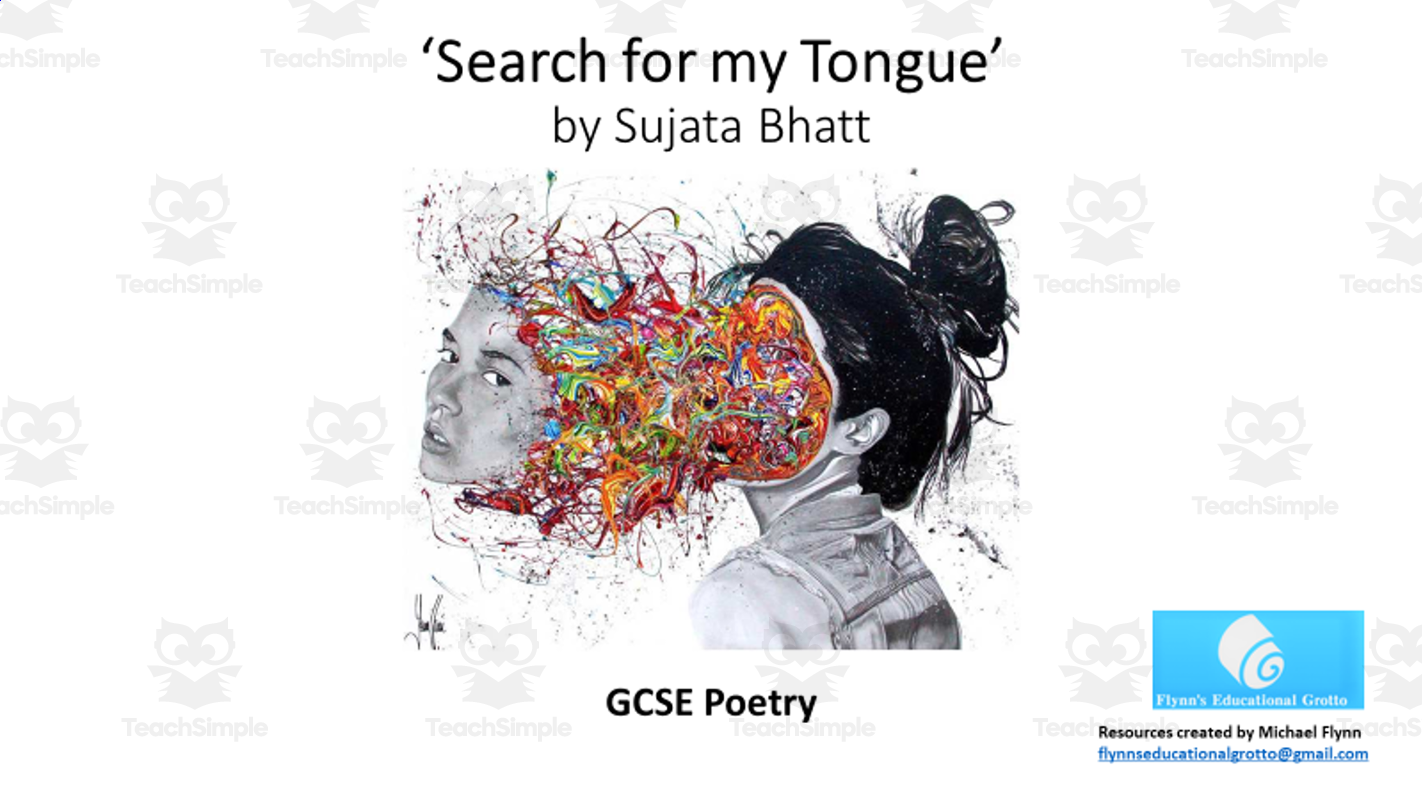
A GCSE English Literature poetry-analysis lesson presentation that guides students through close reading and critical analysis of 'Search for my Tongue' by Sujata Bhatt.
Classroom resources
Browse by lesson focus
Choose the topic or kind of practice you need.
A GCSE English Literature poetry-analysis lesson presentation that guides students through close reading and critical analysis of 'Search for my Tongue' by Sujata Bhatt.
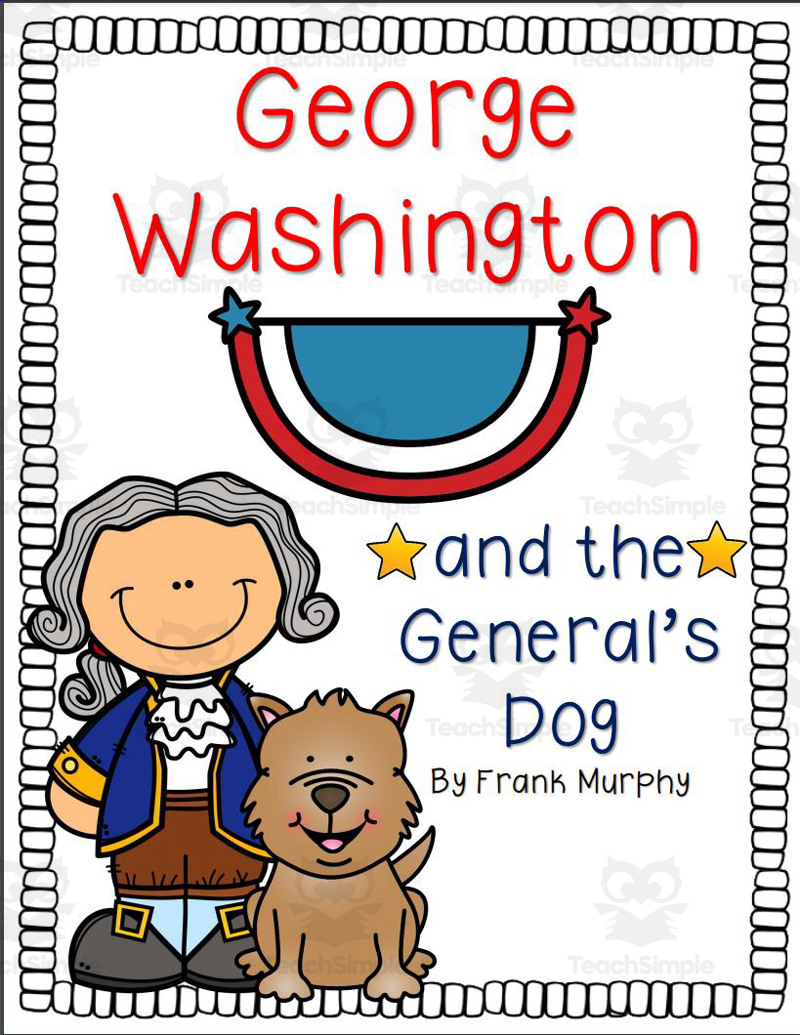
A story companion packet of comprehension and response activities to accompany the picture book "George Washington and the General's Dog" by Frank Murphy.
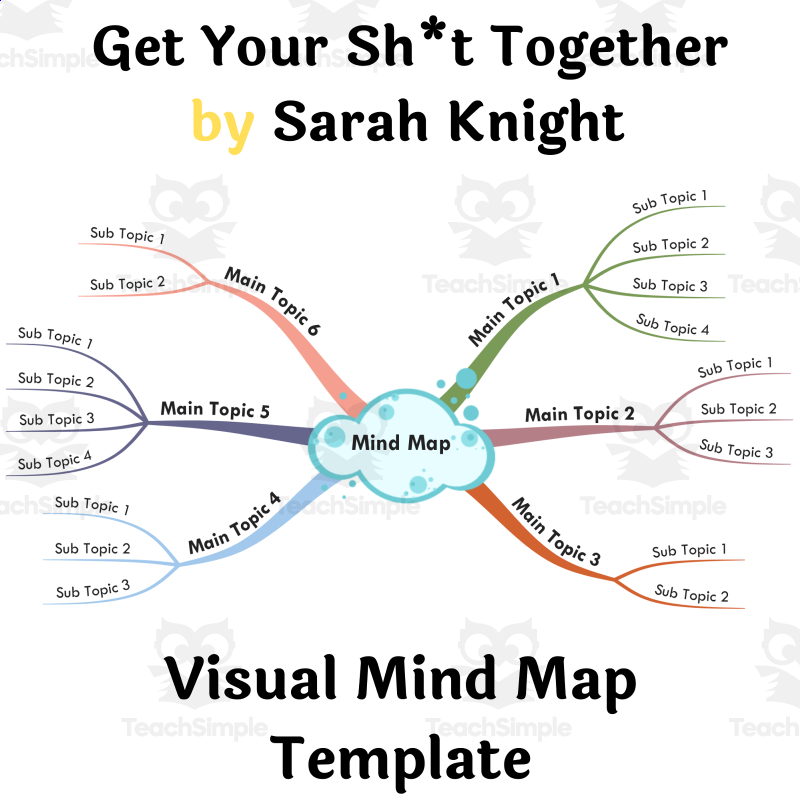
Get Your Sh*t Together by Sarah Knight- Visual Mind Map (+Template) This is an engaging and practical teaching resource designed to aid educators in delivering life skills, organization techniques, and goal alignment strategies.
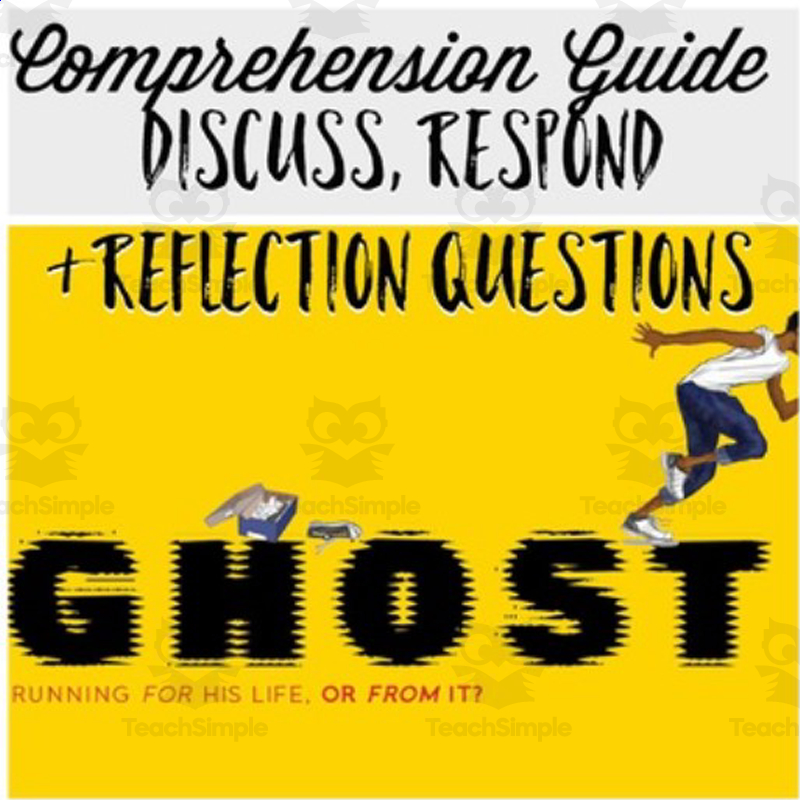
Chapter-by-chapter discussion questions for Jason Reynolds's novel Ghost walk a class through all ten chapters, with each prompt labeled by purpose — RTFO (Read to Find Out), Respond, Discuss, or Reflect — to signal whether students are recalling plot, forming an opinion, debating a scenario, or connecting the story to their own lives. Questions probe specific plot events such as Ghost's history of running from his father, his conflict with teammate Lu, the shoe theft, and Coach's backstory, and several longer chapters are split into two question sets covering separate page ranges. Parenthetical answers are written directly beneath several questions, functioning as a teacher's answer guide embedded in the same document rather than a separate key. The format is built for a teacher to guide a chapter-by-chapter class discussion or literature circle rather than for independent seatwork.

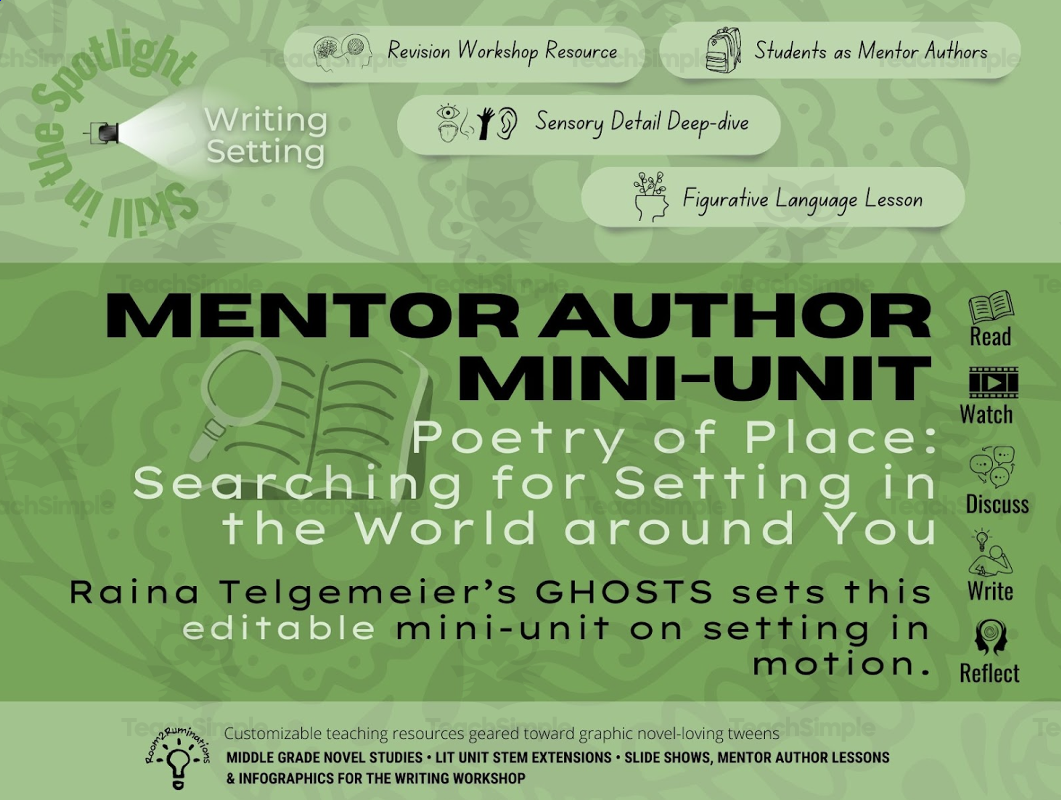
Mini-unit on setting ('Poetry of Place: Searching for Setting'), using Raina Telgemeier's Ghosts as mentor text; the PDF itself is a 2-page description/link page directing to an editable Google Doc version of the resource.
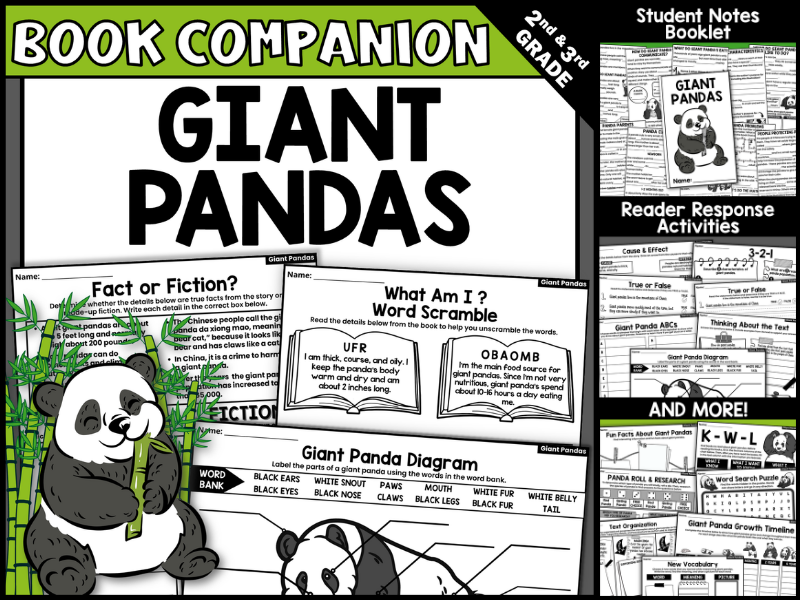
Complete interactive read-aloud/book-companion resource for the nonfiction picture book Giant Pandas by Gail Gibbons, offering print-and-go comprehension, vocabulary, and research activities to use alongside a read-aloud of the book.
This resource is a Gilgamesh Reading Guide. Students will have 9 detailed comprehension questions to answer. Answer key included.
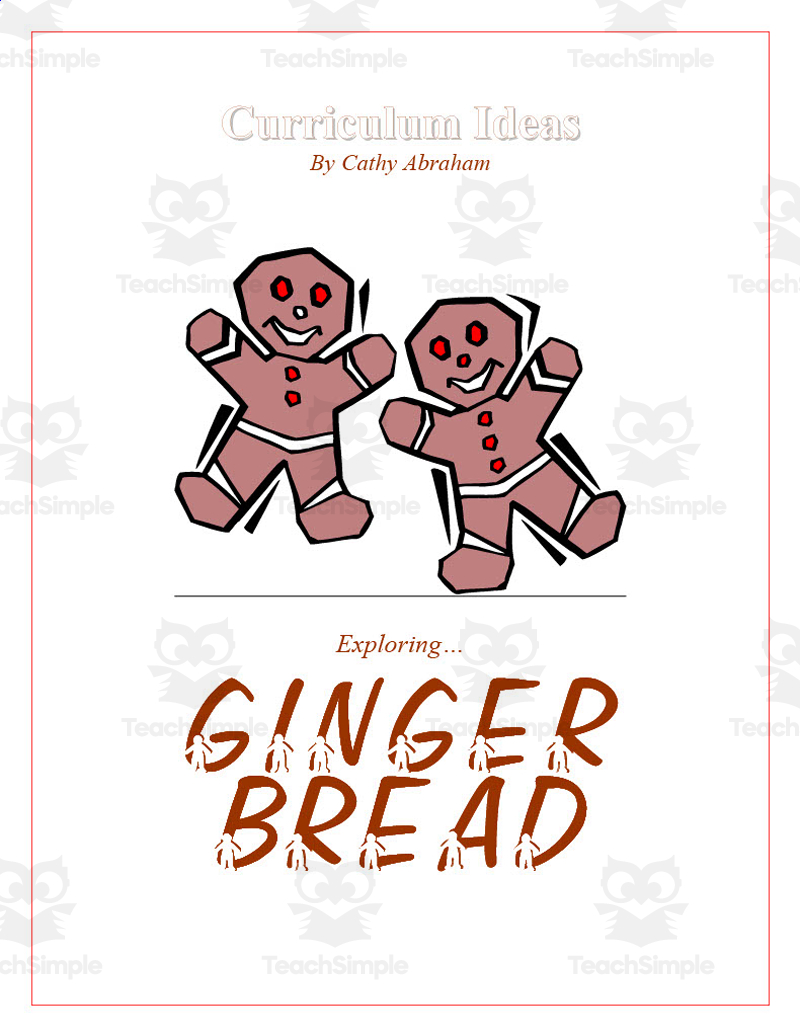
If your students are studying the gingerbread man or are about to begin a cooking unit, I have just the resource to provide you with everything you need and more!
A comprehension companion unit for the picture book 'Goggles!' by Ezra Jack Keats, teaching students to identify problem and solution in a narrative.
Goldilocks and the Three Bears Story Retelling Graphic Organizers Dive into the timeless tale of Goldilocks and the Three Bears with these comprehensive Story Retelling Graphic Organizers.
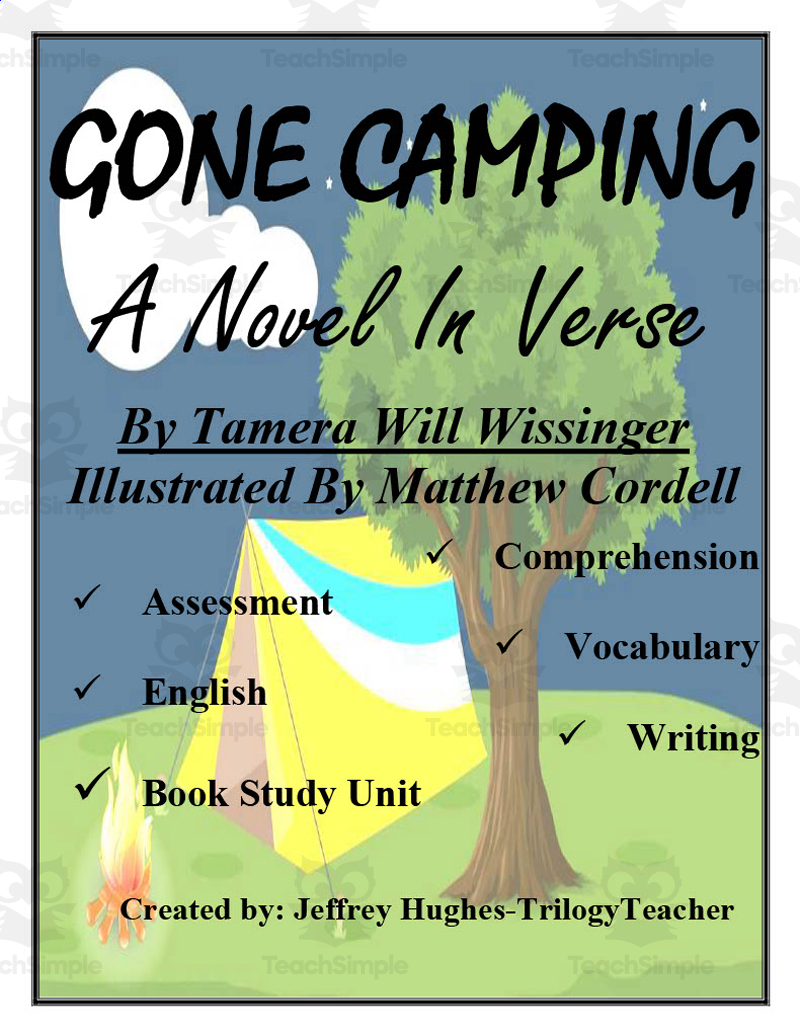
A novel-in-verse book study unit for the poetry collection Gone Camping, covering comprehension, vocabulary, grammar, and writing across the whole book.
A novel-in-verse book study unit for the poetry collection Gone Fishing, covering comprehension, vocabulary, grammar, and writing across the whole book.
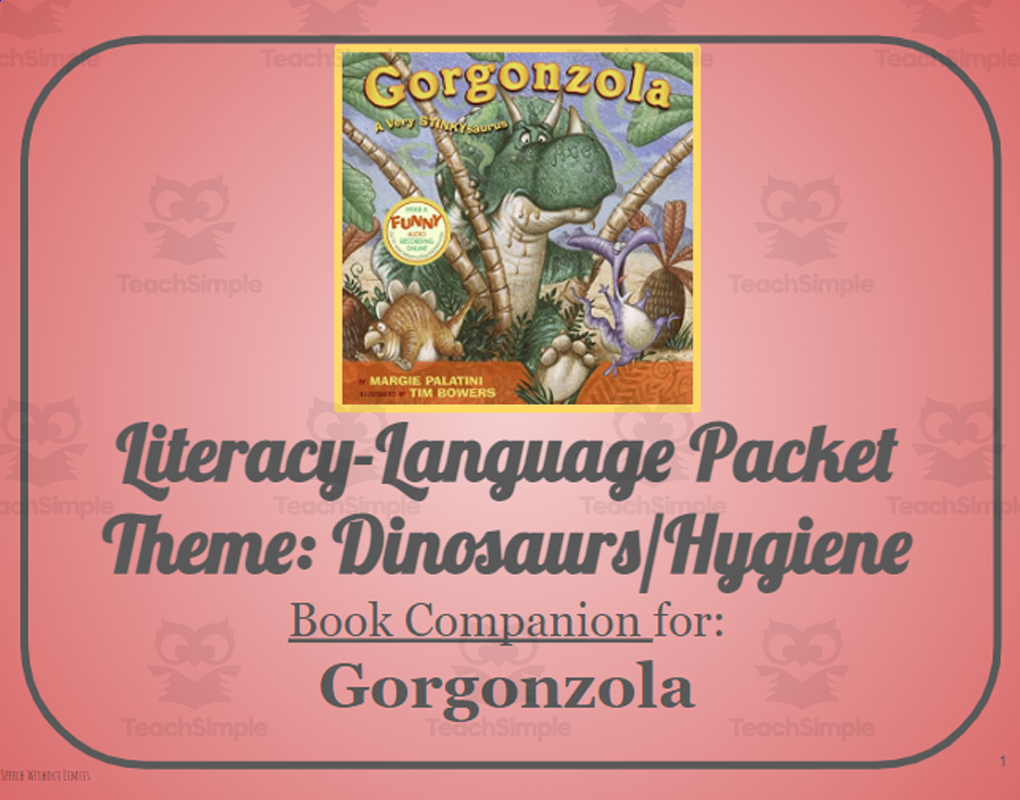
A speech-language and early-literacy book companion packet built around the book Gorgonzola, designed for speech-language pathologists and teachers working with emergent readers or students with language delays/disorders.
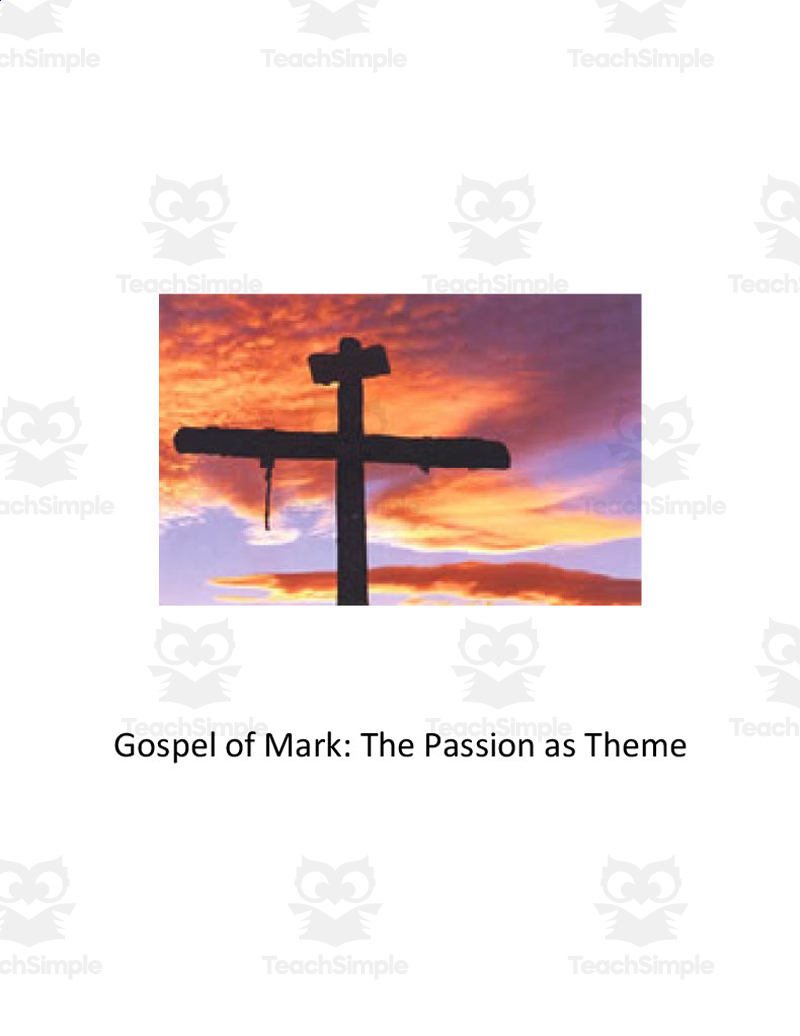
This is a lesson plan for Gospel of Mark: The Passion as Theme. Materials needed: Worksheet provided and Bibles. Lesson: In this lesson, students get to analyze a major theme of Mark’s Gospel: The Cross.
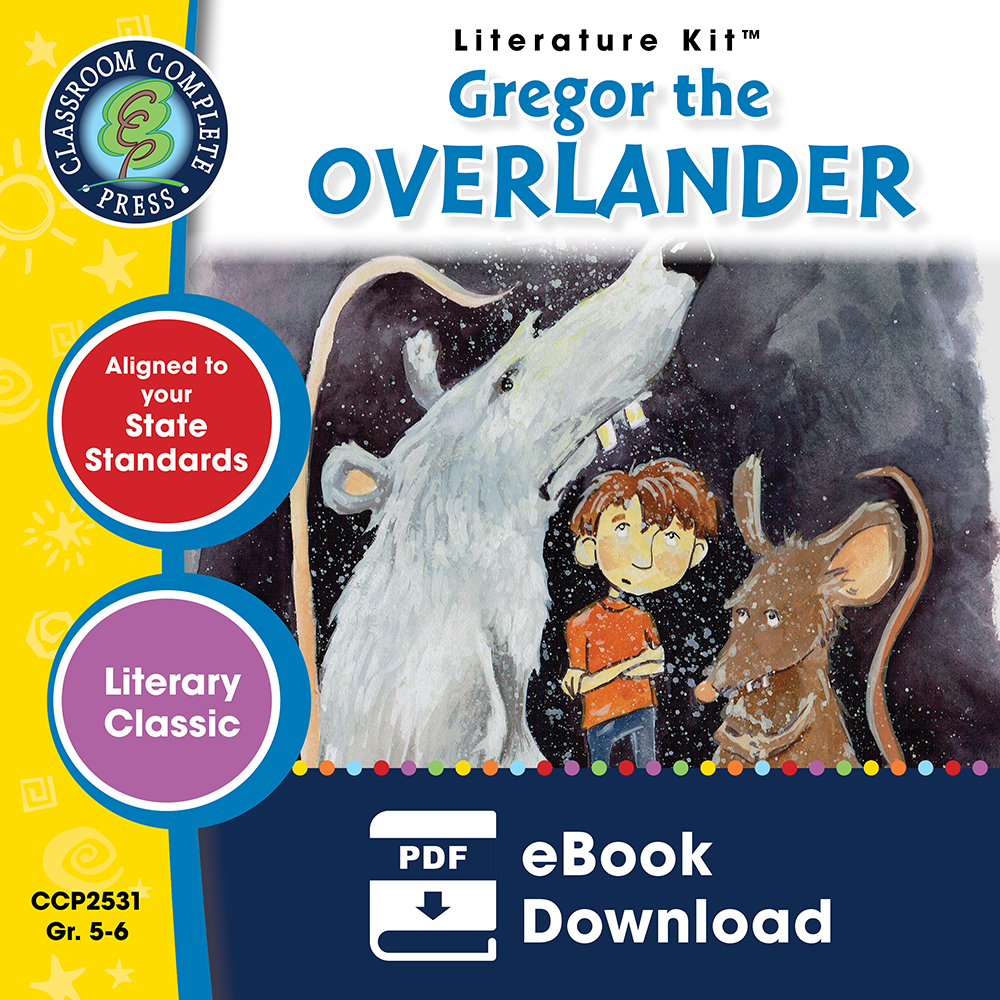
A literature-study kit built around the novel 'Gregor the Overlander' by Suzanne Collins, giving teachers ready-to-print comprehension and critical-thinking activities for grades 5-6.
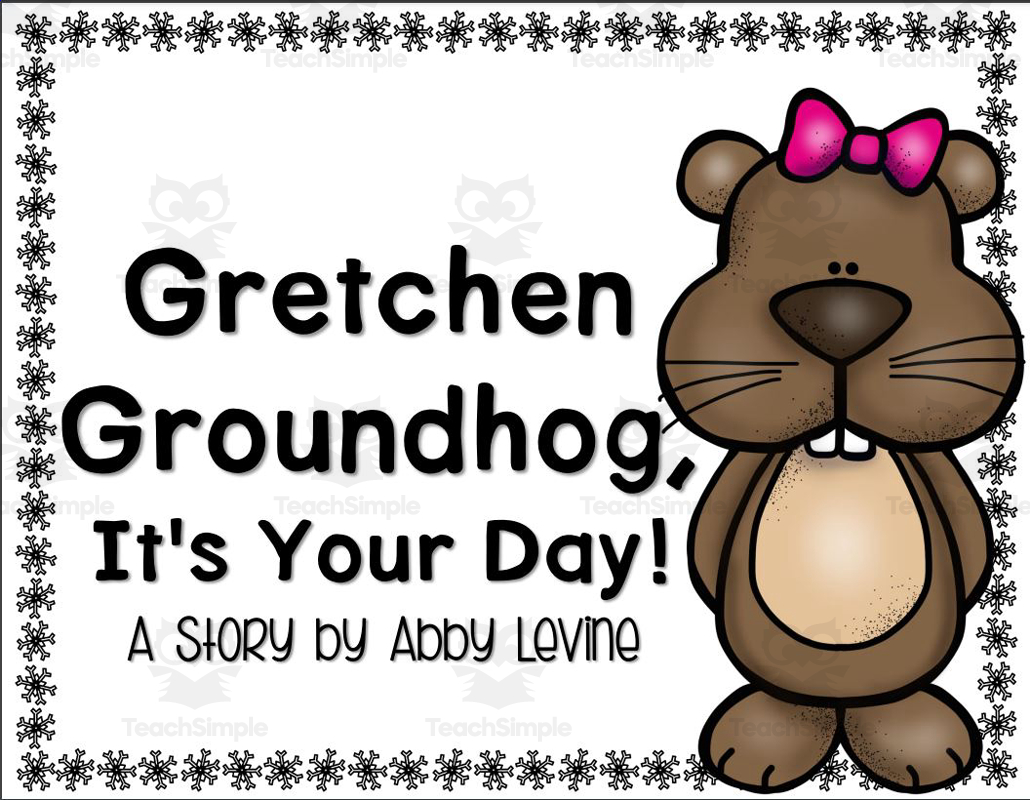
A literacy activity packet built around the picture book 'Gretchen Groundhog, It's Your Day!' by Abby Levine, covering story comprehension skills for early elementary students.
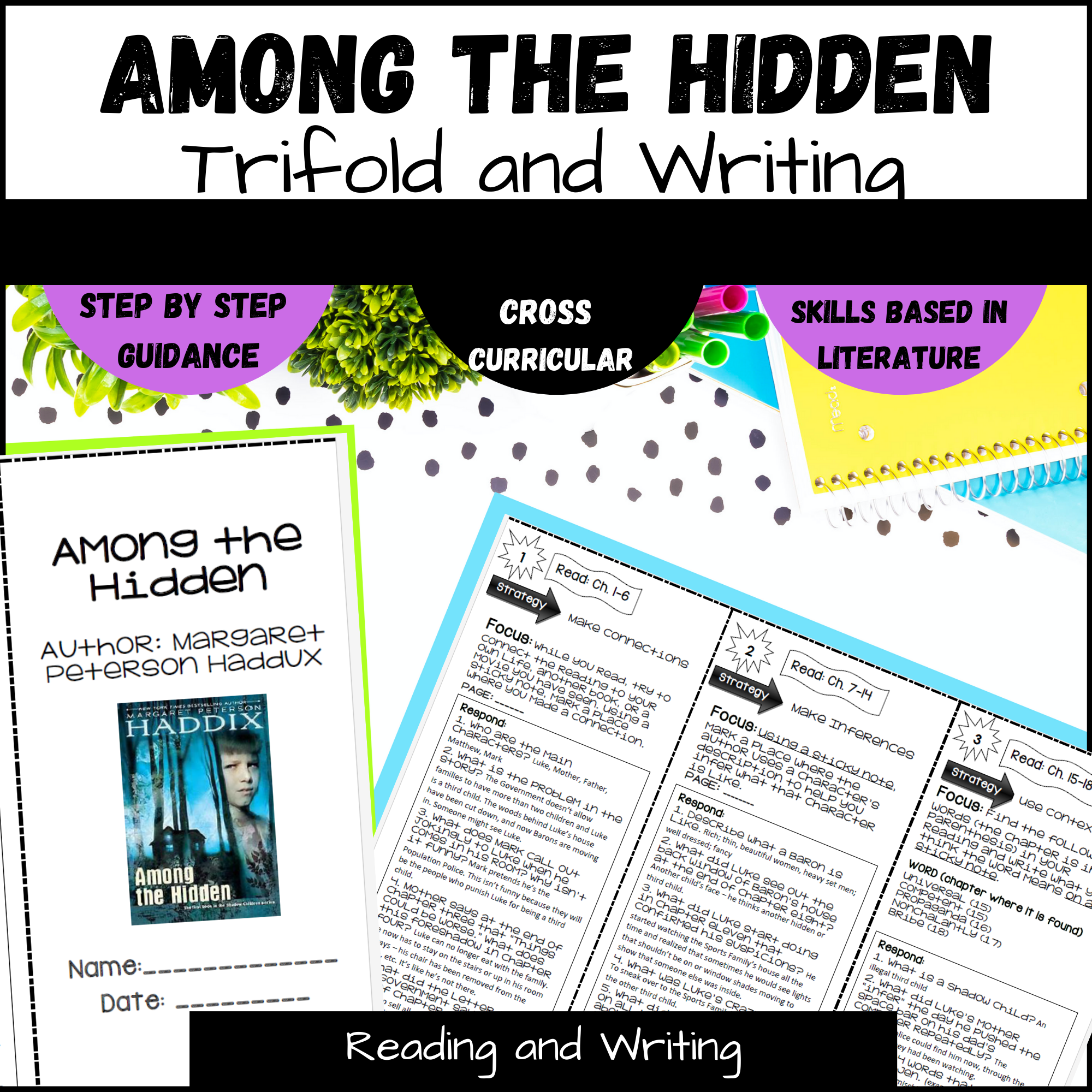
A fold-up (trifold pamphlet) book-report/reading-response activity keyed to the novel "Among the Hidden" by Margaret Peterson Haddux, teaching five reading strategies (making connections, using context clues, making inferences, creating images/visualization, and evaluation) across five reading sections of the book.
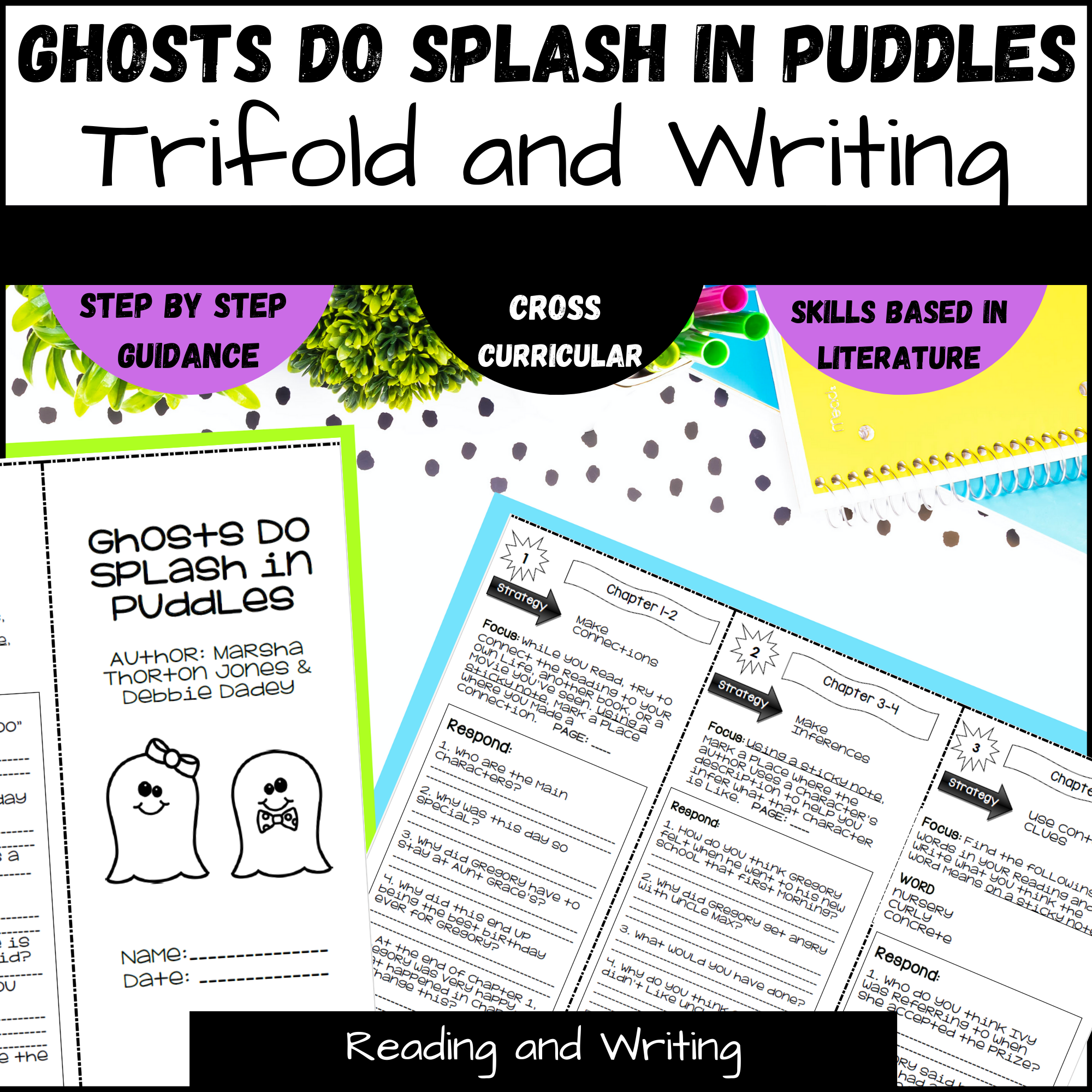
A fold-up (trifold pamphlet) book-report/reading-response activity keyed to the novel "Ghosts Do Splash in Puddles" by Marsha Thorton Jones & Debbie Dadey, teaching five reading strategies (making connections, using context clues, making inferences, creating images/visualization, and evaluation) across five reading sections of the book.
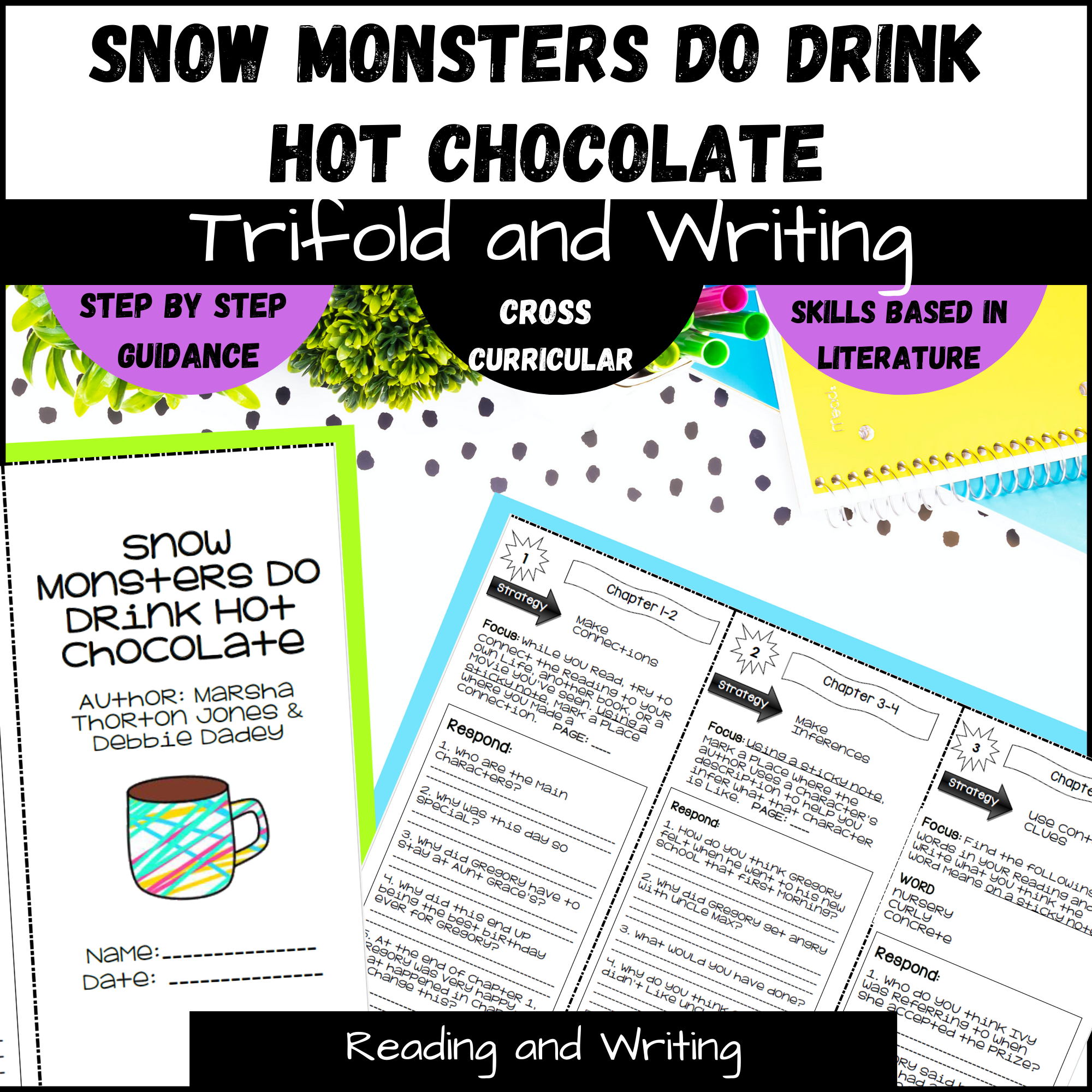
A fold-up (trifold pamphlet) book-report/reading-response activity keyed to the novel "Snow Monsters Do Drink Hot Chocolate" by Marsha Thorton Jones & Debbie Dadey, teaching five reading strategies (making connections, using context clues, making inferences, creating images/visualization, and evaluation) across five reading sections of the book.
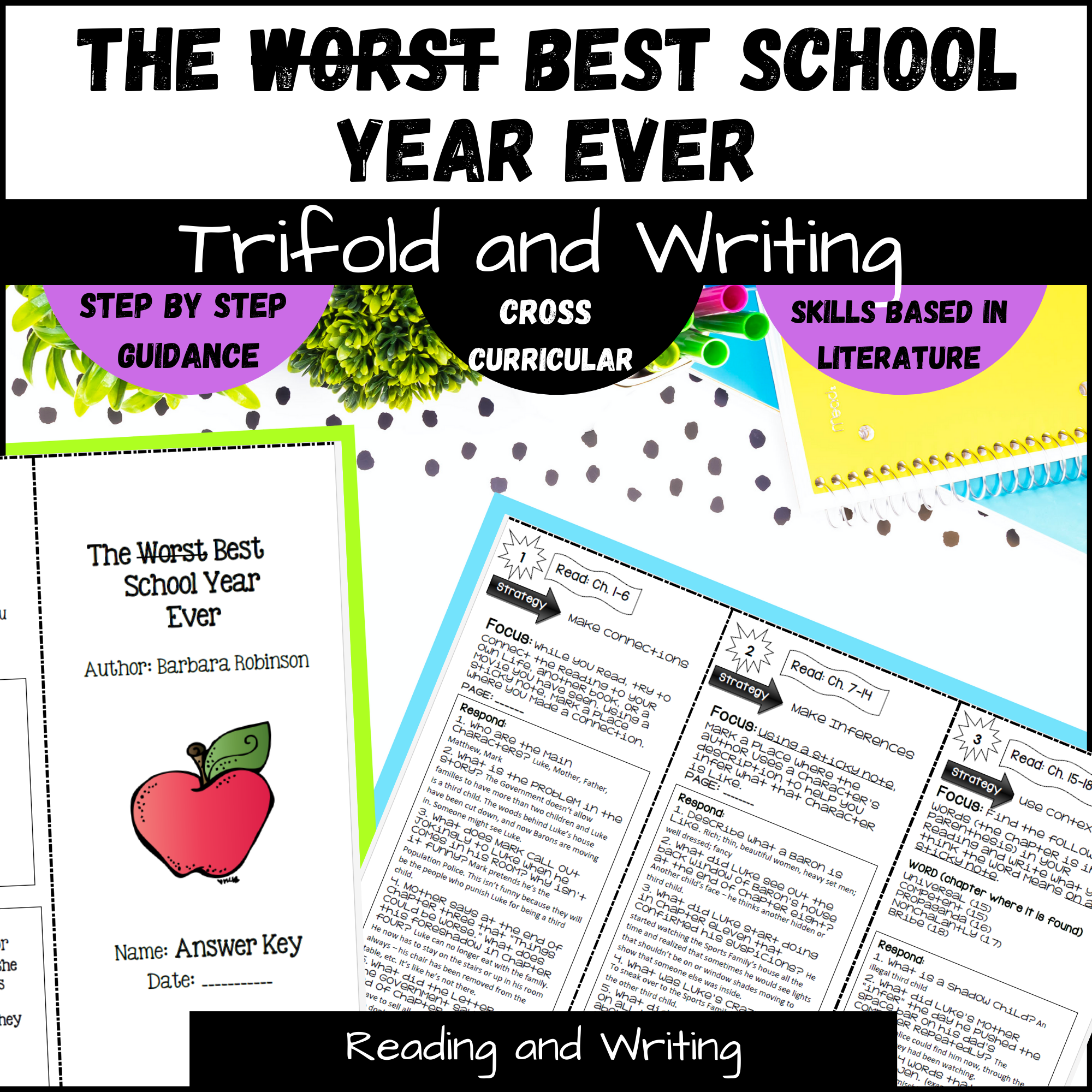
A fold-up (trifold pamphlet) book-report/reading-response activity keyed to the novel "The Best Worst School Year Ever (catalog title) / "The Worst Best School Year Ever" (as printed on the file's cover page)" by Barbara Robinson, teaching five reading strategies (making connections, using context clues, making inferences, creating images/visualization,…
A guided reading lesson plan for Grade 1, built around the anchor text Brown Bear, Brown Bear, What Do You See? by Bill Martin Jr. (example picture book), targeting color/animal vocabulary, predictions from pictures, fluency through repetition and rhythm.
A guided reading lesson plan for Grade 10, built around the anchor text Of Mice and Men by John Steinbeck, targeting themes of friendship, isolation, and dreams; character analysis; vocabulary; textual-evidence discussion.
A guided reading lesson plan for Grade 11, built around the anchor text The Great Gatsby by F. Scott Fitzgerald, targeting themes, character development, symbolism, narrative technique, and 1920s historical/cultural context.
A guided reading lesson plan for Grade 12, built around the anchor text 1984 by George Orwell (through Chapter 5), targeting themes, Winston Smith's character development, language/propaganda, surveillance and freedom discussion.