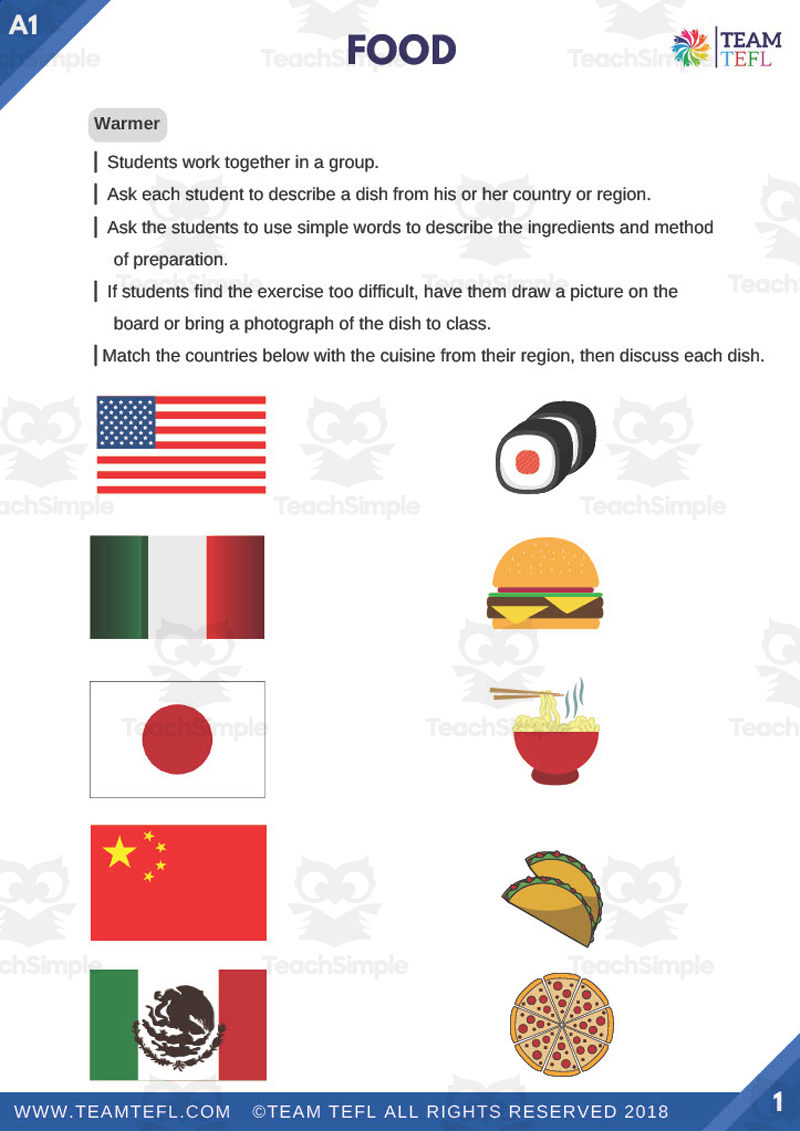
Food Beginner Lesson Plan
Beginner (CEFR A1) ESL/EFL lesson plan teaching food and cooking vocabulary and simple food-related dialogue.
Answers included




11,995 resources
Explore sub-categories
11 sub-categories · 11,995 resources
Beginner (CEFR A1) ESL/EFL lesson plan teaching food and cooking vocabulary and simple food-related dialogue.

This Food Chains Life Science Reading Comprehension Worksheet is a great way to help your students build their reading comprehension skills.
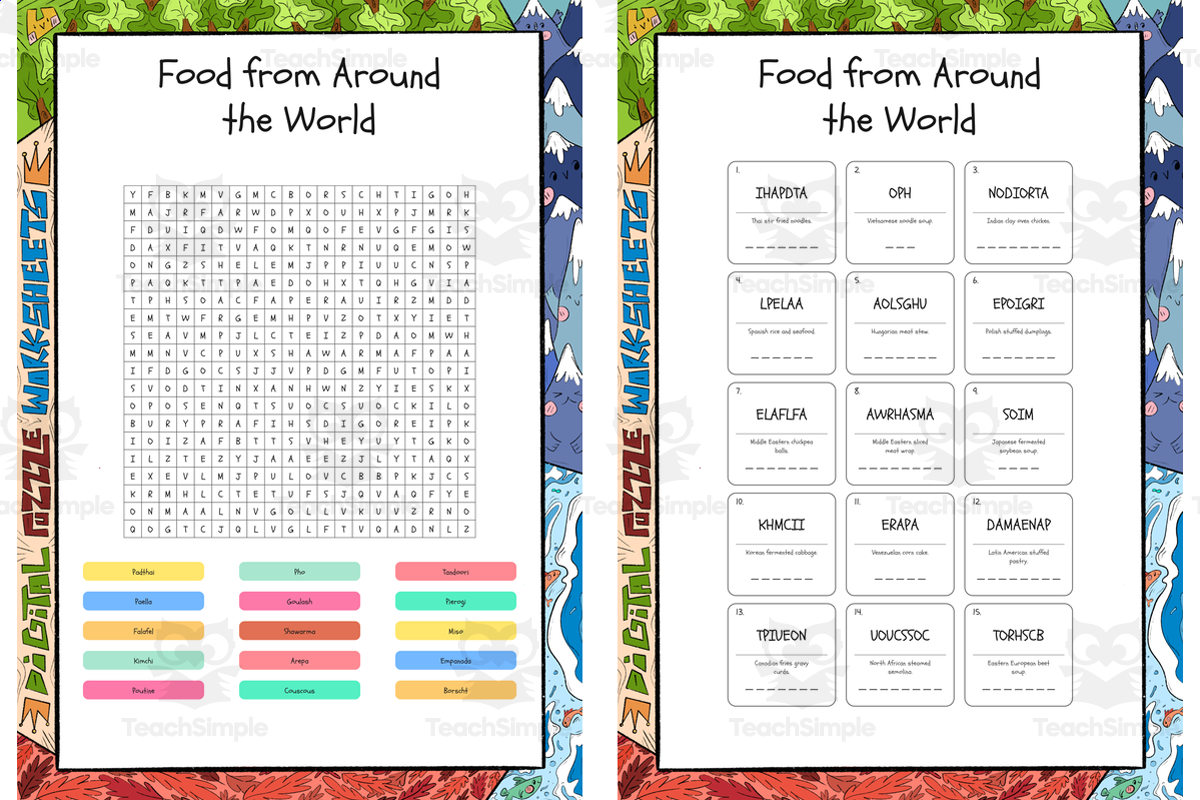
Vocabulary reinforcement puzzle set covering international/global food dishes.
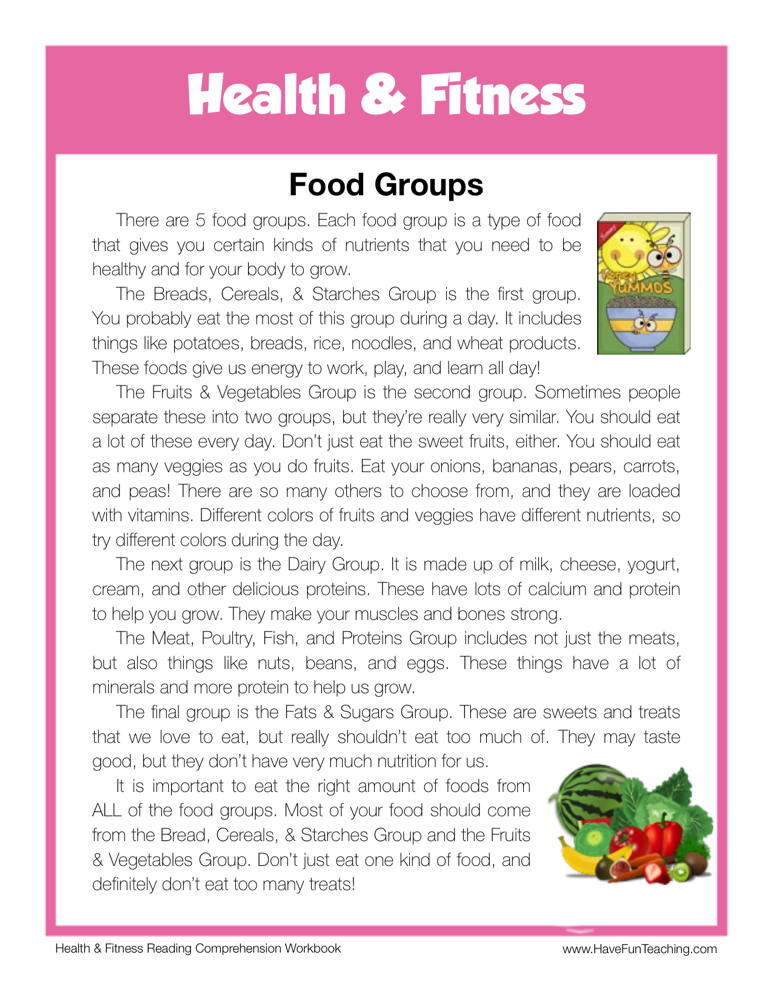
A health and fitness reading comprehension worksheet teaching students about the five food groups (breads/cereals/starches, fruits & vegetables, dairy, meat/poultry/fish/proteins, fats & sugars).

This food-labeling worksheet is a great way for students to learn the names of common foods. The word bank provided makes it easy for them to label the foods correctly.
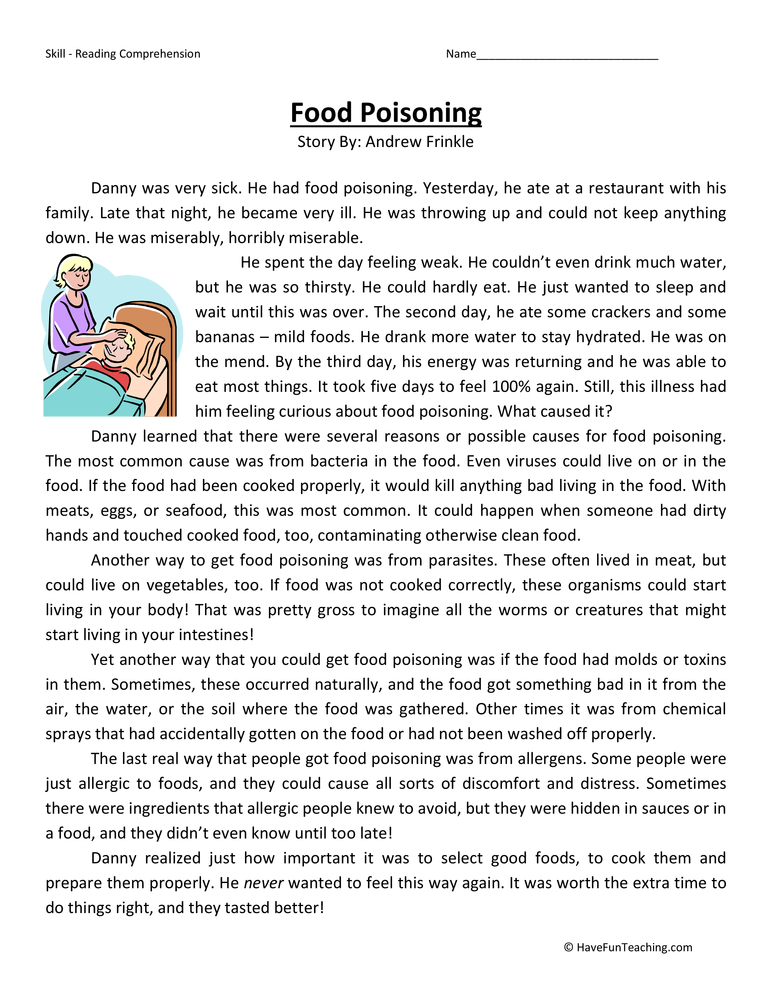
This Food Poisoning - Reading Comprehension Worksheet is great for helping your students build their reading comprehension skills. The worksheet is about Danny having food poisoning and provides an opportunity for students to practice…
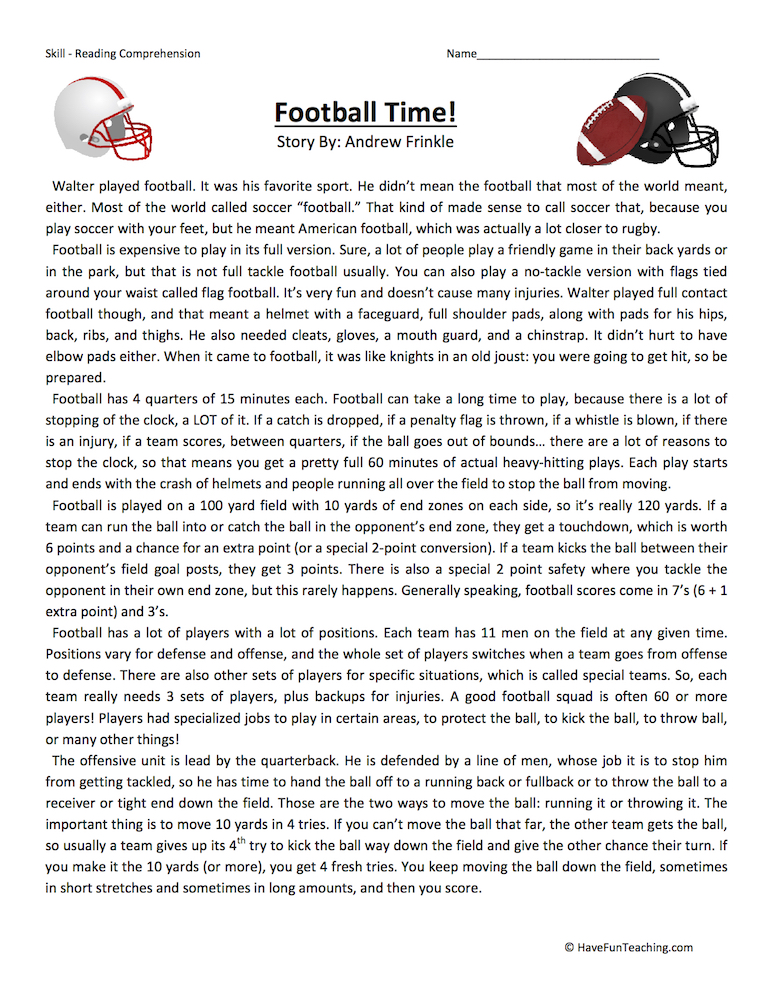
This Football Time - Reading Comprehension Worksheet will help your students build their reading comprehension skills. This product is great for teachers who want to help their students improve their reading comprehension skills.
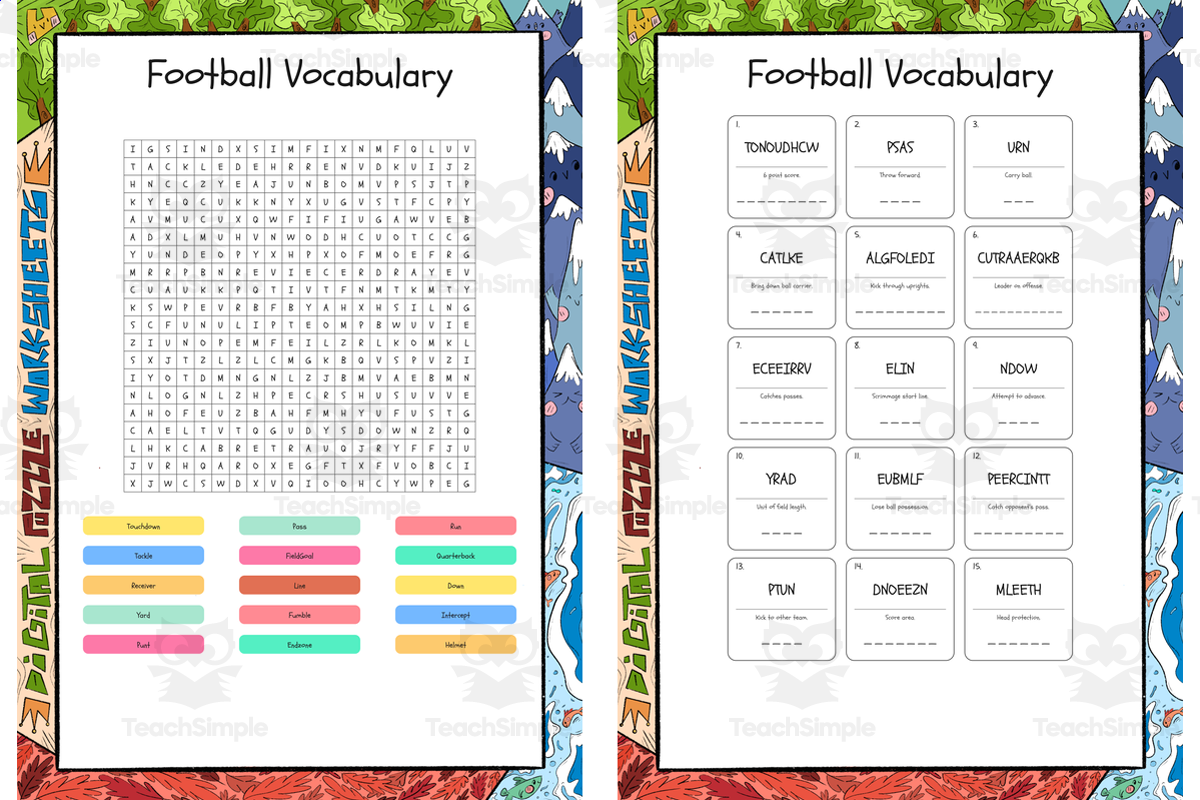
Football Vocabulary word search, scramble and crossword puzzle I made this football puzzle set for my 3rd and 4th graders during our sports unit.
For Substitutes: Dickinson's Poem Unearthing the cryptic beauty of Emily Dickinson's works can be an excellent learning journey for students.

A picture-book companion providing print-and-go comprehension and response activities for the story For You Are a Kenyan Child by Kelly Cunnane.
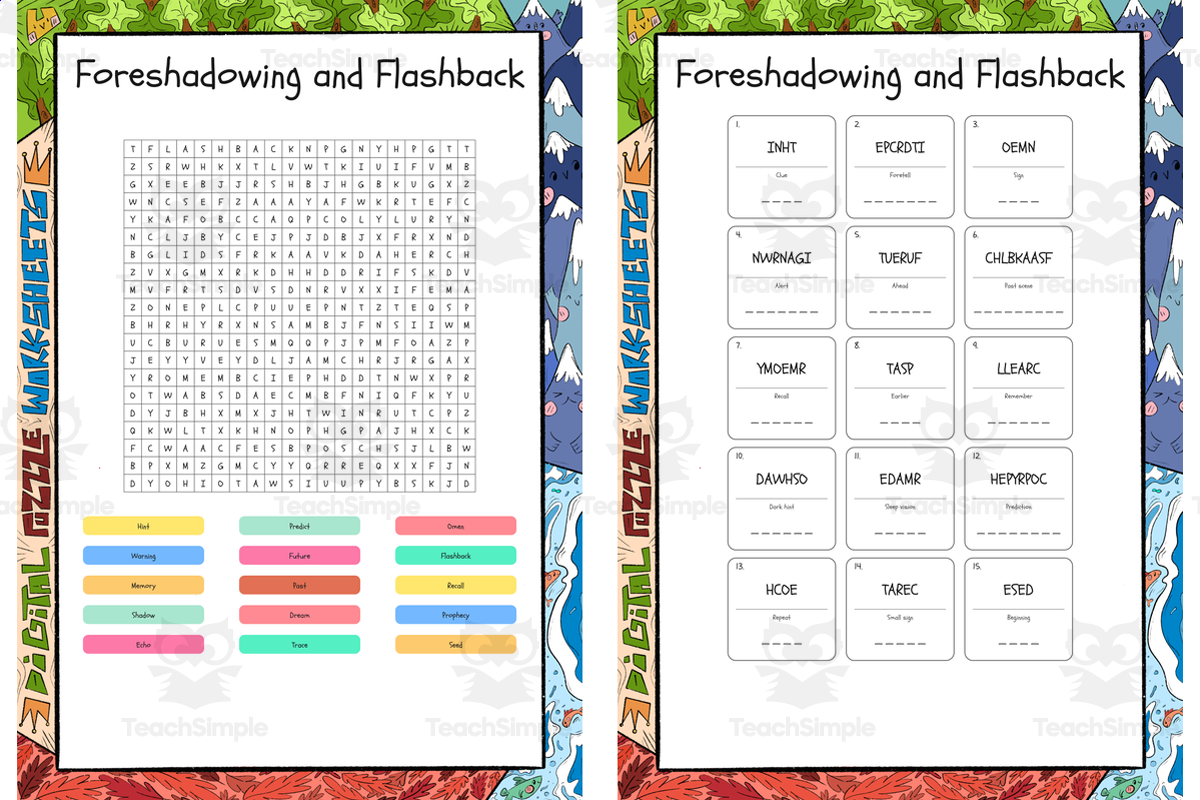
Foreshadowing and Flashback word search, scramble and crossword puzzle I made this foreshadowing and flashback puzzle set for my 4th graders during our reading unit.
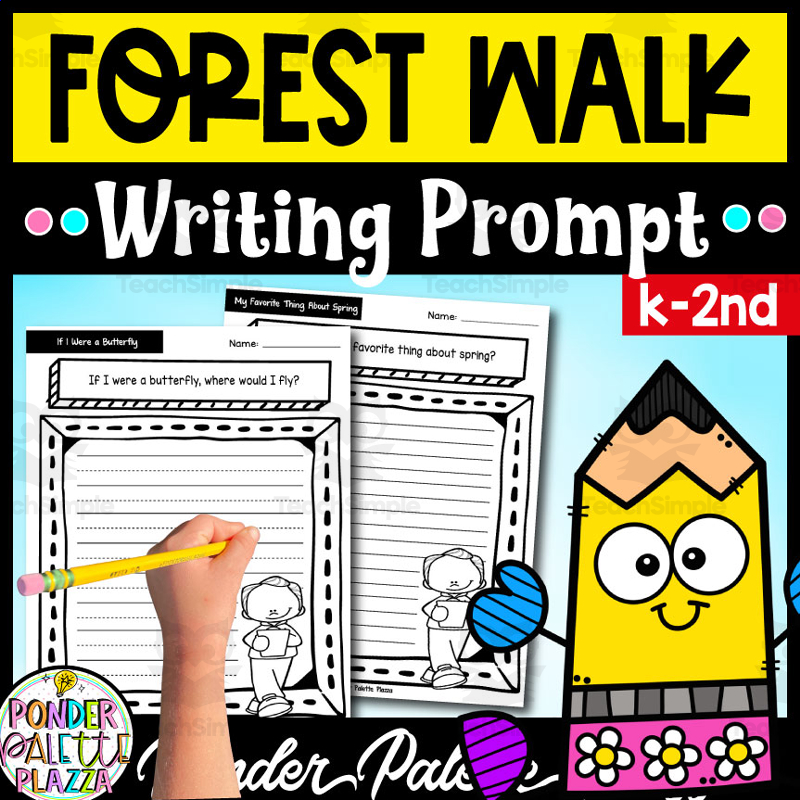
A whimsical spring-themed writing prompt inviting young writers to imagine and write about a walk through a springtime forest, paired with a drawing section.

This Forests Life Science Reading Comprehension Worksheet is a great way to help your students build their reading comprehension skills.
This Forests Reading Comprehension Digital Worksheet is an excellent resource for teachers who are looking for a Google Classroom & online distance learning compatible activity.

This Forgiveness Character Reading Comprehension Worksheet is a great way to help your students build their reading comprehension skills.
This Forgiveness Reading Comprehension Worksheet is a great way for teachers to help their students with reading comprehension. The worksheet is easy to use and can be a great help for students who are struggling with reading comprehension.

This worksheet is a great way for students to learn the difference between formal and informal language. It can help them in their future studies and careers.
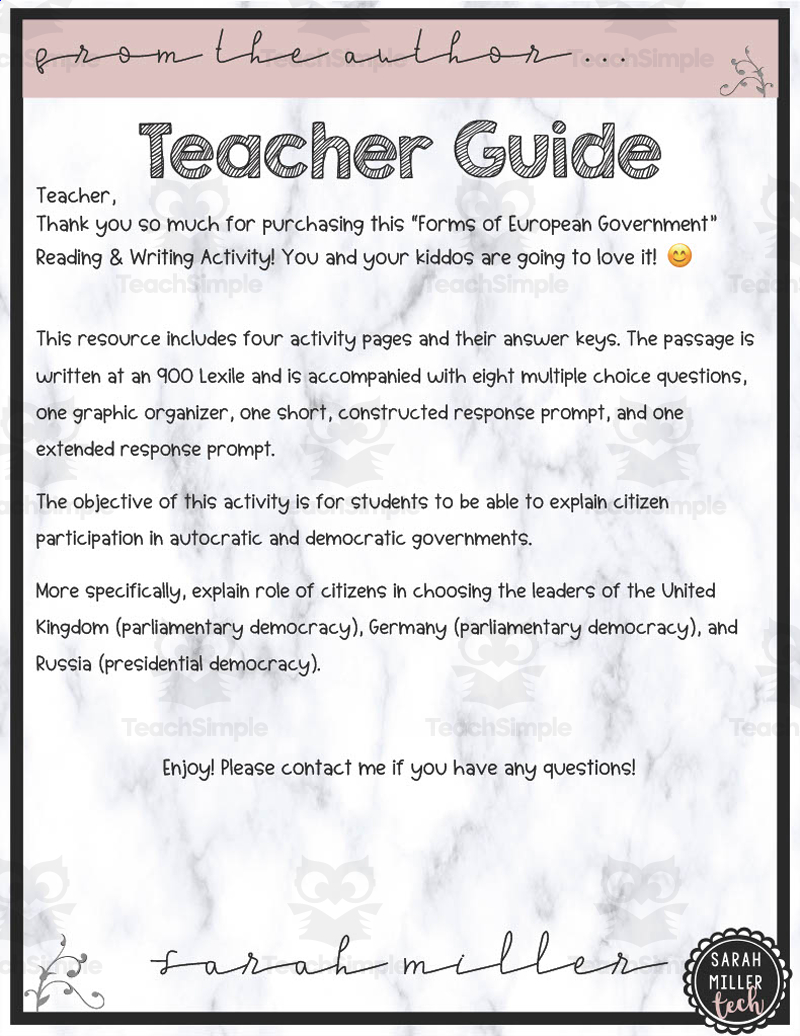
A reading-and-writing activity that teaches students to explain citizen participation in autocratic versus democratic governments, using the United Kingdom, Germany, and Russia as case studies.
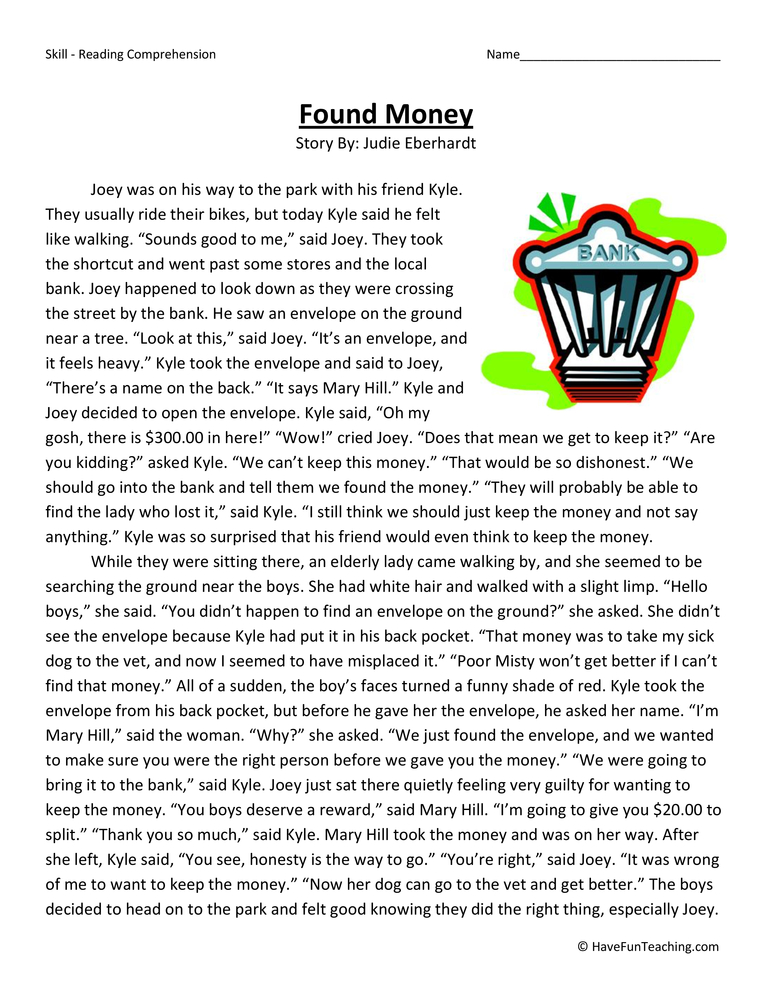
Get ready to ignite your students' curiosity and learning with this Found Money - Reading Comprehension Worksheet , carefully designed to boost their reading comprehension proficiencies.

This Four Seasons - Reading Comprehension Worksheet is great for helping your students build their reading comprehension skills. The worksheet comes with a poem about the seasons, making it a fun and engaging activity for your students.

This is a pre intermediate lesson plan worksheet set for Four Seasons Poem. Students will read the poem and then complete the exercises to follow, which will assess their comprehension and implement grammar skills.
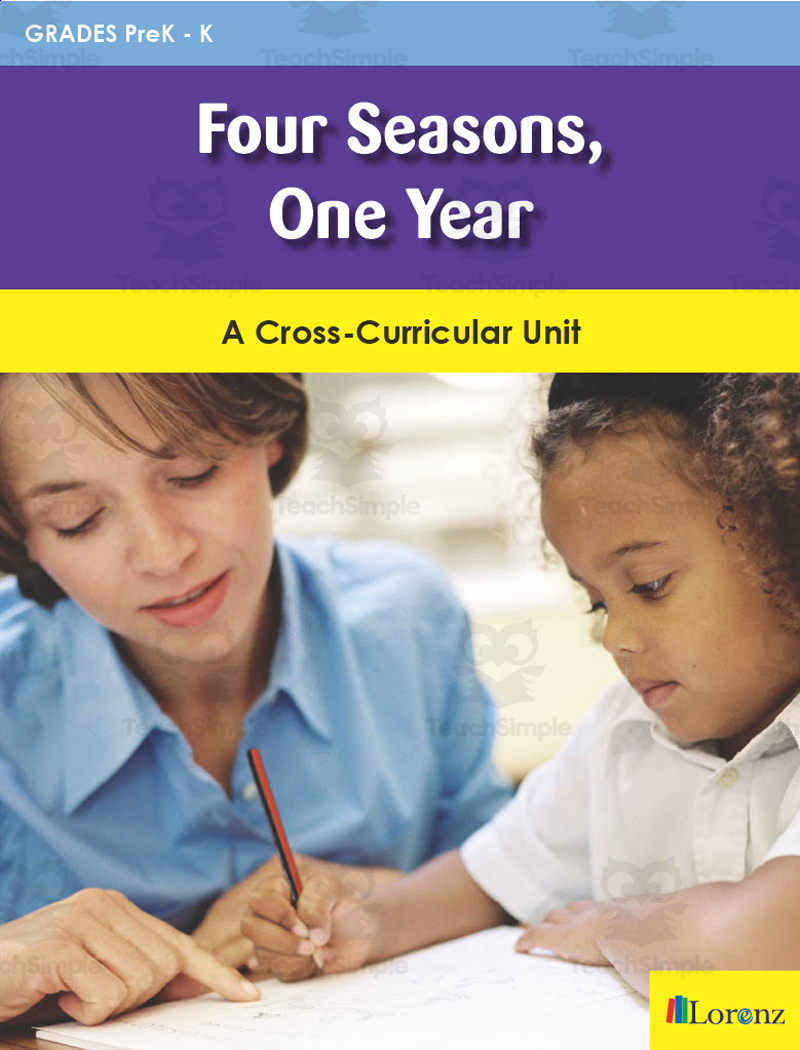
A cross-curricular unit teaching PreK-Kindergarten students about the four seasons, combining a nonfiction reading article with hands-on activities.
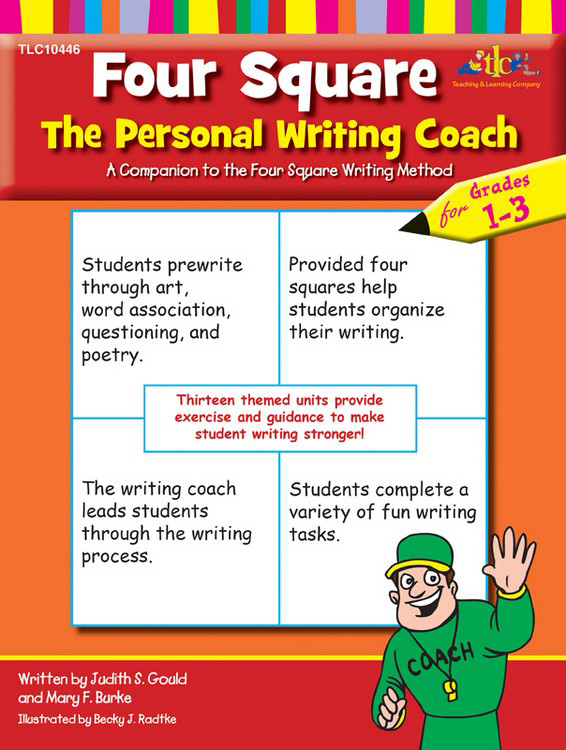
A writing-coach workbook building personal narrative writing skills for grades 1-3 using the 'Four Square' writing method.
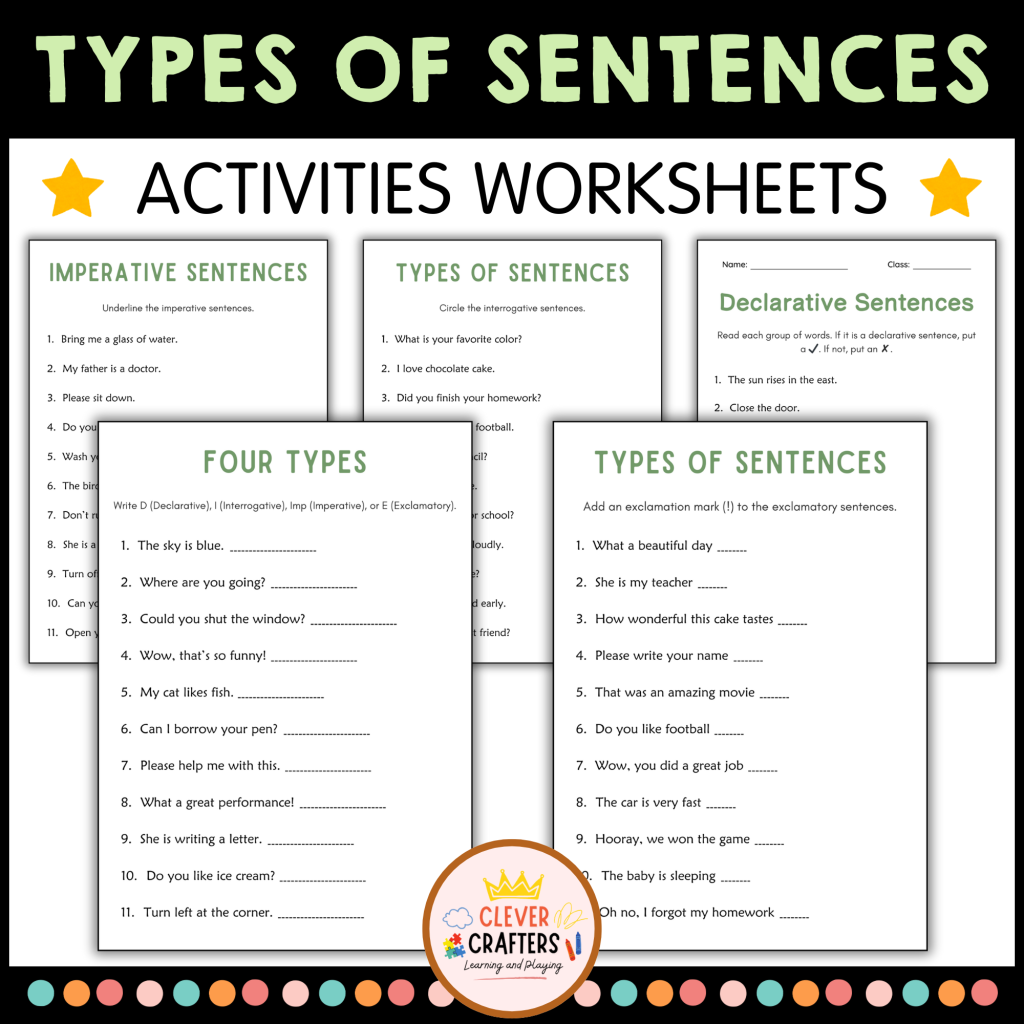
Declarative, interrogative, imperative, and exclamatory sentences are practiced across seven worksheet pages that ask students to mark declarative sentences with a check or X, circle interrogative sentences, underline imperative sentences, add exclamation marks to exclamatory sentences, and then label mixed sentences with the correct type abbreviation (D, I, Imp, or E). A final page asks students to rewrite given sentences into a different specified type, moving from identification into sentence transformation. Once students can identify and punctuate the four sentence types, joining sentences into compound sentences takes the same grade band into combining two of them with coordinating conjunctions.