3,915 products added recently
Page 4 - ELA Worksheets
Boost your ELA instruction with worksheets covering reading comprehension, grammar, writing, and vocabulary. These resources provide practice and reinforcement for essential language skills. Use them to support students' literacy development and confidence in communication.
Word Puzzles Crossword Wordsearch Anagram TV RADIO
Special Resources, ELA, Special Education Needs (SEN), Speech Therapy, Language Development, ESL, Writing, Handwriting, Vocabulary, Not Grade Specific, Crosswords Puzzles, Worksheets, Worksheets & Printables
Word Games with Puzzles | Crossword Wordsearch Anagram | TV RADIO . Designed for usage across multiple grade levels, this teaching resource known as 'Word Games with Puzzles' seamlessly integrates essential vocabulary study with an engaging TV RADIO theme . This resource is incredibly versatile and adaptable to fit a variety of learning environments . It invites educators in public schools, or even those that teach in a homeschooling setting, to invigorate their Language Arts curriculum while catering to educational trends including Special Education Needs ( SEN ), Speech Therapy, ESL instruction, and Life Skills lessons . The primary contents of the package comprise : two matching activities ( words to pictures & vice versa ) . a word search board with real photos or illustrations on top of the page . two quiz versions . anagrams worksheet ( with photos or color illustration images ) . a wheel of images to spin, cut and paste or laminate as flash cards . a wheel of words to spin, cut and paste or laminate as flash cards . two writing boards (blank and lined) . The word search board challenges pupils further by letting them identify key keywords hidden amongst many irrelevant ones - offering both challenge and fun . Supplemental Materials include : Real photos along with whimsical illustrations serve dual purposes; they function not only as flashcards but also allow teachers to create visual folders thus adding versatility and creativity into everyday teaching circumstances . All elements included in this resource can double down both as part of your center 's resources library or can be handed out on individual bases hence serving multiple needs, from group- works to homework assignments . This brings you the valued flexibility everyone appreciates when it comes down classroom management - making this product extremely well- rounded . 12 page pdf .
Author WORDS ASIDE
Tags Vocabulary Study, Handwriting Practice, Word Search, Visual Aids, Word Wall, Crossword, Independent Work, Centers, Tv Radio, Words Aside
High School The Winter-Spring Dialogue Writing Prompt Bundle
ELA, Reading, Writing, Spring, Seasons, Holiday & Seasonal, Winter, Research, Resources for Teachers, Creative Writing, Homeschool Resources, High School, Teacher Tools, Worksheets & Printables, Writing Prompts, Worksheets, Assessments, Lesson Plans, Quizzes and Tests
I will be honest—high school hit us like a ton of bricks! Watching my 9th-grade daughter outgrow our old curriculum was a huge wake-up call; the 'fluff' that worked in middle school just made her roll her eyes. I realized we didn’t need more prompts; we needed better conversations. That is why I built High School The Winter-Spring Dialogue Writing Prompt Bundle . I wanted something that felt as deep and complex as she is. We have spent the last few weeks sitting at the kitchen table, watching the literal thaw outside while she tackles these big, 'grown-up' ideas. Seeing her actually think instead of just filling in blanks? Those are the moments that remind me why we chose to homeschool in the first place. INCLUDED IN THIS RESOURCE: 20 reflective nature prompts 10 brainstorming note-taking sheets Analytical grading rubric Weighted high school grading scale TOPICS COVERED: Dormancy & Growth Liminality & Transitions Seasonal Reliability Vulnerability & Light If your teen gets stuck on a tough prompt, just let them sit with it. I tell my daughter all the time: some of the best ideas need a little time in the dark before they are ready to surface. I cannot wait to hear about the 'aha!' moments that happen at your house this season. Keep leaning into the thaw—the growth is coming. If you and your students/homeschoolers enjoyed this resource, please leave a review. Thank you for your support! Tina - Big Easy Homeschooling Mom
Author Homeschool with Big Easy Homeschooling Mom
Rating
Tags High School Creative Writing, Homeschool Writing Curriculum, High School ELA Resources, Eclectic Homeschool Writing Prompts, Winter To Spring Transition For High Schoolers, Nature Study For High School English, Creative Writing For High School, Creative Writing Curriculum, Teenage Self-reflection, Teen Nature Journaling
Hot Air Balloons Reading Comprehension Passage - Cored Ed Encyclopedia
ELA, Reading Comprehension, Reading, Pre-Reading, Language Development, History, Social Studies, Science, Physics, Technology, Grade 2, 3, 4, 5, Worksheets & Printables, Worksheets, Teacher Tools, Centers, Activities, Writing Prompts, Assessments, Quizzes and Tests, Quizzes, Lesson Plans
This hot air balloons reading comprehension with lesson plan includes: Visualization (on the front cover) Start your lesson by taking a minute to think and share something about the topic. Read the script aloud (slowly), perhaps prepare some music or sound effects. Student close their eyes and let their imaginations wander. Students open their eyes, read the question aloud and give them a few minutes to complete. Ask a few students to share or keep answers until the end to compare with what they learn in the passage. Quick pause—thousands of Cored Education products are included with your TeachSimple membership. Download links and encyclopedia index available here. Pre-Reading Trivia Students will write down one thing they already know about the subject and then read five more facts and discuss. These facts are fun, and the students will enjoy learning about the subject before reading more. Give 1 minute for students to write what they already know (no pressure—best guess is fine). Read the five facts together. After each fact, do ask a student for their opinion, was it surprising? Set a purpose by asking students to highlight/underline one fact they want to learn more about during the reading. Reading Passage The text is a high-interest reading passage with set paragraphs, roughly three to four paragraphs long. It contains a variety of themes about the topic, anywhere from history to technology. The passage is between 250 and 350 words in length. First, ask students to look at the headings and see what they’ll learn about today. What do they know about the topic/heading? First read options: Teacher read-aloud (best for support). Partner reading (paragraph by paragraph). While reading, students underline important details, and vocabulary words they think may come up in the questions section. Mixed Questions The first question page contains four multiple-choice questions, each with a choice of four answers, and three written response questions that require a sentence or two from the student. Students complete the mcqs first independently, then review quickly as a class. For the 3 written responses, try to get students giving the answer with some form of evidence: “I think ___ because the text says ___.” If students get stuck, send them back to check the passage. Vocabulary Questions Practice seven key words from the text in this section across two activities. First section is scrambled words where students will unscramble three words given a clue for each. The second section is a word to meaning matching activity. Before starting, have some students read out words they underlined in the passage. Ask students to say the word and read aloud the sentence(s) around each word. Ask students to do scrambled words and the matching exercise in pairs then go through answers as a class. For the scrambled spelling task, get four pairs to come up to the board and write the words for extra practice with the other student reading out the clue. For the matching task, prompt students to give full sentences: “I matched ___ with ___ because ___.” Creative Writing In this question, the student will be required to write a five to eight sentence paragraph on a question related to the topic. Before starting, ask students write down 3 key ideas they are going to include in their piece. Ask students for ideas to share around the class to help those struggling. Pro writing expectations: 5–8 sentences At least 2 facts or details from the passage At least 2 vocabulary words from the previous page Students read their paragraphs while classmates listen for facts and vocabulary words. Extension Activities This page is optional for fast finishers or to take home. There are several activities, each one requiring a different skill. Do some, do none, do all, completely optional - but you will feel reassured knowing every possibility is planned for. Includes summary writting question and additional facts. Answer Key There are answers for the multiple-choice questions, written response questions have sample answers, vocabulary answers and if there is a summary question then a sample summary will be provided as well. Lesson Plan Included Customized lesson plan for this lesson is included. Lesson Snapshot Title: Hot Air Balloons Genre: Nonfiction (informational text) Subject: Science (flight/forces) Primary Topic: How hot air balloons rise and early ballooning history Estimated Guided Reading Level (A–Z): Q What This Lesson Teaches Best Explains the key science idea that warm air rises and connects it to how a hot air balloon works. Builds historical understanding through a short timeline (1780s France experiments; June/September/November 1783 flights; return in the late 1950s–1960). Introduces main balloon parts and functions (envelope, basket, propane burner, valve) and how they affect rising/sinking. Clarifies how balloons travel (they can’t steer like airplanes; changing height helps catch winds moving different ways). Shows how improved materials/design (nylon fabric and powerful propane burners) helped ballooning become a sport and celebration again. Learning Goals Students will explain why warm air helps a hot air balloon rise using details from the passage. Students will identify the Montgolfier brothers and describe what the crowd in Annonay saw on June 4, 1783. Students will describe what happened at the Palace of Versailles on September 19, 1783. Students will describe the jobs of the envelope, propane burner, and valve in a modern balloon. Students will explain how a balloon can travel in different directions by changing height. Students will explain how Ed Yost helped ballooning return in the late 1950s and what happened in 1960. Key Vocabulary From the Text experiments — tests to find out if something works. envelope — big fabric balloon bag that fills with heated air. propane — fuel used to make the burner’s flame. valve — opening that lets hot air out. redesign — change how something is made to improve it. FULL CATALOG OF DOWNLOAD LINKS AND ENCYCLOPEDIA INDEX HERE
Author Cored Education
Rating
Tags Vocabulary, Reading Comprehension, Reading Passages, Lesson Plans, Ela Lesson Plans, Reading Comprehension Lesson Plans, Pre-reading, Science Lesson Plans, Physics, Technology
Guided Reading Level H - Reading Labels and Names
ELA, Resources for Teachers, Reading Comprehension, Reading, Health, P.E. & Health, Special Resources, Life Skills, Language Development, Vocabulary, Kindergarten, Grade 1, 2, Worksheets & Printables, Worksheets, Teacher Tools, Centers, Activities, Literacy Readers, Quizzes, Quizzes and Tests, Assessments
This Guided Reading Book - Reading Labels and Names (Level H) includes: Guided Reading Color Label (front cover x1) This is a quick way to match the book’s demands to what students can generally handle.. The overall goal is to use the level/color to pick books for several smaller groups. To qualify for a certain level, a student is expected to read a book from that level with about 90–94% accuracy. If a student is consistently accurate and understands, move up a level. If the student is struggling at that level, drop down and add more support. Each student will improve at completely different rates, but it is generally one of the best ways to check progress across the class. DOWNLOAD THE CATALOG TO VIEW ALL GUIDED READING BOOKS AVAILABLE (SORTED LEVELS A-Z) Pre-Reading Question (x1) Teacher asks the prompt aloud, can be while showing the cover or first page. Students share what they already know, or make educated guesses from the cover. Prompt them to use the target vocabulary. Write some of their responses on the board to look back at during the reading. Vocabulary Words (x5) Introduce the five words, best doing it one at a time. Start by saying it, while students repeat and then see if anyone knows what it means before reading further. Read through the meaning and try to briefly connect each word to a picture or gesture so it’s meaningful. Ask students to flip through the book pages and point to where they see each of the vocabulary words. While reading the book pause upon coming across one of the vocab words or read the sentence twice to make sure students understand the word has appeared. Optional: Ask students to raise hands whenever they see/hear one of the new words. Guided Reading Pages (x10) Check the book snapshot (below) for: primary topic - do you need to prep extra reading or intro materials on this? what is taught best - decide on 1-2 bullets to focus on, use the prompt or words provided here for best results. learning goals - what you are checking for students to be able to do after the session, elicit answers using prompts or words provided. key vocabulary (see section above). questions overview - so you know what is coming up and if you need to prep extra materials to assist understanding. Run the lesson You may have already looked at a few of the pages together, but you can show them some of the pictures again first to set meaning. Depending on how much time you have and how familiar your students are with guided reading class, you may want to read the book aloud first with the group first. Students whisper or partner read, while you listen in. If time, do it as a group, one student reading a page each. Use the guided page’s prompts to coach: “Check the picture / does it make sense?” “Point under the words / try the first sound” “Reread the sentence smoothly”. Try to focus more on one student per session (rotating every time), so you can work out if they are ready to move up or need to move down a level. Comprehension Questions (back cover x3) This is your way to check that students didn’t just say the words, but actually understood the text. First, let students answer by pointing to the page/picture and saying a short sentence. After any answer, follow with: “Show me where you found that in the text.” In bigger groups, have partners answer first (10–20 seconds), then call on 2–3 students to share. Differentiation tips: Emerging speakers/struggling readers: oral + pointing On-level: oral in a full sentence Higher: one written sentence or draw + label Book Snapshot Title: Reading Labels and Names Genre: Nonfiction (informational) Subject: Reading / Life Skills Primary Topic: Labels give facts and clues in daily life Estimated Guided Reading Level (A–Z): H What This Book Teaches Best Labels are “like a clue” that give “important information” and “facts about an object.” Labels tell what is inside or what something is (e.g., a box labeled “Orange,” a jar labeled “strawberry jam”). Labels and names help people stay organized and find the right item (a bin labeled “Toys,” a library label that says “Fiction.”). Labels can keep people safe and help them make careful choices (a sign that says “Wet Floor.”). Reading labels helps every day because labels “give facts and solve mysteries.” Learning Goals Students will explain what the book says a label is like and what it gives (clues, information, facts). Students will describe how a label tells what is inside an object using an example from the text. Students will identify how labels help keep spaces organized and clean using details from the text. Students will explain how a label can help keep people safe, using the “Wet Floor” sign example. Students will describe how names on items (like an envelope) help people know who something is for. Key Vocabulary From the Text clue — something that helps you figure something out. information — facts that help you know something. object — a thing you can see or touch. envelope — paper cover that holds a letter. mysteries — things you are trying to figure out. Discussion Prompts Pre-reading question: What labels do you notice that give you important information? Comprehension questions: What does the book say a label is like? Which label in the book helps keep the room clean? According to the book, how do labels help every day? Printing Tips 1. Best Printing Method (Recommended) “Booklet” Printing (Best if Available) If your printer or PDF viewer supports Booklet Printing , use this. Settings to use: Print mode: Booklet Paper size: Letter or A4 (either works) Orientation: Landscape Print on both sides: Yes Flip on: Short edge Scaling: Fit to printable area Booklet subset: First test: Front sides only Then: Back sides only This will automatically: Pair pages correctly Put the cover on the outside Align everything for folding After printing, fold in half and staple along the spine . 2. If “Booklet” Printing Is NOT Available You can still print this correctly with manual duplex printing . Step-by-step: Open the PDF. Choose Print . Set: Orientation: Landscape Pages per sheet: 1 Print on both sides: Yes Flip on: Short edge Print all pages . Because each PDF page already contains two facing book pages, the result will still fold cleanly into a book. Thousands of Cored Education products are included with your TeachSimple membership. Download links and encyclopedia index available here.
Author Cored Education
Rating
Tags Vocabulary, Reading Comprehension, Reading Passages, Leveled Reading, Nonfiction, Reading, Guided Reading, Health, Life Skills, Labels
Science Reading Comprehension - Physical and Chemical Properties (PDF)
Science, Physics, Common Core, Reading Comprehension, Reading, ELA, Resources for Teachers, ESL, Language Development, Vocabulary, Grade 5, 6, 7, Worksheets & Printables, Worksheets, Centers, Activities
Reading Comprehension Passages on Physical and Chemical Properties for Physical Science Physical and Chemical Properties: Reading Passages Physical Science - Stimulate renewed enthusiasm and curiosity in the realm of science with these vibrant science reading comprehension lessons. Bursting with vivid colors and engaging topics, these resources are designed to captivate and motivate your students, urging them to delve deeper into their scientific explorations. And the best part? As an educator, you can be at ease and confident in the effectiveness of these lessons, knowing that a significant portion of the groundwork and preparation has been meticulously taken care of for you, making the teaching process smoother and more enjoyable. What's inside? Physical & Chemical Properties Reading Passage1: Measuring Matter: Mass, Volume, and Density Reading Passage2: Physical and Chemical Properties of Matter Reading Passage 3: Physical and Chemical Changes in Matter Reading Passage4: Atoms, Elements, and Compounds Reading Passage5: Chemicals: Helpful and Harmful Product Info: 40 pages Teaching Duration: 2 Weeks Science Reading Comprehension Outline: Introducing a comprehensive resource tailored for 5th and 6th graders, this product offers enriching reading passages supplemented with illustrative pictures and graphs to clarify key concepts. Aligned with the Common Core State Standards (CCSS), it offers a hassle-free approach to teaching, given that the bulk of the preparation is already done for you. The passages present a diverse set of questions – from multiple choice to data analysis and fill-in-the-blanks. This ensures a rich blend of high-interest content and fundamental curriculum -based science themes. With its versatility, you can seamlessly integrate these lessons into various classroom settings, whether it's whole class discussions, morning exercises, independent desk tasks, small group engagements, contingency plans for substitute teachers, regular homework assignments, or even themed activities for holidays. FULL CATALOG OF DOWNLOAD LINKS HERE Grade 5/6 Links: Physical Science Part 1 - Physical and Chemical Properties Google Docs/Slides/Forms PDF PPT Word Free Supplementary Pack Accompanying Videos Physical Science Part 2 - Motion and Energy Google Docs/Slides/Forms PDF PPT Word Free Supplementary Pack Accompanying Videos Physical Science Part 3 - Electricity and Magnets Google Docs/Slides/Forms PDF PPT Word Free Supplementary Pack Accompanying Videos Life Science Part 1 - Cells, Reproduction and Genetics Google Docs/Slides/Forms PDF PPT Word Free Supplementary Pack Accompanying Videos Life Science Part 2 - Human Body Systems Google Docs/Slides/Forms PDF PPT Word Free Supplementary Pack Accompanying Videos Life Science Part 3 - Plant Parts and Ecosystems Google Docs/Slides/Forms PDF PPT Word Free Supplementary Pack Accompanying Videos Earth Science Part 1 - Plate Tectonics and Rock Cycle Google Docs/Slides/Forms PDF PPT Word Free Supplementary Pack Accompanying Videos Earth Science Part 2 - Ocean Exploration and Natural Resources Google Docs/Slides/Forms PDF PPT Word Free Supplementary Pack Accompanying Videos Earth Science Part 3 - Weather and Solar System Google Docs/Slides/Forms PDF PPT Word Free Supplementary Pack Accompanying Videos For similar products and other frees, do check out Cored Group on TeachSimple .
Author Cored Education
Rating
Tags Science, Elementary, Reading, Comprehension, Vocabulary, Physics, Physical Science, Printables, Worksheets, Reading Passages
Subject-Verb Agreement Supplementary Materials - Grades 1-2 (PDF)
ELA, Language Development, ESL, Grammar, Common Core, Grade 1, 2, Teacher Tools, Lesson Plans, Outlines, Quizzes, Quizzes and Tests, Tests, Assessments, Worksheets, Worksheets & Printables
Subject-Verb Agreement Supplementary Materials Note: This download DOES NOT include the tests themselves. You can still make use of these materials without them but they are recommended. Download in a format of your choice in the "Links" section below. In the Supplementary Pack Interactive Ice Breakers: Fun, hands-on activities that get students thinking about adjectives right from the start. Guided Practice: Teacher-led exercises that reinforce the day’s lesson, ensuring students can confidently identify and use adjectives. Group and Partner Tasks: Collaborative activities that allow students to work together to solve problems, categorize adjectives, and create descriptive sentences. Independent Worksheets: Structured worksheets that provide individual practice and help solidify understanding of key concepts. Exit Tasks: Quick, reflective activities at the end of each lesson that assess understanding and encourage students to apply what they’ve learned. Subject-Verb Agreement Overview: Includes: Intro to Subject-Verb Agreement Match Subject to Verb Match Verb to Subject Additional Practice Google Docs Google Forms Google Slides PDF PPT Word Free Supplementary Materials Pack FULL CATALOG OF DOWNLOAD LINKS HERE Grade 1/2 Links: Capitalization and Punctuation Google Docs Google Forms Google Slides PDF PPT Word Free Supplementary Materials Pack Adjectives Google Docs Google Forms Google Slides PDF PPT Word Free Supplementary Materials Pack Nouns Google Docs Google Forms Google Slides PDF PPT Word Free Supplementary Materials Pack Pronouns Google Docs Google Forms Google Slides PDF PPT Word Free Supplementary Materials Pack Verbs Google Docs Google Forms Google Slides PDF PPT Word Free Supplementary Materials Pack Prefixes & Suffixes Google Docs Google Forms Google Slides PDF PPT Word Free Supplementary Materials Pack Sentence Structure Google Docs Google Forms Google Slides PDF PPT Word Free Supplementary Materials Pack Subject-Verb Agreement Google Docs Google Forms Google Slides PDF PPT Word Free Supplementary Materials Pack ELA Review Questions Overview Questions have three answer choices. There are a handful of pictures on each test for aesthetic purposes, as well as a review sheet covering most of the topics covered in the product. Introduction or Example Sheet Each topic will include an introduction or example sheet to go through first with your students. Full Answer Keys Full answer keys and sample responses are provided so no matter how busy you are, you know you're covered! For similar downloads and other frees, do check out Cored Group on TeachSimple.
Author Cored Education
Tags Elementary, Reading, Comprehension, Vocabulary, Answers, Ccss, Common Core, Spelling, Writing, Passages
Candy Reading Comprehension 1 Lesson Sample PDF
ELA, Language Development, Resources for Teachers, Vocabulary, Spelling, Reading Comprehension, Reading, Early Math, Math, Common Core, Grade 2, 3, 4, 5, Worksheets & Printables, Worksheets, Teacher Tools, Centers, Activities, Assessments, Tests, Quizzes and Tests, Word Problems, Writing Prompts
THIS IS A ONE LESSON FREE SAMPLE OF THE FOLLOWING PRODUCT: Themed Reading Comprehension Passages Series - Candy This reading comprehension passages series is designed for students in grades 2–5. Each title uses a clear, kid-friendly theme and includes two differentiated passages—one aimed at Grades 2–3 and another for Grades 4–5—followed by skill-building pages that check understanding through multiple choice, short written responses, a scrambled-words activity, a brief summary task, and a quick theme-linked word problem. Answer keys are included for easy prep. To suit different teaching styles and settings, each resource is available in nine classroom-friendly versions, including print, digital, editable, and self-grading options. The consistent structure makes these readings a strong fit for whole-class lessons, guided groups, literacy centers, morning work, fast finishers, sub plans, or home learning—helping students build comprehension, vocabulary in context, and confident written answers without extra teacher workload. Candy Lesson List Note: This product has titles different to those in the rest of the themed series. 1. Candy Types 2. Candy Flavors 3. Candy Shapes and Colors 4. Candy Ingredients 5. Candy Fun Facts PDF VERSION The original worksheet-style format, designed for easy printing and student use, perfect for binders, folders, and quick copies. Other versions are available in the links list below or in the full catalog. How to Use These Lessons Perfect for: Morning work or early-finisher bins Guided reading blocks or comprehension warmups Literacy centers or small-group rotations Holiday/seasonal review lessons Independent stations, sub plans, or take-home enrichment More Candy Themed Products CROSSWORDS WORDSEARCHES MAZES FULL CATALOG OF DOWNLOAD LINKS HERE Themed Reading Links Addition Animals Around the Home Birthday FORMATS: -FORMAL ASSESSMENT VERSION -PRESENTABLE PDF -PPT -SLIDES - PDF -FILLABLE PDF -WORD -FORMS -DOCS SUPPLEMENTARY MATERIALS (COMING SOON): -VISUAL READING PASSAGE VIDEO -GUIDED LEARNING VIDEO -LESSON PLANS Candy FORMATS: -FORMAL ASSESSMENT VERSION -PRESENTABLE PDF -PPT -SLIDES -PDF -FILLABLE PDF -WORD -FORMS -DOCS SUPPLEMENTARY MATERIALS (COMING SOON): -VISUAL READING PASSAGE VIDEO -GUIDED LEARNING VIDEO -LESSON PLANS Christmas Cinco de Mayo Clothes Colors Days and Months Division Earth Day Easter Easy Mazes Fall Father's Day Food Geography (Set 1) Geography (Set 2) Geography (Set 3) Graduation Health History (Set 1) History (Set 2) History (Set 3) Human Body Kindness Life Skills Mother's Day Multiplication Science (Set 1) Science (Set 2) Science (Set 3) Shapes Social Skills Spring Sports St. Patrick's Day Subtraction Summer Thanksgiving Transport Valentine's Day Winter Free One Lesson Themes Chinese New Year Lunar New Year Halloween Pink Shirt Day Independence Day Juneteenth President's Day Groundhog Day Readings in Depth Structure Each resource is built around a focused sub-theme within the broader topic. Students read two leveled passages (Grades 2–3 and Grades 4–5), then move through a short, consistent sequence of activities that checks understanding and keeps momentum: multiple-choice, brief written responses, a scrambled-words review, a compact summary task, and a light theme-linked word problem. The flow is predictable for students, but varied enough to feel fresh across topics. Each completed resource includes: Two differentiated reading passages (lower and upper level) A multiple-choice comprehension page Short written-response questions A scrambled-words or quick vocabulary check A brief summary activity A simple, theme-connected word problem Answer keys for fast marking and easy self-checking Nine classroom-friendly formats, including print, editable, digital, and self-grading options Themes Included These readings span a wide range of age-appropriate, high-interest topics, such as: Seasons and celebrations Real-world science and nature Community, character, and life skills Everyday high-frequency themes students already enjoy Each title connects to familiar experiences while strengthening comprehension, vocabulary in context, and clear written expression. Easy extensions (optional): Read twice: first for gist, second to highlight key details Write two “right there” questions and swap with a partner Create a 3-bullet fact list or mini mind map Turn the summary into a 3-sentence retell using sequence words Add one extra math question connected to the topic Compare the two levels: what details appear in both? Differentiation tips: Pre-teach 2–3 key words with quick examples Offer sentence starters for written responses Use partner reading: one reads aloud, one tracks evidence Allow highlighting or underlining before answering questions Provide a shorter chunking option for students who need breaks Encourage confident readers to justify answers with a quoted detail For similar downloads and other frees, do check out Cored Group on TeachSimple.
Author Cored Education
Rating
Tags Vocabulary, Spelling, Candy, Candy Activities, Writing Prompts, Word Problems, Reading Comprehension, Candy Reading, Candy Passages, Reading Passages
AUTUMN NOUNS Worksheets and Activities
Holiday & Seasonal, ELA, Seasons, Fall, Grammar, Grade 3, 4, Worksheets, Worksheets & Printables
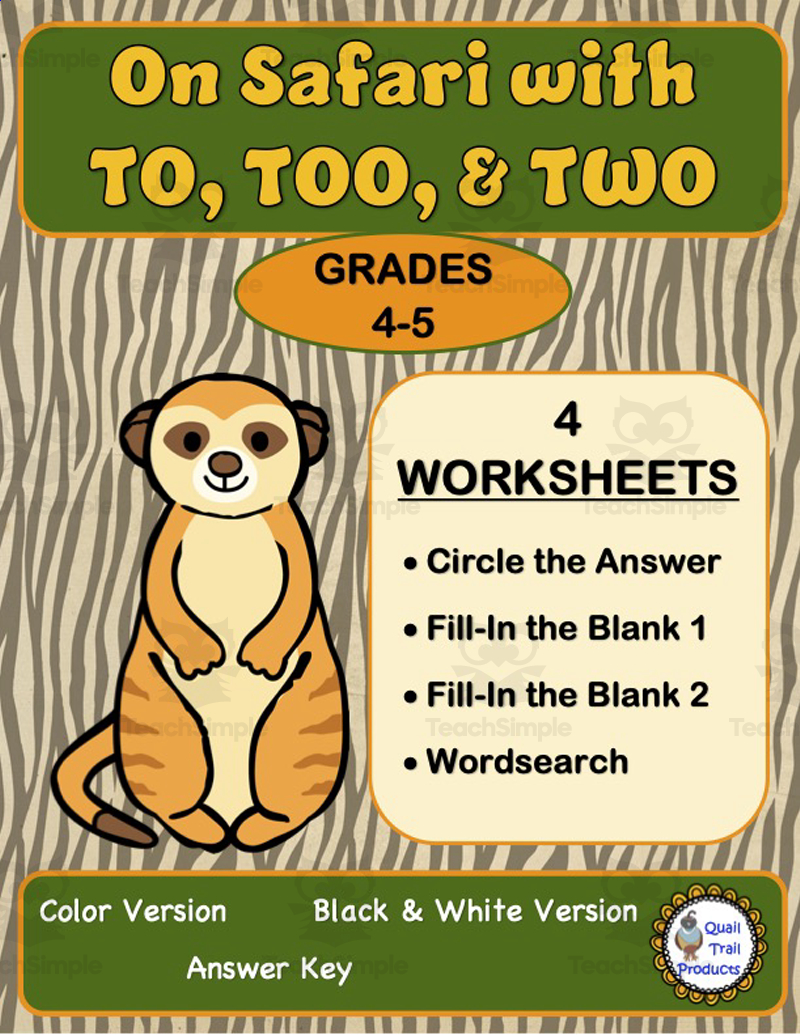
It’s time for apples, pumpkins, and all things Autumn! Your grade 3 and grade 4 learners are going to love transitioning into the Fall season with these fun and engaging ELA worksheets and activities. They’re sure to add an element of excitement to your ELA curriculum, especially lessons focusing on nouns. As your learners make their way through the 6 worksheets, they’ll strengthen their skills in spelling, categorizing nouns, identifying proper nouns, and writing complete sentences using Autumn-themed nouns. For those days when seatwork is a struggle, but they still need to complete an ELA assignment, use either of the group learning activities. The first activity focuses on using creative drawing skills for teammates to guess the Autumn-themed noun. In the second activity , learners will work in cooperative groups to name as many nouns as possible in the Hoover’s Family Farm picture. Following completion of the worksheets and learning activities, you can assess your learners’ skills with a 12-question quiz. Questions are taken directly from the worksheets and displayed using 12 Power Point slides. You’ll find this product is beneficial in a variety of ways. Not only are the worksheets PRINT and GO, but they are also available in a color version, as well as a black & white version. An answer key for all worksheets is included, too. The picture of Hoover’s Family Farm can be displayed using a Power Point slide or printed on paper for a small group or individual activity . It too is available in both color and black & white. To save you money in ink/toner, answer recording sheets for the quiz come two to a page. Below, you can check out the details of each element included in this product. PAGE 1: Worksheet #1 - learners will choose the noun from a list of 3 words used to identify the Autumn-themed picture. PAGE 2: Worksheet #2 – learners will unscramble the noun that describes each Autumn-themed picture. PAGE 3: Worksheet #3 – learners will identify and write whether each Autumn-themed picture is a person, place, or thing. PAGE 4: Worksheet #4 – next to each Autumn-themed picture, learners will write two nouns they see in the picture. PAGE 5: Worksheet #5 – after reading each sentence, learners will underline the nouns and circle the proper nouns. PAGE 6: Worksheet #6 – learners will use the words in the word bank to write sentences that include Autumn-themed nouns. PAGES 7-8: Instructions and word strips for the “Guess the Noun” learning activity . PAGE 9: Answer recording sheets for the Autumn Nouns Quiz. PAGE 10: Using the picture of Hoover’s Family Farm, learners will write as many nouns as they can identify on their answer recording page in the designated amount of time. PAGE 11: Answer recording sheets for the Autumn Nouns Race. ANSWER KEY POWER POINT SLIDE (SET 1): 1 slide of Hoover’s Family Farm picture to use with the Autumn Nouns Race activity . POWER POINT SLIDES (SET 2): 12 slides containing 12 questions for the Autumn Nouns Quiz. Are you teaching about verbs and adjectives and as well? Add these additional products to your ELA curriculum. Find them in my store, Quail Trail Products. AUTUMN VERBS Worksheets and Activities AUTUMN ADJECTIVES Worksheets and Activities
Author Quail Trail Products
Tags Nouns, Autumn, Fall, Parts Of Speech, Proper Nouns, Grade 3 ELA, Grade 4 ELA, Cooperative Learning Groups, Grammar
Reading Comprehension on Motion and Energy (Fillable PDF)
ELA, Reading, Reading Comprehension, Common Core, ESL, Language Development, Vocabulary, Physics, Science, Grade 5, 6, 7, Worksheets & Printables, Worksheets, Assessments, Teacher Tools, Tests, Quizzes and Tests, Centers, Activities
Reading Comprehension on Motion and Energy for Physical Science What's inside this Motion and Energy product? Reading Passage 1: Kinetic & Potential Energy Reading Passage 2: Force & Motion Reading Passage 3: Simple Machines Reading Passage 4: Simple Machines 2 Reading Passage 5: Thermal Energy Reading Passage 6: Sound & Light Energy FILLABLE PDF VERSION Worksheet-style pages, but with type-in answer boxes so students can complete and save their work digitally. Other versions are available in the links list below or in the full catalog. Snapshot Title: Title not stated Genre: Nonfiction Subject: Science / Physical Science Primary Topic: Energy, force, motion, and simple machines. Estimated Guided Reading Level (A–Z): V What This Teaches Best Explains the difference between kinetic energy and potential energy and shows how energy can change form. Builds understanding of force, friction, work, momentum, and gravitational force through everyday examples. Shows how simple machines such as inclined planes, levers, wheel-and-axles, and pulleys make work easier. Introduces thermal energy transfer through conduction, convection, and radiation. Compares sound and light by explaining vibrations, wave behavior, reflection, and refraction. Learning Goals Students will explain how kinetic energy and potential energy differ. Students will use the work formula to describe how force and distance affect work. Students will describe Newton’s laws of motion using examples from the text. Students will identify how simple machines reduce effort or change the direction of force. Students will compare conduction, convection, and radiation. Students will explain how sound and light interact with matter. FULL CATALOG OF DOWNLOAD LINKS HERE Grade 5/6 Links: Physical Science Part 1 - Physical and Chemical Properties Google Docs/Slides/Forms PDF PPT Word Free Supplementary Pack Accompanying Videos Physical Science Part 2 - Motion and Energy Google Docs/Slides/Forms PDF PPT Word Free Supplementary Pack Accompanying Videos Physical Science Part 3 - Electricity and Magnets Google Docs/Slides/Forms PDF PPT Word Free Supplementary Pack Accompanying Videos Life Science Part 1 - Cells, Reproduction and Genetics Google Docs/Slides/Forms PDF PPT Word Free Supplementary Pack Accompanying Videos Life Science Part 2 - Human Body Systems Google Docs/Slides/Forms PDF PPT Word Free Supplementary Pack Accompanying Videos Life Science Part 3 - Plant Parts and Ecosystems Google Docs/Slides/Forms PDF PPT Word Free Supplementary Pack Accompanying Videos Earth Science Part 1 - Plate Tectonics and Rock Cycle Google Docs/Slides/Forms PDF PPT Word Free Supplementary Pack Accompanying Videos Earth Science Part 2 - Ocean Exploration and Natural Resources Google Docs/Slides/Forms PDF PPT Word Free Supplementary Pack Accompanying Videos Earth Science Part 3 - Weather and Solar System Google Docs/Slides/Forms PDF PPT Word Free Supplementary Pack Accompanying Videos For similar products and other frees, do check out Cored Group on TeachSimple .
Author Cored Education
Rating
Tags Science, Elementary, Reading, Comprehension, Vocabulary, Physics, Physical Science, Worksheets, Printables, Reading Passages
Erosion Reading Comprehension Passage - Cored Ed Encyclopedia
ELA, Reading Comprehension, Reading, Science, Technology, Language Development, Social Studies, Earth and Environmental Sciences, Geography, Life Sciences, Grade 2, 3, 4, 5, Worksheets & Printables, Worksheets, Teacher Tools, Centers, Activities, Writing Prompts, Assessments, Quizzes and Tests, Quizzes, Lesson Plans
This erosion reading comprehension with lesson plan includes: Visualization (on the front cover) Start your lesson by taking a minute to think and share something about the topic. Read the script aloud (slowly), perhaps prepare some music or sound effects. Student close their eyes and let their imaginations wander. Students open their eyes, read the question aloud and give them a few minutes to complete. Ask a few students to share or keep answers until the end to compare with what they learn in the passage. Quick pause—thousands of Cored Education products are included with your TeachSimple membership. Download links and encyclopedia index available here. Pre-Reading Trivia Students will write down one thing they already know about the subject and then read five more facts and discuss. These facts are fun, and the students will enjoy learning about the subject before reading more. Give 1 minute for students to write what they already know (no pressure—best guess is fine). Read the five facts together. After each fact, do ask a student for their opinion, was it surprising? Set a purpose by asking students to highlight/underline one fact they want to learn more about during the reading. Reading Passage The text is a high-interest reading passage with set paragraphs, roughly three to four paragraphs long. It contains a variety of themes about the topic, anywhere from history to technology. The passage is between 250 and 350 words in length. First, ask students to look at the headings and see what they’ll learn about today. What do they know about the topic/heading? First read options: Teacher read-aloud (best for support). Partner reading (paragraph by paragraph). While reading, students underline important details, and vocabulary words they think may come up in the questions section. Mixed Questions The first question page contains four multiple-choice questions, each with a choice of four answers, and three written response questions that require a sentence or two from the student. Students complete the mcqs first independently, then review quickly as a class. For the 3 written responses, try to get students giving the answer with some form of evidence: “I think ___ because the text says ___.” If students get stuck, send them back to check the passage. Vocabulary Questions Practice seven key words from the text in this section across two activities. First section is scrambled words where students will unscramble three words given a clue for each. The second section is a word to meaning matching activity. Before starting, have some students read out words they underlined in the passage. Ask students to say the word and read aloud the sentence(s) around each word. Ask students to do scrambled words and the matching exercise in pairs then go through answers as a class. For the scrambled spelling task, get four pairs to come up to the board and write the words for extra practice with the other student reading out the clue. For the matching task, prompt students to give full sentences: “I matched ___ with ___ because ___.” Creative Writing In this question, the student will be required to write a five to eight sentence paragraph on a question related to the topic. Before starting, ask students write down 3 key ideas they are going to include in their piece. Ask students for ideas to share around the class to help those struggling. Pro writing expectations: 5–8 sentences At least 2 facts or details from the passage At least 2 vocabulary words from the previous page Students read their paragraphs while classmates listen for facts and vocabulary words. Extension Activities This page is optional for fast finishers or to take home. There are several activities, each one requiring a different skill. Do some, do none, do all, completely optional - but you will feel reassured knowing every possibility is planned for. Includes summary writting question and additional facts. Answer Key There are answers for the multiple-choice questions, written response questions have sample answers, vocabulary answers and if there is a summary question then a sample summary will be provided as well. Lesson Plan Included Customized lesson plan for this lesson is included. Lesson Snapshot Title: Erosion Genre: Nonfiction (Informational Text) Subject: Science (Earth Science) / Reading (Informational Text) Primary Topic: How erosion moves Earth materials and changes land Estimated Guided Reading Level (A–Z): N What This Lesson Teaches Best Clearly distinguishes weathering (breaking rock apart in place) from erosion (moving pieces away). (Reading Passage, p. 3) Explains multiple forces that cause erosion— water, wind, waves, ice, and gravity —and what they do to Earth’s surface. (p. 3) Shows how rivers reshape land over time, including how moving water and sediment can help carve deep valleys (Colorado River/Grand Canyon example). (p. 3) Introduces sediment and connects erosion to deposition , explaining how new landforms can build up (beaches, river deltas). (p. 3) Connects science to real-world problem solving by describing ways people can slow soil loss (trees, terraces, keeping plants on soil). (p. 3) Learning Goals Students will explain how erosion is different from weathering using the text’s definitions. Students will identify forces that can cause erosion (water, wind, waves, ice, gravity). Students will describe how rivers move sediment and can change riverbeds and valleys over time. Students will explain what sediment is and how deposition happens when sediment settles. Students will describe at least two ways people can help soil “stay home,” based on the passage. Key Vocabulary From the Text weathering — breaking rock apart where it sits. erosion — moving soil and rock to a new place. sediment — tiny bits of soil and rock that travel. deposition — when sediment settles and builds up land. terraces — steps that slow water on a steep slope. FULL CATALOG OF DOWNLOAD LINKS AND ENCYCLOPEDIA INDEX HERE
Author Cored Education
Rating
Tags Vocabulary, Reading Comprehension, Reading Passages, Lesson Plans, Ela Lesson Plans, Reading Comprehension Lesson Plans, Pre-reading, Geography, Earth Science, Science Lesson Plans
Guided Reading Activities and Lesson Plans Nonfiction Set 1 Technology
ELA, Reading, Reading Comprehension, Common Core, Resources for Teachers, ESL, Language Development, Pre-Reading, Vocabulary, Grade 2, 3, Worksheets & Printables, Worksheets, Lesson Plans, Teacher Tools, Activities
Guided Reading Activities with Lesson Plans Nonfiction Set 1 Note: This download DOES NOT include the passages themselves. If you have not already done so, download in a format of your choice in the "reading links" section below. Overview The perfect companion materials for Cored Education reading comprehension downloads. This collection of guided reading lessons includes a wide array of engaging themes that aim to foster comprehension, vocabulary development, and creative thinking. Each lesson is crafted to be interactive and immersive, making learning enjoyable while promoting essential literacy skills. The lessons are designed for students to actively engage with both the material and the world around them, creating connections to their personal experiences while developing key skills. Includes Guided Reading Materials For: 1.Talking in Code 2.Power From the Sun 3.Roller Coasters 4.The History of Cars 5.The History of Ferries 6.The History of Helicopters Reading Links: This is the guided reading materials version and DOES NOT include the passages themselves. The passages related to this download are available here in GOOGLE Docs, GOOGLE Forms, GOOGLE Slides. PDF, PPT, WORD. Google Docs Google Forms Google Slides PDF PPT Word Details Pre-reading Discussions Each lesson begins with pre-reading questions that help activate prior knowledge and engage students in the theme of the lesson. This allows students to make personal connections with the content before diving into the reading material. Vocabulary Development Every lesson includes vocabulary exploration that introduces key terms students will encounter in the reading. These words are essential for understanding the passage, and activities encourage students to apply the new vocabulary in context. Comprehension Check After the reading, the lessons provide comprehension questions (typically multiple-choice) that assess students’ understanding of the story. These questions help students reflect on key events, characters, and concepts within the text, reinforcing their comprehension. Creative Writing Prompts To foster creativity, the lessons include writing activities that challenge students to apply what they've learned in imaginative ways. These prompts allow students to practice creative expression while reinforcing the lesson’s theme. Discussion Topics Each lesson ends with wrap-up discussion questions that encourage students to think critically and engage in group conversations. These discussions can enhance social learning and deepen understanding by connecting the lesson's content to broader real-world applications. Theme-Based Learning The themes (e.g., winter, nature walks, photography, flowers) are universally appealing and offer opportunities for cross-curricular connections with science, art, and environmental studies. This makes the lessons versatile for a wide range of teaching contexts. Student-Centered Approach The activities are designed to be interactive and student-driven, allowing them to explore the content through discussions, hands-on vocabulary practice, and personal reflections. This promotes active learning and keeps students engaged. FULL CATALOG OF DOWNLOAD LINKS HERE Grade 2/3 Links Fiction Set 1 - Nature Google Docs Google Forms Google Slides PDF PPT Word Guided Reading Materials Fiction Set 2 - Animals Google Docs Google Forms Google Slides PDF PPT Word Guided Reading Materials Fiction Set 3 - Food Google Docs Google Forms Google Slides PDF PPT Word Guided Reading Materials Fiction Set 4 - School Google Docs Google Forms Google Slides PDF PPT Word Guided Reading Materials Fiction Set 5 - Friends Google Docs Google Forms Google Slides PDF PPT Word Guided Reading Materials Fiction Set 6 - Family Google Docs Google Forms Google Slides PDF PPT Word Guided Reading Materials Fiction Set 7 - Sports Google Docs Google Forms Google Slides PDF PPT Word Guided Reading Materials Nonfiction Set 1 - Technology Google Docs Google Forms Google Slides PDF PPT Word Guided Reading Materials Nonfiction Set 2 - Nutrition Google Docs Google Forms Google Slides PDF PPT Word Guided Reading Materials Nonfiction Set 3 - Animals Google Docs Google Forms Google Slides PDF PPT Word Guided Reading Materials Reading Passages Overview Each passage is especially written for Grade 2-3 students, including key vocabulary required for this age group. Topics are varied and are accompanied by colorful graphics. Topics are meant to educate, yet entertain the modern student. These passages are perfect for the modern classroom. Whereas textbooks can become outdated in no time, any changes to technology or the world will result in updates to this product. Mixed Questions The mixed questions section of each lesson includes a variation of fivecomprehension, vocabulary and math questions. In addition, key reading strategies are frequently covered including cause & effect, summarizing, compare & contrast and making conclusions. Three of the questions will be MCQs and two will require a written response of some kind. Full answers and example responses appear at the end of the lesson. Spelling & Vocab Each reading passage contains a variety of words and phrases designed for Grade 2-3 students. Spelling and vocab activities provide the opportunity to build fluency with these words. As it can become quite mundane doing the same activities over and over, each lesson in a set will contain a different spelling and vocab activity . Writing Prompts Writing prompts are designed to continue the theme or lessons learned in the story. Students are persuaded to write in a variety of ways and each prompt includes several cues to help. As with the spelling/vocab section, writing prompts will vary. This includes research pieces, reading responses, poetry and creative writing prompts. Full Answer Keys Full answer keys and sample responses are provided so no matter how busy you are, you know you're covered! Mixed question answers provide evidence from the text, math questions contain the relevant workings. Answers are designed for use by the teacher, but also suitable as a handout to the student. Additional File One lesson will have an additional file. This is something fun to extend the lesson with. For similar downloads and other frees, do check out Cored Group on TeachSimple.
Author Cored Education
Tags Elementary, Reading, Comprehension, Vocabulary, Answers, Ccss, Guided Reading, Guided Reading Activity, Guided Reading Lesson Plans, Guided Reading Lesson Plan
Synonyms Supplementary Materials Grades 3-4 (PDF)
ELA, Language Development, ESL, Common Core, Resources for Teachers, Vocabulary, Grade 3, 4, Worksheets & Printables, Worksheets, Quizzes and Tests, Teacher Tools, Tests, Assessments, Activities, Lesson Plans
Synonyms Supplementary Materials Note: This download DOES NOT include the tests themselves. You can still make use of these materials without them but they are recommended. Download in a format of your choice in the "Links" section below. Outline Ice Breaker (5-10 minutes) Engaging, interactive activity to introduce the lesson’s theme. Examples: Matching games, sentence races, charades, or storytelling challenges. Guided Practice (10-15 minutes) Teacher-led exercises to reinforce the concept. Examples: Sorting sentences by tense, sentence transformations, or fill-in-the-gap exercises. Group or Partner Task (15 minutes) Collaborative activity to practice the lesson’s focus in a fun and engaging way. Examples: Role-play, storytelling, sentence-building games, or small-group discussions. Independent Worksheet (15 minutes) Individual written activity to solidify understanding. Examples: Sentence corrections, verb conjugation drills, or tense identification exercises. Exit Task (5 minutes) Quick reflective activity to assess understanding before students leave. Examples: Writing a sentence using the target concept, identifying a tense, or explaining a rule. Links: Includes: Nouns Synonyms Verbs Synonyms Adjectives Synonyms Synonyms in a Sentence Google Docs Google Forms Google Slides PDF PPT Word FULL CATALOG OF DOWNLOAD LINKS HERE Grade 3/4 Links: Adjectives Google Docs Google Forms Google Slides PDF PPT Word Free Supplementary Materials Pack Adverbs Google Docs Google Forms Google Slides PDF PPT Word Free Supplementary Materials Pack Conjunctions Google Docs Google Forms Google Slides PDF PPT Word Free Supplementary Materials Pack Nouns Google Docs Google Forms Google Slides PDF PPT Word Free Supplementary Materials Pack Pronouns Google Docs Google Forms Google Slides PDF PPT Word Free Supplementary Materials Pack Verbs Google Docs Google Forms Google Slides PDF PPT Word Free Supplementary Materials Pack Sentence Structure Google Docs Google Forms Google Slides PDF PPT Word Free Supplementary Materials Pack Present Tense Google Docs Google Forms Google Slides PDF PPT Word Free Supplementary Materials Pack Past Tense Google Docs Google Forms Google Slides PDF PPT Word Free Supplementary Materials Pack Future Tense Google Docs Google Forms Google Slides PDF PPT Word Free Supplementary Materials Pack Context Clues Google Docs Google Forms Google Slides PDF PPT Word Free Supplementary Materials Pack Defining Words Google Docs Google Forms Google Slides PDF PPT Word Free Supplementary Materials Pack Fill the Blanks Google Docs Google Forms Google Slides PDF PPT Word Free Supplementary Materials Pack Homophones Google Docs Google Forms Google Slides PDF PPT Word Free Supplementary Materials Pack Synonyms Google Docs Google Forms Google Slides PDF PPT Word Free Supplementary Materials Pack ELA Review Questions Overview Questions have three answer choices. There are a handful of pictures on each test for aesthetic purposes, as well as a review sheet covering most of the topics covered in the product. Introduction or Example Sheet Each topic will include an introduction or example sheet to go through first with your students. Full Answer Keys Full answer keys and sample responses are provided so no matter how busy you are, you know you're covered! In the Supplementary Pack Interactive Ice Breakers: Fun, hands-on activities that get students thinking about adjectives right from the start. Guided Practice: Teacher-led exercises that reinforce the day’s lesson, ensuring students can confidently identify and use adjectives. Group and Partner Tasks: Collaborative activities that allow students to work together to solve problems, categorize adjectives, and create descriptive sentences. Independent Worksheets: Structured worksheets that provide individual practice and help solidify understanding of key concepts. Exit Tasks: Quick, reflective activities at the end of each lesson that assess understanding and encourage students to apply what they’ve learned. For similar downloads and other frees, do check out Cored Group on TeachSimple.
Author Cored Education
Tags Elementary, Answers, Ccss, Common Core, Tests, Test Prep, Grade 3, Grade 4, Vocabulary, Lesson Plan
Milliken's Complete Book of Reading and Writing Reproducibles - Grades 3-4: Over 110 Activities for Today's Differentiated Classroom
ELA, Grade 3, 4, Worksheets & Printables, Worksheets
Milliken's Complete Book of Reading and Writing Reproducibles - Grades 3-4 An incredibly resourceful tool for educators, offering over 110 activities designed specifically for a differentiated classroom. Focusing predominantly on Language Arts, this product is designed to cater seamlessly to the learning needs of Grade 3 and Grade 4 students. A remarkable teaching resource Ideal for those invested in promoting optimal student engagement and academic progress. The ready-to-use nature of each worksheet minimizes prep work, allowing educators more time to focus on teaching. Focused English and comprehension activities: Through introducing students to vowels, letter blends and engaging rhyming words exploration journeys, reading capabilities are honed and developed. Creative writing emphasis: Stimulating prompts encourage cognitive flexibility while allowing imaginations to flourish. The convenience is amplified by providing all resources as reproducible pencil-to-paper worksheets ideal for both school use and homework assignments—ensuring continuity in learning both at school or at home. Digital Convenience with PDF format All materials are compiled into one comprehensive PDF file with a total bundle size of 128 pages. Perfectly suited for effortless printing during classes or easily accessible from home encouraging personalized pacing during self-study sessions leading up seamless transition between school-based learning towards goal attainment within comfort spaces like home . Be it whole group instruction, small group intervention sessions, individual practice sheets during centers or homework assignments after school hours; with Milliken's Complete Book of Reading / Writing Reproducibles - Grades 3-4 teachers are covered under every likely educational situation.
Author Classroom Complete Press
Tags Reading, Writing, Reproducibles, Differentiated, Classroom
Learn sounds ai and ay (play and explain).
ELA, Language Development, Phonics, Preschool, Kindergarten, Grade 1, Worksheets & Printables, Worksheets
Learn sounds ai and ay (play and explain) Muddy Shoes, part of the Learn To Read With Phonics Reading Packs series, is an excellent resource to reinforce the phonics sound 'ea'. With this pack, reading proficiency can be achieved in a span of six months by integrating 44 phonics sounds within the story text. This teaching resource caters to all learning styles from preschool through grade 1, also proving beneficial for homeschoolers. It equally supports older readers ages 7 and up who may be reluctant readers or those for whom English is a second language. The adventures of Sam serve as an engaging means for children to familiarize themselves with around 80% of words in English language by deconstructing them into constituent phonemes or syllables. The pack also offers practice pages for word-to-picture matching exercises designed to firmly root specific sound words into learners' memory. It pairs simple text with amusing color sketches aimed at young readers' appeal thereby making these resources both practical and enjoyable. Methodology: The recommended method includes introducing the target sound (in this case 'ai' & 'ay') then encouraging repetitive readings of sentences/stories relating imagery associated with given words/phrases until they become familiarized. As students get strengthened over their grasp on related sounds, they can simultaneously expand their vocabulary comprehending material so as to form solid literacy foundation skills development blocks. Note: New learners are advised to start progressing from initial packs focusing on three or four-letter word building before moving onto phonic sounds like ch, sh wh etc., followed then by complex ones like suffixes and prefixes only. In conclusion: This innovative product represents an essential resource that encourages active learning for mastering reading through phonics. With its engaging text and visuals, it proves to be highly useful for educators aiming at achieving literacy success.
Author Guinea Pig Education
Tags Phonics Sounds, Reading Proficiency, Word-to-picture Matching, Comprehension Skills, Literacy Success
Equator Reading Comprehension Passage - Cored Ed Encyclopedia
ELA, Reading Comprehension, Reading, Science, Technology, Language Development, History, Social Studies, Earth and Environmental Sciences, Geography, Grade 2, 3, 4, 5, Worksheets & Printables, Worksheets, Teacher Tools, Centers, Activities, Writing Prompts, Assessments, Quizzes and Tests, Quizzes, Lesson Plans
This Equator reading comprehension with lesson plan includes: Visualization (on the front cover) Start your lesson by taking a minute to think and share something about the topic. Read the script aloud (slowly), perhaps prepare some music or sound effects. Student close their eyes and let their imaginations wander. Students open their eyes, read the question aloud and give them a few minutes to complete. Ask a few students to share or keep answers until the end to compare with what they learn in the passage. Quick pause—thousands of Cored Education products are included with your TeachSimple membership. Download links and encyclopedia index available here. Pre-Reading Trivia Students will write down one thing they already know about the subject and then read five more facts and discuss. These facts are fun, and the students will enjoy learning about the subject before reading more. Give 1 minute for students to write what they already know (no pressure—best guess is fine). Read the five facts together. After each fact, do ask a student for their opinion, was it surprising? Set a purpose by asking students to highlight/underline one fact they want to learn more about during the reading. Reading Passage The text is a high-interest reading passage with set paragraphs, roughly three to four paragraphs long. It contains a variety of themes about the topic, anywhere from history to technology. The passage is between 250 and 350 words in length. First, ask students to look at the headings and see what they’ll learn about today. What do they know about the topic/heading? First read options: Teacher read-aloud (best for support). Partner reading (paragraph by paragraph). While reading, students underline important details, and vocabulary words they think may come up in the questions section. Mixed Questions The first question page contains four multiple-choice questions, each with a choice of four answers, and three written response questions that require a sentence or two from the student. Students complete the mcqs first independently, then review quickly as a class. For the 3 written responses, try to get students giving the answer with some form of evidence: “I think ___ because the text says ___.” If students get stuck, send them back to check the passage. Vocabulary Questions Practice seven key words from the text in this section across two activities. First section is scrambled words where students will unscramble three words given a clue for each. The second section is a word to meaning matching activity. Before starting, have some students read out words they underlined in the passage. Ask students to say the word and read aloud the sentence(s) around each word. Ask students to do scrambled words and the matching exercise in pairs then go through answers as a class. For the scrambled spelling task, get four pairs to come up to the board and write the words for extra practice with the other student reading out the clue. For the matching task, prompt students to give full sentences: “I matched ___ with ___ because ___.” Creative Writing In this question, the student will be required to write a five to eight sentence paragraph on a question related to the topic. Before starting, ask students write down 3 key ideas they are going to include in their piece. Ask students for ideas to share around the class to help those struggling. Pro writing expectations: 5–8 sentences At least 2 facts or details from the passage At least 2 vocabulary words from the previous page Students read their paragraphs while classmates listen for facts and vocabulary words. Extension Activities This page is optional for fast finishers or to take home. There are several activities, each one requiring a different skill. Do some, do none, do all, completely optional - but you will feel reassured knowing every possibility is planned for. Includes summary writting question and additional facts. Answer Key There are answers for the multiple-choice questions, written response questions have sample answers, vocabulary answers and if there is a summary question then a sample summary will be provided as well. Lesson Plan Included Customized lesson plan for this lesson is included. Lesson Snapshot Title: Equator Genre: Nonfiction (Informational Text) Subject: Social Studies (Geography) / Science (Earth Science) / Reading (Informational Text) Primary Topic: Equator, latitude, hemispheres, sunlight, and navigation Estimated Guided Reading Level (A–Z): N What This Lesson Teaches Best Explains the equator as an imaginary line at 0 degrees latitude that circles Earth’s widest part. Shows how the equator splits Earth into the Northern and Southern Hemispheres and acts as a starting line for measuring north and south . Connects observation to science by telling how Eratosthenes compared shadow angles to help estimate Earth’s size long ago. Describes how sunlight near the equator is more direct , helping many equator regions stay warm and keeping day and night close in length. Links geography to modern tools by noting GPS and satellites still begin with the 0-degree equator circle. Learning Goals Students will identify the equator as an imaginary line at 0 degrees latitude . Students will explain how the equator divides Earth into the Northern Hemisphere and Southern Hemisphere . Students will describe how latitude is measured north or south of the equator. Students will explain how shadow angles helped Eratosthenes estimate Earth’s size. Students will describe why sunlight near the equator can feel more direct and how that affects warmth and day/night length. Students will describe how the equator is used as a reference point in GPS and satellites . Key Vocabulary From the Text latitude — degrees north or south of the equator. hemispheres — the two halves of Earth. shadows — dark shapes made when light is blocked. solstice — a day when the Sun’s position is special. satellites — objects in space used to help find locations. FULL CATALOG OF DOWNLOAD LINKS AND ENCYCLOPEDIA INDEX HERE
Author Cored Education
Rating
Tags Vocabulary, Reading Comprehension, Reading Passages, Lesson Plans, Ela Lesson Plans, Reading Comprehension Lesson Plans, Pre-reading, Geography, Earth Science, Science Lesson Plans
ALPHABET POSTERS OF ANIMALS | HANDWRITING ACTIVITY
Handwriting, Writing, ELA, Vocabulary, Language Development, Early Learning, Elementary, Pre-K, Not Grade Specific, Homeschool Resources, Activities, Worksheets & Printables, Flashcards, Diagrams, Teacher Tools, Workbooks, Worksheets, Coloring Pages
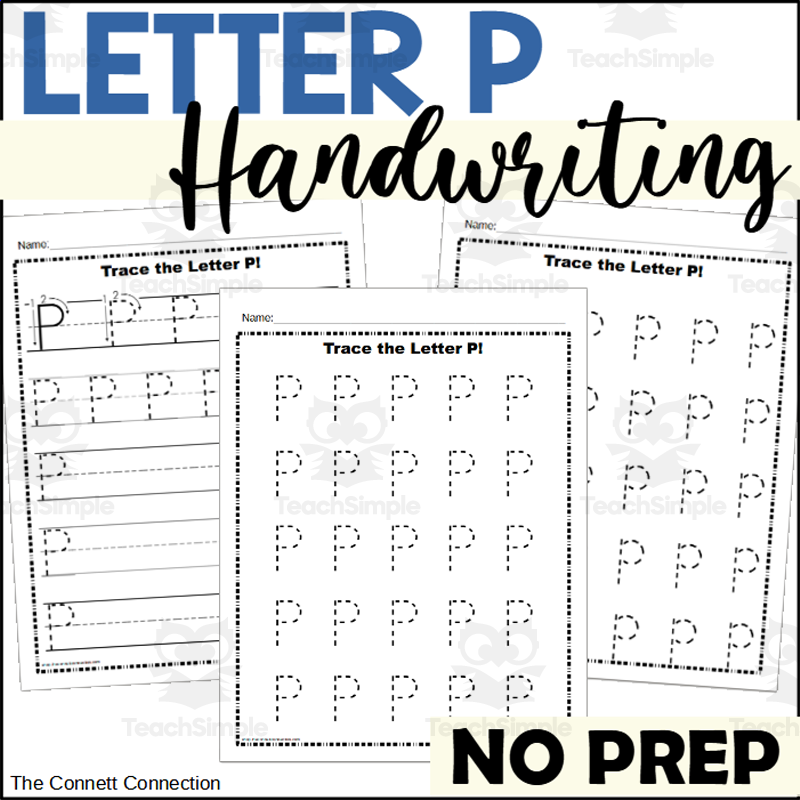
ALPHABET POSTERS OF ANIMALS | HANDWRITING ACTIVITY INTRODUCTION: We are EDITORIAL ARENAS EDUCATIVAS, and our mission is to produce a variety of educational materials so children can learn better and more effectively. We encourage you to visit our entire store to download our products. Also, remember that we produce reading, writing, math, and Spanish language learning materials. MAIN DESCRIPTION: 1) What is the recommended printing method for this resource? I recommend printing this document in PDF format so you won't experience any errors when printing. 2) What educational standards were used as the basis for creating this material? This document was not developed based on any specific standard. 3) Who is the creator of this resource and how should it be cited? The creator of this document is EDITORIAL ARENAS EDUCATIVAS. 4) Is this resource available for free or does it require a purchase? Because we vocationally work for the education of thousands of students, we are offering this document for free. 5) This resource is for individual use only; what restrictions apply to its redistribution or sale? We ask that you share our link so more people can download our resource or recommend our store. It would help us greatly. SECONDARY AND COMPLEMENTARY INFORMATION: 1) How many pages does the file contain in total? This educational document contains enough pages to make this resource ideal for promoting fun and successful learning. 2) Does this material allow for custom editing? This educational document is available in PDF format, so you cannot edit it. You simply need to download and then print it. 3) What main topic does the resource cover? This document has been developed to address a basic topic that children in kindergarten through elementary school should master. This document will also be helpful to the general public who want to learn.
Author EDITORIAL LAURA EDUCA
Rating
Tags FREE, FREE RESOURCES, TRACING, TRACING LINES, HANDWRITING, VOCABULARY, ANIMALS, ABECEDARY, ALPHABET
Use Better Vocabulary In Your Writing: said (EFL Work Pack) 8+
ELA, Language Development, ESL, Grade 4, 5, 6, 7, 8, 9, 10, 11, 12, Worksheets & Printables, Worksheets
Use Better Vocabulary In Your Writing: said (EFL Work Pack) 8+ 'Use Better Vocabulary In Your Writing: said (EFL Work Pack) 8+' is a crucial resource conceived for aiding students aged 8 and above, who are not native English speakers. It delineates a path towards achieving an intermediary proficiency in written English. Fun Learning Approach The notable aspect of this work pack is the enthralling character 'the alien Zoggy'. This intriguing personality transforms a standard learning session into an engaging, interactive experience benefiting learners of all ages. Holistic Language Improvement The resource provides comprehensive assistance to surmount common challenges encountered by non-native speakers: Deducing idioms and colloquial phrases widely used by fluent speakers Determining correct preposition usage after verbs Composing formal letters in the standard English format Amply expanding vocabulary pool Additionally, each pack focuses on enhancing grammar—an essential facet of mastering any language. Our exhaustive range enriches writing skills and facilitates effective verbal communication. Incorporating This Resource Into Lesson Plans Teachers can seamlessly integrate this helpful tool into regular lessons, homework assignments or weekly supplementary classes—steering EFL students towards mastering written English vocabulary. Particularly training them to replace banal words with linguistically rich alternatives is rewarding progress. Availability & Suitability This tool comes as PDF downloadable software under the Category: Language Arts endorsing ESL education. While it's most appropriate for Grade 4 through Grade12 scholars, there are no rigid grade prerequisites making it equally effective across variable levels of ESL education.
Author Guinea Pig Education
Tags Vocabulary Improvement, Written English, Language Skills, EFL Students, Instructional Material
Central Ideas (CCSS RI.7.2): Supplemental Worksheets for the Common Core
ELA, Reading, Common Core, Grade 7, Worksheets, Worksheets & Printables
Central Ideas (CCSS RI.7.2): Supplemental Worksheets for the Common Core A significant educational resource designed to promote the tenets of the Common Core in an engaging way, tailored specifically for Grade 7 educators focusing on Language Arts and Reading skills. A series of reproducible worksheets, all aligned with the CCSS RI.7.2 Central Ideas standard of the Common Core curriculum. Each page offers a different activity or lesson element - six distinct applications are provided across eight printable pages offering versatility for instruction methods whether fostering whole group lessons, small group work or individual student assignments such as homework or study aid. To streamline grading and assessment processes, there's an answer key included at each worksheet's conclusion; enhancing feedback mechanisms for students' understanding of central ideas-a crucial part of their language arts education at this grade level. Sourced worksheets with unique product codes: Every worksheet features a unique product code allowing access to information about its origin in a given book-expanding your teaching library efficiently in correspondence with learning objectives. The package arrives as downloadable PDF files ready to print instantly without any physical delivery complications ensuring convenience and quick utilisation! Note: The Adobe Reader software is required to view and print these resources which can easily be downloaded by following instructions within resources themselves proving user-friendly experience through easy-to-follow steps! This product combines simplicity whilst aiming towards accomplishing core educational outcomes making them ideal tools suitable not just within conventional classrooms but also fitting seamlessly into homeschooling routines!</p
Author Classroom Complete Press
Tags Central Ideas, Reading Passage, Fiction Text, Supplemental, Worksheets
Reading Comprehension Nonfiction Set 1 - Technology (Google Docs)
ELA, Reading, Common Core, Reading Comprehension, ESL, Language Development, Spelling, Vocabulary, Writing, Creative Writing, Grade 2, 3, Worksheets & Printables, Worksheets, Writing Prompts, Assessments, Teacher Tools, Tests, Quizzes and Tests, Centers, Activities
Reading Comprehension Passages Nonfiction Set 1 Overview Engaging nonfiction articles, each with a collection of different activities included. Articles are written for the modern classroom and topics are designed to promote enthusiasm from each student. Each lesson contains a mixed questions section to check understanding, a vocabulary or spelling activity to help remember key language introduced, and a writing exercise. Full answer keys are provided. Passages Include 1.Talking in Code: How the Navajo code talkers helped during WWII. 2.Power From the Sun: How does solar power work? 3.Roller Coasters: The science behind roller coasters. 4.The History of Cars: Who invented the car? Find out in this article. 5.The History of Ferries: Where is the oldest ferry service in the world? 6.The History of Helicopters: The advantages and disadvantages of helicopters. Additional File: History of Cars: Design a Car Printable Docs Version This is the Google Docs editable and fillable version. This download is available in GOOGLE Docs, GOOGLE Forms, GOOGLE Slides. PDF, PPT, WORD. FULL CATALOG OF DOWNLOAD LINKS HERE Grade 2/3 Links Fiction Set 1 - Nature Google Docs Google Forms Google Slides PDF PPT Word Guided Reading Materials Fiction Set 2 - Animals Google Docs Google Forms Google Slides PDF PPT Word Guided Reading Materials Fiction Set 3 - Food Google Docs Google Forms Google Slides PDF PPT Word Guided Reading Materials Fiction Set 4 - School Google Docs Google Forms Google Slides PDF PPT Word Guided Reading Materials Fiction Set 5 - Friends Google Docs Google Forms Google Slides PDF PPT Word Guided Reading Materials Fiction Set 6 - Family Google Docs Google Forms Google Slides PDF PPT Word Guided Reading Materials Fiction Set 7 - Sports Google Docs Google Forms Google Slides PDF PPT Word Guided Reading Materials Nonfiction Set 1 - Technology Google Docs Google Forms Google Slides PDF PPT Word Guided Reading Materials Nonfiction Set 2 - Nutrition Google Docs Google Forms Google Slides PDF PPT Word Guided Reading Materials Nonfiction Set 3 - Animals Google Docs Google Forms Google Slides PDF PPT Word Guided Reading Materials Reading Passages Overview Each passage is especially written for Grade 2-3 students, including key vocabulary required for this age group. Topics are varied and are accompanied by colorful graphics. Topics are meant to educate, yet entertain the modern student. These passages are perfect for the modern classroom. Whereas textbooks can become outdated in no time, any changes to technology or the world will result in updates to this product. Mixed Questions The mixed questions section of each lesson includes a variation of fivecomprehension, vocabulary and math questions. In addition, key reading strategies are frequently covered including cause & effect, summarizing, compare & contrast and making conclusions. Three of the questions will be MCQs and two will require a written response of some kind. Full answers and example responses appear at the end of the lesson. Spelling & Vocab Each reading passage contains a variety of words and phrases designed for Grade 2-3 students. Spelling and vocab activities provide the opportunity to build fluency with these words. As it can become quite mundane doing the same activities over and over, each lesson in a set will contain a different spelling and vocab activity . Writing Prompts Writing prompts are designed to continue the theme or lessons learned in the story. Students are persuaded to write in a variety of ways and each prompt includes several cues to help. As with the spelling/vocab section, writing prompts will vary. This includes research pieces, reading responses, poetry and creative writing prompts. Full Answer Keys Full answer keys and sample responses are provided so no matter how busy you are, you know you're covered! Mixed question answers provide evidence from the text, math questions contain the relevant workings. Answers are designed for use by the teacher, but also suitable as a handout to the student. Additional File One lesson will have an additional file. This is something fun to extend the lesson with. For similar downloads and other frees, do check out Cored Group on TeachSimple.
Author Cored Education
Rating
Tags Elementary, Reading, Comprehension, Vocabulary, Answers, Common Core, Spelling, Writing, Digital Centers, Vocabulary Assessments
Guided Reading Level B: Clouds You Can Spot
ELA, Resources for Teachers, Reading Comprehension, Reading, Science, Language Development, Pre-Reading, Vocabulary, Earth and Environmental Sciences, Earth Sciences, Kindergarten, Preschool, Grade 1, Worksheets & Printables, Worksheets, Teacher Tools, Centers, Activities, Literacy Readers, Quizzes, Quizzes and Tests, Assessments
This Guided Reading Book - Clouds You Can Spot (Level B) includes: Guided Reading Color Label (front cover x1) This is a quick way to match the book’s demands to what students can generally handle.. The overall goal is to use the level/color to pick books for several smaller groups. To qualify for a certain level, a student is expected to read a book from that level with about 90–94% accuracy. If a student is consistently accurate and understands, move up a level. If the student is struggling at that level, drop down and add more support. Each student will improve at completely different rates, but it is generally one of the best ways to check progress across the class. DOWNLOAD THE CATALOG TO VIEW ALL GUIDED READING BOOKS AVAILABLE (SORTED LEVELS A-Z) Pre-Reading Question (x1) Teacher asks the prompt aloud, can be while showing the cover or first page. Students share what they already know, or make educated guesses from the cover. Prompt them to use the target vocabulary. Write some of their responses on the board to look back at during the reading. Vocabulary Words (x5) Introduce the five words, best doing it one at a time. Start by saying it, while students repeat and then see if anyone knows what it means before reading further. Read through the meaning and try to briefly connect each word to a picture or gesture so it’s meaningful. Ask students to flip through the book pages and point to where they see each of the vocabulary words. While reading the book pause upon coming across one of the vocab words or read the sentence twice to make sure students understand the word has appeared. Optional: Ask students to raise hands whenever they see/hear one of the new words. Guided Reading Pages (x10) Check the book snapshot (below) for: primary topic - do you need to prep extra reading or intro materials on this? what is taught best - decide on 1-2 bullets to focus on, use the prompt or words provided here for best results. learning goals - what you are checking for students to be able to do after the session, elicit answers using prompts or words provided. key vocabulary (see section above). questions overview - so you know what is coming up and if you need to prep extra materials to assist understanding. Run the lesson You may have already looked at a few of the pages together, but you can show them some of the pictures again first to set meaning. Depending on how much time you have and how familiar your students are with guided reading class, you may want to read the book aloud first with the group first. Students whisper or partner read, while you listen in. If time, do it as a group, one student reading a page each. Use the guided page’s prompts to coach: “Check the picture / does it make sense?” “Point under the words / try the first sound” “Reread the sentence smoothly”. Try to focus more on one student per session (rotating every time), so you can work out if they are ready to move up or need to move down a level. Comprehension Questions (back cover x3) This is your way to check that students didn’t just say the words, but actually understood the text. First, let students answer by pointing to the page/picture and saying a short sentence. After any answer, follow with: “Show me where you found that in the text.” In bigger groups, have partners answer first (10–20 seconds), then call on 2–3 students to share. Differentiation tips: Emerging speakers/struggling readers: oral + pointing On-level: oral in a full sentence Higher: one written sentence or draw + label Book Snapshot Title: Clouds You Can Spot Genre: Nonfiction (informational) Subject: Earth Science (Weather) / Early Literacy Primary Topic: Observing clouds using simple describing words Estimated Guided Reading Level (A–Z): B What This Book Teaches Best Builds early nonfiction observation language by naming what you can see in the sky (sun, clouds, sky). Teaches describing words (adjectives) for clouds: big/small, white/grey, high/low, and “rain clouds.” Supports patterned reading and fluency through repeated sentence structure: “See the ____.” Encourages compare/contrast thinking using paired opposites (big vs. small; high vs. low; white vs. grey). Learning Goals Students will identify things the book says you can see (sun, clouds, sky). Students will describe clouds using words from the text (big, small, white, grey, high, low, rain). Students will retell the book’s sequence using the repeated pattern “See the ____.” Students will compare two cloud descriptions from the book (such as high/low or big/small). Students will answer simple questions about what the book tells the reader to see. Key Vocabulary From the Text clouds — white or grey puffs you see in the sky grey — a color between white and black high — up far above you low — down close to the ground rain — water that falls from clouds Discussion Prompts Pre-reading question: What do you think you might see when you look up at the sky? Comprehension questions: What is the first thing the book says to see? Comprehension questions: What are two different kinds of clouds the book tells you to see? Comprehension questions: What is the last thing the book says to see? Printing Tips 1. Best Printing Method (Recommended) “Booklet” Printing (Best if Available) If your printer or PDF viewer supports Booklet Printing , use this. Settings to use: Print mode: Booklet Paper size: Letter or A4 (either works) Orientation: Landscape Print on both sides: Yes Flip on: Short edge Scaling: Fit to printable area Booklet subset: First test: Front sides only Then: Back sides only This will automatically: Pair pages correctly Put the cover on the outside Align everything for folding After printing, fold in half and staple along the spine . 2. If “Booklet” Printing Is NOT Available You can still print this correctly with manual duplex printing . Step-by-step: Open the PDF. Choose Print . Set: Orientation: Landscape Pages per sheet: 1 Print on both sides: Yes Flip on: Short edge Print all pages . Because each PDF page already contains two facing book pages, the result will still fold cleanly into a book. Thousands of Cored Education products are included with your TeachSimple membership. Download links and encyclopedia index available here.
Author Cored Education
Rating
Tags Vocabulary, Reading Comprehension, Reading Passages, Literacy Readers, Leveled Reading, Nonfiction, Reading, Guided Reading, Earth Science, Clouds
Earthquakes Reading Comprehension Passage - Cored Ed Encyclopedia
ELA, Reading Comprehension, Reading, Science, Technology, Social Studies, Earth and Environmental Sciences, Geography, Pre-Reading, Language Development, Grade 2, 3, 4, 5, Worksheets & Printables, Worksheets, Teacher Tools, Centers, Activities, Writing Prompts, Assessments, Quizzes and Tests, Quizzes, Lesson Plans
This earthquakes reading comprehension with lesson plan includes: Visualization (on the front cover) Start your lesson by taking a minute to think and share something about the topic. Read the script aloud (slowly), perhaps prepare some music or sound effects. Student close their eyes and let their imaginations wander. Students open their eyes, read the question aloud and give them a few minutes to complete. Ask a few students to share or keep answers until the end to compare with what they learn in the passage. Quick pause—thousands of Cored Education products are included with your TeachSimple membership. Download links and encyclopedia index available here. Pre-Reading Trivia Students will write down one thing they already know about the subject and then read five more facts and discuss. These facts are fun, and the students will enjoy learning about the subject before reading more. Give 1 minute for students to write what they already know (no pressure—best guess is fine). Read the five facts together. After each fact, do ask a student for their opinion, was it surprising? Set a purpose by asking students to highlight/underline one fact they want to learn more about during the reading. Reading Passage The text is a high-interest reading passage with set paragraphs, roughly three to four paragraphs long. It contains a variety of themes about the topic, anywhere from history to technology. The passage is between 250 and 350 words in length. First, ask students to look at the headings and see what they’ll learn about today. What do they know about the topic/heading? First read options: Teacher read-aloud (best for support). Partner reading (paragraph by paragraph). While reading, students underline important details, and vocabulary words they think may come up in the questions section. Mixed Questions The first question page contains four multiple-choice questions, each with a choice of four answers, and three written response questions that require a sentence or two from the student. Students complete the mcqs first independently, then review quickly as a class. For the 3 written responses, try to get students giving the answer with some form of evidence: “I think ___ because the text says ___.” If students get stuck, send them back to check the passage. Vocabulary Questions Practice seven key words from the text in this section across two activities. First section is scrambled words where students will unscramble three words given a clue for each. The second section is a word to meaning matching activity. Before starting, have some students read out words they underlined in the passage. Ask students to say the word and read aloud the sentence(s) around each word. Ask students to do scrambled words and the matching exercise in pairs then go through answers as a class. For the scrambled spelling task, get four pairs to come up to the board and write the words for extra practice with the other student reading out the clue. For the matching task, prompt students to give full sentences: “I matched ___ with ___ because ___.” Creative Writing In this question, the student will be required to write a five to eight sentence paragraph on a question related to the topic. Before starting, ask students write down 3 key ideas they are going to include in their piece. Ask students for ideas to share around the class to help those struggling. Pro writing expectations: 5–8 sentences At least 2 facts or details from the passage At least 2 vocabulary words from the previous page Students read their paragraphs while classmates listen for facts and vocabulary words. Extension Activities This page is optional for fast finishers or to take home. There are several activities, each one requiring a different skill. Do some, do none, do all, completely optional - but you will feel reassured knowing every possibility is planned for. Includes summary writting question and additional facts. Answer Key There are answers for the multiple-choice questions, written response questions have sample answers, vocabulary answers and if there is a summary question then a sample summary will be provided as well. Lesson Plan Included Customized lesson plan for this lesson is included. Lesson Snapshot Title: Earthquakes Genre: Nonfiction (Informational Text) Subject: Science (Earth Science) / Reading (Informational Text) Primary Topic: How earthquakes happen and how people prepare Estimated Guided Reading Level (A–Z): N What This Lesson Teaches Best Explains what causes earthquakes : rocks can get stuck along a fault , pressure builds, and rocks suddenly slip. Builds understanding of earthquake vocabulary and concepts (fault, seismic waves, epicenter, focus, magnitude, intensity). Shows how scientists measure and describe earthquakes using seismometers and “magnitude” vs. “intensity.” Describes where quakes happen more often (where tectonic plates meet , including the Pacific Ocean’s Ring of Fire ) and what can follow ( aftershocks , possible tsunami ). Connects science to safety and preparedness , including “ Drop, Cover, and Hold On ,” retrofits, and warning systems. Learning Goals Students will be able to describe how pressure can build along a fault and lead to an earthquake. Students will be able to identify and explain the meanings of key earthquake terms used in the text. Students will be able to explain how seismic waves relate to ground shaking and the epicenter . Students will be able to compare “magnitude” and “intensity” as described in the passage. Students will be able to describe why some places experience more earthquakes than others (plate boundaries, Ring of Fire). Students will be able to list actions people and communities take to be ready for earthquakes. Key Vocabulary From the Text fault — a crack where rocks can slip. seismic — related to shaking waves moving through Earth. epicenter — the spot above where the break happened. seismometers — tools that trace wiggly lines when waves pass. aftershocks — smaller earthquakes that can follow a big quake. FULL CATALOG OF DOWNLOAD LINKS AND ENCYCLOPEDIA INDEX HERE
Author Cored Education
Rating
Tags Vocabulary, Reading Comprehension, Reading Passages, Lesson Plans, Ela Lesson Plans, Reading Comprehension Lesson Plans, Pre-reading, Science Lesson Plans, Geography, Earth Science
UK/Aus Spelling Homophones Practice Questions - Year 4-5 (PDF)
ELA, Language Development, ESL, Common Core, Resources for Teachers, Vocabulary, Grade 3, 4, Worksheets & Printables, Worksheets, Quizzes and Tests, Teacher Tools, Tests, Assessments, Quizzes
THIS IS THE UK/AUS ENGLISH SPELLING VERSION. CHECK THE CATALOG FOR THE ORIGINAL AMERICAN ENGLISH VERSION. Homophones Vocabulary Practice MCQS ELA MCQS Overview: In this series of lessons, students will embark on an engaging journey to explore the grammar skills that make our language vibrant and expressive. These lessons are crafted to help students identify, comprehend, and effectively apply language arts skills in both writing and speech. This UK/Aus English version is especially useful for schools, teachers, and families working with British-based spelling and language conventions. It is a helpful option for classrooms using UK curriculum expectations, international programmes influenced by British English, or any setting where learners need to practise the correct capitalisation and punctuation forms for that version of English. Homophones Overview: Homophones include: sent, scent, cent for, four, fore wear, where, were raise, rays, raze vane, vein, vain they're, their, there two, too, to, than, then, van PDF Version This is the PDF uneditable version. This download is available in GOOGLE Docs, GOOGLE Forms, GOOGLE Slides. PDF, PPT, WORD, check the links below for more details. FULL CATALOG OF DOWNLOAD LINKS HERE ELA Review Questions Overview Each review test includes three answer choices for every question, which helps keep things simple and manageable for students. The layout is clear and easy to follow, so students can focus on the questions instead of figuring out what to do. A few pictures are included on each test to make the pages feel a little more inviting and less overwhelming. A review sheet is also included, giving students a chance to go back over many of the main skills covered in the resource. Introduction or Example Sheet Each topic comes with an introduction or example sheet to look at before students begin. This gives students a clear starting point and helps them feel more prepared. It also lets them see what to expect before moving into the main work. For many students, it is a helpful way to quickly refresh the key ideas before they start practicing on their own. Full Answer Keys Full answer keys are included to make marking and checking work faster and easier. Sample responses are also provided where needed, especially for open-ended tasks. This can be a real time-saver on busy days and makes the resource more practical to use. Everything is there to help make planning, teaching, and checking student work feel a little more straightforward. For similar downloads and other frees, do check out Cored Group on TeachSimple.
Author Cored Education
Rating
Tags Elementary, Answers, Ccss, Common Core, Tests, Test Prep, Assessment, Grade 3, Grade 4, Vocabulary
Medical Tests Exam Info Flash Cards Vocabulary Resource
Health, P.E. & Health, Language Development, ELA, ESL, Life Sciences, Science, Handwriting, Writing, Special Resources, Elementary, Adult Education, Middle School, Worksheets & Printables, Flashcards, Task Cards, Worksheets
Diagnostic Tests Flashcards with Informational Expository Texts | ESL & Health Literacy This resource makes learning about medical test procedures and terminology accessible . Featuring illustrated flashcards paired with leveled, adapted informational texts, it introduces students to common hospital tests and scans . The set is designed to build health literacy, strengthen vocabulary, and improve reading comprehension— making it ideal for grades 5–12, ESL/ ELL learners, health science students, adult education, and visual learners . It supports background knowledge development, reading fluency, and confidence in understanding medical language. It connects real- world knowledge to classroom learning while remaining flexible enough to suit a variety of teaching styles and settings . Resource Features: Two formats included : Full-color and black and white versions Two levels of adapted informational texts for differentiated instruction Handwriting practice pages with tracing font for reinforcement Versatile classroom applications , including : ESL/ ELL language development Reading comprehension and health literacy instruction Science and health education (middle/high school) School nurses and health programs Career and Technical Education (CTE) in health careers Homeschool instruction in biology or health Adult literacy and life-skills programs Medical and anatomy vocabulary building Classroom visuals, posters, and student study aids INCLUDED IN THIS FILE ARE : 1 3 6 pdf pages of 3 4 M E D I C A L E X A M I N A T I O N concepts . For more pdf materials on foreign language, special education, numeracy, basic math and pictorial / manipulative approach to learning, and if you are interested in incorporating Visual Perception elements in your teaching, please visityou can click WORDS ASIDE . For A A C pdf educational resources, you can check the following work : AAC Reading and Writing Development Task Cards 1 READING and WRITING | 2 | : Sentence to Paragraph A A C Reading and Writing Development Task Cards 2 Greek A A C Sentence to Paragraph READING and WRITING | 1 |
Author WORDS ASIDE
Rating
Tags Task Cards, Autism, Centers, Language Skills, Communication, Occupational Therapy, Community, Doctor, Health, Words Aside
Tenses Practice Questions - Grammar Grade 5-6 (Fillable PDF)
ELA, Language Development, ESL, Grammar, Common Core, Resources for Teachers, Grade 5, 6, 7, Worksheets & Printables, Worksheets, Quizzes and Tests, Teacher Tools, Tests, Assessments
Tenses Grammar Practice MCQS Snapshot Title: Tenses Genre: Nonfiction Subject: Writing Primary Topic: Identifying and using present, past, and future tenses The review sheet defines present, past, and future tense and lists simple, progressive, perfect, and perfect progressive forms for each; the worksheets ask students to identify, form, and apply those verb tenses in sentences. What This Teaches Best Distinguishing present, past, and future time in verbs. Recognizing simple, progressive, perfect, and perfect progressive forms. Identifying verb tense in complete sentences. Forming correct tense patterns from base verbs. Connecting verb form to meaning in sentence context. Learning Goals Students will identify whether a verb is in the present, past, or future tense. Students will distinguish among simple, progressive, perfect, and perfect progressive forms. Students will form a correct tense from a base verb. Students will explain how verb tense shows when an action happens. Students will identify tense accurately in sentence-level reading tasks. Key Vocabulary tense — a verb form showing time. current — happening now. progressive — showing an action in progress. perfect — showing a completed action or state. Common Core Alignment CCSS.ELA-LITERACY.L.5.1.B — Form and use the perfect verb tenses. CCSS.ELA-LITERACY.L.5.1.C — Use verb tense to convey various times, sequences, states, and conditions. CCSS.ELA-LITERACY.L.5.1.D — Recognize and correct inappropriate shifts in verb tense. Tenses Overview: Present Tense Practice Past Tense Practice Future Tense Practice Further Tense Practice FILLABLE PDF VERSION Worksheet-style pages, but with type-in answer boxes so students can complete and save their work digitally. Other versions are available in the links list below or in the full catalog. FULL CATALOG OF DOWNLOAD LINKS HERE ELA Review Questions Overview Each set of review questions includes three answer choices, making them simple for students to work through with confidence. Every test also includes a few pictures to keep the pages visually appealing, along with a review sheet that covers most of the skills and concepts featured in the resource. Introduction or Example Sheet Each topic begins with an introduction or example sheet that you can review with your students before they start practicing. This helps set the stage, refresh key skills, and build understanding from the start. Full Answer Keys Complete answer keys and sample responses are included, so you can check work quickly and feel prepared even on your busiest days. In the Supplementary Pack Interactive Ice Breakers Fun warm-up activities help introduce important ELA skills, including quick capitalization fixes and punctuation challenges. Guided Practice Teacher-led practice activities give students support as they review grammar and punctuation rules and learn how to apply them correctly in sentences. Group and Partner Tasks Collaborative activities encourage students to work together to edit sentences, fix capitalization mistakes, and strengthen punctuation through discussion and teamwork. Independent Worksheets Targeted worksheets give students the chance to practice on their own, apply what they have learned, and build confidence with key skills. Exit Tasks Quick end-of-lesson activities help students reflect on their learning and show what they know through short writing and editing tasks. For More Like This For similar resources and other freebies, be sure to check out Cored Group on TeachSimple.
Author Cored Education
Rating
Tags Elementary, Answers, Ccss, Common Core, Grammar, Tests, Test Prep, Assessment, Grade 5, Grade 6