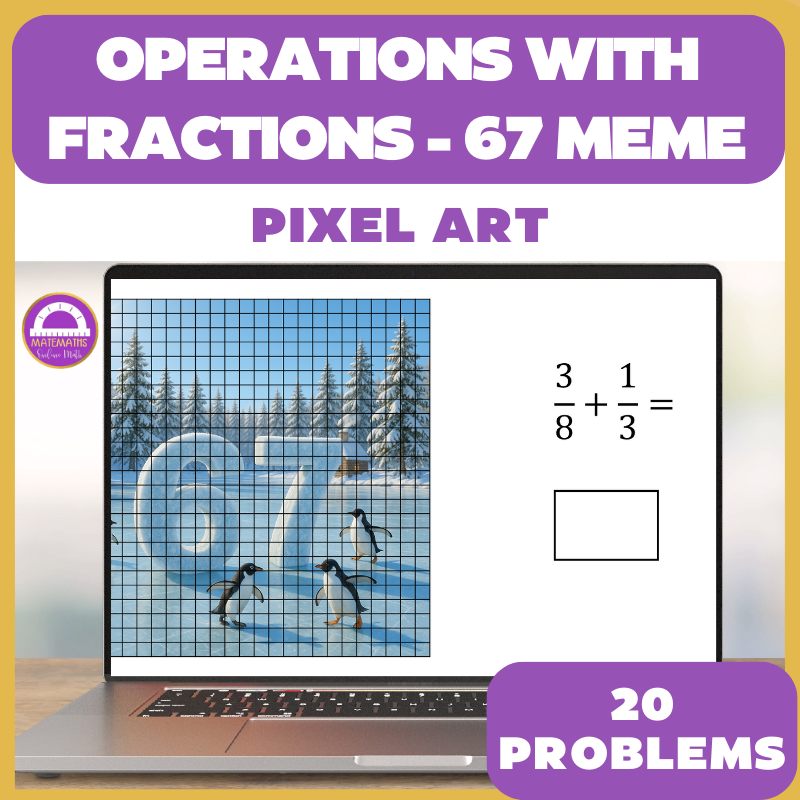
67 Meme Winter Fraction Operations Pixel Art
Practice fraction operations (addition, subtraction, multiplication, division) through a winter-themed pixel-art reveal activity tied to the '67' internet meme trend.
6,649 resources
Explore sub-categories
104 sub-categories · 6,649 resources
Practice fraction operations (addition, subtraction, multiplication, division) through a winter-themed pixel-art reveal activity tied to the '67' internet meme trend.
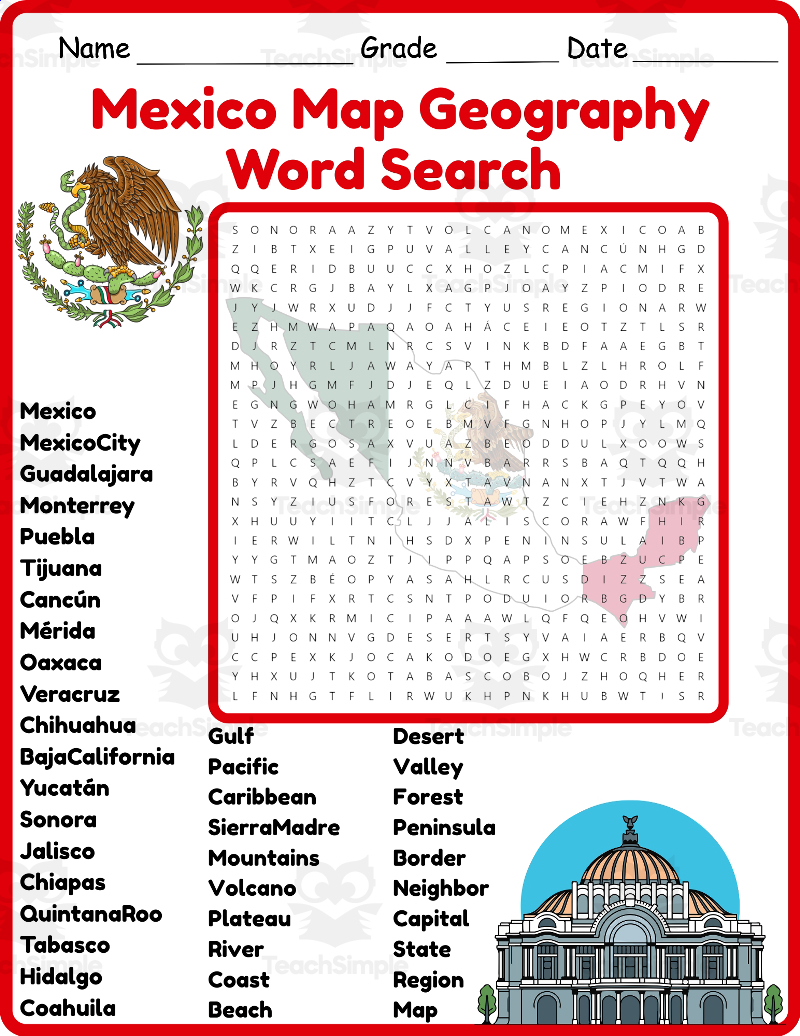
A single no-prep vocabulary word-search worksheet built around Mexico map/geography terms for elementary grades.
This is an adult-facing guide, not a student worksheet: parents/caregivers read the introduction and grade-specific chapters to understand visual-learning traits at each level and apply strategies to support their child's learning at home and advocate for them at school.
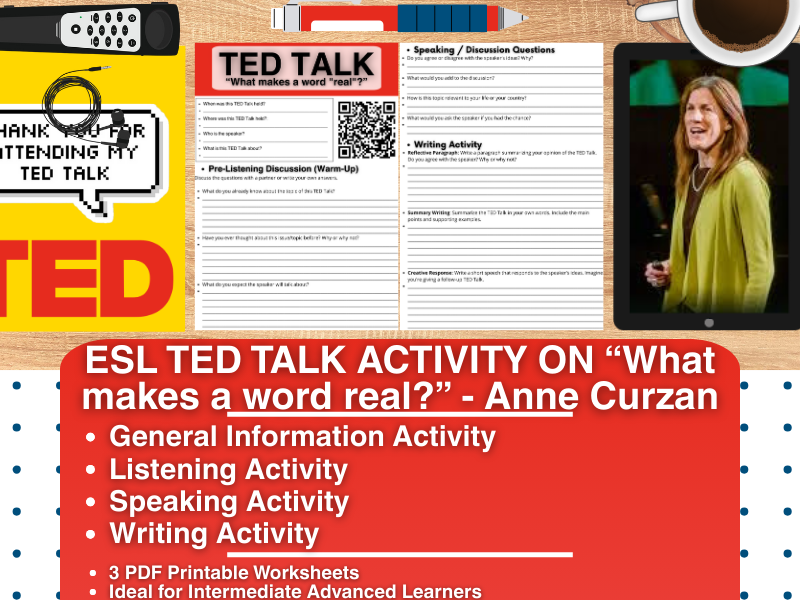
Watch/listen to the referenced TED Talk outside the worksheet, then: fill in when/where the talk was held, the speaker, and the topic; answer pre-listening discussion questions with a partner or independently; record 10 new vocabulary words and their meanings; check a box for the talk's main purpose…
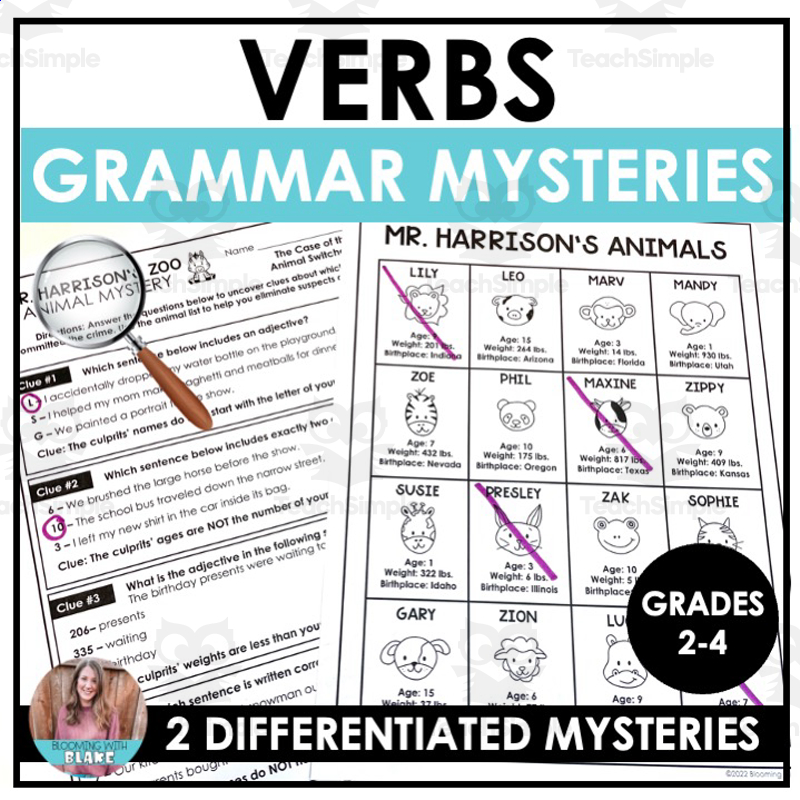
Answer multiple-choice grammar questions (identifying verbs in sentences, choosing correct verb tense forms, counting verbs in a sentence) where each answer provides a clue (e.g. name length, age, weight, birthplace) used to eliminate animal suspects from a list until one remains guilty; then write an extended narrative about what…
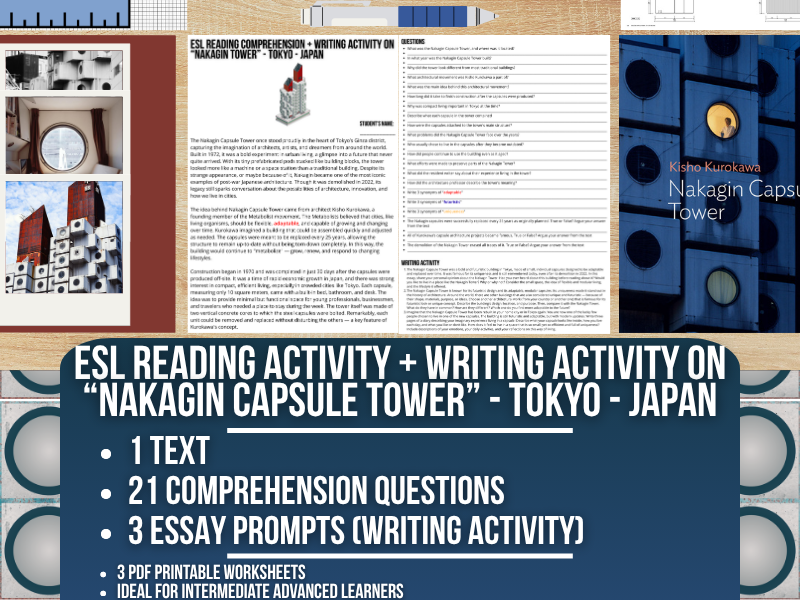
An ESL/EFL reading comprehension and writing worksheet packet built around an informational passage about the Nakagin Capsule Tower, Tokyo, used to build reading comprehension, vocabulary-in-context, and essay-writing skills.
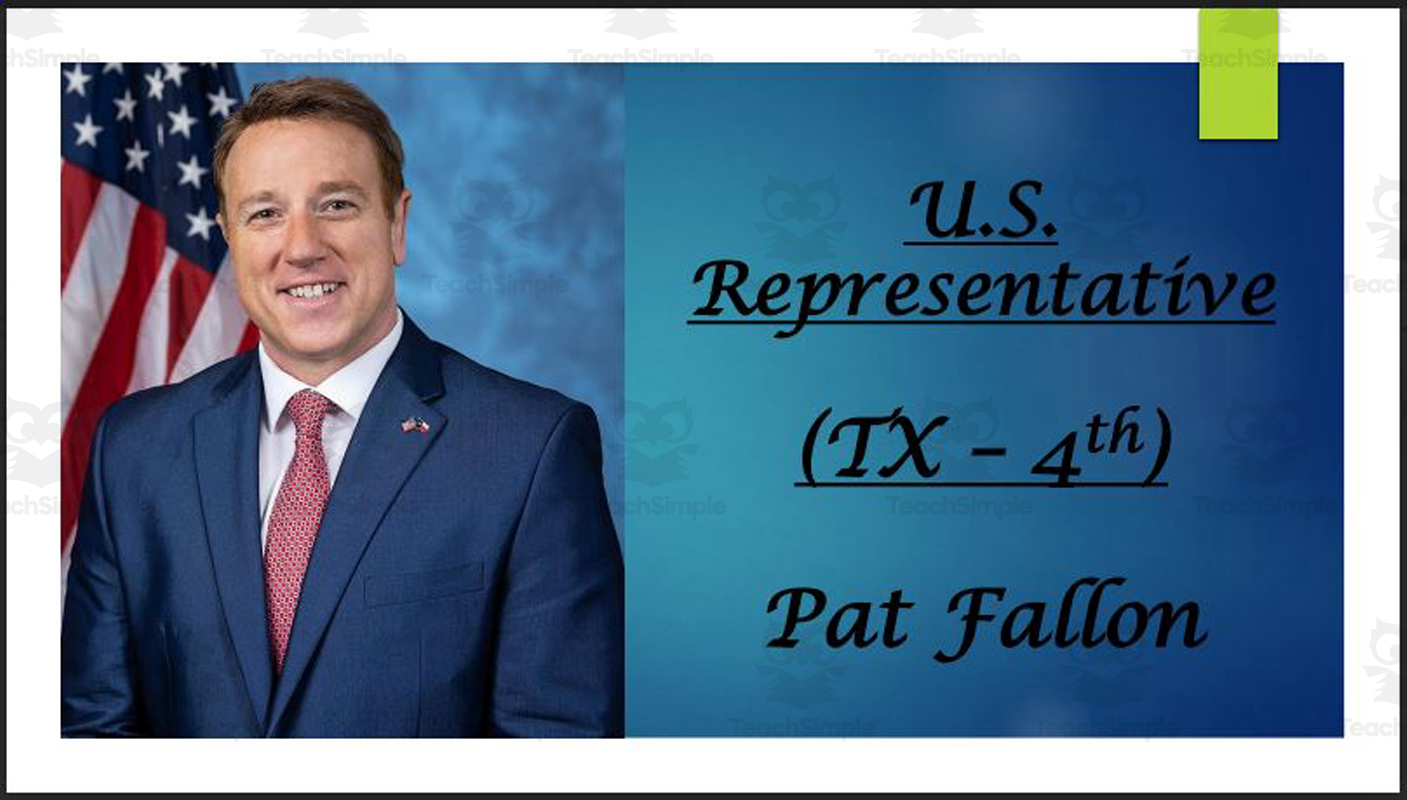
A slide-by-slide biography of one sitting U.S. Representative, presenting their background, education, career, and congressional record for classroom instruction on government/civics or modern U.S. history.
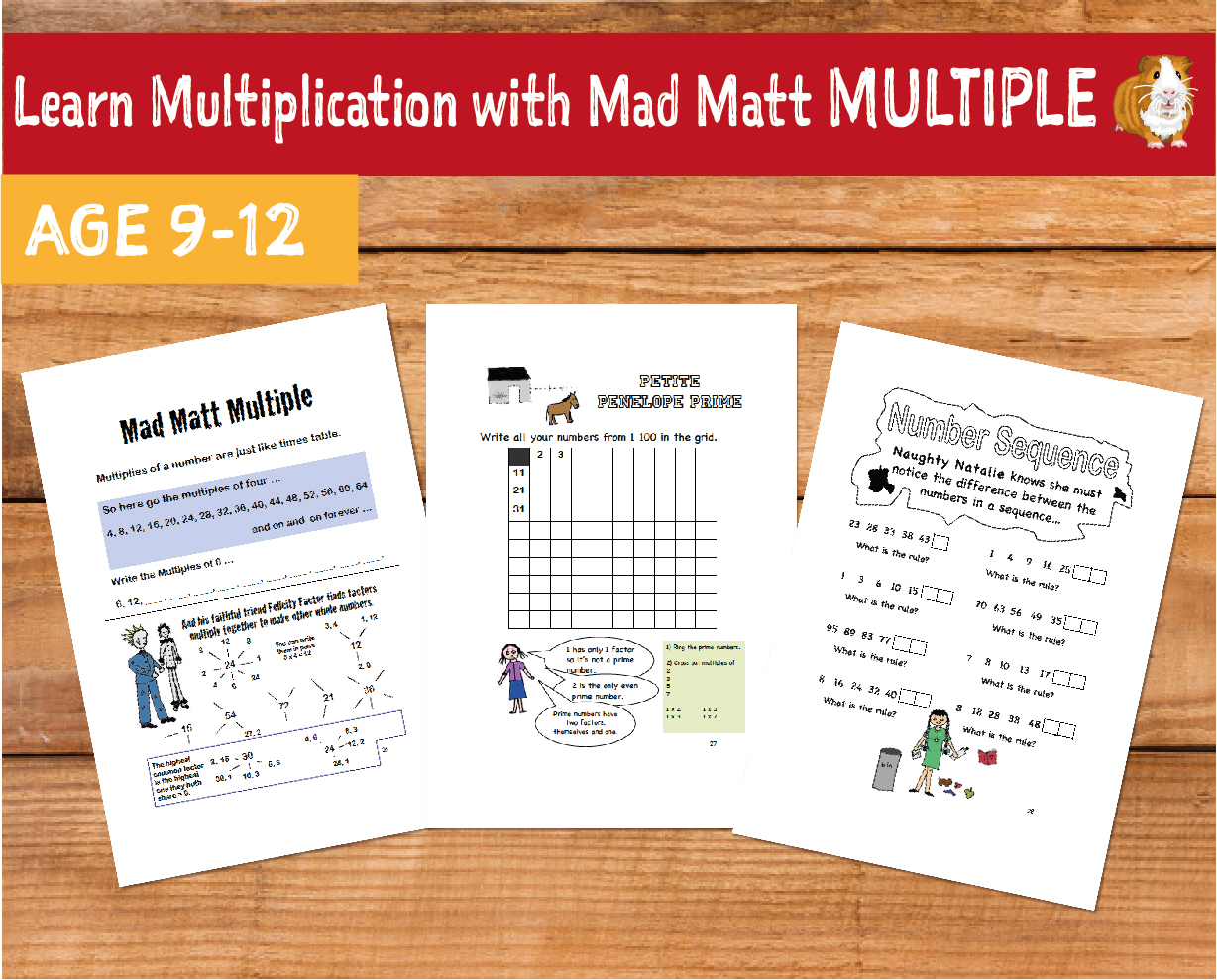
Teach multiplication concepts - multiples, factors, prime numbers, number sequences, and times-tables fluency (including 11s and 12s) - through a character-led math work pack.
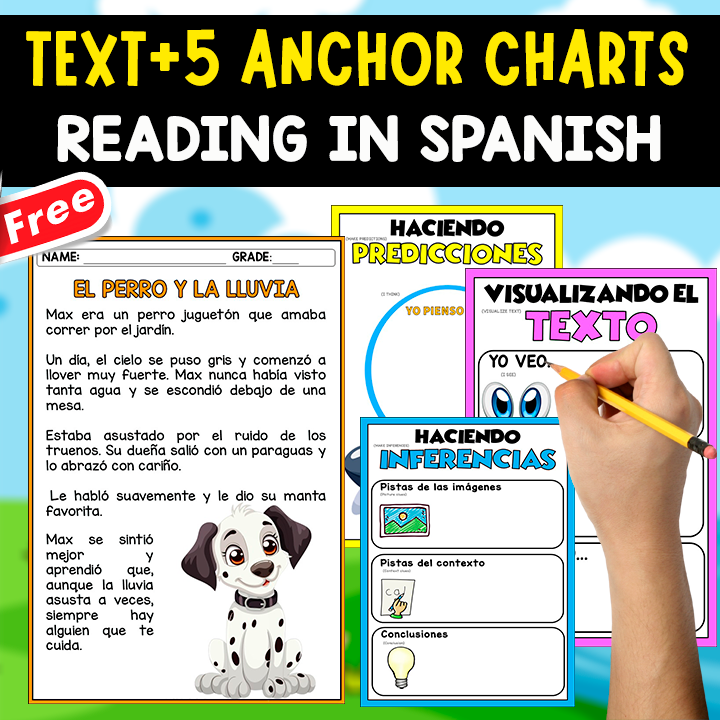
Students read the Spanish story "EL PERRO Y LA LLUVIA" (a dog named Max who is frightened by a thunderstorm and is comforted by his owner), write their name and grade, answer 5 open-ended comprehension questions about the story, fill in a glossary worksheet (word/meaning), and use four anchor chart pages to record predictions,…
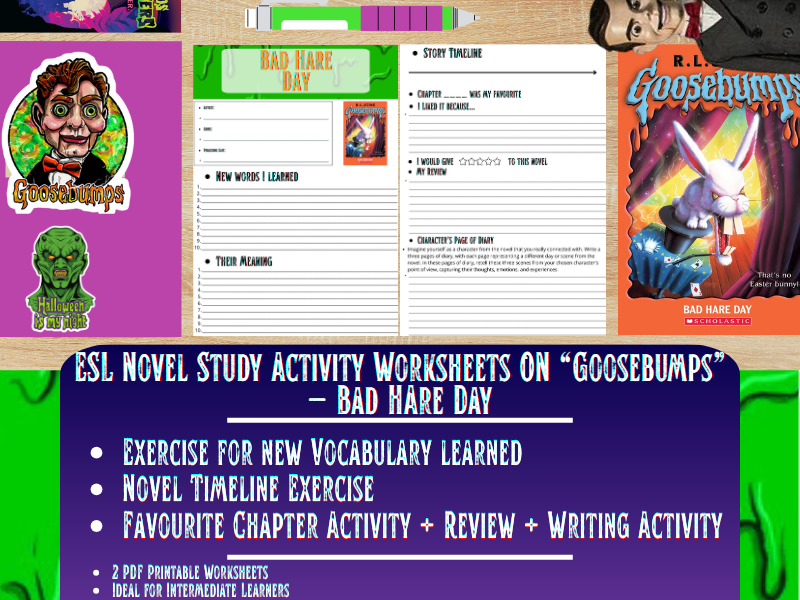
Post-reading novel-study worksheet for "Bad Hare Day": has students record the novel's author, genre, and publishing date, build a 10-word vocabulary/definitions list, reflect on a favourite chapter, rate and review the novel, and write a three-part diary entry from a character's point of view.
Complete a mix of tasks: color a key-based picture and tally how many of each color/shape appear ('Dressed in Sheets' activity), write your name in a special 100th-day style, color and assemble a wearable bracelet and a paper crown, complete open-ended sentence starters ('If I had 100 ___, I would ___', 'If I had $100, I would ___',…
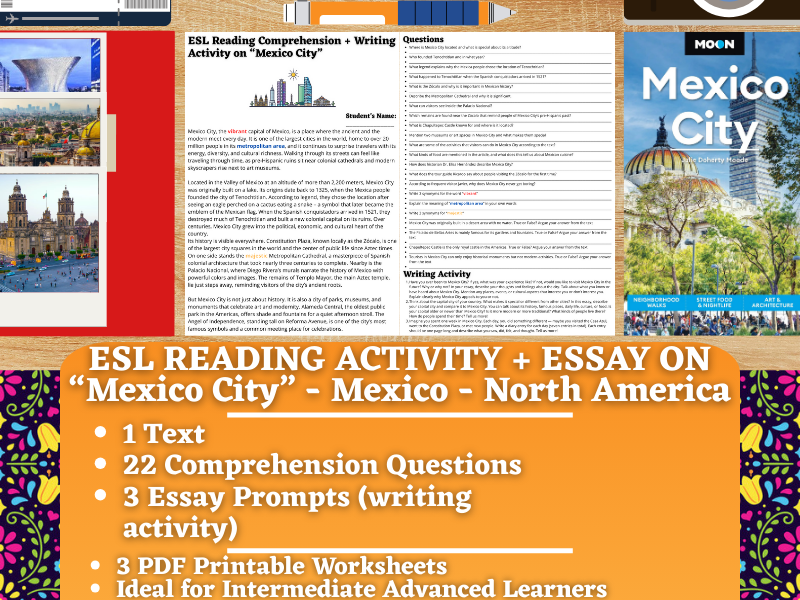
An ESL/EFL reading comprehension and writing worksheet packet built around an informational passage about Mexico City, Mexico, used to build reading comprehension, vocabulary-in-context, and essay-writing skills.
Discuss in pairs and answer worksheet questions analyzing challenges from Rome's expansion (e.g. the Gracchus brothers' reforms and assassination, the slave revolt led by Spartacus, and the rise of military generals such as Julius Caesar) to explain why the Republic fell.
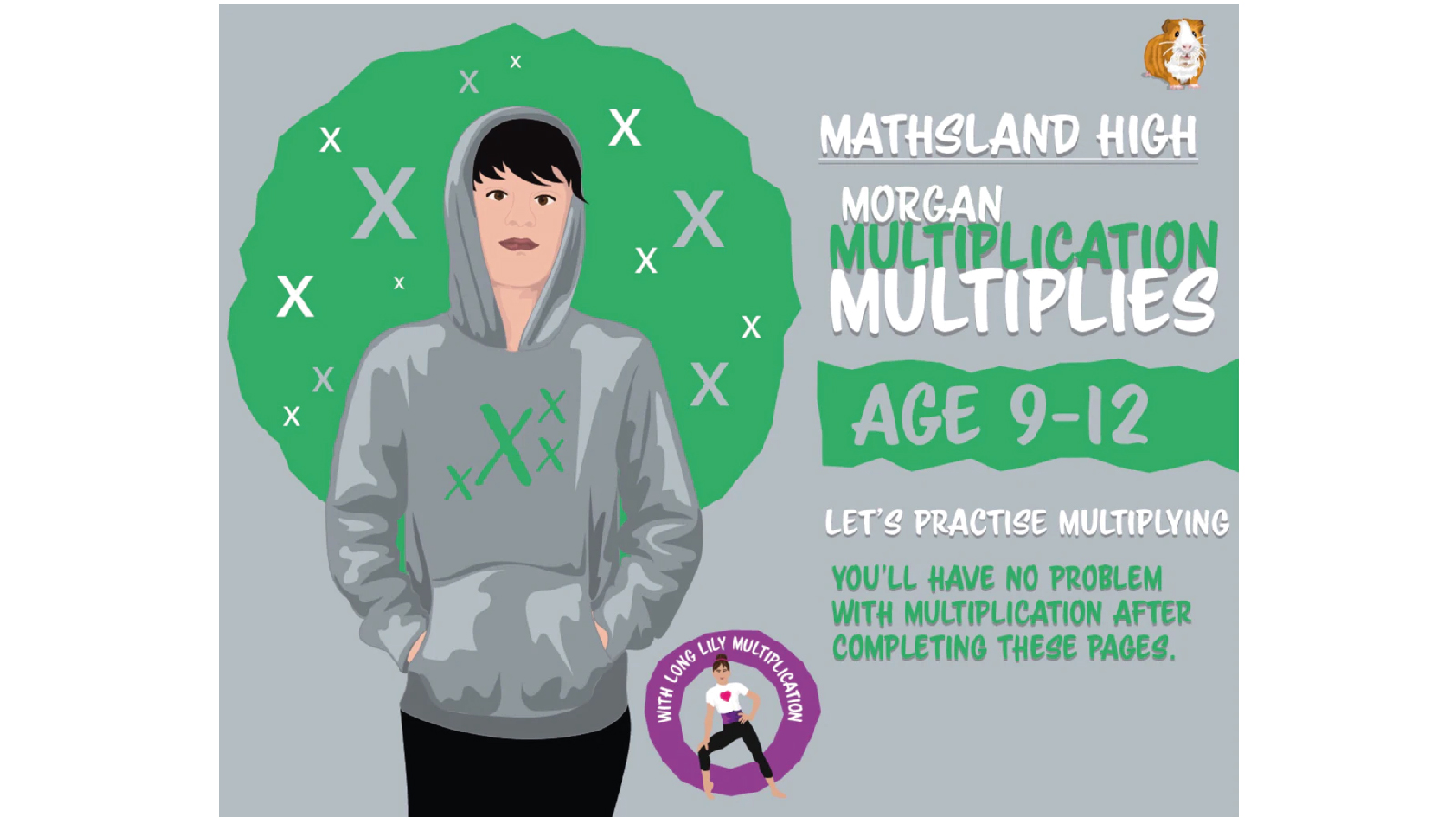
Teach and drill single-digit multiplication tables (2-12) and then apply that fluency to long (multi-digit) multiplication practice, framed around a 'Morgan Multiplier' character.
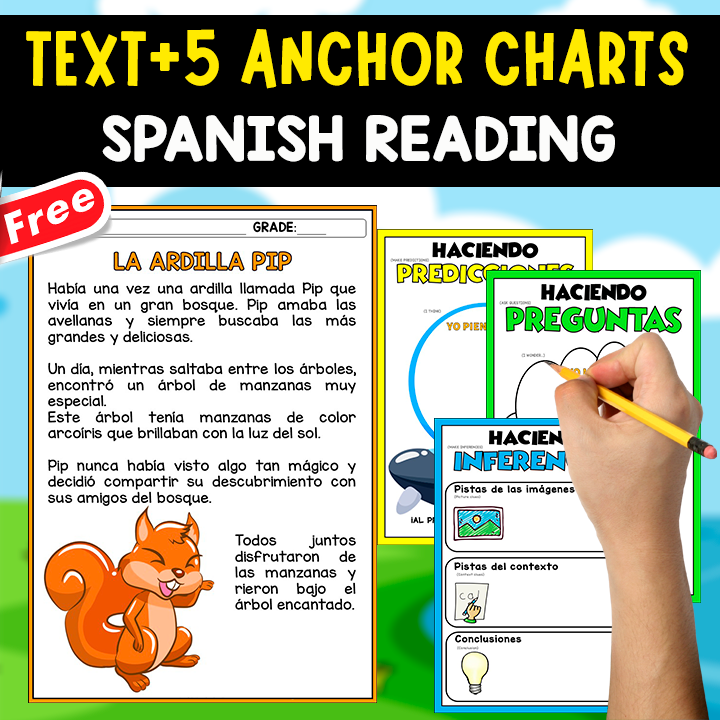
Students read the Spanish story "LA ARDILLA PIP" (a squirrel named Pip who finds a magical rainbow-colored apple tree and shares the discovery with forest friends), write their name and grade, answer 5 open-ended comprehension questions about the story, fill in a glossary worksheet (word/meaning), and use four anchor chart pages to…
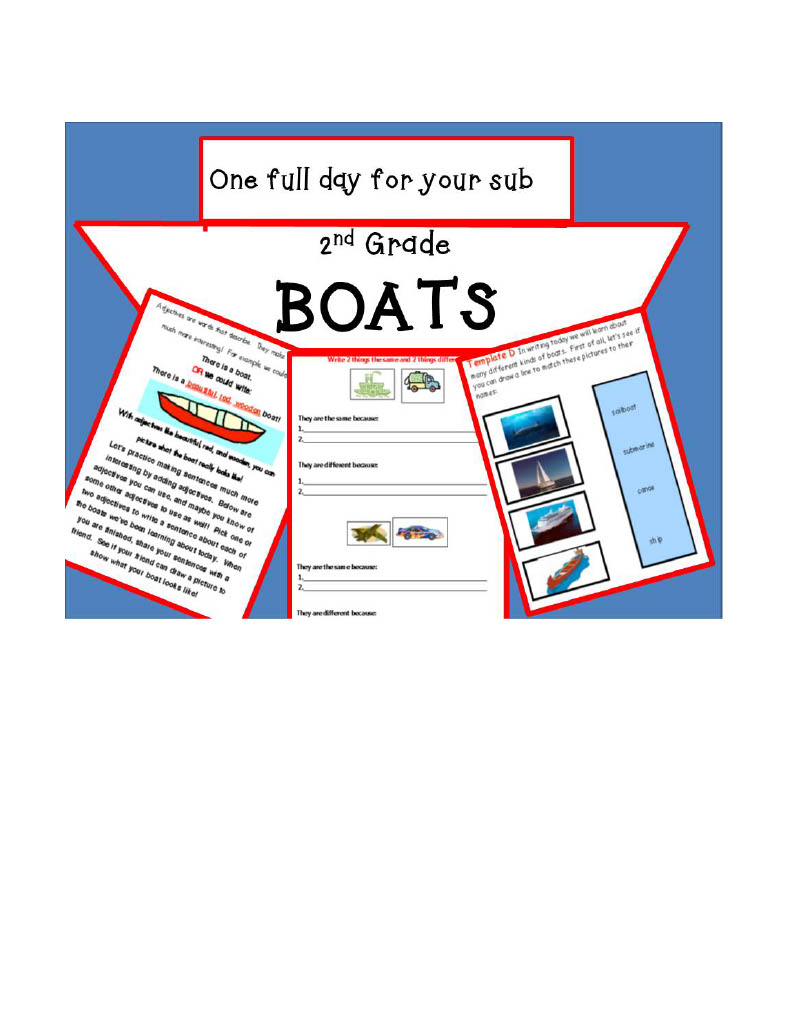
A full-day, ready-to-use substitute-teacher lesson plan for 2nd grade built around a 'boats' theme, integrating reading response, math, writing, and social studies activities aligned to Common Core standards.
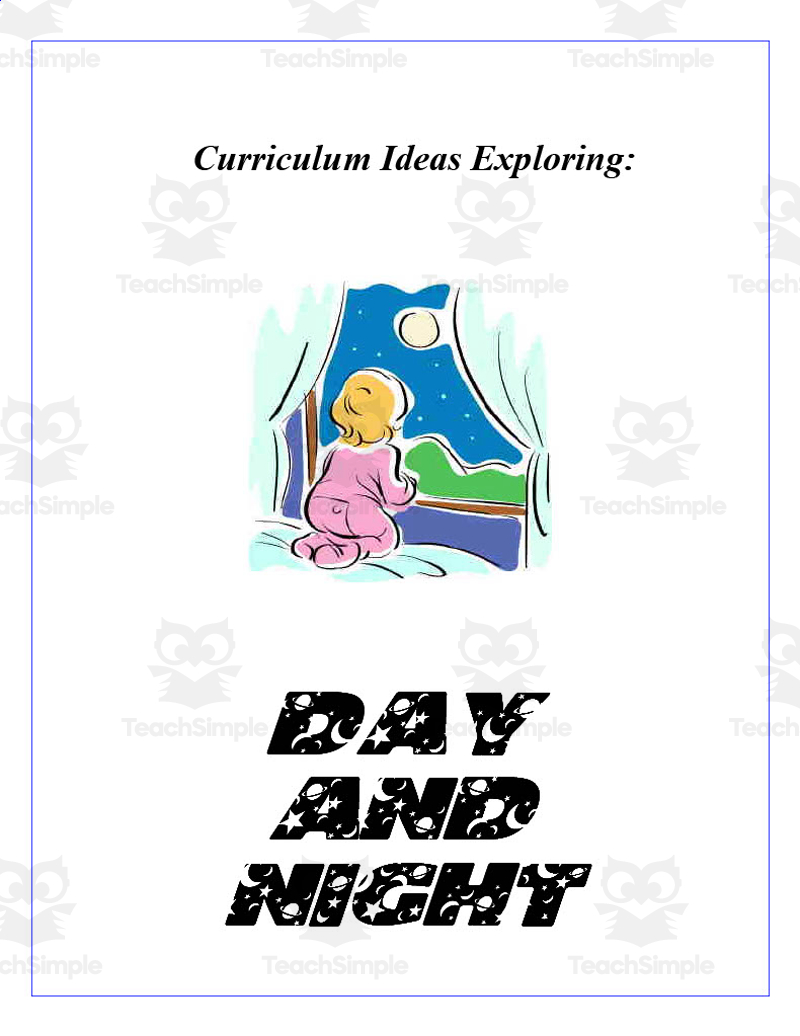
Participate in art projects (starry night pictures, sun crafts, shadow tracing), sensory/science activities (globe/flashlight day-night demonstration, shadow measuring), math activities (counting, sequencing, comparing), movement games, circle-time discussions, and dramatic play centered on day/night themes.
ESL/EFL reading comprehension and writing-skills worksheet built around a nonfiction passage about museums (history, exhibition design and roles of museum staff), used to build reading comprehension, vocabulary and extended writing practice for teen English learners.
Read or listen to two chapters per day, watch a suggested video, complete pre-reading and KWL worksheets, answer chapter quiz questions, learn vocabulary words, and complete a daily hands-on activity (make a Roman mosaic, draw a Roman soldier, make a Roman helmet, make a Roman shield, make clay Roman coins).
Multiplication fluency practice moves between organized fact sets and mixed drills. Core pages work with factors from 2 through 9, while extension sections introduce 11, 12 and 13. Several layouts split a page into smaller practice blocks, making it possible to choose the amount of work before setting a timer. Supplied answer pages cover the drill sets, and an additional ABCs of Multiplication practice page offers another review format.
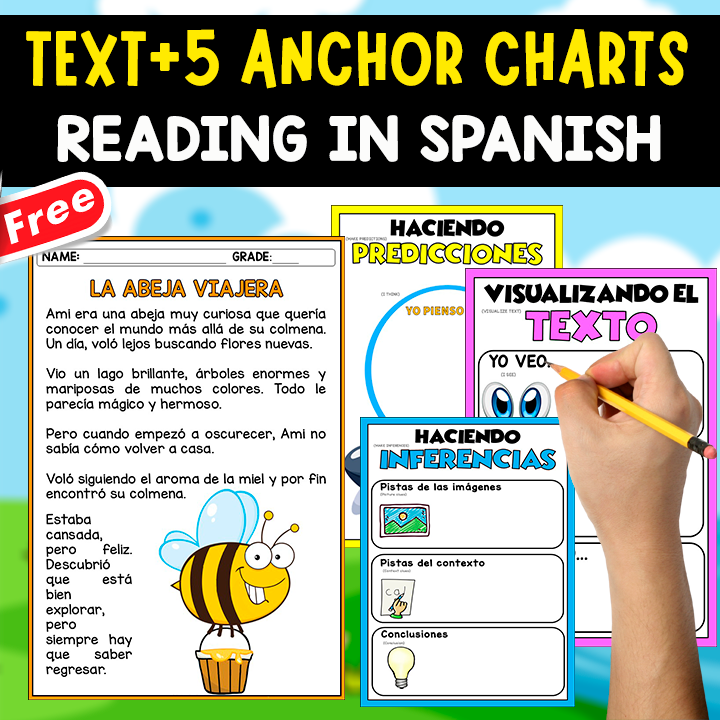
Students read the Spanish story "LA ABEJA VIAJERA" (a bee named Ami who explores beyond her hive, gets lost at dusk, and follows the scent of honey back home), write their name and grade, answer 5 open-ended comprehension questions about the story, fill in a glossary worksheet (word/meaning), and use four anchor chart pages to record…
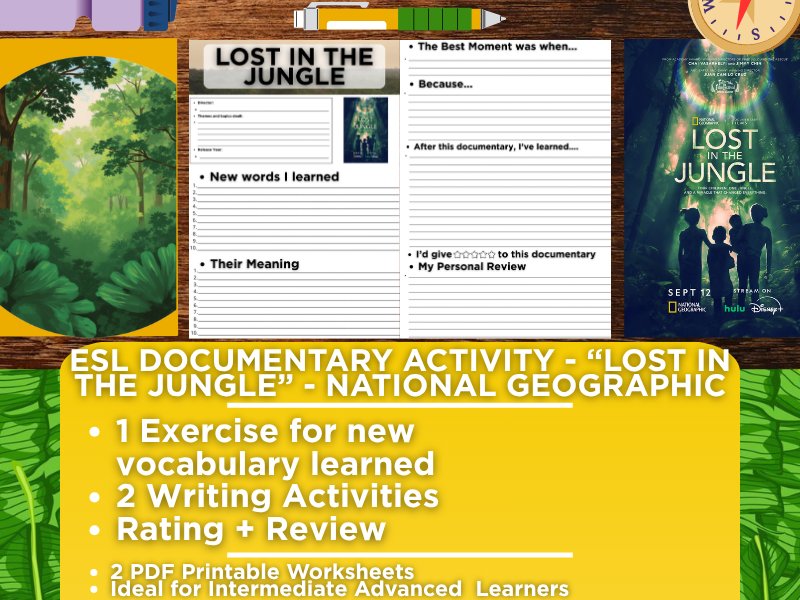
A fill-in worksheet for students to record and reflect on watching the documentary 'Lost in the Jungle'.
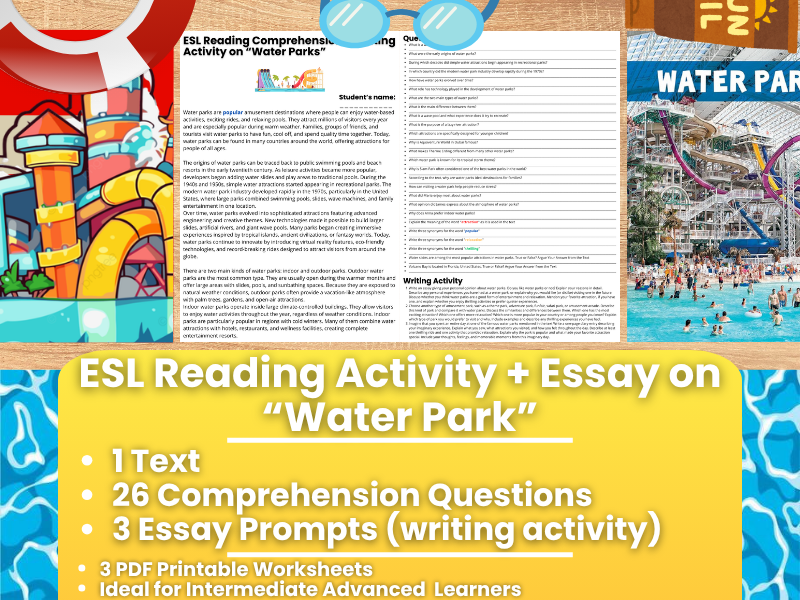
Gives ESL/EFL students a reading-comprehension and writing-practice worksheet built around a nonfiction article on the history of water parks, their types/attractions, and several famous international examples.
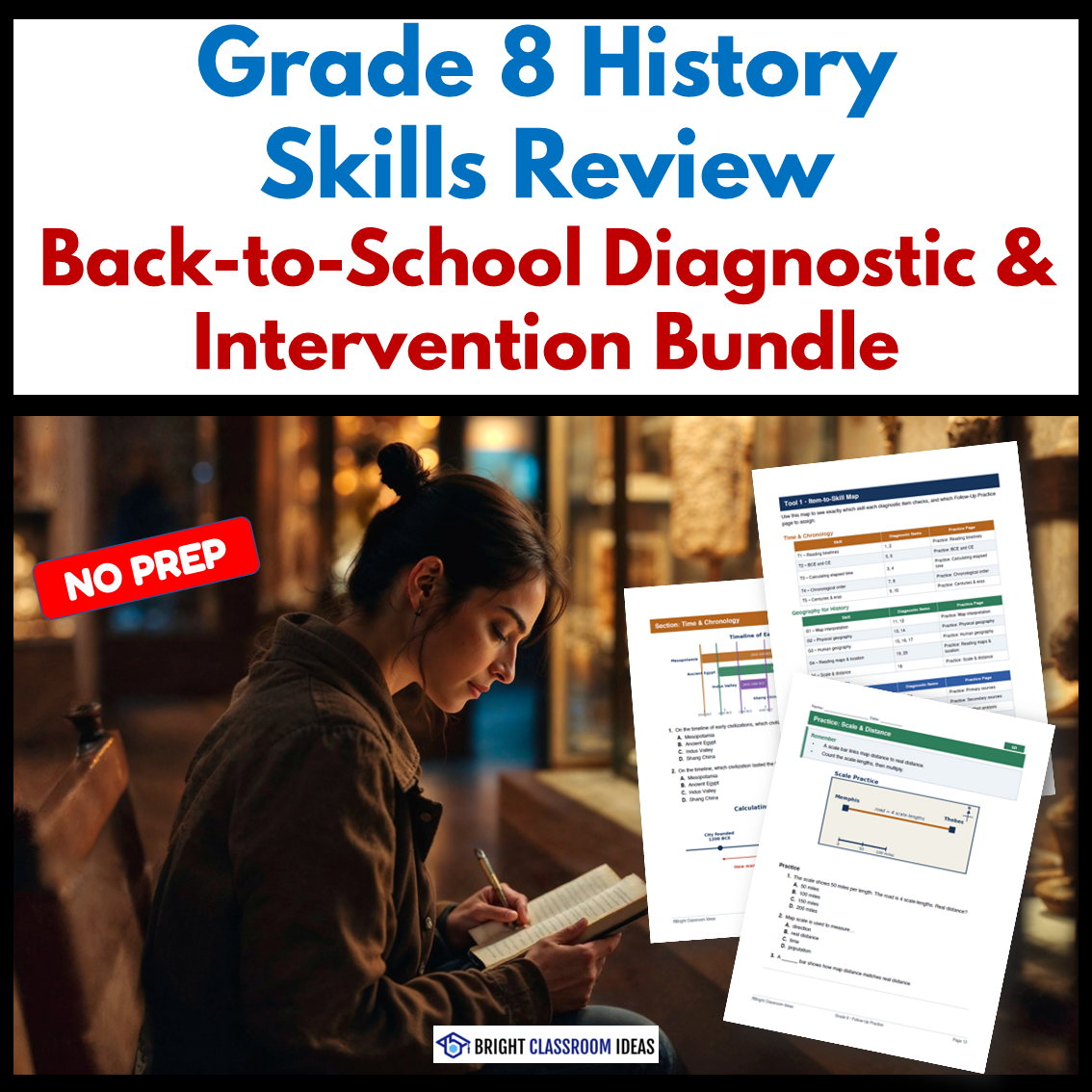
Students complete a 46-item review (44 multiple-choice items plus 2 written-response items, including a mini document-based-question analysis) using primary sources, diagrams and data, marking answers on a bubble/written-response answer sheet; after scoring, students identified with skill gaps complete matched Follow-Up…