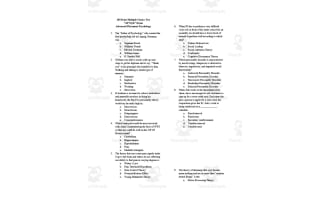
AP Psychology Lecture Slides: Personality Theory


- Grades
- Grades 10–12, High School
- File type
- Microsoft PowerPoint
- Editable
- Yes


- Subject
- Social Studies, Psychology
- Topic
- psychology, presentation
- Resource types
- Presentations, Teacher Tools
- Editable
- Yes
About this resource
What's inside this resource
Product description
From the author
This resource is a AP Psychology Lecture Slides: Personality Theory
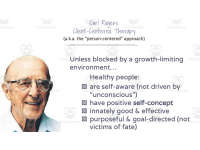
These slides are a great introduction to concepts such as trait theory and humanistic approach.
Within this lecture presentation, students will dive deep into these psychology topics.
Videos and activities are included within the presentation.
Related resources
More resources teachers may find useful
24 related resources were found using this product's title, contributor, categories and tags.


In the classroom
Teaching tips & learning objectives

Learning objectives
Students compare four approaches to personality — psychodynamic, trait, humanistic and social-cognitive — identifying each approach's core claim about how personality forms.
Students explain trait theory's key models, including Allport's trait hierarchy, Cattell's 16 PF, and the Big Five (OCEAN) framework, and describe scientific criticisms of trait theory.
Students apply the concept of reciprocal determinism and locus of control to real examples, such as attributing a poor grade to internal versus external, stable versus unstable causes.

Teaching tips
Use the attributional-style grid on the low-grade example slide as a discussion starter, having students generate their own internal/external, stable/unstable examples before revealing the slide's.
Because the deck is a fully editable .pptx, insert additional example slides or discussion questions at the humanistic-psychology section to extend class time.
Pair the locus-of-control and learned-helplessness slides with a short reflective writing prompt asking students to identify their own attributional style.

Skills covered
Comparative theory analysis — students distinguish psychodynamic, trait, humanistic and social-cognitive explanations of personality.
Critical evaluation of psychological models — students weigh criticisms of trait theory, such as reliance on self-report data and the person-situation controversy.
Applying attribution concepts — students classify explanations for events, such as a poor grade, along internal/external and stable/unstable dimensions.
Good to know
Questions teachers ask about this resource
Which personality assessment methods does the deck cover?
Projective tests (Rorschach Ink Blot, Thematic Apperception Test, Person-Tree-House), personality inventories (MMPI, Myers-Briggs, Big Five Test), and direct observations and interviews.
How much depth does the deck give to Freud's psychodynamic approach?
It appears as one of four approaches on the opening overview slide, and the lecture then develops trait, humanistic and social-cognitive theories in greater depth across the remaining slides.

No reviews yet
Downloaded this resource? Tell other teachers how it went.
Resource details
Concepts & topics
Core concepts
 Core concepts
Trait theory
Big Five (OCEAN)
Humanistic psychology
Social-cognitive perspective
Locus of control
Topics
 Topics
Explore more
Categories this resource belongs to
Explore related searches
More to explore
You may also like