canada Map Geography Word Search 2rd 3th 4th 5th Grade worksheet
- Grades
- Grades 2–5, Elementary
- Pages
- 4
- File type
- Preparation
- Print ready


- Subject
- ELA, Social Studies, Spelling, Language Development, Vocabulary, Geography
- Topic
- Canada, Map
- Resource types
- Worksheets, Worksheets & Printables
- Preparation
- Print ready
Product description
From the author
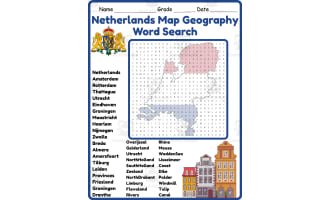
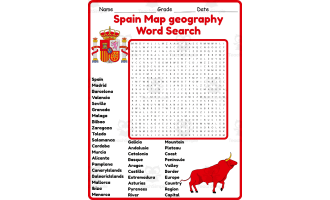
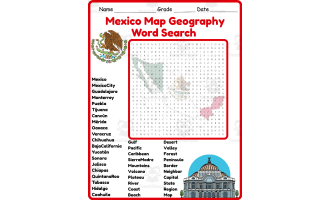
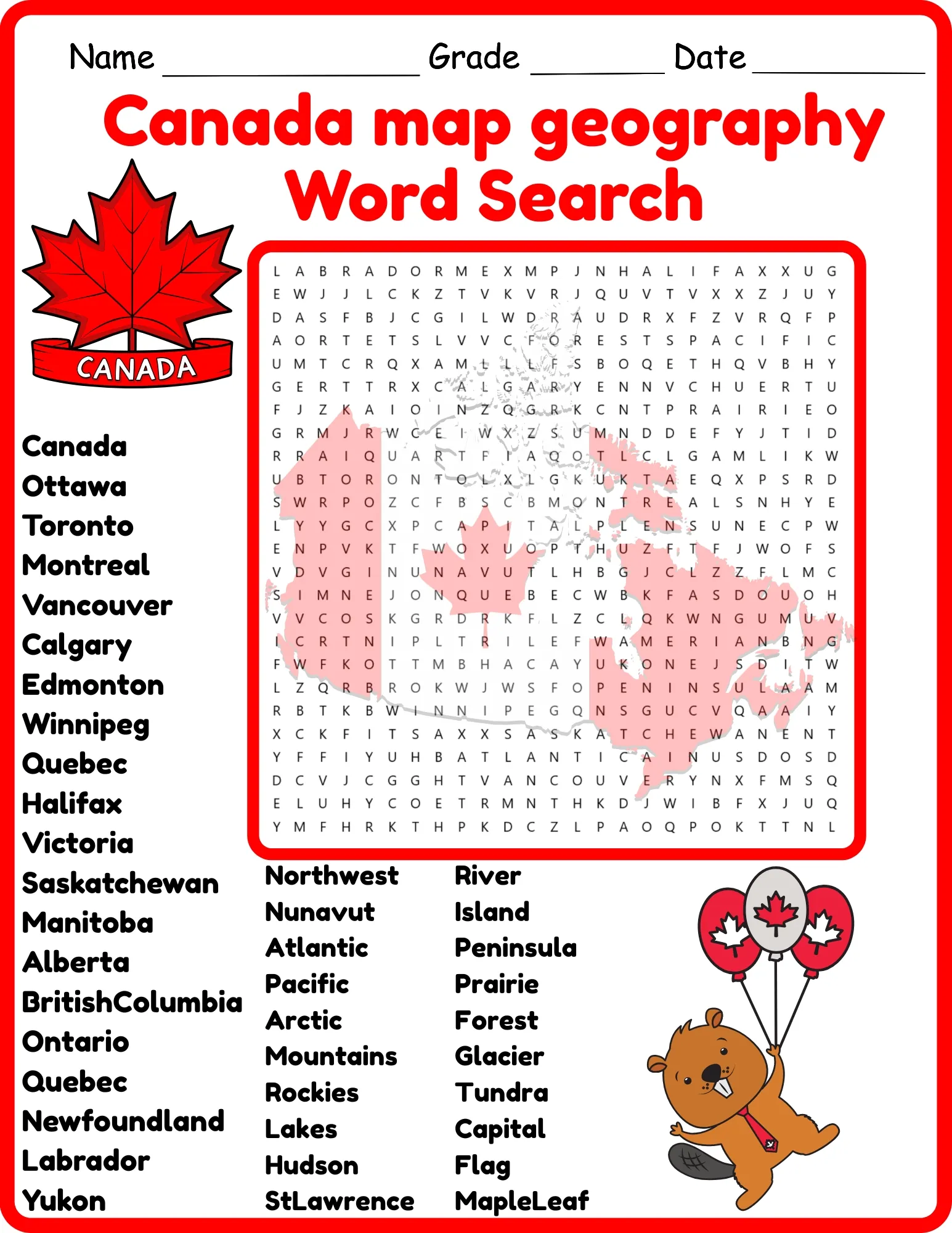
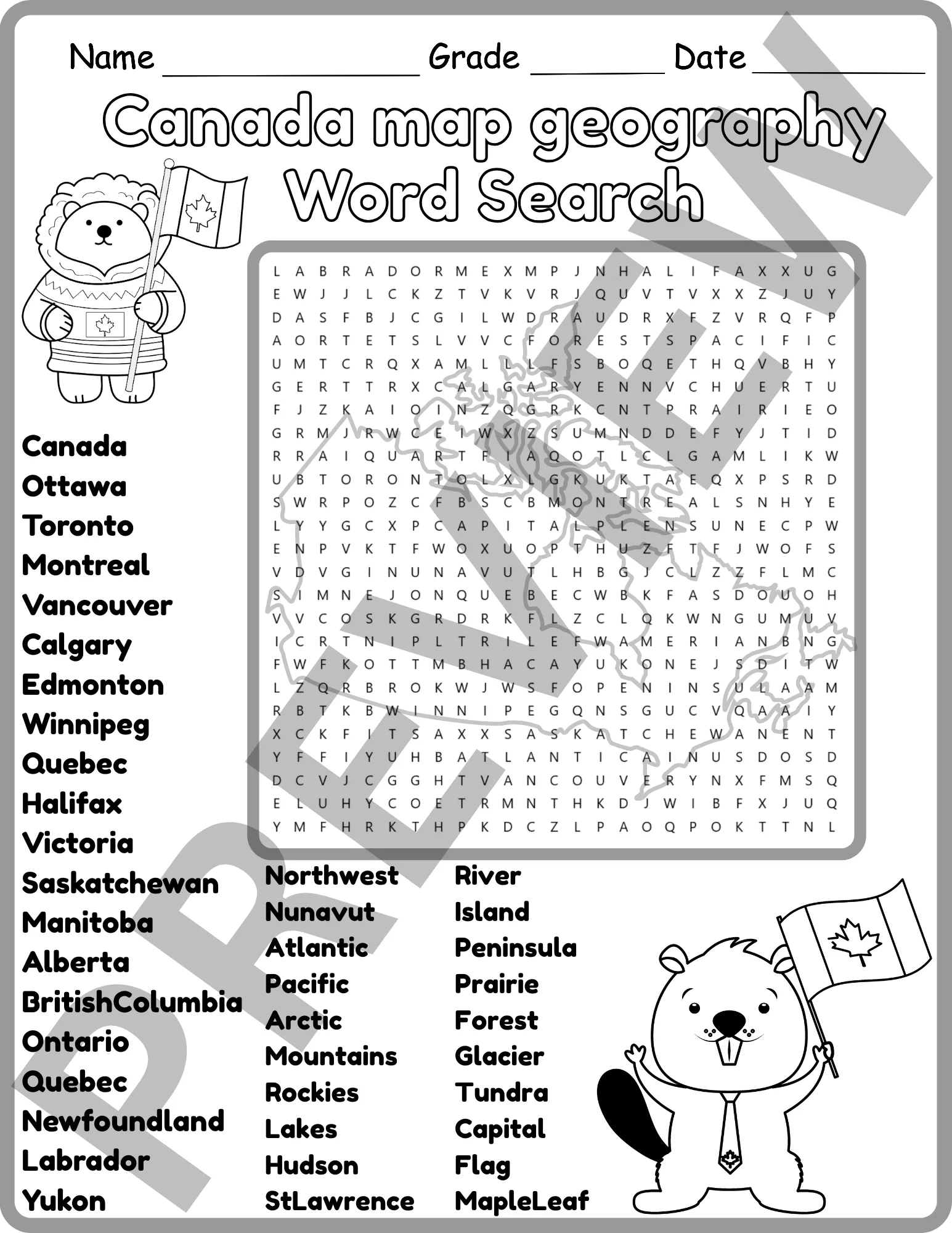
Search for selected Canadian place names and geography words, including Ottawa, Saskatchewan, prairie and glacier. Four pages present the same grid and forty-entry word bank in two illustrated layouts, each in color and black-and-white.
No marked answer key is included. Quebec appears twice in the list, and several multiword entries are joined together. Preview the vocabulary before searching; this is a vocabulary puzzle rather than a complete province-and-territory reference.
Related resources
More resources teachers may find useful
24 related resources were found using this product's title, contributor, categories and tags.

In the classroom
Teaching tips & learning objectives

Learning objectives
Recognise the written form of Canada's major cities, provinces and territories
Read compound place names as single unbroken strings, as they appear in the letter grid
Connect Canadian place names to the physical vocabulary that describes the country - prairie, tundra, glacier, peninsula

Teaching tips
The list already sorts itself into cities, provinces and territories, water and landforms, and national symbols - reading it out in those groups before students start turns the puzzle into a preview of the unit
Multi-word names are run together as BritishColumbia, StLawrence and MapleLeaf, which is worth pointing out before students begin looking
The sheet carries a Grade line as well as Name and Date, so it can be issued across more than one year group and filed by class

Skills covered
Canadian place-name recognition - students search for selected province and territory names alongside city names, from Halifax to Victoria.
Visual word scanning - forty entries have to be located in a letter grid, which trains left-to-right and diagonal tracking.
Geographic vocabulary - the list mixes proper names with the physical terms that describe Canada: tundra, prairie, glacier, peninsula, island and river.
Good to know
Questions teachers ask about this resource
Does the word search include every Canadian province and territory?
No. The word bank combines selected Canadian place names with landforms and general geography terms. Use it for vocabulary practice rather than as a complete province-and-territory reference.

No reviews yet
Downloaded this resource? Tell other teachers how it went.
Resource details
Concepts & topics
Core concepts
 Core concepts
Geography
Canada
Word search
Vocabulary
Topics
 Topics
Explore more
Categories this resource belongs to
Explore related searches
More to explore
You may also like