Extreme Survival Stories Book: Reading and Writing Worksheets



- Grades
- Grades 5–7
- Pages
- 68
- File type
- Answer key
- Included


- Subject
- ELA, Reading Comprehension, Writing
- Topic
- Survival stories, Nonfiction reading
- Answer key
- Included
Product description
From the author
The Extreme Survival Stories Book: Reading and Writing Worksheets resource was created with reluctant readers in mind. The goal is that these survival stories grab the young reader's attention. Students can increase their reading and comprehension skills through these stories. The stories are written with vivid details and there are worksheets to follow. All of the activities vary from story to story to keep students engaged. This is a 68-page download.
Related resources
More resources teachers may find useful
24 related resources were found using this product's title, contributor, categories and tags.

In the classroom
Teaching tips & learning objectives

Learning objectives
Read an extended non-fiction account and answer literal comprehension questions about who, when, how long and what happened
Meet difficult vocabulary in a pre-taught list and then recognise it inside a running text
Research a related topic from a supplied starting point and report back, as with living fossils, the first ascent of Everest or an extreme weather hazard

Teaching tips
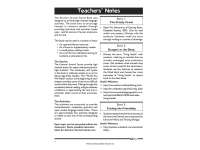
The teachers' notes say the vocabulary in the Words You Will Need list should be talked through before reading, which is the step that makes these stories work for a reluctant reader
Use the comprehension work to establish the account’s details before assigning a related opinion or discussion task
The extension websites in the teachers' notes should be previewed before they go to students: they date from the book's research and include Wikipedia articles and at least one advocacy site rather than a neutral reference

Skills covered
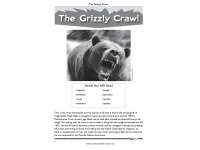
Non-fiction comprehension - each story is followed by an Activity of numbered questions answered from the text, from Hugh Glass's profession to how long the trappers stayed with him.
Vocabulary in context - a Words You Will Need list precedes every chapter, and its words then appear inside the story, so students meet them pre-taught and then in use.
Creative writing from factual material - students write a new ending, script a cartoon, conduct an interview or write a letter home in a trapped miner's voice.
Good to know
Questions teachers ask about this resource
How is each story followed up?
With about five activities. A comprehension Activity comes first, then a Word Page working antonyms, synonyms, word classes or word families from the story's own vocabulary, then open tasks that extend the topic - Bear Aware, Shark Facts, Sort It Out, A New Ending, Treasure Underground and the rest.
What support does the book give a reluctant reader?
A pre-taught vocabulary list at the head of every chapter. The first story's reads supplies, bloodied, scalp, remedies, tough, panicked, hostile and gaping, and the teachers' notes ask for those words to be talked through before reading so students recognise them in the text.
Do the teachers' notes point beyond the book itself?
Yes - one extension per story, each with research suggestions. They include reading The Deliverance of Dancing Bears alongside the first story, researching living fossils for the shark chapter, writing an account of Hillary and Tenzing's Everest ascent, producing a travel-safety pamphlet after the Nevada story, and writing a letter home in the voice of a trapped miner.

No reviews yet
Downloaded this resource? Tell other teachers how it went.
Curriculum
Standards, concepts & topics
Standards
 Standards
- RI.6.1
- W.6.9
Core concepts
 Core concepts
Non-fiction reading
Survival and endurance
Vocabulary development
Opinion writing
Creative writing
 Topics
Explore more
Categories this resource belongs to
Explore related searches
More to explore
You may also like