3,890 products added recently
Page 81 - Elementary
Discover a variety of activities tailored for elementary students that make learning fun and effective. These resources include games, hands-on projects, and collaborative tasks across subjects. Incorporate them to create an energetic and nurturing classroom where students thrive.
6th Grade Math Spiral Review Escape Room Week 1 Day 2
Math, Grade 5, 6, 7, Worksheets, Worksheets & Printables, Teacher Tools, Activities, Escape Room
This quick, self-checking activity can be used in your classroom for daily spiral review or warm-ups (with a fun Escape Room/Sci-Fi Mission Impossible theme!) Mission 2 is designed to take about 10 minutes, and works well at the start of class, to fill time during transitions, or as a short review at the end of a lesson. Students answer five math questions on a single interactive page. The answer to each question is a single digit, and students use those five digits to generate a five-digit numeric code. When the correct code is entered, the mission is complete! If the code is incorrect, students are prompted to check their work and try again, so the activity is fully self-checking and easy to use independently. The structure is simple and consistent, so this activity is perfect for using as part of your daily routine. Students quickly catch on to how it works, and you don't have to spend time explaining directions each day. There is no prep required and everything is ready to assign. A printable worksheet version is included, along with an answer key and the code, so that these are easy to use in classrooms with limited technology, for homework, or as part of a sub plan. What's Included 1 mini math escape room (Mission 2) 5 math problems on a single interactive page Printable worksheet version Answer key and final code Skills Covered Ratios Unit rates Fraction simplification Decimal comparison Order of operations Suggested Uses Daily math warm-ups or bell ringers End-of-day review Early finisher work Emergency substitute plans Teacher-Friendly Features No prep required Self-checking format Clear, consistent structure Easy to assign and implement This mini escape room is a fun way to keep skills sharp while mixing up your daily math routine! Your students will love it and ask for more.
Author Matemaths
Rating
Tags Matemaths, Guided Notes, Worksheet, Word Problems, Adding And Subtracting Decimals, Decimals
Reading Comprehension Nonfiction Set 3 - Mammals (Slides)
ELA, Reading, Language Development, Spelling, Common Core, ESL, Vocabulary, Creative Writing, Writing, Reading Comprehension, Grade 4, 5, Teacher Tools, Presentations, Assessments, Tests, Quizzes and Tests, Activities
Reading Comprehension Passages Nonfiction Set 3 Overview No prep reading comprehension lessons, with enjoyable articles and topics. Each lesson has a blend of post-reading activities. Mixed questions to check overall understanding. Vocabulary activities, plus a writing section. Lessons also contain a bonus extension exercise at the end. Some you may like, some you may not, either way they are there if you wish to use them. Full answer keys are provided. Passages Include 1.Lions: Read about the second largest wild cat in this article. 2.Tiger Time: Tigers are such solitary creatures. Find out more in this lesson. 3.All About Horses: How is the author preparing to become a vet when she gets older? 4.All About Beavers: Here's all you need to know about 'nature's engineers'. 5.The Canadian Lynx: Canadian Lynxes look unique, and truly are amazing animals. 6.All About Cheetahs: The cheetah is the earth's fastest mammal. It can run as fast as 70 miles an hour! Slides Version This is the Slides editable and fillable version. This download is available in GOOGLE Docs, GOOGLE Forms, GOOGLE Slides. PDF, PPT, WORD. Browse the Complete Cored Catalog — 2,000+ Resources Included Reading Passages Each reading passage has been written specifically for students in Grades 4–5, using vocabulary and language that match their age and ability level. The collection covers a wide range of engaging topics, supported by colorful visuals that help bring the content to life. Every lesson is designed to build knowledge while keeping students interested and motivated to read. These resources are also designed with flexibility in mind. Unlike traditional textbooks that can quickly become outdated, lessons can be updated over time to reflect changes in technology, discoveries, and the world around us. Mixed Questions Every lesson includes a variety of questions that help students think more deeply about what they have read. The question section combines reading comprehension, vocabulary, and math skills, while also regularly reinforcing important reading strategies such as cause and effect, summarizing, compare and contrast, and drawing conclusions. Most lessons include a mix of multiple-choice and written-response questions, giving students opportunities to explain their thinking as well as select answers. Complete answer keys and sample responses are provided at the end of each lesson for quick and easy reference. Spelling & Vocabulary Each passage introduces students to useful words and phrases appropriate for Grades 4–5. To help build confidence and word knowledge, every lesson includes a spelling or vocabulary activity. Rather than repeating the same task throughout the collection, activities vary from lesson to lesson to keep practice fresh and engaging. Activities may include spelling challenges, sentence matching, decoding activities, mixed-up text exercises, and other vocabulary-building tasks connected directly to the reading. Writing Prompts Each lesson includes a writing activity that extends the ideas, themes, or topics explored in the passage. Students are encouraged to write in a variety of formats, with prompts providing helpful guidance and ideas to get them started. Writing tasks vary throughout the collection and may include creative writing, research activities, personal responses, poetry, opinion writing, and other engaging assignments. Full Answer Keys Complete answer keys and sample responses are included with every lesson, making planning and marking quicker and easier. Reading comprehension answers include evidence and support from the text, while math-based questions show the relevant working where appropriate. The answer keys are designed primarily for teachers but can also be shared with students when needed. Just for Fun Each lesson finishes with an optional extension activity called Just for Fun . These bonus activities provide an enjoyable way to extend learning beyond the main lesson and often encourage creativity, discussion, or independent thinking. They are completely optional, giving you the flexibility to use the activities that best suit your students and classroom needs. For similar downloads and other frees, do check out Cored Group on TeachSimple.
Author Cored Education
Rating
Tags Elementary, Reading, Comprehension, Vocabulary, Answers, Ccss, Common Core, Spelling, Writing, Passages
AN Words Emergent Reader: Bigger and Smaller
ELA, Reading, Preschool, Grade 1, Activities
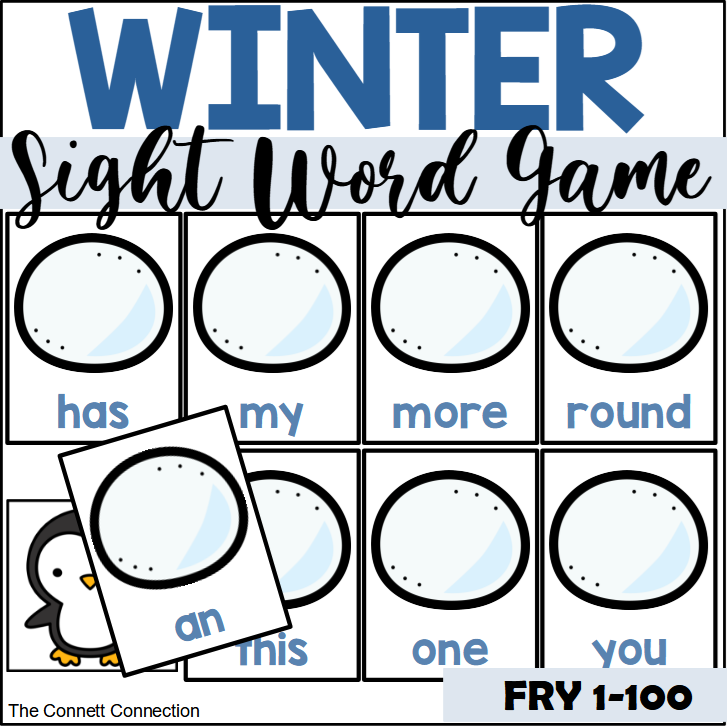
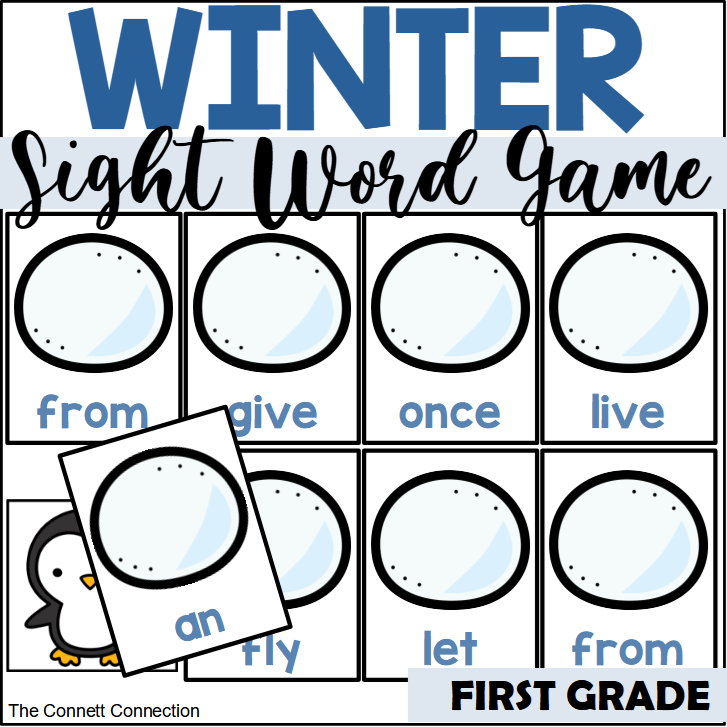
With this decodable book, you will practice reading a short story that contains CVC words and simple sight words. Kindergartners and first graders can gain practice reading words that contain the CVC words from the AN word family. What is Included: There is one emergent reader titled "Bigger and Smaller," which includes one cover page and five pages for students to color and read. How to Use: Students will color each page of the book, cut the pages apart, and then assemble the book, making sure the cover page is on top. The subsequent pages can be placed in any order and still be read with meaning. Use a stapler to attach the pages together. The repetitive nature of each page allows students to have success with reading and gives them extra practice with target words! The story and sentences in the book contain simple sight words and words from the word family targeted. This makes them easy for beginning readers to have success with creating and reading each book. Other Uses for this Book: The teacher may create the book by coloring, laminating, and assembling. The book can be placed in a classroom library or reading center for students to read during an independent reading time or during their center time. Students can create their own book to take home and share their reading skills with their parents. Skills Assessed with this Emergent Reader: Following directions to make their book Reading AN words in context Reading simple sight words Reading a simple short story The emergent reader books are a no prep activity for students to complete. The pages just need to be given to students to color, cut, and assemble. It becomes a low prep activity if the teacher wishes to make a reusable copy for classroom use.
Author The Connett Connection
Rating
Tags Emergent Reader, Sight Words, CVC Words, AN Words, Beginning Readers
TRACING ANIMALS IN ENGLISH | 10 FREE PICTURES | IMAGE + WORD
ELA, Handwriting, Writing, Early Learning, Elementary, Homeschool Resources, Not Grade Specific, Pre-K, Middle School, Activities, Worksheets & Printables
TRACING NAMES OF ANIMALS IN ENGLISH | 10 FREE PICTURES INTRODUCTION: We are EDITORIAL ARENAS EDUCATIVAS, a publisher dedicated to designing educational resources for primary school children approximately between the ages of 3 and 12 who are learning mathematics, literacy, as well as worksheets for learning Spanish and some brain exercises. MAIN INFORMATION: 1. Brief introduction: Hello, thank you very much for being interested in this educational document. This document will help you a lot both in the classroom if you are a teacher, as well as if you homeschool and want to stimulate your children from home. 2. Title of the educational resource: This document is titled "Teaching material for children" 3. Topic to work on: Thanks to this educational document, we are going to work on a basic topic that every child and/or student should master. 4. Area of knowledge where it should be applied: Thanks to this document, we will address a topic and at the same time an important area of learning. 5. Number of pages it contains: This educational document contains the following number of pages available and ready to be used by you, you just have to download and print the document to start using it in your classroom. COMPLEMENTARY AND SECONDARY INFORMATION ABOUT THIS PRODUCT: 6. In what area of knowledge can it be applied? You can apply this set of educational sheets according to your criteria, in the corresponding area. 7. Should I apply it individually or as a group in my class? Also, according to your criteria, see if it is better for these sheets to be applied individually or as a group. 8. What size and format is this resource in? This set of teaching sheets has been published in A4 size, PDF format, so that it is much easier to use. 9. Do I need any extra elements to apply it? Yes, perhaps your students need pencils, colors, markers and even sometimes scissors and erasers. 10. Is it in color or black and white? This educational document has been designed mostly in color so that it is highly attractive to students. 11. Is this resource free or do you have to pay to use it? This document is available for free, so take advantage of the opportunity to download it now.
Author EDITORIAL LAURA EDUCA
Tags TRACING, TRACING ANIMALS, FREE, FREE RESOURCE, HANDWRITING
Discover Your Best Selves: An Engaging Activity Booklet
Life Skills, Special Resources, Social Skills, Grade 2, 3, Crafts, Activities, Games, Worksheets & Printables, Worksheets
Through a series of creative worksheets and engaging games , kids will embark on a journey of self-discovery and personal growth. Here's what they'll experience: Celebrate Individuality: Activities like "All About Me" and "My Personal Shield" provide fun and unique ways for kids to express themselves and build self-esteem . Promote Healthy Habits: Kids will learn about nutritious eating with "Go Foods!" and "Slow Foods!" and get active with a playful fitness exercise cube. Learn Essential First Aid: Important safety skills are made easy to grasp and remember through interactive games like "Bandage Buddy" and "Bandage Tag." Understand Emotions: Through engaging emotion role-playing and a creative vision board, girls will learn to identify and express their feelings in healthy and constructive ways. Recognize Community Helpers: A scavenger hunt, charades, and thank-you card creation will help girls appreciate the vital roles of health heroes in their communities. This booklet offers a comprehensive and enjoyable way for kids to build confidence, learn valuable life skills, and become their best selves! This is a 18 page activity booklet.
Author Leader Connecting Leaders
Rating
Tags Healthy Habits, Self-esteem, Good Habits, All About Me, Community Helpers, Understand Emotions
Practical Science: Natural and Processed Materials Activities for 8-10 year olds
Science, Basic Science, Grade 3, 4, 5, Activities
Practical Science: Natural and Processed Materials Activities provides eight detailed science lessons for educators working with 8-10 year old students. The 28-page PDF resource begins each section by outlining the materials needed and offering ideas to integrate the hands-on activities into various teaching contexts from whole group to individual work. Students will gain firsthand experience identifying properties of commonplace items through sorting and classifying activities. As they work with real-world objects like rocks, liquids, metals, and plastics, young learners build their understanding of the scientific concepts related to natural and synthetic materials. With explicit lesson plans tailored for grades 3-5, this practical guide makes it easy for teachers to facilitate engaging science learning.
Author Ready-Ed Publications
Tags Physical Science, Practical Science, Natural Science Materials, Processed Materials, Science Activities
MATCH THE CORRECT SHADOW | 14 FREE EXERCISES
Special Resources, Montessori, Early Learning, Elementary, Homeschool Resources, Not Grade Specific, Pre-K, Mazes, Worksheets, Worksheets & Printables, Games, Activities
MATCH THE CORRECT SHADOW | 14 FREE EXERCISES WITH THIS RESOURCE, YOUR STUDENTS MUST RECOGNIZE THE CORRECT SHADOW OF THE FIRST ICON. BASIC DESCRIPTION OF THIS RESOURCE: What is the name of the document?: How many pages does it include?: In what format is it available (PDF, Word, PPT)?: Is it in color or black and white?: MAIN DESCRIPTION OF THIS RESOURCE: What is the name of the product? Hello! Thank you so much for being interested in this beautiful and fabulous product that you can use with your children, both at school and at home. The name of this fabulous product is: How many pages does it include? This educational document, carefully created and in some cases compiled, has the following number of pages: What format is it in (A4, letter, digital, printable)? This educational resource is designed in A4 format and PDF, so you will have no difficulties printing it and it will also stay well-protected. Is it in black and white or in color? This document is available in black and white as well as in color. Actually, it combines both, making it more attractive for your students. SECONDARY AND COMPLEMENTARY INFORMATION: For what ages, levels, or grades is it designed? My specialty is creating educational resources for children, especially for preschool (ages 3–5) and primary (ages 6–12). Sometimes, I also create Spanish resources for learners of all ages. What subject, skill, or topic does it cover? This resource is designed to cover essential learning areas for children, generally literacy and math. What learning objectives does it achieve? This document fulfills a playful objective—it’s meant to be attractive and engaging for children. At the same time, it ensures that students learn or reinforce their knowledge. Who can use it best (teachers, parents, students, therapists, homeschoolers)? We are all part of education. Whether you are a teacher, parent, student, or therapist, this document can adapt perfectly to your learning goals, depending on your creativity.
Author EDITORIAL LAURA EDUCA
Rating
Tags FREE, FREE RESOURCES, BRAIN GAMES, BRAIN, GAMES, SPECIAL RESOURCES, MAZES
Horace and Morris But Mostly Dolores Read Aloud Companion Activities
ELA, Reading, Reading Comprehension, Grade 2, 3, 4, Read Alouds, Activities
Horace and Morris But Mostly Dolores Read Aloud Companion Activities The Horace and Morris But Mostly Dolores Read Aloud Companion Activities provide a comprehensive range of academic tasks tied to James Howe's award-winning picture book. The resource offers 25 ready-to-use activities specifically designed for Grades 2 through 4, built to enhance students' comprehension and reading abilities. This tool facilitates critical thinking by prompting students to delve into characters, recount story events, discern story elements, realize the theme, make predictions and much more. The diverse array of tasks allows for personalization suitable for each child's specific academic needs. An example of an activity : Students make educated guesses about the story before reading. They then validate their assumptions through structured summary exercises focusing on plot components like character development and major events. The set of activities offers individual or group work opportunities with options such as comparing clubhouses in the tale or illustrating personal interpretations of crucial scenes. These can be utilized as homework assignments or during small group strategy sessions strengthening literary skills. Fostering interactive book discussions becomes simpler with guidelines provided. This involves drawing parallels between characters' feelings across chapters, expressing personal opinions on themes while honing language arts subjects like inference-making. The offering is a PDF file type offering ease for homeschoolers and educators alike to print worksheets according to each student's specific learning path - consequently saving precious time sourcing high-level resources tailored explicitly for this imaginative book. All pages strive towards aiding learners in tapping into elevated reasoning skills by promoting pupil participation with answers supported by textual evidence that challenges them upon completion of Horace And Morris But Mostly Dolores Read Aloud Companion Activities.
Author Creatively Gifted
Tags Reading Comprehension, Critical Thinking, Character Analysis, Plot Development, Theme Identification
Musical Play: BFF's Always
Creative Arts, Art, Drama, Grade 4, 5, 6, 7, Songs, Activities
Musical Play: BFF's Always is a musical play about friendship which includes all links to the music and songs .
Author MUSICWORKS
Tags Musical Play, BFF's Always, Friendship Play, Valentine's Day Play
Mindful Kids in 10 Minutes a Day: PreK-2nd Grade
P.E. & Health, Yoga, Mindfulness, Mental Health, Kindergarten, Grade 1, 2, Activities
Mindfulness Made Easy... for Everyone! Mindful Kids in 10 Minutes a Day: PreK-2nd Grade will help you easily bring mindfulness to children in preschool through second grade! Each day, you are provided with a single ten-minute practice to introduce mindfulness to kids. This done-for-you mindful kids workbook takes the guesswork out of what to do. You open the daily mindfulness workbook to the select day and go! You can spend less time trying to figure out what to do… and simply focus on bringing more calm, peace, and joy to your classroom. These quick and easy mindful activities can be added to your preschool learning activities, mindful moments, mindfulness clubs, play therapy classes, preschool yoga class, or kindergarten yoga breaks, part of your brain breaks in the classroom, circle time, counseling sessions, and social emotional learning activities. They are a great addition to a calm-down corner and collection of mindfulness books for preschoolers. The activities can also become an anxiety-relief tool in your toolbox of emotional regulation strategies. These age-appropriate, simple sensory activities and breathing exercises will provide new tools and helpful strategies for students and children to thrive… today and for many years to come. Have a fresh approach to exploring emotions and finding calm in a way that kids can easily understand… even if you’ve had a hard time getting buy-in from kids in the past. Teach children simple self-regulation and resiliency skills daily that you can easily incorporate at home or in a classroom… without having to hunt for new resources or figure out how to deliver the information. Gain the confidence and tools to introduce mindfulness in the classroom or at home to help anxious children self-regulate better… even when kids say they don’t need it and think it’s “lame.” Explore fun, engaging activities that meet them where they’re at… even when they have a tough time sitting still and are distracted by everything around them. Provide new outlets for kids to interact, connect, and share feelings with one another… even when they’re asked to do so at a distance or with a mask on in person. Discover how to easily embed or integrate mindfulness and breathing exercises during a child's day… regardless of whether it's distance-learning, in class, or a hybrid situation. Capture children’s attention with a variety of interesting sensory activities introduced through colorful worksheets… even if kids show little patience or are not willing to give mindfulness a try. Provide simple, engaging and fun brain and body breaks that children can easily remember and use at home, in the classroom, and anytime to self-regulate and destress… even if your students have zero interest and patience to even begin learning what mindfulness is. Encourage healthy interactions and connections between you and your children and between peers or siblings… even if children are frustrated, short-tempered, or agitated. Help kids become more in touch with their inner world and give them tools to express their moods, feelings, physical sensations, and emotions… even when they lack the words to express their feelings and emotions adequately. Have all the ten-minute exercises in one handy downloadable/printable workbook… so you can easily squeeze mindfulness into an already-packed schedule when you’re pressured to hit every standard and academic requirement. You Will Have Clear Mindfulness Instructions Every Day...
Author Kids Yoga Stories
Tags Mindfulness, Kids Yoga Stories, Mindful, Calming, Breathing Exercises, Breath Work
Phonemic Awareness Activity
ELA, Language Development, Phonics, Grade 2, 3, Activities, Centers, Read Alouds, Teacher Tools
This phonemic awareness activity includes 25 pages with 12 phonemic awareness activities on each page. I use these lists (one page per week, all year) as an all-class activity. Each page explicitly tells you, the teacher, what to say to the class, and what you should hear back from the whole class at the same time, if they are responding correctly. Practice skills included are: initial, medial, and final sounds, blending, and segmenting. If someone makes a mistake you can easily hear it and go over/explain the item to the class. I like to say my part, then snap two times for students to have think time. Then I place my hand palm up, as if to say GO AHEAD, in order to keep them in unison in their responses. Here is an example of one page- 1. First sound: I say- say, sit, sun They say- /s/ 2. First sound segmentation: I say- seed They say first sound, then the rest: /s/+eed 3. Final sound- I say- mat, bit, late They say: /t/ 4. Final sound segmentation: I say- pat They say the word, with last sound separate: /pa/+/t/ 5. Segmenting 3 sounds: I say- pig They say /p/ /i/ /g/ 6. Blending initial clusters: I say- /s/ top They say: stop 7. Segmenting 4 sounds. I say- flick They say: /f/ /l/ /i/ /k/ 8. Delete part of initial blend: I say- spin without the S They say: pin 9. Blend final clusters: I say- pass + /t/ They say: past 10. Delete part of final blend: I say- field without the D They say: feel 11. Delete second sound in initial blend: I say- skip without the k They say: sip 12. Delete second to last sound in final blend: I say- best without the S They say: bet Have FUN with phonemic awareness!
Author Monaco Lane Curriculum for Early Literacy
Rating
Tags Phonics, Phonemes, Phonemic Awareness, Segmenting, Blending, Omitting
Courage by Bernard Waber Interactive Read-Aloud Activities and Book Co
ELA, Reading, Grade 2, 3, 4, Read Alouds, Activities
This picture book companion is a comprehensive supplemental resource for Courage by Bernard Waber. Featuring 21 ready-to-use reading activities, this resource allows for tailored learning to meet students' diverse needs and academic abilities. Students will engage in identifying story elements, determining themes, analyzing metaphors, comparing and contrasting, making predictions, inferences, and connections, and answering questions that encourage both literal and critical thinking. These activities are designed to foster higher-level thinking skills, support evidence-based reasoning, and inspire students to express their thoughts and perspectives. This Resource Includes: Making Predictions: Students predict the story's events before reading. Making Connections: Students connect events from the story to their own experiences. Making Inferences: Students infer details and meanings while reading. Making Sense of Metaphors: Students identify and explain the metaphors used in the story. Thinking About the Text: Students answer text-based questions with examples. Thinking Beyond the Text: Students answer questions that extend beyond the text with examples. Theme: Students determine the story's theme and provide supporting text evidence. Everyday Courage vs. Amazing Courage: Students categorize examples of courage as everyday or extraordinary and create their own examples. Courage Is: Students explain why the author likens courage to various experiences. Notice & Note: Students highlight and take notes on key details in the text and illustrations. Discovering Courage through the Five Senses: Students describe courage using the five senses. 3-2-1: Students list three examples of courage, describe two personal examples, and choose one word to define courage, explaining their choice. Author's Message: Students outline four significant events, their chronological order, and the author's message. Courageous ABCs: Students write examples of courage for each letter of the alphabet. Courage Caught on Social Media: Students create a social media post showcasing an example of courage. Crossword Puzzle: Students solve a crossword puzzle using provided clues (answer key included). Word Search Puzzle: Students find hidden words in a word search puzzle using provided clues (answer key included). Book Review: Students rate and review the book. New Book Pages: Students think of different scenarios showing everyday and extraordinary courage, write sentences, and illustrate their ideas. Having Courage: Students write about a personal experience where they demonstrated courage. This resource provides a variety of engaging and educational activities that will captivate students while allowing educators to teach essential reading concepts effectively. It encourages students to use higher-level thinking skills, support their answers with text evidence, and articulate their unique perspectives. 4o
Author Creatively Gifted
Tags Reading Activities, Interactive Read-aloud, Read-aloud Activities, Reading Comprehension, IRA, Fountas And Pinnell, Reading, Elementary Reading, Book Companion, Picture Book Activities
Sight Word Foldable Book: come
ELA, Reading, Kindergarten, Grade 1, Activities
With these sight word foldable book, students will practice sight word recognition. Students will use these books to find, write, and read the target sight word! This resource contains foldable books for the sight word: come The pages included in this product are: There are 2 sight word activity foldable books. Both books have a cover page to color, a seek and find activity where students color or dab the sight word, and an area where students will trace the sight word. One book has a page where students will simply read sentences containing the sight word, while the other contains sentences for students to first write the sight word, then read the sentences. There are 2 sight word emergent readers. One reader has students simply color an image and read the sentence containing the target sight word. The second reader contains the same sentences with the sight word missing. Students will write the sight word, then read the sentences on these books. How to Make: Students can either fold the books first or complete the activities before folding the book. The order is not important. To create the books, students will first fold the book along the horizontal line, then they will fold along the vertical line. When to Use: Literacy Center - These foldable books can be used in literacy center for students to practice these sight words. Homework - These foldable books can be sent home from homework so parents can assist students in learning their sight words. Independent Practice - These foldable books make great independent practice for students learning sight words. Sub Plans - Since these foldable books have easy to follow directions, they make great activities to leave with substitutes. These foldable books are a great no-prep activity for teachers to give to students to complete. They pages just need to be printed and given to students. No cutting is necessary to create the books!
Author The Connett Connection
Rating
Tags Sight Words, Sight Word Recognition, Foldable Book, Sight Word: Come
ALPHABET MINIBOOK | OCEAN ANIMALS THEMED
Creative Arts, ELA, Life Studies, Adult Education, Elementary, Early Learning, High School, Homeschool Resources, Middle School, Not Grade Specific, Pre-K, Activities, Teacher Tools, Worksheets & Printables
ALPHABET MINIBOOK | OCEAN ANIMALS THEMED INTRODUCTION: Hello! I thank you infinitely for your interest in my educational store! I am a teacher who strives every day to produce these great educational resources for children, so I thank you because with your downloads you are helping a lot to promote my personal and professional work. MAIN INFORMATION: 1. Product name: You can use this educational resource in the primary education classroom. 2. Number of pages: This document contains the following number of pages. 3. Is it editable or not? This educational document is not editable, because this way you can use it better and you will not have any problem with the composition or design undergoing any variation. 4. Theme: This educational resource contains a topic for the primary education of children. 5. Document version: This educational document is available in PDF version, size A4. 6. Color or black/white: This educational product is designed in color because we believe that this will be much more attractive for your children. SECONDARY AND COMPLEMENTARY INFORMATION: 7. Should I apply it individually or as a group in my class? Also, according to your criteria, see if it is better for these sheets to be applied individually or as a group. 8. What size and format is this resource in? This set of teaching sheets has been published in A4 size, PDF format, so that it is much easier to use. 9. Do I need any extra elements to apply it? Yes, perhaps your students need pencils, colors, markers and even sometimes scissors and erasers. 10. Is it in color or black and white? This educational document has been designed mostly in color so that it is highly attractive to students. 11. Is this resource free or do you have to pay to use it? This document is available for free, so take advantage of the opportunity to download it now. 12. Does it have an answer key attached? No, it does not contain an answer key attached. This file is for personal use only. It is not allowed to be resold or shared with others.
Author EDITORIAL LAURA EDUCA
Rating
Tags FREE, FREE RESOURCES, ALPHABET, ABECEDARY, ANIMALS, OCEAN ANIMALS
Mythical Creatures Writing Craftivity (Create Your Own Mythical Creature)
ELA, Writing, Grade 1, 2, 3, Activities
Mythical Creatures Writing Craftivity Resource This educational tool is versatile, offering educators the ability to adapt it for a range of settings including classroom instruction, small group work or even as homework assignments. Suitable for grades 1 through 3 - ideal for incorporating into magic-themed studies or Halloween-style learning units. Main Components Mythical creature booklets: These provide key details about physical traits (head, ears, eyes, mouth etc.), habitat and lifestyle habits alongside magical powers. Students create detailed descriptions of their own unique mythical creatures. Magic power cards: Each student gets two distinct powers which they integrate while describing their creatures using both text and illustrations in the provided booklet. Craftive Collaborative Process The process incorporate collaboration – students swap booklets and draw images based on descriptions offered by their counterparts. Post this process; partners exchange drawings to check replication accuracy — promoting communication skills alongside creativity. Few Reasons to Appreciate This Material: Showcases student creativity & enhances research abilities; Hones grammar skills through descriptive writing exercises; Presents concepts from ideation stage till drafting visual representations; All under an accessible, printer-friendly format that's reusable. Note: This education material is available only for personal or classroom use unless multiple licenses are purchased. +p>Please contact us for any queries regarding this product as returns/refunds are not offered.
Author Heather Huhman
Tags Mythical Creatures, Writing Craftivity, Fictional Characters, Creative Writing, Descriptive Writing
Desert Dot Painting - A Fine Motor Art Activity
Creative Arts, Art, Kindergarten, Preschool, Grade 1, Activities, Crafts
Practice fine motor skills while creating a desert dot art painting with these fine motor q-tip dot painting sheets. This desert themed art activity is a perfect anytime craft for preschoolers and early elementary students to practice hand eye coordination. The following dot painting pages are included in this set: cactus (2), camel, coyote, jack rabbit, lizard, rattlesnake, roadrunner, scorpion, and sun Each page is designed with a different desert themed item for students to practice their fine motor skills and create a fun art picture to display in the classroom or in their home. Students will have fun choosing their colors to make their pictures their own unique masterpieces. When to Use these Dot Painting Pages Art Center or a Fine Motor Center - Simply place the pages inside the center with paints of various colors and cotton swabs for students to complete. Craft Activity - These dot painting pages also make a great whole class art activity where each student paints at their own desk their chosen dot art picture. Early Finishers - When students finish their work, they can complete this dot painting activity while waiting on their classmates to finish their assignments. Quiet Time Activity - Students who have trouble napping can complete one of these dot painting pages while their classmates nap. Displays - These dot painting pictures can be displayed on classroom bulletin boards , doors, or hallways. All of these dot painting pages are no prep. They just need to be printed and given to students to decorate. The teacher will simply need to provide paints of various colors and cotton swabs. An alternative to using cotton swabs and paint is to have students decorate their pictures with dots of colored glue. Older students may want to try creating their pictures this way for a more tactile way to complete this art activity.
Author The Connett Connection
Rating
Tags Fine Motor Art, Fine Motor Skills, Dot Painting, Qtip Painting, Desert Dot Painting
Personal Space Behaviors | Activities, Visuals and Stories
Special Resources, Life Skills, Preschool, Grade 1, 2, 3, 4, 5, Activities
Personal Spaceis a very importantSocial Skillfor children in elementary school to learn, practice and grow. A good understanding of Personal Space will help your students have bettersocial relationships,makeandmaintain friendships. Understanding and keeping good personal space helps children tostay safeand be able toself advocatefor their needs. Do you have students who have a difficult time keeping good Personal Space? Do they... *Lean on others *Touch others without permission *Bump into others without seeming to notice or care *Push others out of their way *Blow in other's faces... Kids that do these things oftenstruggle to make and keep friends. Usually, they don't even understand why! This set ofPersonal Space Activities andSocial Storieswill help your students practice the necessary skills to understand and engage in good Personal Space behaviors. Through these activities , children will gain an understanding of what good Personal SpaceLOOKS LIKEandFEELS LIKEfor themselves, and for others.
Author Socially Skilled Kids
Tags Personal Space, Social Skills, Perspective Taking, Special Education, Inclusion
Geometry Project: Park Design- Area, Perimeter, Volume, and Budgeting
Math, Decimals, Multiplication and Division, Division, Money, Geometry, Measurements, Grade 5, 6, 7, 8, Worksheets & Printables, Word Problems, Activities, Projects
This math project allows students in 5th, 6th, 7th, or 8th grade to apply their knowledge of perimeter, area, volume, financial literacy, and decimal calculations to a realistic & creative situation: planning a fun new park! They will design a new park that includes different areas for swimming, playing, eating, resting, walking, and even skating! Students will use their knowledge of perimeter of right-angled shapes when planning the size and shape of the park & the amount of fencing required use their knowledge of area when splitting the park up into different sections for activities use their knowledge of volume when considering filling the pool in their park use their knowledge of money math/decimal calculations when determining the grand total price of the entire park project. Each section has a different cost- a great introduction to unit rate. For example, paths are much less expensive than a playground, while grassy areas cost less than the swimming pool does. I ask my students to calculate by hand, but you can allow yours to use a calculator as well. This project gets students using their creative and logical problem solving skills, organizational skills, careful calculating methods, and neat drawing and colouring. It is a great project to use for a summative assessment at the end of a unit or to show parents at parent-teacher conferences. What's Included: A total of 4 pages in PDF format: Ready to print and use! Title Page, 2 Page Worksheet, 1 Page Grid Grades to Use With: This math project could work in grades 4-8 in regular math classes. It could also be used in high school special education classes. If you enjoy this math project, check out some others in my store: Transformation Design with Rubric Math Mini Unit: Converting Scores into Percentages Math Project: Create Your Dream Store
Author Grace Under Pressure
Rating
Tags Math Project, Budget, Decimals, Applied Math, Geometry Project, Perimeter Area Volume Worksheets, Geometry Projects, Area Perimeter And Volume, Middle School Geometry Project
IP Words Matching Mats
ELA, Language Development, Phonics, Reading, Reading Comprehension, Preschool, Grade 1, Activities, Centers
Students can practice reading comprehension skills with these IP word family mats. Students can practice reading IP words in isolation and in the context of sentences. The words in this set follow a CVC or CCVC spelling pattern. Included in this resource: This resource includes one word mat and one sentence mat, both for reading IP words in insolation and in context. There are also picture cards that correspond with each word and sentence. To complete this activity, students will read each IP word or sentence on the mat and then match the corresponding pictures. Students can work independently or with a partner to complete this activity. How to Use these IP word Family Mats: The students can simply lay the images on top of the word or sentence. They can be placed in a file folder utilizing hook and loop fasteners to attach the images. A magnetic activity can be created by using a baking sheet and magnets to affix the images. Students will love the hands-on nature of this activity. The bold and colorful images will capture students' attention, and the easy to recognize pictures are sure to keep students engaged in learning. These literacy activities allow students to practice target words both in the context of sentences and in isolation. Where can these mats be used? Literacy Center - Students can work independently or with a partner to read these words Morning Tub or Basket - The cards can be placed in a morning bin for students to work on as students arrive to class. Small Group Activity - The teacher can choose a small group of students or a specific group of words for students to work on in a small group setting with the teacher. Hands On Assessment - The teacher can use these to test students on reading the target words in context or in isolation. Skills assessed through this activity: Reading IP words in context of a sentence and in isolation Reading comprehension The low-prep nature of this IN words matching mats activity makes it an easy to assign activity. The mats simply need to be printed out, while the matching cards need to be printed and cut. Lamination is optional for increased durability. Once created, this resource can be used repeatedly in literacy centers or small group activities, providing ongoing support for students' learning journey.
Author The Connett Connection
Tags Literacy Center, Phonics Activity, Kindergarten Literacy, Matching Mats, Simple Sentences, Reading Comprehension, CVC Words, Ip Words, Ip Word Family
US State Capitals: Place Value to Millions Activity
Social Studies, Geography, Math, Numbers, Place Value, Grade 4, 5, 6, Worksheets & Printables, Word Problems, Activities, Worksheets
With this US State Capitals: Place Value to Millions Activity your upper elementary or intermediate students will be able to apply their place value knowledge (to the millions position). Students will find the populations of 11 US State Capitals (Sacramento, Springfield, Jefferson City, Augusta, Montpelier, Phoenix, Boise, Austin, Santa Fe, Honolulu, Frankfort) round each one to the nearest ten thousand work with the numbers: ordering, comparing, identifying specific place value spots, and writing in expanded form Grades to Use With: This lesson is designed for students in grades 4-6 who are learning or reviewing place value concepts (it can be used by American students, of course, but also by students in other countries too!). It could be a great beginning of the year activity as you ease into your math curriculum. It could also be used in high school special education classrooms. How to Use: This activity could be used as an in-class assessment during a place value unit. There is an answer key to easily mark the first two pages out of 50. There are also four extension challenges for early finishers. You can let students work on those independently or in small groups. What's Included: 6 Page PDF: Title Page Chart for 11 US State Capitals Worksheet with 8 Questions Extension sheet with 4 Challenges Answer Key If you enjoy this math application activity, check out others in my store. I am always striving to show students how the math they learn in class is helpful in real life! Pre-Algebra Problem: The Wave Pool: Expressions, Tables, and Graphs Math Project: Create Your Dream Store: Decimal Calculations and Budgeting Geometry Project: Park Design with Area, Perimeter, and Volume (and Budgeting!) Order of Operations in Action: 5 Real-Life Scenarios that Use BEDMAS Volume of Cylinders: Soup Can Savings Winter Holidays: Gingerbread Math: Fractions, Decimals, and Percents Using Tenths
Author Grace Under Pressure
Tags Place Value, Expanded Form, Millions, Population, 4th Grade Math, 5th Grade Math, Rounding, State Capitals, US Geography, Applied Math
Kids Yoga Stories: Forest Walk Yoga Cards for Kids
P.E. & Health, Yoga, Preschool, Kindergarten, Grade 1, 2, Activities
This resource is wonderful to get kids learning about the wildlife! This set of Forest Walk Yoga Cards for Kids will help your students learn through movement either at home, in the classroom, or in a studio. Included in this deck of Forest Walk Yoga Cards for Kids - A card with an index - Tips to teach yoga -20 cards illustrating the yoga poses -20 matching forest walk cards The index indicates the order in which the yoga poses are to be used to flow from one pose to the next. There is multicultural representation featured in yoga kids! Recommended for ages 3+. Ways in which you can use these cards as homeschoolers or in the classroom include: -For transition times -Morning routines or circle times -Brain breaks to calm their minds and bodies -Physical education -Occupational and/or physical therapy -With one child, small, or large groups Benefits of Yoga for kids include: -Increased strength -Increased flexibility -Improves sleep -Promotes positive interactions amongst adults and children -Develops self-confidence -Improves self-expression -Improves body awareness -Promotes a lifestyle that is active and healthy.
Author Kids Yoga Stories
Tags Kids Yoga Stories, Forest Walk Yoga, Yoga Cards, Kids Yoga, Yoga Poses
Kids Yoga Stories: Halloween Yoga Cards for Kids
P.E. & Health, Yoga, Preschool, Kindergarten, Grade 1, 2, Activities
This set of Halloween Yoga Cards for Kids will help your students learn through movement either at home, in the classroom, or in a studio. Included in this deck of Halloween Yoga Cards for Kids - A card with an index - Tips to teach yoga -20 cards illustrating the yoga poses -20 matching Halloween Cards The index indicates the order in which the yoga poses are to be used to flow from one pose to the next. There is multicultural representation featured in yoga kids! Recommended for ages 4+. Ways in which you can use these cards as homeschoolers or in the classroom include: -For transition times -Morning routines or circle times -Brain breaks to calm their minds and bodies -Physical education -Occupational and/or physical therapy -With one child, small, or large groups Benefits of Yoga for kids include: -Increased strength -Increased flexibility -Improves sleep -Promotes positive interactions amongst adults and children -Develops self-confidence -Improves self-expression -Improves body awareness -Promotes a lifestyle that is active and healthy.
Author Kids Yoga Stories
Tags Kids Yoga Stories, Halloween Yoga, Yoga Cards, Kids Yoga, Yoga Poses
Storytime Discoveries: Physical Science: Read-Aloud Stories and Demonstrations About Physical Science
Science, Physics, Grade 1, 2, 3, Read Alouds, Activities
Storytime Discoveries: Physical Science Storytime Discoveries: Physical Science is an engaging teaching resource that combines storytelling with hands-on demonstrations for first through third grade students. Its focus is on making physical science understandable and captivating for young learners. The magic happens where scientific experiments merge seamlessly with story time, resulting in a fun and interactive learning experience. Children are naturally engrossed when stories like 'The Famous Feud of Mason Jar Gulch' or 'How the Cat Got Its Purr' are unfolded along with simple yet stimulating physical science experiments . Making complex scientific concepts tangible Translating seemingly complex scientific concepts into tangible, relatable contexts significantly enhances comprehension and retention in children. Hence, by connecting the world of literature to real-world applications of physics, this product fosters deeper learning and understanding among students. Versatile Teaching Scenarios This resource could be utilized during whole-group instruction to create discussion and interaction A unique small-group activity fostering teamwork while exploring science concepts Serve as interesting homework assignments that continue cultivating interest in science at home Ease Of Use & Comparability Across Learner Levels A comprehensive lesson plan based on physical sciences, it proves advantageous across various levels of learners from different backgrounds. The ease-of-use factor is another highlight - as each instructional component comes packaged neatly into a single PDF file, teachers can conveniently use this readiness material without any extensive preparation effort needed on their part. In summary, Storytime Discoveries: Physical Science stands out as an innovative cross-disciplinary teaching tool ingeniously merging story comprehension with experimental evidence-based learning—an invaluable asset for educators seeking novel strategies to engage their students while effectively imparting essential scientific knowledge.
Author Classroom Complete Press
Tags PDF
DNA: Guided Reading Level N with Lesson Plan
ELA, Resources for Teachers, Reading Comprehension, Reading, Science, Life Sciences, Language Development, Technology, Pre-Reading, Vocabulary, Grade 2, 3, 4, Worksheets & Printables, Worksheets, Teacher Tools, Centers, Activities, Literacy Readers, Quizzes, Quizzes and Tests, Assessments, Lesson Plans
This DNA (level n) guided reading book with lesson plan includes: Guided Reading Color Label (front cover x1) This is a quick way to match the book’s demands to what students can generally handle.. The overall goal is to use the level/color to pick books for several smaller groups. To qualify for a certain level, a student is expected to read a book from that level with about 90–94% accuracy. If a student is consistently accurate and understands, move up a level. If the student is struggling at that level, drop down and add more support. Each student will improve at completely different rates, but it is generally one of the best ways to check progress across the class. DOWNLOAD THE CATALOG TO VIEW ALL GUIDED READING BOOKS AVAILABLE (SORTED LEVELS A-Z) Pre-Reading Question (x1) Teacher asks the prompt aloud, can be while showing the cover or first page. Students share what they already know, or make educated guesses from the cover. Prompt them to use the target vocabulary. Write some of their responses on the board to look back at during the reading. Vocabulary Words (x5) Introduce the five words, best doing it one at a time. Start by saying it, while students repeat and then see if anyone knows what it means before reading further. Read through the meaning and try to briefly connect each word to a picture or gesture so it’s meaningful. Ask students to flip through the book pages and point to where they see each of the vocabulary words. While reading the book pause upon coming across one of the vocab words or read the sentence twice to make sure students understand the word has appeared. Optional: Ask students to raise hands whenever they see/hear one of the new words. Guided Reading Pages (x10) Check the book snapshot (below) for: primary topic - do you need to prep extra reading or intro materials on this? what is taught best - decide on 1-2 bullets to focus on, use the prompt or words provided here for best results. learning goals - what you are checking for students to be able to do after the session, elicit answers using prompts or words provided. key vocabulary (see section above). questions overview - so you know what is coming up and if you need to prep extra materials to assist understanding. Run the lesson You may have already looked at a few of the pages together, but you can show them some of the pictures again first to set meaning. Depending on how much time you have and how familiar your students are with guided reading class, you may want to read the book aloud first with the group first. Students whisper or partner read, while you listen in. If time, do it as a group, one student reading a page each. Use the guided page’s prompts to coach: “Check the picture / does it make sense?” “Point under the words / try the first sound” “Reread the sentence smoothly”. Try to focus more on one student per session (rotating every time), so you can work out if they are ready to move up or need to move down a level. Comprehension Questions (back cover x3) This is your way to check that students didn’t just say the words, but actually understood the text. First, let students answer by pointing to the page/picture and saying a short sentence. After any answer, follow with: “Show me where you found that in the text.” In bigger groups, have partners answer first (10–20 seconds), then call on 2–3 students to share. Differentiation tips: Emerging speakers/struggling readers: oral + pointing On-level: oral in a full sentence Higher: one written sentence or draw + label Book Snapshot Title: DNA Genre: Nonfiction (informational science text) Subject: Life Science Primary Topic: DNA as genetic instructions in living things Estimated Guided Reading Level (A–Z): N What This Book Teaches Best Explains DNA as a “secret code” that gives living things instructions to grow and function. Teaches where DNA is kept : DNA is in cells, and a nucleus holds DNA safely inside almost every cell. Describes DNA’s shape as a long, twisted ladder called a double helix , and connects the shape to holding genetic information. Introduces the idea of a genetic code made of four special chemicals whose order works like letters forming sentences the body can “read.” Builds understanding of similarities and differences in living things , including shared DNA across animals and small DNA differences that make individuals unique. Learning Goals Students can explain what the book says DNA does for living things (instructions to grow and function). Students can describe where DNA is found in the body (in cells, held in the nucleus). Students can describe the shape of DNA using details from the text (a long, twisted ladder/double helix). Students can explain how the book describes the genetic code (four chemicals acting like letters in an alphabet). Students can describe ways DNA relates to traits and differences (physical traits, unique codes, identical twins). Students can explain why DNA makes a copy before a cell divides (so new cells have the same instructions). Key Vocabulary From the Text molecule — a tiny thing that carries important information. microscope — a tool to see things too small to see. nucleus — a cell’s control center that holds DNA safely. helix — a twisted shape like a ladder. genetic — related to the body’s DNA code and information. Discussion Prompts Pre-reading question: What do you think a “secret code” inside living things might help them do? Comprehension questions: Where does the book say DNA is kept inside almost every cell? Comprehension questions: What does the book compare the shape of DNA to, and what do scientists call that shape? Comprehension questions: Why does the book say DNA makes an exact copy of itself before a cell divides? Printing Tips 1. Best Printing Method (Recommended) “Booklet” Printing (Best if Available) If your printer or PDF viewer supports Booklet Printing , use this. Settings to use: Print mode: Booklet Paper size: Letter or A4 (either works) Orientation: Landscape Print on both sides: Yes Flip on: Short edge Scaling: Fit to printable area Booklet subset: First test: Front sides only Then: Back sides only This will automatically: Pair pages correctly Put the cover on the outside Align everything for folding After printing, fold in half and staple along the spine . 2. If “Booklet” Printing Is NOT Available You can still print this correctly with manual duplex printing . Step-by-step: Open the PDF. Choose Print . Set: Orientation: Landscape Pages per sheet: 1 Print on both sides: Yes Flip on: Short edge Print all pages . Because each PDF page already contains two facing book pages, the result will still fold cleanly into a book. Thousands of Cored Education products are included with your TeachSimple membership. Download links and encyclopedia index available here.
Author Cored Education
Rating
Tags Reading Comprehension, Reading Passages, Reading, Guided Reading, Guided Reading Lesson Plan, Guided Reading Activity, Pre-reading, Science Lesson Plans, Life Science, Technology