Phonics & word readingResponse & discussion
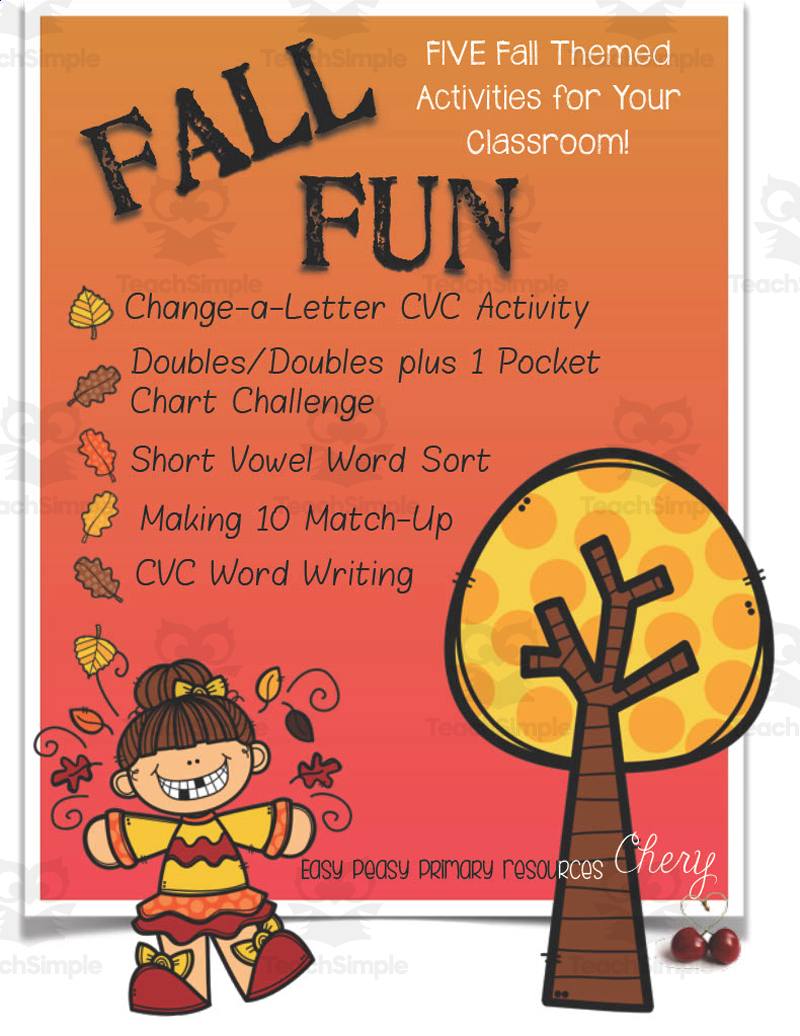
Fall Themed Reading and Math Activities
A set of five independent fall-themed literacy and math center activities.




Classroom resources
Browse by lesson focus
Choose the topic or kind of practice you need.
Showing 6145–6168 of 6631 resources

 Show filters
 A set of five independent fall-themed literacy and math center activities.
 Free download
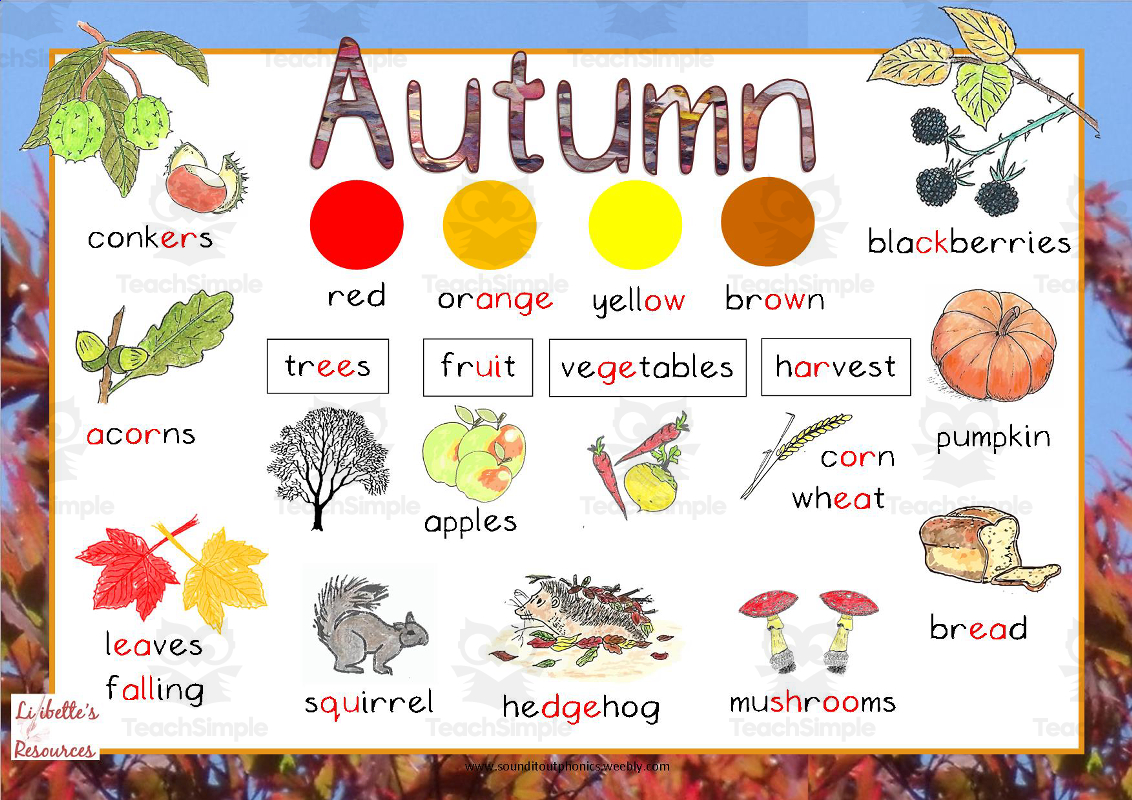
 A phonetically-coded autumn vocabulary reference mat to support early literacy and word recognition.
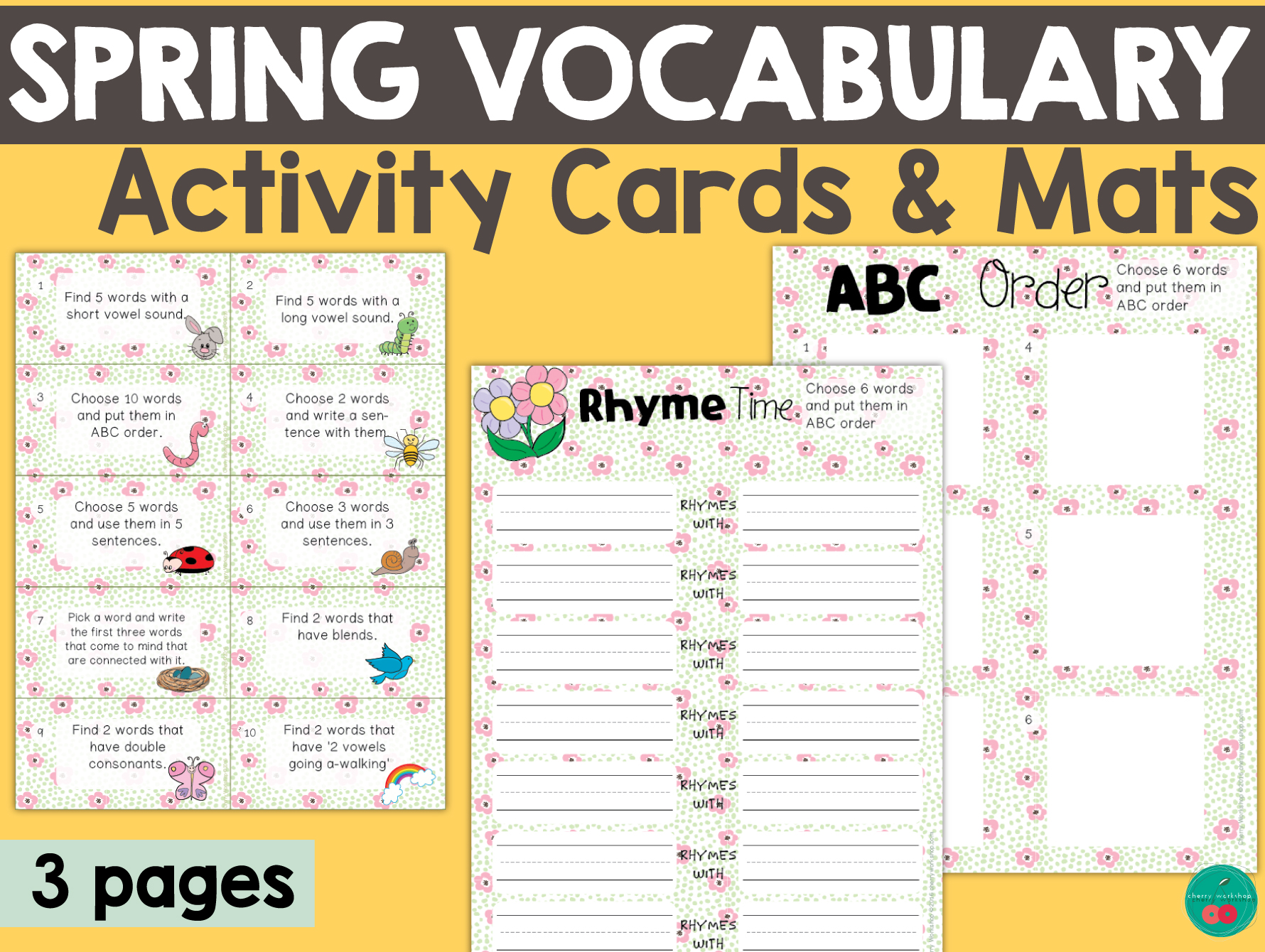
A set of task cards providing varied spring-vocabulary practice activities (phonics, ABC order, sentence writing), designed to pair with a companion spring vocabulary word set.
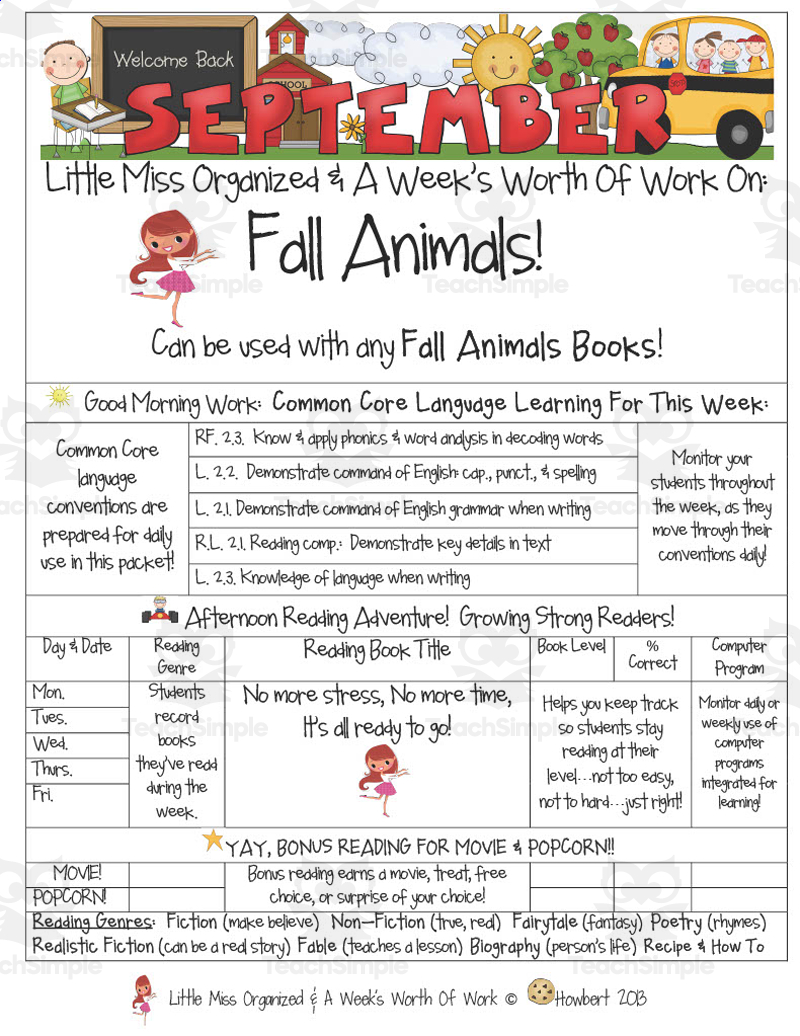
A week-long (Monday-Friday) 2nd-grade morning-work and language-conventions packet themed around fall animals, targeting phonics, word meanings, grammar conventions, and syllable division via CCSS-aligned daily activities.
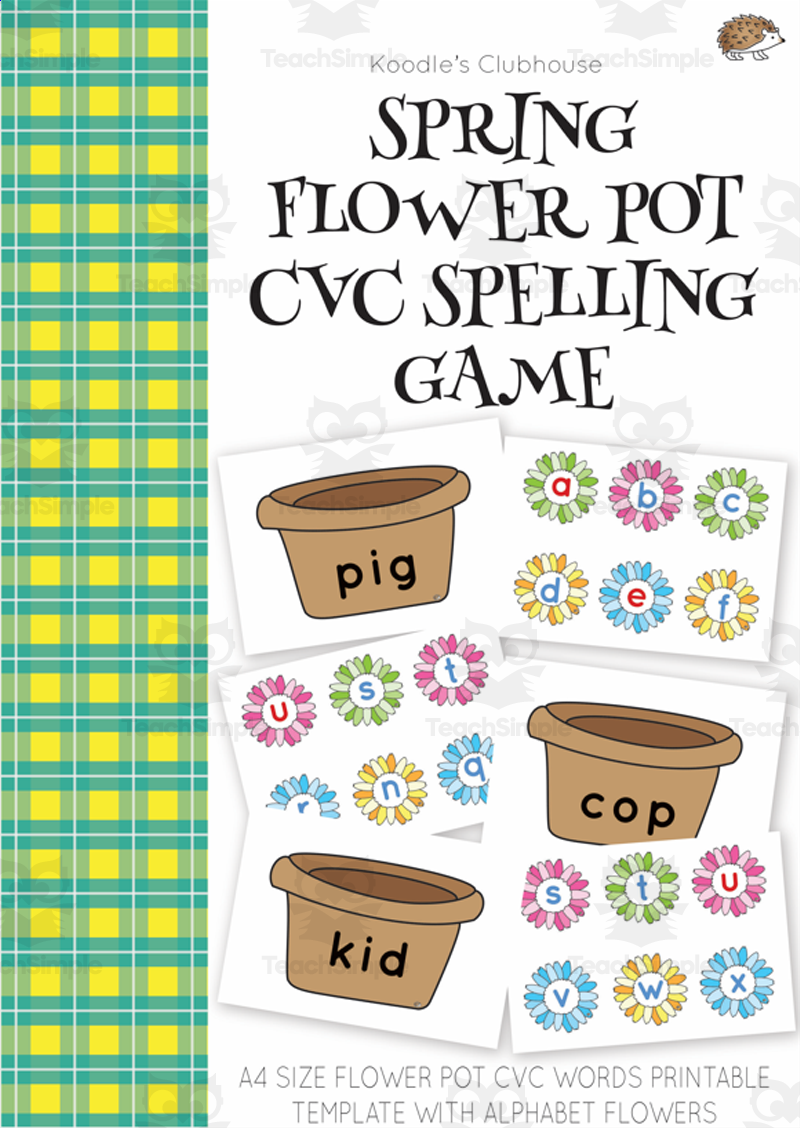
A CVC (consonant-vowel-consonant) word spelling and phonics activity using flower-pot and alphabet-flower manipulatives, for children building early reading fluency.
Provides spring-themed literacy reading practice (informational passages with reading-response questions) as part of a broader grades 2-5 no-prep activity packet described by the seller as covering literacy and math.
No-prep winter-themed literacy and math activity packet combining a nonfiction reading passage, poem response, writing prompts, and letter-formation practice for K-1.
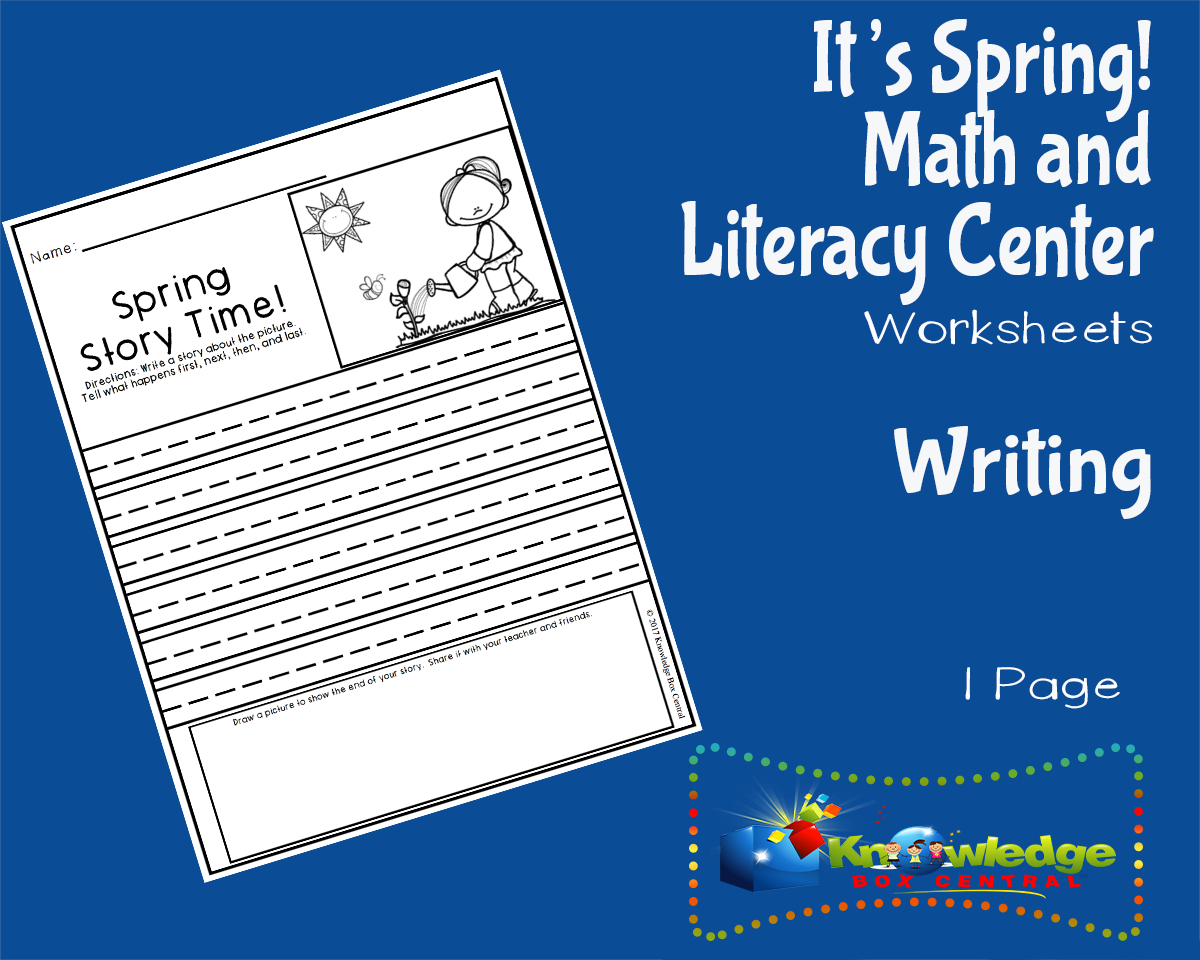
Practice narrative writing with basic story sequencing.
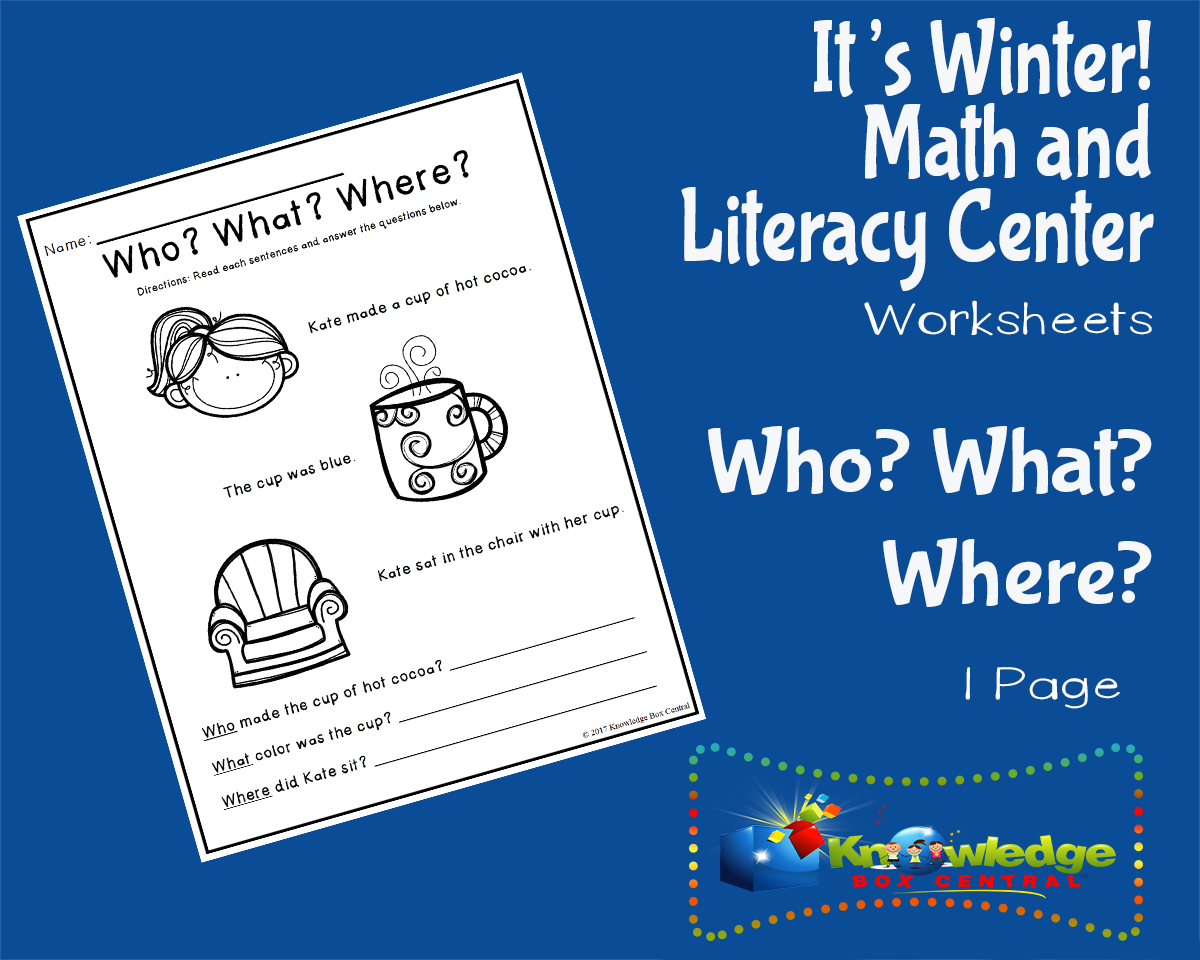
A reading-comprehension worksheet using a short winter story to practice who/what/where questions.

Practice basic reading comprehension by answering who/what/where questions about a short sentence.

Practice distinguishing nouns from verbs.
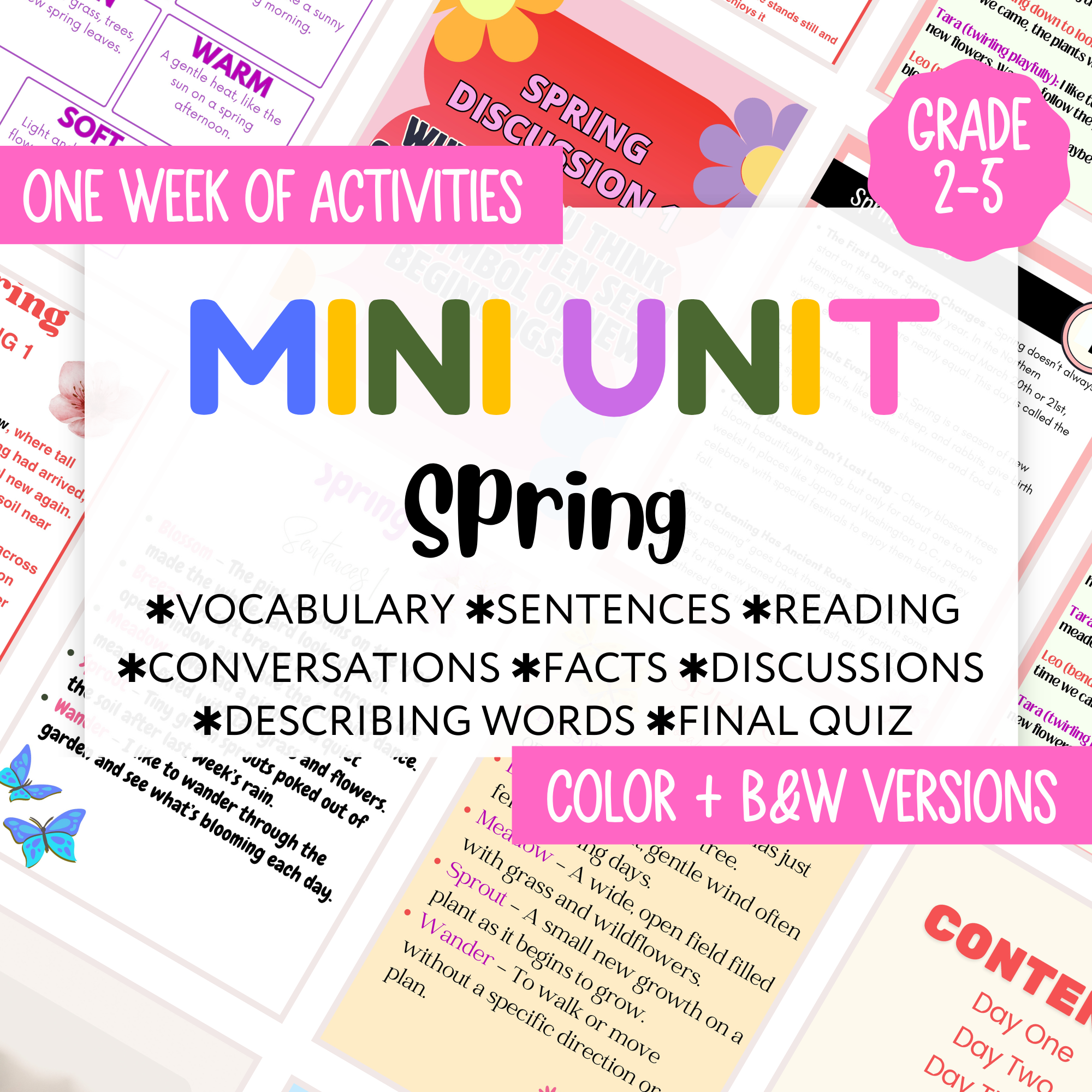
A 5-day literacy mini-unit built around a repeatable daily structure of vocabulary, sentence writing, reading comprehension, partner speaking practice, and spring facts, ending in a review quiz.
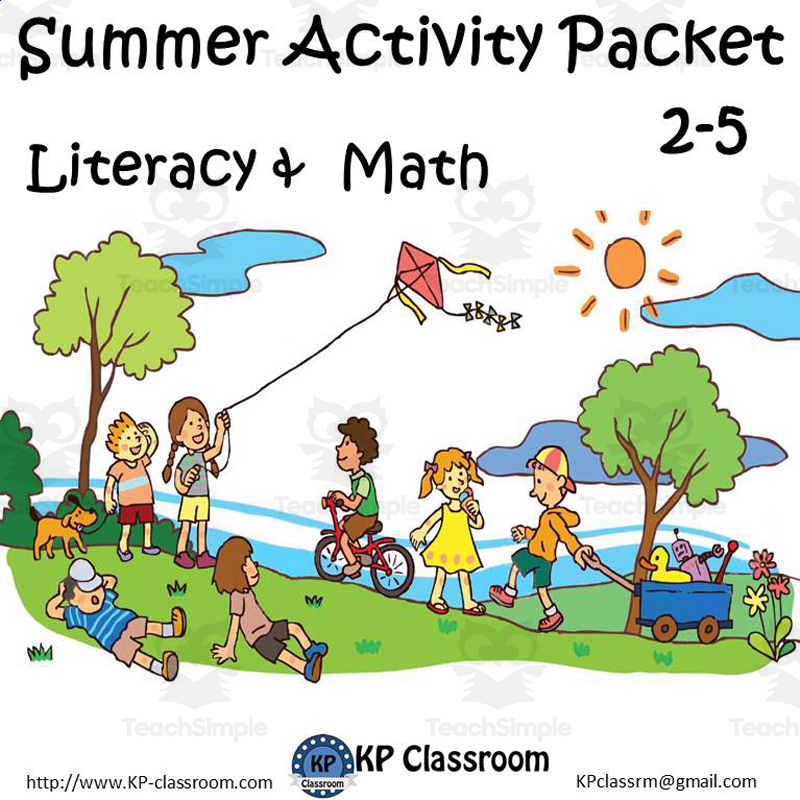
A 61-page no-prep, print-and-go summer packet of literacy activities (nonfiction passages, a narrative, poems) with reading-response worksheets, vocabulary, drawing, writing prompts, and puzzles; seller markets it as including math activities as well, though math content was not reached in the captured text.

Nine pumpkin life-cycle vocabulary words — seeds, seedling, sprout, plant, vine, flower, green pumpkin, ripen, and pumpkin — appear across a set of hands-on crafts, with shorter sequences used in some components. Students build a wearable pumpkin-themed crown and a necklace made from printed paper bead pieces, spin a spinner and lift paper flaps to review the sequence, and build the printed vocabulary words with separately supplied Bananagrams or Scrabble tiles. A sliding pumpkin-stage viewer (offered in both color and black-and-white) and a staple-bound lift-a-page booklet give students two more formats for reviewing selected parts of the growth sequence. Two instruction pages explain printing, coloring, cutting and assembly for eight activity formats. The flower stage in this sequence can be explored in more depth with a labeling parts of a flower diagram activity that names the flower's own structures.
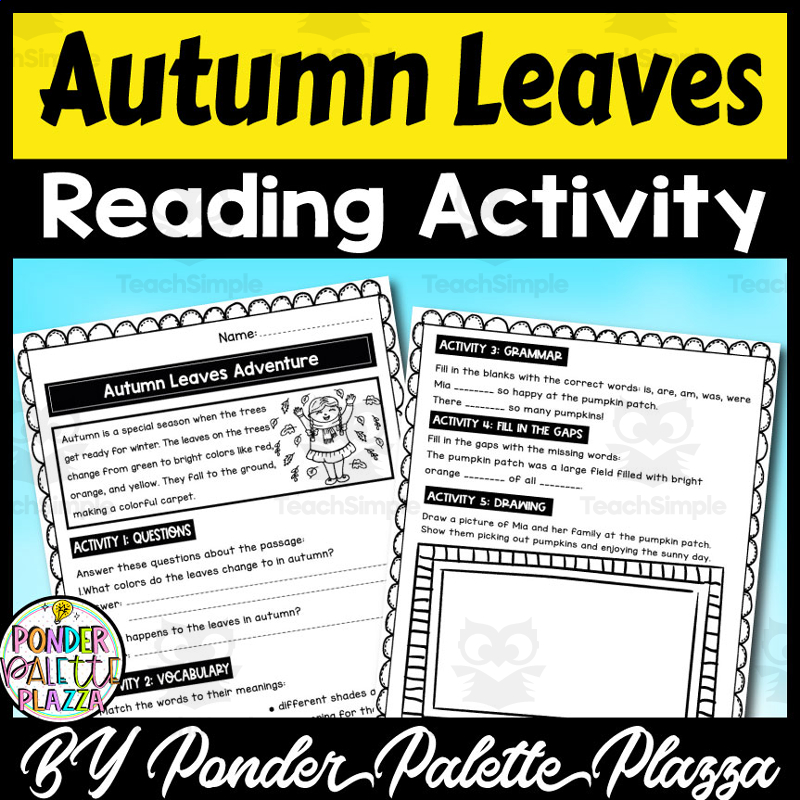
A short autumn-themed reading passage with a mixed set of follow-up literacy activities (comprehension, vocabulary, grammar, fill-in-the-blank, and drawing).
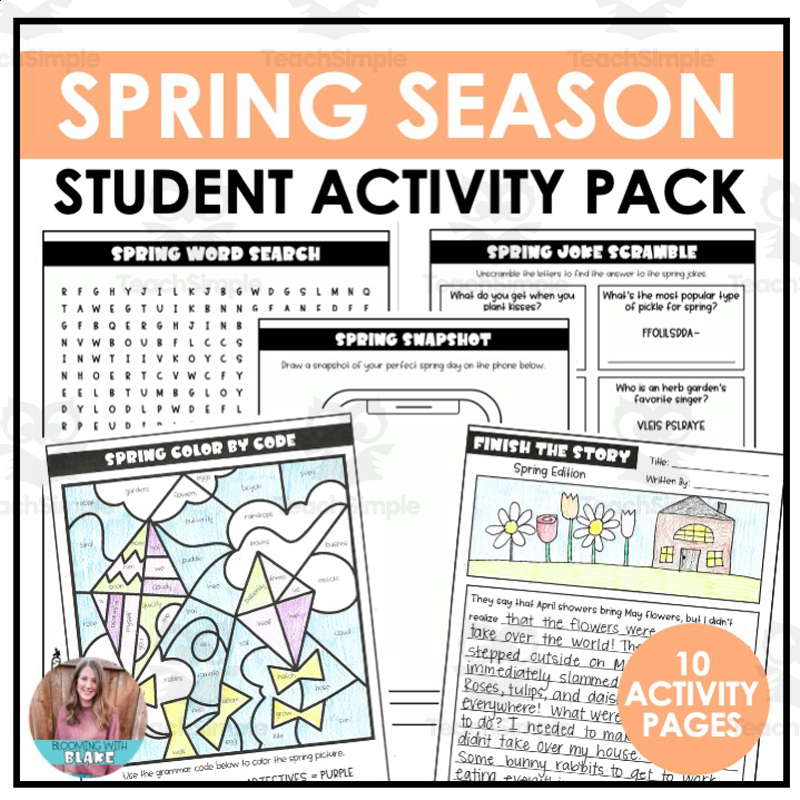
Provide a no-prep, print-and-go packet of varied spring-themed literacy and creative activities for grades 2-4.
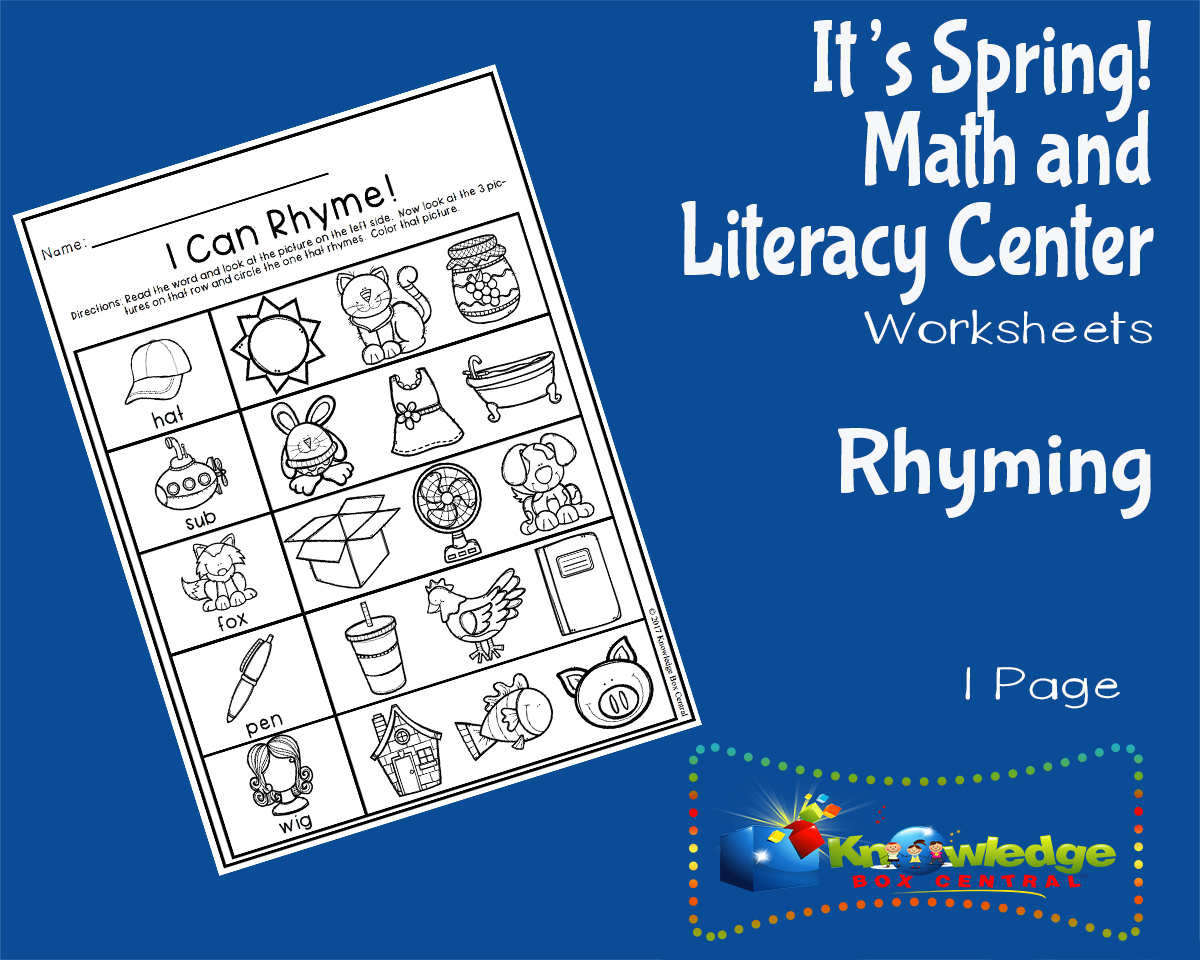
Practice identifying rhyming words.
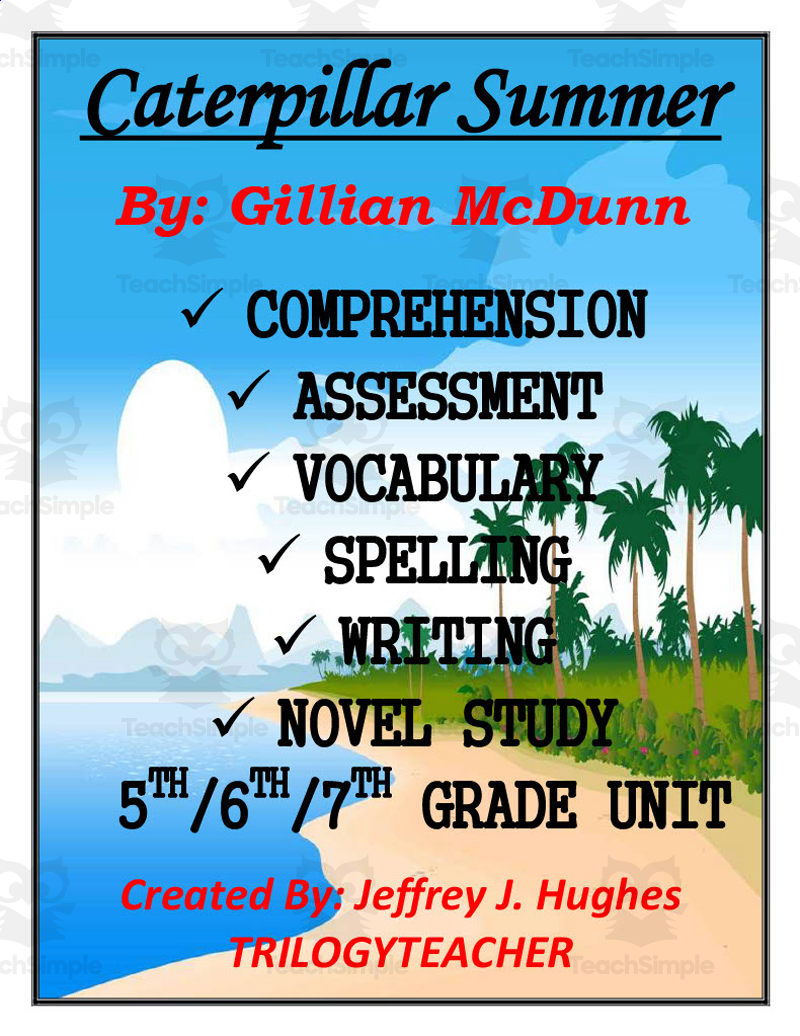
A comprehensive novel study unit for Caterpillar Summer by Gillian McDunn, covering comprehension, vocabulary, spelling, figurative language, and writing across 20 chapter-based lessons for grades 5-7.
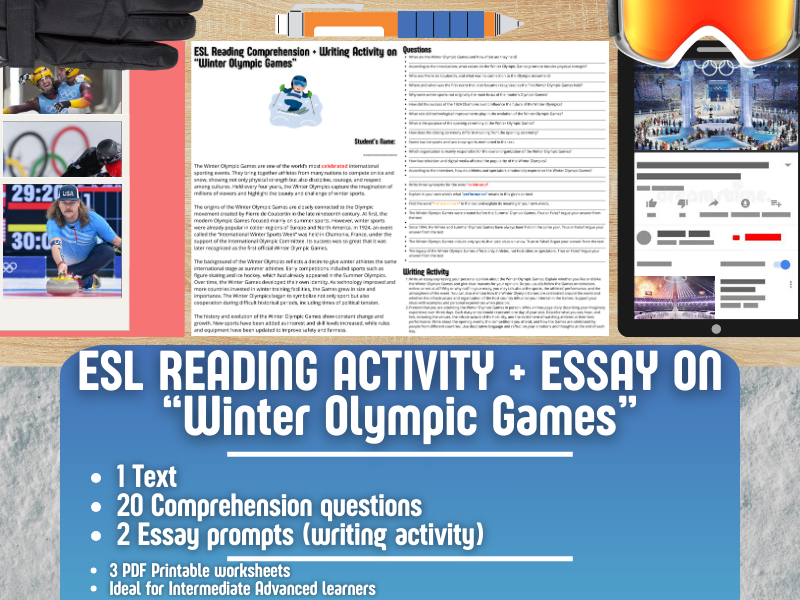
ESL/EFL reading comprehension and writing worksheet for teen/adult English learners, using a short nonfiction-style article about the Winter Olympic Games to build reading comprehension, vocabulary and essay-writing skills.

Engage students in a creative writing project where they author and illustrate their own pumpkin story, while teaching descriptive/interesting word choice.
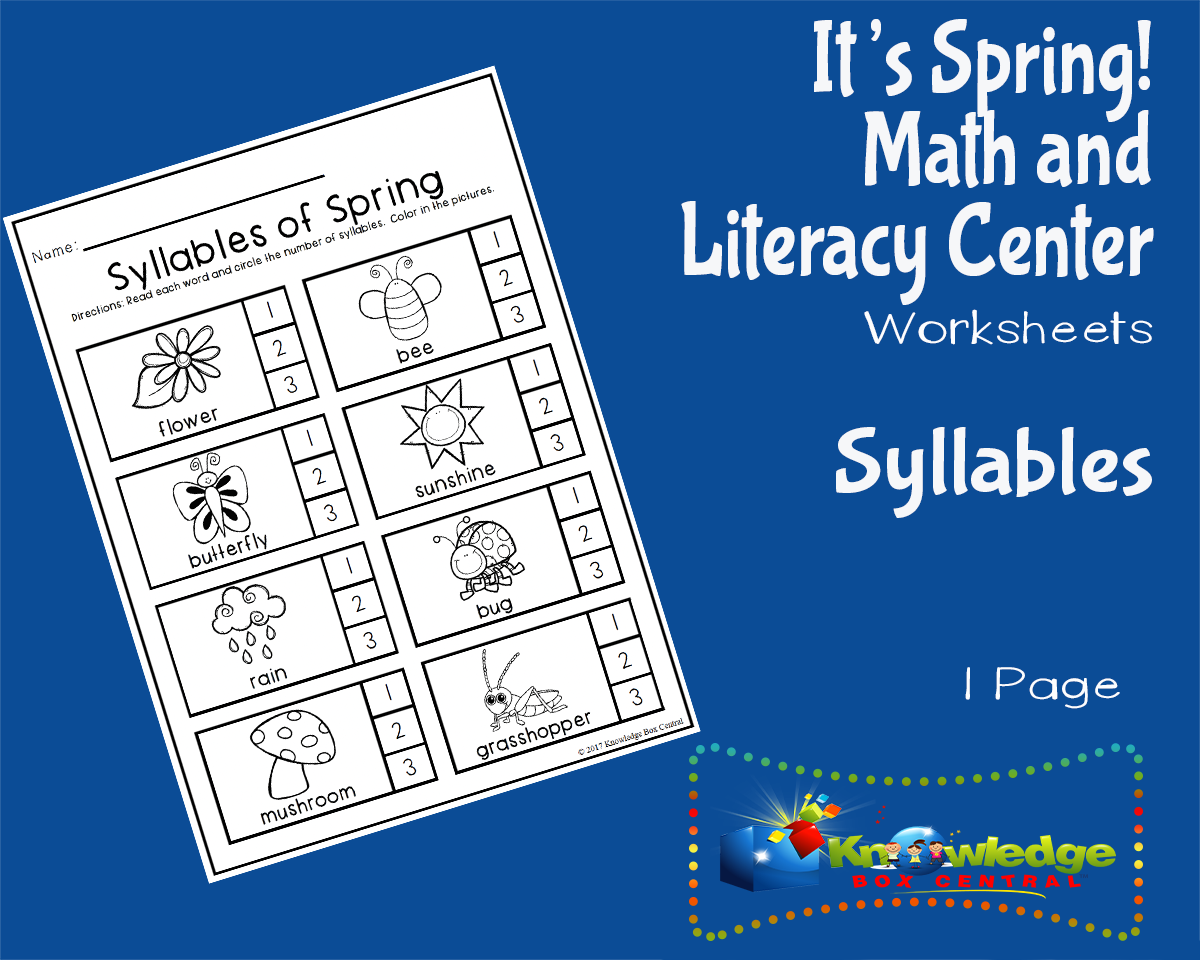
Practice counting syllables in spring-themed words.
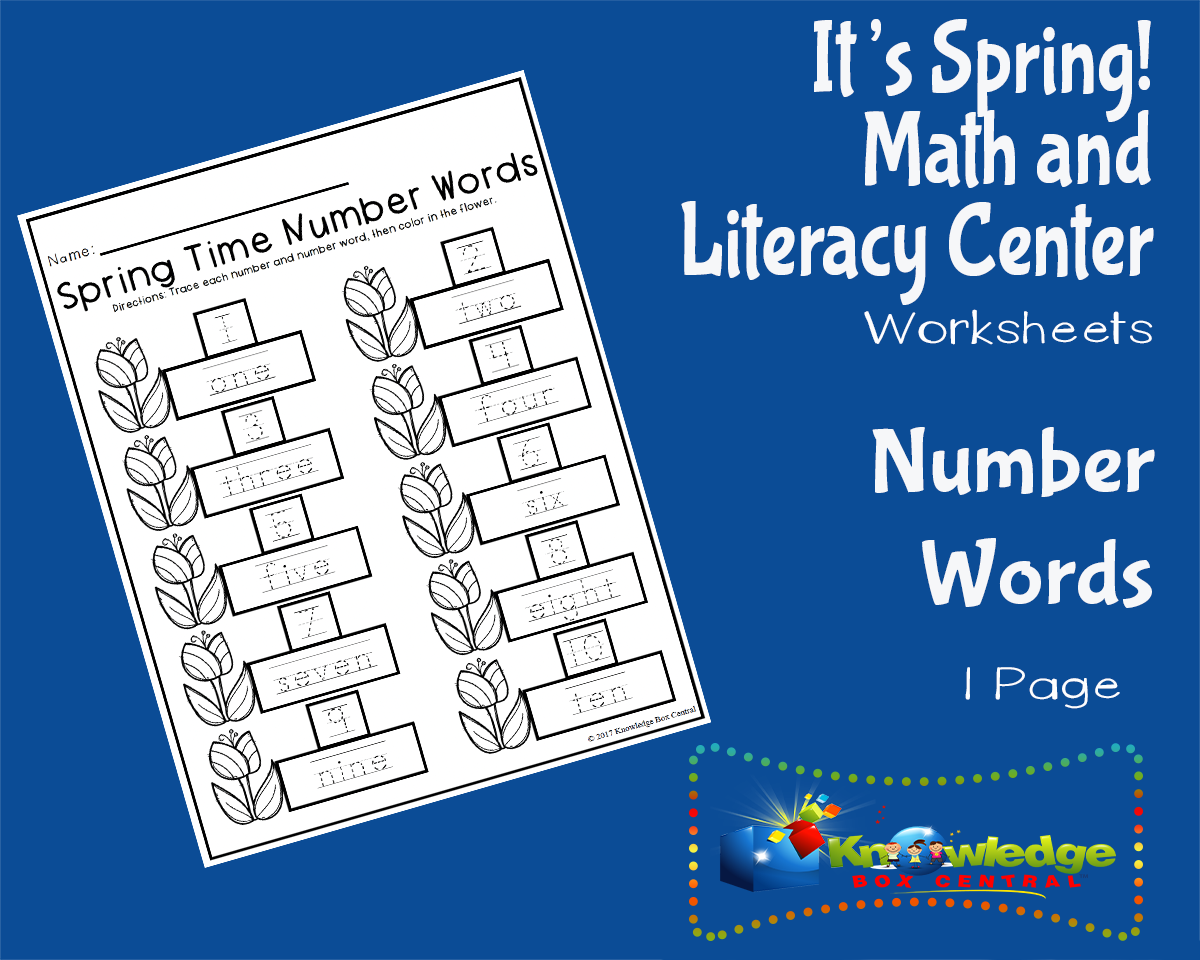
Practice tracing numerals and their matching number words.
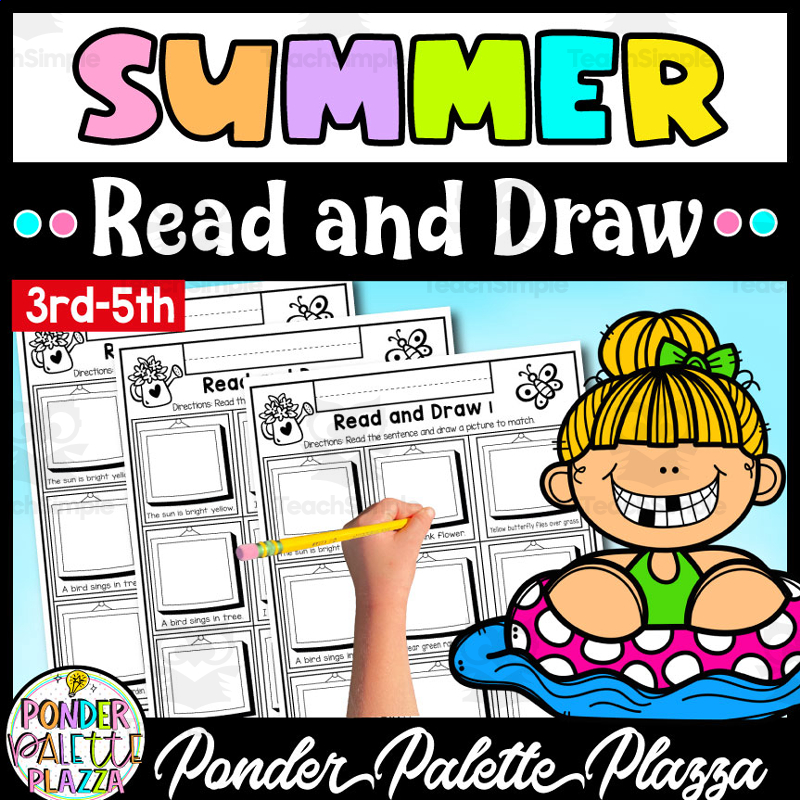
A no-prep read-and-draw literacy activity where students read short summer/beach-themed sentences and draw a picture to match each one.
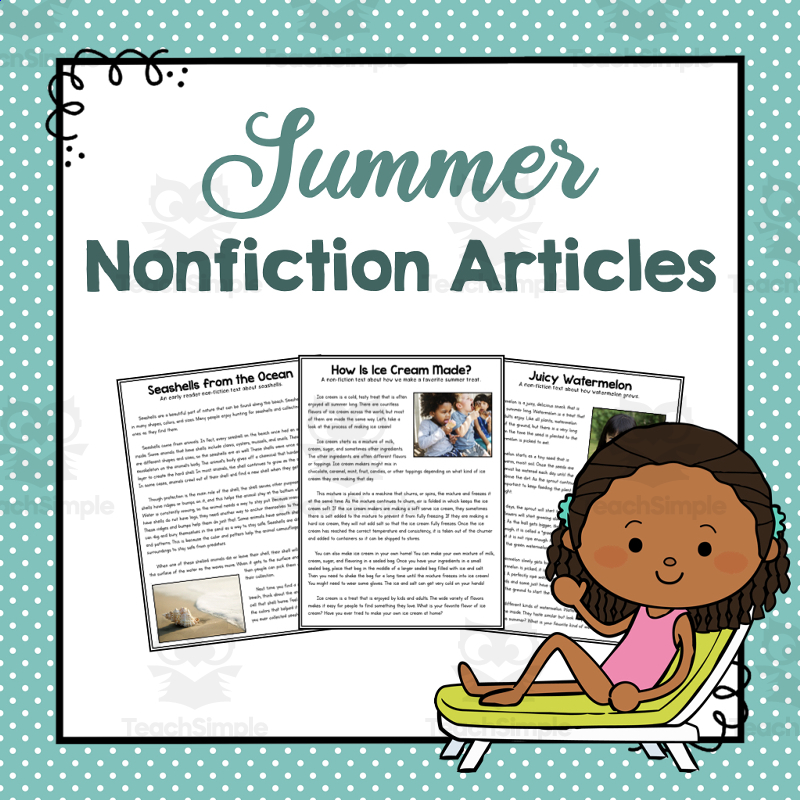
Five summer-themed nonfiction informational texts (ice cream, camping, watermelon, seashells, fishing), each provided in two reading levels for differentiation, intended to build informational reading skills and support a writing/report project.