Comprehension & inference
Determining Theme Activity
A reading activity that has students determine the theme of a short story by reading a text and drawing conclusions from story details, then summarizing.




5,701 resources
Explore sub-categories
3 sub-categories · 5,701 resources
A reading activity that has students determine the theme of a short story by reading a text and drawing conclusions from story details, then summarizing.

Introduce or review the structure and function of cell organelles (nucleus, cytoplasm, cell membrane, cell wall, chloroplasts, lysosome, mitochondria, vacuole) and the differences between plant and animal cells, for middle-school science students.

A multi-subject (science/reading/writing) worksheet set teaching rainforest animal adaptations and habitat, including a compare/contrast writing activity against a non-rainforest animal.

A week-long, football/Super Bowl-themed language arts activity packet (by 'Little Miss Organized') covering daily grammar and word-study skills alongside a reading log, aligned to Grade 2 Common Core language standards.
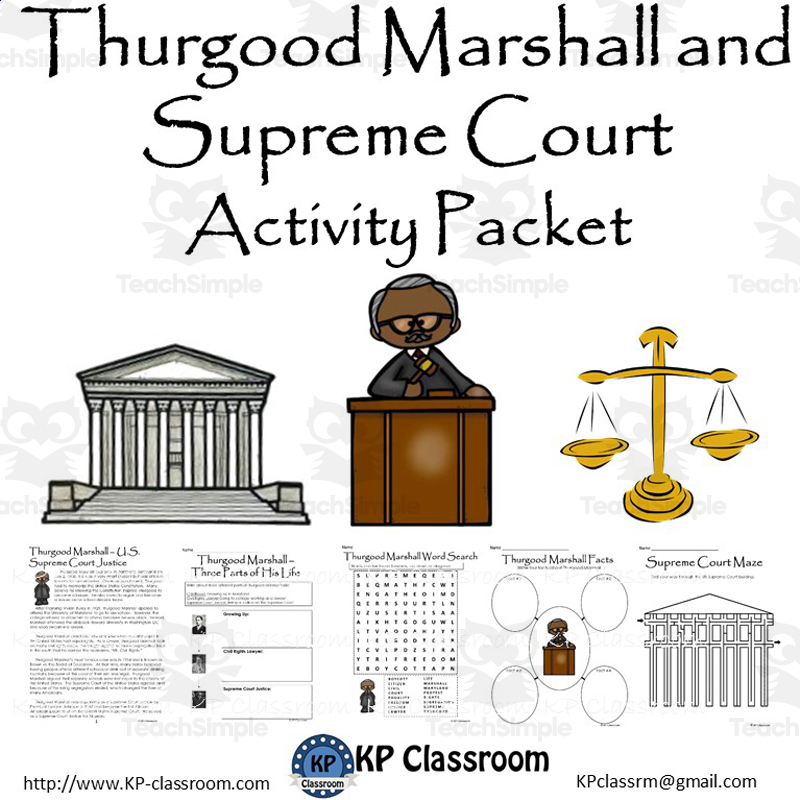
An activity packet teaching about Thurgood Marshall's life, legal career, and the structure of the U.S. Supreme Court, with differentiated reading passages and response worksheets.
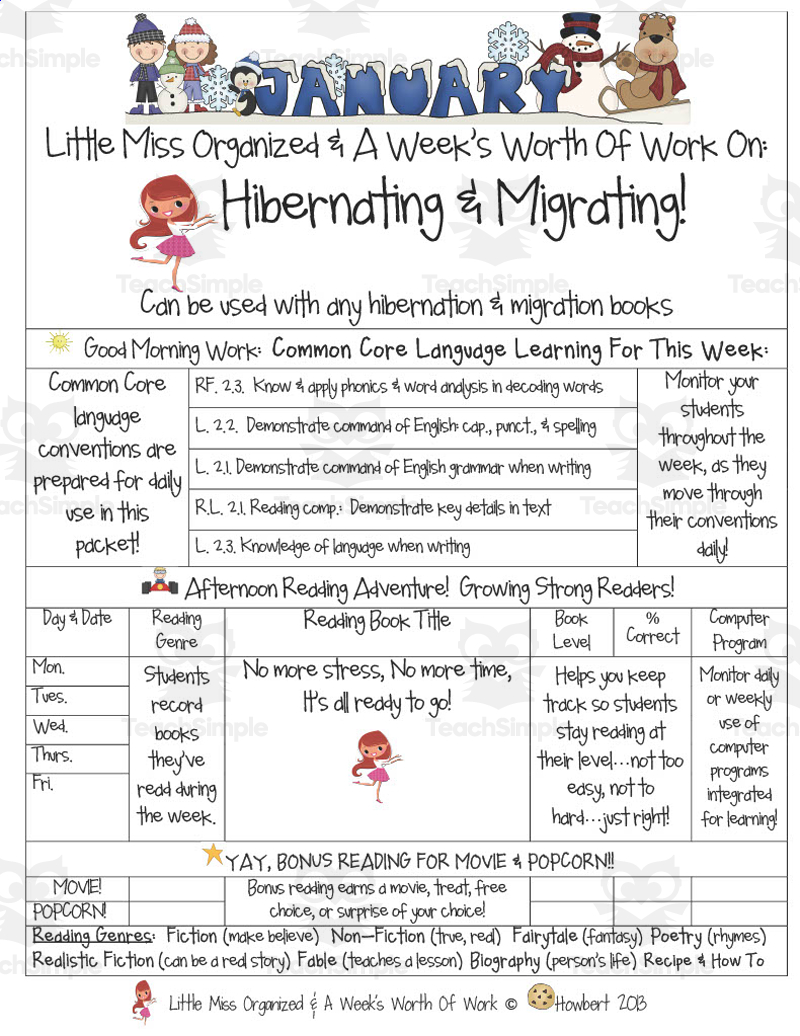
A week-long set of daily reading/language-arts activities themed around hibernating and migrating animals, covering grammar and language conventions skills alongside a daily reading log, designed to pair with any hibernation/migration book.
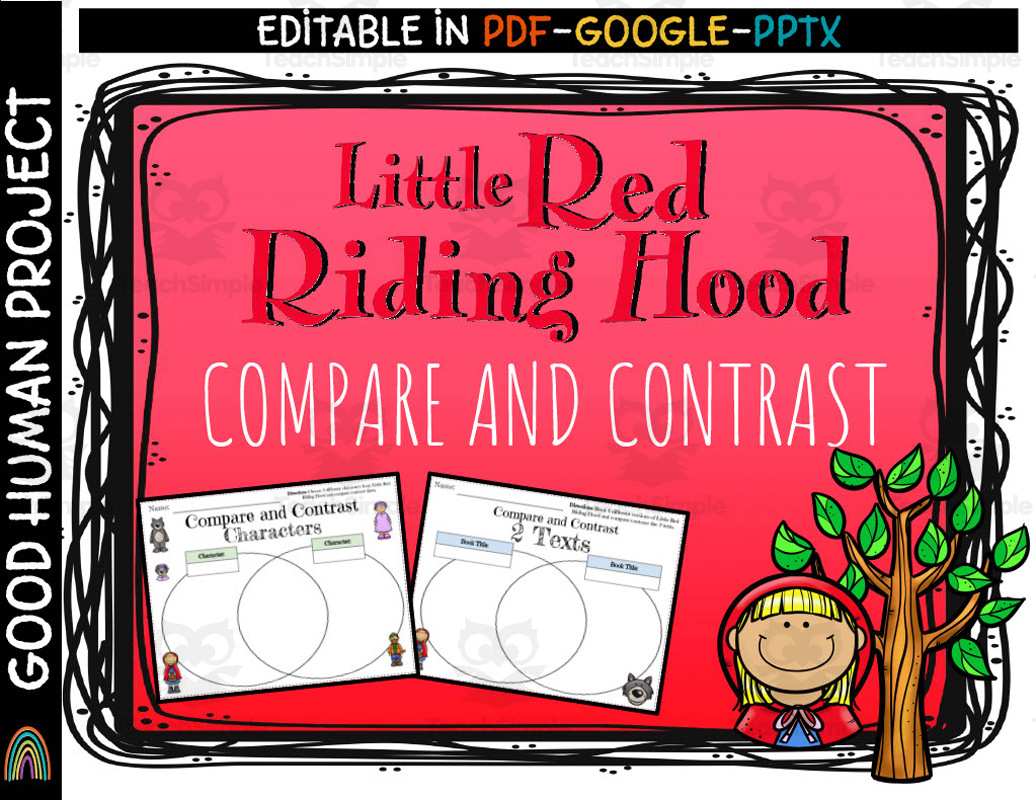
A compare-and-contrast reading activity using two Venn diagrams built around Little Red Riding Hood.

This activity is great for building students' inference skills. They will match the Statement Card to the Emotion Card to create a complete picture. This will help them understand the text better and draw their own conclusions.
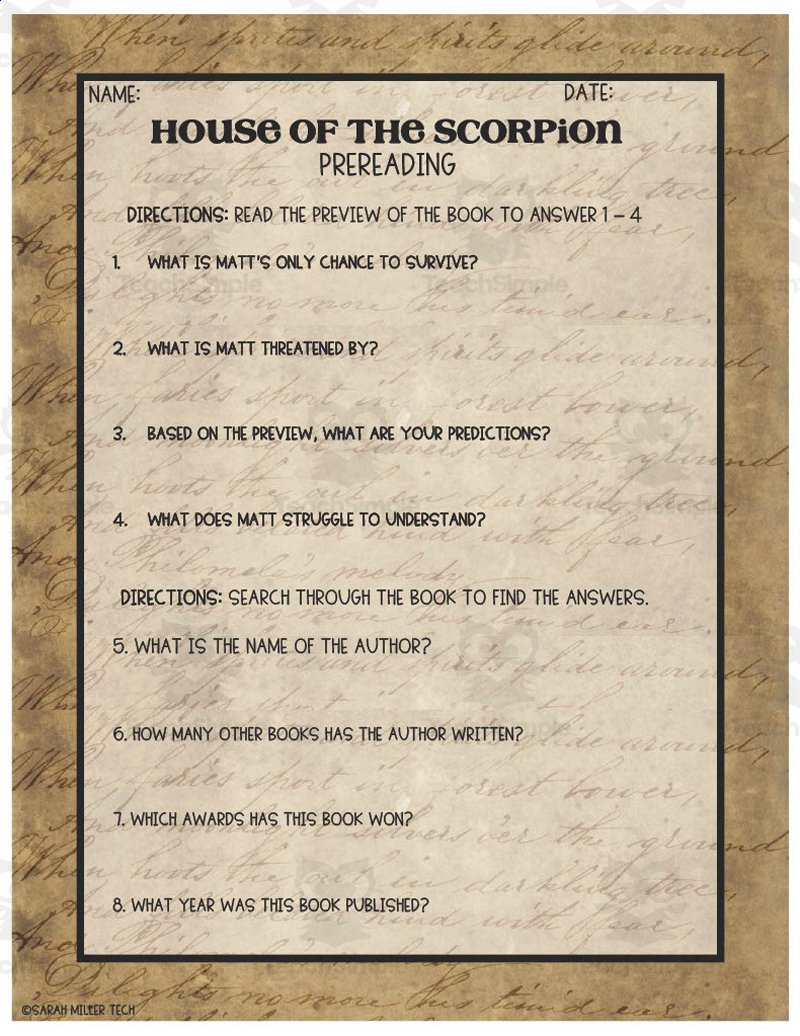
This is a House of the Scorpion Pre-Reading Activity . This resource will give students the opportunity to activate background knowledge and make connections prior to diving into the text. They will answer questions and go on scavenger hunts throughout the novel. Answer key included.
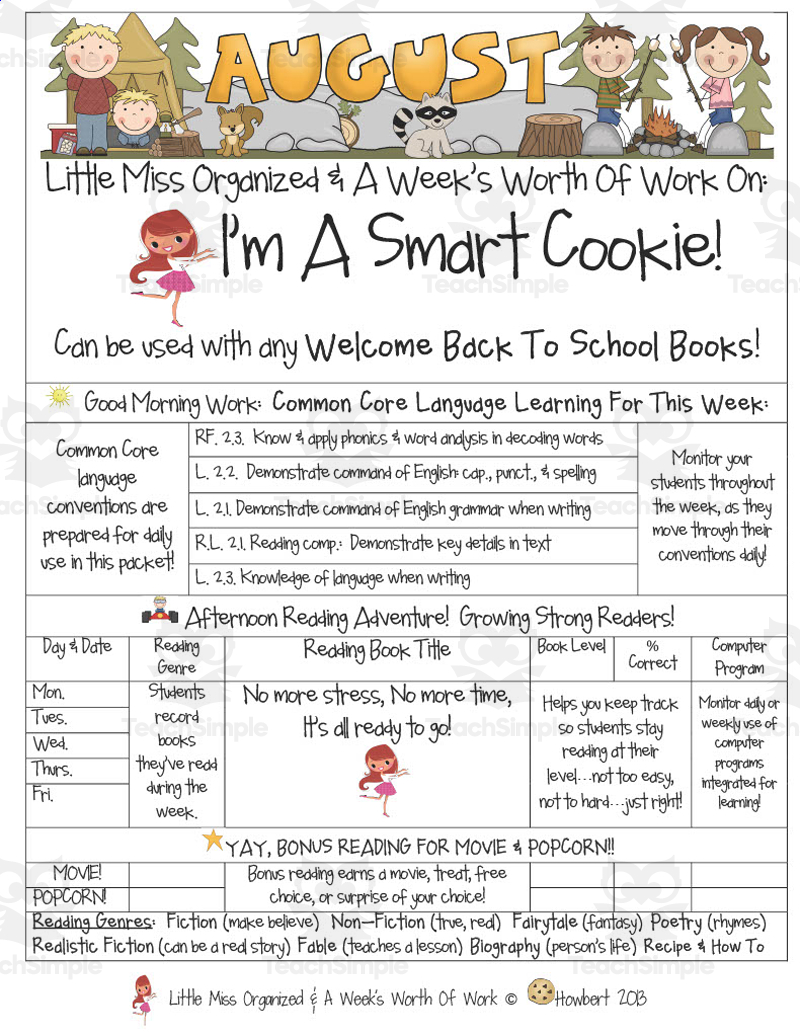
Combine reading-related language practice with a small writing project. Activities cover sentence editing, synonyms and antonyms, contractions, word classes, punctuation, and plurals. A paragraph planner with a model opening and lined writing pages help students move from the individual exercises into a longer response.

Card-sort activity to help students recognize common types (genres) of text.

This resource is a Cloudy with a Chance of Meatballs Reading Activity Packet. It is a week's worth of work for reading class. It can be used with any weather books! Included: - Sentence writing daily - Monday: Compound words - Tuesday: Syllables, synonyms & antonyms - Wednesday: Commas - Thursday: Parts of speech - Friday: Adjectives There is a blank…
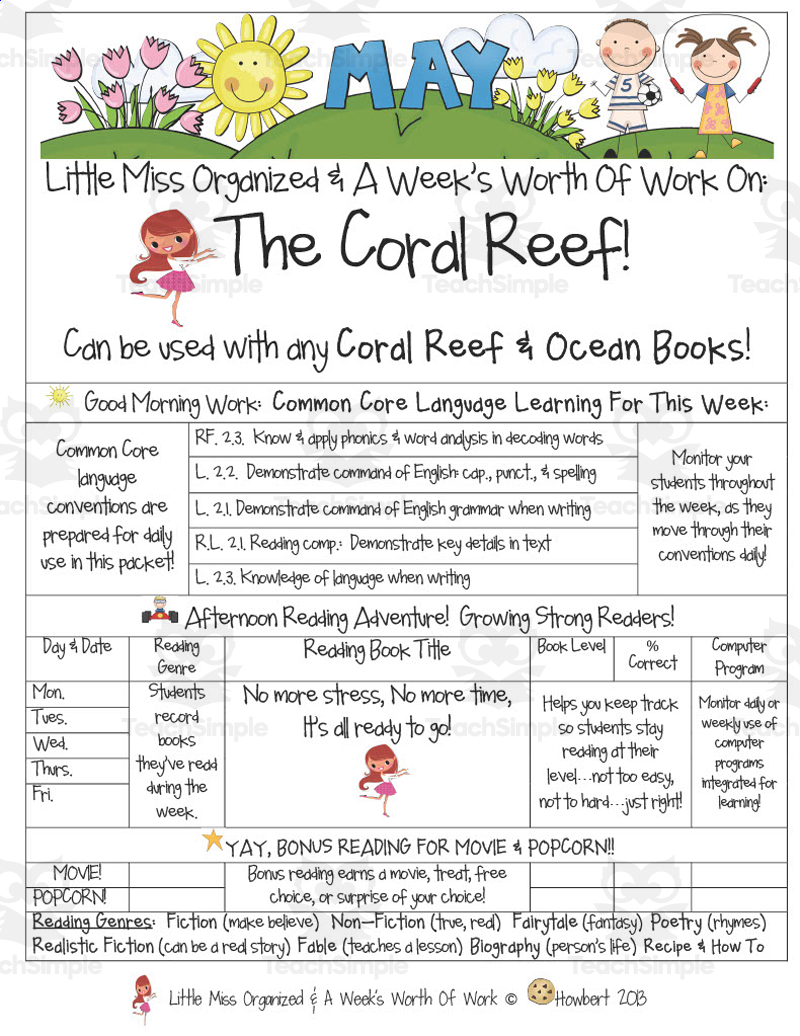
Provide a week's worth of daily reading/language-arts activities (Monday-Friday) themed around coral reefs, usable alongside any coral reef or ocean book, for grade 2.
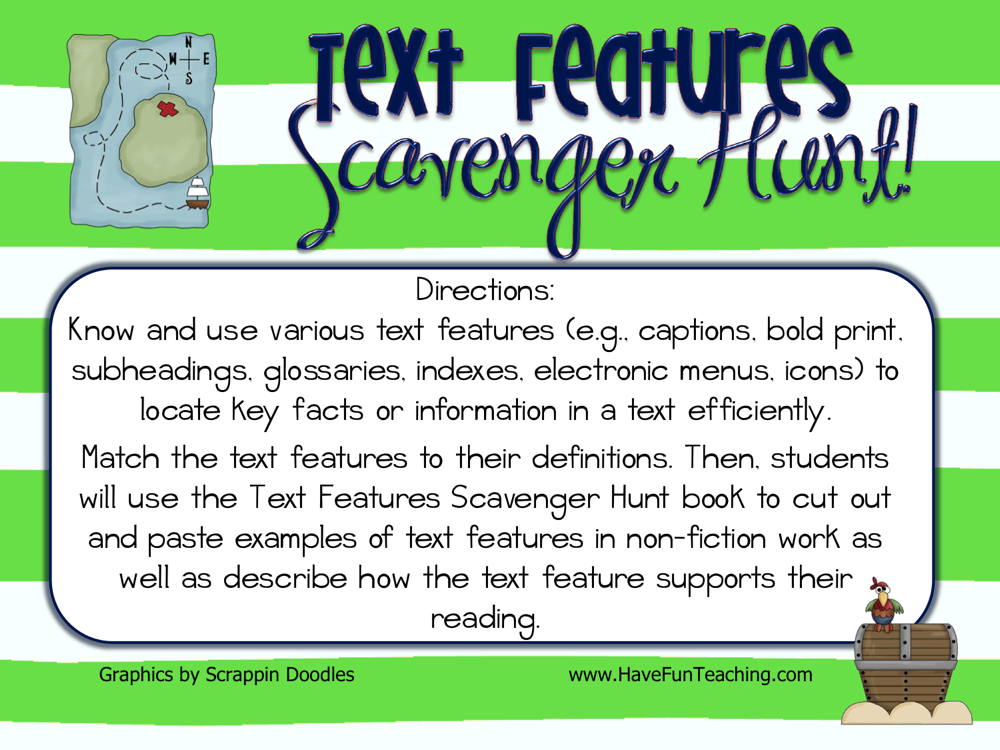
A scavenger-hunt activity for identifying text features in nonfiction books.
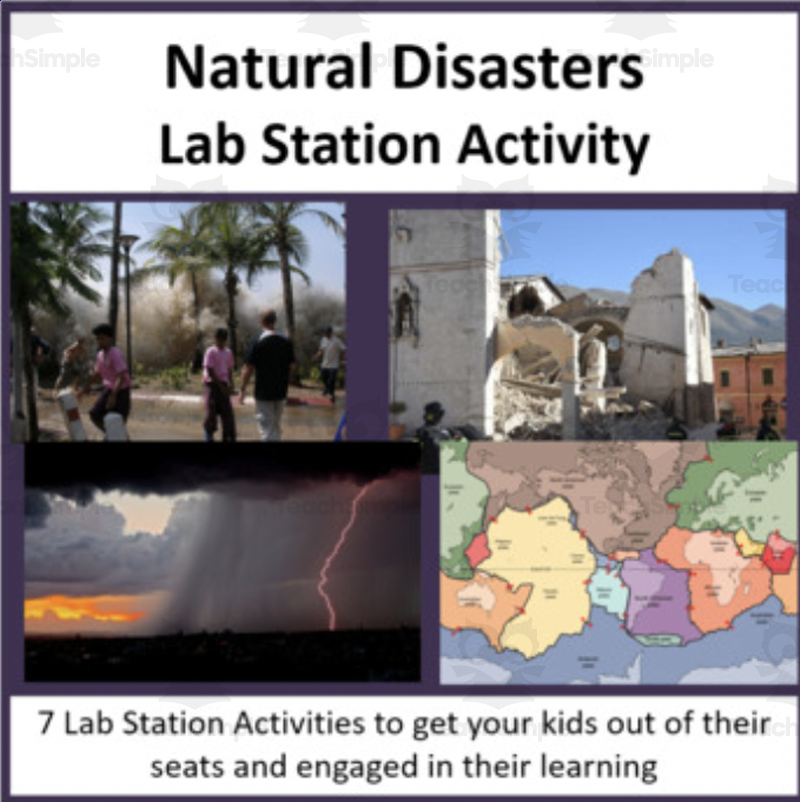
A 9-station lab activity teaching middle/high school students about natural disaster science topics such as plate tectonics, cloud formation, earthquakes, tsunamis, and climate change.
A 9-station rotation lab activity that has middle/high school students explore climate change and the greenhouse effect through drawing, research, opinion writing, a reading passage, a knowledge check, and a video-response task.

Teach ecosystem interactions - symbiosis, limiting factors, population growth, and predator-prey dynamics - through a multi-station lab activity.
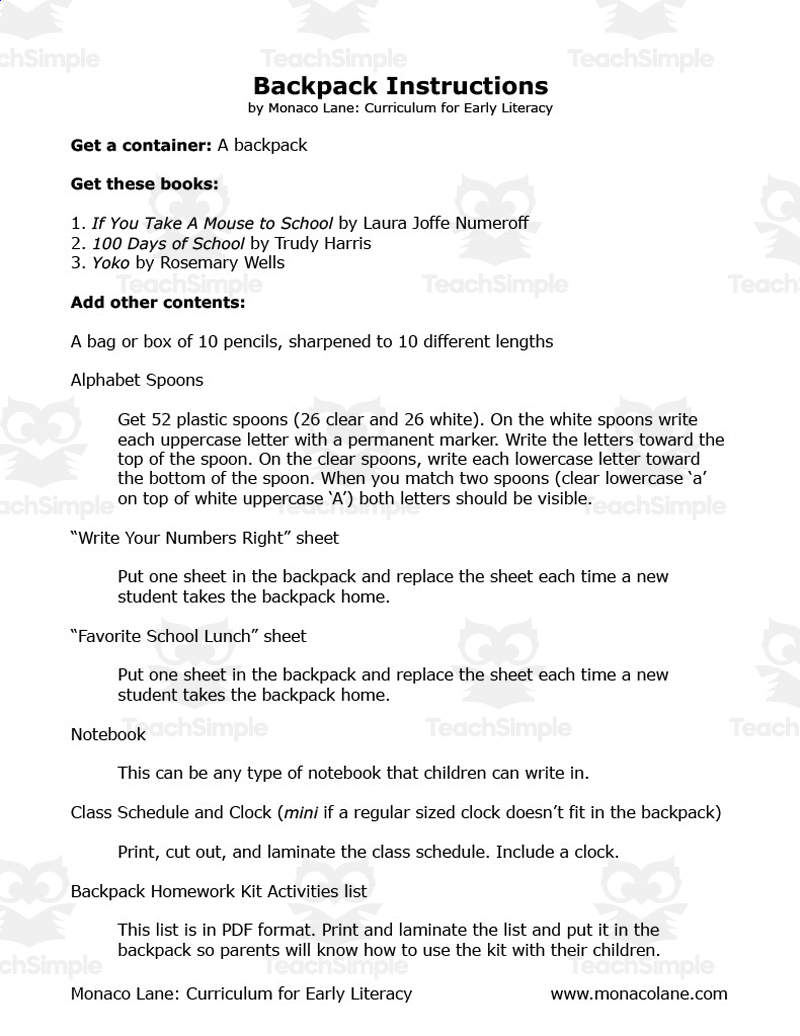
Instructions and printable materials for assembling a take-home 'Backpack Homework Kit' that circulates weekly among students, pairing three children's books with hands-on literacy and math activities for parent-child use at home.

Teach grade 2-3 students about desert animal adaptations through reading, then have them apply and extend that learning through listing/comparing adaptations and a writing activity.
9-station rotating lab activity teaching ecosystems, populations, communities, sustainability, and biotic/abiotic factors through varied hands-on tasks.
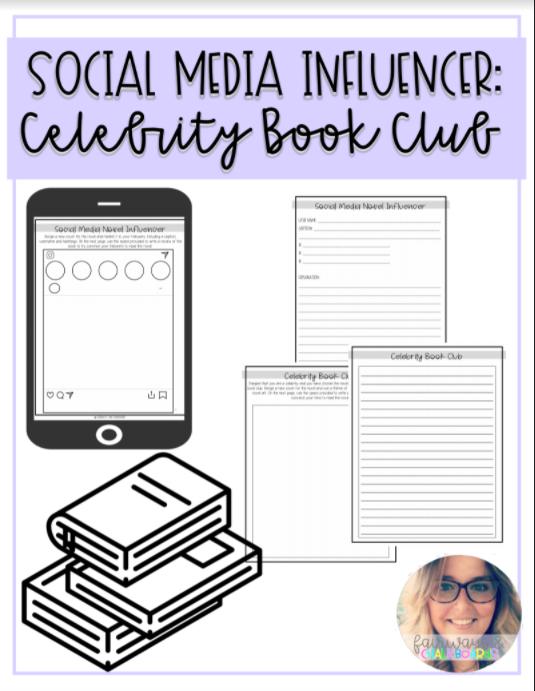
An ELA creative-response activity where students design a new cover and write a persuasive review/pitch for a novel they are reading, framed as a social-media-influencer or celebrity book-club pitch.
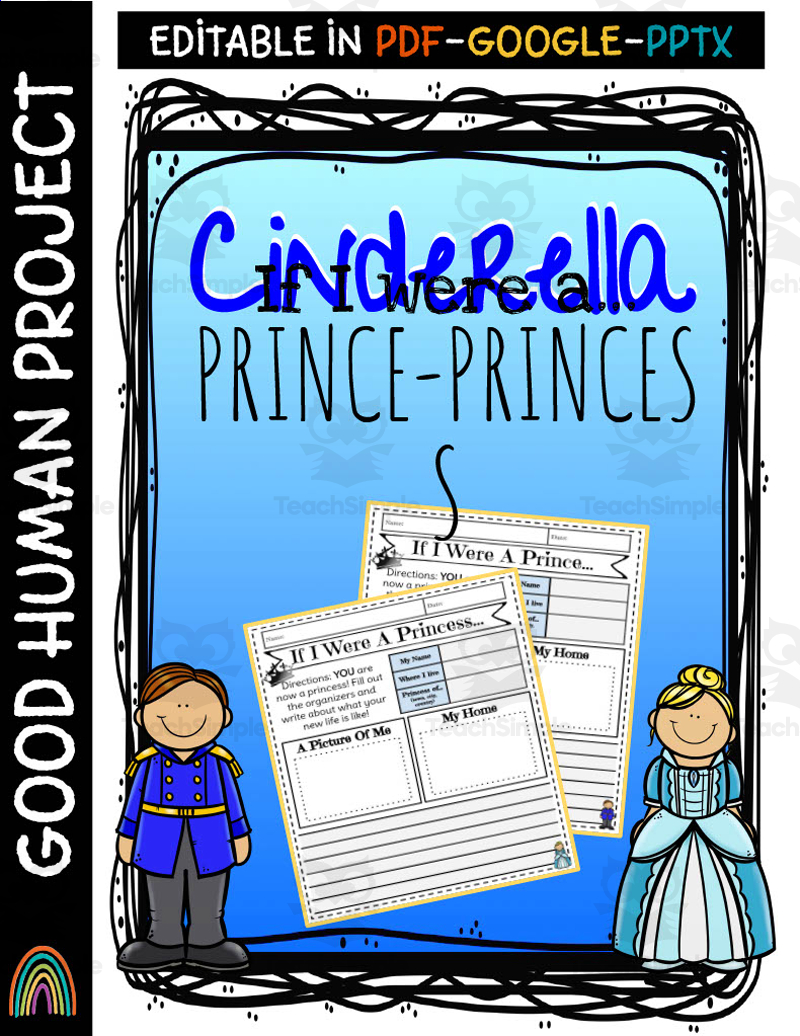
Has students imagine and write about becoming a prince or princess, connecting creative writing to the Cinderella story.

A primary-source analysis activity using excerpts from George Washington's 1796 Farewell Address to build historical context, close reading, and text-summarizing skills.
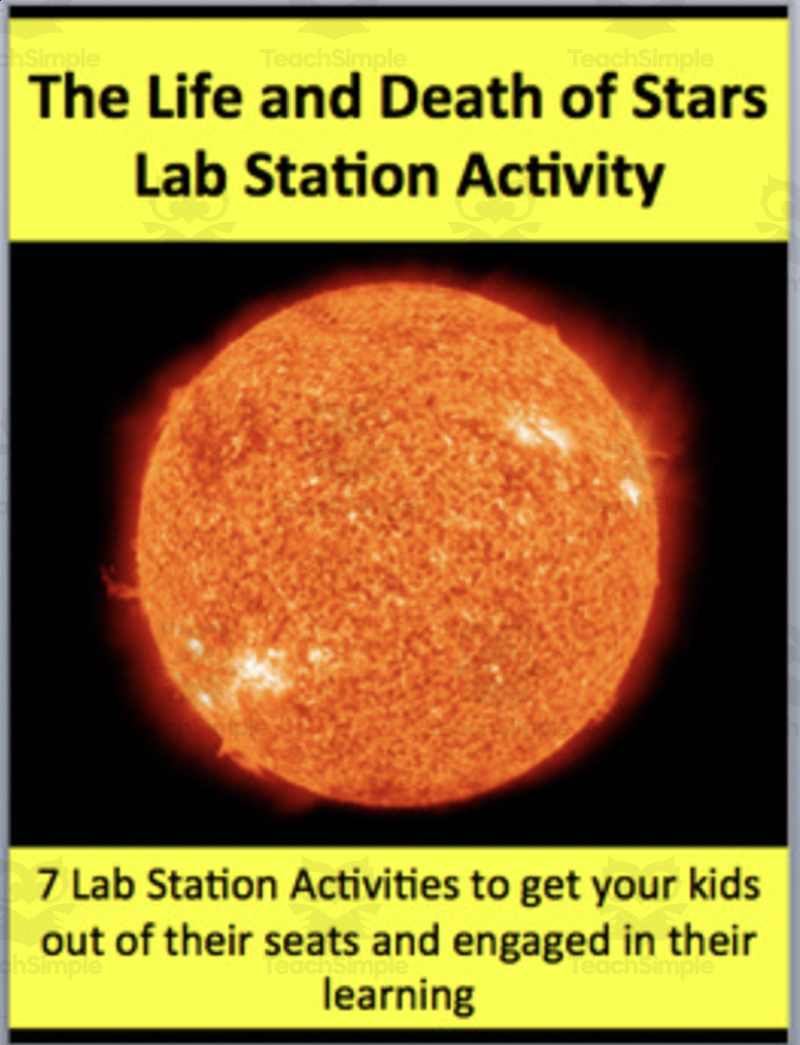
Multi-station lab activity teaching stellar life-cycle concepts (H-R diagram, spectral classes, stellar nucleosynthesis, supernovae) through rotating hands-on, research, reading, video, and knowledge-check stations.