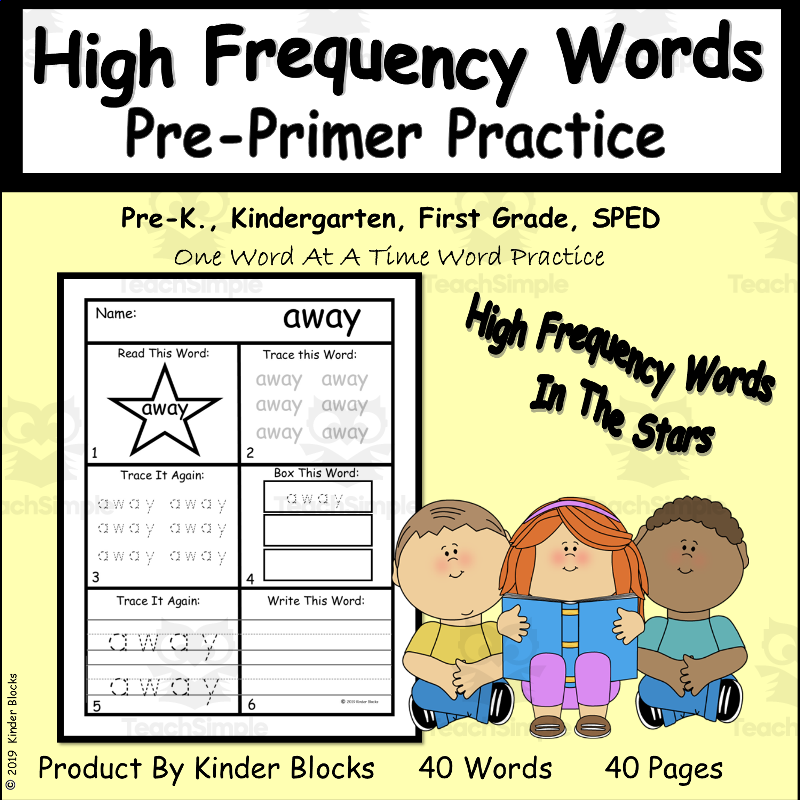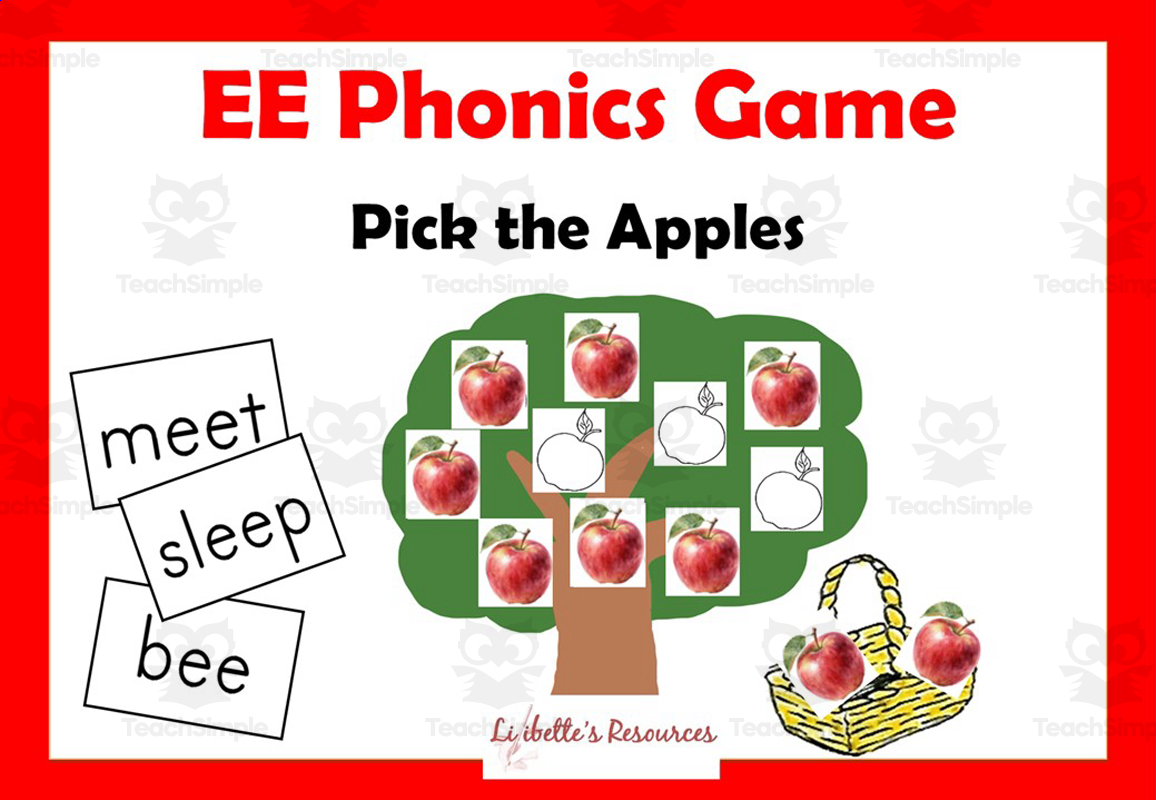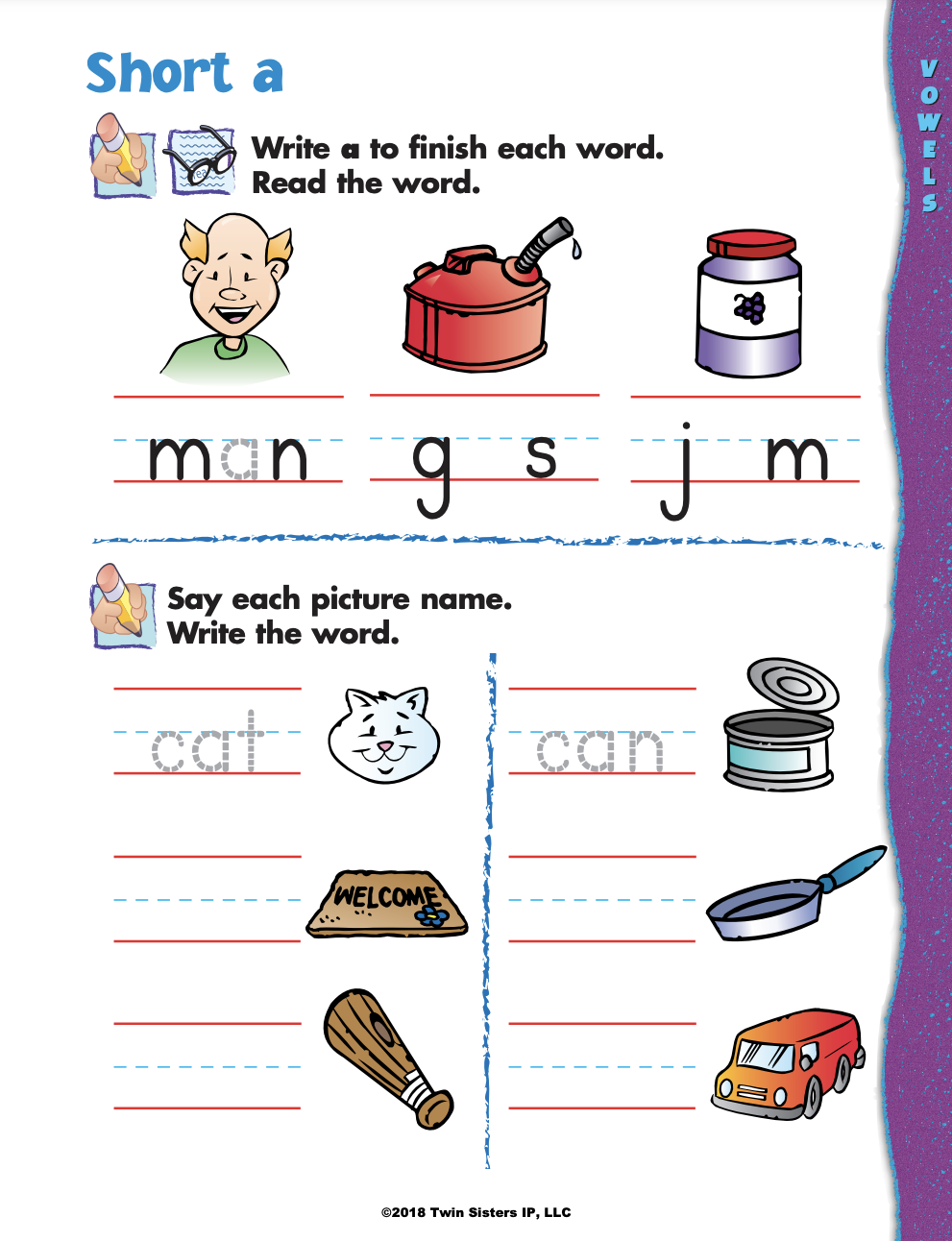
3,933 products added recently
Page 43 - Reading Activities
Discover a variety of reading activities designed to inspire and engage your students. From guided reading sessions to interactive reading journals, these resources support the development of comprehension and critical thinking skills. Tailored for different grade levels, these activities can help you create a dynamic literacy environment that fosters a lifelong love of reading.
Guided Reading Level H - All About Hiking (with Lesson Plan)
ELA, Resources for Teachers, Reading Comprehension, Reading, Science, Earth and Environmental Sciences, Geography, Social Studies, Health, P.E. & Health, Kindergarten, Grade 1, 2, Worksheets & Printables, Worksheets, Teacher Tools, Centers, Activities, Literacy Readers, Quizzes, Quizzes and Tests, Assessments
This Guided Reading Book - All About Hiking (Level H) with lesson plan includes: Guided Reading Color Label (front cover x1) This is a quick way to match the book’s demands to what students can generally handle.. The overall goal is to use the level/color to pick books for several smaller groups. To qualify for a certain level, a student is expected to read a book from that level with about 90–94% accuracy. If a student is consistently accurate and understands, move up a level. If the student is struggling at that level, drop down and add more support. Each student will improve at completely different rates, but it is generally one of the best ways to check progress across the class. DOWNLOAD THE CATALOG TO VIEW ALL GUIDED READING BOOKS AVAILABLE (SORTED LEVELS A-Z) Pre-Reading Question (x1) Teacher asks the prompt aloud, can be while showing the cover or first page. Students share what they already know, or make educated guesses from the cover. Prompt them to use the target vocabulary. Write some of their responses on the board to look back at during the reading. Vocabulary Words (x5) Introduce the five words, best doing it one at a time. Start by saying it, while students repeat and then see if anyone knows what it means before reading further. Read through the meaning and try to briefly connect each word to a picture or gesture so it’s meaningful. Ask students to flip through the book pages and point to where they see each of the vocabulary words. While reading the book pause upon coming across one of the vocab words or read the sentence twice to make sure students understand the word has appeared. Optional: Ask students to raise hands whenever they see/hear one of the new words. Guided Reading Pages (x10) Check the book snapshot (below) for: primary topic - do you need to prep extra reading or intro materials on this? what is taught best - decide on 1-2 bullets to focus on, use the prompt or words provided here for best results. learning goals - what you are checking for students to be able to do after the session, elicit answers using prompts or words provided. key vocabulary (see section above). questions overview - so you know what is coming up and if you need to prep extra materials to assist understanding. Run the lesson You may have already looked at a few of the pages together, but you can show them some of the pictures again first to set meaning. Depending on how much time you have and how familiar your students are with guided reading class, you may want to read the book aloud first with the group first. Students whisper or partner read, while you listen in. If time, do it as a group, one student reading a page each. Use the guided page’s prompts to coach: “Check the picture / does it make sense?” “Point under the words / try the first sound” “Reread the sentence smoothly”. Try to focus more on one student per session (rotating every time), so you can work out if they are ready to move up or need to move down a level. Comprehension Questions (back cover x3) This is your way to check that students didn’t just say the words, but actually understood the text. First, let students answer by pointing to the page/picture and saying a short sentence. After any answer, follow with: “Show me where you found that in the text.” In bigger groups, have partners answer first (10–20 seconds), then call on 2–3 students to share. Differentiation tips: Emerging speakers/struggling readers: oral + pointing On-level: oral in a full sentence Higher: one written sentence or draw + label Book Snapshot Title: All About Hiking Genre: Nonfiction (informational) Subject: Health / Outdoor Safety Primary Topic: Hiking basics: trails, gear, nature, and care Estimated Guided Reading Level (A–Z): H What This Book Teaches Best Defines hiking as “a long walk in nature” and a sport done on trails. Describes that trails exist in different environments (forests and rocky ground). Explains essential hiking items and why they help (footwear with treads, backpack, water, snacks). Introduces navigation support on trails by explaining what trail markers and signs do. Emphasizes caring for nature by not leaving litter so the trail stays clean. Learning Goals Students can describe what hiking is using details from the text. Students can identify different trail environments mentioned in the book. Students can explain how specific hiking items help hikers (boots, backpack, water, snacks). Students can explain how trail markers and signs help hikers follow the correct path. Students can describe how hikers can protect the environment by leaving no litter behind. Key Vocabulary From the Text footwear — shoes or boots you wear on your feet. treads — bumpy lines on shoes that help you not slip. essential — very important; you really need it. reusable — can be used again instead of thrown away. landscape — the land you can see in an area. Discussion Prompts Pre-reading question: What supplies do you think people might bring when they go hiking? Comprehension questions: What does the book say hiking is? What do trail markers and signs help hikers do? What happens to the trail when no litter is left behind? Printing Tips 1. Best Printing Method (Recommended) “Booklet” Printing (Best if Available) If your printer or PDF viewer supports Booklet Printing , use this. Settings to use: Print mode: Booklet Paper size: Letter or A4 (either works) Orientation: Landscape Print on both sides: Yes Flip on: Short edge Scaling: Fit to printable area Booklet subset: First test: Front sides only Then: Back sides only This will automatically: Pair pages correctly Put the cover on the outside Align everything for folding After printing, fold in half and staple along the spine . 2. If “Booklet” Printing Is NOT Available You can still print this correctly with manual duplex printing . Step-by-step: Open the PDF. Choose Print . Set: Orientation: Landscape Pages per sheet: 1 Print on both sides: Yes Flip on: Short edge Print all pages . Because each PDF page already contains two facing book pages, the result will still fold cleanly into a book. Thousands of Cored Education products are included with your TeachSimple membership. Download links and encyclopedia index available here.
Author Cored Education
Rating
Tags Reading Comprehension, Reading Passages, Reading, Guided Reading, Guided Reading Lesson Plan, Guided Reading Activity, Pre-reading, Vocabulary, Science Lesson Plans, Geography Lesson Plans
Women's History Month Quote Posters – 30-Pack
Social Studies, ELA, History, History: World, Reading, Writing, Grade 1, 2, 3, 4, 5, 6, 7, 8, 9, 10, 11, 12, Activities
Celebrate Women’s History Month and empower your students with these 30 powerful motivational quote posters . Featuring quotes from notable women in history, these posters are a perfect way to honor the legacy of women who have made a lasting impact on the world with their words and actions. Perfect for classroom decor , these posters feature uplifting messages that will remind your students to stay focused, work hard, and believe in themselves. Not just during Women’s History Month, but all year around, these quote posters are great for daily inspiration, morning reflection, personal motivation and goal setting. Each poster features a powerful quote from a notable woman in history, along with the time period, and what she is known for. Hang these posters in your classroom, office, or home to remind yourself and others of the strength, resilience and accomplishments of women throughout history. SIZE Each poster prints on a single 8.5 x 11-inch landscape-sized sheet. HOW TO DISPLAY Print out the posters. Laminate them for durability. Attach to the classroom wall with Blu-tack or Plasti-Tac. You may also frame selected posters to display on your teacher desk or on the wall. DIGITAL FILE FORMAT: Pdf file (in zipped folder) The quotes featured in the posters are from the following notable women in history: Alexandria Ocasio Cortez Amelia Earhart Anne Frank Audrey Hepburn Billie Jean King Catherine the Great Charlotte Bronte Ellen Johnson Sirleaf Eva Peron Frida Kahlo Florence Nightingale Helen Keller Indira Gandhi Jane Goodall Kamala Harris Mae Jemison Malala Yousafzai Marie Antoinette Marie Curie Melinda Gates Michelle Obama Mother Teresa Oprah Winfrey Princess Diana Queen Elizabeth II Rosa Parks Ruth Bader Ginsburg Sally Ride Sonia Sotomayor Susan B. Anthony ___________________________________________________ Please contact me with any queries regarding this resource. Thank you! Laurane@teach2tell.com
Author Teach2Tell
Rating
Tags Womens History Month Posters, Womens History Month Activities, Black History Month, Inspirational Quotes, Classroom Posters, Classroom Decor, Womens History Month Bulletin Board, History Posters, Women's History Month Quote, Womens History Month Quotes, Quote For Women's History Month, Women's History Month Quotes For Students, Women's History Month Crafts, Womens Month Quotes, Women's History Month Activities Pdf, Womans History Month Quotes, Quotes Women's History Month, Womens History Month Projects, Womens History Month Poster, Womens History Month Crafts, Women's History Month Poster, Quotes For Women's History Month, Women History Month Quotes
Ancient Mesopotamia Reading Passages Questions | History Civilizations
Reading Comprehension, Reading, ELA, History: Ancient, History, Social Studies, Grade 4, 5, Centers, Activities, Assessments, Teacher Tools
Engaging and Informative! Explore the fascinating world of Ancient Mesopotamia with this reading comprehension resource designed for upper elementary and middle school students. Through five high-interest informational passages, students will discover the history, inventions, culture, and daily life of one of the world’s earliest civilizations while strengthening important reading comprehension and critical thinking skills. Students will learn about the Cradle of Civilization, the achievements of the Sumerians, Hammurabi’s Code, farming and irrigation systems, and everyday life in Mesopotamia. Each passage includes comprehension questions that encourage vocabulary development, text analysis, and historical understanding in a student-friendly format. This resource supports informational text standards and works perfectly for social studies lessons, literacy centers, homework assignments, substitute plans, morning work, independent practice, small-group instruction, and homeschool learning. Ideal for Grades 4–6, ESL and ELL learners, intervention groups, and history enrichment activities. The ready-to-print PDF format makes preparation simple and convenient for busy teachers and parents. File type: PDF
Author Sadigitalart
Rating
Tags Ancient Mesopotamia, HISTORY, Civilization, Mesopotamia Reading , Civilizations Worksheet
Journey Through South Korea: Guided Reading Level R with Lesson Plan
ELA, Resources for Teachers, Reading Comprehension, Reading, Science, Geography, Social Studies, History, Earth and Environmental Sciences, Technology, Grade 3, 4, 5, Worksheets & Printables, Worksheets, Teacher Tools, Centers, Activities, Literacy Readers, Quizzes, Quizzes and Tests, Assessments, Lesson Plans
This Journey Through South Korea (level r) guided reading book with lesson plan includes: Guided Reading Color Label (front cover x1) This is a quick way to match the book’s demands to what students can generally handle.. The overall goal is to use the level/color to pick books for several smaller groups. To qualify for a certain level, a student is expected to read a book from that level with about 90–94% accuracy. If a student is consistently accurate and understands, move up a level. If the student is struggling at that level, drop down and add more support. Each student will improve at completely different rates, but it is generally one of the best ways to check progress across the class. DOWNLOAD THE CATALOG TO VIEW ALL GUIDED READING BOOKS AVAILABLE (SORTED LEVELS A-Z) Pre-Reading Question (x1) Teacher asks the prompt aloud, can be while showing the cover or first page. Students share what they already know, or make educated guesses from the cover. Prompt them to use the target vocabulary. Write some of their responses on the board to look back at during the reading. Vocabulary Words (x5) Introduce the five words, best doing it one at a time. Start by saying it, while students repeat and then see if anyone knows what it means before reading further. Read through the meaning and try to briefly connect each word to a picture or gesture so it’s meaningful. Ask students to flip through the book pages and point to where they see each of the vocabulary words. While reading the book pause upon coming across one of the vocab words or read the sentence twice to make sure students understand the word has appeared. Optional: Ask students to raise hands whenever they see/hear one of the new words. Guided Reading Pages (x10) Check the book snapshot (below) for: primary topic - do you need to prep extra reading or intro materials on this? what is taught best - decide on 1-2 bullets to focus on, use the prompt or words provided here for best results. learning goals - what you are checking for students to be able to do after the session, elicit answers using prompts or words provided. key vocabulary (see section above). questions overview - so you know what is coming up and if you need to prep extra materials to assist understanding. Run the lesson You may have already looked at a few of the pages together, but you can show them some of the pictures again first to set meaning. Depending on how much time you have and how familiar your students are with guided reading class, you may want to read the book aloud first with the group first. Students whisper or partner read, while you listen in. If time, do it as a group, one student reading a page each. Use the guided page’s prompts to coach: “Check the picture / does it make sense?” “Point under the words / try the first sound” “Reread the sentence smoothly”. Try to focus more on one student per session (rotating every time), so you can work out if they are ready to move up or need to move down a level. Comprehension Questions (back cover x3) This is your way to check that students didn’t just say the words, but actually understood the text. First, let students answer by pointing to the page/picture and saying a short sentence. After any answer, follow with: “Show me where you found that in the text.” In bigger groups, have partners answer first (10–20 seconds), then call on 2–3 students to share. Differentiation tips: Emerging speakers/struggling readers: oral + pointing On-level: oral in a full sentence Higher: one written sentence or draw + label Book Snapshot Title: A Journey Through South Korea Genre: Nonfiction Subject: Social Studies (Geography/Culture) Primary Topic: South Korea’s geography, traditions, and modern innovation Estimated Guided Reading Level (A–Z): R What This Book Teaches Best How geography shapes a country , describing South Korea as a peninsula with seas on three sides and mountains across much of the land. City life and infrastructure , using Seoul to show population size, public transportation, and the mix of historic areas with modern skyscrapers. Cultural traditions and identity , including palaces and Joseon Dynasty heritage, traditional clothing (Hanbok), and national martial arts (Taekwondo). Food culture and processes , highlighting fermentation through kimchi and naming other dishes and ingredients. Modern technology and global influence , explaining South Korea’s role in electronics (including semiconductors) and daily-life innovation. Learning Goals Students will explain how South Korea’s location as a peninsula and its mountains are described in the text. Students will describe Seoul’s role in the nation and cite details about its transportation and city features. Students will identify examples of South Korea’s history and heritage from the text, including details about palaces and architecture. Students will describe how fermentation is connected to Korean food by using the text’s description of kimchi and storage. Students will explain how the text shows South Korea as a leader in technology and innovation. Students will describe one natural environment featured in the text (Jeju Island) using key details provided. Key Vocabulary From the Text peninsula — land with water on most sides, still connected. metropolis — a very large city with many people. fermentation — a process that changes food over time. semiconductors — tiny electronic parts that help devices work. aesthetic — the look and style that feels pleasing. Discussion Prompts Pre-reading question: How can a country honor its past while also building new technology for the future? Comprehension questions: What does the text say about South Korea being a peninsula and the seas around it? Comprehension questions: What details does the text give about Gyeongbokgung Palace and its architecture? Comprehension questions: How does the text describe the Haenyeo and what they do? Printing Tips 1. Best Printing Method (Recommended) “Booklet” Printing (Best if Available) If your printer or PDF viewer supports Booklet Printing , use this. Settings to use: Print mode: Booklet Paper size: Letter or A4 (either works) Orientation: Landscape Print on both sides: Yes Flip on: Short edge Scaling: Fit to printable area Booklet subset: First test: Front sides only Then: Back sides only This will automatically: Pair pages correctly Put the cover on the outside Align everything for folding After printing, fold in half and staple along the spine . 2. If “Booklet” Printing Is NOT Available You can still print this correctly with manual duplex printing . Step-by-step: Open the PDF. Choose Print . Set: Orientation: Landscape Pages per sheet: 1 Print on both sides: Yes Flip on: Short edge Print all pages . Because each PDF page already contains two facing book pages, the result will still fold cleanly into a book. Thousands of Cored Education products are included with your TeachSimple membership. Download links and encyclopedia index available here.
Author Cored Education
Rating
Tags Reading Comprehension, Reading Passages, Reading, Guided Reading, Guided Reading Lesson Plan, Guided Reading Activity, Pre-reading, Social Studies, Geography, History
Any Song (Animated Music Video)
ELA, Reading, Preschool, Kindergarten, Grade 1, 2, Songs, Activities
This product, The ANY Song (Animated Music Video), is a great way for students to learn and recognize the sight word ANY. The video is fun and engaging, and will help build reading speed and fluency.
Author Have Fun Teaching
Tags Counting
Social Studies Passages: Early Empires and Trades (Fillable PDF)
ELA, Reading, Reading Comprehension, Strategies, Resources for Teachers, Social Studies, History: Ancient, History, Economics, Geography, Grade 6, 7, 8, 9, Writing Prompts, Worksheets & Printables, Centers, Activities, Teacher Tools, Assessments, Quizzes and Tests, Quizzes, Tests
Social Studies Reading Comprehension Passages: Early Empires and Trade Networks (Fillable PDF) This very engaging collection of Social Studies reading passages about Early Empires and Trade Networks is designed to bridge the gap between social studies and literacy through strengthening reading comprehension and sparking knowledge curiosity in middle school students. Each passage blends English Language Arts skills with accurate social studies content. Ideal for interdisciplinary learning in ELA and Social Studies. Suitable for Grade 9 review, too! These worksheets are designed as fillable PDFs , which means students can type their answers directly into the document on any computer or tablet . Each page includes highlighted text fields that show them exactly where to type! What Is Included? There are - (3) - informational passages: Digging Into Time: How Archaeology Explains Prehistory When Spices Ruled the World: Trade, Power, and Taste The Rise and Fall of the Aztec Empire Student Tasks for Each Passage: 5 multiple-choice questions targeting main idea, key details, inference, vocabulary in context, and use of evidence 5 vocabulary matching items with clear, student-friendly definitions 5 text-based questions that require citing specific lines or facts 1 summary prompt that asks students to condense central ideas accurately Full answer key for every section Available Formats for this Resource PDF Word Docs Google Docs FULL CATALOG OF DOWNLOADING LINKS HERE Reading Passage Links: Ancient Civilizations PDF Fillable PDF Word Docs Google Docs Early Empires and Trade Networks PDF Fillable PDF Word Docs Google Docs The Founding of the United States PDF Fillable PDF Word Docs Google Docs Language, Culture, and Meaning PDF Fillable PDF Word Docs Google Docs Psychology and Society PDF Fillable PDF Word Docs Google Docs Global Festivals and Traditions PDF Fillable PDF Word Docs Google Docs Extreme Environments and People PDF Fillable PDF Word Docs Google Docs Food, Culture, and Preservation PDF Fillable PDF Word Docs Google Docs Global Food Customs PDF Fillable PDF Word Docs Google Docs Media, Communication, and Popular Culture PDF Fillable PDF Word Docs Google Docs Human Impact on the Environment PDF Fillable PDF Word Docs Google Docs Civic Action and Social Change PDF Fillable PDF Word Docs Google Docs Fashion, Society, and Power PDF Fillable PDF Word Docs Google Docs People, Places, and Unusual Histories PDF Fillable PDF Word Docs Google Docs How to Use These PDFs Click on the highlighted area to start typing your answer. Move to the next question by clicking in the next highlighted box. When you are finished, close the document and select SAVE so your answers stay recorded. If you want to keep a blank copy for later, choose Save As and give your completed version a new name. Product Details Length: 15 pages total Grades: 6–8, also suitable for Grade 9 review Use cases: close reading, stations, homework, intervention, test prep, and sub plans Why Teachers Choose This Set Authentic social studies content paired with rigorous literacy practice Consistent task structure across all passages for easier planning and smoother student routines Clear, age-appropriate writing that builds confidence without oversimplifying Use this set to reinforce ELA skills in social studies, to add literacy to your lessons, and to support independent work. The passages strengthen main idea, evidence use, vocabulary in context, inference, cause and effect, and summary writing. With ready-to-use assessments and complete answer keys, you can provide focused practice that is simple to run and fast to review.
Author Middle & High School - CORED Education
Rating
Tags Middle School, Reading Comprehension, Reading Strategies, ELA, Centers, Reading Passage, Assessments, Vocabulary, Social Studies, Ancient Civilization
Free Reading Passage: Plant Structure, Function, and Survival (Docs)
ELA, Reading, Reading Comprehension, Science, Life Sciences, Biology, Common Core, Grade 2, 3, 4, Centers, Activities, Worksheets, Worksheets & Printables, Assessments, Teacher Tools, Tests, Quizzes and Tests
Free Reading Passage on Plant Structure, Function, and Survival for Life Science What's inside this free product? Science Reading Comprehension Passage19 : Plant Structure, Function, and Survival Independent Google Docs Version: This is the independent Google Docs version containingone lesson with full answer keys. Product Info: 6 PAGES (US English with Answers) Google Docs Version Teaching Duration: 90 Minutes Science Reading Comprehension Outline: Targeted for students in 3rd and 4th grades, these reading passages are enhanced with illustrations and graphs to elucidate critical points. Each lesson aligns with the Common Core State Standards, allowing you to integrate science reading practice effortlessly, knowing that minimal preparation is needed on your part. Each passage comes with a variety of questions in different formats, including multiple-choice formats, data analysis, and fill-in-the-blanks. The topics covered strike a balance between engaging content and core curriculum-based science subjects. Versatile in application, these lessons are suitable for a variety of settings such as whole-class instruction, morning activities, independent desk work, small group discussions, contingency plans for substitute teachers, homework assignments, or even special holiday-themed tasks. FULL CATALOG OF DOWNLOAD LINKS HERE Grade 3/4 Links: Physical Science Part 1 - Properties of Objects and Materials Google Docs/Slides/Forms PDF PPT Word Free Supplementary Pack Accompanying Videos Physical Science Part 2 - Position and Motion of Objects Google Docs/Slides/Forms PDF PPT Word Free Supplementary Pack Accompanying Videos Physical Science Part 3 - Light, Heat, Electricity, Magnetism Google Docs/Slides/Forms PDF PPT Word Free Supplementary Pack Accompanying Videos Life Science Part 1 - Characteristics of Organisms Google Docs/Slides/Forms PDF PPT Word Free Supplementary Pack Accompanying Videos Life Science Part 2 - Life Cycles of Organisms Google Docs/Slides/Forms PDF PPT Word Free Supplementary Pack Accompanying Videos Life Science Part 3 - Organisms and Environments Google Docs/Slides/Forms PDF PPT Word Free Supplementary Pack Accompanying Videos Earth Science Part 1 - Properties of Earth Materials Google Docs/Slides/Forms PDF PPT Word Free Supplementary Pack Accompanying Videos Earth Science Part 2 - Changes in the Earth and Sky Google Docs/Slides/Forms PDF PPT Word Free Supplementary Pack Accompanying Videos Earth Science Part 3 - Objects in the Sky Google Docs/Slides/Forms PDF PPT Word Free Supplementary Pack Accompanying Videos For similar products and other frees, do check out Cored Group on TeachSimple .
Author Cored Education
Tags Science, Elementary, Reading, Comprehension, Vocabulary, Answers, Physics, Physical Science, Ccss, Common Core
ABC CLIP CARDS | FREE RESOURCE
Language Development, ELA, Reading, Writing, Early Learning, Elementary, Not Grade Specific, Pre-K, Homeschool Resources, Activities, Worksheets & Printables
LITERACY | FREE CLIP CARDS FOR LEARNING THE ABC SOUNDS INTRODUCTION: Hello! I thank you infinitely for your interest in my educational store! I am a teacher who strives every day to produce these great educational resources for children, so I thank you because with your downloads you are helping a lot to promote my personal and professional work. MAIN INFORMATION: 1. Product name: You can use this educational resource in the primary education classroom. 2. Number of pages: This document contains the following number of pages. 3. Is it editable or not? This educational document is not editable, because this way you can use it better and you will not have any problem with the composition or design undergoing any variation. 4. Theme: This educational resource contains a topic for the primary education of children. 5. Document version: This educational document is available in PDF version, size A4. 6. Color or black/white: This educational product is designed in color because we believe that this will be much more attractive for your children. COMPLEMENTARY INFORMATION: 7. In what version is it available? This document is available in PDF version, A4 size, because we consider that this size is the original and most common standard. 8. Editable/Non-Editable: This educational document and/or set of educational sheets is not editable, because this way you will be able to use it much more easily. 9. Age at which it can be applied: This educational resource can be applied to children of all ages, that is, students from 3 to 12 years old, who must acquire some basic knowledge that thanks to this document they will be able to address. 10. Tags or keywords that describe the content: didactic material, teaching sheets, material for children, printable educational material, printable material. 11. Ways to print: I suggest you print this document in A4 format, and check if your printer has enough ink for the printout to be of quality and so that your students can complete their worksheet without any problem. 12. Ways to apply it in class: You can apply this document both individually and as a group, it all depends on your criteria.
Author EDITORIAL LAURA EDUCA
Tags CLIP CARDS, FREE, FREE RESOURCE, ABECEDARY, ABC, ALPHABET, LITERACY
Human Body & Senses: SAMPLE Life Science Reading Comprehension (PDF)
Science, ELA, Reading, Reading Comprehension, Strategies, Resources for Teachers, Life Sciences, Human Body, Grade 6, 7, 8, 9, Writing Prompts, Worksheets & Printables, Centers, Activities, Teacher Tools, Assessments, Quizzes and Tests, Quizzes, Tests
This is a ONE PASSAGE SAMPLE. The following is the description of the FULL resource and the downloading links: Human Body and Senses: Life Science Reading Comprehension Passages (PDF) This very engaging collection of life science reading passages about Contact Lenses, Goosebumps, and Skin is designed to bridge the gap between science and literacy through strengthening reading comprehension and sparking scientific curiosity in middle school students. Each passage blends English Language Arts skills with accurate science content that supports NGSS classroom practice. Ideal for interdisciplinary learning in ELA and Science. Suitable for Grade 9 review, too! What Is Included? There are (3) informational passages: Clear Vision: The Story of Contact Lenses: Early lenses were hard, bulky, and uncomfortable, but the idea was simple: correct vision right on the eye. Modern soft lenses let oxygen in, stay in place, and give people clear sight without glasses. Goosebumps: A Chilly Reminder of Our Past: When you get cold or scared, tiny muscles pull on each hair and make bumps. It once helped our hairy ancestors look bigger and hold heat, so today it’s mostly a leftover reflex. Skin: Your Protective Shield: Skin keeps germs out, moisture in, and helps your body stay at a steady temperature. With nerves and blood vessels close to the surface, it also lets you feel and heal. Student Tasks for Each Passage: 5 multiple-choice questions targeting main idea, key details, inference, vocabulary in context, and use of evidence 5 vocabulary matching items with clear, student-friendly definitions 5 text-based questions that require citing specific lines or facts 1 summary prompt that asks students to condense central ideas accurately Full answer key for every section Available Formats for this Resource Word Docs Google Docs FULL CATALOG OF DOWNLOADING LINKS HERE Other Science Reading Collections and Topics You May Find in the Store: 1. Astronomy & Space Science 2. Volcanoes, Rocks, & Mountains 3. Rock Cycle, Soil, & Sinkholes 4. Mars, Glaciers, & Antarctica 5. Water Cycle, Acid Rain, & Wastewater 6. Insects, Animals, & Ecosystems 7. Bioluminescence & Insects 8. Animal Skin, Cats, & T. Rex 9. Human Body and Senses 10. Health & Applied Bioscience 11. Waves, Light, & Imaging 12. Electricity & Energy 13. Motion & Materials 14. Chemistry and Materials Science 15. Electromagnetism 16. Acids and Bases 17. Gas Laws 18. Biotechnology 19. Periodic Trends 20. Protists and Fungi 21. Microevolution 22. Blood 23. Chemical Bonding 24. Magnets 25. Muscles 26. Nuclear Chemistry 27. Electromagnetic Devices 28. Epigenetics 29. The Law of Conservation of Mass 30. Atomic Models 31. Isotopes and Ions 32. Light 33. Human-Environment Interaction 34. Theory of Evolution 35. Photosynthesis 36. Origins of Life and Early Earth 37. Gene Expression and Regulation 38. Thermochemistry 39. Allergies 40. Coevolution 41. Birth to Adulthood 42. Cells 43. Entropy and Free Energy 44. The Human Brain 45. Mixtures and Solutions 46. Invertebrates 47. Zoo Animals 48. Biochemistry 49. Animal Behavior 50. Population Ecology ...and many more engaging science reading passages that cover intriguing and important topics designed to spark curiosity and support student learning. Product Details Length: 14 pages total Grades: 6–8, also suitable for Grade 9 review Use cases: close reading, stations, homework, intervention, test prep, and sub plans Standards support: reinforces informational-text skills and supports NGSS-style sense making through observation, modeling, and clear use of claim, evidence, and reasoning Why Teachers Choose This Set Authentic science content paired with rigorous literacy practice Consistent task structure across all passages for easier planning and smoother student routines Clear, age-appropriate writing that builds confidence without oversimplifying Use this set to reinforce ELA skills in science, to add literacy to your lessons, or to support independent work. The passages strengthen main idea, evidence use, vocabulary in context, inference, cause and effect, and summary writing. With ready-to-use assessments and complete answer keys, you can provide focused practice that is simple to run and fast to review.
Author Middle & High School - CORED Education
Rating
Tags Middle School, Reading Comprehension, Reading Strategies, ELA, Centers, Reading Passage, Assessments, Vocabulary, Life Science, Human Body
Flutes Reading Comprehension Passage - Cored Ed Encyclopedia
ELA, Reading Comprehension, Reading, Science, Technology, Social Studies, History, Music, Creative Arts, Physics, Grade 2, 3, 4, 5, Worksheets & Printables, Worksheets, Teacher Tools, Centers, Activities, Writing Prompts, Assessments, Quizzes and Tests, Quizzes, Lesson Plans
This flutes reading comprehension with lesson plan includes: Visualization (on the front cover) Start your lesson by taking a minute to think and share something about the topic. Read the script aloud (slowly), perhaps prepare some music or sound effects. Student close their eyes and let their imaginations wander. Students open their eyes, read the question aloud and give them a few minutes to complete. Ask a few students to share or keep answers until the end to compare with what they learn in the passage. Quick pause—thousands of Cored Education products are included with your TeachSimple membership. Download links and encyclopedia index available here. Pre-Reading Trivia Students will write down one thing they already know about the subject and then read five more facts and discuss. These facts are fun, and the students will enjoy learning about the subject before reading more. Give 1 minute for students to write what they already know (no pressure—best guess is fine). Read the five facts together. After each fact, do ask a student for their opinion, was it surprising? Set a purpose by asking students to highlight/underline one fact they want to learn more about during the reading. Reading Passage The text is a high-interest reading passage with set paragraphs, roughly three to four paragraphs long. It contains a variety of themes about the topic, anywhere from history to technology. The passage is between 250 and 350 words in length. First, ask students to look at the headings and see what they’ll learn about today. What do they know about the topic/heading? First read options: Teacher read-aloud (best for support). Partner reading (paragraph by paragraph). While reading, students underline important details, and vocabulary words they think may come up in the questions section. Mixed Questions The first question page contains four multiple-choice questions, each with a choice of four answers, and three written response questions that require a sentence or two from the student. Students complete the mcqs first independently, then review quickly as a class. For the 3 written responses, try to get students giving the answer with some form of evidence: “I think ___ because the text says ___.” If students get stuck, send them back to check the passage. Vocabulary Questions Practice seven key words from the text in this section across two activities. First section is scrambled words where students will unscramble three words given a clue for each. The second section is a word to meaning matching activity. Before starting, have some students read out words they underlined in the passage. Ask students to say the word and read aloud the sentence(s) around each word. Ask students to do scrambled words and the matching exercise in pairs then go through answers as a class. For the scrambled spelling task, get four pairs to come up to the board and write the words for extra practice with the other student reading out the clue. For the matching task, prompt students to give full sentences: “I matched ___ with ___ because ___.” Creative Writing In this question, the student will be required to write a five to eight sentence paragraph on a question related to the topic. Before starting, ask students write down 3 key ideas they are going to include in their piece. Ask students for ideas to share around the class to help those struggling. Pro writing expectations: 5–8 sentences At least 2 facts or details from the passage At least 2 vocabulary words from the previous page Students read their paragraphs while classmates listen for facts and vocabulary words. Extension Activities This page is optional for fast finishers or to take home. There are several activities, each one requiring a different skill. Do some, do none, do all, completely optional - but you will feel reassured knowing every possibility is planned for. Includes summary writting question and additional facts. Answer Key There are answers for the multiple-choice questions, written response questions have sample answers, vocabulary answers and if there is a summary question then a sample summary will be provided as well. Lesson Plan Included Customized lesson plan for this lesson is included. Lesson Snapshot Title: Flutes Genre: Nonfiction (Informational Text) Subject: Music / Science (Sound) / Reading (Informational Text) Primary Topic: How flutes make sound and changed over time Estimated Guided Reading Level (A–Z): Q What This Lesson Teaches Best How very early flutes were made (carved from bird bone and mammoth ivory ) and why these finds matter as early musical instruments. How flutes make a clear note: a thin jet of air across an opening creates a wobbling column of air inside the tube. Cause and effect in instruments: covering or uncovering holes changes the tube’s length, so the pitch goes up or down. How design evolved in Europe, including added holes and keys and Theobald Boehm’s 1800s redesign with tone holes and ring keys . Key features of a modern concert flute (often metal, about 26 inches long, three sections, padded keys, range of a little more than three octaves ). Learning Goals Students will describe what materials some ancient flutes were carved from and how old they were said to be. Students will explain how a flute makes a clear note using the idea of a “column of air” in a tube. Students will explain how covering or uncovering holes changes pitch by changing the tube’s length. Students will summarize how the sideways flute changed over time in Europe, including added holes and keys. Students will identify changes Theobald Boehm made to flute design and how ring keys helped players. Students will describe at least two details of today’s concert flute mentioned in the passage. Key Vocabulary From the Text mammoth — an ancient animal related to today’s elephants. ivory — hard material used for carving. column — a long “tube” shape of air inside. pitch — how high or low a note sounds. octaves — sets of notes higher or lower. FULL CATALOG OF DOWNLOAD LINKS AND ENCYCLOPEDIA INDEX HERE
Author Cored Education
Rating
Tags Vocabulary, Reading Comprehension, Reading Passages, Lesson Plans, Ela Lesson Plans, Reading Comprehension Lesson Plans, Pre-reading, History, Music, Music Lesson Plans
"Rabbits" | Differentiated Spring Nonfiction Book and Comprehension
Holiday & Seasonal, Seasons, Spring, ELA, Reading Comprehension, Reading, Grade 1, 2, 3, 4, 5, Activities
Introduce your students or children to nonfiction reading through exciting, real-world content and text features. The vibrant photos captivate early readers, making learning fun and accessible. This resource comes with teacher guides packed with theme-based vocabulary, comprehension questions, and helpful reading strategies. With two differentiated reading levels, adapting the material to meet your learners' needs is a breeze. You'll also find posters, worksheets, and tracking sheets to support your teaching efforts. Whether used for group reading or sent home with a matching homework page, these booklets are versatile tools for every educator. Dive into springtime with charming bunnies! What's Included: Nonfiction Text Feature Posters: Elements of Informative Text, Table of Contents, Subtopics & Headings, Illustrations & Photos, Graphics, Glossary, and Index Teacher & Student Booklet (Easier Level): "Rabbits" (Guided Reading Level: G | Lexile: 450-500 | DRA: 12) Teacher & Student Booklet (Harder Level): "Rainbows" (Guided Reading Level: J | Lexile: 450-500 | DRA: 18) Blank Half-Page Student Booklet: Perfect for students to create their own stories Reading Homework Assignment Parent Handout: "The ABCs of Helping Your Child Read Nonfiction" Sounding-Out Cards: 12 themed words Word Strips with Pictures & Definitions: Great for building a word wall Reading Progress Chart Keep your new readers motivated as they reach milestones Make nonfiction reading accessible, fun, and effective with this all-in-one resource designed for young learners!
Author Simply Schoolgirl
Tags Nonfiction Stories, Nonfiction Books, Spring Nonfiction Books, All About Rabbits, Rabbit Books
May Day Reading Comprihension Passage & Questions | Spring Festival
Reading, ELA, Spring, Seasons, Holiday & Seasonal, May, Months, Elementary, Read Alouds, Activities
May Day, celebrated on May 1st, is a traditional spring festival in many cultures. It is known for maypole dancing, flower crowns, and welcoming warmer weather. In some countries, it is also recognized as International Workers' Day, honoring labor rights and workers' contributions. Are you looking for a fun and engaging way to celebrate May Day? This reading passage is a great resource for celebrating Spring Festival Day and May Day while practicing reading skills. This educational resource features simple, kid-friendly pages designed to make learning both enjoyable and interactive. Great for homeschooling, classroom education, or extra practice. Number of pages: 8 pages (4 BW + 4 COLOR) Format PDF file size: 8.5*11 Inches If you and your students or your children enjoy using this educational and engaging resource. please rate it and follow my store to be the first to know about my new teaching resources and freebies. Enjoy!
Author Wonderland School
Tags Spring Reading Comprehensionm, 1st Grade, 2nd Grade, May Day Reading Passage, Labor Day Reading Passage, Reading Passage, Reading Comprehension Passage, Coloring Pages, May Day Coloring Pages
Hamburgers Reading Comprehension Passage - Cored Ed Encyclopedia
ELA, Language Development, Resources for Teachers, Reading Comprehension, Reading, Pre-Reading, Writing, Strategies, History, Social Studies, Grade 2, 3, 4, 5, Worksheets & Printables, Worksheets, Teacher Tools, Centers, Activities, Writing Prompts, Assessments, Tests, Quizzes and Tests, Quizzes
This hamburgers reading comprehension contains the following: Pre-Reading Trivia Students will write down one thing they already know about the subject and then read five more facts and discuss. These facts are fun, and the students will enjoy learning about the subject before reading more. COMPANION VIDEO NOW AVAILABLE (EMBEDDED AFTER PREVIEW PICTURES IN PRODUCT DESCRIPTION) Reading Passage The text is a high-interest reading passage with set paragraphs, roughly three to four paragraphs long. It contains a variety of themes about the topic, anywhere from history to technology. The passage is between 250 and 350 words in length. Mixed Questions The first question page contains four multiple-choice questions, each with a choice of four answers, and three written response questions that require a sentence or two from the student. Creative Writing In this question, the student will be required to write a five to eight sentence paragraph on a question related to the topic. Extension Activities This page is optional for fast finishers. If there are five to ten minutes left at the end of the lesson, the student can choose one of three activities, each one requiring a different skill. Answer Key There are answers for the multiple-choice questions and three written response questions have sample answers. FULL CATALOG OF DOWNLOAD LINKS AND ENCYCLOPEDIA INDEX HERE Lesson Snapshot Title: Hamburgers Genre: Nonfiction (informational passage) Subject: Reading (Informational Text) Primary Topic: What hamburgers are and where they came from Estimated Guided Reading Level (A–Z): M Support pages included: Pre-reading trivia; mixed questions + short responses; creative writing prompt; extension activities; answer key; QR/index page. QA notes on support pages: Some support content adds details not stated in the passage (e.g., “kill harmful germs” explanation for 160°F; “food trucks/home kitchens/cookouts” as burger locations). What This Lesson Teaches Best Defines what a hamburger is by describing key parts (bun/roll, patty, toppings like lettuce, tomato, onion, sauces). Explains why fully cooking ground beef matters and names a specific safe temperature (160°F) and a tool cooks use (food thermometer). Uses text features (section headings) to organize information into categories (what it is, what makes it a burger, where it came from). Introduces variation within a category by listing different patty types (chicken, turkey, fish, bean, veggie) and different buns/toppings. Gives a brief origin/history explanation (Hamburg connection, 1890s newspaper ads, early 1900s popularity, 1904 St. Louis World’s Fair). Learning Goals Students can describe the basic parts of a hamburger using details from the text. Students can explain why the patty is the “star” of a burger according to the passage. Students can identify the temperature the USDA says ground beef should reach (160°F). Students can give examples of different kinds of burgers and buns named in the text. Students can describe where the name “hamburger” connects to and summarize key history details (1890s, early 1900s, 1904 fair). Key Vocabulary From the Text sizzling — making a hot cooking sound. patty — a shaped, cooked piece of ground meat (or other foods). thermometer — a tool that measures temperature. historians — people who study and write about the past. advertised — shown to people to promote something for sale. Cored Ed Encyclopedia Overview The Cored Ed Encyclopedia is a weekly series of lessons that you can pick up and use right away. These short readings fit into whatever time you have available. Each one includes a warm-up, a reading, and a set of questions, but it’s flexible — you can do just the reading, the full lesson, or skip the writing section if you need to. Each lesson focuses on a single topic so students don’t get lost. The writing is clear but never childish, making it perfect for grades two through five. Topics range from animals and science to history, inventions, and everyday things. No matter the level of the student, everyone should take away at least one new idea or fact from each lesson. The materials are easy to print, easy to explain, and require no setup. They work well for whole-class teaching, partner work, or independent study.
Author Cored Education
Rating
Tags Vocabulary, Spelling, Reading Comprehension, Reading Passages, Reading, Creative Writing, Reading Strategies, Writing Prompts, History, Hamburgers
Fall Song (MP3)
ELA, Reading, Preschool, Kindergarten, Grade 1, 2, 3, Songs, Activities
This songs /holiday-and-seasonal- songs /fall- songs ">FALL Song (MP3) is a great way for students to learn and recognize the sight word FALL. The song is catchy and easy to follow, and the repetition of the word will help students remember it.
Author Have Fun Teaching
Tags Counting
The Rise of Hollywood: Social Studies Reading Passage (Word)
ELA, Reading, Reading Comprehension, Strategies, Resources for Teachers, Social Studies, Sociology, Grade 6, 7, 8, 9, Writing Prompts, Worksheets & Printables, Centers, Activities, Teacher Tools, Assessments, Quizzes and Tests, Quizzes, Tests
The Rise of Hollywood: Social Studies Reading Comprehension Passage (Word) This resource introduces a unique Social Studies reading comprehension passage with questions about The Rise of Hollywood The passage is carefully designed to bridge the gap between social studies and literacy through strengthening reading comprehension and sparking knowledge curiosity in middle school students. Each passage blends English Language Arts skills with accurate social studies content . Ideal for interdisciplinary learning in ELA and Social Studies. Suitable for Grade 9 review, too! Student Tasks throughout the passage: 5 multiple-choice questions targeting the following skills: main idea, key details, inference, vocabulary in context, and use of evidence 5 vocabulary matching items with clear, student-friendly definitions 5 text-based questions that require citing specific lines or facts 1 summary prompt that asks students to condense central ideas accurately Full answer key for every section Available Formats for this Resource: PDF Fillable PDF Google Docs FULL CATALOG OF DOWNLOADING LINKS HERE Social Studies Reading Comprehension Collection Links: 1. Ancient Civilizations PDF Fillable PDF Word Docs Google Docs 2. Early Empires and Trade Networks PDF Fillable PDF Word Docs Google Docs 3. The Founding of the United States PDF Fillable PDF Word Docs Google Docs 4. Language, Culture, and Meaning PDF Fillable PDF Word Docs Google Docs 5. Psychology and Society PDF Fillable PDF Word Docs Google Docs 6. Global Festivals and Traditions PDF Fillable PDF Word Docs Google Docs 7. Extreme Environments and People PDF Fillable PDF Word Docs Google Docs 8. Food, Culture, and Preservation PDF Fillable PDF Word Docs Google Docs 9. Global Food Customs PDF Fillable PDF Word Docs Google Docs 10. Media, Communication, and Popular Culture PDF Fillable PDF Word Docs Google Docs 11. Human Impact on the Environment PDF Fillable PDF Word Docs Google Docs 12. Civic Action and Social Change PDF Fillable PDF Word Docs Google Docs 13. Fashion, Society, and Power PDF Fillable PDF Word Docs Google Docs 14. People, Places, and Unusual Histories PDF Fillable PDF Word Docs Google Docs Product Details: Length: 5 pages Grades: 6–8, also suitable for Grade 9 review Use cases: close reading, stations, homework, intervention, test prep, and sub plans Why Teachers Choose This Passage: Authentic social studies content paired with rigorous literacy practice Consistent task structure for easier planning and smoother student routines Clear, age-appropriate writing that builds confidence without oversimplifying Use this passage to reinforce ELA skills in social studies, to add literacy to your lessons, and to support independent work. The passage strengthens main idea, evidence use, vocabulary in context, inference, cause and effect, and summary writing. With ready-to-use assessments and complete answer keys, you can provide focused practice that is simple to run and fast to review.
Author Middle & High School - CORED Education
Rating
Tags Middle School, Reading Comprehension, Reading Strategies, ELA, Centers, Reading Passage, Assessments, Vocabulary, Social Studies, Sociology
Greek Philosophers Reading Comprehension passage & Question Worksheet
History: Ancient, History, Social Studies, Reading, ELA, Reading Comprehension, Grade 4, 5, Assessments, Teacher Tools, Centers, Activities
Engaging and Educational! Introduce students to the influential thinkers of Ancient Greece with this reading comprehension resource focused on Socrates, Plato, and Aristotle. Designed for upper elementary and middle school learners, this activity helps students build reading comprehension and critical thinking skills while exploring the foundations of Greek philosophy. Students will learn about the origins of philosophy, the teachings of Socrates, Plato’s ideas and writings, Aristotle’s scientific approach, and the lasting influence of Greek philosophy on modern society. Each informational passage includes comprehension questions that encourage students to analyze ideas, strengthen vocabulary, and improve historical understanding. The resource features a clear and student-friendly format that supports independent learning and classroom instruction. It is perfect for social studies lessons, literacy centers, homework assignments, substitute plans, morning work, small-group instruction, and homeschool learning. Ideal for Grades 4–8, ESL and ELL learners, intervention groups, and history enrichment activities. File type: PDF number of pages / 5
Author Sadigitalart
Rating
Tags Greek Philosophers , Sociql Studies, Worksheet Greek, Reading Comprehension, Passage & Question
ENGLISH TEXT+6 ANCHOR CHARTS | Oliver and the Silent Violin
Strategies, Reading, ELA, Reading Comprehension, Language Development, Vocabulary, Formal Writing, Writing, Adult Education, Elementary, High School, Early Learning, Homeschool Resources, Middle School, Not Grade Specific, Activities, Worksheets & Printables, Anchor Charts, Teacher Tools, Charts, Quizzes and Tests
ENGLISH TEXT+6 ANCHOR CHARTS | Oliver and the Silent Violin INTRODUCTION: Welcome to EDITORIAL ARENAS EDUCATIVAS! We specialize in producing diverse educational tools to support children's learning journeys. Be sure to browse our store for reading, writing, math, and Spanish resources designed to make learning fun and impactful. MAIN INFORMATION: 1) What specific skills are developed using this resource? Students will be able to develop their attention, concentration, creativity, and imagination skills. It will also allow students to develop their cognitive skills such as comprehension, analysis, and others. 2) Who is the ideal audience for this document? This document and/or teaching resource is primarily intended for young students, meaning those between the ages of 5 and 12, in other words, students in early childhood and/or primary education. However, it can also be used by the general public if required. 3) What recommendations are there for making the most of this resource? To make the most of this resource, I recommend first analyzing it, then looking at the specific topic your student needs to learn and assess whether my resource addresses it. I also ask you to consider how you will print it. 4) Is this material up to date with the latest educational changes? Yes, this material primarily addresses all learning theories about children, which tell us that children should learn in an educational and fun way. SECONDARY INFORMATION : 1) How many pages does the file contain in total? This educational document contains enough pages to make this resource ideal for promoting fun and successful learning. 2) Does this material allow for custom editing? This educational document is available in PDF format, so you cannot edit it. You simply need to download and then print it. 3) What main topic does the resource cover? This document has been developed to address a basic topic that children in kindergarten through elementary school should master. This document will also be helpful to the general public who want to learn. 4) What version does this document correspond to? This educational resource is designed in PDF format, which will make your download experience much simpler and easier to use.
Author EDITORIAL LAURA EDUCA
Rating
Tags FREE, FREE RESOURCES, ANCHOR CHART, COMPREHENSION, READING, ELA
Guided Reading Lesson Plan & Activities for Grade 12
Reading, ELA, Grade 12, Activities, Lesson Plans, Teacher Tools
Guided reading allows teachers to monitor students while they read texts appropriate to their instructional reading levels. It typically includes these standard components: - Collaborating in small teams - Aligning student reading skills with text difficulty levels - Providing each individual in the group with identical text - Presenting the text - Hearing people read - Encouraging students to unify their reading strategies - Involving students in discussions regarding the text. The objective is to assist Grade 12 students in creating strategies for independent application. Work emphasizes processes essential for proficient reading, like cross-referencing print with meaning, instead of memorizing the definitions of words from a specific book. In guided reading, educators observe student reading behaviors and ensure that texts are accessible to them, enabling learners to combine their newly learned skills into a cohesive, integrated reading system. This ebook will assist you in practicing guided reading with your 12th-grade classes. It includes a complete lesson plan with activities and recommended answers that takes about 90 minutes.
Author Bright Classroom Ideas Marketplace
Tags Guided, Reading, Lesson, Plan, Activities, Grade 12, Language
Reading Comprehension Fiction Set 3 Sample: Cindy's Tea Party (Slides)
ELA, Reading, Language Development, Spelling, Common Core, ESL, Reading Comprehension, Creative Writing, Writing, Resources for Teachers, Grade 2, 3, Teacher Tools, Presentations, Tests, Quizzes and Tests, Assessments, Activities
Reading Comprehension Passages Fiction Set 3 Sample Overview Fascinating reading comprehension passages, each with an array of activities included. Stories are written for the modern classroom and topics are designed to promote enthusiasm from each student. Each lesson contains a mixed questions section to check understanding, a vocabulary or spelling activity to help remember key language introduced, and a writing exercise. Full answer keys are provided. For a more detailed overview, check the section under the links at the bottom of this description. Passage Included 4.Cindy's Tea Party: Cindy invites some special friends to her tea party. Slides Version This is the Slides editable and fillable version. This download is available in GOOGLE Docs, GOOGLE Forms, GOOGLE Slides. PDF, PPT, WORD. FULL CATALOG OF DOWNLOAD LINKS HERE Grade 2/3 Links Fiction Set 1 - Nature Google Docs Google Forms Google Slides PDF PPT Word Guided Reading Materials Fiction Set 2 - Animals Google Docs Google Forms Google Slides PDF PPT Word Guided Reading Materials Fiction Set 3 - Food Google Docs Google Forms Google Slides PDF PPT Word Guided Reading Materials Fiction Set 4 - School Google Docs Google Forms Google Slides PDF PPT Word Guided Reading Materials Fiction Set 5 - Friends Google Docs Google Forms Google Slides PDF PPT Word Guided Reading Materials Fiction Set 6 - Family Google Docs Google Forms Google Slides PDF PPT Word Guided Reading Materials Fiction Set 7 - Sports Google Docs Google Forms Google Slides PDF PPT Word Guided Reading Materials Nonfiction Set 1 - Technology Google Docs Google Forms Google Slides PDF PPT Word Guided Reading Materials Nonfiction Set 2 - Nutrition Google Docs Google Forms Google Slides PDF PPT Word Guided Reading Materials Nonfiction Set 3 - Animals Google Docs Google Forms Google Slides PDF PPT Word Guided Reading Materials Reading Passages Overview Each passage is especially written for Grade 2-3 students, including key vocabulary required for this age group. Topics are varied and are accompanied by colorful graphics. Topics are meant to educate, yet entertain the modern student. These passages are perfect for the modern classroom. Whereas textbooks can become outdated in no time, any changes to technology or the world will result in updates to this product. Mixed Questions The mixed questions section of each lesson includes a variation of fivecomprehension, vocabulary and math questions. In addition, key reading strategies are frequently covered including cause & effect, summarizing, compare & contrast and making conclusions. Three of the questions will be MCQs and two will require a written response of some kind. Full answers and example responses appear at the end of the lesson. Spelling & Vocab Each reading passage contains a variety of words and phrases designed for Grade 2-3 students. Spelling and vocab activities provide the opportunity to build fluency with these words. As it can become quite mundane doing the same activities over and over, each lesson in a set will contain a different spelling and vocab activity . Writing Prompts Writing prompts are designed to continue the theme or lessons learned in the story. Students are persuaded to write in a variety of ways and each prompt includes several cues to help. As with the spelling/vocab section, writing prompts will vary. This includes research pieces, reading responses, poetry and creative writing prompts. Full Answer Keys Full answer keys and sample responses are provided so no matter how busy you are, you know you're covered! Mixed question answers provide evidence from the text, math questions contain the relevant workings. Answers are designed for use by the teacher, but also suitable as a handout to the student. Additional File One lesson will have an additional file. This is something fun to extend the lesson with. For similar downloads and other frees, do check out Cored Group on TeachSimple.
Author Cored Education
Tags Elementary, Reading, Comprehension, Vocabulary, Answers, Ccss, Common Core, Spelling, Writing, Passages
Alphabet Story Book | Letter I Interactive Book
ELA, Reading, Kindergarten, Preschool, Grade 1, 2, Activities
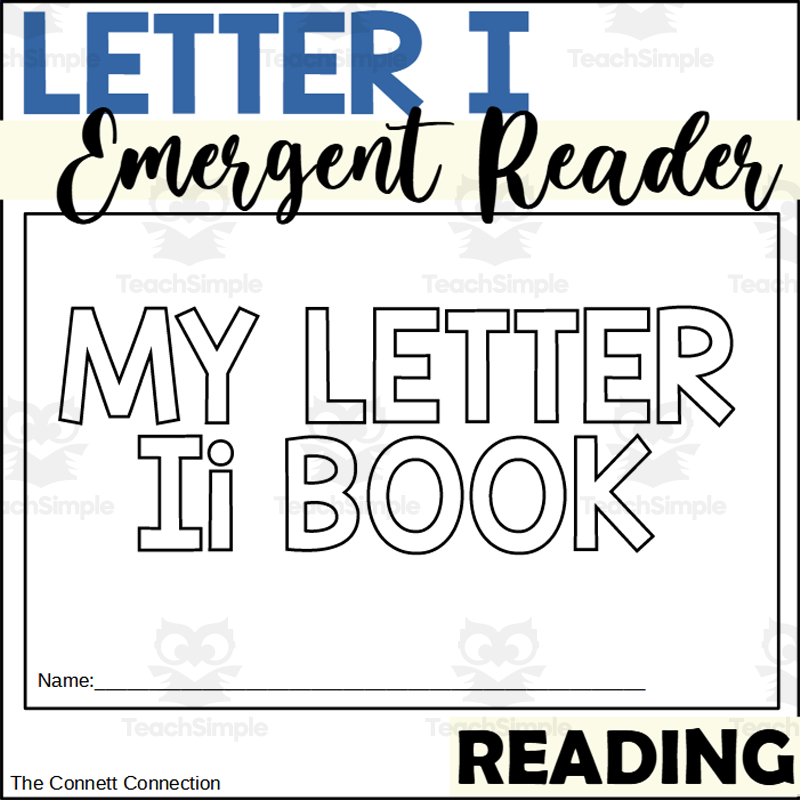
Alphabet Story Book | Letter I Interactive Book This alphabet story book focuses on the letter I, providing educators with an engaging resource to help students learn letters and letter sounds. The interactive format features a vocabulary list, pictures for students to cut out and glue, and an original narrative story. Teachers can utilize this book during whole group, small group, or independent work to introduce and reinforce the letter I. Whether through listening to the audio version or reading the print copy, students will enjoy the story while expanding their literacy skills. With endless implementation ideas, this book offers reading comprehension practice alongside letter-sound recognition in a kid-friendly way. The interactive and multi-sensory format caters to various learning styles, making this resource a versatile addition to any early childhood classroom.
Author Golden Promise
Tags Alphabet Practice, Reading Story, Beginning Sounds, Matching Activity, Letter I
The Emperor’s New Clothes Foldable Mini Book Grade 1 2 3 READING
ELA, Reading, Reading Comprehension, Writing, Handwriting, Grade 1, 2, 3, Activities
Support your young and beginning readers with this highly engaging The Emperor’s New Clothes Foldable Mini Book Set. Designed for Grade 1, Grade 2, Grade 3 primary students, homeschoolers, and, EFL / ESL learners, this resource includes different versions of foldable mini-books that can be used for different activities in the classroom or learning environment. Specifically, this resource contains the following: 1. Colored Mini-Book 2. Black and White Mini-Book with Story Tracing Activities 3. Picture-Fill Mini-Book for Sequencing Test or Exercise 4. Black and White Mini-Book for Story Re-Tell and Writing Exercise 5. Blank Mini-Book Pages for Story Re-Tell, Writing, and Drawing Exercises 6. Sample Lesson Plan The downloadable file contains different versions for printing preferences, specifically legal, letter and A4 paper sizes. There is also an instruction page for how to put together the foldable mini-book. This “The Emperor’s New Clothes Foldable Mini Book” is created to anchor learners’ reading comprehension skills as well as guide them in sequencing events; help them develop their re-telling skills; encourage creativity and cognitive skills; support their motor skills through handwriting and drawing exercises in just one resource! This set is perfect accompanying activity for reading comprehension lessons, reading exercises and projects or just an enjoyable activity for your little readers!
Author It's Teacher L
Tags Emperors New Clothes, Reading Comprehension, Foldable, Mini Book, Reading Strategies
Read, Write and Play - Chloe and the Hedgehogs
ELA, Reading, Reading Comprehension, Preschool, Grade 1, 2, Activities
Read, Write and Play - Chloe and the Hedgehogs The Read, Write and Play - Chloe and the Hedgehogs resource offers an exciting learning adventure for children ages 3-7. Through a captivating story, students are encouraged to strengthen their language arts skills by recalling key details, answering questions about the story, coloring illustrations, and creating puppets. This 20-page PDF journey with Chloe and her hedgehog friends is ideal for kindergarten to grade 2 students. It's an excellent resource for whole group activities but can be adapted easily for small group or individual learning times. For Age Group: 3-5 Enjoy adults reading the story of Chloe and the Hedgehogs. Take part in hands-on coloring activities related to scenes from the tale. Create a puppet that represents a character from the story. Formulate sentences by tracing or copying over given letters. For Age Group: 5-7 Increase their reading comprehension abilities through independently reading aloud chapter-wise content & completing accompanying activity sheets as homework tasks besides classroom sessions. Become skilled at discerning details through inferential roles & recall of plot/character elements responding in full sentences thereby . Hone phonics skills as per curriculum norms laid down. An all-in-one fun-filled package (part of Read Write Play series), it provides kids exposure to different aspects educative yet engagingly embedded within this unassuming lightweight text requiring minimal parental guide while offering maximum child-parent interaction/bonding opportunities!
Author Guinea Pig Education
Tags Storytelling, Reading Comprehension, Language Arts, Coloring Activities, Puppet Making
This is & These are Boom Cards Activity
ELA, Language Development, Pre-Reading, ESL, Grammar, Reading, Vocabulary, Grade 1, 2, 3, Activities, Games
This is & These are Boom Cards Activity : A Premier Language Arts Educational Resource Presenting interactive learning immersion, the This is & These are Boom Cards Activity is an edifying toolkit for students from Grades 1-3 engaged in studying Language Arts. The activity embraces adaptability being usable during whole group instruction or small group sessions and even serving as a fruitful after-class assignment or homework. The prime focus of this multi-functional resource lies in fostering skills pertaining to vocabulary recognition, reading competency and novice level grammar. Using attractive online interfaces, the activity introduces students to distinguishing between singular and plural nouns employing This is and These are constructs via the related context of stationery items. Covering 46 pages overall of dynamic linguistic activities further segregated into three segments, 'This is & These are - Stationery Vocab' having 15 pages where new relating vocabulary gets introduced, 'Rearrange the Sentence' encompassing ten pages helps learners formulate meaningful sentences using their newly acquired vocabulary, In 'Read and Match', another set of ten pages unfolds where young minds read sentences highlighting stationery vocabularies before corresponding them accurately assuring thorough object-context association comprehension. The interactivity quotient holds strong with every page housing clicking-and-dragging activities on boom cards to develop digital literacy skills alongside linguistic adeptness. Lessons become visual delights thanks to colorful clipart images adorning every task! The package also includes a PDF download complete with instructions about setting up free accounts needed for playing Boom Cards games across devices like Androids, iPads, iPhones, Kindle Fires making this resource available across geographical boundaries under its flexible license provisions. In conclusion, education and fun harmoniously blend within these intriguing activities, promoting linguistic capabilities subtly yet consistently. A remarkable companion aiding language development for young learners!
Author Koodles Clubhouse
Tags Boom Cards, Vocabulary Acquisition, Reading Skills, Grammar Concepts, Language Arts
Guided Reading Level N - All About Friction (with Lesson Plan)
ELA, Resources for Teachers, Reading Comprehension, Reading, Language Development, Science, Physics, Engineering, Technology, Pre-Reading, Grade 2, 3, 4, Worksheets & Printables, Worksheets, Teacher Tools, Centers, Activities, Literacy Readers, Quizzes, Quizzes and Tests, Assessments
This Guided Reading Book - All About Friction (Level N) with lesson plan includes: Guided Reading Color Label (front cover x1) This is a quick way to match the book’s demands to what students can generally handle.. The overall goal is to use the level/color to pick books for several smaller groups. To qualify for a certain level, a student is expected to read a book from that level with about 90–94% accuracy. If a student is consistently accurate and understands, move up a level. If the student is struggling at that level, drop down and add more support. Each student will improve at completely different rates, but it is generally one of the best ways to check progress across the class. DOWNLOAD THE CATALOG TO VIEW ALL GUIDED READING BOOKS AVAILABLE (SORTED LEVELS A-Z) Pre-Reading Question (x1) Teacher asks the prompt aloud, can be while showing the cover or first page. Students share what they already know, or make educated guesses from the cover. Prompt them to use the target vocabulary. Write some of their responses on the board to look back at during the reading. Vocabulary Words (x5) Introduce the five words, best doing it one at a time. Start by saying it, while students repeat and then see if anyone knows what it means before reading further. Read through the meaning and try to briefly connect each word to a picture or gesture so it’s meaningful. Ask students to flip through the book pages and point to where they see each of the vocabulary words. While reading the book pause upon coming across one of the vocab words or read the sentence twice to make sure students understand the word has appeared. Optional: Ask students to raise hands whenever they see/hear one of the new words. Guided Reading Pages (x10) Check the book snapshot (below) for: primary topic - do you need to prep extra reading or intro materials on this? what is taught best - decide on 1-2 bullets to focus on, use the prompt or words provided here for best results. learning goals - what you are checking for students to be able to do after the session, elicit answers using prompts or words provided. key vocabulary (see section above). questions overview - so you know what is coming up and if you need to prep extra materials to assist understanding. Run the lesson You may have already looked at a few of the pages together, but you can show them some of the pictures again first to set meaning. Depending on how much time you have and how familiar your students are with guided reading class, you may want to read the book aloud first with the group first. Students whisper or partner read, while you listen in. If time, do it as a group, one student reading a page each. Use the guided page’s prompts to coach: “Check the picture / does it make sense?” “Point under the words / try the first sound” “Reread the sentence smoothly”. Try to focus more on one student per session (rotating every time), so you can work out if they are ready to move up or need to move down a level. Comprehension Questions (back cover x3) This is your way to check that students didn’t just say the words, but actually understood the text. First, let students answer by pointing to the page/picture and saying a short sentence. After any answer, follow with: “Show me where you found that in the text.” In bigger groups, have partners answer first (10–20 seconds), then call on 2–3 students to share. Differentiation tips: Emerging speakers/struggling readers: oral + pointing On-level: oral in a full sentence Higher: one written sentence or draw + label Book Snapshot Title: All About Friction Genre: Nonfiction (informational) Subject: Physical Science Primary Topic: How friction affects motion in daily life Estimated Guided Reading Level (A–Z): N What This Book Teaches Best Defines friction as a force that happens when surfaces touch or rub, and explains it acts against motion to slow things down. Compares rough/uneven surfaces (more friction) and smooth surfaces (less friction), using examples like sandpaper, carpet, ice, metal, and glass. Shows real-world uses of friction for safety, including bicycle brakes, soccer cleats gripping grass, and car tire treads gripping wet roads. Explains how friction can create heat energy and how lubricants reduce friction by forming a slippery layer between surfaces. Extends the idea of friction to air and water as drag/air resistance , and explains why friction makes movement controlled and “predictable.” Learning Goals Students can explain what friction is, using details from the text. Students can compare how rough/uneven surfaces and smooth surfaces affect sliding and distance. Students can describe how friction helps stop motion in the bicycle brake example. Students can explain one way friction is increased for safety or performance (cleats, tire treads). Students can explain how lubricants change what happens when two surfaces touch. Students can describe friction in air or water (drag/air resistance) using the parachute example. Key Vocabulary From the Text resistance — a push-back that makes movement harder. uneven — not smooth; bumpy. treads — deep grooves that help tires grip the road. lubricants — slippery substances that help things slide more easily. microscopic — so tiny you need a microscope to see it. Discussion Prompts Pre-reading question: When have you noticed something slow down because two surfaces rubbed together? Comprehension questions: What does the text say friction is? How does friction help a bicycle come to a complete stop? What do lubricants do between two surfaces to reduce friction? Printing Tips 1. Best Printing Method (Recommended) “Booklet” Printing (Best if Available) If your printer or PDF viewer supports Booklet Printing , use this. Settings to use: Print mode: Booklet Paper size: Letter or A4 (either works) Orientation: Landscape Print on both sides: Yes Flip on: Short edge Scaling: Fit to printable area Booklet subset: First test: Front sides only Then: Back sides only This will automatically: Pair pages correctly Put the cover on the outside Align everything for folding After printing, fold in half and staple along the spine . 2. If “Booklet” Printing Is NOT Available You can still print this correctly with manual duplex printing . Step-by-step: Open the PDF. Choose Print . Set: Orientation: Landscape Pages per sheet: 1 Print on both sides: Yes Flip on: Short edge Print all pages . Because each PDF page already contains two facing book pages, the result will still fold cleanly into a book. Thousands of Cored Education products are included with your TeachSimple membership. Download links and encyclopedia index available here.
Author Cored Education
Rating
Tags Reading Comprehension, Reading Passages, Reading, Guided Reading, Guided Reading Lesson Plan, Guided Reading Activity, Pre-reading, Vocabulary, Science Lesson Plans, Physics