
Verbs & grammar
Spanish: Interview with Tener Verb
A speaking-practice activity that has students ask and answer questions built around the Spanish verb tener (to have) in a rotating classmate-interview format.


Classroom resources
Browse by lesson focus
Choose the topic or kind of practice you need.
Showing 625–648 of 1070 resources

 Show filters
A speaking-practice activity that has students ask and answer questions built around the Spanish verb tener (to have) in a rotating classmate-interview format.

A bilingual (English and Spanish) graphic organizer and lesson script for teaching students to distinguish a text's topic from its main idea using a nonfiction read-aloud.
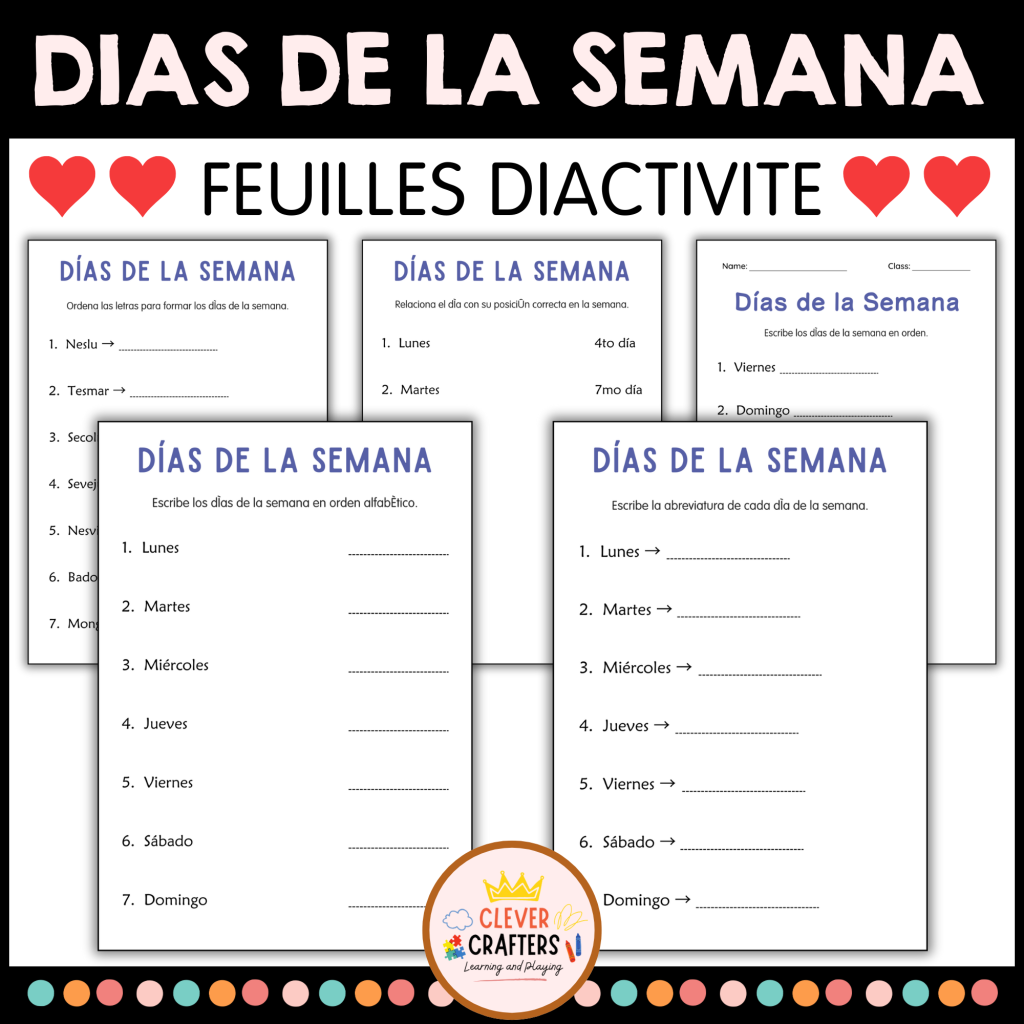
Practice worksheet pack for learning the days of the week in Spanish (Días de la Semana) through writing, ordering, and word-unscrambling activities.

Give Spanish-language-arts students a short grammar/language-mechanics mini-lesson on syllable counting and word stress/accentuation (sílabas tónicas) paired with a fall-themed writing prompt, to build both grammar knowledge and Spanish writing skills.
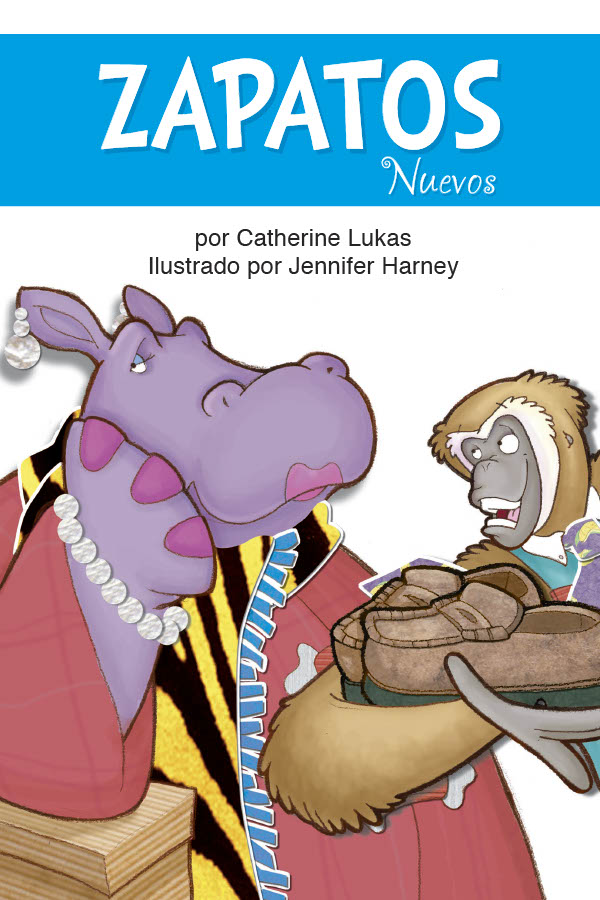
Spanish-language read-aloud storybook ("New Shoes") telling a humorous narrative about a shoe-shop customer, for early Spanish reading practice.
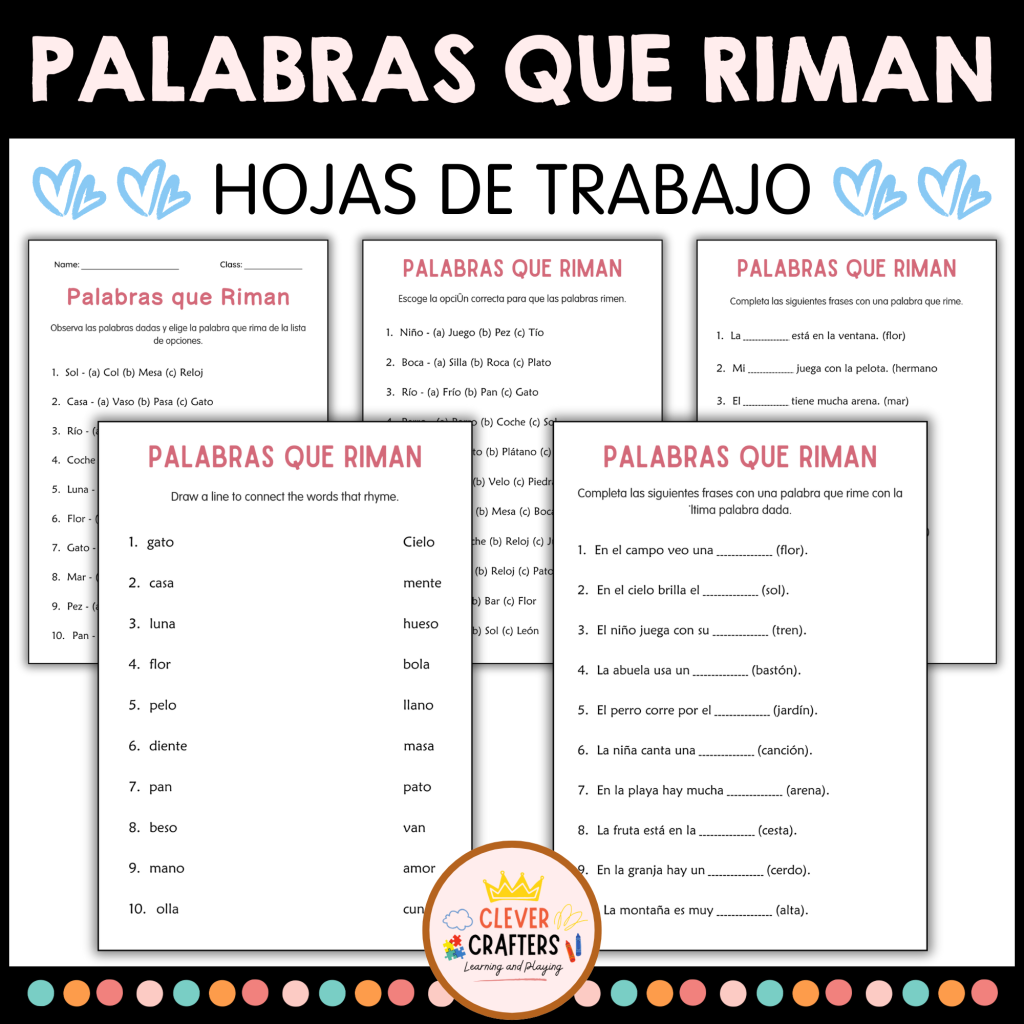
Practice recognizing, selecting, and producing rhyming words in Spanish.

Teach the rules for forming plurals of Spanish definite/indefinite articles, nouns, and adjectives, and give students practice applying them.

Spanish Spelling Dictation No Prep Week 4 Program The Spanish Spelling Dictation No Prep Week 4 program is a comprehensive teaching resource designed for refining and reinforcing the orthographical skills of intermediate to advanced level Spanish students. This helpful tool focuses specifically on the usage of written accents in…

A self-checking Spanish-language digital activity for practicing regular verbs in the future tense, where correct answers progressively reveal a hidden pixel-art image.
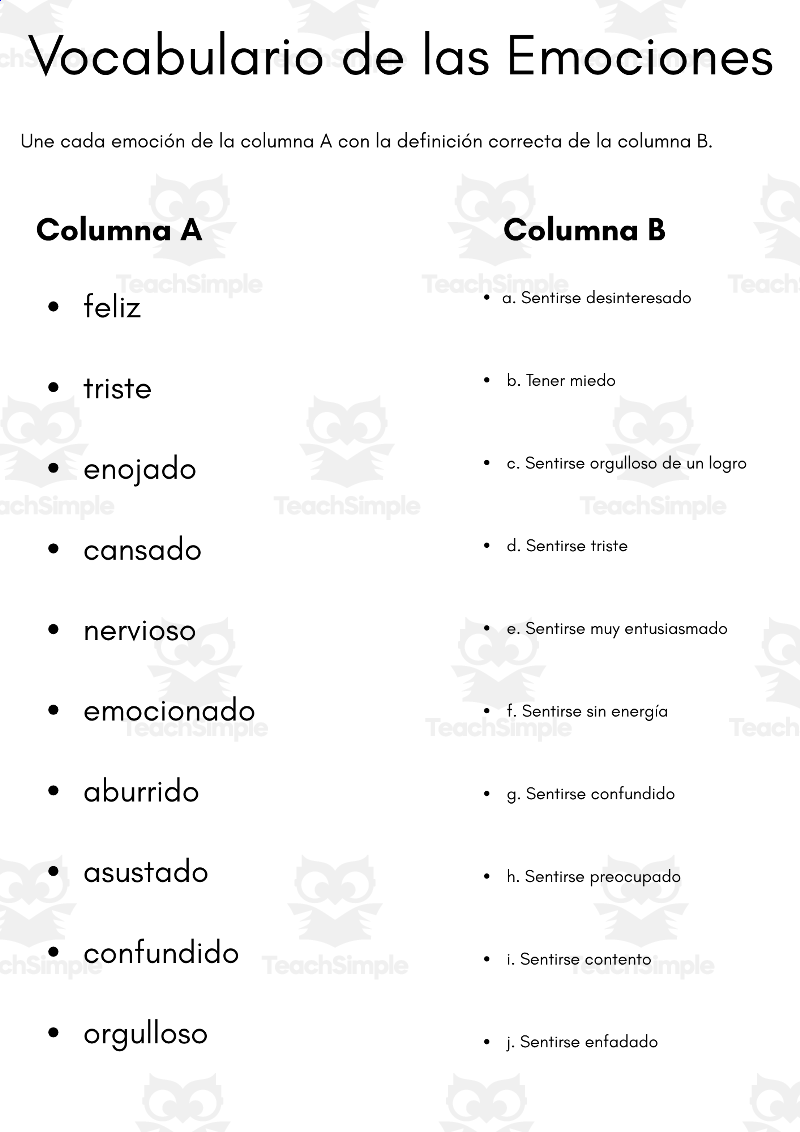
Give students practice recognizing and using common Spanish emotion vocabulary.
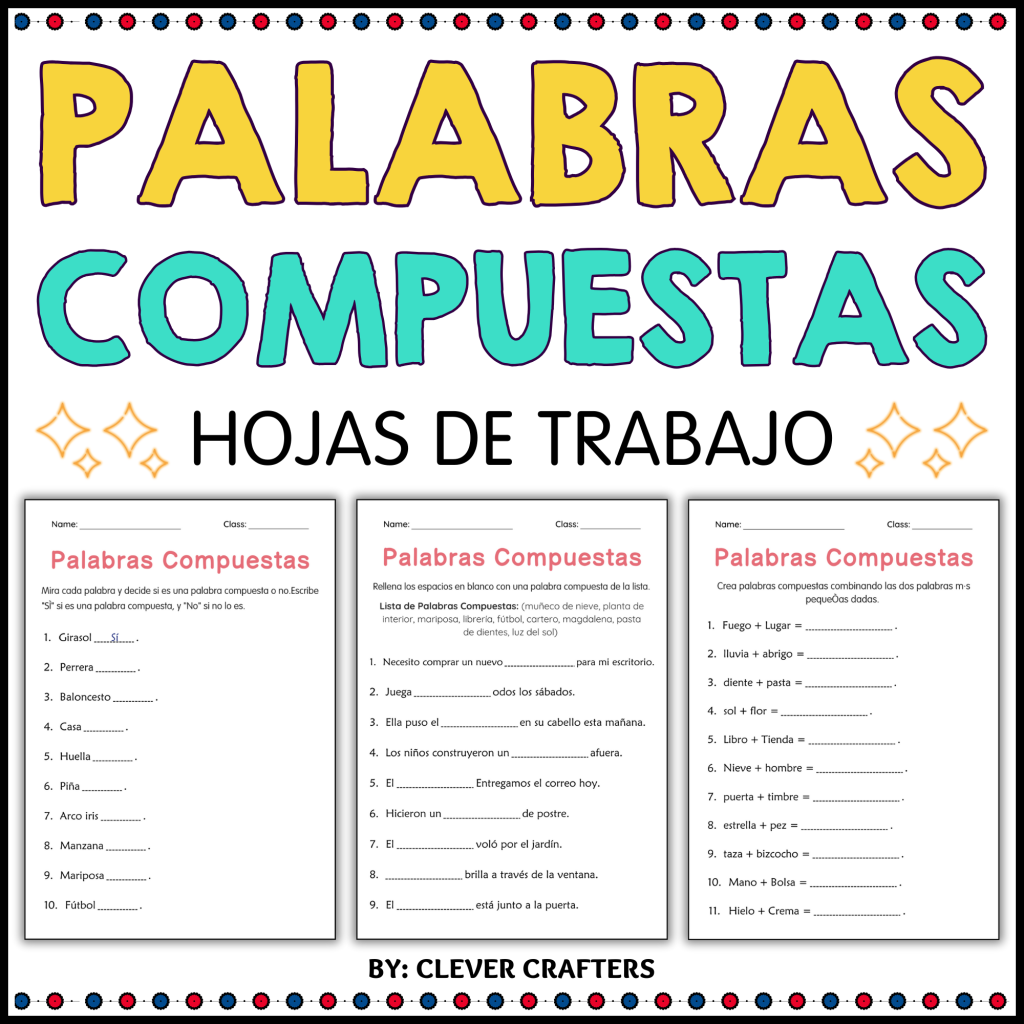
Practice identifying, forming, and breaking apart Spanish compound words (palabras compuestas).
 Free download
A bilingual (Spanish/English) station-center activity for practicing ordinal numbers using picture sequences.
 Free download
A short Spanish-language fictional story ('Pipo, el Pingüino') with five open-ended comprehension questions, teaching reading comprehension and a moral lesson about finding your own unique strength/talent.

A single-page Spanish-language photography workshop activity introducing students to photographers Bleda y Rosa (known for photographing sites of past historic events that now look ordinary) and having students create a similar photo/drawing pairing about a personally meaningful place.
 Free download
A short Spanish-language fictional story ('La Nube que No Quería Llover') with five open-ended comprehension questions, teaching reading comprehension and a moral lesson about letting go to give life to others / embracing change.

Have students imaginatively assume the identity of the artist Pablo Picasso and complete a Spanish-language creative 'resume' (currículo) template about the artist's life, style, and work, then illustrate a related drawing task.
 Free download
A short Spanish-language fictional story ('La Estrella Perdida') with five open-ended comprehension questions, teaching reading comprehension and a moral lesson about asking for and receiving help.

Spanish: Months and Days Cut and Paste Activity The Spanish: Months and Days Cut and Paste Activity is a teaching resource designed primarily for educators centered around world languages, with a specific focus on Spanish. While highly recommended for learners within grade levels 1 to 6, this activity can equally cater to beginner…
 Free download
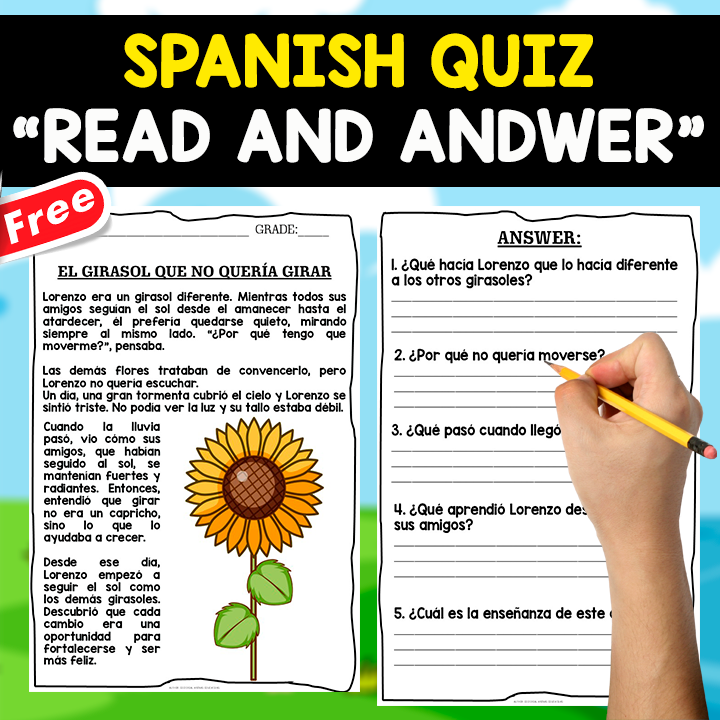
A short Spanish-language fictional story ('El Girasol que No Quería Girar') with five open-ended comprehension questions, teaching reading comprehension and a moral lesson about accepting guidance/change to grow.

A set of 20 generic Spanish spelling/word-work task cards, each prompting a different way to practice any given spelling word (e.g. write it backwards, break into syllables, use it in sentences), with a blank control/recording sheet and a worked answer example.
 Free download
A short Spanish-language fictional story ('El Gato Milo') with five open-ended comprehension questions, teaching reading comprehension and a moral lesson about friendship across differences.

A Spanish-language sorting activity teaching students to classify and identify common food items.
 Free download
A short Spanish-language fictional story ('El Conejo y la Zanahoria Mágica') with five open-ended comprehension questions, teaching reading comprehension and a moral lesson about sharing and friendship.

Have students imaginatively assume the identity of the artist Henri Matisse and complete a Spanish-language creative 'resume' (currículo) template about the artist's life, style, and work, then illustrate a related drawing task.