Earth & wider investigations
STEM Activity Packet
Provide 28 independent hands-on STEM/science experiment activities with supply lists and instructions for classroom, camp, or independent/group use.




Classroom resources
Browse by lesson focus
Choose the topic or kind of practice you need.
Showing 25–48 of 90 resources

 Show filters
 Provide 28 independent hands-on STEM/science experiment activities with supply lists and instructions for classroom, camp, or independent/group use.
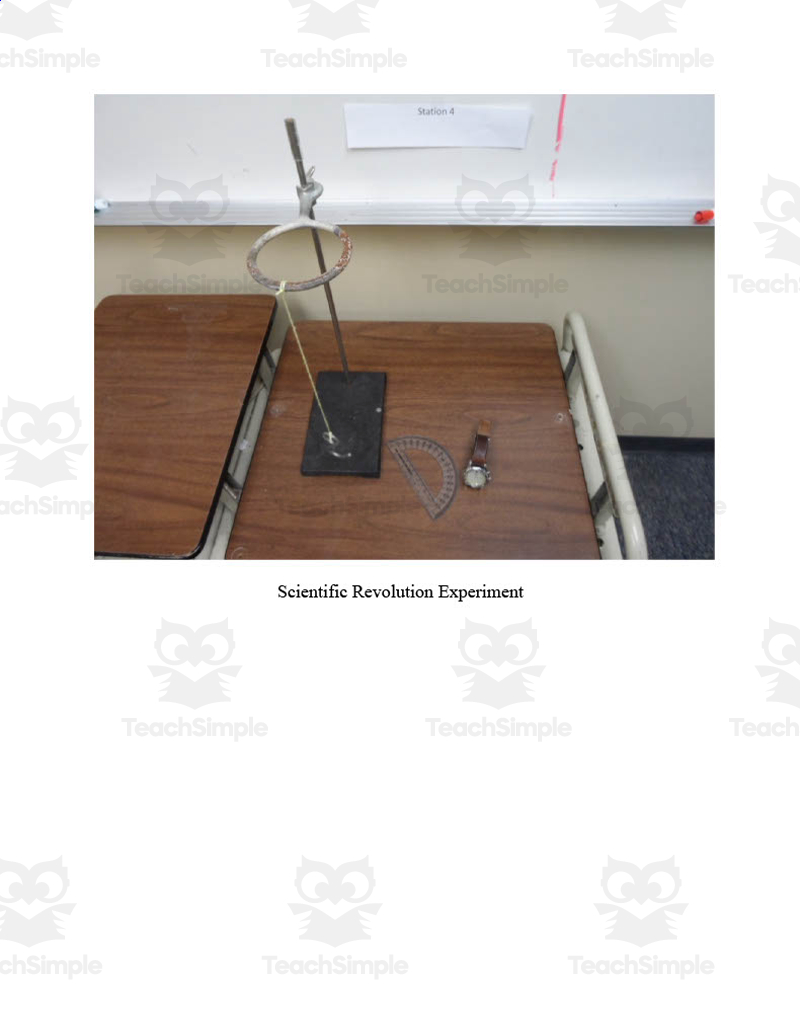
A hands-on history lesson plan in which students rotate through four experiment stations to test claims made by ancient philosophers (Aristotle, Galen) against the findings of Scientific Revolution figures (Galileo, Copernicus, Vesalius), illustrating the shift to the empirical scientific method.

Teach Newton's Three Laws of Motion through a rotating multi-station hands-on physics lab activity.

A 9-station hands-on lab rotation teaching density and buoyancy concepts (mass, volume, density calculation, buoyant force, and why objects float or sink) for grades 7-10 science classrooms.
Problem-based learning (PBL) activity where students design and run an experiment (dropping a ball onto a target) to practice the scientific method, data analysis (mean, mode, standard deviation), and evidence-based argument writing.

A 7-station (plus 2 rest stations) hands-on science lab activity teaching mass, weight, volume, density, and buoyancy through varied tasks: modeling, research, opinion writing, reading comprehension, multiple-choice testing, a video assignment, and question writing.

Run a 9-station rotation lab teaching acid-base neutralization chemistry through varied hands-on, research, reading, video, and assessment formats.
Teach electricity and magnetism concepts (magnetic force, compasses, electromagnets, static electricity, electroscopes, electrical circuits, generating electricity) through hands-on experiments.

Teach air-science concepts (air pressure, gas properties, breathing/respiration in humans/animals/plants, Bernoulli's principle, carbon dioxide, barometers, siphons) through hands-on hypothesis-driven experiments framed around Newton's scientific method.
A hands-on physical-science workbook of lab activities exploring sound and light concepts (e.g. mirrors, sound waves, rainbow lab) for classroom demonstration or individual student use.
A set of 23 hands-on science labs that teach the scientific method (observation, hypothesis, communication, decision-making) through varied classroom activities and mini-experiments.
A multi-station physics lab activity teaching the concept of power (including horsepower, work, and energy efficiency) through 9 rotating stations combining hands-on measurement, research, video analysis, reading, and knowledge checks.
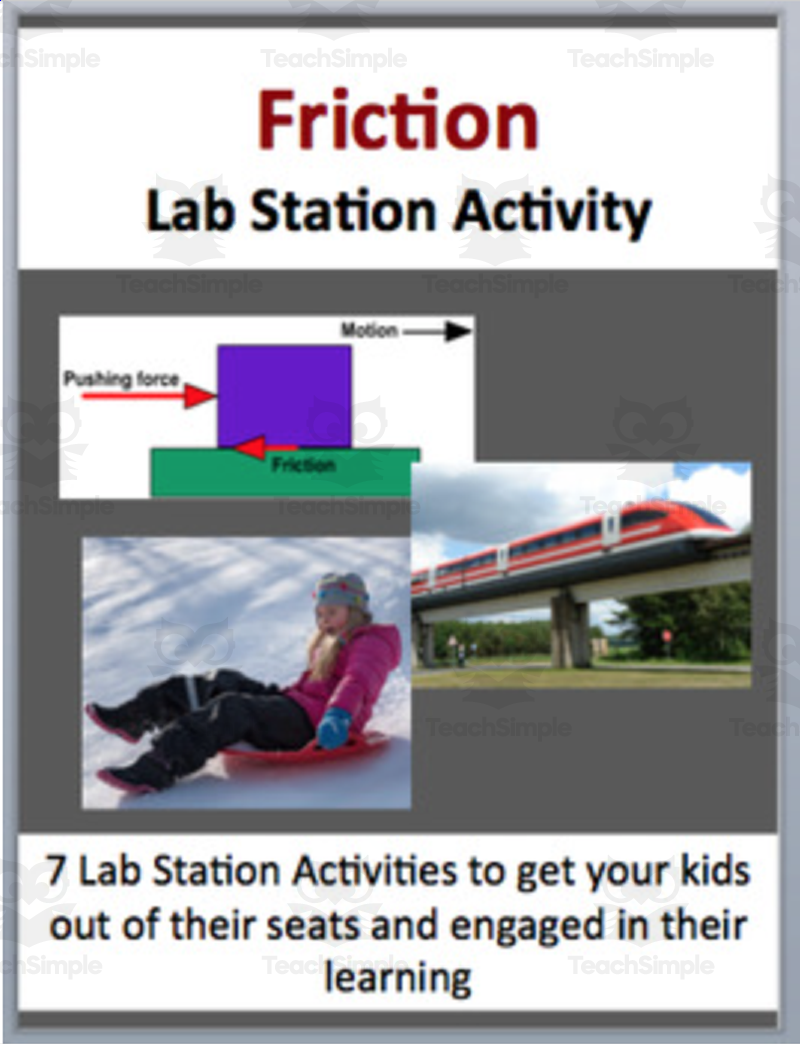
Teach the physics of friction (types, causes, applications, coefficient of friction) through a rotating multi-station lab activity.
Teach physical science concepts (matter, properties of matter, elasticity, motion, and Newton's First Law) through hands-on experiments, framed around Newton's laws.
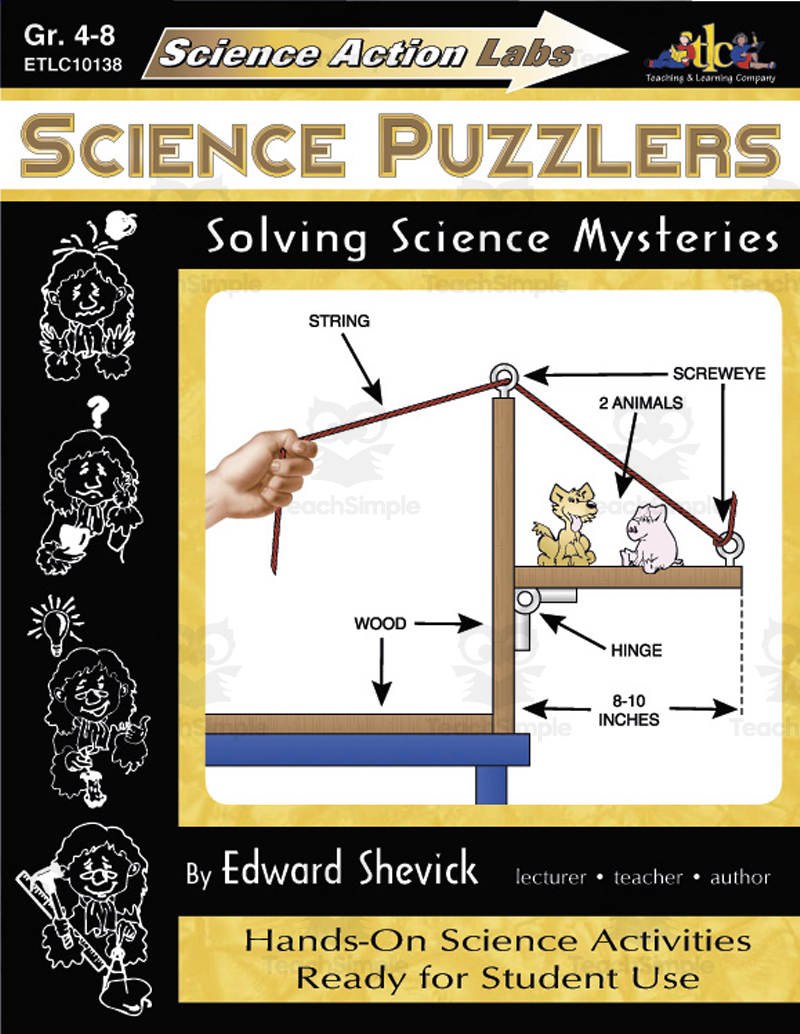
A collection of 31 hands-on science 'puzzler' activities and demonstrations covering physics concepts (gravity, magnetism, balance, motion, light) framed as mysteries for students to solve.
A 90-minute Grade 6 biology lesson plan teaching the process of photosynthesis through explanation, a simple experiment, and a worksheet.
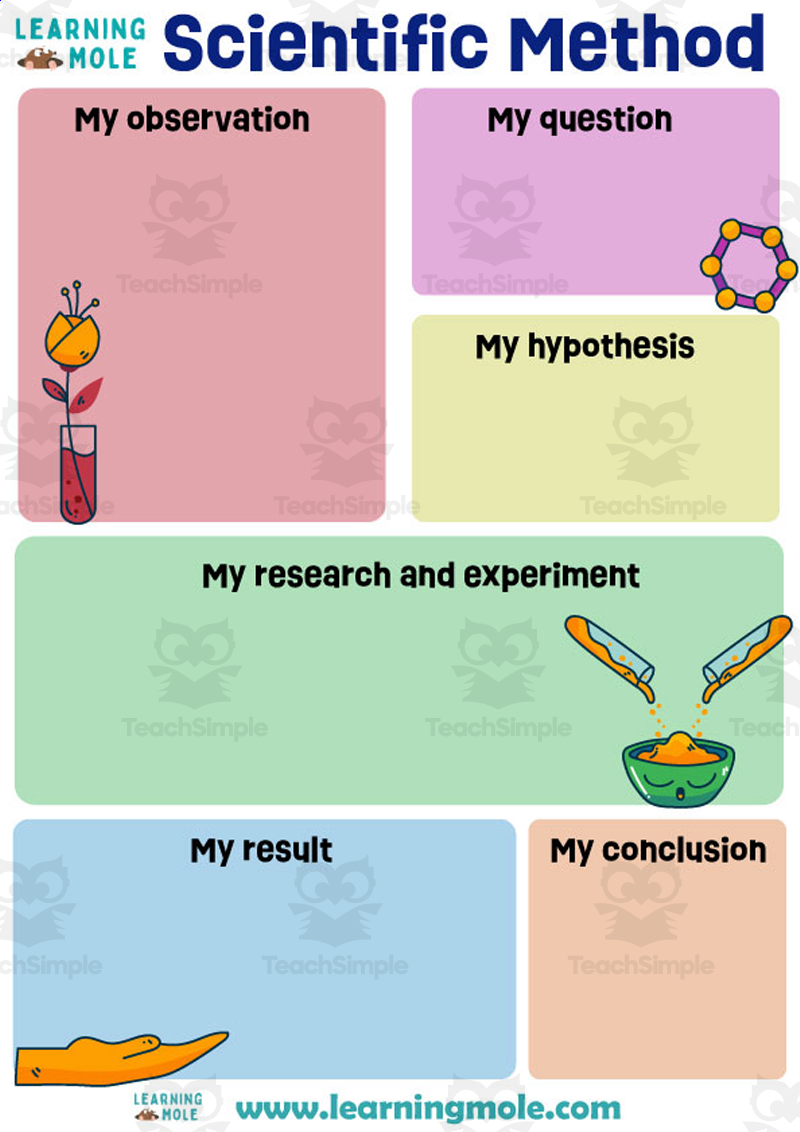
One-page graphic organizer worksheet for students to record the steps of the scientific method for an investigation.
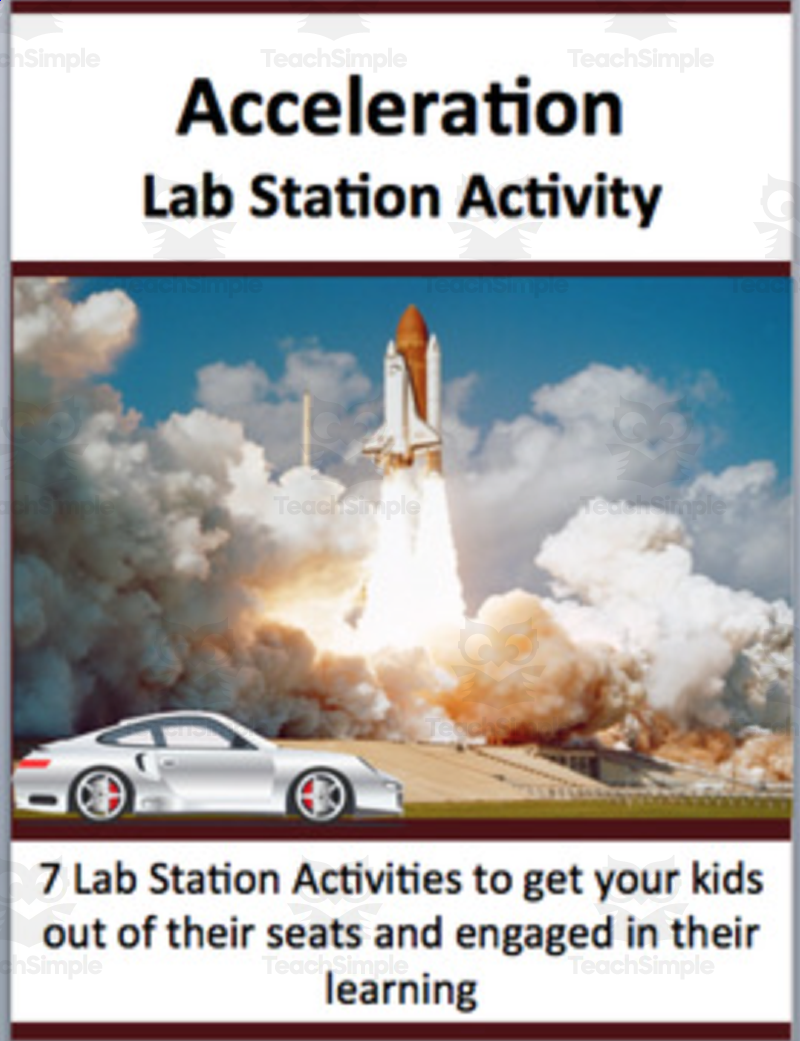
A multi-station high-school/middle-school physics activity that teaches uniform acceleration through hands-on experimentation, research, reading, video, and multiple-choice assessment.

A complete 5E-model science lesson bundle teaching middle/high school students how organisms evolve physical and behavioral adaptations to increase their chances of survival.
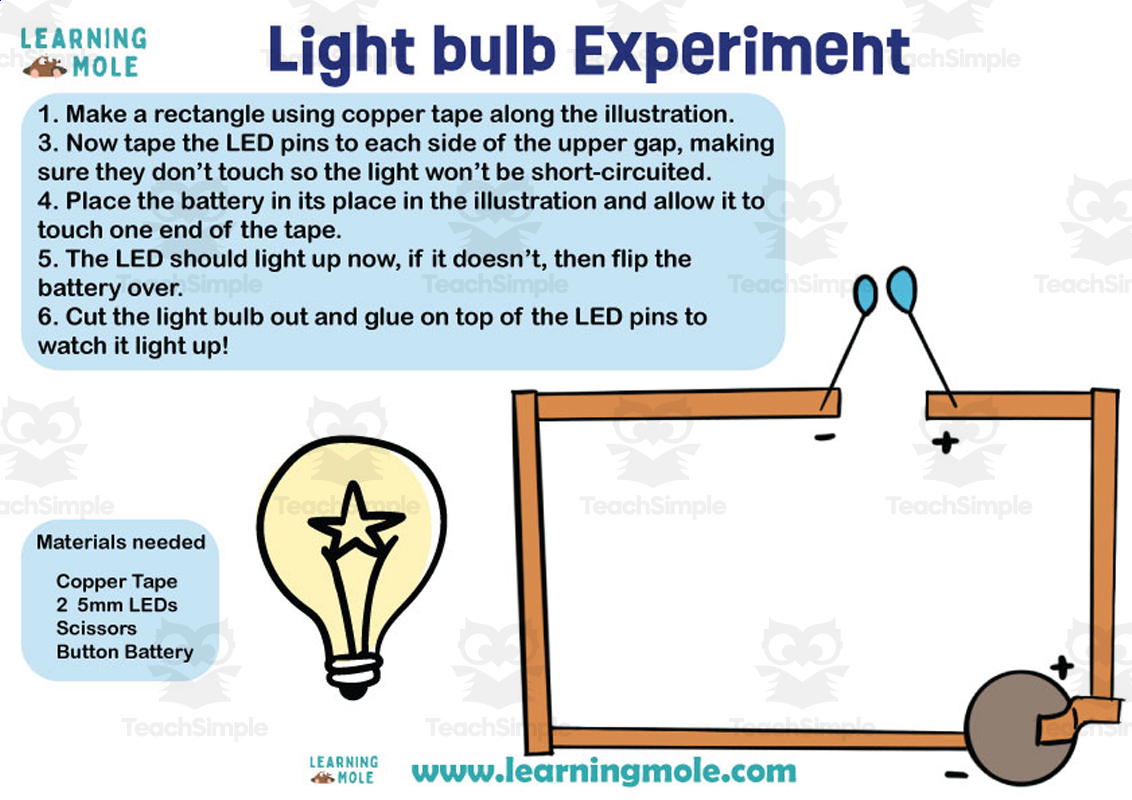
Guide students through a hands-on STEM circuit-building experiment: lighting an LED using copper tape and a button battery.
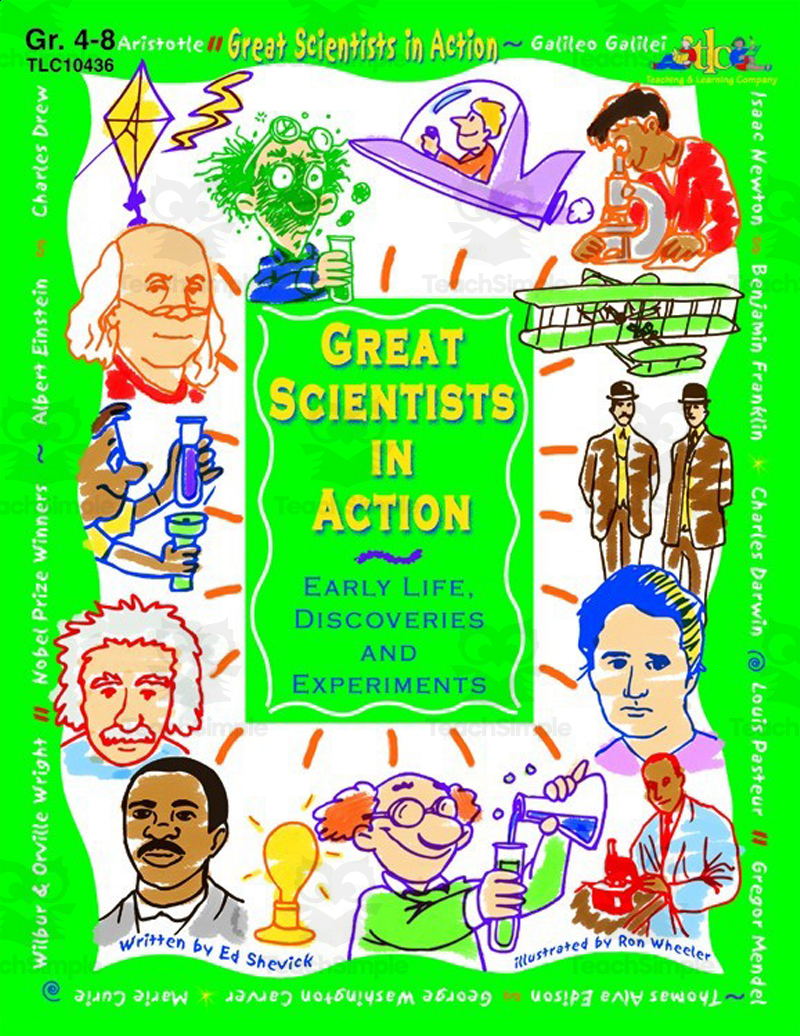
A 66-page science/biography workbook profiling famous scientists (early life, discoveries, and hands-on experiments) to teach the history and process of science.
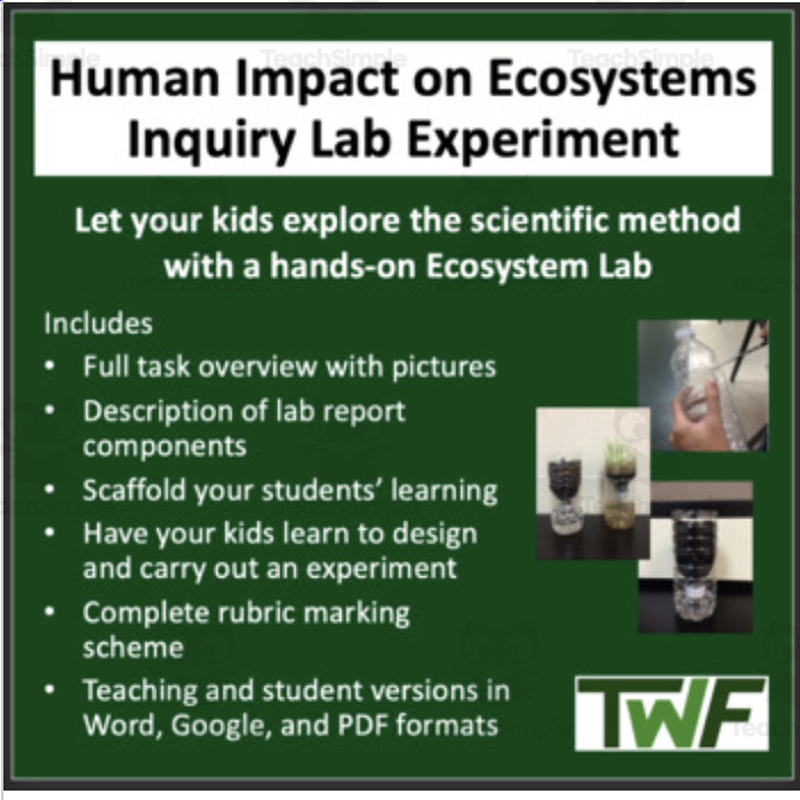
A guided-inquiry lab in which students design and run an experiment testing how a human-caused factor affects a small ecosystem, then write a formal lab report.
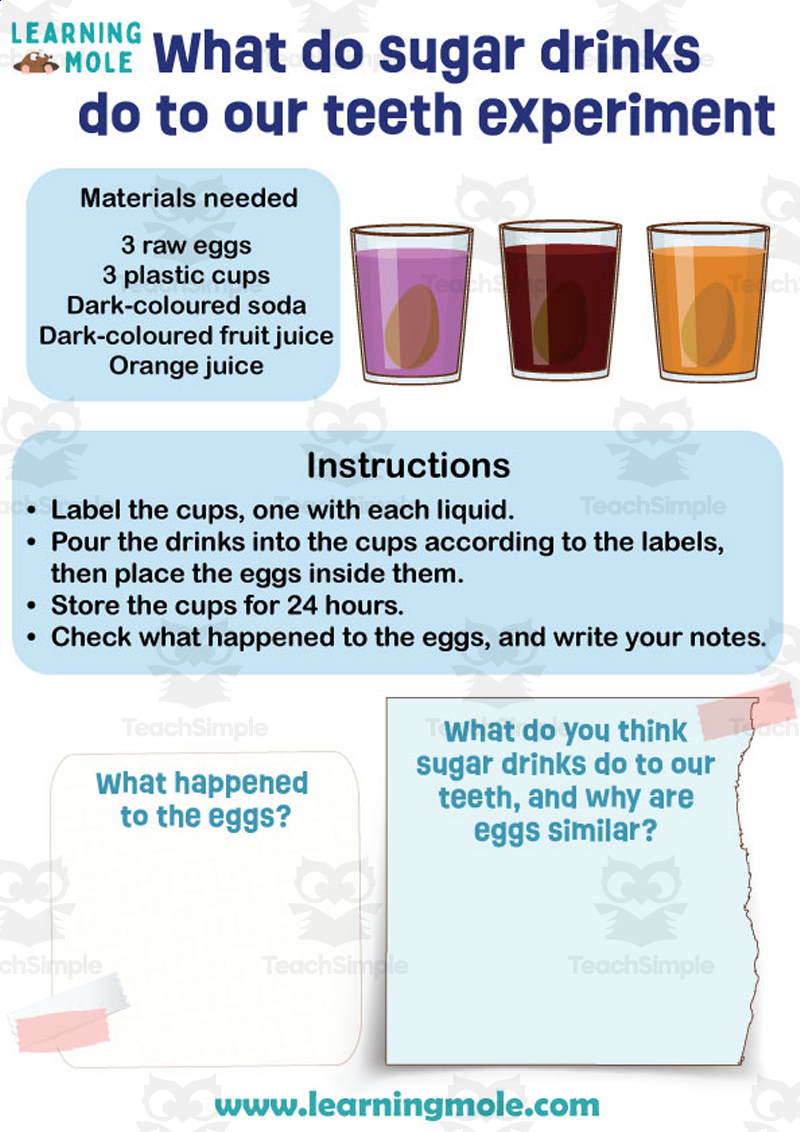
Run a simple hands-on experiment showing the effect of sugary/acidic drinks on tooth-like material (eggshell) to teach about dental health.

Provide a multi-resource bundle teaching the scientific method (the eight steps: questioning, controlling variables, hypothesis, planning, performing, observing, analyzing, discussing) through slide-based lessons and hands-on lab/project activities.