
Punctuation Posters
Provide a set of 10 character-based punctuation posters with explanations and example sentences for classroom display or student notebook reference.


Classroom resources
Browse by lesson focus
Choose the topic or kind of practice you need.
Showing 241–264 of 281 resources

 Show filters
Provide a set of 10 character-based punctuation posters with explanations and example sentences for classroom display or student notebook reference.

This resource is a set of learning posters and graphic organizers for quatrain poetry writing. There are a variety of posters that teach about quatrain poetry. Students will explore features, how to write a quatrain poem and so much more. They will use the graphic organizers to brainstorm ideas and then write a quatrain poem. This pairs…

Rainbow Version Alphabet Posters are a key resource for early elementary classrooms. This 26-page printable PDF features a letter of the alphabet on each page with corresponding capital and lowercase letters alongside a picture representing that letter's sound. The bright, vibrant rainbow colors and clear images help students identify…

These Desk Name Tags - Rainforest are perfect for helping your students identify their desks and practice spelling their name with a rainforest theme.
A set of reusable reading-strategy anchor posters paired with blank graphic-organizer response sheets (two ruled-line versions of each: with and without pre-drawn lines) that students use with any book they are independently reading, covering the 'Five Finger Rule' for choosing a just-right book plus cause and effect, compare and…

This resource is a set of 9 anchor charts for teaching reading strategies when students are preparing to read. These charts would work great on a bulletin board display or inserted into students' interactive reading notebooks.

Use this display to discuss how a dialogue tag can convey a speaker’s manner or tone. The PowerPoint contains the Said Is Dead heading and supporting display pieces for classroom use. Treat the slogan as an invitation to make deliberate choices, not a rule banning said, which remains appropriate when a neutral tag serves the writing.

Needing something fun and interactive for October, while incorporating figurative language practice in students' writing? Then look no further than this adorable monster display where students make up their own monster and write similes…
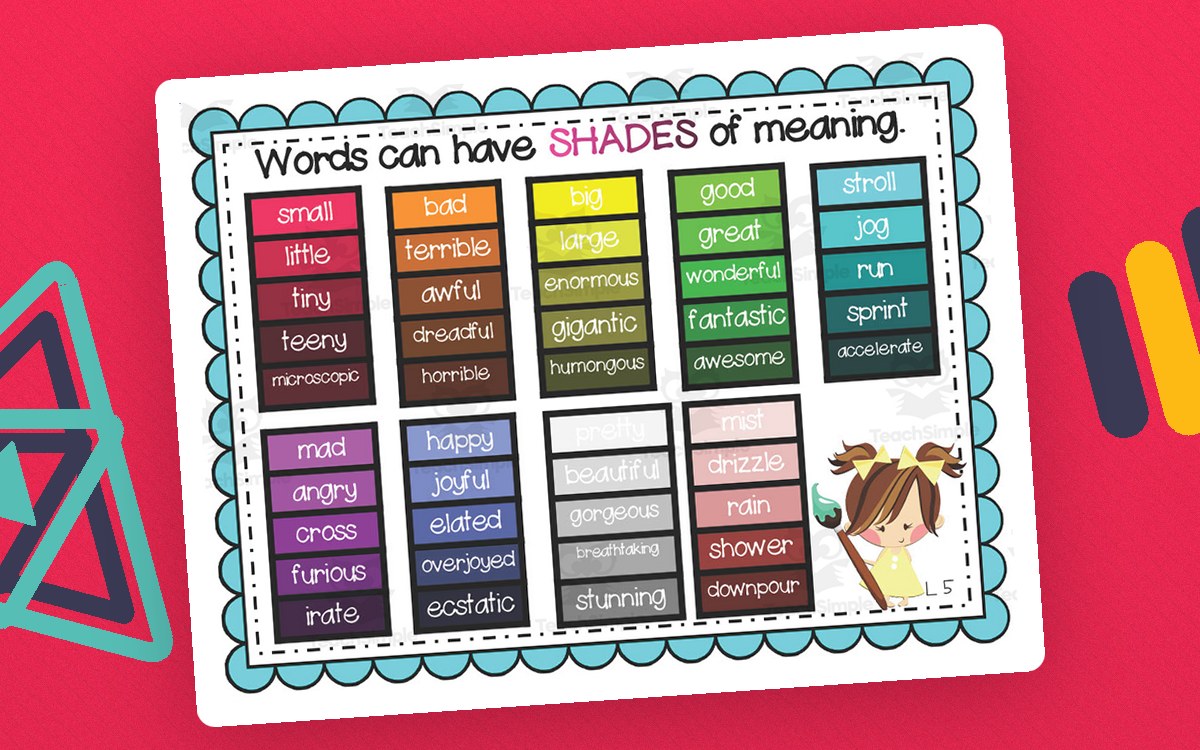
This resource is a set of 2 anchor charts for shades of meaning. Students will learn about how similar words can possess stronger meanings and reactions when reading and writing stories. The first chart is complete.

Short A CVC Posters Overview The Short A CVC Posters are an essential teaching tool devised for educators guiding children on reading and writing short A consonant-vowel-consonant (CVC) words.

Short E CVC Posters An exciting instructional resource for educators and parents, Short E CVC posters use a vivid, conversation-starting design to teach children how to spell and read words with short E vowel sounds.

A set of posters and word lists for each short vowel sound, used as a classroom reference.

Two word-wall sheets group second- and third-grade sight words beneath alphabet headings. Post them together or keep them accessible as a reference so students can look for a word by its initial letter. Select a few words for short daily practice, then prompt students to consult the same display when they need spelling support in their writing.

A five-step Somebody/Wanted/But/So/Then framework walks students through identifying a story's main character, goal, problem, attempted solution, and ending, and it appears twice — once fully worded as a teacher or display copy, and once with key words blanked out for students to fill in themselves. A second, matching chart titled ‘Summarizing’ explains that a summary retells a story's main events and lists the five elements to include (characters, setting, problem, events, solution) using the same SWBST acronym, again in both a complete and a fill-in-the-blank version. Together the four pages form a two-part anchor chart set meant to be posted for reference and then reinforced through an interactive-notebook-style blank version students complete in their own notes. The charts can support story retelling alongside a teacher-selected text.

If you are looking for an Intensive, Multisensory Reading, Spelling and Writing Program, I have just the program you are looking for. SOS to Encode!
 Free download
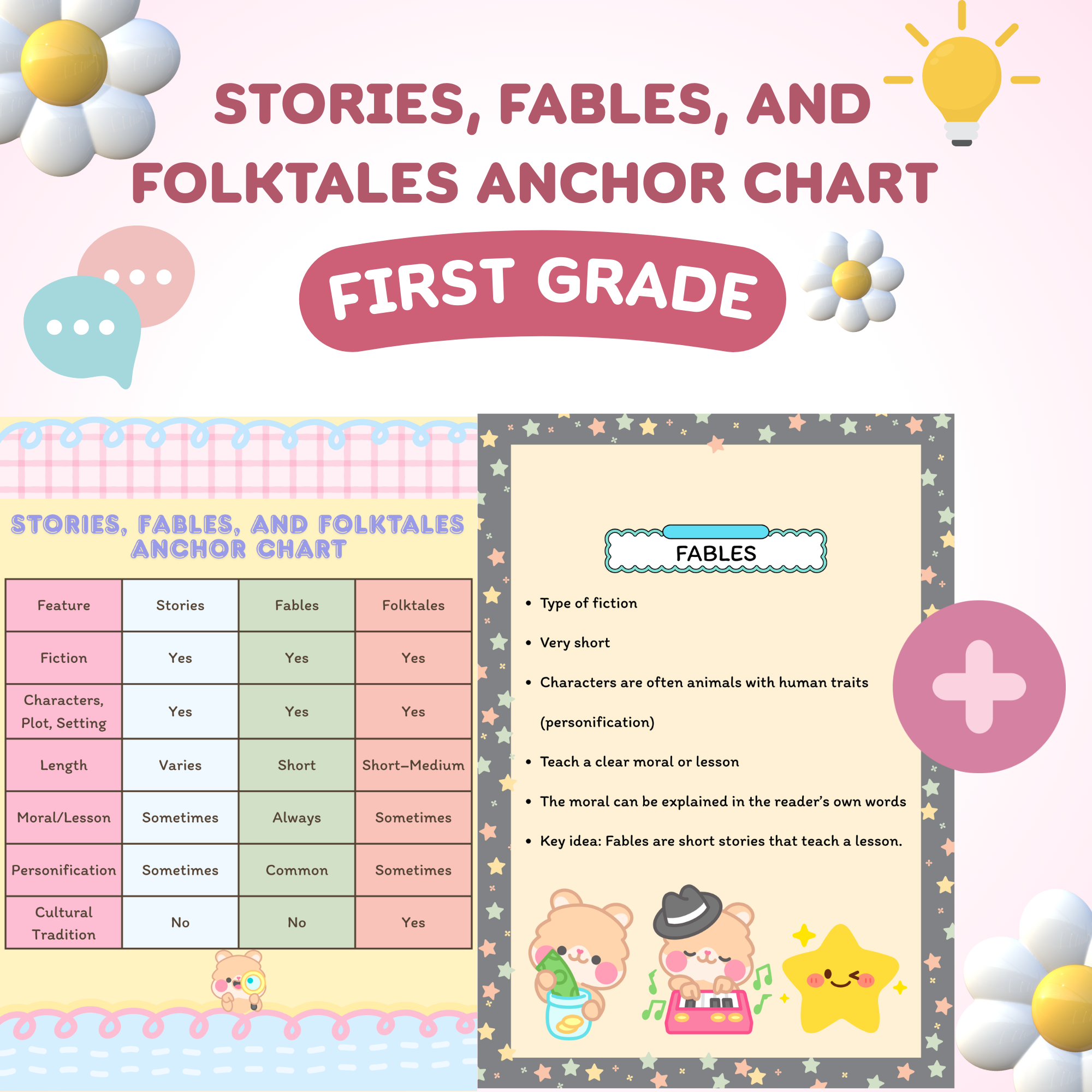
This set of anchor charts helps first graders learn about stories, fables, and folktales. Big, colorful pictures show what makes each one different. The set has four charts. The first chart is about stories.

A collection of classroom pin-board posters that help students write, tell or re-tell tell a story.

Read a sentence aloud and identify its complete subject before discussing the predicate. Invite students to create a similar sentence and explain its two parts.
 Free download
Each suffix poster pairs an ending with a brief meaning and an example word. Use one during an introduction, then leave it available as students notice the ending in reading or try it in writing. The separate -er posters offer a useful comparison between someone who does an action and a comparative form such as smaller.
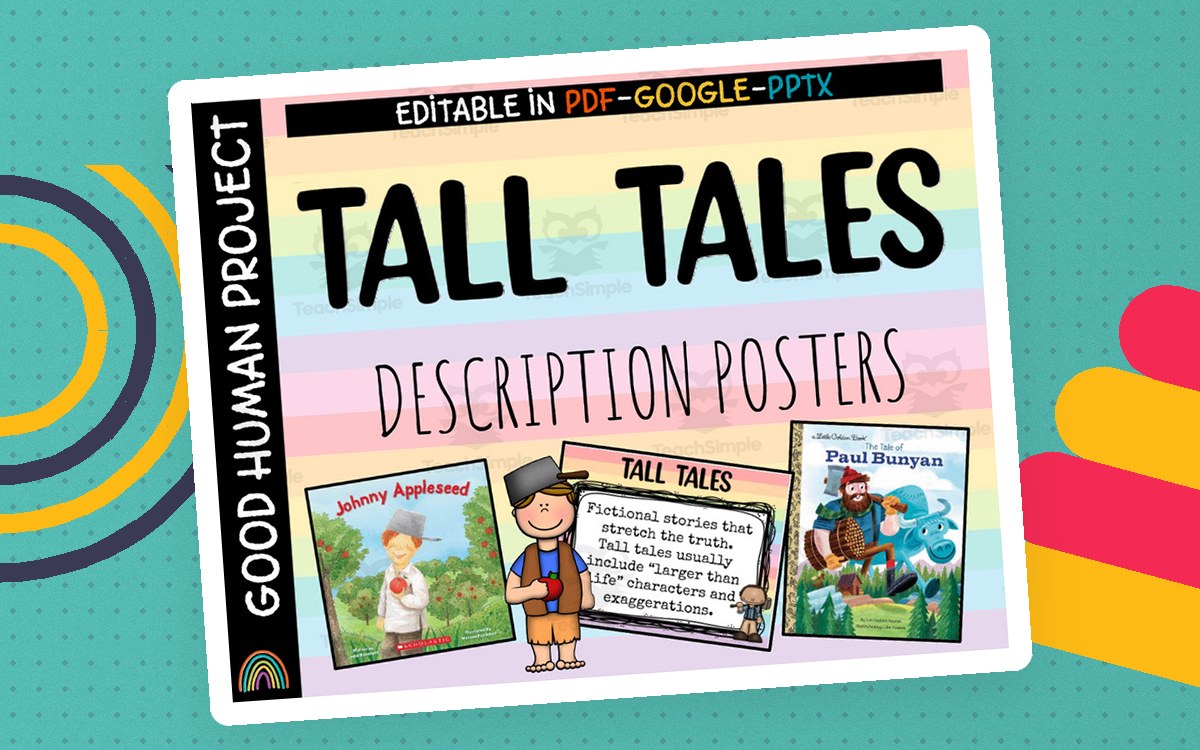
This resource is a Tall Tales Description Posters . There are 3 posters included: -Definition -Suggested literature -Story elements

A 26-page alphabet poster set that pairs each letter with a real zoo animal whose name begins with that letter (e.g., A is for Antelope, Z is for Zebra), for early alphabet recognition.

This resource is a Text Evidence Reading Poster. It is a 3-page printable that can be used as a helpful reference for students when answering short answer questions. It takes students through the A.C.E.

If you are looking for an engaging way to teach students about text structures, look no more. This is a Text Structures Poster Pack that will give students the practice they need at home or in the classroom. What You Get: 5 Easy to read posters with visuals (black and white or color options): Cause & Effect Compare & Contrast Problem &…
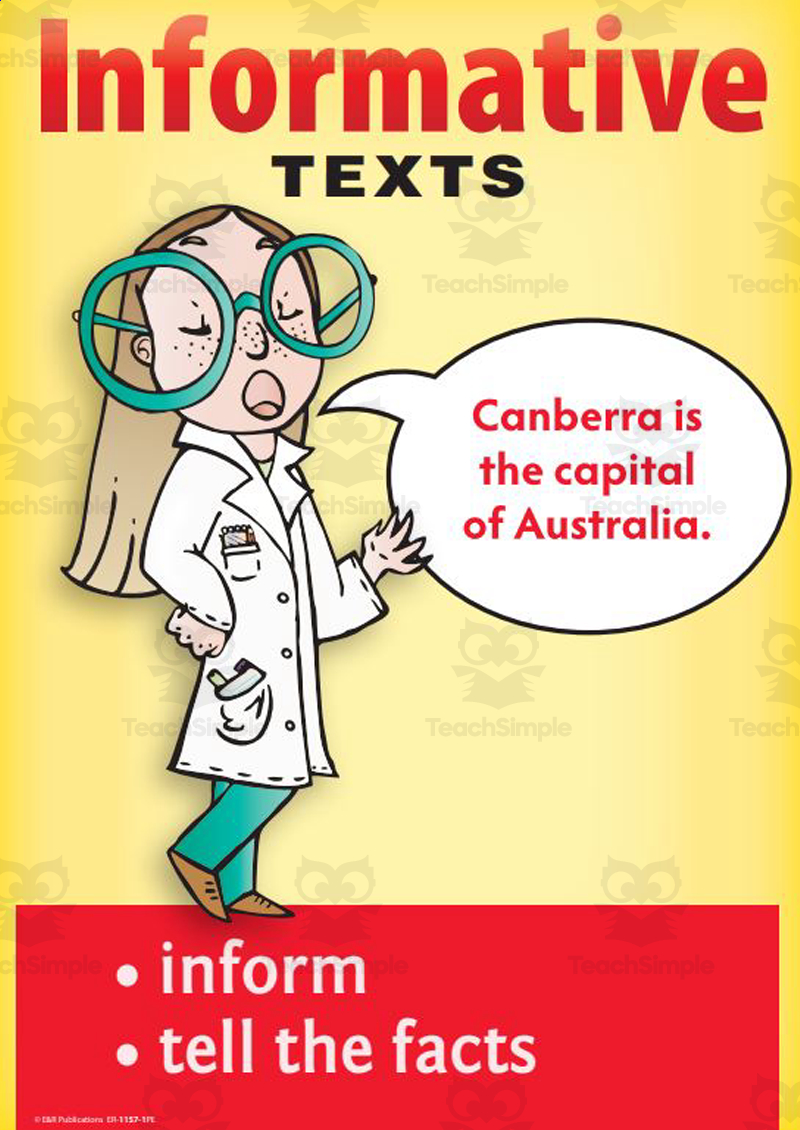
Introducing an engaging set of 4 large A3 posters that explore the different types of texts for early primary students. The informative, persuasive, imaginative, and narrative text posters use relatable Australian place names and contexts…