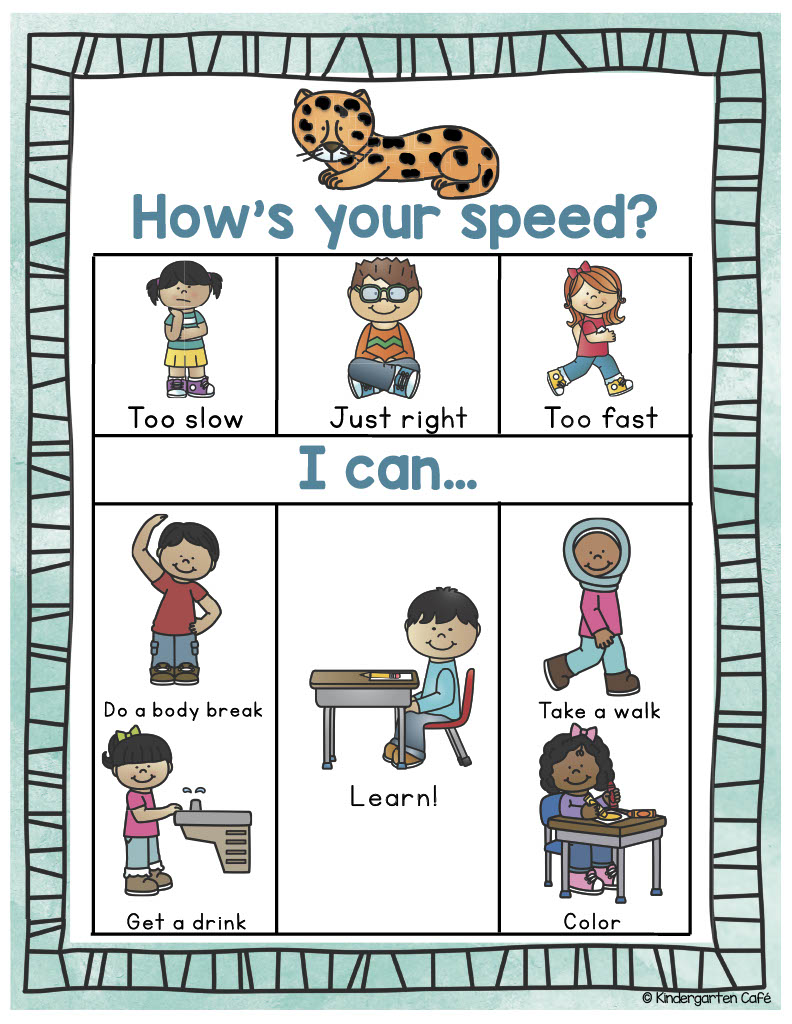
Control Spot Sign
A behavior/self-regulation classroom poster helping students self-assess their pace/speed on a task and choose an appropriate 'I can...' action.




574 resources
Explore sub-categories
2 sub-categories · 574 resources
A behavior/self-regulation classroom poster helping students self-assess their pace/speed on a task and choose an appropriate 'I can...' action.
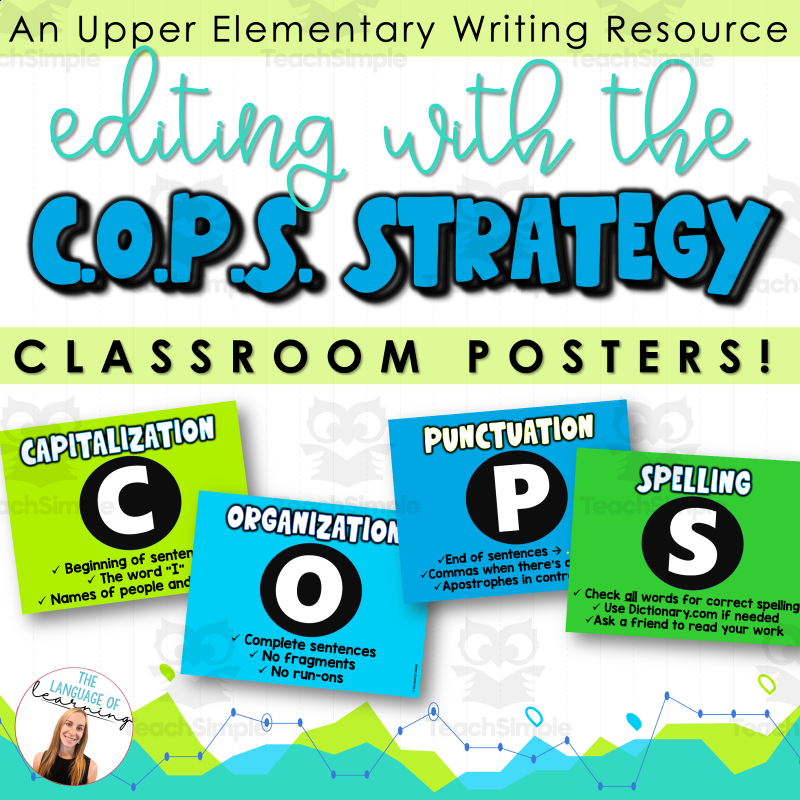
Introduce a repeatable editing routine with a C.O.P.S. overview and four letter posters. Students check capitals, sentence completeness, punctuation and spelling, then can ask a peer to read their work. Model a short draft one step at a time and keep the selected reminder visible during editing, teaching comma use through sentence structure rather than pauses alone.
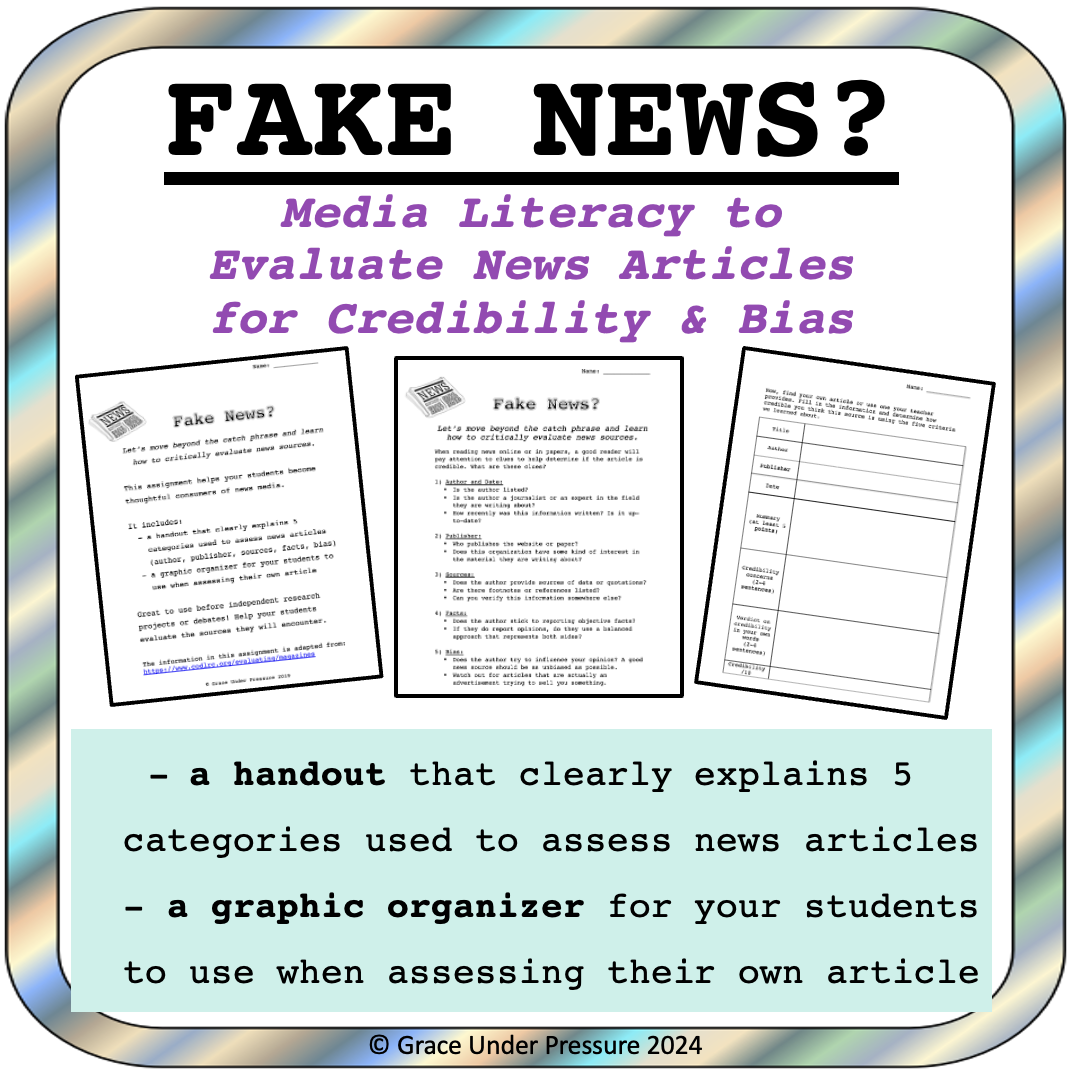
Teaches students to critically evaluate news sources for credibility using five assessment categories (author, publisher, sources, facts, bias).

Provide a classroom reference for the decimal operation students are practicing. The set includes two page versions for each of addition, subtraction, multiplication and division, allowing teachers to select the relevant display. Pair a chosen poster with the current lesson and refer students back to it as they explain their calculations.

If you are a high school math teacher, finding resources that best serve for your students is of the utmost importance! This is a Discrete vs.
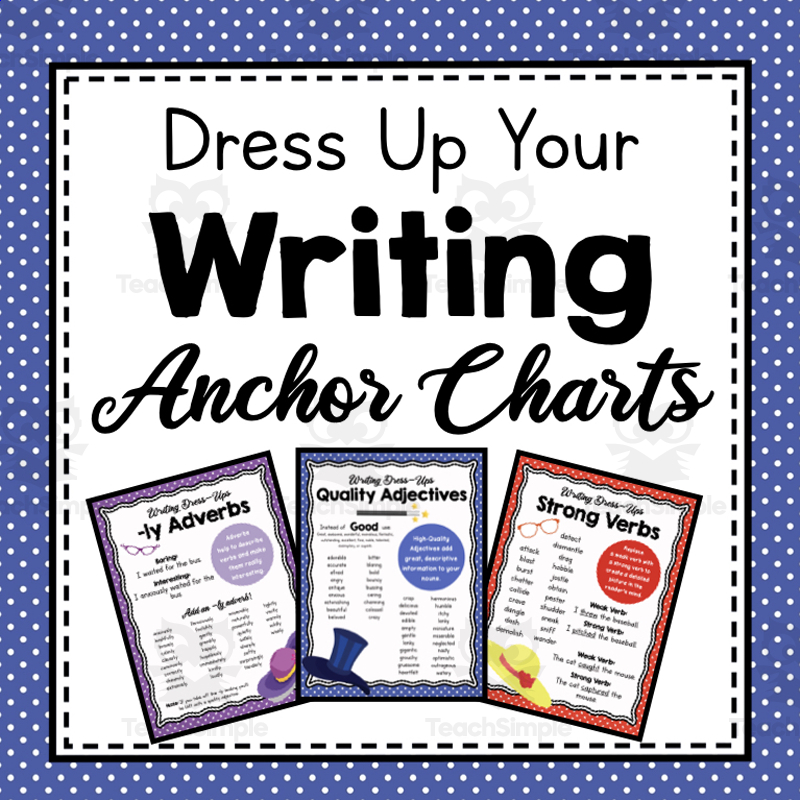
A set of anchor chart posters teaching seven 'writing dress-up' techniques for revising and editing student writing to improve word choice and sentence complexity.
 Free download
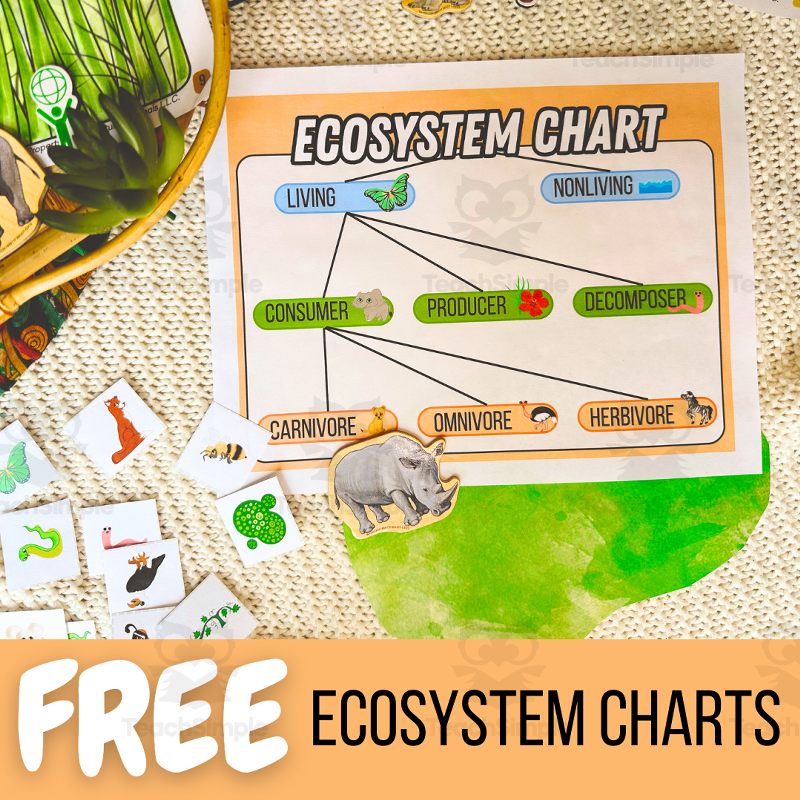
 Explore the flow of an ecosystem with these science anchor charts. Print out in full color or partial color, then talk through each part of the ecosystem with your kids. START: At the top, you can choose living or nonliving.
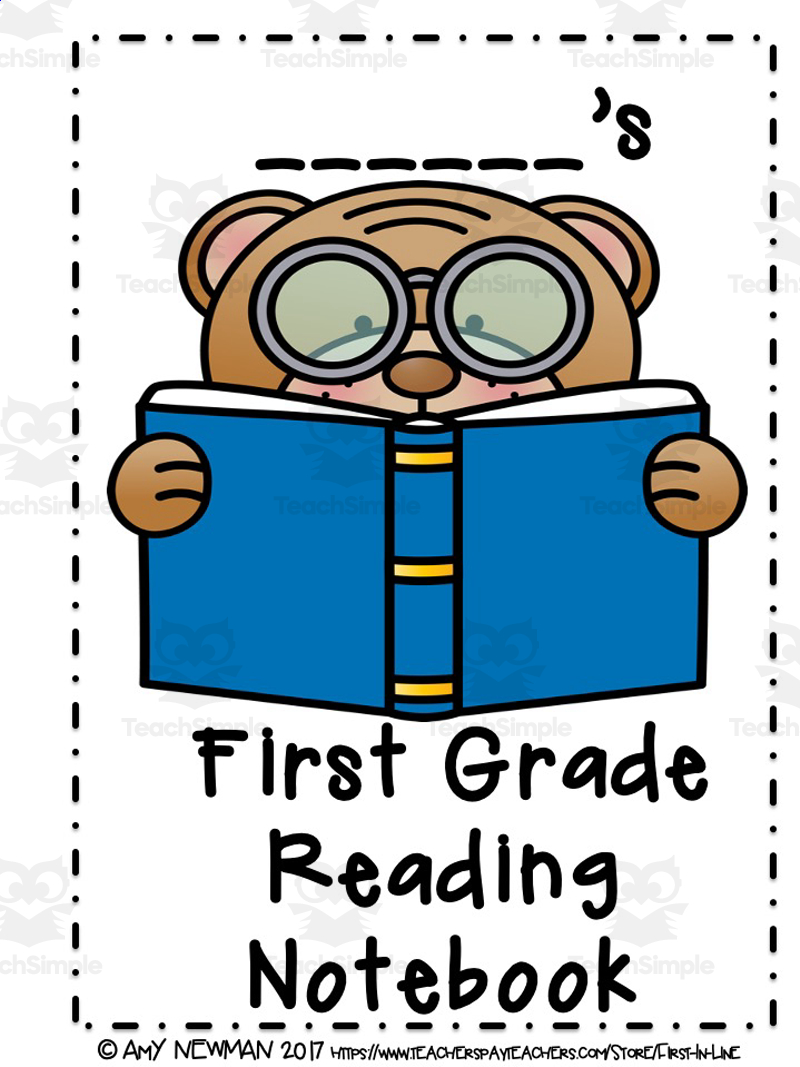
This resource is a first grade reading notebook full of everything your students need to compile a resourceful reading notebook. From anchor charts , fill in the blanks and engaging visuals, students will love putting this notebook…
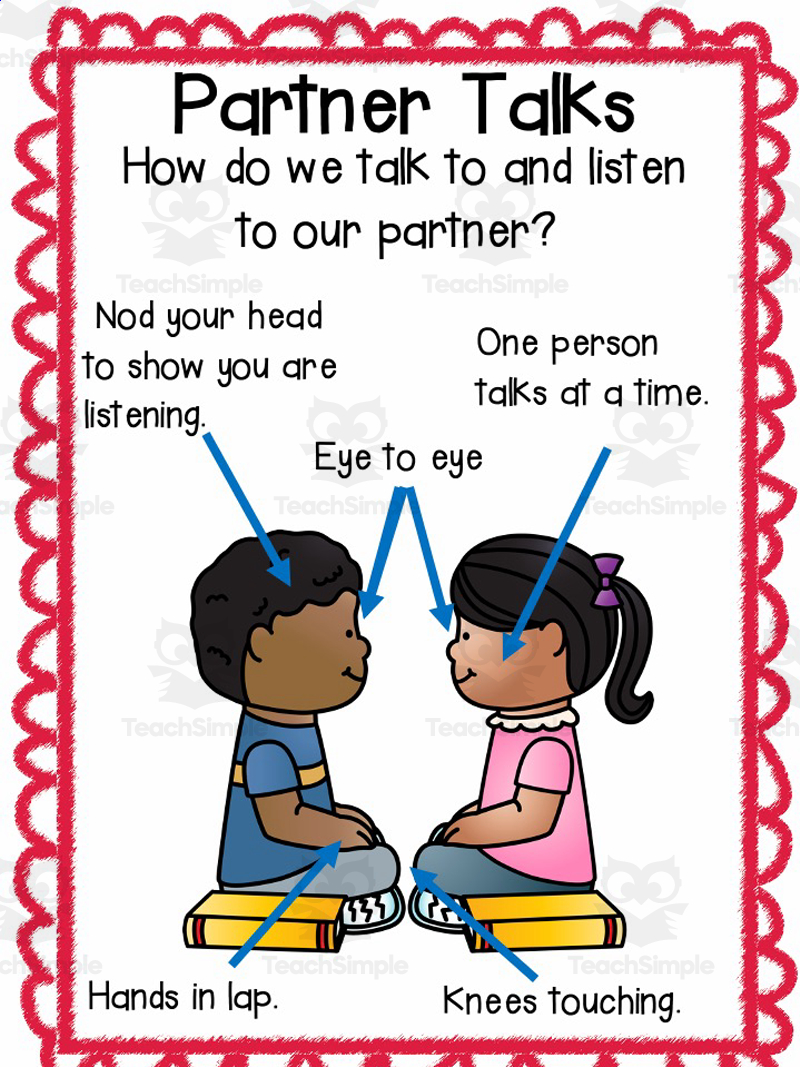
This resource is a set of 3 anchor charts for teaching partner talk. The first anchor chart is complete. The following 2 charts are fill in the blank.

A one-page reference tool teaching students the ARMS (Add, Remove, Move, Substitute) revising strategy and CUPS (Capitalization, Usage, Punctuation, Spelling) editing checklist for reviewing their own writing.
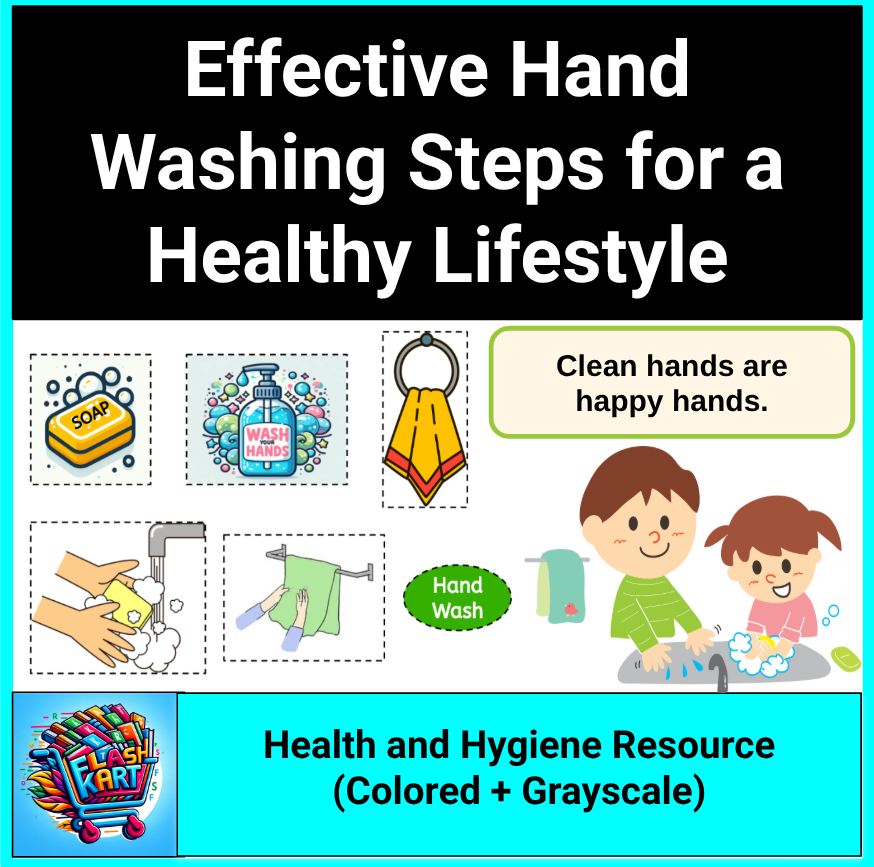
Teach and display proper hand-washing steps to promote hygiene and a healthy lifestyle in a classroom, homeschool, or at-home setting.

Teach students the features, themes, and famous examples of elegy poetry and guide them through writing an original elegy.
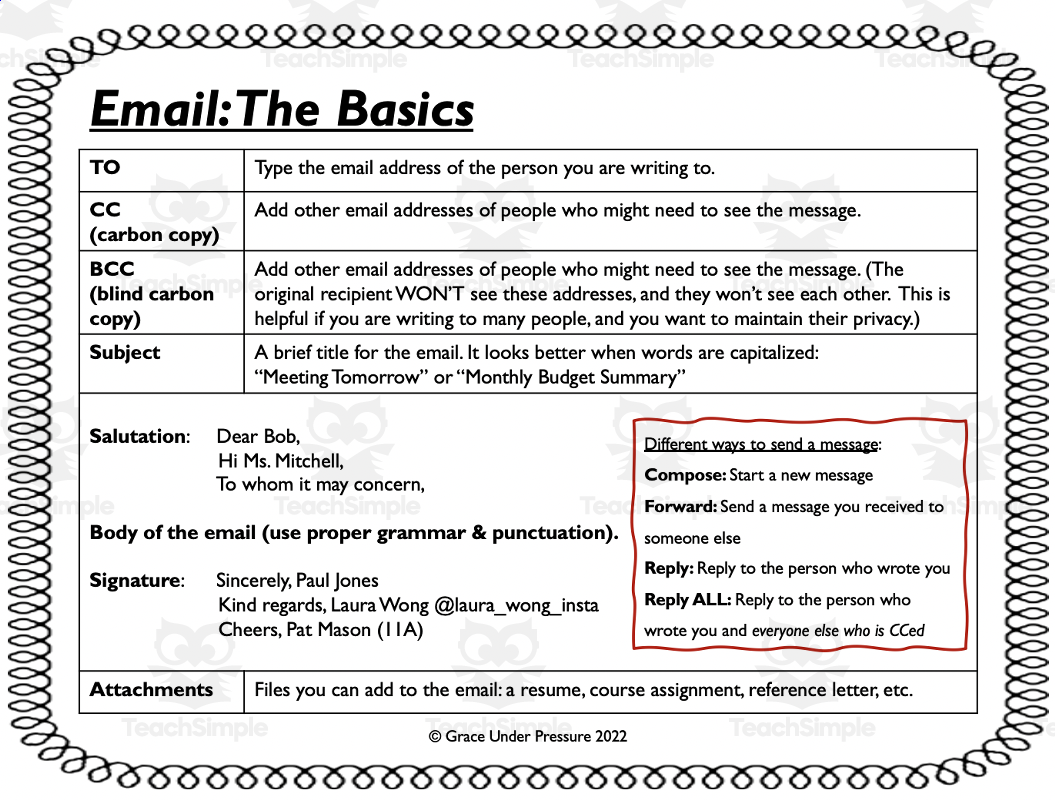
This product contains a useful one-page handout with all the necessary vocabulary to get started with emails (including the dreaded "reply all" button).
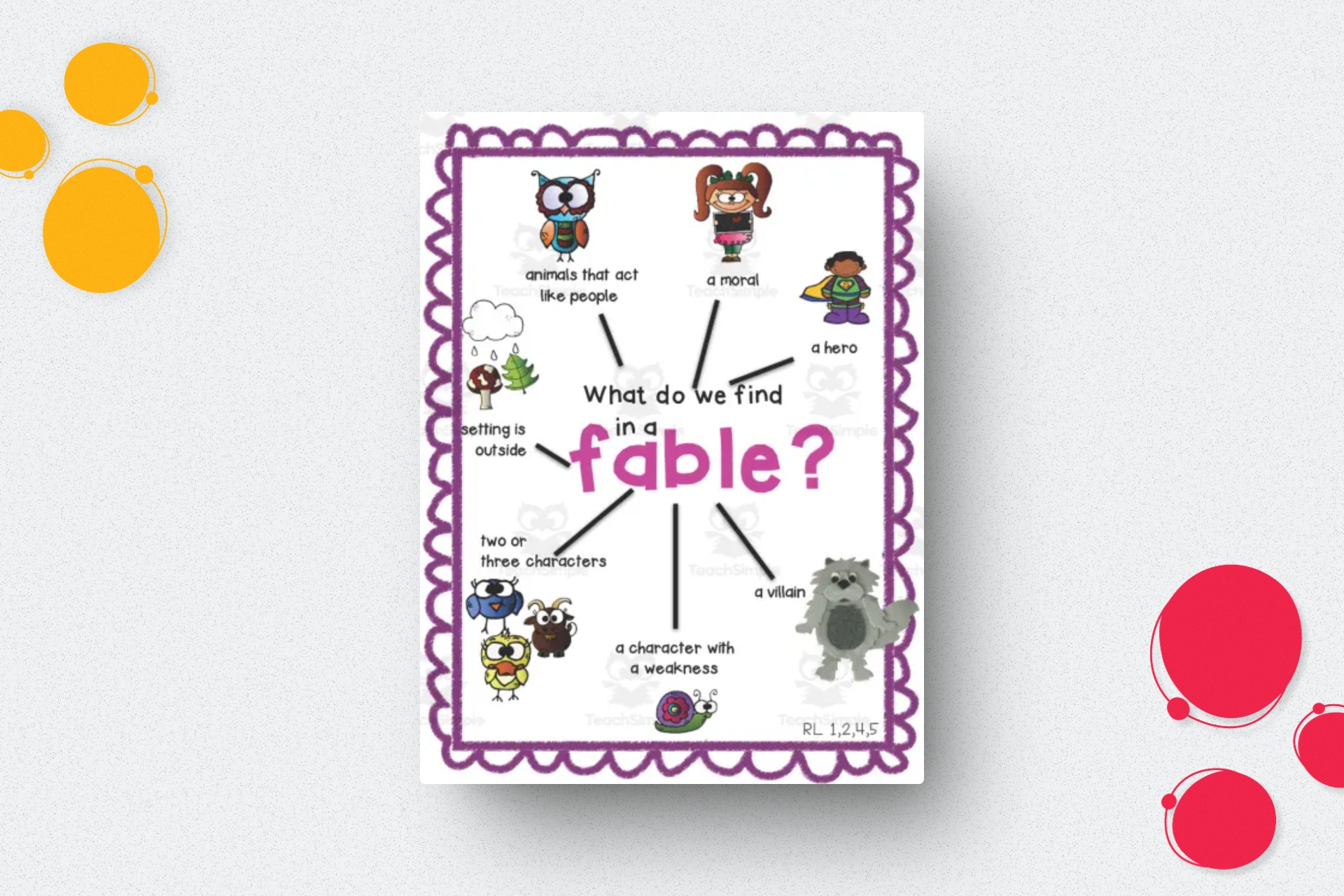
Fables Anchor Chart Fables Anchor Chart is a resourceful teaching tool, targeted towards the enrichment of language arts curriculum for students in Kindergarten through Grade 3.
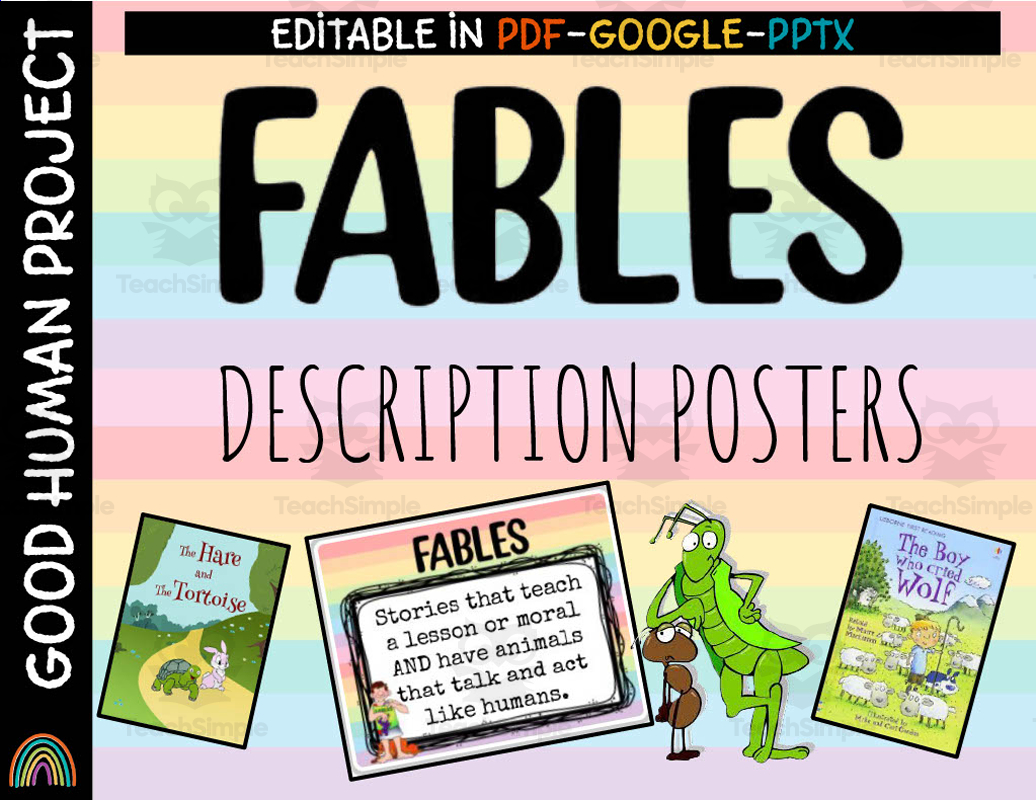
This resource is a Fables Description Posters . There are 3 posters included: -Definition -Suggested literature -Story elements

Introduce fact and opinion with a side-by-side reference showing ways to recognize each. Students can discuss whether a statement can be checked and notice language that often signals a personal view. Use the completed chart to model examples, then have students label the companion version. Apply the distinction to short statements from a text or class discussion.

The posters introduce a genre description, examples and recurring features in PDF and PowerPoint formats. Compare these patterns with the stories you read, recognizing that individual fairy tales do not include every listed feature.
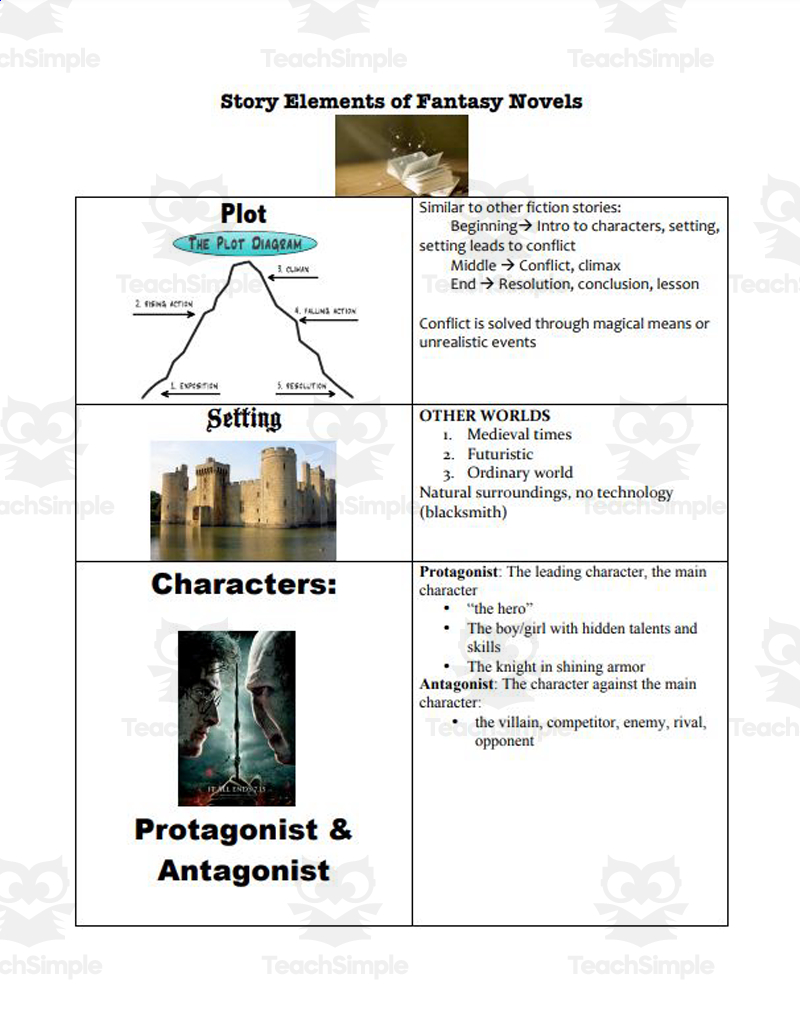
Fantasy Story Elements: The Unraveling Genius of Fantasy Genre Our meticulously curated Fantasy Story Elements aims to aid educators in unravelling the cornerstones of the enchanting world of fantasy genre for their Grades 3 to 6 students.

Help students choose the important information to include when retelling a text. Fiction worksheets prompt characters, setting, problem, events and solution, while nonfiction pages ask for a main idea, three details and the author’s purpose. Reference charts and two sentence-starter levels let teachers model a response, then reduce written support as learners reuse the structure with new reading.
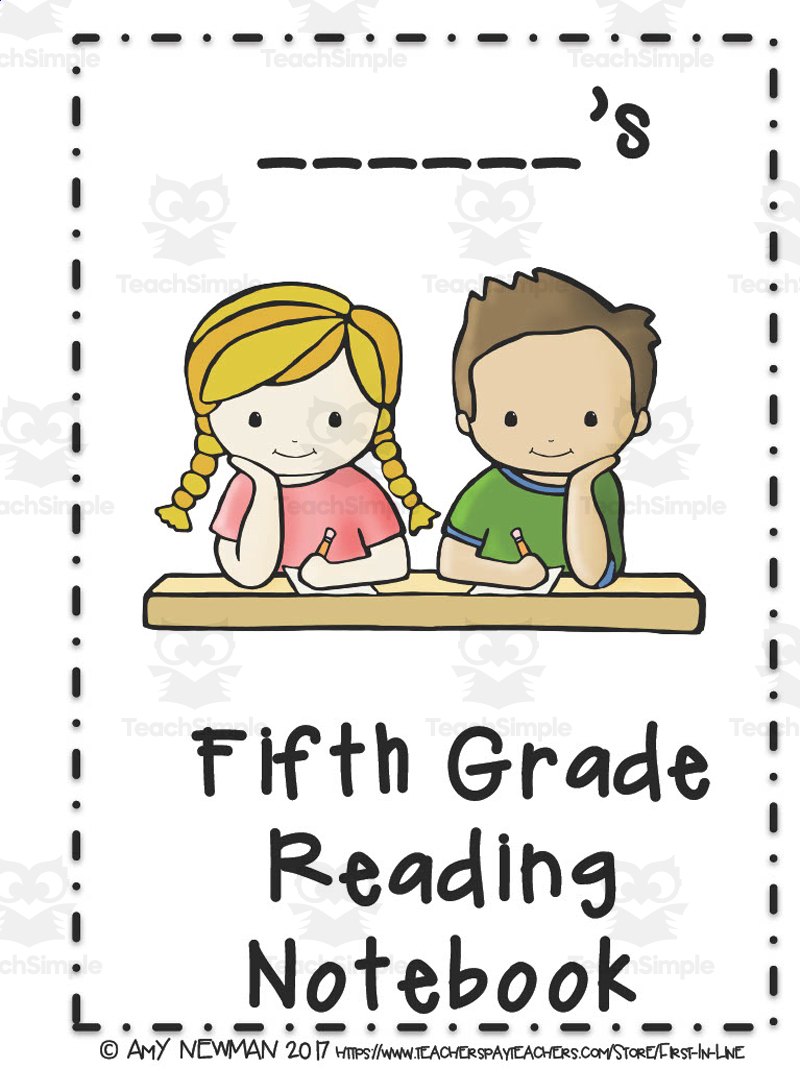
An interactive reading notebook of anchor charts, graphic organizers, and fill-in-the-blank note pages teaching fifth-grade reading comprehension skills such as main idea, story retelling, author's purpose, summarizing, and making predictions.
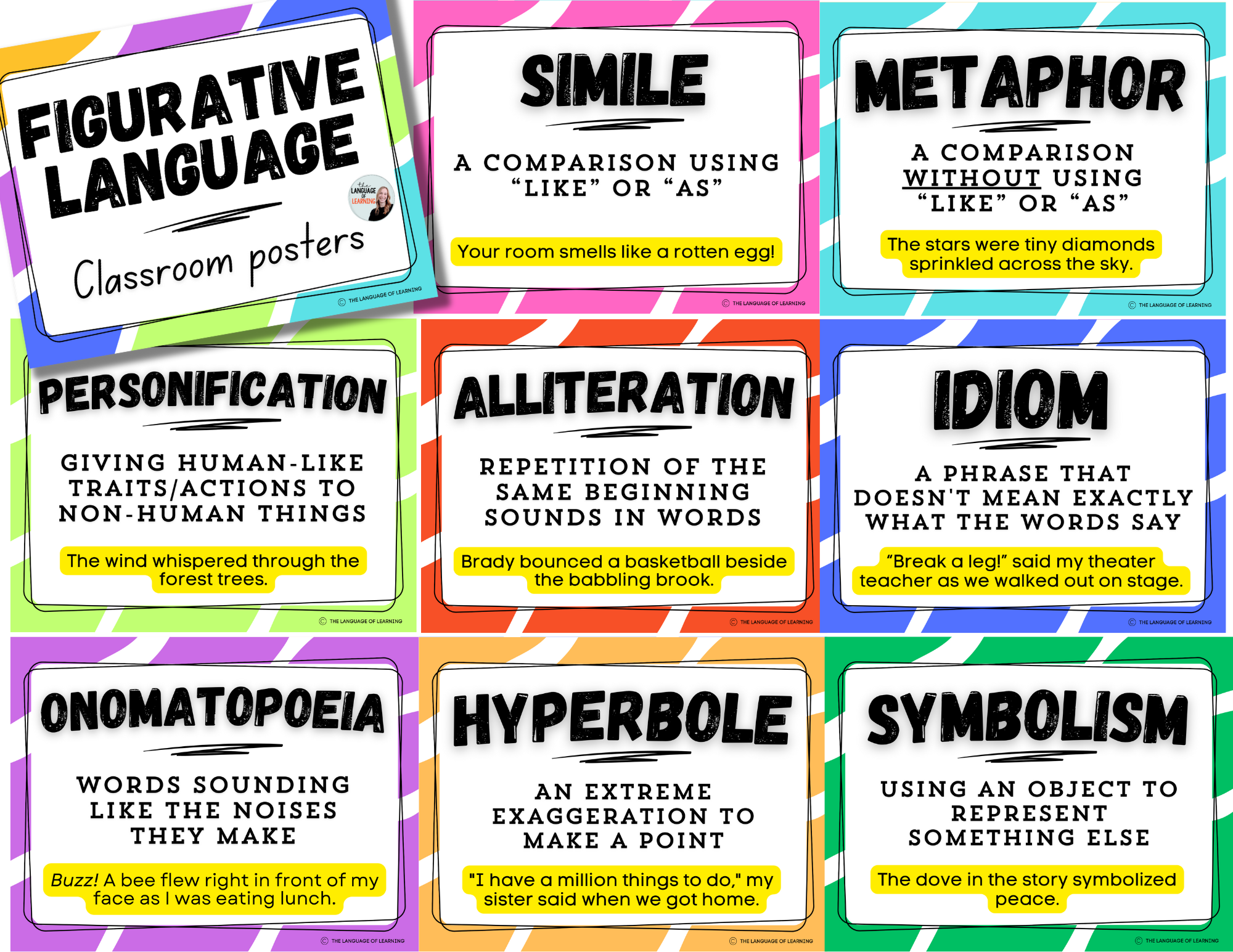
A set of 8 classroom posters defining and illustrating figurative-language devices for a poetry/writing unit.

A set of reference posters that define common figurative language terms for classroom display.
 Free download
 A set of printable reference posters that define common figurative language terms with one example each, for ongoing classroom display.

A set of 13 figurative-language/sound-device posters plus student notebook reference charts, for classroom display and student reference.