
I-E Split Digraph Activity Packet and Worksheets
A no-prep phonics packet teaching the i-e split digraph (silent-e) pattern, where a long /i/ sound is spelled with 'i' followed by a consonant and a final silent 'e'.




665 resources
Explore sub-categories
8 sub-categories · 665 resources
A no-prep phonics packet teaching the i-e split digraph (silent-e) pattern, where a long /i/ sound is spelled with 'i' followed by a consonant and a final silent 'e'.

A printable anchor chart set introducing basic fraction vocabulary and concepts (equal parts, numerator, denominator, part of a set/whole, unit fraction names) for classroom wall display.
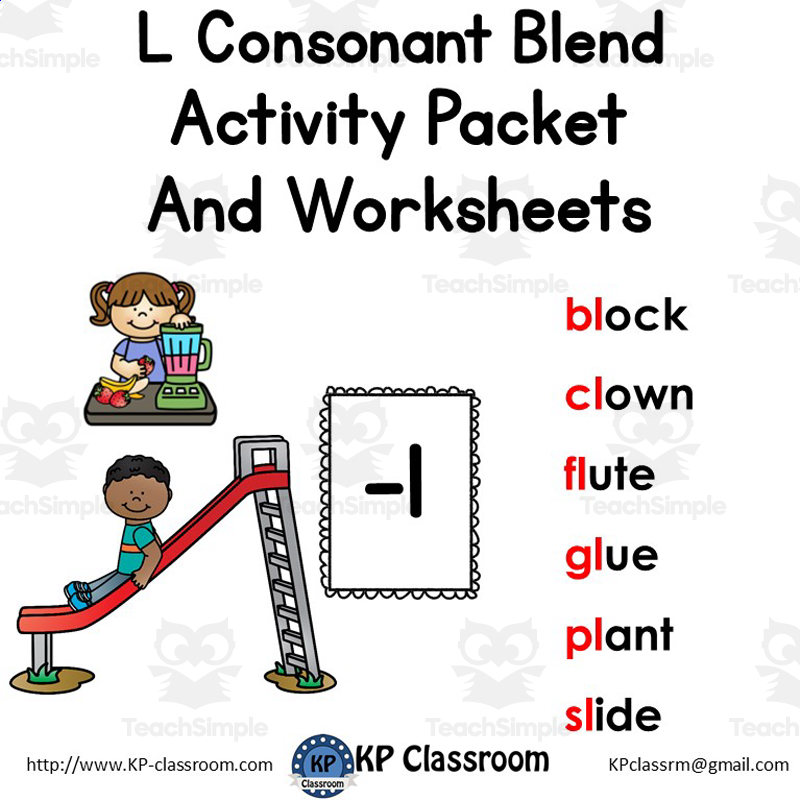
Provide no-prep phonics practice for consonant blends that start with the letter L (bl, cl, fl, gl, pl, sl) for early readers.

This resource is a character traits chart. It will include a character trait and students will provide a synonym and example from a text. There are 14 character traits.
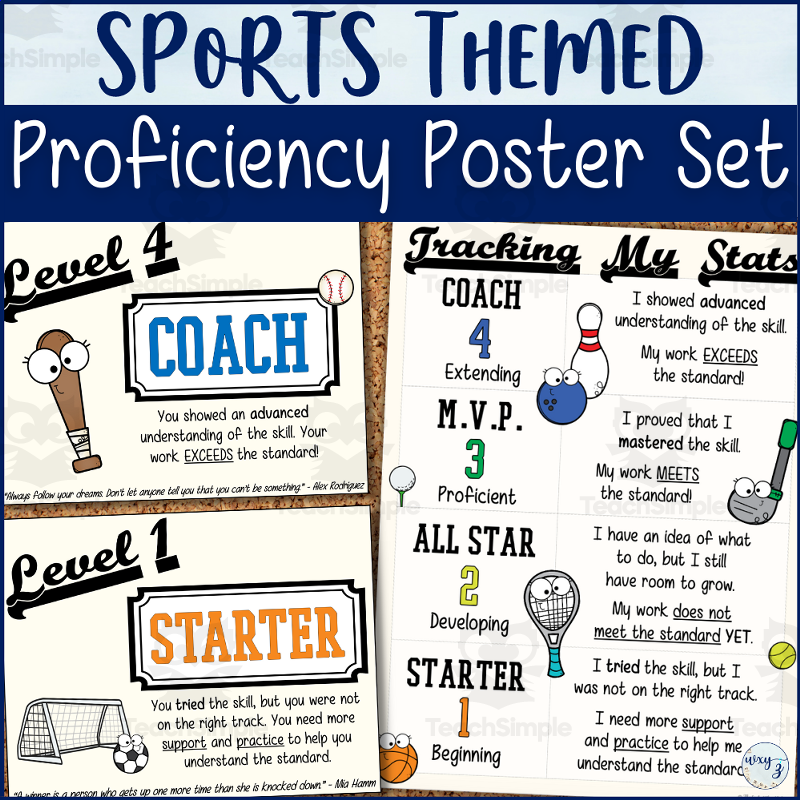
Gives students a sports-themed visual tool for self-assessing and tracking their level of understanding/proficiency toward a learning objective or standard.

The seven-page set builds its listening routine across successive posters, ending with all five reminders together. Use the sequence when introducing the routine and keep the final page near the reading area. Model the expectations in ways that work for your students, then refer to the display during transitions into a read-aloud.
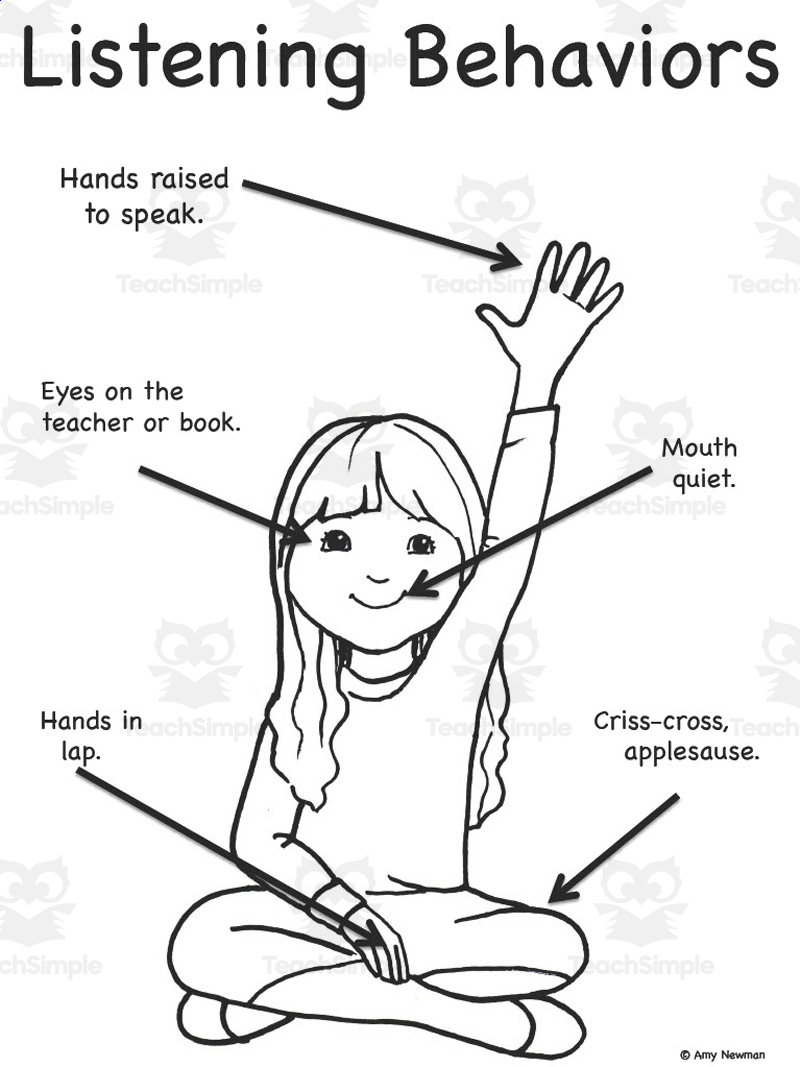
A set of classroom anchor-chart posters establishing listening behavior expectations for when the teacher is talking or reading aloud.
Literary Devices: Character Chart - FLASH-MAC The Literary Devices: Character Chart - FLASH-MAC is a dynamic teaching resource designed for students ranging from grade 5 to grade 8, focusing on the broad subject of Language Arts and…

Cultivating an optimal sound climate for varied learning activities is essential, but young students struggle gauging appropriate voice levels.
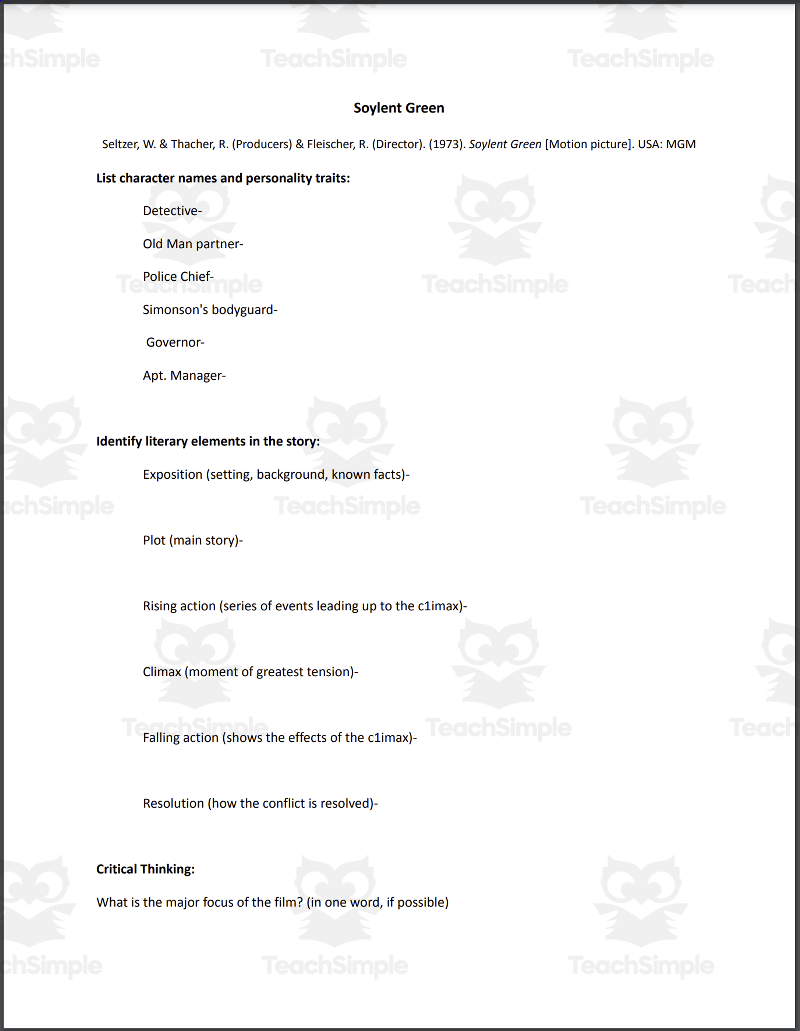
Novel - Film Study Guide: Soylent Green This study guide is designed as a unique teaching resource for educators, particularly those focusing on high school level language arts.

Teach students to recognize, spell, and use the {oi} and {oy} diphthong vowel sounds through a varied set of no-prep phonics activities.

This resource is for behavior tracking on a daily basis. It will take note of items, such as being prepared and engaging in shared work. The teacher and student get to score the student.

This Pie Graphing Pies Worksheet is a great way for students to learn how to create and interpret pie charts . This activity will help students understand data and sales percentages.
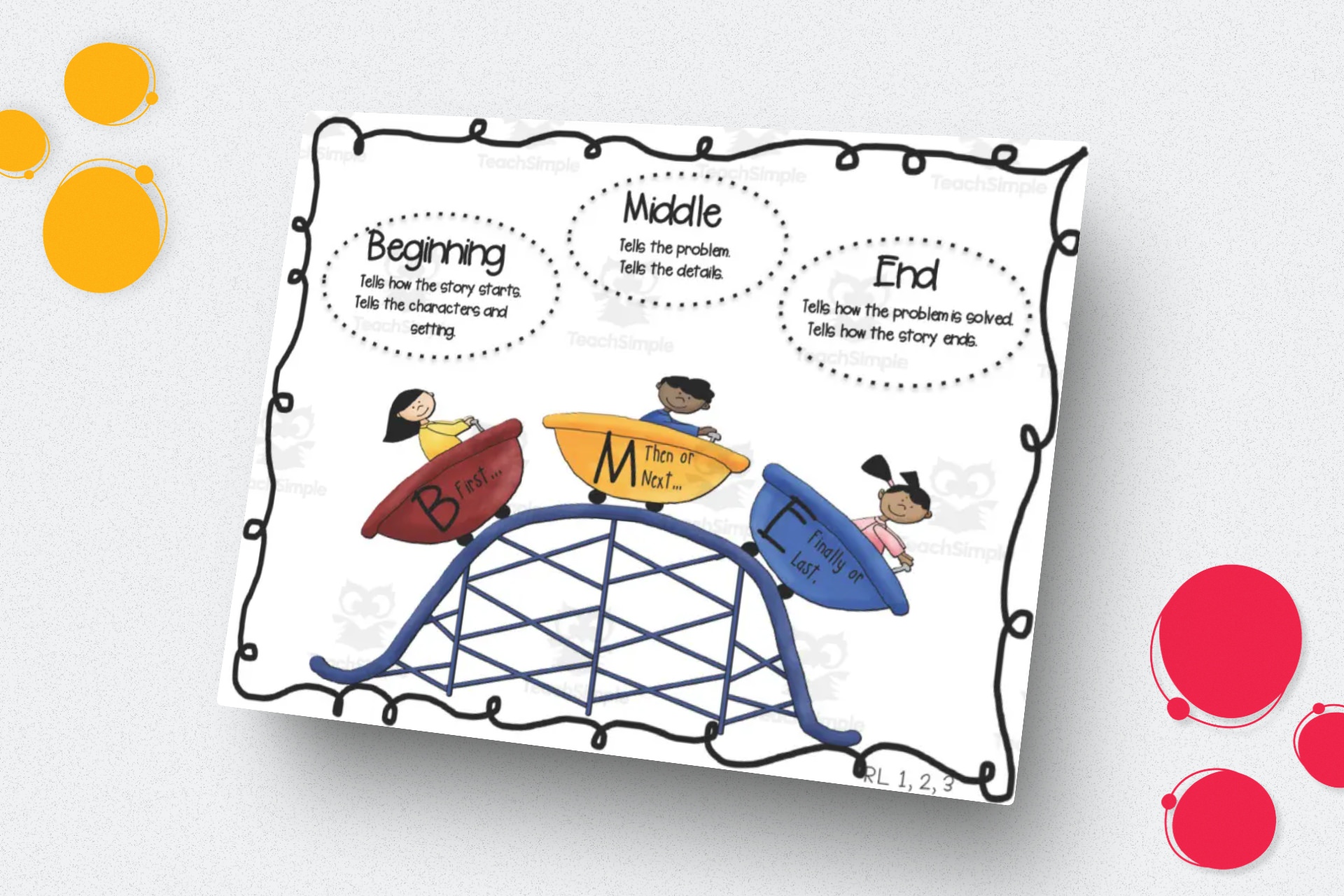
Teaching Plot Anchor Chart Chart out new territories of learning with this unique set of teaching tools designed to simplify the process of understanding plot structures.
Ten plot-focused graphic organizers guide students through mapping a story's five elements — introduction, rising action, climax, falling action, and resolution — using formats that range from a classic Plot Pyramid and Story Cycle to a Prediction Tree, a nine-box Sequence Chain, and a two-column Changes-in-Plot chart. Two introductory instructional pages explain how to use the ten templates; the Plot Analysis format, for example, also asks students to identify point of view, foreshadowing, and symbolism alongside the standard plot stages. Because every organizer is a blank template, teachers supply the story or text students will map onto it.
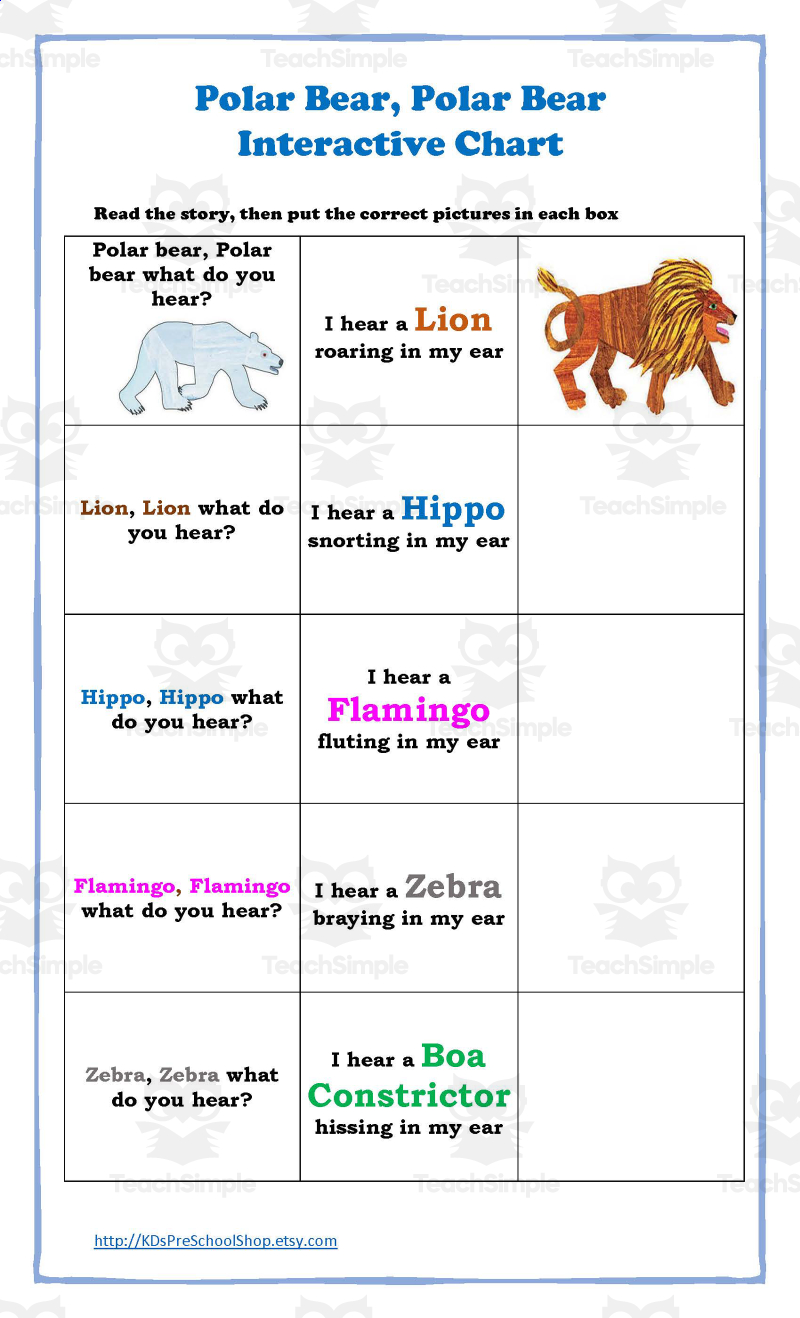
Polar Bear Interactive Chart | Book Companion This interactive sequencing chart makes an engaging companion resource for classrooms reading the children's book Polar Bear, Polar Bear, What Do You See?
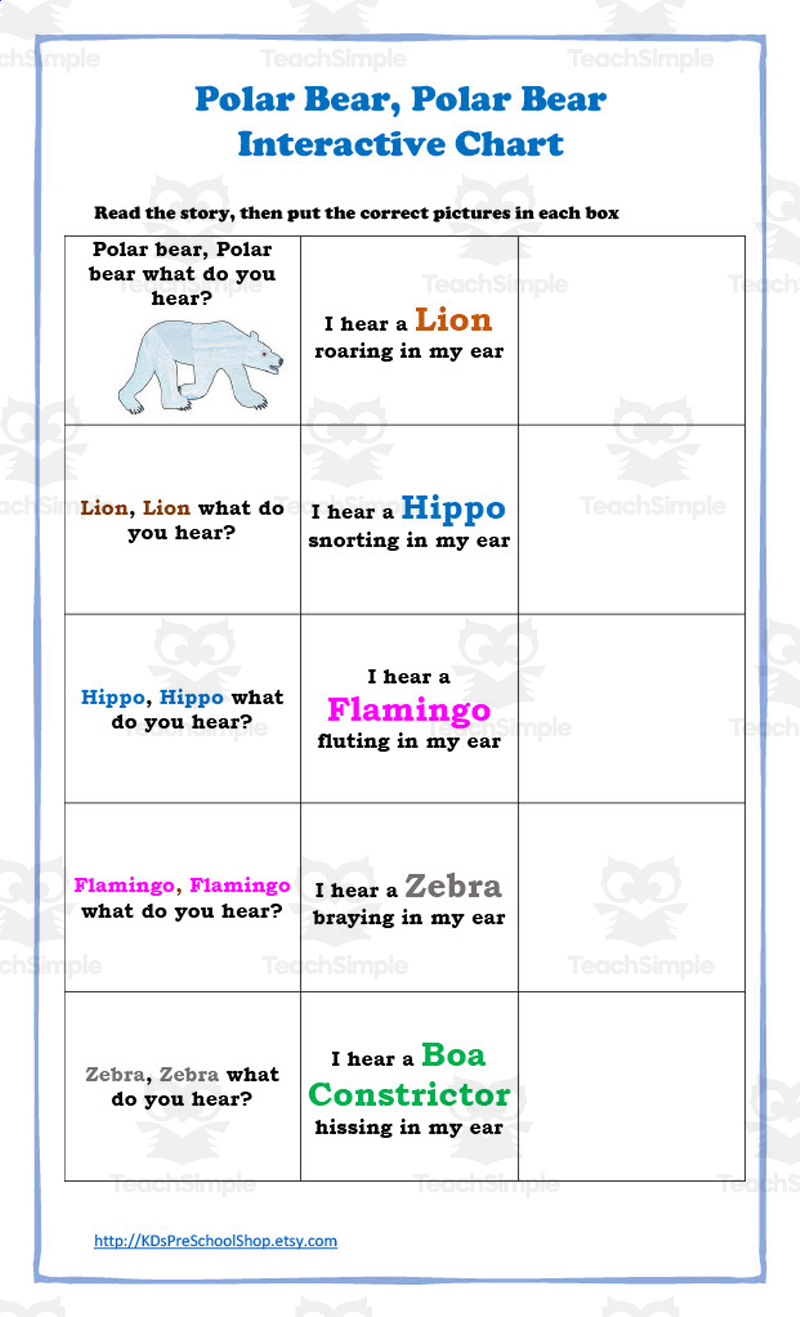
Support early literacy through a repetitive-pattern "Polar Bear, Polar Bear, What Do You Hear?" style story chart pairing animals with the sounds they make.

This worksheet can help your students compare two stories with similar plots or characters. It can be a useful tool to help them understand the elements from the two stories.

Build a thermometer-shaped book log from the supplied cut-out sections. Four pages in color and four in black and white provide numbered lines through 100, a named base and a goal banner. Choose a target of 10, 25, 50, 75 or 100 books, trim at the selected number and assemble the display. Students record completed titles on the lines to see progress toward the agreed goal.
 Free download
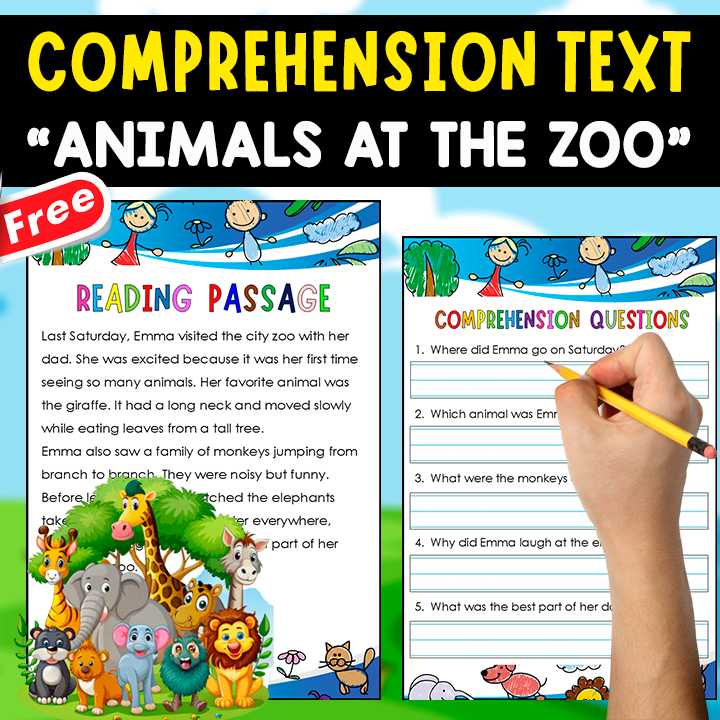
 A short ESL/early-reader comprehension pack using a simple fiction passage about a family visit to the zoo, paired with four reading-strategy anchor-chart activities (predict, visualize, question, summarize) and a vocabulary box.
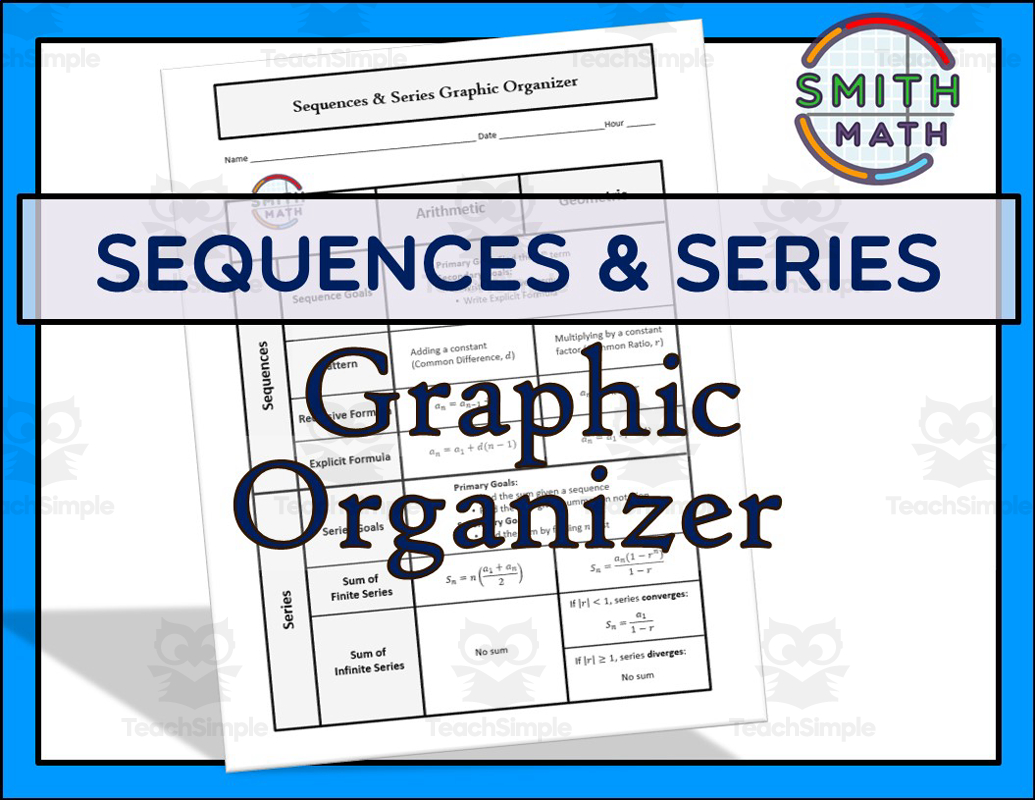
If you are a high school math teacher, finding resources that best serve for your students is of the utmost importance! This is a Sequences and Series Graphic Organizer that is filled with purposeful information that your students can put…

A five-step Somebody/Wanted/But/So/Then framework walks students through identifying a story's main character, goal, problem, attempted solution, and ending, and it appears twice — once fully worded as a teacher or display copy, and once with key words blanked out for students to fill in themselves. A second, matching chart titled ‘Summarizing’ explains that a summary retells a story's main events and lists the five elements to include (characters, setting, problem, events, solution) using the same SWBST acronym, again in both a complete and a fill-in-the-blank version. Together the four pages form a two-part anchor chart set meant to be posted for reference and then reinforced through an interactive-notebook-style blank version students complete in their own notes. The charts can support story retelling alongside a teacher-selected text.

A reference chart/worksheet of Spanish irregular preterite verb stems and endings for students to study and practice conjugating.

This resource is a Squirrel's New Year's Resolution Interactive Reading Packet. This is a great component to your early finisher buckets or reading stations during the winter season.