Cardiovascular System – Heart Structures PowerPoint
Teach high school Anatomy & Physiology/Biology students the structures of the heart as the second part of a cardiovascular system unit.
Classroom resources
Browse by lesson focus
Choose the topic or kind of practice you need.
Teach high school Anatomy & Physiology/Biology students the structures of the heart as the second part of a cardiovascular system unit.
A high-school Earth and Space Science lesson package on the celestial sphere: constellations, asterisms, the ecliptic, declination, right ascension, and how Earth's tilt causes the seasons.
PowerPoint lesson introducing literary archetype theory for a high school ELA unit, covering character, situational, and symbolic archetypes.
A high-school Earth and Space Science presentation lesson on the celestial sphere: constellations, asterisms, the ecliptic, declination, right ascension, and how Earth's tilt causes the seasons.
A 40-slide interactive PowerPoint presentation (hyperlinked navigation) introducing high-school students to World War 2 from a British perspective: the war's outbreak, the Blitz, effects of air raids, child evacuees, wartime food/rationing, and post-war efforts to prevent future conflict.
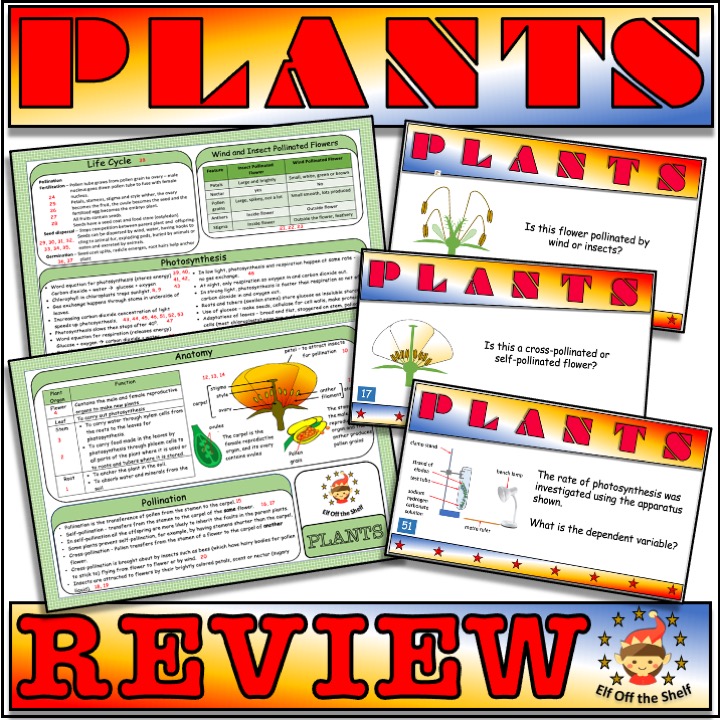
A test-prep lesson package reviewing plant anatomy, pollination, life cycle, and photosynthesis for middle school science, combining a fact sheet, a PowerPoint question/answer review, and a teacher answer key.
A high-school history presentation and matching cloze notes outline teaching the beginnings of industrialization: pre-industrial society, the Agricultural Revolution, the Cottage Industry, the Textile Industry, and the Transportation Revolution (turnpikes, canals, the steam engine, railroads).
An introductory notes presentation on the cell for a high school Biology or Anatomy/Physiology course, covering the history of cell discovery, cell theory, prokaryotes vs. eukaryotes, and the plasma membrane.
18-slide PowerPoint presentation plus a matching fill-in-the-blank skeleton-outline note sheet teaching high school students about the Old Regime and origins of the French Revolution (the Estates system, causes of discontent, the Estates-General, Tennis Court Oath, Storming of the Bastille, the Great Fear).
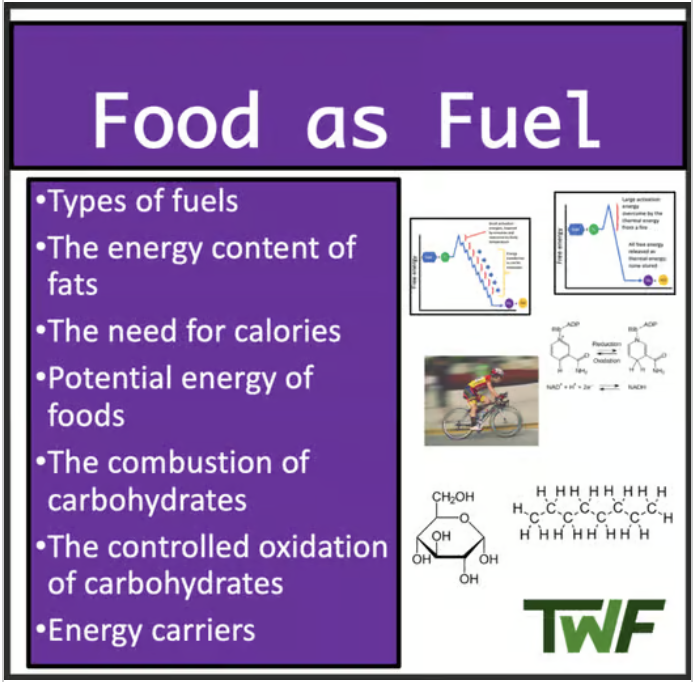
Senior high school biology lesson on food as an energy source: fuel types, caloric content of macronutrients, and the (controlled) oxidation/combustion of carbohydrates.
An 11-slide PowerPoint presentation with a companion fill-in-the-blank outline handout introducing high school students to Romanticism as a literary/artistic movement, contrasted with Neoclassicism and followed by Realism.
A high-school Earth Science presentation lesson explaining Earth's internal composition and layers (inner/outer core, mantle, asthenosphere, lithosphere, crust) and the mechanisms behind Earth's magnetic field and plate tectonics.
A high-school presentation and matching fill-in-the-blank skeleton outline on the foundations of Greek democracy, its reformers (Solon, Cleisthenes, Pericles), and the Greek philosophers (Socrates, Plato, Aristotle), aligned to a World History standard on Judeo-Christian and Greco-Roman traditions.
A middle-school physical science lesson introducing nuclear energy, fission, and fusion, their history (including the Chernobyl disaster and atomic bombs), current applications, and the challenges/benefits of controlled fusion.
Use the four note presentations to introduce a cardiovascular topic and pause for students to recall an answer before revealing the explanation. The files cover blood vessels, heart structures, physiology, and disorders, with review questions connecting the topics. For a separate practical follow-up, sheep heart dissection lab offers a specimen-based activity.
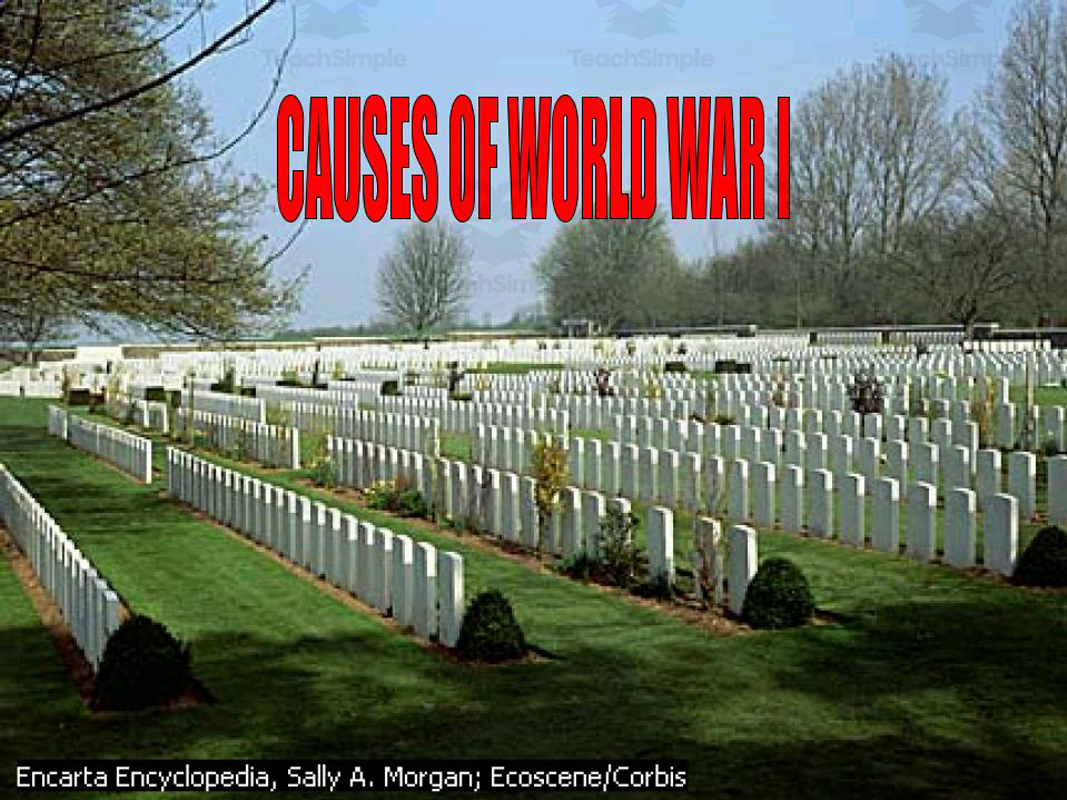
Introduces high school students to the causes of World War I (militarism, alliances, imperialism, nationalism) and the reasons for US entry into the war.
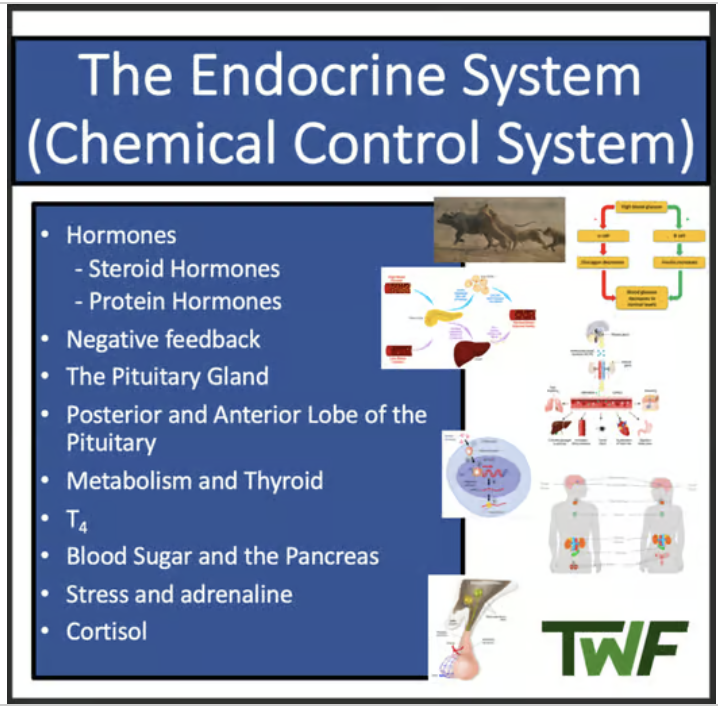
A senior high school biology lesson on the endocrine system, covering hormones, negative feedback, the pituitary gland, thyroid, pancreas/blood sugar regulation, and stress hormones.
Guides high school students through the background, contents, and legacy of the Magna Carta using a lecture presentation paired with a fill-in-the-blank skeleton notes outline and Think-Pair-Share discussion prompts.
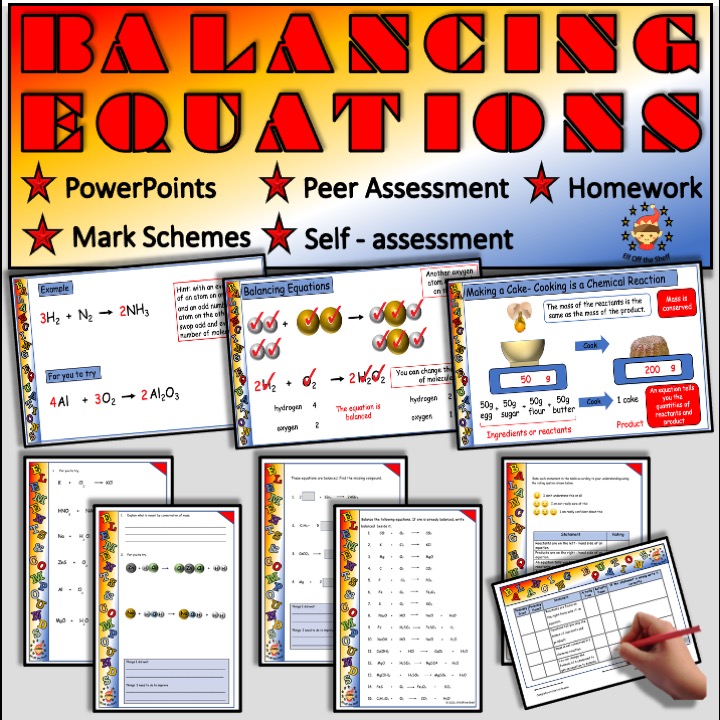
A middle/high school chemistry resource teaching how to balance chemical equations, using an animated PowerPoint with worked examples, plus supporting worksheets, an anticipation guide, a pupil progress checklist, and an answers/mark-scheme PowerPoint for self or peer assessment.
Teach high school chemistry students about types of chemical bonds: forces of attraction, ionic vs. covalent bonds, single/double/triple covalent bonds, polar covalent bonds, and metallic bonds.
Review and reinforce Human Metabolism vocabulary terms for Middle School / Grade 7 students through an interactive multiple-choice PowerPoint.
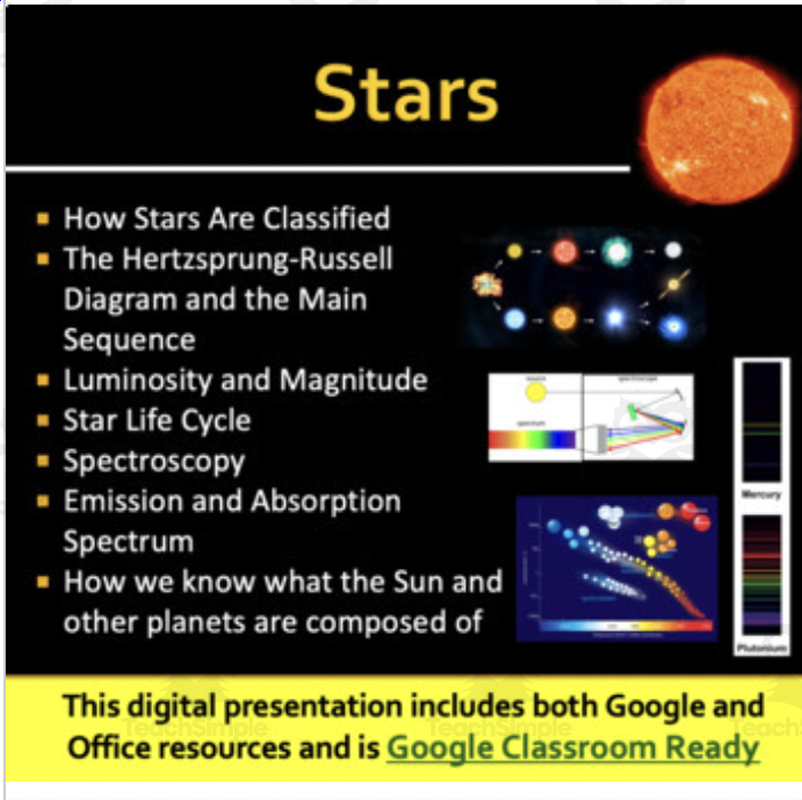
Teach senior high school Earth and Space students how stars are classified (Hertzsprung-Russell diagram, luminosity, magnitude, star life cycle) and how spectroscopy (emission/absorption spectra) is used to determine the composition of stars, the Sun, and planetary atmospheres.
A 12-slide presentation (with a matching notes doc) teaching high school students about U.S. industrialization after the Civil War, covering oil, coal, iron/steel, and their uses.
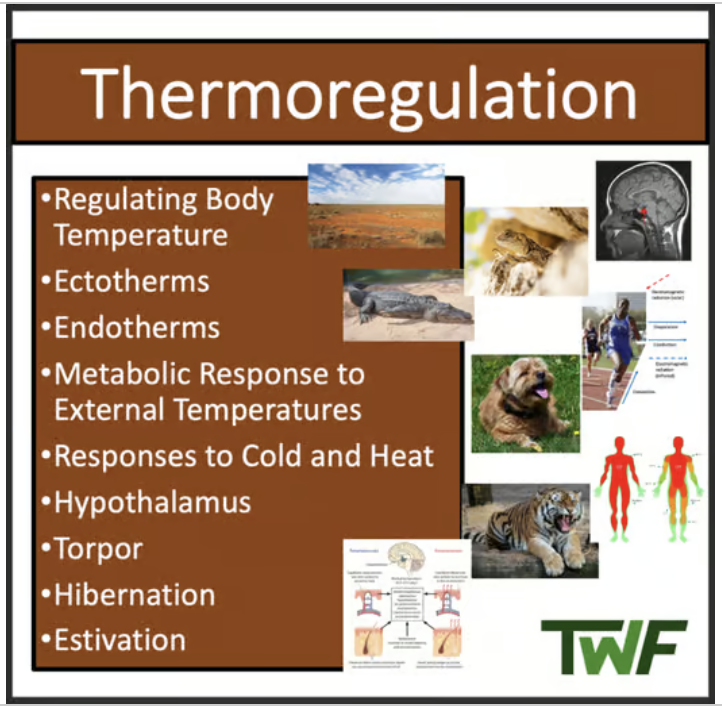
A senior high-school biology lesson package teaching how animals regulate internal body temperature (thermoregulation), covering ectotherms, endotherms, and related physiological responses.