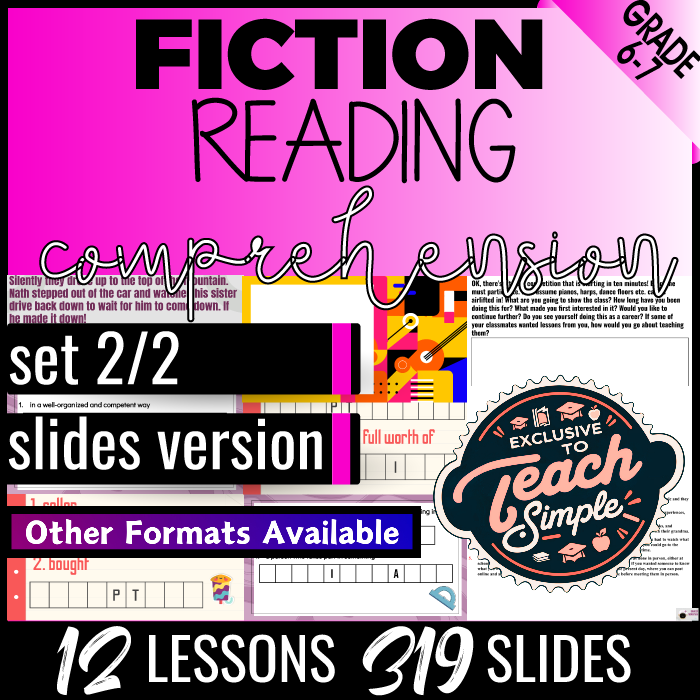
Reading Comprehension Passages Fiction Set 2 (Google Slides)
Read a short fiction passage, answer a set of mixed comprehension questions, match vocabulary words to their meanings, and complete a synonym/antonym or reflective writing activity.
Classroom resources
Browse by lesson focus
Choose the topic or kind of practice you need.
Read a short fiction passage, answer a set of mixed comprehension questions, match vocabulary words to their meanings, and complete a synonym/antonym or reflective writing activity.
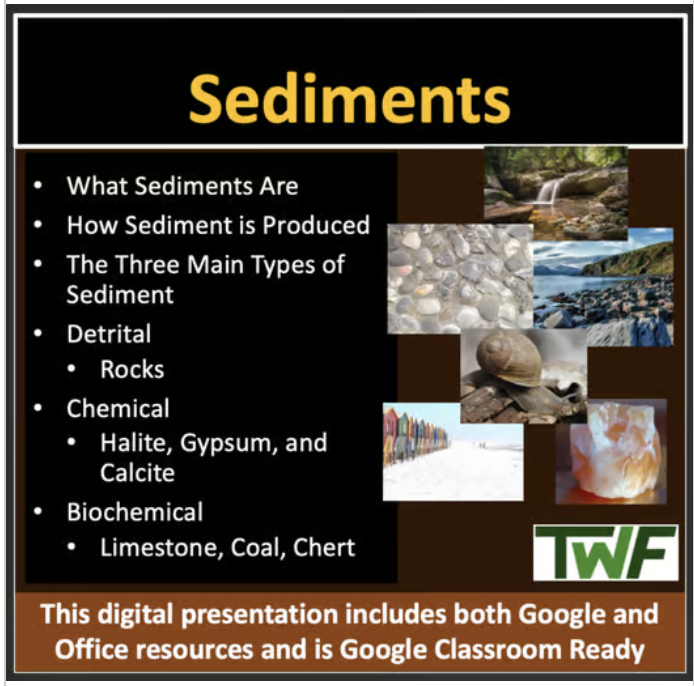
View/complete a slide presentation (a fill-in-the-blank student version paired with a complete teacher version) and work through a student lesson outline covering sediment definitions, the Phi grain-size scale, and rock examples (halite, gypsum, calcite, limestone, coal).
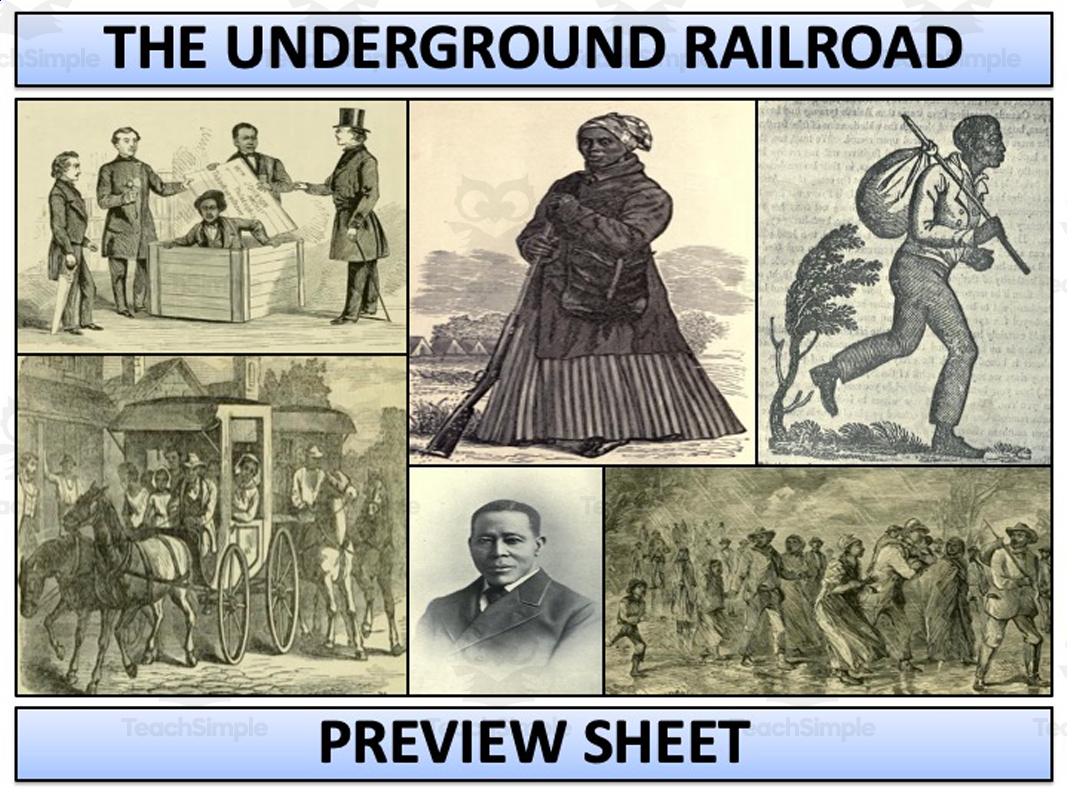
A high-school-level history unit on the abolitionist movement and the Underground Railroad, combining a slide presentation with worksheet packets.
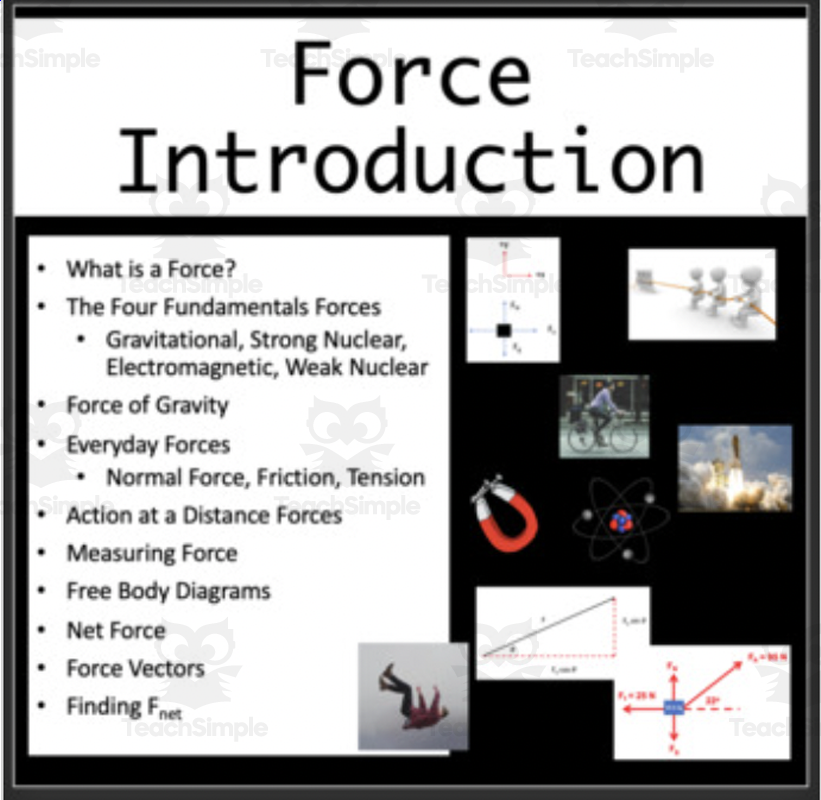
Students define and revise their understanding of force, rank the four fundamental forces by relative strength, solve numeric gravitational-force problems (Fg = mass x g), analyze contact vs. action-at-a-distance forces on everyday objects (a pen on a desk, cars, wheels), work through 'Check Your Understanding'…
Read each vocabulary term or definition prompt, select one of several on-screen answer choices by clicking, and see immediate right/wrong feedback; retry until correct.
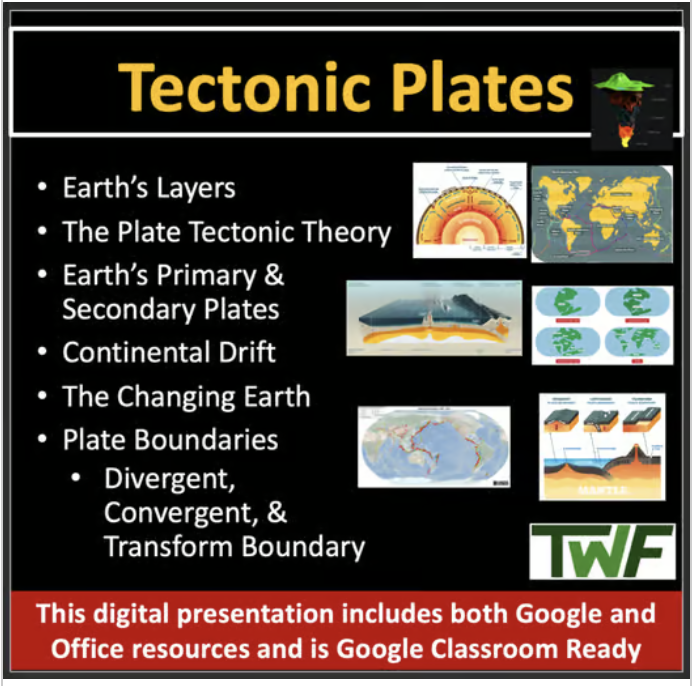
Follow a teacher-led slide presentation while completing a matching fill-in-the-blank student lesson outline (missing key terms/facts to be filled in from the presentation) covering Earth's layers, plate tectonic theory, continental drift evidence (shape, fossils, speed), plate boundary types (divergent, convergent -…
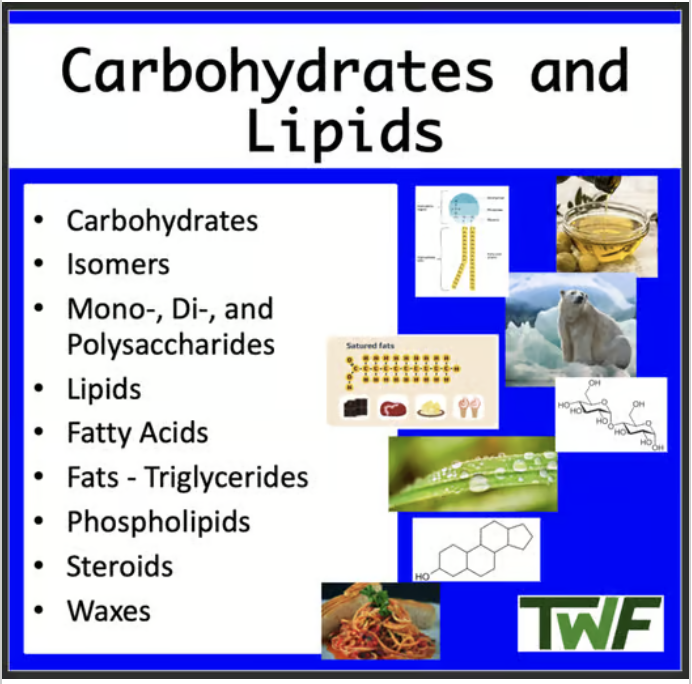
Follow a slide lesson covering carbohydrate and lipid classification (isomers, mono/di/polysaccharides, fatty acids, triglycerides, phospholipids, steroids, waxes), filling in blanks on a student version of the slides and completing a student lesson outline handout; seller states an auto-graded exit ticket is also…
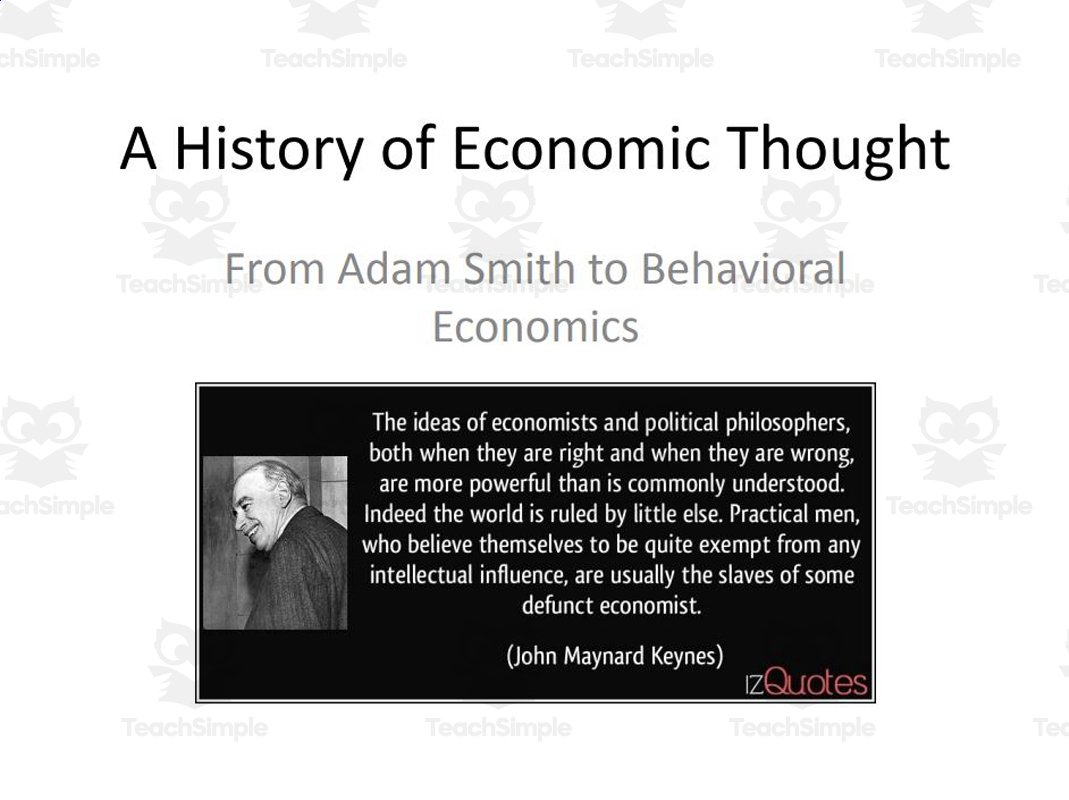
Introduces major economic theorists and schools of thought (classical, Marxist, Keynesian, monetarist, behavioral) for an IB-style high school economics course.
Read each vocabulary term or definition prompt, select one of several on-screen answer choices by clicking, and see immediate right/wrong feedback; retry until correct.
Review slide content on why cover letters matter, study a diagram of the eight cover-letter elements (heading, inside address, salutation, introductory paragraph, body paragraphs, conclusion, closing, signature), and self-assess a draft cover letter against provided success-criteria checklists.
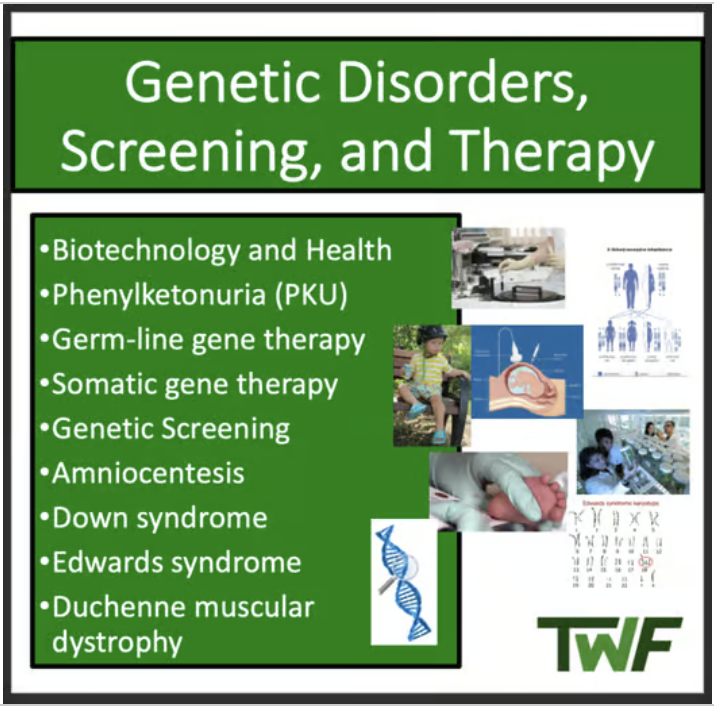
A senior high-school biology lesson presentation covering biotechnology and genetic disorders/screening/therapy topics (PKU, gene therapy, genetic screening, amniocentesis, Down syndrome, Edwards syndrome, Turner syndrome, Duchenne muscular dystrophy), provided as a complete teacher version and a blank-note-taking…
Review vocabulary term/definition cards, then click coordinate squares to flip pairs of cards and find matches; unmatched pairs flip back over.
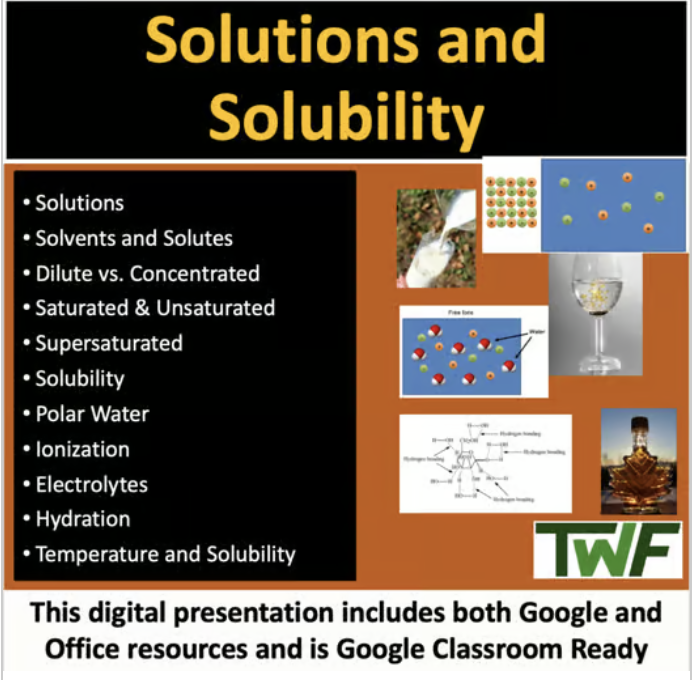
Follow along with a fill-in-the-blank student presentation (definitions and key points blanked out for note-taking) covering: what solutions/solvents/solutes are; dilute vs. concentrated; saturated vs. unsaturated vs. supersaturated solutions; solubility and solubility ranges (insoluble to very soluble); the 'like…
Review vocabulary term/definition cards, then click coordinate squares to flip pairs of cards and find matches; unmatched pairs flip back over.
Follow a slide presentation covering ions, ionic bonding, naming ionic compounds, writing chemical formulas, the criss-cross rule, and multivalent compounds; complete a student lesson outline/handout; and perform hands-on labs comparing ionic vs. covalent compound properties (testing volatility, melting point…
Review vocabulary term/definition cards, then guess letters by clicking on-screen letter squares to reveal a hidden word; incorrect guesses add a body part until the word is guessed or the figure is complete.
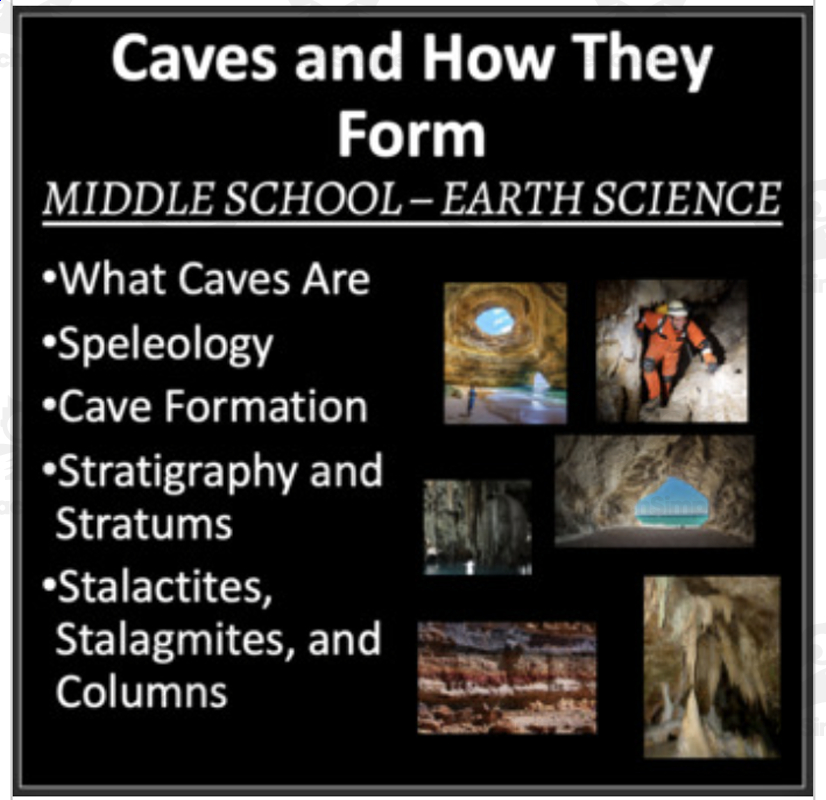
View/complete a teacher- and student-version slide presentation covering cave definitions, speleology, rock weathering/erosion/deposition, stratigraphy, and how water and pressure form stalactites, stalagmites, and columns; watch five embedded videos; complete a student lesson outline/handout with notes; complete an…
Review vocabulary term/definition cards, then click coordinate squares to flip pairs of cards and find matches; unmatched pairs flip back over.
Follow teacher-led slides (with a matching fill-in-the-blank student version and lesson outline handout), watch embedded videos, then complete two practice worksheets: writing and balancing chemical equations from word descriptions, and balancing plus classifying given reactions by type (synthesis/decomposition/single…
Students fill in definitions for 16 literary-criticism-school terms, then write a 2-paragraph critique of a previously-read story/article reflecting one school of criticism, and take a matching quiz (16 points).
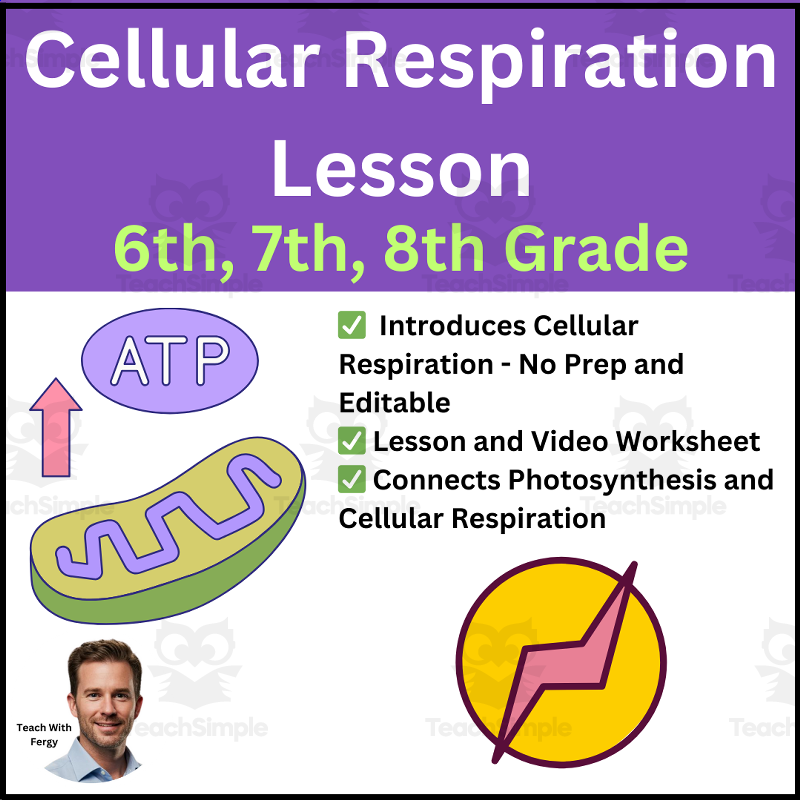
Watch a Crash Course Biology video and complete a 15-item fill-in-the-blank worksheet (organelles, ATP, glycolysis, electron transport chain, chemiosmosis, fermentation, etc.); follow a slide presentation with fill-in-the-blank notes on cell energy, ATP, photosynthesis vs. cellular respiration, and mitochondria…
Read the paired text ('Lamb to the Slaughter'), then complete one of four differentiated versions of a 3-step guided-notes page (identifying the character type, what the character did/said, and what change resulted), using highlighting, fill-in-the-blank, a word bank, or picture flaps depending on the version…
Follow along with a presentation covering consumer rights (safety, information, choice, redress), how to make intentional purchases (using reviews, alternatives, and timing), the risks of paying in installments, marketing/consumer psychology tactics (store layout, artificial scarcity, sales psychology), and…
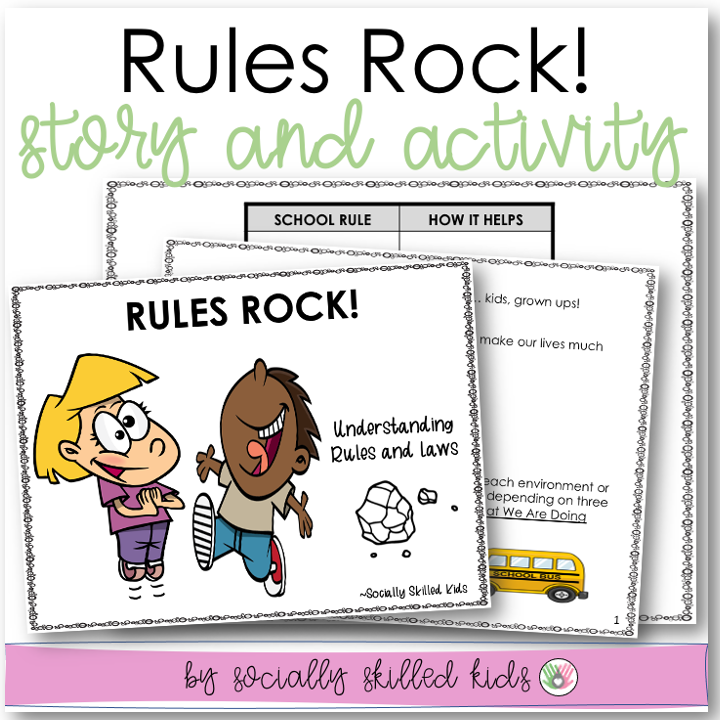
Read/listen to the 'Rules Rock!' story, which explains different rule categories and why rules keep people safe, organized, and comfortable, then complete 4 brainstorm worksheets (one each for School, Social, Family, and Classroom rules) listing a rule and how it helps.