Financial Literacy Unit: Borrowing (Loans, Interest Rates, and Credit Scores)
Teaches middle/high school students about responsible borrowing, covering loans, credit scores, interest rates, the Federal Reserve, student loans, and mortgages.
Classroom resources
Browse by lesson focus
Choose the topic or kind of practice you need.
Teaches middle/high school students about responsible borrowing, covering loans, credit scores, interest rates, the Federal Reserve, student loans, and mortgages.
Teaches high school students about investing, asset classes, diversification, and retirement growth strategies, including a hands-on investing simulation.
A high-school psychology lecture presentation introducing behavior genetics, nature vs. nurture, and evolutionary psychology's explanation of human behavior.
A high-school history activity, modeled on a Holocaust Museum strategy, that personalizes the September 11, 2001 attacks by having students learn the biographies and outcomes of real individuals affected by the attacks.
A middle/high school government lesson package on gerrymandering and redistricting, combining a video-companion worksheet, a slide presentation, and a hands-on district-drawing simulation game.
A presentation teaching students about fire prevention, safe behavior at home and school, emergency response, firefighter roles, and how to build a fire escape plan.
Teach middle/high school students what fiscal policy is and how the federal government uses taxing and spending decisions to affect the economy, including budget deficits and the national debt.
A high-school presentation with guided notes introducing students to positive psychology: its origins, core principles (positive experiences, character strengths, flow, PERMA).
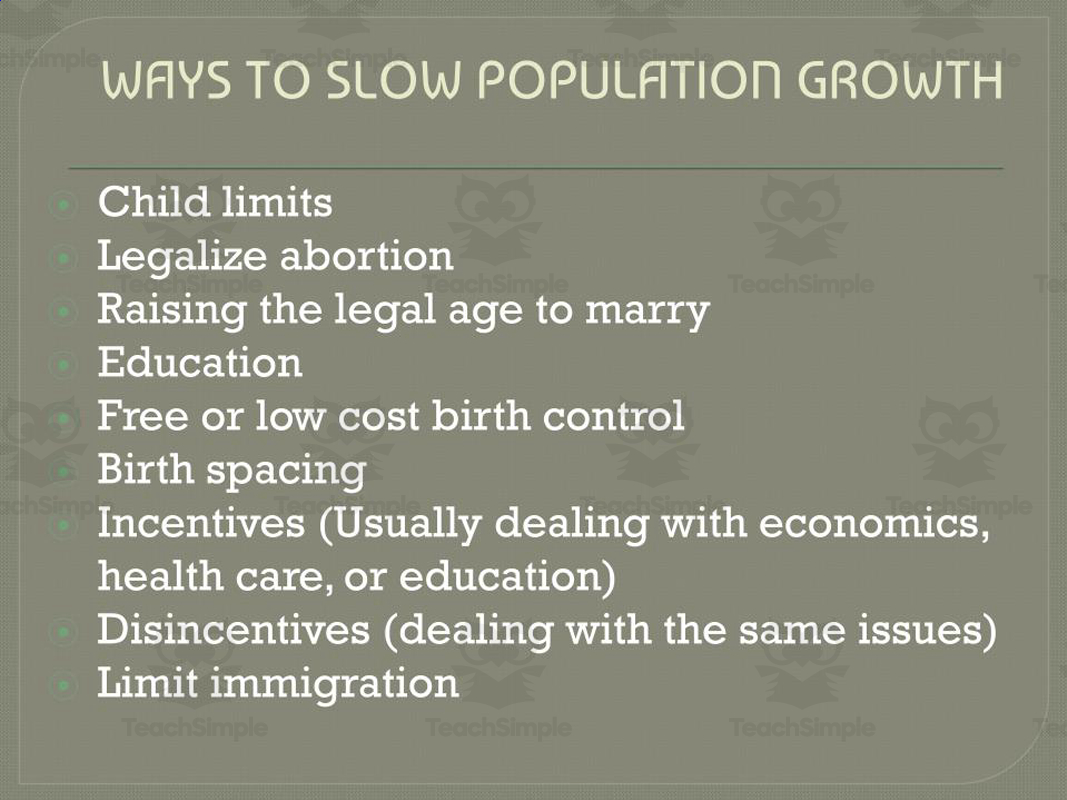
A high-school social studies unit teaching population policies (China, India, Singapore, Japan) via a lesson plan, slide presentation, and skeleton outline for student note-taking.
Teach high school students what fiscal policy is and how the federal government uses taxing and spending decisions to affect the economy, including budget deficits and the national debt.
Explore intrinsic and extrinsic motivation through example scenarios before students rate ten statements about everyday choices. The scoring sheet groups their responses into two totals, providing a starting point for discussing rewards, consequences and personal interest. Use the results to reflect on these answers and possible strategies for a task, rather than treating the totals as a fixed description of a student.
A digital, Google-Slides-based pennant activity where students fill in a banner about themselves and add a self-portrait, intended for back-to-school use via Google Classroom.
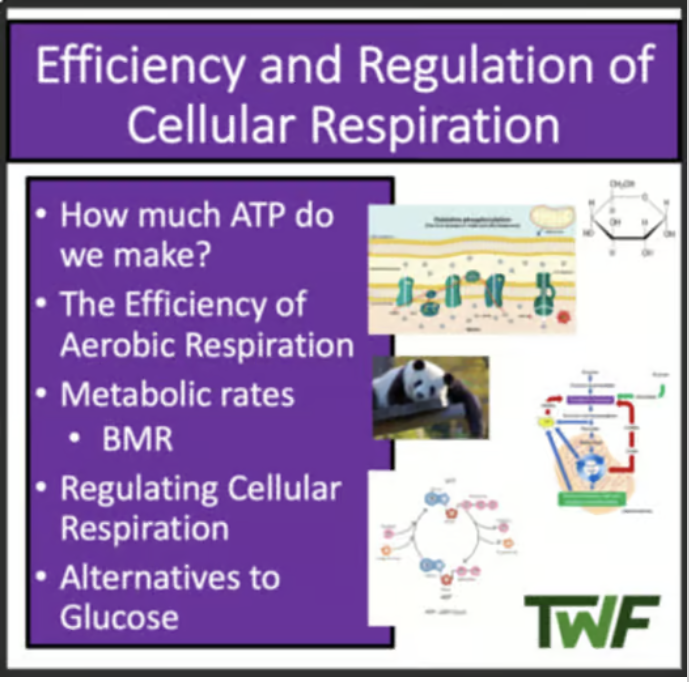
A high-school biology lesson covering ATP yield, efficiency of aerobic respiration, metabolic rate (BMR), feedback regulation of cellular respiration, and alternative fuel sources.
School of Rock Lesson Plan, Worksheets & PowerPoint | Grades 5 - 6 Turn leadership development into an engaging learning experience with these Rock and Roll Leadership activities . This resource combines an editable PowerPoint lesson , student worksheets, and a complete answer key to help students explore leadership qualities, teamwork,…
The Back to School Self Taught Lesson with Guided Audio This is a Google Slides-based teaching resource specifically designed to offer an enriching back-to-school experience. With its concise duration of approximately 25 minutes, it manages to fit smoothly into daily lesson plans without disrupting other curriculum components. It…
A high-school biology lesson bundle teaching cellular respiration, glycolysis (the 10 steps), the net reaction of glycolysis, and pyruvate oxidation.
Teaches the structure of Roman Republic government (branches, separation of powers, Roman law) and its influence on the U.S. system of government, for a high school world/ancient history lesson.
A senior/high-school biology lesson package on cell membrane structure and transport mechanisms, covering the membrane as a boundary, the fluid mosaic model, passive transport (diffusion, facilitated diffusion, osmosis), and active transport (phagocytosis, pinocytosis, exocytosis) and water balance.
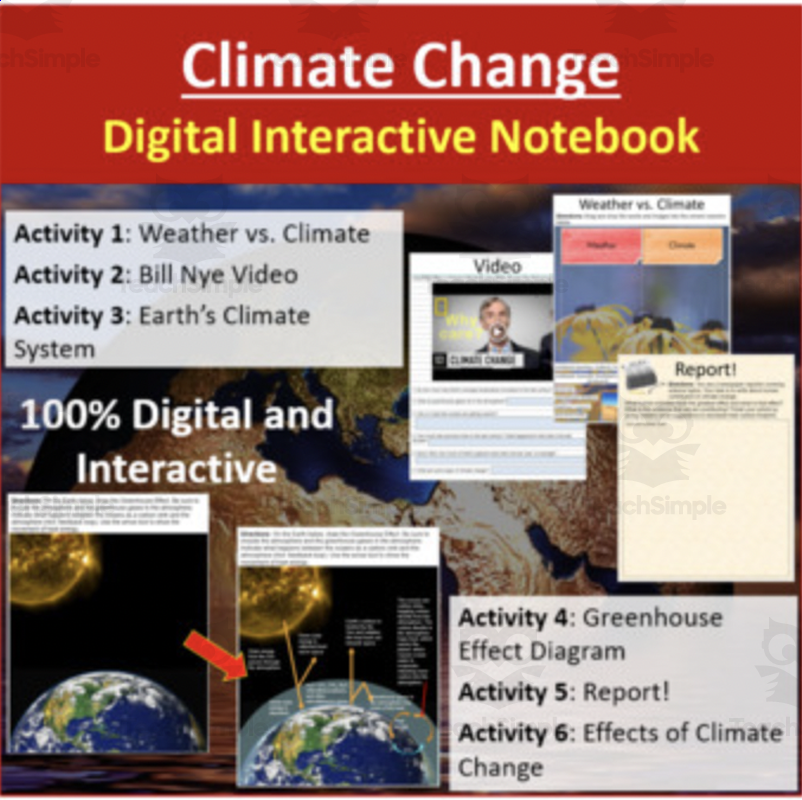
A Google Slides-based digital interactive notebook that walks middle/high school students through the science and effects of climate change for use in a 1:1 or Google Classroom setting.
This informative 20-page PDF biography PowerPoint details the life of U.S. Representative Max Miller from Ohio's 7th congressional district.
A 20-day set of daily bell-ringer/warm-up/exit-ticket questions covering an introductory biochemistry unit (biology basics, carbon chemistry, carbohydrates and lipids, proteins and nucleic acids, enzymes), designed as a routine-building daily review activity for high school chemistry.
A high-school-level business unit teaching the fundamentals of business accounting: income statements, balance sheets, cash flow statements, budgeting, and financial ratio analysis (liquidity, profitability, leverage).
A high-school chemistry lesson teaching atomic structure (protons, neutrons, electrons), atomic number, atomic mass, isotopes, and periodic-table notation.
A high-school-level business unit introducing what a business is, common business structures (sole proprietorship, partnership, corporation), the business cycle (expansion, peak, contraction, trough), and business ethics/social responsibility.