Science & technology
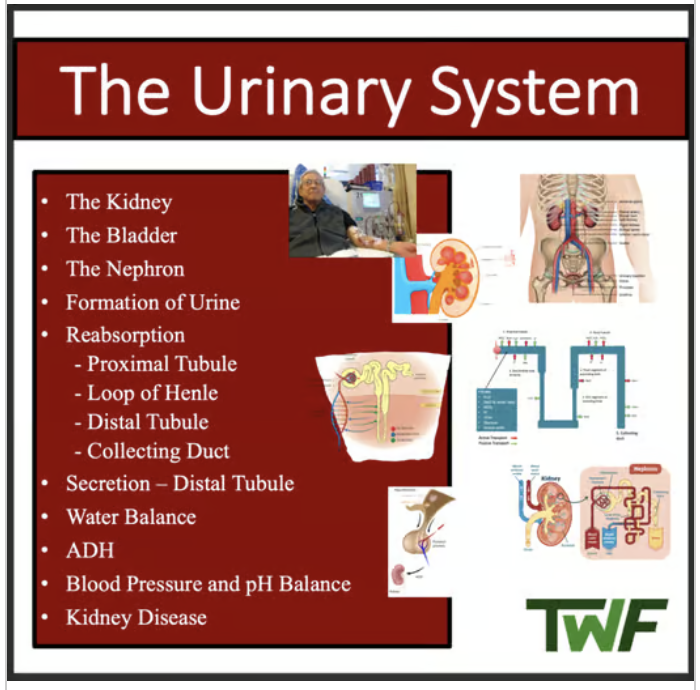
The Urinary System - Senior Biology lesson
A senior high-school biology lesson on the structure and function of the urinary system (kidney, bladder, nephrons, urine formation, water/pH balance).
Editable


Classroom resources
Browse by lesson focus
Choose the topic or kind of practice you need.
Showing 49–72 of 1252 resources

 Show filters
A senior high-school biology lesson on the structure and function of the urinary system (kidney, bladder, nephrons, urine formation, water/pH balance).

A senior/high-school chemistry lesson covering organizing matter, atomic history and theory, the modern periodic table, atomic structure, atomic number/mass, notation, ions, and isotopes.
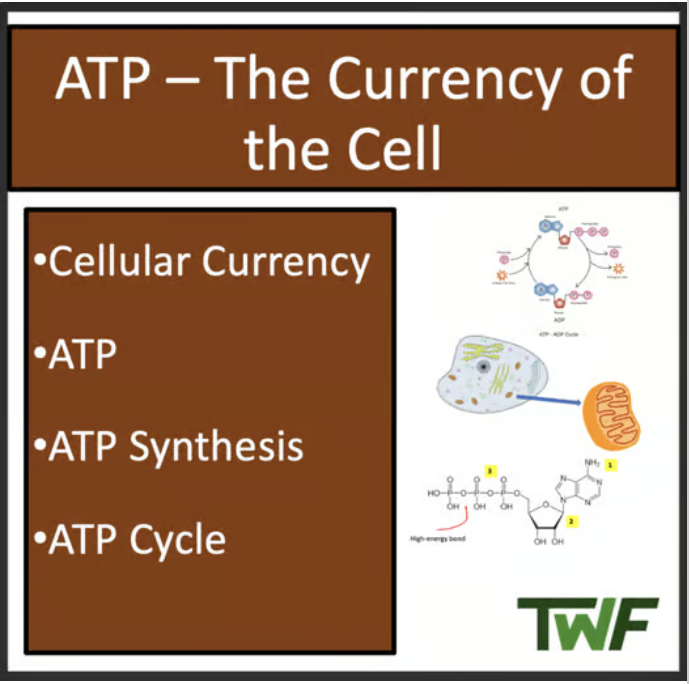
Introductory high school biology lesson on ATP (adenosine triphosphate) as the 'currency' of the cell, covering what ATP is, its three-part structure, how it is synthesized, and the ATP cycle.
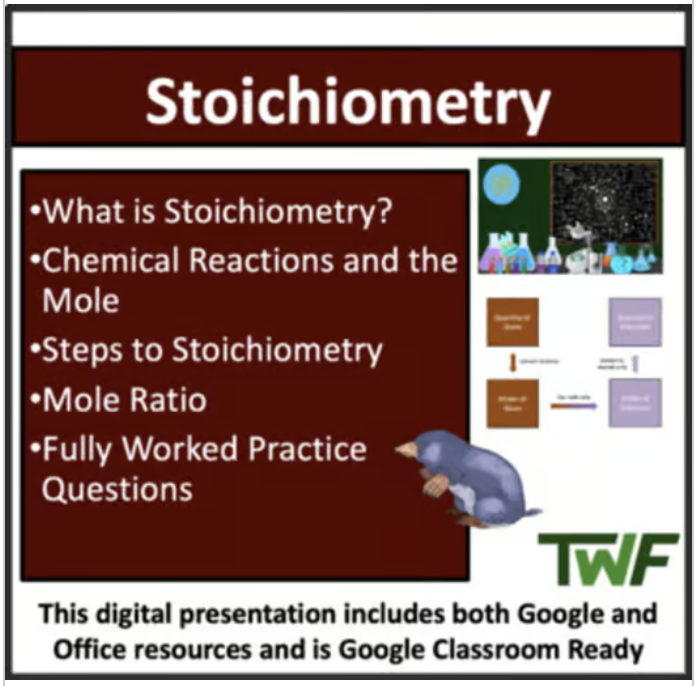
A senior chemistry lesson introducing stoichiometry: using the mole concept and balanced chemical equations to calculate quantitative relationships between reactants and products.

Senior high school biology lesson teaching homeostasis, negative/positive feedback control systems, and the body's regulation of physiological set points.

Teach high school chemistry students to calculate percentage composition from a chemical formula and to determine empirical and molecular formulas from percent composition data, building on the law of definite proportions.
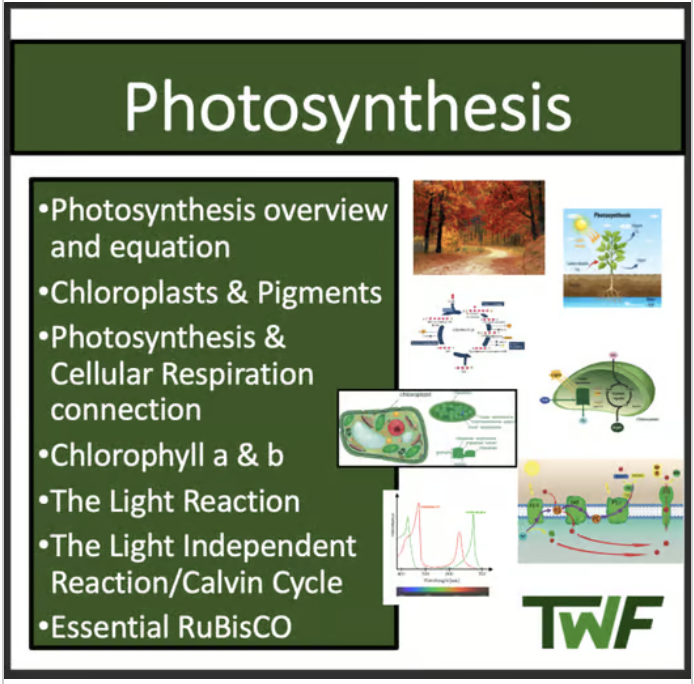
A detailed senior high school biology lesson on photosynthesis, covering the photosynthetic equation, chloroplast structure and pigments, the connection between photosynthesis and cellular respiration, chlorophyll a & b, the light reaction (photoexcitation, electron transport chain, chemiosmosis), the light-independent reaction/Calvin…
Senior chemistry lesson teaching how to draw Lewis structures: valence electrons, the octet rule, ionic and covalent bonding, polyatomic ions, and determining charge.
A high school biology lesson introducing biochemistry concepts: organic compounds, and four types of chemical reactions (dehydration, hydrolysis, neutralization, redox).
High school chemistry lesson package teaching periodic table organization and trends: element properties, periodic table groups (alkali metals, alkaline earth metals, transition metals, halogens, noble gases), metals/nonmetals/metalloids, electron shielding, and the four periodic trends (atomic radius, ionic radius, ionization energy, electronegativity).
A senior chemistry lesson teaching limiting reagents, excess reagents, the steps for determining a limiting reagent, and percent vs. actual (theoretical) yield in stoichiometry.
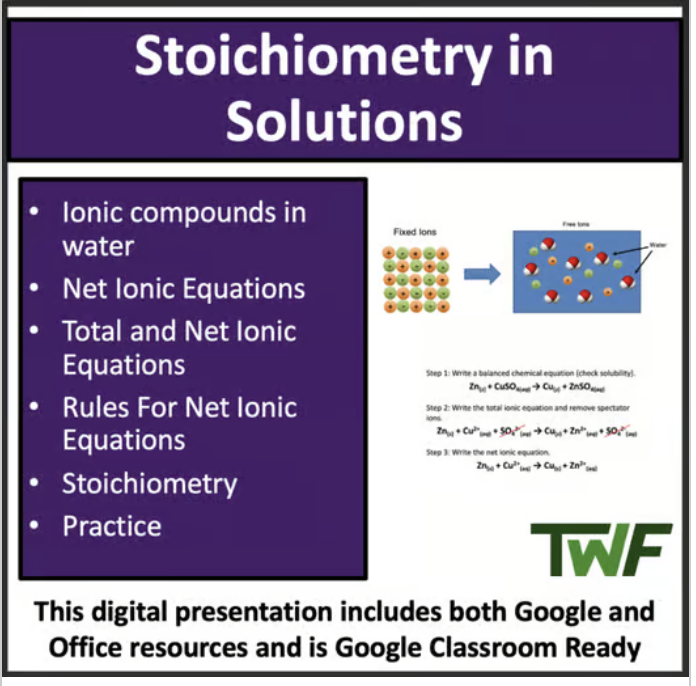
A senior chemistry lesson teaching stoichiometry in aqueous solutions: ionic compound dissociation, total/net ionic equations, and using molar concentration to solve solution stoichiometry problems.
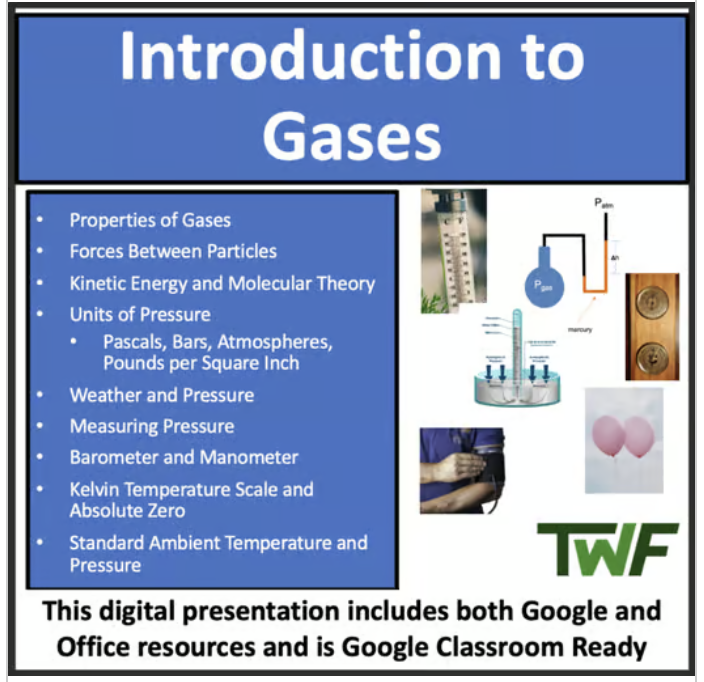
A senior high school chemistry lesson introducing the properties and behavior of gases, kinetic molecular theory, pressure units, and temperature scales.

Teach senior/high-school chemistry students the gas laws (Boyle's Law, Charles' Law, Gay-Lussac's Law) and their combined application.
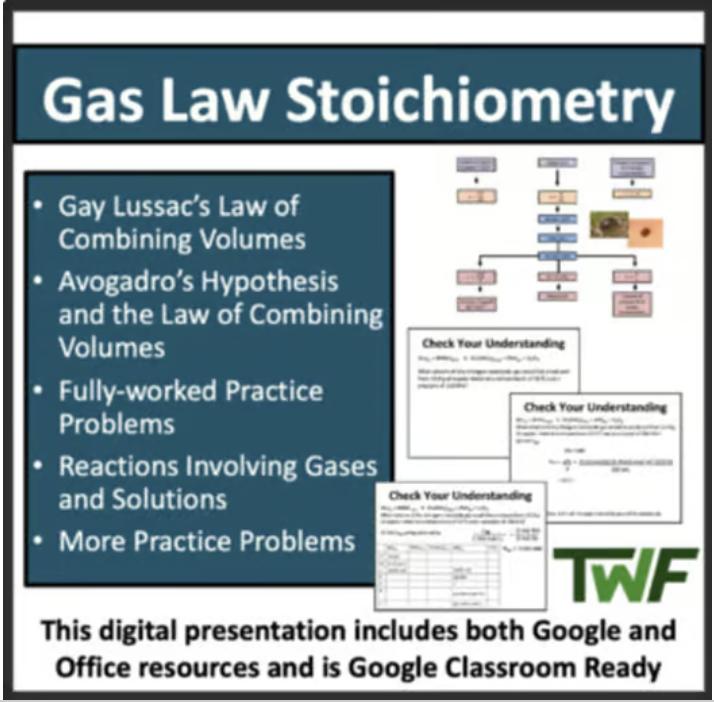
Teach senior/high-school chemistry students gas law stoichiometry: Gay-Lussac's Law of Combining Volumes, Avogadro's Hypothesis, and mole-ratio-based reactions involving gases and solutions.
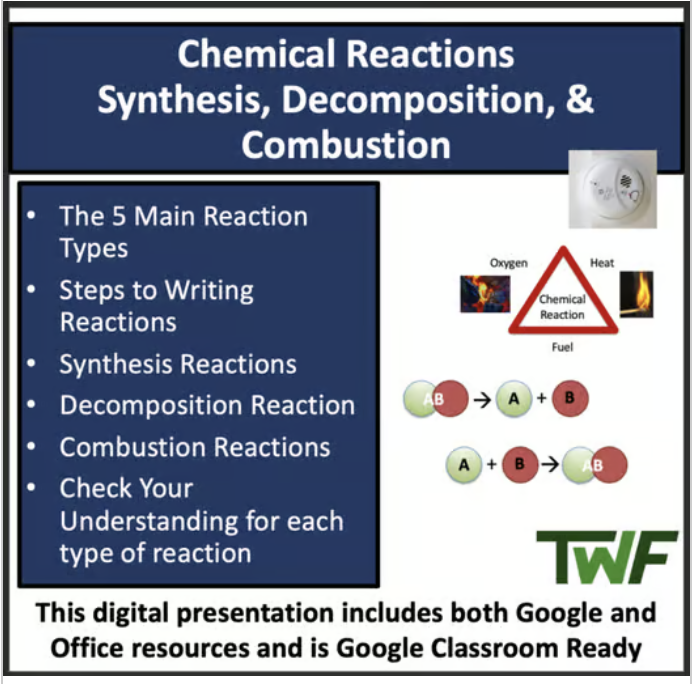
Teach synthesis, decomposition, and combustion chemical reaction types for a senior high school chemistry course, including predicting and balancing equations.
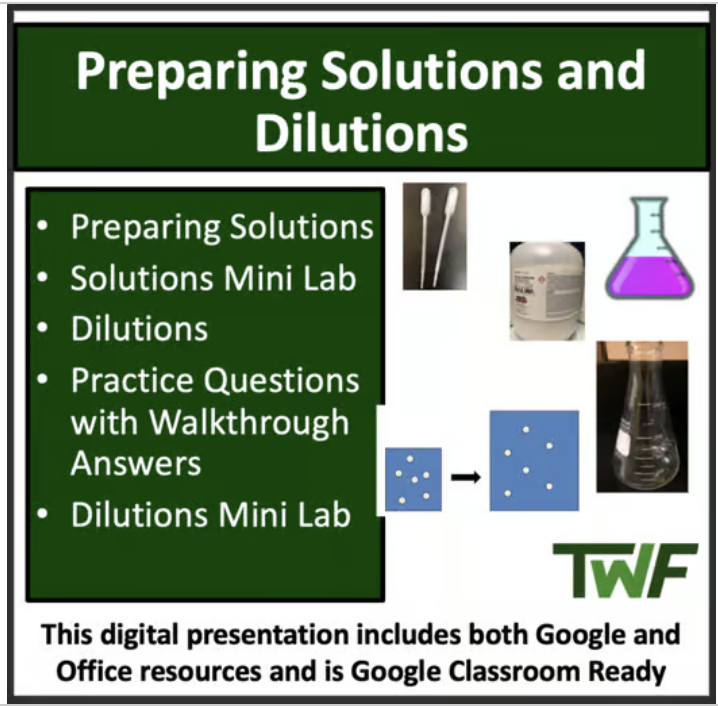
A senior (high school) chemistry lesson teaching how to prepare solutions of a given molar concentration using volumetric flasks, and how to dilute concentrated stock solutions using the M1V1=M2V2 relationship.

A senior chemistry lesson teaching students to calculate solution concentration, mass/volume percentage, and molarity.
A high school chemistry lesson teaching students to identify and analyze hydrates/hydrated salts and calculate a hydrate's chemical formula from experimental mass data.

A slide-based lesson for senior (grade 10-12) earth and space science students teaching why Earth has seasons, covering Kepler's elliptical orbit, Earth's tilt and revolution, equinoxes, and perihelion/aphelion.
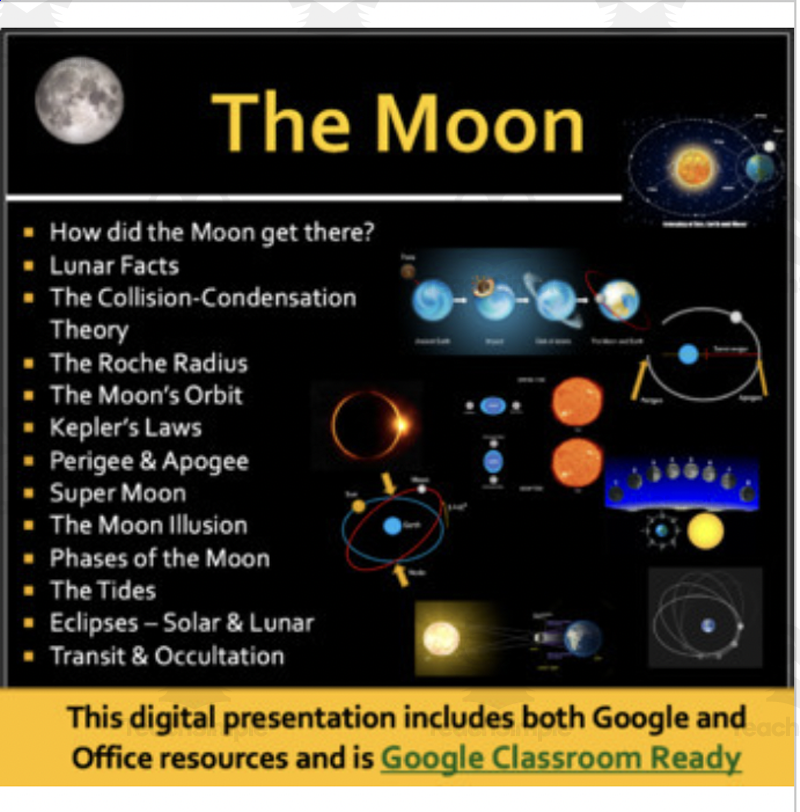
A three-day senior Earth and Space Science lesson on the Moon's origin (Collision-Condensation theory), orbital mechanics, phases, eclipses, and tidal influence, delivered via slide presentation with guided student notes.

Teach senior high school biology students the structure and function of proteins and nucleic acids (amino acids, polypeptides, protein structure levels, denaturing, DNA vs RNA).
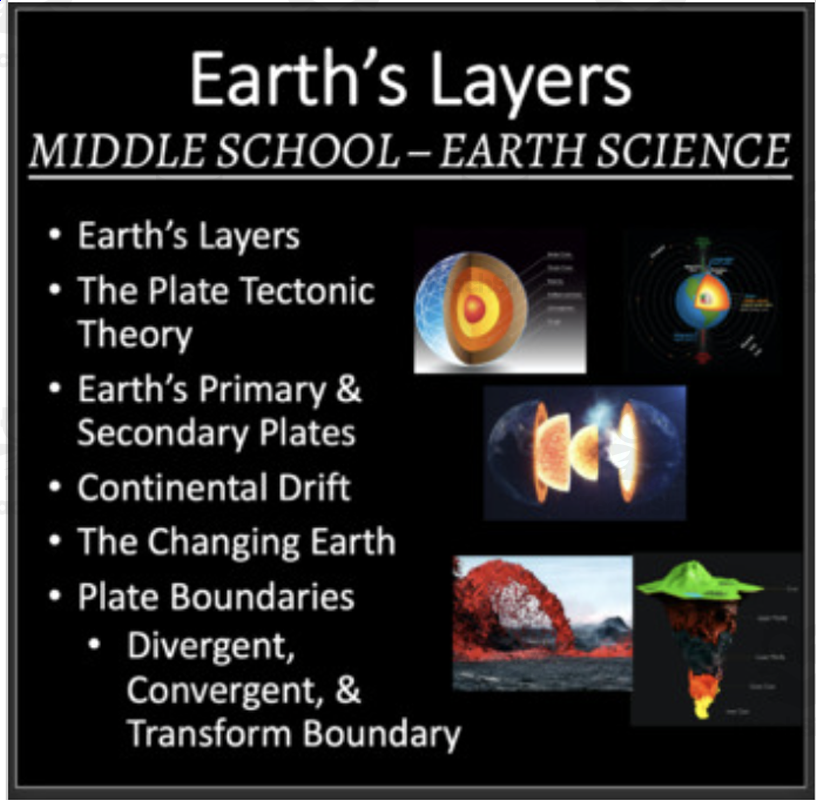
A middle-school Earth science lesson on Earth's internal layers (inner core, outer core, mantle, asthenosphere/lithosphere, crust) and planet formation, delivered as a paired teacher/student slide presentation with a student handout.

Teach the hierarchy of biological organization (cells, tissues, organs, organ systems, organisms) and the concept of specialized cells via a slide-based lesson with a fill-in-the-blank student note-taking format.